 HRTD Medical Institute



Mania Management
Mania is a psychiatric term characterized by a distinct period of abnormally and persistently elevated, expansive, or irritable mood and increased activity or energy. These symptoms represent a significant departure from typical behavior, persist for at least a week (or any duration requiring hospitalization), and cause significant impairment in daily life.

Key Symptoms of a Manic Episode
Symptoms and behavioral changes during a manic episode are often noticeable to others.
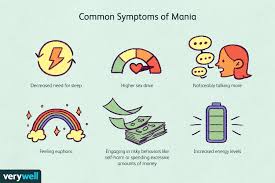
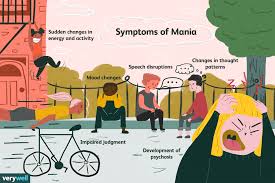
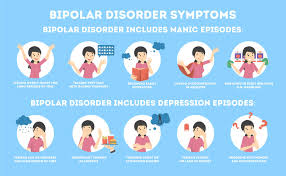
- Mood: May include euphoria, intense excitement, or extreme irritability. Mood can also be highly unstable.
- Energy: Increased energy and activity, often leading to a reduced need for sleep.
- Cognition: Racing thoughts, rapid speech, and easy distractibility are common.
- Behavior: May involve inflated self-esteem, impulsivity, and engaging in risky activities.
- Severe Symptoms: In severe cases, psychosis, including hallucinations and delusions, can occur.
Causes and Triggers
Mania is most closely linked to bipolar I disorder, and a single manic episode can lead to this diagnosis.
Potential factors include:
- Genetics: A family history of bipolar disorder increases risk.
- Neurobiology: Brain structure and neurotransmitter imbalances are believed to play a role.
- Environment: Stressful life events and lack of sleep can be triggers.
- Substances: Certain medications or recreational drugs can induce manic symptoms.
- Medical Conditions: Some medical conditions may also cause secondary mania.
Treatment and Management
Acute mania is a medical emergency that may require hospitalization for safety. Treatment typically involves:
- Medication: Mood stabilizers and antipsychotics are often used to manage symptoms and prevent future episodes.
- Psychotherapy: Therapies like CBT can help individuals develop coping strategies.
- Lifestyle: Maintaining regular sleep, a healthy diet, exercise, and avoiding substances are important for long-term management.