 HRTD Medical Institute

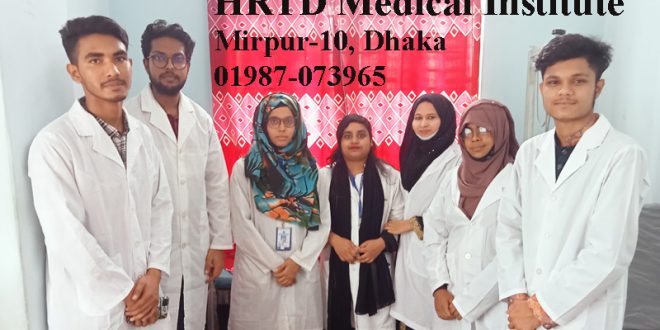
Paramedical Type in The World Details
Paramedical Type. Mobile No. 01969947171, 01987-073965, 01797-522136. There are Mainly three Paramedical Types in Medical Sectors. First Aid Paramedical, Nursing Paramedical & Technological Paramedical. They play different types of roles. Paramedics are the persons who completed Paramedical Courses. Paramedics Play different types of Roles in Medical Sector.
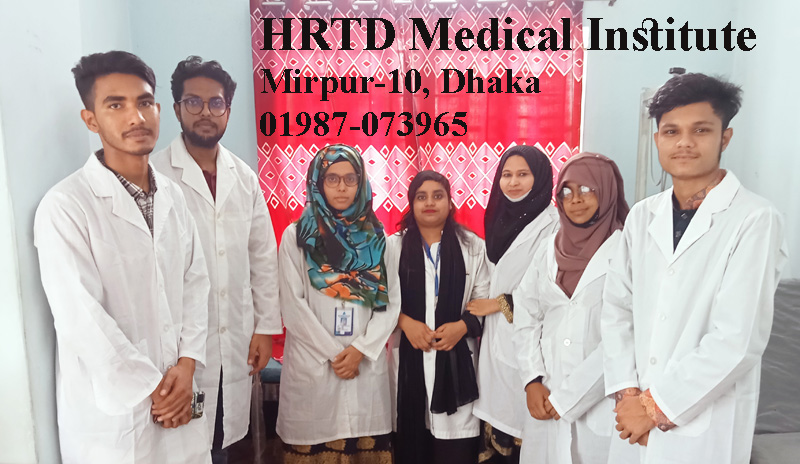
Role of First Aid Paramedics in the World
Role of First Aid Paramedics. Mobile No.01969947171, 01987-073965, 01797-522136. First Aid Paramedical is a Paramedical Type that is responsible for First Aid Management. First Aid Paramedics Play a vital role in Medical Sectors. To keep the patients safe and to help the patients bring to doctor’s chambers or hospitals. Courses for First Aid Paramedics are LMAF, RMP, Paramedical, DMA, DMS, DPM, and DMDS.
Location of First Aid Paramedical Training Center in Dhaka, Bangladesh
Location of First Aid Paramedical Training Center. Mobile No. 01969947171, 01987-073965, 01797-522136. HRTD Medical Institute, Abdul Ali Madbor Mansion, Section-6, Block-Kha, Road-1, Plot-11, Mirpur-10 Golchattar, Metro Rail Piller No. 249, Dhaka-1216.
Course Fee for First Aid Paramedical Training in Dhaka, Bangladesh
Course Fee for First Aid Paramedical Training. Mobile No. 01969947171, 01987-073965, 01797-522136. LMAF 6 Months Tk 26500/-, LMAF 1 Year Tk 52500/-, RMP 6 Months Tk 26500/-, RMP 1 Year Tk 52500/-, Paramedical 1 Year Tk 52500/-, Paramedical 2 Years Tk 92500/-, DMA 1 Year Tk 52500/-, DMA 2 Years Tk 92500/-, DMS 1 Year Tk 52500/-, DMS 2 Years Tk 92500/-, DMDS 4 Years Tk 182500/-.
Role of Nursing Paramedics in the World
Role of Nursing Paramedics in the World. Mobile No. 01969947171, 01987-073965, 01797-522136. Nursing Paramedical is a Paramedical Type that is responsible for Follow up prescriptions for patients. Implementation of Prescription is the main role of Nursing Paramedics. Other duties of Nursing Paramedics are Observations of Patients’ Symptoms and Drug Side Effects. Implementations of doctor’s advice for the patients.
Location of Nursing Paramedical Training Center in Dhaka, Bangladesh
Location of Nursing Paramedical Traning Center. Mobile No. 01969947171, 01987-073965, 01797-522136. HRTD Medical Institute, Abdul Ali Madbor Mansion, Section-6, Block-Kha, Road-1, Plot-11, Mirpur-10 Roundabout, Metro Rail Piller No. 249, Dhaka-1216.
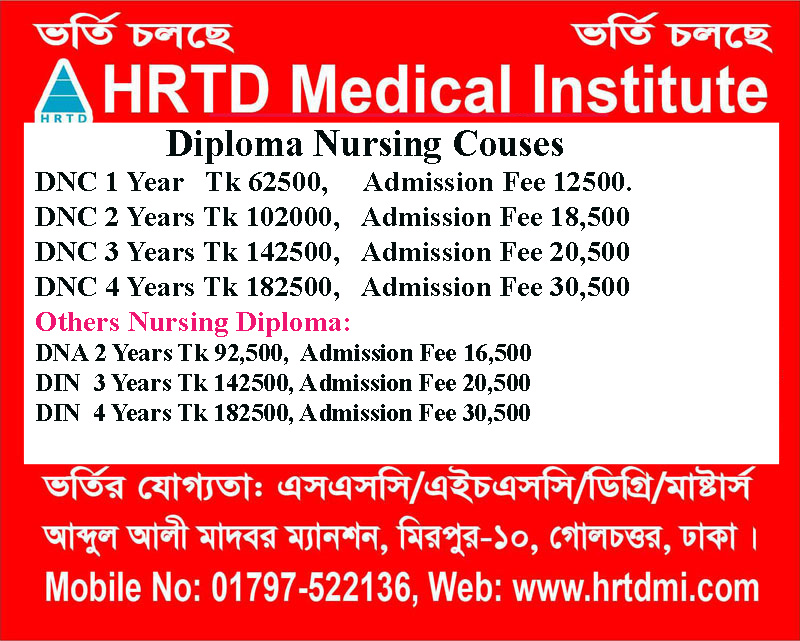
Course Fee for Nursing Paramedical in Dhaka, Bangladesh
Course Fee for Nursing Paramedical. Mobile No. 01969947171, 01987-073965, 01797-522136. Nursing Training Course 6 Months Tk 32500/-, Nursing Training Course 1 Year Tk 62500/-. Diploma Nursing Assistant 2 Years Tk 92500, Diploma in Nursing Technology 3 Years Tk 152500/-, Diploma in Nursing 4 Years Tk 198500/-.
Role of Technological Paramedics in the World
Pole of Technological Paramedics. Mobile No. 01969947171, 01987-073965, 01797-522136. Technological Paramedical is a Type of Paramedical that plays a role in medical laboratories. Pathological Laboratory Technicians, Anatomical Laboratory Technicians, Dental Lab Technicians, Physiotherapy Lab Technicians, and Operation Theater Technicians are some examples of Technological paramedics.
Technological Paramedical Courses available at HRTD Medical Institute
Pathology Training Course, Diploma in Pathology Assistant, Diploma in Pathology, Dental Training Course, Diploma in Dental Assistant, Diploma in Dental Technology, Diploma in Dental, Physiotherapy Training Course, Diploma in Physiotherapy Assistant, Diploma in Physiotherapy Technology, and Diploma in Physiotherapy.
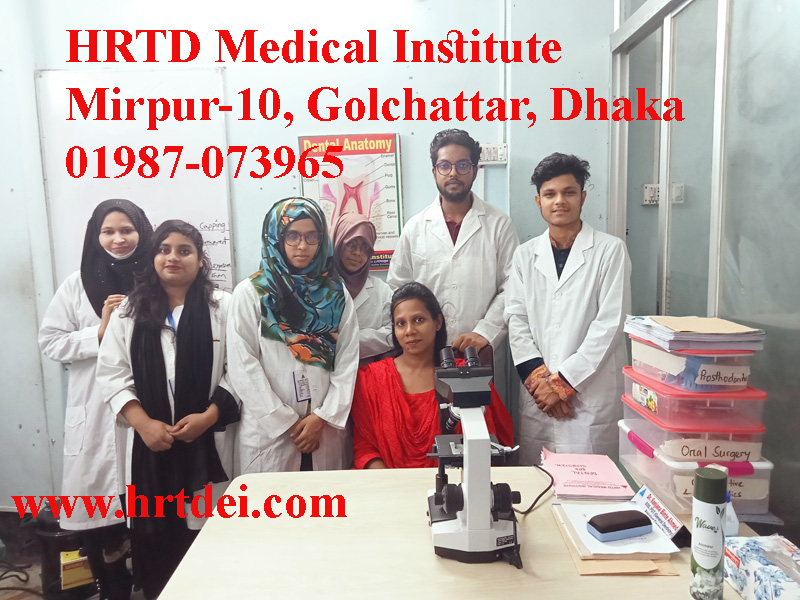
Hostel Facilities in HRTD Medical Institute for Paramedical Type in the World
Hostal & Meal Facilities
The Institute has hostel facilities for the students. Students can take a bed in the hostel.
Hostel Fee Tk 3000/- Per Month
Meal Charges Tk 3000/- Per Month. ( Approximately )
হোস্টাল ও খাবার সুবিধা
ইনস্টিটিউটে শিক্ষার্থীদের জন্য হোস্টেল সুবিধা রয়েছে। ছাত্ররা হোস্টেলে বিছানা নিতে পারে।
হোস্টেল ফি 3000/- টাকা প্রতি মাসে,
খাবারের চার্জ 3000/- টাকা প্রতি মাসে।(প্রায়)
Some Subject for Paramedical Type in the World
Paramedical Course subjects. Mobile No. 01969947171, 01987073965, 01797522136.
- Human Anatomy & Physiology-1
- Pharmacology-1
- Study of OTC Drugs
- First Aid-1 & 2
- Practice of Medicine
- Hematology
- Pathology for Medical Practice
- General Surgery-1
- Cardiovascular Anatomy
- Antimicrobial drugs
- Medical Diagnosis-1 & 2
- Chemistry
- Medical Biochemistry
- Orthopedic Anatomy
- Neuro Anatomy & Physiology
- Pharmacology-2
- Pathology- 1 & 2
- Anatomy & Physiology-2
- Respiratory Disease & Treatment
- Essential Drugs & Medicine
- Human Microbiology
- Community Medicine-1&2
- ENT Drugs & Ophthalmic Drugs
- Urology & Hepatology
- Fungal Infections and Treatment
- Medical Diagnosis & Treatment
- Common Respiratory Disease
- Cardiovascular Drug & Disease
- Practice of Neuromedicine
- Abdominal Pain Management
Practical Classes And Internship for Paramedical Type in the World
Heartbeat, Heart Rate, Cardiac Auscultation, Process of Cardiac Auscultation, Tachycardia, Bradycardia, Pulse, Pulse Rate, Strong Pulse, Weak Pulse, Blood Pressure, Normal Blood Pressure, Systolic Blood Pressure, Diastolic Blood Pressure, Pulse Pressure, Mean Blood Pressure, Hypertension, Hypotension, Hypertension Emergency, First Aid and Management of Hypertension Emergency, Cleaning, Dressing, Bandaging, Stitching, Inhaler, Rotahaler, Nebulizer, Pulse Oxymter, Oxygen Cyllinder, Injection Pushing, IM Injection Pushing, IV Injection Pushing, SC Injection Pushing, Vaccine Pushing, Insulin Pushing, Blood Glucose Masurement, Diabetes, Saline Pushing, Respiratory Meter, First Aid and Management of Shock, First Aid of Bone Fracture, X Ray Report Understanding, Respiration, Respiratory Auscultation, Process of Respiratory Auscultation, First Aid of Diarrhea and Constipation, Dehydration Test, Edema Test, Joundice Test, Anemia Test, etc.
Teachers For Paramedical Type in the World
- Dr. Md. Sakulur Rahman, MBBS, CCD (BIRDEM), Course Director
- Dr. Sanjana Binte Ahmed, BDS, MPH, Assistant Course Director
- Dr. Tisha, MBBS, PGT Gyne, Assistant Course Director
- Dr. Suhana, MBBS, PGT Medicine
- Dr. Danial Hoque, MBBS, C-Card
- Dr. Tisha, MBBS
- Dr. Afrin Jahan, MBBS, PGT Medicine
- Dr. Ananna, MBBS
- Dr. Lamia Afroze, MBBS
- Dr. Amena Afroze Anu, MBBS, PGT Gyne, Assistant Course Director
- Dr. Farhana Antara, MBBS,
- Dr. Nazmun Nahar Juthi, BDS, PGT
- Dr. Farhana Sharna, MBBS
- Dr. Bushra, MBBS
- Dr. Turzo, MBBS
- Dr. Kamrunnahar Keya, BDS, PGT (Dhaka Dental College)
- Dr. Shamima, MBBS, PGT Gyne
- Dr. Alamin, MBBS
- Dr. Benzir Belal, MBBS
- Dr. Disha, MBBS
- Dr. Mahinul Islam, MBBS
- Dr. Tisha, MBBS, PGT Medicine
- Dr. Anika, MBBS, PGT
- Dr. Jannatul Ferdous, MBBS, PGT Gyne
- Dr. Jannatul Aman, MBBS, PGT
- Dr. Rayhan, BPT
- Dr. Abu Hurayra, BPT
- Dr. Sharmin Ankhi, MBBS, PGT Medicine
- Md. Monir Hossain, B Pharm, M Pharm
- Md. Monirul Islam, B Pharm, M Pharm
- Md. Feroj Ahmed, BSc Pathology, PDT Medicine
Human Anatomy & Physiology For Paramedical Type in the World
The Study of the body Structure and its function is Anatomy & Physiology. Here we discuss the systems of the human body and its organ, Tissues, and cells. The systems of the human body are the digestive system, Respiratory system, Cardiovascular system, Skeletal system, Muscular system, nervous system, Endocrine system, Immune System, Integumentary System and Urinary System.
Human Anatomy and Physiology is the study of the body’s structures (anatomy) and their functions (physiology). Anatomy focuses on the physical arrangement of cells, tissues, organs, and systems, while physiology explains how these structures work together to maintain life processes like movement, metabolism, and reproduction. The two are intertwined, as a structure’s form determines its function, and understanding one requires understanding the other.
Anatomy
- Definition:The scientific study of the body’s structures and their physical arrangement.
- Levels of Study:Can be studied at different levels, including:
- Gross Anatomy: The study of structures visible without a microscope, such as organs and organ systems.
- Microscopic Anatomy (Histology): The study of tissues and cells using a microscope.
- Methods of Study:Historically involved dissection, but now also uses advanced imaging techniques like MRI and CT scans to visualize structures in living people.
Physiology
- Definition: The study of how the body’s structures function to sustain life.
- Key Concepts:
- Complementarity of Structure and Function: The shape and form of a body structure are directly related to what it can do.
- Homeostasis: The body’s ability to maintain a stable internal environment, which is essential for survival.
- Examples: Studying how the heart regulates blood flow or how muscles contract and bring bones together.
Major Body Systems
Understanding human anatomy and physiology involves studying the body’s major systems, including:
Musculoskeletal System, Circulatory System, Nervous System, Digestive System, Respiratory System, Integumentary System, Endocrine System, Lymphatic System, Urinary System, and Reproductive System.
Why It’s Important
- Health Professions:It is a fundamental science for careers in medicine and other health fields.
- Personal Health:Knowledge of the human body helps in making informed health decisions and understanding medical information.
Pharmacology-1 for Paramedical Type in the World
Pharmacology is a broad field, but some areas are consistently considered high-yield and important. These include general principles like pharmacokinetics and pharmacodynamics, as well as specific drug classes and their mechanisms of action, particularly those related to the autonomic nervous system (ANS), central nervous system (CNS), and cardiovascular system (CVS). Additionally, understanding adverse drug reactions (ADRs), drug interactions, and clinical pharmacology is crucial.
General Pharmacology:
Pharmacogenetics : This field explores how genetic variations influence drug response, including individual differences in drug metabolism and efficacy.
Pharmacokinetics: This branch deals with how the body processes a drug, including absorption, distribution, metabolism, and excretion. Key concepts include bioavailability, first-pass metabolism, and kinetics of elimination (e.g., first-order vs. zero-order).
Pharmacodynamics: This area focuses on how drugs affect the body, including receptor interactions, drug-receptor binding, and the resulting physiological effects. Understanding dose-response relationships, including graded and quantal dose-response curves, is essential.
Drug Interactions: This involves understanding how multiple drugs can affect each other’s effects, including synergistic, antagonistic, and additive interactions.
Adverse Drug Reactions: This area focuses on understanding the potential harmful effects of drugs, including types of reactions, risk factors, and how to manage them.
Drug Regulation and Ethics: Understanding drug schedules, essential medicines lists, and the process of drug development (clinical trials) is important.
Specific Organ Systems:
- Autonomic Nervous System (ANS): This includes drugs that affect the sympathetic and parasympathetic nervous systems, including agonists and antagonists of adrenergic and cholinergic receptors. Important topics include the autonomic nervous system pathways, neurotransmitters, and specific drug classes like beta-blockers, cholinergics, and anticholinergics.
- Cardiovascular System: This area covers drugs used to treat hypertension, angina, heart failure, arrhythmias, and hyperlipidemia. Important topics include antihypertensives, antianginal drugs, antiarrhythmics, and lipid-lowering agents.
- Central Nervous System (CNS): This includes drugs that affect the brain and spinal cord, such as anesthetics, antiepileptics, antipsychotics, antidepressants, and drugs for neurodegenerative diseases. Important topics include local anesthetics, general anesthetics, drugs for Parkinson’s disease and epilepsy, and drugs for psychiatric disorders.
- Respiratory System: This includes drugs used to treat asthma, COPD, and other respiratory conditions.
- Endocrine System: This area covers drugs used to treat diabetes, thyroid disorders, and other endocrine conditions.
- Anti-infective Agents: This includes antibacterial, antiviral, antifungal, and antiparasitic drugs. Important topics include mechanisms of action, resistance, and specific drug classes.
Other Important Topics:
- Pharmacogenomics/Pharmacogenetics: The study of how genes affect a person’s response to drugs.
- Drug Resistance: Understanding how microorganisms develop resistance to antimicrobial drugs.
- Anti-inflammatory and Immunomodulatory Drugs: Including NSAIDs, corticosteroids, and immunosuppressants.
First Aid for Paramedical Type in the World
The most important topics in first aid focus on preserving life, preventing deterioration, and promoting recovery. Key life-saving topics and skills include scene assessment, Cardiopulmonary Resuscitation (CPR), managing severe bleeding and choking, and addressing common medical emergencies.
Core First Aid Principles
Effective first aid is guided by a few core principles and an action plan to manage any incident safely and promptly:
- DRSABCD Action Plan: A widely taught mnemonic (Danger, Response, Send for help, Airway, Breathing, CPR, Defibrillation) that provides a systematic approach to emergencies.
- Scene Safety: The very first priority is to ensure the area is safe for yourself, bystanders, and the casualty before providing any aid.
- Calling for Help: Promptly calling emergency services is a critical step in any serious emergency.
- Personal Protection Equipment (PPE): Using gloves and breathing barriers helps prevent cross-infection from blood or bodily fluids.
Very Important Topics and Skills
The following topics cover essential, life-saving skills everyone should know:
| Topic | Key Skill / Action |
|---|---|
| Cardiac Arrest | Cardiopulmonary Resuscitation (CPR) and the use of an Automated External Defibrillator (AED) are vital for manually circulating blood and restoring heart rhythm until professional help arrives. |
| Choking | Knowing the Heimlich maneuver (abdominal thrusts) or back blows to clear an obstructed airway can be immediately life-saving. |
| Severe Bleeding | Applying direct, firm pressure to a wound with a clean cloth and, if necessary, elevating the injured limb or using a tourniquet can control excessive blood loss. |
| Shock | Recognizing signs of shock (pale, cold, clammy skin) and managing it by laying the person down, raising their legs, and keeping them warm are important. |
| Unconsciousness / Recovery Position | Placing an unconscious but breathing person into the recovery position helps ensure their airway remains clear and prevents them from choking on their own fluids. |
| Burns | Knowing how to treat different degrees of burns, typically using cool running water, and when to seek immediate medical attention. |
| Medical Emergencies | Recognizing the signs of common emergencies like heart attacks (chest pain, sweating, dizziness) and strokes (using the F.A.S.T. acronym: Face, Arm, Speech, Time) for a rapid response is crucial. |
Where to Learn More
Formal training provides hands-on practice and certification, which is highly recommended. You can find courses through authoritative organizations:
- American Red Cross
- St John Ambulance
- Bangladesh Red Crescent Society (BDRCS)
- National Safety Council
Study of OTC Drugs for Paramedical Type in the World
The study of Over-The-Counter (OTC) drugs is an important topic in healthcare research, focusing on responsible self-medication, potential for misuse, patient education, safety considerations in specific populations, and regulatory oversight.
Key aspects and important topics include:
1. Responsible Self-Care and Benefits
OTC medicines allow individuals to manage minor, self-limiting ailments (such as mild headaches, fever, cough, cold, pain, and acidity) quickly and at a lower cost, reducing the burden on healthcare systems. Studies show a high prevalence of OTC drug usage for these conditions.
2. Risks, Misuse, and Abuse
Despite their benefits, the widespread use and easy availability of OTC drugs lead to significant risks:
- Adverse effects and drug interactions: OTC medicines can interact with other prescription drugs, foods, and existing health conditions (e.g., high blood pressure or liver disease).
- Overdosing and long-term side effects: Misuse of common medications like acetaminophen can lead to liver damage. Long-term, irrelevant use can initiate permanent chronic diseases.
- Masking serious illnesses: Using OTC drugs might mask the symptoms of a more serious underlying condition, delaying proper medical diagnosis and treatment.
- Abuse for psychoactive effects: Some OTC drugs containing ingredients like codeine or dextromethorphan are abused for their psychoactive effects.
3. Patient Knowledge and Education
Research consistently highlights gaps in public and even health science students’ knowledge about the safe use of OTC products. Important topics in this area include:
- Awareness of safety and risks: Many users mistakenly believe that all OTC drugs are inherently safe.
- Reading medication leaflets/labels: Studies show varying rates of people reading instructions and warnings on packaging.
- Influence of advertising and social circles: Commercial advertising and peer recommendations play a major role in driving OTC use, sometimes leading to irrational choices.
- Consulting pharmacists: The role of pharmacists is crucial in guiding patients toward responsible use, though consultation rates vary.
4. Special Populations
Certain populations require extra caution when using OTC drugs:
- Pregnant and breast-feeding women: These groups need to be extra cautious and consult healthcare professionals.
- Children and infants: Health authorities often advise against giving certain cough and cold medications to young children due to potential life-threatening side effects.
5. Regulatory Oversight and Policy
The regulation of OTC drugs is a vital topic, especially in countries where a clear legal definition for “OTC” is lacking. Key issues include:
- Formal classification of drugs: Establishing clear legal categories for OTC medicines helps in better regulation of their sale and distribution.
- Enforcing prescription drug rules: Strict regulations are needed to prevent the illegal over-the-counter sale of prescription-only medications, a rampant issue in some regions.
- Labeling standards: Clear, simple-to-understand “Drug Facts” labels (as in the US) are essential for safe use without medical guidance.
- Online pharmacies: The rise of online sales necessitates stringent regulatory mechanisms to prevent misuse and abuse.
In conclusion, studying OTC drugs involves a balance between promoting self-care and mitigating the significant public health risks associated with their misuse. This calls for a multi-faceted approach involving education, strong regulation, and the active involvement of healthcare professionals like pharmacists.
Practice of Medicine for Paramedical Type in the World
The most important topics in the practice of medicine span foundational knowledge, core clinical areas, and essential professional skills.
Foundational Knowledge
A strong grasp of the basic sciences is crucial, as clinical medicine is built upon these principles:
- Anatomy & Physiology: Essential for understanding normal bodily functions and physical examination.
- Pathology: Understanding disease mechanisms is fundamental to diagnosis and management.
- Pharmacology: Critical for safe and effective drug therapy and understanding drug interactions.
- Microbiology/Immunology: Key for understanding infectious diseases and the body’s immune responses.
- Biochemistry and Genetics: Important for understanding metabolic processes, inherited diseases, and modern genomic medicine.
Core Clinical Areas (Internal Medicine)
Medical practice heavily focuses on diagnosing and managing diseases across various body systems. Key areas and topics include:
| System | Important Topics |
|---|---|
| Cardiovascular (CVS) | Myocardial infarction (MI), congestive heart failure, hypertension, arrhythmias (e.g., atrial fibrillation), infective endocarditis, and rheumatic heart disease. |
| Respiratory (RS) | Asthma (acute severe asthma management), COPD, pneumonia (community-acquired and nosocomial), tuberculosis, pulmonary embolism, and lung carcinoma. |
| Renal | Acute kidney injury (AKI), chronic kidney disease (CKD), nephrotic and nephritic syndromes, and electrolyte imbalances (hyperkalemia, hyponatremia). |
| Gastroenterology (GIT) | Peptic ulcer disease, H. pylori management, liver cirrhosis and its complications (ascites, hepatic encephalopathy), inflammatory bowel disease (IBD), and acute pancreatitis. |
| Endocrinology | Diabetes mellitus (including DKA and hyperosmolar coma), thyroid disorders (hypo/hyperthyroidism, thyroid storm), and adrenal insufficiency. |
| Neurology | Stroke (ischemic and hemorrhagic), meningitis, epilepsy and status epilepticus, Parkinson’s disease, Alzheimer’s disease, and Guillain-Barré syndrome. |
| Infectious Diseases | HIV/AIDS, malaria, dengue, typhoid, hepatitis B and C, and emerging infectious diseases (e.g., COVID-19). |
| Hematology | Anemias (iron deficiency, megaloblastic, aplastic), leukemias, lymphomas, and bleeding/platelet disorders. |
Essential Professional Skills and Topics
Beyond disease-specific knowledge, successful medical practice requires competency in:
- Clinical Skills: History taking, physical examination, and diagnostic reasoning.
- Communication Skills: Effective interaction with patients and the healthcare team.
- Medical Ethics and Law: Adhering to professional conduct, ensuring patient safety, and navigating legal issues.
- Evidence-Based Medicine: Integrating individual expertise with the best available clinical evidence for patient care decisions.
- Patient Safety and Quality Improvement: Understanding how to reduce medical errors and improve care delivery.
- Public Health and Prevention: Understanding disease prevention, nutrition, lifestyle impacts on health, and the social determinants of health.
Hematology for Paramedical Type in the World
Very important topics in hematology include anemia, blood cancers (like leukemia and lymphoma), coagulation disorders (such as hemophilia), and blood cell production and function. Other key areas are red and white blood cell counts, platelet function, blood transfusions, and the study of hemoglobinopathies like sickle cell disease.
Core concepts and physiology
- Hemopoiesis: The process of blood cell formation in the bone marrow.
- Blood cell types: The structure, function, and types of erythrocytes (red blood cells), leukocytes (white blood cells), and platelets.
- Blood coagulation: The body’s mechanism for stopping bleeding, including primary and secondary hemostasis.
- Hemoglobin: The protein in red blood cells that carries oxygen and the study of related disorders.
Important disorders
- Anemia: A broad category of conditions where there aren’t enough healthy red blood cells to carry adequate oxygen, including different types of anemia.
- Hematological malignancies: Cancers of the blood, such as leukemia, lymphoma, and multiple myeloma.
- Bleeding and clotting disorders: Conditions like hemophilia and thrombotic disorders that involve problems with the coagulation system.
- Hemoglobinopathies: Genetic disorders affecting hemoglobin, with sickle cell disease being a prominent example.
Diagnosis and management
- Complete Blood Count (CBC): A standard test that provides a broad overview of blood health, including red blood cells, white blood cells, and platelets.
- Blood transfusion: The process of transferring blood and the associated hazards and management.
- Coagulation tests: Laboratory tests like PT, PTT, and INR used to evaluate bleeding and clotting disorders.
- Hematopoietic stem cell transplantation: A procedure used to treat certain blood disorders and cancers.
Pathology for Paramedical Type in the World
Very important topics in pathology include General Pathology (cell injury, inflammation, neoplasia), Hematology (anemias, lymphomas, leukemia), and Systemic Pathology across multiple organ systems like the cardiovascular, respiratory, gastrointestinal, and renal systems. Key concepts include cell injury (necrosis, apoptosis), inflammation (mediators, chronic vs. acute), neoplasia (carcinogenesis, tumor markers), and genetic diseases.
General Pathology
- Cell Injury: Reversible and irreversible injury, necrosis, apoptosis, and free radical injury.
- Inflammation: Acute and chronic inflammation, inflammatory mediators, and healing.
- Hemodynamic Disorders: Edema, hemorrhage, thrombosis, embolism, infarction, and shock.
- Neoplasia: General aspects, cell cycle, carcinogenesis, and tumor markers.
- Immunopathology: Hypersensitivity reactions, immunodeficiency disorders, and autoimmune diseases.
- Genetic Diseases: Mendelian inheritance patterns, chromosomal abnormalities, and diagnosis of genetic disorders.
Hematology
- Anemias: Iron deficiency, megaloblastic, hemolytic, sickle cell, and thalassemia.
- Leukemia and Lymphoma: Acute and chronic leukemias, lymphomas, and plasma cell disorders.
- Blood Bank: Blood group systems and transfusion reactions.
- Coagulation: Coagulation disorders, hypercoagulable states, and disseminated intravascular coagulation (DIC).
Systemic Pathology
- Cardiovascular: Atherosclerosis, myocardial infarction, cardiomyopathy, and valvular heart disease.
- Respiratory: Pneumoconiosis, asthma, chronic obstructive pulmonary disease (COPD), and lung cancer.
- Gastrointestinal: Peptic ulcers, inflammatory bowel diseases, malabsorption syndromes, and esophageal diseases.
- Renal: Glomerulonephritis, renal failure, and diseases of the urinary tract.
- Liver: Hepatitis, cirrhosis, and gallstones.
- Central Nervous System: Neurodegenerative diseases, stroke, and brain tumors.
- Skin and Endocrine Systems: Also important areas, particularly for hormonal imbalances and skin conditions.
Surgery for Paramedical Type in the World
Key surgery topics include trauma, gastrointestinal surgery (including colorectal, hepatobiliary, and pancreatic), wound healing, and perioperative care. Other very important subjects are surgical infections, basic surgical principles, breast and endocrine surgery, and various aspects of patient safety and management.
Core subjects
- Basic principles: Fundamental concepts that apply across all surgical procedures.
- Wound healing: Understanding the processes of tissue repair and complications like infection.
- Perioperative care: Management of patients before, during, and after surgery, including anesthesia and post-operative care.
- Surgical infections: Knowledge of infections, such as MRSA, and their prevention and treatment.
- Trauma: Management of traumatic injuries.
System-specific subjects
- Gastrointestinal surgery: Includes topics like inflammatory bowel disease (Crohn’s and ulcerative colitis), gallstones, and pancreatitis.
- Hepatobiliary and pancreatic surgery: Focuses on the liver, gallbladder, and pancreas.
- Colorectal surgery: Deals with the colon and rectum.
- Breast and endocrine surgery: Covers breast cancer and conditions like thyroid and adrenal tumors.
- Vascular and endovascular surgery: Involves blood vessels and includes both surgical and less invasive endovascular techniques.
- Cardiothoracic surgery: Covers the heart and lungs.
- Plastic and reconstructive surgery: Includes burns and other skin-related issues.
Patient and procedural management
- Patient safety: Protocols and technologies to ensure patient safety during surgery.
- Oncology: The surgical management of cancer.
- Diagnosis and intervention: Includes history, examination, diagnostic studies, and surgical interventions.
- Pharmacotherapy: Use of drugs in a surgical context.
- Emergency medicine: Management of surgical emergencies.
- Bariatric surgery: Procedures for managing obesity.
Cardiovascular Anatomy for Paramedical Type in the World
The most important topics in cardiovascular anatomy center on the heart’s structure, the network of blood vessels, and the circulatory pathways that ensure efficient blood flow throughout the body.
The Heart: Structure and Function
The heart, a muscular pump, is crucial for blood circulation. Important anatomical areas include its four chambers: the right atrium (receiving deoxygenated blood), right ventricle (pumping blood to the lungs), left atrium (receiving oxygenated blood), and the powerful left ventricle (pumping oxygenated blood to the body). Four valves (tricuspid, mitral, pulmonic, and aortic) ensure blood flows in one direction. The heart is protected by the pericardium, and its wall has three layers: endocardium, myocardium, and epicardium. The heart’s rhythm is controlled by its electrical conduction system, including the SA node.
Blood Vessels and Circulation
The circulatory system uses arteries, capillaries, and veins for blood transport. Arteries carry blood away from the heart, including major vessels like the aorta, coronary, and carotid arteries. They have thick, elastic walls. Veins carry blood back to the heart, such as the vena cava, and contain valves to prevent backflow. Capillaries are tiny vessels where oxygen, nutrient, and waste exchange occurs between blood and tissues.
Key Circulatory Pathways
Essential to understanding the system are the pulmonary and systemic circuits. Pulmonary circulation sends deoxygenated blood from the right heart to the lungs for oxygenation, returning to the left heart. Systemic circulation pumps oxygenated blood from the left heart to the body and returns deoxygenated blood to the right heart. The heart muscle itself is supplied by coronary circulation.
Orthopedic Anatomy for Paramedical Type in the World
Important topics in orthopedic anatomy for Paramedical Type in the World include the skeletal system (bones, joints, and their articulations), muscles, tendons, ligaments, and nerves. Understanding these structures, their interactions, and common injuries like fractures, dislocations, and soft tissue damage is crucial. Key areas include the upper limb (shoulder, elbow, wrist, hand), lower limb (hip, knee, ankle, foot), and spine.
Key Areas and Specific Topics:
- Skeletal System:
- Bones: Types of bones (long, short, flat, irregular), bone structure (compact and spongy), bone formation (endochondral and intramembranous ossification), and common fractures.
- Joints: Types of joints (fibrous, cartilaginous, synovial), examples of each (e.g., shoulder, hip, knee, elbow, ankle, wrist).
- Spine: Vertebral column structure (vertebrae, intervertebral discs, facet joints), spinal curves, and common spinal conditions.
- Musculoskeletal System:
- Muscles: Muscle origins, insertions, actions, and innervation, particularly focusing on muscles of the limbs and back.
- Tendons and Ligaments: Their roles in joint stability and common injuries (e.g., tendonitis, ligament sprains).
- Nerves: Major nerves in the limbs (e.g., radial, ulnar, median, sciatic, femoral), nerve injuries (e.g., carpal tunnel syndrome, sciatic nerve compression), and their impact on movement and sensation.
- Specific Anatomical Regions:
- Upper Limb: Shoulder joint (rotator cuff, glenohumeral joint), elbow joint, wrist and hand (carpal bones, metacarpals, phalanges, common injuries), and nerve pathways.
- Lower Limb: Hip joint, knee joint (menisci, ligaments), ankle and foot (tarsals, metatarsals, phalanges, arches), and nerve pathways.
- Spine: Cervical, thoracic, and lumbar vertebrae, spinal cord and nerve roots, and common spinal conditions like herniated discs, spinal stenosis, and scoliosis.
- Orthopedic Conditions:
- Fractures: Types of fractures, fracture healing, and complications.
- Dislocations: Types of dislocations and joint instability.
- Soft Tissue Injuries: Sprains, strains, tendonitis, and bursitis.
- Arthritis: Osteoarthritis and rheumatoid arthritis.
- Tumors: Bone tumors (e.g., osteosarcoma, chondrosarcoma) and soft tissue tumors.
Antimicrobial Drugs for for Paramedical Type in the World
Antimicrobial drugs are a critical part of modern medicine, used to treat and prevent a wide range of infectious diseases in humans, animals, and plants. However, their effectiveness is threatened by the rising issue of antimicrobial resistance (AMR), where pathogens evolve to withstand the drugs designed to kill them. Key topics include the mechanisms of action of antimicrobial drugs, their use in different contexts (human medicine, animal agriculture, etc.), the development and spread of resistance, and strategies for antimicrobial stewardship.
Key Aspects of Antimicrobial Drugs:
- Mechanism of Action: Antimicrobials work by targeting specific components of microbial cells, such as cell walls, protein synthesis, or DNA replication.
- Types of Antimicrobials: The term encompasses antibiotics (for bacteria), antivirals (for viruses), antifungals (for fungi), and antiparasitics (for parasites).
- Clinical Use: Antimicrobials are essential for treating various infections, including common conditions like acne, bronchitis, and urinary tract infections, as well as more serious illnesses like infective endocarditis.
- Antimicrobial Resistance (AMR): AMR occurs when microorganisms like bacteria, viruses, fungi, and parasites no longer respond to antimicrobial medicines.
- Consequences of AMR: AMR can lead to increased morbidity and mortality, longer hospital stays, higher healthcare costs, and economic losses.
- Antimicrobial Stewardship: Strategies to optimize antimicrobial use in humans and animals are crucial to combat resistance. This includes proper diagnosis, appropriate drug selection and dosage, and promoting judicious use.
- One Health Approach: Recognizing that AMR is a global problem requiring a coordinated approach across human, animal, and environmental health.
- Importance in Agriculture: Antimicrobials are used to treat and prevent diseases in livestock and crops, impacting food safety and security.
Important Considerations:
- WHO’s Role: The World Health Organization (WHO) prioritizes critically important antimicrobials for human medicine.
- Public Health Threat: AMR is a serious global public health threat, with significant consequences for individuals and healthcare systems.
- Economic Impact: The economic burden of AMR is substantial, affecting both healthcare costs and agricultural productivity.
- Future Challenges: Developing new antimicrobial agents and implementing effective stewardship programs are crucial to address the ongoing challenge of AMR.
Medical Diagnosis for Paramedical Type in the World
medical diagnosis include understanding various disease categories, diagnostic procedures, and the evolving nature of diagnosis itself, with a focus on both accuracy and timeliness. Key areas involve recognizing critical conditions early, leveraging diagnostic tests effectively, and staying abreast of advancements like AI in diagnostics.
Key Areas in Medical Diagnosis:
Understanding Disease Categories: Medical diagnosis relies on recognizing and categorizing diseases. This includes understanding cancers, diabetes, infections, mental health conditions, and more.
Diagnostic Procedures: Various tests and procedures are used, including blood tests (like CBC), imaging (X-rays, ultrasound, etc.), biopsies, and more.
Timeliness and Accuracy: Accurate and timely diagnosis is crucial, as delays or misdiagnoses can lead to harm.
Evolution of Diagnosis: The field of diagnosis is constantly evolving, with new technologies and approaches emerging, like AI in medical diagnostics.
Ethical Considerations: The diagnostic process also involves ethical considerations, such as avoiding overdiagnosis and ensuring patient safety.
Essential drugs For Paramedical Type in the World
Essential drugs are medications crucial for addressing a population’s priority healthcare needs, selected based on factors like disease prevalence, public health relevance, efficacy, safety, and cost-effectiveness. They must be consistently available within functioning healthcare systems, in appropriate dosage forms, with assured quality, and at affordable prices. Key aspects of essential medicines include selection criteria, procurement and supply, and their role in national health initiatives.
Important Topics Related to Essential Medicines:
- Selection and Prioritization:
- WHO Model List: The World Health Organization (WHO) publishes a model list of essential medicines, which is updated every two years, serving as a guide for countries to develop their own lists.
- National Lists: Countries develop their own essential medicines lists based on their specific disease burden and healthcare needs, often drawing from the WHO model list.
- Criteria for Selection: Essential medicines are chosen based on factors like disease prevalence, public health importance, evidence of efficacy and safety, and cost-effectiveness.
Human Microbiology for Paramedical Type in the World
Human microbiology studies the microorganisms (microbes) found in and on the human body, which include bacteria, viruses, fungi, and parasites. This scientific field, often referred to as medical microbiology, focuses on how these microbes interact with humans, whether they are beneficial, harmless, or cause diseases. It involves diagnosing, preventing, and treating infectious diseases caused by these microorganisms, and understanding their pathogenic mechanisms to improve human health.
Key Aspects of Human Microbiology
- Microorganisms Involved:It examines major groups of microbes that can infect or colonize humans, including:
- Bacteria: Such as Helicobacter pylori linked to stomach ulcers.
- Viruses: Including influenza viruses and those causing illnesses like chickenpox.
- Fungi: Like Candida causing conditions such as athlete’s foot and ringworm.
- Parasites: Such as Plasmodium, the parasite that causes malaria.
- Role in Health and Disease:
- Pathogenic Microbes: Some microbes can cause disease, and medical microbiologists are crucial in identifying these agents and developing treatments.
- Beneficial Microbes: The human body also hosts many beneficial microbes, such as those in the gut microbiome, that are vital for health and immune function.
- Diagnostic and Treatment Tools:
- Diagnosis: Microbiologists use techniques like microscopy, culturing, and molecular methods to identify microbes and diagnose infections.
- Treatment: They play a key role in assessing and guiding treatments, often working with other healthcare professionals, to ensure effective therapies.
- Modern Approaches:
- Molecular Microbiology: This subfield focuses on the genotypic (molecular) features of microbes, which has enhanced the diagnosis and management of infectious diseases and provided deeper insights into microbial pathogenesis.
Community Medicine for Paramedical Type in the World
Community Medicine is a branch of medicine focused on promoting and protecting the health of entire populations rather than individuals, using strategies like health promotion, disease prevention, and health education to improve community well-being. It applies principles from epidemiology and social and behavioral sciences to address community health needs through strategies such as immunization programs, nutritional campaigns, and environmental health initiatives.
Key Aspects and Goals
- Population Health:Unlike individual patient care, Community Medicine prioritizes the collective health of the community.
- Health Promotion:It involves educating communities on healthy lifestyles, nutrition, physical activity, and preventive measures.
- Disease Prevention and Control:This includes implementing vaccination campaigns, screening programs, and measures to control the spread of both communicable and non-communicable diseases.
- Community Diagnosis and Treatment:Community medicine professionals identify community health problems and develop strategies to address them, often focusing on primary healthcare approaches.
- Application of Diverse Fields:The discipline integrates knowledge from social medicine, public health, epidemiology, environmental health, occupational health, and health policy.
Examples of Interventions
- National Nutritional Campaigns:A community-level approach can more effectively reduce widespread deficiencies like Vitamin A deficiency.
- Public Health Programs:This can involve developing strategies for safe water, sanitation, and vector control to prevent diseases.
- Health Education:Organising health education sessions on topics like immunizations or healthy eating habits.
Role in Medical Education
- Community-Oriented Doctors:The subject aims to produce medical graduates equipped to meet community health needs by providing comprehensive healthcare at the primary level.
- Practical Training:Medical students engage in community-based training, which includes day visits, residential field site training, and study tours to understand real-world health challenges.
ENT Drugs and Pharmacology for Paramedical Type in the World
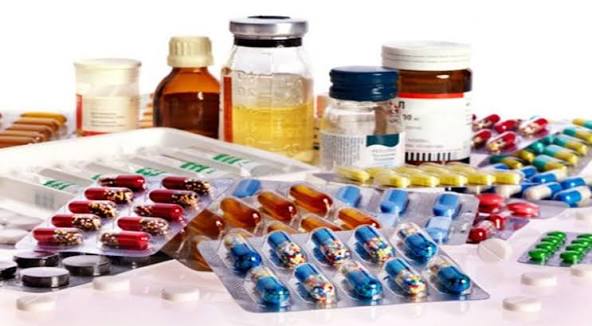
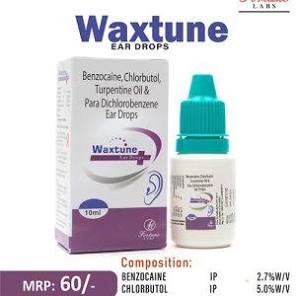
An otolaryngologist, or ENT doctor, can prescribe a variety of medications to treat conditions of the ears, nose, and throat. These drugs come in different forms, such as oral tablets, nasal sprays, ear drops, and topical creams, depending on the specific condition.
Medications for nose and sinuses
- Antihistamines: Used to relieve symptoms of allergic rhinitis, such as sneezing, itching, and a runny nose.
- Examples: Cetirizine, Loratadine, Desloratadine.
- Intranasal corticosteroids: These nasal sprays reduce inflammation in the nasal passages to treat both allergic and non-allergic rhinitis, as well as nasal polyps.
- Examples: Fluticasone, Mometasone, Budesonide.
- Decongestants: Work by shrinking swollen blood vessels in the nose to relieve congestion from allergies or infections like sinusitis.
- Examples: Oxymetazoline, Pseudoephedrine.
- Antibiotics: Prescribed for bacterial infections such as acute sinusitis.
- Examples: Amoxicillin/clavulanic acid.
Medications for ear conditions
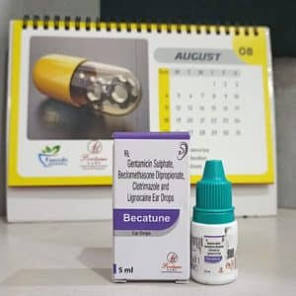
- Antibiotic ear drops: Treat infections of the outer ear, also known as swimmer’s ear (otitis externa).
- Examples: Ciprofloxacin, Ofloxacin.
- Topical steroids for ears: Reduce inflammation and itching in the ear canal caused by allergies or infections.
- Examples: Dexamethasone, Betamethasone.
- Oral antibiotics: For middle ear infections (otitis media) or severe outer ear infections.
- Examples: Amoxicillin, Amoxicillin/clavulanate.
- Wax emulsifiers: Ear drops that soften and loosen earwax buildup to facilitate removal.
- Examples: Carbamide peroxide, Sodium bicarbonate.
- Antifungal ear drops: Prescribed to treat fungal ear infections, such as otomycosis.
- Examples: Clotrimazole.
Medications for throat issues
- Antibiotics: Prescribed for bacterial infections like tonsillitis.
- Examples: Amoxicillin.
- Analgesics/Antipyretics: Over-the-counter pain relievers that treat minor aches, pains, sore throat, and fever.
- Examples: Acetaminophen, NSAIDs (Ibuprofen).
- Antifungal medications: Treat fungal infections in the mouth and throat (oral thrush), often given as a lozenge or gel.
- Examples: Miconazole, Nystatin.
- Cough suppressants (Antitussives) and Expectorants: Treat coughs by suppressing the cough reflex or loosening mucus.
- Examples: Dextromethorphan (suppressant), Guaifenesin (expectorant).
- Anesthetic sprays and lozenges: Provide temporary relief for a sore throat.
- Example: Benzydamine hydrochloride.
Note: Always consult a healthcare professional for a diagnosis and treatment plan. Using these medications without proper guidance may lead to improper treatment or adverse effects.
Ophthalmic Drugs and Pharmacology for Paramedical Type in the World
Ophthalmic drugs are medications administered to or around the eye to treat various eye conditions, including infections, glaucoma, inflammation, and dry eye. These medications can include antibacterials, antivirals, antifungals, steroids, glaucoma agents, antihistamines, and tear replacements, and are available in forms such as eye drops, ointments, and hydrogels. Ophthalmic drugs target specific eye structures and aim to reduce intraocular pressure, fight infections, or manage symptoms like pain and redness.
Types of Ophthalmic Drugs
Ophthalmic drugs are categorized based on their function and the conditions they treat:
- Anti-Infectives:Used to treat eye infections caused by bacteria or viruses.
- Examples: Polymyxin B/trimethoprim, erythromycin, and tobramycin are antibacterial agents. Acyclovir is an antiviral medication.
- Anti-Inflammatory Drugs:Used to reduce inflammation, pain, and other symptoms associated with eye inflammation.
- Examples: Steroid eye drops reduce inflammation. Non-steroidal anti-inflammatory drugs (NSAIDs) like ketorolac are also used.
- Glaucoma Therapy:Medications that help to lower intraocular pressure, a common cause of optic nerve damage in glaucoma.
- Examples: Prostaglandin agonists (latanoprost), carbonic anhydrase inhibitors (dorzolamide), and beta-blockers (timolol) are used to treat glaucoma.
- Antihistamines and Decongestants:Used to relieve symptoms of allergies, such as itching, redness, and watery eyes.
- Tear Replacements and Lubricants:Artificial tears or lubricating drops are used to alleviate symptoms of dry eye and improve eye comfort.
- Mydriatics and Cycloplegics:Drugs that dilate the pupil or temporarily paralyze the eye’s ciliary muscle, often used during eye exams.
Delivery Methods
Ophthalmic drugs are typically delivered to the eye through topical forms:
- Eye drops: The most common form of ophthalmic medication.
- Ointments and Gels: Provide a longer-lasting effect and can be used for certain conditions.
- Contact Lenses: Some specialized lenses are designed to release medication over time.
Fungal Infections and Treatment for Paramedical Type in the World
Fungal Infections
Fungal infections, or mycoses, are
conditions caused by fungi, a type of living organism distinct from plants or animals. Infections can range from common and mild skin conditions to serious, life-threatening systemic diseases. Fungi are present everywhere in the environment, but infections typically occur when conditions allow fungi to overgrow or enter the body through a weakened immune system or break in the skin.
Types of fungal infections
Fungal infections are generally classified based on the part of the body they affect.
Superficial infections
These are the most common type and affect the outermost layers of the body, such as the skin, hair, and nails.
- Athlete’s foot (tinea pedis): A very common infection of the feet that causes itchy, peeling, and scaly skin, often between the toes.
- Ringworm (tinea corporis): A highly contagious infection of the skin that presents as a red, circular, scaly rash.
- Jock itch (tinea cruris): An itchy rash in the groin, buttocks, and inner thigh area.
- Fungal nail infections (onychomycosis): Causes nails to become thick, discolored, and brittle.
- Candidiasis: Caused by Candida yeast, which normally lives on the body. An overgrowth can cause oral thrush, vaginal yeast infections, and rashes in skin folds.
- Tinea versicolor: Caused by Malassezia yeast, this infection results in discolored skin patches.
Subcutaneous infections
These occur when fungi enter the body through a cut or puncture wound, leading to deep skin and tissue infections.
- Sporotrichosis (“rose gardener’s disease”): Caused by Sporothrix fungus, it can cause skin nodules or ulcers.
- Eumycetoma: A chronic infection that often affects the feet and causes swelling and nodules.
Systemic infections
These are serious, invasive infections that affect internal organs like the lungs, blood, or brain. They are more likely to occur in individuals with a weakened immune system.
- Aspergillosis: Caused by the Aspergillus mold, which can lead to lung infections.
- Invasive candidiasis: A serious infection that can spread to the blood and organs.
- Cryptococcosis: Caused by Cryptococcus fungi, which can affect the lungs and brain, causing meningitis.
- Histoplasmosis: A lung infection caused by inhaling fungal spores, common in certain geographic areas.
Symptoms
Symptoms depend on the type and location of the infection.
- Skin, hair, and nails: Itching, redness, rashes, scaly or cracked skin, and thick or discolored nails.
- Lungs: Coughing (sometimes with blood), fever, fatigue, and shortness of breath.
- Mouth: White patches, pain when eating, or loss of taste (oral thrush).
- Systemic infections: More generalized symptoms like fever, fatigue, muscle aches, and headache.
Risk factors
While anyone can get a fungal infection, certain factors increase the risk.
- Weakened immune system: Conditions like HIV/AIDS, cancer, and immunosuppressant medications reduce the body’s ability to fight off fungi.
- Medical conditions: Diabetes, poor circulation, and other skin conditions like eczema can increase susceptibility.
- Warm, moist environments: Fungi thrive in areas like public showers, locker rooms, and sweaty shoes.
- Antibiotic use: Long-term or high-dose antibiotic use can disrupt the natural balance of microorganisms on the body, allowing fungi to overgrow.
Treatment
Treatment options vary based on the infection’s location and severity.
- Topical medications: For most superficial skin infections, over-the-counter or prescription antifungal creams, lotions, and powders containing ingredients like clotrimazole or terbinafine are used.
- Oral medications: Severe or widespread infections, and those affecting the nails or scalp, may require antifungal pills like fluconazole or terbinafine.
- Antifungal injections: Severe systemic infections may be treated with IV antifungal medications in a hospital setting.
Prevention
Many fungal infections can be prevented through simple hygiene practices.
- Keep skin clean and dry: Thoroughly dry your skin after showering, especially in skin folds and between toes.
- Wear breathable clothing: Opt for loose-fitting, natural fabrics like cotton to prevent moisture buildup.
- Protect your feet: Wear sandals or flip-flops in public showers, gyms, and pool areas.
- Do not share personal items: Avoid sharing towels, clothing, and other personal items with others.
- Manage underlying health: If you have diabetes or other conditions, manage them to help support your immune system.
Respiratory Disease for Paramedical Type in the World
1. Diagnosis and Monitoring:
- Early Detection: AI algorithms can analyze medical images (X-rays, CT scans) and respiratory sounds to detect conditions like lung cancer, COPD, and asthma earlier than traditional methods.
- Improved Accuracy: AI can assist radiologists in classifying normal and pathological radiographs with increased accuracy, reducing reporting time and potential errors, according to Archivos de Bronconeumología.
- Personalized Monitoring: AI-powered devices can monitor lung function at home, providing real-time feedback to patients and enabling remote monitoring of disease progression.
- Respiratory Sound Analysis:AI algorithms can analyze nasal and oral breathing sounds to detect respiratory conditions, providing a non-invasive and convenient diagnostic tool.
2. Treatment Optimization:
- Personalized Medicine:AI can analyze patient data (medical history, genetic information, treatment response) to predict the best treatment approach for individual patients, optimizing treatment outcomes and minimizing side effects.
- Ventilator Management:AI can analyze patient data in real-time to optimize ventilator settings for patients on mechanical ventilation, ensuring optimal lung function and minimizing complications.
3. AI in Clinical Trials:
- Efficient Data Collection: AI can improve the quality of data collected in clinical trials by providing real-time feedback to patients during spirometry tests and automating the process of reviewing and assessing data.
4. Key AI Applications:
- Lung Cancer Screening:AI can be used to analyze CT scans for lung cancer, identifying nodules and predicting the risk of malignancy.
- COPD and Asthma Management:AI algorithms can assist in the early detection and personalized management of COPD and asthma.
- Infectious Disease Diagnosis:AI can analyze respiratory sounds and images to diagnose respiratory infections like pneumonia and COVID-19.
5. Challenges and Ethical Considerations:
- Data Privacy and Security:Protecting patient data and ensuring the responsible use of AI algorithms is crucial.
- Bias and Fairness:Ensuring AI algorithms are free from bias and that they provide equitable care for all patients is essential.
- Transparency and Explainability:Understanding how AI algorithms make decisions is important for building trust and ensuring accountability.
Medical Biochemistry For Paramedical Type in the World
Important topics in Medical Biochemistry include metabolism (carbohydrates, lipids, amino acids, and nucleotides), enzymes, molecular biology (DNA, RNA, gene expression), and the role of vitamins and minerals. Other key areas are bioenergetics, protein structure and function, cell biology, and clinical biochemistry (including liver and kidney function tests).
Here’s a more detailed breakdown:
1. Metabolism:
- Carbohydrate Metabolism:This includes glycolysis, gluconeogenesis, the citric acid cycle, glycogen metabolism, and the pentose phosphate pathway.
- Lipid Metabolism:This covers fatty acid synthesis and breakdown (beta-oxidation), cholesterol metabolism, and the structure and function of lipoproteins.
- Amino Acid Metabolism:This includes amino acid synthesis and degradation, the urea cycle, and the metabolism of specific amino acids like tyrosine and phenylalanine.
- Nucleotide Metabolism:This involves the synthesis and breakdown of purines and pyrimidines.
2. Enzymes:
- Enzyme kinetics (Michaelis-Menten equation, Lineweaver-Burk plot).
- Enzyme regulation (allosteric regulation, covalent modification).
- Examples of enzymes in metabolic pathways.
3. Molecular Biology:
DNA structure and replication, RNA structure and transcription, Protein synthesis (translation), and Gene regulation and the Lac operon.
4. Vitamins and Minerals:
- Water-soluble and fat-soluble vitamins.
- Essential minerals and their roles in the body.
5. Other Important Areas:
- Bioenergetics: The study of energy flow in living organisms.
- Protein Structure and Function: This includes protein folding, domains, and the relationship between structure and function.
- Cell Biology: This includes cell structure, organelles, and membrane transport.
- Clinical Biochemistry: This covers topics like liver and kidney function tests, acid-base balance, and tumor markers.
- Free Radicals and Antioxidants: Oxidative stress and its role in disease.
- Inborn Errors of Metabolism: Lysosomal storage diseases and other metabolic disorders.
6. Specific Topics:
- Glycogen storage diseases.
- Hemoglobin structure and function.
- Hormone action and second messengers.
- Markers enzymes and their significance.
- Clinical disorders related to metabolism (e.g., diabetes).
Practical Class on Heartbeat
A heartbeat is the rhythmic contraction and relaxation of the heart, driven by electrical signals, pumping blood through the body; it involves phases like diastole (relaxation/filling) and systole (contraction/pumping) and is measured as beats per minute (BPM), with 60-100 BPM being a normal resting range for adults, though it varies with activity. The electrical impulse originates at the sinoatrial (SA) node, travels through the atria, and then to the ventricles, causing them to contract and pump oxygenated and deoxygenated blood.
How it works (The Cardiac Cycle)
- Diastole (Relaxation): The heart’s chambers relax, and blood flows from the body into the right atrium and from the lungs into the left atrium, then into the ventricles.
- Atrial Systole: The atria contract, pushing remaining blood into the ventricles.
- Ventricular Systole: The ventricles contract forcefully, pushing blood out: the right side sends it to the lungs, and the left side pumps it to the rest of the body.
- Cycle Repeats: The heart then re-enters diastole, refilling with blood.
Key Terms
- SA Node: The heart’s natural pacemaker, initiating the electrical signal.
- Pulse: The palpable wave of blood flow from the heart’s beat.
- Heart Rate: The number of beats per minute (BPM).
- Tachycardia: A heart rate over 100 BPM at rest.
- Bradycardia: A slow heart rate (not mentioned in snippets, but implied opposite of tachycardia).
What affects it
- Factors Such as Stress, caffeine, nicotine, exercise, and hormones can increase heart rate.
- Normal Range: 60-100 BPM at rest for most adults, though athletes often have lower rates.
Practical Class on Heart Rate
Heart rate is the number of times your heart beats per minute (bpm), with a normal resting rate for adults generally being 60-100 bpm, though it varies with age, fitness, stress, and medications, with athletes often having lower rates. It’s a key health indicator, reflecting heart function; a consistently high rate (tachycardia, >100 bpm at rest) or low rate (bradycardia, <60 bpm at rest, unless fit) can signal issues. You can check it by feeling your pulse at the wrist or with devices, ideally after resting.
Normal Ranges & Factors
- Adults: 60-100 bpm resting.
- Athletes: Can be as low as 40 bpm or less.
- Children: Have higher rates, e.g., 80-120 bpm for ages 3-5.
- Factors Affecting It: Fitness, emotions, caffeine, alcohol, medications, illness, pregnancy, and sleep quality.
How to Check Your Heart Rate
- Rest: Sit quietly for 5-10 minutes.
- Locate Pulse: Place index and middle fingers on the thumb side of your wrist.
- Count: Count beats for 15 seconds and multiply by 4, or count for a full minute.
- Devices: Smartwatches and fitness trackers offer easy monitoring.
Practical Class on Tachycardia
Tachycardia is a heart rhythm disorder where the heart beats too fast, typically over 100 beats per minute (bpm) at rest in adults, signaling an electrical problem or normal response to stress, exercise, or underlying conditions like fever, anemia, anxiety, or thyroid issues, causing symptoms like palpitations, dizziness, and shortness of breath, requiring medical evaluation to determine if it’s benign (sinus tachycardia) or a serious arrhythmia needing treatment.
Types of Tachycardia
- Sinus Tachycardia: A normal response to stress, fever, or exercise, where the sinus node fires too quickly.
- Supraventricular Tachycardia (SVT): Abnormal signals start above the ventricles, causing sudden, rapid heartbeats, often felt as palpitations.
- Ventricular Tachycardia (VT): A dangerous rhythm originating in the heart’s lower chambers, potentially life-threatening.
- Atrial Fibrillation (AFib) & Flutter: Irregular, rapid heartbeats in the upper chambers (atria).
Common Symptoms
Racing heart or palpitations, Dizziness or lightheadedness, Shortness of breath, and Chest pain or discomfort.
Common Causes & Triggers
- Lifestyle: Caffeine, alcohol, stimulants, smoking, stress, lack of sleep.
- Medical Conditions: Fever, anemia, thyroid disease, dehydration, lung disease, sleep apnea, heart disease, and high blood pressure.
- Electrical Issues: Faulty heart wiring or triggers in the heart’s chambers.
Practical Class on Bradycardia
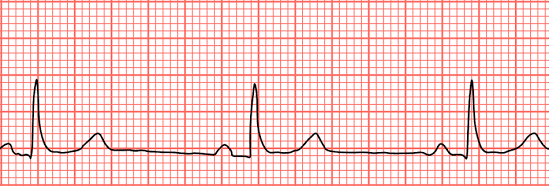

Bradycardia is a slower-than-normal heart rate, typically under 60 beats per minute (bpm) in adults at rest, caused by issues with the heart’s electrical system, certain medications, or underlying conditions like sleep apnea or thyroid problems, leading to symptoms like dizziness, fatigue, shortness of breath, and confusion, though highly fit individuals and athletes may have a normal slow rate. Treatment varies by cause, ranging from lifestyle changes to pacemakers, and involves diagnosing the underlying problem with tools like an EKG.
What it is
- A heart rate below 60 bpm, meaning the heart isn’t pumping enough oxygen-rich blood to the body.
- Can be normal for athletes or during sleep, but problematic if it causes symptoms.
Common types
- Sinus Bradycardia: Slowing of the heart’s natural pacemaker (sinus node).
- Heart Block: Electrical signals from the upper to lower heart chambers are blocked.
Causes
- Heart Issues: Heart disease, previous heart attacks, sick sinus syndrome.
- Medications: Beta-blockers, calcium channel blockers.
- Medical Conditions: Thyroid problems, electrolyte imbalances, sleep apnea, and inflammation.
- Lifestyle: Intense physical fitness (often normal), aging.
Symptoms (when problematic)
- Dizziness, lightheadedness, fainting.
- Fatigue, weakness.
- Shortness of breath, chest pain.
- Confusion or memory problems.
Diagnosis & Treatment
- Diagnosis: Physical exam, EKG, Holter monitor, sleep study, blood tests.
- Treatment: Addressing the cause (e.g., changing meds, treating sleep apnea) or using a pacemaker for severe cases.
Practical Class on IM Injection Pushing
The process of pushing an intramuscular (IM) injection involves a smooth, steady depression of the plunger after the needle is securely in the muscle, ensuring the medication goes in slowly to minimize discomfort, followed by quickly withdrawing the needle at the same angle and activating the safety device, then applying gentle pressure to the site with gauze. Key steps include site preparation (cleaning, Z-track method), swift 90-degree needle insertion, slow plunger push (counting to three), quick withdrawal, and immediate disposal in a sharps container.
Pre-Injection Steps (Preparation)
- Hand Hygiene & Supplies: Wash hands thoroughly and gather medication, syringe, alcohol swabs, gauze, and a sharps container.
- Site Selection & Prep: Locate the correct muscle (e.g., deltoid, ventrogluteal), clean with an alcohol swab, and let it dry.
- Z-Track Method (Optional but Recommended): Use your non-dominant hand to pull the skin and tissue to the side to prevent medication leakage into subcutaneous tissue.
- Syringe Prep: Remove the cap, ensure no large air bubbles, and tap to get a drop of medication at the tip.
The “Push” (Injection)
- Insertion: Hold the syringe like a dart and insert the needle quickly at a 90-degree angle into the muscle.
- Stabilize: Once in the muscle, use your non-dominant hand to steady the syringe.
- Depress Plunger: Slowly and steadily push the plunger all the way down, counting to three.
- Withdrawal: After the fluid is in, hold for a few seconds (around 10 for some meds), then pull the needle straight out at the same 90-degree angle.
Post-Injection Steps
- Safety: Immediately activate the needle’s safety shield and dispose of the entire syringe in the sharps container.
- Site Care: Apply gentle pressure with gauze or a cotton ball (no rubbing) and secure with a bandage if needed.
- Observe: Monitor the patient for any adverse reactions.
Process of IV Injection Pushing
The process of IV Injection Pushing (or Bolus) involves a trained healthcare professional manually injecting medication directly into an established IV line using a syringe, following strict steps: verify order, prepare patient, scrub the IV port (clave), flush with saline to check for patency, attach the medication syringe, push the drug at a specific rate (seconds to minutes) while monitoring, and then perform a post-flush to clear the line, ensuring patient safety and proper delivery.
Key Steps in IV Push Administration
- Preparation & Verification:
- Confirm the doctor’s order, patient details, medication rights (right drug, dose, time, route, patient, documentation, reason, response).
- Gather supplies: saline flush, medication syringe, alcohol wipes, and gloves.
- Perform hand hygiene and don gloves.
- Educate the patient about the medication and potential side effects.
- Priming & Flushing (SASH Method):
- Saline Flush: Scrub the injection port (clave) with an alcohol wipe for 15-30 seconds, let it air dry, then inject 3-5mL of saline to check for patency (blood return) and clear the line.
- Medication Administration:
- Attach Medication: Attach the pre-filled medication syringe (air expelled) to the scrubbed port and twist clockwise to secure.
- Slow Push: Slowly inject the medication at the prescribed rate (e.g., over 1 minute, 2 minutes). Use a timer for accuracy; break down the volume into smaller intervals for easier pacing (e.g., 0.5mL every 30 seconds for a 1mL/min push).
- Completion (SASH):
- Follow-up Flush: After the medication, flush with another 3-5mL of saline at the same rate as the medication push to ensure all the drug enters the bloodstream and clears the tubing, preventing incompatibility with other IV fluids.
- Secure the port with a new alcohol cap if required by facility policy.
Important Considerations
- Timing is Crucial: Pushing too fast can cause adverse effects or medication waste; too slow might delay treatment.
- Compatibility: Always check if the medication is compatible with the primary IV fluid running, if any.
- Patient Monitoring: Closely watch the patient for any adverse reactions during and after administration, especially respiratory changes, notes LevelUpRN.
What is the importance of Paramedical Courses?
Paramedical courses play an important role in the healthcare sector by providing essential support services to medical professionals and contributing to patient care, diagnosis, treatment, and overall healthcare management.
The importance of paramedical courses are:
*Support to Medical Professionals: Paramedical professionals, such as medical laboratory technicians, radiographers, and respiratory therapists, work alongside doctors and nurses to assist in various medical procedures and diagnostics.
*Diagnostic Assistance: Paramedical professionals perform various diagnostic tests like blood tests, X-rays, ultrasounds, and ECGs. These tests help doctors make informed decisions about patient health and treatment procedures.
*Emergency Care: Paramedics are trained to provide immediate medical attention during emergencies, accidents, and disasters. Their quick response can often save lives.
*Rehabilitation Services: Physiotherapists, occupational therapists, and speech therapists are important in helping patients regain their physical and functional abilities after injuries or surgeries.
*Patient Care and Monitoring: Paramedical professionals are involved in monitoring patients’ vital signs, administering medications, and providing care in various healthcare procedures, including hospitals, clinics, and home care.
*Preventive Healthcare: Many paramedical professionals are engaged in educating the public about health issues, conducting health screenings, and promoting healthy lifestyles to prevent diseases.
*Specialized Expertise: Paramedical courses offer specialized training in specific fields like medical imaging, anesthesia technology, surgical technology, and more. This ensures a well-trained workforce to meet specific healthcare needs.
*Healthcare Efficiency: By handling various aspects of patient care and diagnostics, paramedical professionals contribute to reducing the burden on doctors and nurses.
*Research and Innovations often collabnts, and contribute to medical advancements and innovations.
Value of Paramedical Short Courses in Bangladesh
Paramedical short courses can hold significant value in Bangladesh, given the country’s healthcare landscape and the increasing demand for skilled healthcare professionals. Paramedical Training Center provides Paramedical courses and specialized training to individuals who work alongside doctors, nurses, and other medical professionals to support patient care and medical procedures. HRTD Medical Institute is a good Paramedical Training Center located at Mirpur 10 Golchattar, Dhaka, Bangladesh.
দেশের স্বাস্থ্যসেবা ল্যান্ডস্কেপ এবং দক্ষ স্বাস্থ্যসেবা পেশাদারদের ক্রমবর্ধমান চাহিদার পরিপ্রেক্ষিতে প্যারামেডিক্যাল শর্ট কোর্সগুলি বাংলাদেশে উল্লেখযোগ্য মূল্য রাখতে পারে। প্যারামেডিক্যাল ট্রেনিং সেন্টার প্যারামেডিক্যাল কোর্স এবং বিশেষ প্রশিক্ষণ প্রদান করে যারা ডাক্তার, নার্স এবং অন্যান্য চিকিৎসা পেশাজীবীদের পাশাপাশি রোগীর যত্ন এবং চিকিৎসা পদ্ধতিতে সহায়তা করার জন্য কাজ করে। এইচআরটিডি মেডিকেল ইনস্টিটিউট মিরপুর 10 গোলচত্তর, ঢাকা, বাংলাদেশের একটি ভাল প্যারামেডিক্যাল ট্রেনিং সেন্টার।
Here are several reasons why these courses can be valuable in Bangladesh:
বাংলাদেশে এই কোর্সগুলো মূল্যবান হওয়ার কয়েকটি কারণ এখানে রয়েছে:
Addressing Healthcare Workforce Shortages: Bangladesh, like many developing countries, faces shortages in its healthcare workforce. Paramedical short courses can help bridge this gap by quickly training individuals in specific medical skills, allowing them to contribute to patient care without undergoing lengthy medical school education. HRTD Medical Institute is the best Paramedical Training Center in Bangladesh. Online and offline Paramedical Courses are available here.
স্বাস্থ্যসেবা কর্মশক্তির ঘাটতি মোকাবেলা: অনেক উন্নয়নশীল দেশের মতো বাংলাদেশও তার স্বাস্থ্যসেবা কর্মশক্তির ঘাটতির সম্মুখীন। প্যারামেডিক্যাল সংক্ষিপ্ত কোর্সগুলি নির্দিষ্ট চিকিৎসা দক্ষতায় ব্যক্তিদের দ্রুত প্রশিক্ষণের মাধ্যমে এই ব্যবধান পূরণ করতে সাহায্য করতে পারে, যাতে তারা দীর্ঘমেয়াদী মেডিকেল স্কুল শিক্ষা ছাড়াই রোগীর যত্নে অবদান রাখতে পারে। এইচআরটিডি মেডিকেল ইনস্টিটিউট বাংলাদেশের সেরা প্যারামেডিক্যাল ট্রেনিং সেন্টার। অনলাইন এবং অফলাইন প্যারামেডিক্যাল কোর্স এখানে উপলব্ধ।
*Faster Entry into Healthcare: Medical school requires several years of education, whereas paramedical short courses can be completed in a shorter time frame. This enables individuals to enter the healthcare workforce more quickly, especially in roles such as medical technicians, radiology technicians, and laboratory assistants.
স্বাস্থ্যসেবাতে দ্রুত প্রবেশ: মেডিকেল স্কুলের জন্য কয়েক বছরের শিক্ষার প্রয়োজন হয়, যেখানে প্যারামেডিক্যাল শর্ট কোর্সগুলি অল্প সময়ের মধ্যে সম্পন্ন করা যেতে পারে। এটি ব্যক্তিদের স্বাস্থ্যসেবা কর্মশক্তিতে আরও দ্রুত প্রবেশ করতে সক্ষম করে, বিশেষ করে চিকিৎসা প্রযুক্তিবিদ, রেডিওলজি টেকনিশিয়ান এবং পরীক্ষাগার সহকারীর মতো ভূমিকায়।
*Cost-Effectiveness: Traditional medical education can be expensive and time-consuming. Paramedical short courses tend to be more affordable and can be completed without the need for extended periods of study, making them accessible to a wider range of individuals. HRTD Medical Institue is a good Paramedical Training Center where all paramedical and Diploma Medical Courses are available at reasonable prices.
খরচ-কার্যকারিতা: ঐতিহ্যগত চিকিৎসা শিক্ষা ব্যয়বহুল এবং সময়সাপেক্ষ হতে পারে। প্যারামেডিক্যাল সংক্ষিপ্ত কোর্সগুলি আরও সাশ্রয়ী মূল্যের হতে থাকে এবং অধ্যয়নের বর্ধিত সময়ের প্রয়োজন ছাড়াই সম্পূর্ণ করা যেতে পারে, যা এগুলিকে বিস্তৃত ব্যক্তির কাছে অ্যাক্সেসযোগ্য করে তোলে। HRTD মেডিকেল ইনস্টিটিউ একটি ভাল প্যারামেডিক্যাল ট্রেনিং সেন্টার যেখানে সমস্ত প্যারামেডিক্যাল এবং ডিপ্লোমা মেডিকেল কোর্স যুক্তিসঙ্গত মূল্যে পাওয়া যায়।
*Focused Skill Development: Paramedical courses are designed to provide specific skills and knowledge needed for particular roles within the healthcare sector. This focused training ensures that paramedics are well-equipped to handle the responsibilities of their chosen profession.
ফোকাসড স্কিল ডেভেলপমেন্ট: প্যারামেডিক্যাল কোর্সগুলি স্বাস্থ্যসেবা সেক্টরের মধ্যে নির্দিষ্ট ভূমিকার জন্য প্রয়োজনীয় নির্দিষ্ট দক্ষতা এবং জ্ঞান প্রদানের জন্য ডিজাইন করা হয়েছে। এই কেন্দ্রীভূত প্রশিক্ষণ নিশ্চিত করে যে প্যারামেডিকরা তাদের নির্বাচিত পেশার দায়িত্বগুলি পরিচালনা করার জন্য সুসজ্জিত।
*Diverse Career Opportunities: Paramedical courses offer a range of career options, including medical laboratory technology, radiology technology, anesthesia technology, operation theater technology, and more. This diversity allows individuals to select a field that aligns with their interests and strengths. HRTD Medical Institute is the best Paramedical Training Center that offers some unique courses like DMSc ( Diploma in Medical Science). Students of this DMSc course can choose a career in First Aid Paramedical Sector Dental Technology Sector Physiotherapy Technology Sector Nursing Technology Sectors etc.
কর্মজীবনের বিভিন্ন সুযোগ: প্যারামেডিক্যাল কোর্সগুলি মেডিকেল ল্যাবরেটরি প্রযুক্তি, রেডিওলজি প্রযুক্তি, অ্যানেস্থেশিয়া প্রযুক্তি, অপারেশন থিয়েটার প্রযুক্তি এবং আরও অনেক কিছু সহ ক্যারিয়ারের বিকল্পগুলির একটি পরিসর অফার করে। এই বৈচিত্র্য ব্যক্তিদের একটি ক্ষেত্র নির্বাচন করতে দেয় যা তাদের আগ্রহ এবং শক্তির সাথে সামঞ্জস্যপূর্ণ। এইচআরটিডি মেডিকেল ইনস্টিটিউট হল সেরা প্যারামেডিক্যাল ট্রেনিং সেন্টার যা কিছু অনন্য কোর্স যেমন ডিএমএসসি (মেডিকেল সায়েন্সে ডিপ্লোমা) অফার করে। এই DMSc কোর্সের শিক্ষার্থীরা ফার্স্ট এইড প্যারামেডিক্যাল সেক্টর ডেন্টাল টেকনোলজি সেক্টর ফিজিওথেরাপি টেকনোলজি সেক্টর নার্সিং টেকনোলজি সেক্টর ইত্যাদিতে ক্যারিয়ার বেছে নিতে পারে।
*Contribution to Patient Care: Paramedical professionals play a crucial role in patient care by assisting doctors and nurses in various medical procedures, diagnostic tests, and treatments. Their presence helps alleviate the workload of other healthcare providers, leading to improved patient care.
*রোগীর যত্নে অবদান: প্যারামেডিক্যাল পেশাদাররা বিভিন্ন চিকিৎসা পদ্ধতি, ডায়াগনস্টিক পরীক্ষা এবং চিকিৎসায় ডাক্তার ও নার্সদের সহায়তা করে রোগীর যত্নে গুরুত্বপূর্ণ ভূমিকা পালন করে। তাদের উপস্থিতি অন্যান্য স্বাস্থ্যসেবা প্রদানকারীদের কাজের চাপ কমাতে সাহায্য করে, যা উন্নত রোগীর যত্নের দিকে পরিচালিত করে।
*Rising Demand: As healthcare services expand and modernize in Bangladesh, there’s a growing need for skilled paramedical professionals who can contribute to specialized areas of medical care. Paramedical courses can help meet this demand.
*Flexibility: Paramedical courses often offer flexible learning options, including part-time or online courses. This flexibility is especially beneficial for individuals who may need to balance their studies with work or other commitments.
* ক্রমবর্ধমান চাহিদা: বাংলাদেশে স্বাস্থ্যসেবা পরিষেবাগুলি প্রসারিত এবং আধুনিকীকরণের সাথে সাথে দক্ষ প্যারামেডিক্যাল পেশাদারদের একটি ক্রমবর্ধমান প্রয়োজন যারা চিকিৎসা যত্নের বিশেষ ক্ষেত্রে অবদান রাখতে পারে। প্যারামেডিক্যাল কোর্স এই চাহিদা মেটাতে সাহায্য করতে পারে।
*Career Progression: Many paramedical courses provide a foundation for further career advancement. Post Paramedical training and Post Diploma Training are available after completing Paramedical Courses or Diploma Courses. These courses are post-paramedical training in cardiology, Post diploma training in cardiology, post-paramedical training in gastrology, post-diploma training in gastrology, post-paramedical training in gynecology, post-diploma training in gynecology, post-paramedical training in dermatology, post diploma training in dermatology, post paramedical training ophthalmology, post diploma training in ophthalmology, post paramedical training in diabetology, post diploma training in diabetology.
*ক্যারিয়ার অগ্রগতি: অনেক প্যারামেডিক্যাল কোর্স ক্যারিয়ারের আরও উন্নতির জন্য একটি ভিত্তি প্রদান করে। প্যারামেডিক্যাল কোর্স বা ডিপ্লোমা কোর্স শেষ করার পর পোস্ট প্যারামেডিক্যাল ট্রেনিং এবং পোস্ট ডিপ্লোমা ট্রেনিং পাওয়া যায়। এই কোর্সগুলো হলো কার্ডিওলজিতে পোস্ট প্যারামেডিক্যাল ট্রেনিং, কার্ডিওলজিতে পোস্ট ডিপ্লোমা ট্রেনিং, গ্যাস্ট্রোলজিতে পোস্ট প্যারামেডিক্যাল ট্রেনিং, গ্যাস্ট্রোলজিতে পোস্ট-ডিপ্লোমা ট্রেনিং, গাইনোকোলজিতে পোস্ট প্যারামেডিক্যাল ট্রেনিং, গাইনোকোলজিতে পোস্ট-ডিপ্লোমা ট্রেনিং, ডার্মাটোলজিতে পোস্ট প্যারামেডিক্যাল ট্রেনিং। , ডার্মাটোলজিতে ডিপ্লোমা প্রশিক্ষণ, পোস্ট প্যারামেডিক্যাল প্রশিক্ষণ চক্ষুবিদ্যা, পোস্ট ডিপ্লোমা প্রশিক্ষণ চক্ষুবিদ্যায়, পোস্ট প্যারামেডিক্যাল প্রশিক্ষণ ইন ডায়াবেটোলজি, পোস্ট ডিপ্লোমা প্রশিক্ষণ ডায়াবেটোলজিতে।
PPT means Post Paramedical Training and PDT means Post Diploma Training.PDT Medicine, PPT Medicine. All these courses are available at HRTD Medical Institute, Mirpur-10 Golchattar, Dhaka.
*Community Health Improvement: Paramedical professionals often work closely with local communities, providing essential healthcare services, preventive education, and health awareness campaigns. This contributes to overall community health improvement.
PPT মানে পোস্ট প্যারামেডিক্যাল ট্রেনিং এবং PDT মানে পোস্ট ডিপ্লোমা ট্রেনিং। PDT মেডিসিন, PPT মেডিসিন। এই সমস্ত কোর্স HRTD মেডিকেল ইনস্টিটিউট, মিরপুর-10 গোলচত্বর, ঢাকায় পাওয়া যায়।
*সাম্প্রদায়িক স্বাস্থ্যের উন্নতি: প্যারামেডিক্যাল পেশাদাররা প্রায়ই স্থানীয় সম্প্রদায়ের সাথে ঘনিষ্ঠভাবে কাজ করে, প্রয়োজনীয় স্বাস্থ্যসেবা পরিষেবা প্রদান করে, প্রতিরোধমূলক শিক্ষা এবং স্বাস্থ্য সচেতনতা প্রচার করে। এটি সামগ্রিক সম্প্রদায়ের স্বাস্থ্যের উন্নতিতে অবদান রাখে।
In conclusion, paramedical short courses can hold significant value in Bangladesh by addressing healthcare workforce shortages, providing faster entry into the healthcare sector, offering cost-effective training, and contributing to patient care. These courses can play a vital role in strengthening the healthcare system and improving overall healthcare services in Bangladesh.
উপসংহারে, প্যারামেডিক্যাল শর্ট কোর্সগুলি স্বাস্থ্যসেবা কর্মশক্তির ঘাটতি মোকাবেলা করে, স্বাস্থ্যসেবা খাতে দ্রুত প্রবেশের ব্যবস্থা করে, সাশ্রয়ী মূল্যের প্রশিক্ষণ প্রদান করে এবং রোগীর যত্নে অবদান রাখার মাধ্যমে বাংলাদেশে উল্লেখযোগ্য মূল্য ধরে রাখতে পারে। এই কোর্সগুলো বাংলাদেশের স্বাস্থ্যসেবা ব্যবস্থাকে শক্তিশালী করতে এবং সামগ্রিক স্বাস্থ্যসেবা পরিষেবার উন্নতিতে গুরুত্বপূর্ণ ভূমিকা পালন করতে পারে।
Why Paramedical Courses are important for a human being?
মহান আল্লাহ রাব্বুল আলআমিন মানুষকে যে জীবন দান করেছেন তার ধারক হিসেবে দিয়েছেন দেহকে । এই দেহকে ভালোভাবে জানতে পারা, এর পরিচর্যা করা, রক্ষনাবেক্ষন করতে পারা প্রত্যেকটি মানুষের জন্য ফরজ বলে আমি মনে করি । একজন ড্রাইভার যদি ড্রাইভিং এর পাশাপাশি তার গাড়ির প্রাথমিক পরিচর্যা, রক্ষনাবেক্ষন না করতে পারে তবে তাকে মাঝে মাঝে বড় ধরনের সমস্যায় পড়তেই হবে । আর যদি গাড়ির পরিচর্যা, প্রাথমিক মেকানিক, রক্ষনাবেক্ষন ইত্যাদি বিষয়ে জ্ঞান অর্জন করে, দক্ষতা এবং অভিজ্ঞতা অর্জন করে, তবে পথের মাঝে গাড়ি নষ্ট হলেও সে প্রাথমিক ভাবে সারিয়ে নিতে পারবে এবং পরবর্তিতে গাড়ি ড্রাইভ করে ভালো মানের ইন্জিনিয়ারিং সোপে নিয়ে গাড়ি ঠিক করে নিতে পারবে ।
একজন মানুষের ক্ষেত্রেও ঠিক তেমনি । দেহ সম্পকে জ্ঞান, দেহের প্রাথমিক পরিচর্যা, দেহের রক্ষনাবেক্ষন, দেহের প্রাথমিক চিকিৎসা ইত্যাদি বিষয়ে জ্ঞান, দক্ষতা এবং অভিজ্ঞতা অর্জন করলে সারাটা জীবন দেহটাকে সুন্দরভাবে পরিচালনা করা যায়, বেশি অসুস্থ্য হলে সঠিক সময়ে সঠিক ডাক্তারের কাছে গিয়ে সঠিক চিকিৎসা নেয়া যায় ।
Almighty Allah Rabbul Alamin has given the body as the container of the life He has given to man. I think it is a duty for every human being to know this body well, take care of it, and protect it. If a driver is not able to take basic care and maintenance of his car along with driving, then he has to face big problems at times. And if he acquires knowledge, skills and experience in car maintenance, basic mechanics, maintenance, etc., even if the car breaks down on the way, he can fix it initially and later drive the car and fix the car with good quality engineering soap.

The same is the case with a human being. If you acquire knowledge, skills and experience about the body, basic care of the body, maintenance of the body, basic treatment of the body, you can manage the body beautifully throughout your life, if you are very sick, you can go to the right doctor at the right time and get the right treatment.
Online Paramedical Course in HRTD Paramedical Training Center
Online and Offline Paramedical Training Center. Mobile Phone 01797522136, 01987073965. You can do paramedical course online or offline with us here. Weekly classes three days three hours. But for working people it is three hours in a day. Class days are Friday, Saturday and Monday. Morning batch from 9 am to 12 pm.Afternoon batch from 3 pm to 6 pm. Students who take online classes are given practical classes at their convenient time so that they don’t face any kind of problem.
Authority, Paramedical Training Center, HRTD Limited, Mirpur-10 Golchattar, Dhaka.
আপনি অনলাইনে বা অফলাইনে আমাদের এখানে প্যারামেডিকেল কোর্স করতে পারবেন । সাপ্তাহিক ক্লাস তিন দিনে তিন ঘন্টা । তবে চাকরি জীবিদের জন্য একদিনেেই তিন ঘন্টা । ক্লাসের দিন গুলি হলো শুক্রবার, শনিবার এবং সোমবার । সকালের ব্যাচ ৯ টা থেকে ১২ টা । বিকেলের ব্যাচ ৩ টা থেকে ৬ টা । যে সকল ছাত্র ছাত্রী অনলাইনে ক্লাস করেন তাদের প্রাকটিকেল ক্লাস তাদের সবিধাজনক সময়ে দেওয়া হয় যাতে করে তারা কোন ধরনের সমস্যায় না পরেন ।
Offline Paramedical Course in HRTD Paramedical Training Center
Offline and Online Paramedical Training Center. Mobile Phone 01797522136, 01987073965. You can do paramedical course online or offline with us here. Weekly classes three days three hours. But for working people it is three hours in a day. Class days are Friday, Saturday and Monday. Morning batch from 9 am to 12 pm.Afternoon batch from 3 pm to 6 pm. Students who take online classes are given practical classes at their convenient time so that they don’t face any kind of problem.
Authority, Paramedical Training Center, HRTD Limited, Mirpur-10 Golchattar, Dhaka.
আপনি অফলাইনে বা অনলাইনে আমাদের এখানে প্যারামেডিকেল কোর্স করতে পারবেন । সাপ্তাহিক ক্লাস তিন দিনে তিন ঘন্টা । তবে চাকরি জীবিদের জন্য একদিনেেই তিন ঘন্টা । ক্লাসের দিন গুলি হলো শুক্রবার, শনিবার এবং সোমবার । সকালের ব্যাচ ৯ টা থেকে ১২ টা । বিকেলের ব্যাচ ৩ টা থেকে ৬ টা । যে সকল ছাত্র ছাত্রী অনলাইনে ক্লাস করেন তাদের প্রাকটিকেল ক্লাস তাদের সবিধাজনক সময়ে দেওয়া হয় যাতে করে তারা কোন ধরনের সমস্যায় না পরেন ।
Is Paramedic a doctor?
একজন প্যারামেডিক কিন্তু একজন ডাক্তার না । ডিপ্লোমা কমপ্লিট করা প্যারামেডিকরা মেডিকেল এসিসটেন্ট । তারা ডাক্তারের বিভিন্ন কাজে সহযোগীতা করতে পারে । ফাষ্ট এইড প্যারামেডিকরা ডাক্তারকে ক্লিনিকেল ডায়াগনোসিসে সহযোগীতা করতে পারে, প্রি অপারেটিভ এবং পোষ্ট অপারেটিভ কাজ গুলো করতে পারে । ল্যাব প্যারামেডিকরা ল্যাবের কাজগুলো করতে পারে, নার্সিং প্যারামেডিকরা নার্সিং সেবা এবং রক্ষনাবেক্ষনের কাজগুলো করতে পারে, কেয়ার গিভার প্যারামেডিকরা রোগীর বাড়িতে গিয়ে রোগীর সেবা যত্ন করতে পারে । প্যারামেডিকেলের কোর্স গুলো অল্প মেয়াদী বা দীর্ঘ মেয়াদি হতে পারে । সব সময় মনে রাখতে হবে যে, যত বেশি অধ্যায়ন, ততো বেশি জ্ঞান দক্ষতা এবং অভিজ্ঞতা অর্জন এবং ততো বেশি সেবা দান ।
যতো প্যারামেডিক বা মেডিকেল এসিসটেন্ট গরে উঠবে ডাক্তারদের কাজ ততো সহজ হবে, ডাক্তাররা বেশি বেশি অধ্যায়ন করতে পারবে, নতুন নতুন কিছু আবিষ্কার করতে পারবে । এত করে চিকিৎসা বিজ্ঞান এগিয়ে যেতে থাকবে । চিকিৎসা বিজ্ঞানের দ্বারা উন্নত শারীরিক স্বাস্থ্য ও মানষিক স্বাস্থ্যের প্রজন্ম গড়ে তোলা সহজ হবে ।কর্তৃপক্ষ, প্যারামেডিক্যাল ট্রেনিং সেন্টার, এইচআরটিডি লিমিটেড, মিরপুর-১০ গোলচত্তর, ঢাকা।
A paramedic but not a doctor. Paramedics who have completed Diploma are Medical Assistants. They can assist the doctor in various tasks. First aid paramedics can assist doctors in clinical diagnosis, pre-operative and post-operative work.Lab paramedics can perform lab tasks, nursing paramedics can perform nursing services and maintenance tasks, care giver paramedics can visit the patient’s home and provide patient care. Paramedical courses can be short term or long term.Always remember that the more you study, the more knowledge, skills and experience you gain and the more service you give.
The more paramedics or medical assistants become available, the easier the doctors’ work will be, the doctors will be able to study more and discover new things. In this way, medical science will continue to advance. Medical science will make it easier to raise a generation of improved physical health and mental health.
Authority, Paramedical Training Center, HRTD Limited, Mirpur-10 Golchattar, Dhaka.
Which is the best paramedicl Course ?
Paramedical Training Center. Mobile Phone 01797522136, 01987073965. Always remember that the more you study, the more knowledge, skills and experience you gain and the more service you give. Paramedical courses can be short term or long term. The biggest course is the best.
সব সময় মনে রাখতে হবে যে, যত বেশি অধ্যায়ন, ততো বেশি জ্ঞান দক্ষতা এবং অভিজ্ঞতা অর্জন এবং ততো বেশি সেবা দান । প্যারামেডিকেলের কোর্স গুলো অল্প মেয়াদী বা দীর্ঘ মেয়াদি হতে পারে । সবচেয়ে বড় কোর্স
হলো সবচেয়ে ভালো ।
What is the difference between Medical College and Paramedical Training Center?
Paramedical Training Center. Mobile Phone No. 01797522136, 01987073965. Medical College and Medical University are the study places for Medical Doctors. They are Medical Graduate and Post Medical Graduate. Medical Doctors are MBBS, BDS, FCPS, MS, MD, etc. On the other hand Paramedical Training Center is the study place for Paramedics like First Aid Paramedics, Nursing Paramedics, Laboratory Paramedics, Dental Paramedics, Caregiver Paramedics, Radiological Paramedics, Orthopedic Paramedics, Surgical Paramedics, Gynecological Paramedics, etc. These all Paramedic Courses are available in HRTD Medical Institute. HRTD Medical Institute is a Paramedic Training Institute that provide all types of Paramedical Studies.
Why Paramedicl Training Centers are important?
Importants of Paramedical Training Center. Mobile Phone 01797522136, 01987073965. The functions of Paramedical Training Centers are making good paramedics of various types. There are many types of Paramedical like First Aid Paramedical, Laboratory Paramedical, Dental Paramedical, Nursing Paramedical, Surgical Paramedical, Orthopedic Paramedical, Psychiatric Paramedical, Caregiver Paramedical, etc. These Paramedical Courses are import for medical sectors. A doctor cannot run first without the assistance of Paramedics. There are huge crisis of Paramedicals professions in the world. But we can not understant it. Every person of a medical hospital, clinic, nursing home, caregiver center, diagnostic center should have the knowledge of paramedicals.
প্যারামেডিক্যাল ট্রেনিং সেন্টারের গুরুত্বপূর্ণ বিষয়। মোবাইল ফোন 01797522136, 01987073965। প্যারামেডিক্যাল ট্রেনিং সেন্টারের কাজগুলো বিভিন্ন ধরনের ভালো প্যারামেডিক তৈরি করছে। অনেক ধরনের প্যারামেডিক্যাল আছে যেমন ফার্স্ট এইড প্যারামেডিক্যাল, ল্যাবরেটরি প্যারামেডিক্যাল, ডেন্টাল প্যারামেডিক্যাল, নার্সিং প্যারামেডিক্যাল, সার্জিক্যাল প্যারামেডিক্যাল, অর্থোপেডিক প্যারামেডিক্যাল, সাইকিয়াট্রিক প্যারামেডিক্যাল, কেয়ারগিভার প্যারামেডিক্যাল ইত্যাদি। এই প্যারামেডিক্যাল কোর্সগুলি চিকিৎসা খাতের জন্য আমদানি করা হয়। প্যারামেডিকসের সহায়তা ছাড়া একজন ডাক্তার প্রথমে দৌড়াতে পারে না। বিশ্বে প্যারামেডিকেল পেশার ব্যাপক সংকট রয়েছে। কিন্তু আমরা তা বুঝতে পারি না। মেডিকেল হাসপাতাল, ক্লিনিক, নার্সিং হোম, কেয়ারগিভার সেন্টার, ডায়াগনস্টিক সেন্টারের প্রত্যেক ব্যক্তির প্যারামেডিক্যালস সম্পর্কে জ্ঞান থাকতে হবে।