 HRTD Medical Institute

Paramedical Course 2 Years Details
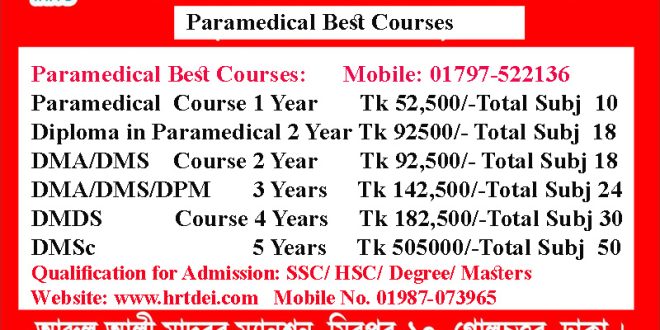
Paramedical Course 2 Years : Mobile Number. 01987073965. 01941123488, 01797522136. A Paramedical course of 2 Years duration is a long Type of Paramedical Course in Bangladesh This Course contains 18 subject in 4 semesters. The 1st Semester contains 5 subject and 2nd semester contains 5 subjects. 3’rd semester contains 4 subjects & 4’th semester contains 4 Subject .
Location of Paramedical Course Training Center in Dhaka, Bangladesh
Location of Paramedical Course 2 Years Training center. Mobile Number. 01987073965. 01941123488, 01797522136. HRTD Medical Institute , Abdul Ali Madbor Mention, Section-6, Block-Kha, Road-1, Plot-11, Mirpur-10 (Gol-Chattar) Metro Rail Piller NO-249, Dhaka-1216.
Course Fee for Paramedical Course 2 Years
Course Fee for Paramedical Course 2 Years. Mobile Number. 01987073965. 01941123488, 01797522136. Paramedical Course Fee for 2 Years TK 92,500/- Including Admission Fee, Monthly Fee & Exam Fee.
Paramedical Course Admission Eligibility in Dhaka, Bangladesh
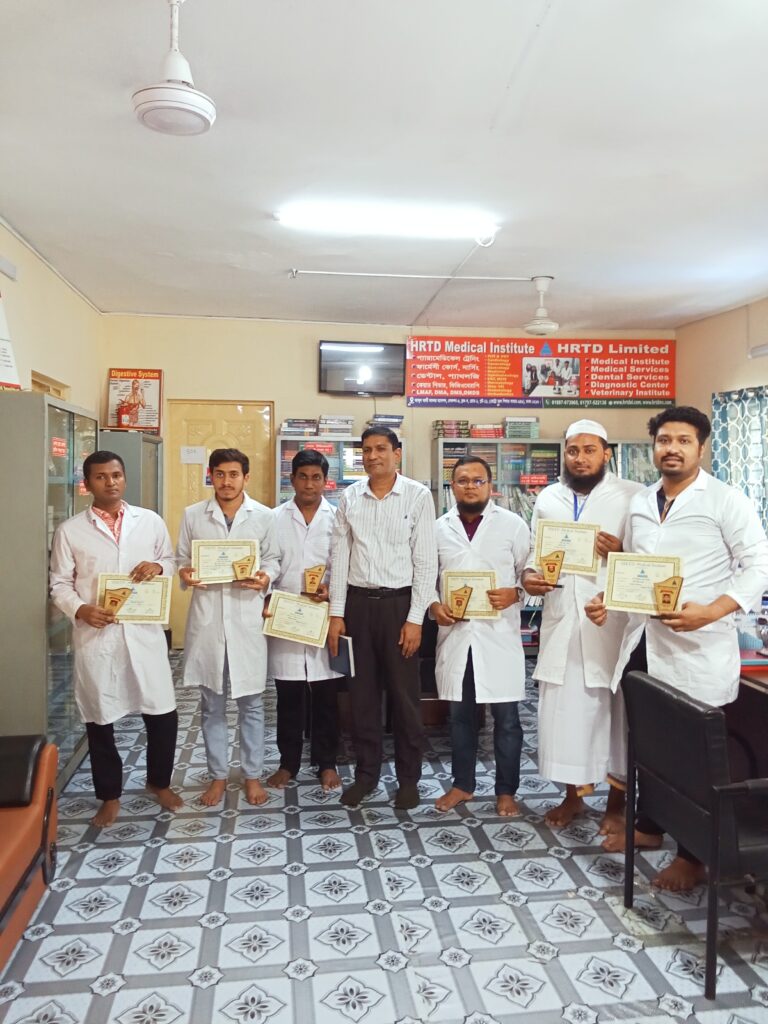
Paramedical Course Admission Eligibility HRTD Medical Institute . Mobile Number. 01987073965. 01941123488, 01797522136. SSC or Equivalent/HSC/ Degree/ Masters from any Background (Science/ Arts/ Commerce/ Technical).
Some Subject for Paramedical Course 2 Years
Paramedical Course subjects. Mobile No. 01987073965, 01797522136.
- Human Anatomy & Physiology-1
- Pharmacology-1
- Study of OTC Drugs
- First Aid-1 & 2
- Practice of Medicine
- Hematology
- Pathology for Medical Practice
- Surgery-1
- Cardiovascular Anatomy
- Antimicrobial drugs
- Medical Diagnosis-1 & 2
- Chemistry
- Medical Biochemistry
- Orthopedic Anatomy
- Neuro Anatomy & Physiology
- Pharmacology-2
- Pathology- 1 & 2
- Anatomy & Physiology-2
Teachers For Paramedical Course 2 Years
Dr. Sakulur Rahman (MBBS,CCD)
Dr. Tisha (MBBS)
Dr. Sanjana Ahmed (BDS)
Dr. Disha (FCPS)
Dr. Kazi Mahinul (MBBS)
Dr. Najmun Nahar Juthi (BDS)
Dr. Md. Niamul (MBBS)
Dr. Kamrunnahar Keya (BDS)
Dr. Suhana (MBBS, PGT)
Dr. Shamima (MBBS,PGT)
Dr.Layla (MBBS)
Dr. Farabi (MBBS)
Dr.Nurunnahar (BDS)
Dr.Rajoan (MBBS)
Human Anatomy & Physiology For Paramedical Course 2 Years
Human Anatomy and Physiology include the integumentary, skeletal, muscular, nervous, and cardiovascular systems. Additionally, the digestive, respiratory, urinary, and reproductive systems are also crucial for a comprehensive understanding of the human body. Furthermore, understanding the basic principles of anatomy and physiology like homeostasis, cell function, and the levels of organization is essential.
Important Topics
1. Systems:
- Integumentary System: Skin, hair, and nails, their structure and functions.
- Skeletal System: Bones, joints, and their roles in support, movement, and protection.
- Muscular System: Muscles, their types, and how they facilitate movement.
- Nervous System: Brain, spinal cord, nerves, and their role in communication and control.
- Cardiovascular System: Heart, blood vessels, and blood, their roles in circulation and oxygen transport.
- Digestive System: Mouth, esophagus, stomach, intestines, and their role in breaking down food and absorbing nutrients.
- Respiratory System: Lungs, airways, and their role in gas exchange.
- Urinary System: Kidneys, bladder, and their role in filtering waste and maintaining fluid balance.
- Reproductive System: Male and female reproductive organs, their structure and function.
2. Basic Principles:
- Homeostasis: Maintaining a stable internal environment.
- Cellular Function: The basic unit of life and its functions.
- Levels of Organization: How the body is structured from cells to organ systems.
- Complementarity of Structure and Function: How the structure of a body part relates to its function.
- Metabolism and Energy: How the body transforms matter and energy.
3. Other Important Areas:
- Endocrine System: Hormones and their regulation of various bodily functions.
- Lymphatic System: Immune function and fluid balance.
- Sensory Systems: How we perceive the world around us.
- Development and Aging: How the body changes throughout life.
For specific topics within these systems, consider exploring:
- Muscle Contraction: Understanding how muscles contract at the cellular level (sliding filament theory).
- Cardiac Cycle: The sequence of events in a heartbeat.
- Nerve Impulses: How signals are transmitted through neurons.
- Hormone Regulation: How hormones are produced, transported, and regulated.
- Respiratory Physiology: Lung volumes, gas exchange, and breathing control.
- Kidney Function: Urine formation, filtration, and reabsorption.
- Reproductive Physiology: Spermatogenesis, ovulation, and hormonal cycles.
- Neurotransmitters: How they transmit signals across synapses.
- Joints: Types of joints and their movements.
Pharmacology For Paramedical Course 2 Years
Pharmacology is a broad field, but some areas are consistently considered high-yield and important. These include general principles like pharmacokinetics and pharmacodynamics, as well as specific drug classes and their mechanisms of action, particularly those related to the autonomic nervous system (ANS), central nervous system (CNS), and cardiovascular system (CVS). Additionally, understanding adverse drug reactions (ADRs), drug interactions, and clinical pharmacology is crucial.
General Pharmacology:
Pharmacogenetics : This field explores how genetic variations influence drug response, including individual differences in drug metabolism and efficacy.
Pharmacokinetics: This branch deals with how the body processes a drug, including absorption, distribution, metabolism, and excretion. Key concepts include bioavailability, first-pass metabolism, and kinetics of elimination (e.g., first-order vs. zero-order).
Pharmacodynamics: This area focuses on how drugs affect the body, including receptor interactions, drug-receptor binding, and the resulting physiological effects. Understanding dose-response relationships, including graded and quantal dose-response curves, is essential.
Drug Interactions: This involves understanding how multiple drugs can affect each other’s effects, including synergistic, antagonistic, and additive interactions.
Adverse Drug Reactions: This area focuses on understanding the potential harmful effects of drugs, including types of reactions, risk factors, and how to manage them.
Drug Regulation and Ethics: Understanding drug schedules, essential medicines lists, and the process of drug development (clinical trials) is important.
Specific Organ Systems:
- Autonomic Nervous System (ANS): This includes drugs that affect the sympathetic and parasympathetic nervous systems, including agonists and antagonists of adrenergic and cholinergic receptors. Important topics include the autonomic nervous system pathways, neurotransmitters, and specific drug classes like beta-blockers, cholinergics, and anticholinergics.
- Cardiovascular System: This area covers drugs used to treat hypertension, angina, heart failure, arrhythmias, and hyperlipidemia. Important topics include antihypertensives, antianginal drugs, antiarrhythmics, and lipid-lowering agents.
- Central Nervous System (CNS): This includes drugs that affect the brain and spinal cord, such as anesthetics, antiepileptics, antipsychotics, antidepressants, and drugs for neurodegenerative diseases. Important topics include local anesthetics, general anesthetics, drugs for Parkinson’s disease and epilepsy, and drugs for psychiatric disorders.
- Respiratory System: This includes drugs used to treat asthma, COPD, and other respiratory conditions.
- Endocrine System: This area covers drugs used to treat diabetes, thyroid disorders, and other endocrine conditions.
- Anti-infective Agents: This includes antibacterial, antiviral, antifungal, and antiparasitic drugs. Important topics include mechanisms of action, resistance, and specific drug classes.
Other Important Topics:
- Pharmacogenomics/Pharmacogenetics: The study of how genes affect a person’s response to drugs.
- Drug Resistance: Understanding how microorganisms develop resistance to antimicrobial drugs.
- Anti-inflammatory and Immunomodulatory Drugs: Including NSAIDs, corticosteroids, and immunosuppressants.
Study of OTC Drug for Paramedical Course 2 Years
The study of Over-The-Counter (OTC) drugs is an important topic in healthcare research, focusing on responsible self-medication, potential for misuse, patient education, safety considerations in specific populations, and regulatory oversight.
Key aspects and important topics include:
1. Responsible Self-Care and Benefits
OTC medicines allow individuals to manage minor, self-limiting ailments (such as mild headaches, fever, cough, cold, pain, and acidity) quickly and at a lower cost, reducing the burden on healthcare systems. Studies show a high prevalence of OTC drug usage for these conditions.
2. Risks, Misuse, and Abuse
Despite their benefits, the widespread use and easy availability of OTC drugs lead to significant risks:
- Adverse effects and drug interactions: OTC medicines can interact with other prescription drugs, foods, and existing health conditions (e.g., high blood pressure or liver disease).
- Overdosing and long-term side effects: Misuse of common medications like acetaminophen can lead to liver damage. Long-term, irrelevant use can initiate permanent chronic diseases.
- Masking serious illnesses: Using OTC drugs might mask the symptoms of a more serious underlying condition, delaying proper medical diagnosis and treatment.
- Abuse for psychoactive effects: Some OTC drugs containing ingredients like codeine or dextromethorphan are abused for their psychoactive effects.
3. Patient Knowledge and Education
Research consistently highlights gaps in public and even health science students’ knowledge about the safe use of OTC products. Important topics in this area include:
- Awareness of safety and risks: Many users mistakenly believe that all OTC drugs are inherently safe.
- Reading medication leaflets/labels: Studies show varying rates of people reading instructions and warnings on packaging.
- Influence of advertising and social circles: Commercial advertising and peer recommendations play a major role in driving OTC use, sometimes leading to irrational choices.
- Consulting pharmacists: The role of pharmacists is crucial in guiding patients toward responsible use, though consultation rates vary.
4. Special Populations
Certain populations require extra caution when using OTC drugs:
- Pregnant and breast-feeding women: These groups need to be extra cautious and consult healthcare professionals.
- Children and infants: Health authorities often advise against giving certain cough and cold medications to young children due to potential life-threatening side effects.
5. Regulatory Oversight and Policy
The regulation of OTC drugs is a vital topic, especially in countries where a clear legal definition for “OTC” is lacking. Key issues include:
- Formal classification of drugs: Establishing clear legal categories for OTC medicines helps in better regulation of their sale and distribution.
- Enforcing prescription drug rules: Strict regulations are needed to prevent the illegal over-the-counter sale of prescription-only medications, a rampant issue in some regions.
- Labeling standards: Clear, simple-to-understand “Drug Facts” labels (as in the US) are essential for safe use without medical guidance.
- Online pharmacies: The rise of online sales necessitates stringent regulatory mechanisms to prevent misuse and abuse.
In conclusion, studying OTC drugs involves a balance between promoting self-care and mitigating the significant public health risks associated with their misuse. This calls for a multi-faceted approach involving education, strong regulation, and the active involvement of healthcare professionals like pharmacists.
First Aid for Paramedical Course 2 Years
The most important topics in first aid focus on preserving life, preventing deterioration, and promoting recovery. Key life-saving topics and skills include scene assessment, Cardiopulmonary Resuscitation (CPR), managing severe bleeding and choking, and addressing common medical emergencies.
Core First Aid Principles
Effective first aid is guided by a few core principles and an action plan to manage any incident safely and promptly:
- DRSABCD Action Plan: A widely taught mnemonic (Danger, Response, Send for help, Airway, Breathing, CPR, Defibrillation) that provides a systematic approach to emergencies.
- Scene Safety: The very first priority is to ensure the area is safe for yourself, bystanders, and the casualty before providing any aid.
- Calling for Help: Promptly calling emergency services is a critical step in any serious emergency.
- Personal Protection Equipment (PPE): Using gloves and breathing barriers helps prevent cross-infection from blood or bodily fluids.
Very Important Topics and Skills
The following topics cover essential, life-saving skills everyone should know:
| Topic | Key Skill / Action |
|---|---|
| Cardiac Arrest | Cardiopulmonary Resuscitation (CPR) and the use of an Automated External Defibrillator (AED) are vital for manually circulating blood and restoring heart rhythm until professional help arrives. |
| Choking | Knowing the Heimlich maneuver (abdominal thrusts) or back blows to clear an obstructed airway can be immediately life-saving. |
| Severe Bleeding | Applying direct, firm pressure to a wound with a clean cloth and, if necessary, elevating the injured limb or using a tourniquet can control excessive blood loss. |
| Shock | Recognizing signs of shock (pale, cold, clammy skin) and managing it by laying the person down, raising their legs, and keeping them warm are important. |
| Unconsciousness / Recovery Position | Placing an unconscious but breathing person into the recovery position helps ensure their airway remains clear and prevents them from choking on their own fluids. |
| Burns | Knowing how to treat different degrees of burns, typically using cool running water, and when to seek immediate medical attention. |
| Medical Emergencies | Recognizing the signs of common emergencies like heart attacks (chest pain, sweating, dizziness) and strokes (using the F.A.S.T. acronym: Face, Arm, Speech, Time) for a rapid response is crucial. |
Where to Learn More
Formal training provides hands-on practice and certification, which is highly recommended. You can find courses through authoritative organizations:
- American Red Cross
- St John Ambulance
- Bangladesh Red Crescent Society (BDRCS)
- National Safety Council
Practice of Medicine For Paramedical Course 2 Years
The most important topics in the practice of medicine span foundational knowledge, core clinical areas, and essential professional skills.
Foundational Knowledge
A strong grasp of the basic sciences is crucial, as clinical medicine is built upon these principles:
- Anatomy & Physiology: Essential for understanding normal bodily functions and physical examination.
- Pathology: Understanding disease mechanisms is fundamental to diagnosis and management.
- Pharmacology: Critical for safe and effective drug therapy and understanding drug interactions.
- Microbiology/Immunology: Key for understanding infectious diseases and the body’s immune responses.
- Biochemistry and Genetics: Important for understanding metabolic processes, inherited diseases, and modern genomic medicine.
Core Clinical Areas (Internal Medicine)
Medical practice heavily focuses on diagnosing and managing diseases across various body systems. Key areas and topics include:
| System | Important Topics |
|---|---|
| Cardiovascular (CVS) | Myocardial infarction (MI), congestive heart failure, hypertension, arrhythmias (e.g., atrial fibrillation), infective endocarditis, and rheumatic heart disease. |
| Respiratory (RS) | Asthma (acute severe asthma management), COPD, pneumonia (community-acquired and nosocomial), tuberculosis, pulmonary embolism, and lung carcinoma. |
| Renal | Acute kidney injury (AKI), chronic kidney disease (CKD), nephrotic and nephritic syndromes, and electrolyte imbalances (hyperkalemia, hyponatremia). |
| Gastroenterology (GIT) | Peptic ulcer disease, H. pylori management, liver cirrhosis and its complications (ascites, hepatic encephalopathy), inflammatory bowel disease (IBD), and acute pancreatitis. |
| Endocrinology | Diabetes mellitus (including DKA and hyperosmolar coma), thyroid disorders (hypo/hyperthyroidism, thyroid storm), and adrenal insufficiency. |
| Neurology | Stroke (ischemic and hemorrhagic), meningitis, epilepsy and status epilepticus, Parkinson’s disease, Alzheimer’s disease, and Guillain-Barré syndrome. |
| Infectious Diseases | HIV/AIDS, malaria, dengue, typhoid, hepatitis B and C, and emerging infectious diseases (e.g., COVID-19). |
| Hematology | Anemias (iron deficiency, megaloblastic, aplastic), leukemias, lymphomas, and bleeding/platelet disorders. |
Essential Professional Skills and Topics
Beyond disease-specific knowledge, successful medical practice requires competency in:
- Clinical Skills: History taking, physical examination, and diagnostic reasoning.
- Communication Skills: Effective interaction with patients and the healthcare team.
- Medical Ethics and Law: Adhering to professional conduct, ensuring patient safety, and navigating legal issues.
- Evidence-Based Medicine: Integrating individual expertise with the best available clinical evidence for patient care decisions.
- Patient Safety and Quality Improvement: Understanding how to reduce medical errors and improve care delivery.
- Public Health and Prevention: Understanding disease prevention, nutrition, lifestyle impacts on health, and the social determinants of health.
Hematology For Paramedical Course 2 Years
Very important topics in hematology include anemia, blood cancers (like leukemia and lymphoma), coagulation disorders (such as hemophilia), and blood cell production and function. Other key areas are red and white blood cell counts, platelet function, blood transfusions, and the study of hemoglobinopathies like sickle cell disease.
Core concepts and physiology
- Hemopoiesis: The process of blood cell formation in the bone marrow.
- Blood cell types: The structure, function, and types of erythrocytes (red blood cells), leukocytes (white blood cells), and platelets.
- Blood coagulation: The body’s mechanism for stopping bleeding, including primary and secondary hemostasis.
- Hemoglobin: The protein in red blood cells that carries oxygen and the study of related disorders.
Important disorders
- Anemia: A broad category of conditions where there aren’t enough healthy red blood cells to carry adequate oxygen, including different types of anemia.
- Hematological malignancies: Cancers of the blood, such as leukemia, lymphoma, and multiple myeloma.
- Bleeding and clotting disorders: Conditions like hemophilia and thrombotic disorders that involve problems with the coagulation system.
- Hemoglobinopathies: Genetic disorders affecting hemoglobin, with sickle cell disease being a prominent example.
Diagnosis and management
- Complete Blood Count (CBC): A standard test that provides a broad overview of blood health, including red blood cells, white blood cells, and platelets.
- Blood transfusion: The process of transferring blood and the associated hazards and management.
- Coagulation tests: Laboratory tests like PT, PTT, and INR used to evaluate bleeding and clotting disorders.
- Hematopoietic stem cell transplantation: A procedure used to treat certain blood disorders and cancers.
Pathology For Paramedical Course 2 Years
Very important topics in pathology include General Pathology (cell injury, inflammation, neoplasia), Hematology (anemias, lymphomas, leukemia), and Systemic Pathology across multiple organ systems like the cardiovascular, respiratory, gastrointestinal, and renal systems. Key concepts include cell injury (necrosis, apoptosis), inflammation (mediators, chronic vs. acute), neoplasia (carcinogenesis, tumor markers), and genetic diseases.
General Pathology
- Cell Injury: Reversible and irreversible injury, necrosis, apoptosis, and free radical injury.
- Inflammation: Acute and chronic inflammation, inflammatory mediators, and healing.
- Hemodynamic Disorders: Edema, hemorrhage, thrombosis, embolism, infarction, and shock.
- Neoplasia: General aspects, cell cycle, carcinogenesis, and tumor markers.
- Immunopathology: Hypersensitivity reactions, immunodeficiency disorders, and autoimmune diseases.
- Genetic Diseases: Mendelian inheritance patterns, chromosomal abnormalities, and diagnosis of genetic disorders.
Hematology
- Anemias: Iron deficiency, megaloblastic, hemolytic, sickle cell, and thalassemia.
- Leukemia and Lymphoma: Acute and chronic leukemias, lymphomas, and plasma cell disorders.
- Blood Bank: Blood group systems and transfusion reactions.
- Coagulation: Coagulation disorders, hypercoagulable states, and disseminated intravascular coagulation (DIC).
Systemic Pathology
- Cardiovascular: Atherosclerosis, myocardial infarction, cardiomyopathy, and valvular heart disease.
- Respiratory: Pneumoconiosis, asthma, chronic obstructive pulmonary disease (COPD), and lung cancer.
- Gastrointestinal: Peptic ulcers, inflammatory bowel diseases, malabsorption syndromes, and esophageal diseases.
- Renal: Glomerulonephritis, renal failure, and diseases of the urinary tract.
- Liver: Hepatitis, cirrhosis, and gallstones.
- Central Nervous System: Neurodegenerative diseases, stroke, and brain tumors.
- Skin and Endocrine Systems: Also important areas, particularly for hormonal imbalances and skin conditions.
Cardiovascular Anatomy For Paramedical Course 2 Years
The most important topics in cardiovascular anatomy center on the heart’s structure, the network of blood vessels, and the circulatory pathways that ensure efficient blood flow throughout the body.
The Heart: Structure and Function
The heart, a muscular pump, is crucial for blood circulation. Important anatomical areas include its four chambers: the right atrium (receiving deoxygenated blood), right ventricle (pumping blood to the lungs), left atrium (receiving oxygenated blood), and the powerful left ventricle (pumping oxygenated blood to the body). Four valves (tricuspid, mitral, pulmonic, and aortic) ensure blood flows in one direction. The heart is protected by the pericardium, and its wall has three layers: endocardium, myocardium, and epicardium. The heart’s rhythm is controlled by its electrical conduction system, including the SA node.
Blood Vessels and Circulation
The circulatory system uses arteries, capillaries, and veins for blood transport. Arteries carry blood away from the heart, including major vessels like the aorta, coronary, and carotid arteries. They have thick, elastic walls. Veins carry blood back to the heart, such as the vena cava, and contain valves to prevent backflow. Capillaries are tiny vessels where oxygen, nutrient, and waste exchange occurs between blood and tissues.
Key Circulatory Pathways
Essential to understanding the system are the pulmonary and systemic circuits. Pulmonary circulation sends deoxygenated blood from the right heart to the lungs for oxygenation, returning to the left heart. Systemic circulation pumps oxygenated blood from the left heart to the body and returns deoxygenated blood to the right heart. The heart muscle itself is supplied by coronary circulation.
Neuro Anatomy For Paramedical Course 2 Years
Very important neuroanatomy topics include the brainstem (pons, medulla, midbrain), spinal cord (including ascending and descending tracts), cerebral hemispheres (lobes, basal ganglia, thalamus), and cranial nerves. Other key areas are the ventricular system, blood supply (arterial and venous, including the Circle of Willis), cerebrospinal fluid (CSF) circulation, and meninges.
Major structures and systems
- Cerebrum:
- Lobes: Frontal, parietal, occipital, and temporal lobes and their functions.
- Basal Ganglia: Caudate nucleus, putamen, and globus pallidus.
- Diencephalon: Thalamus (relay center) and hypothalamus (homeostasis).
- Brainstem: Medulla oblongata, pons, and midbrain.
- Cerebellum: Functions and cerebellar peduncles.
- Spinal Cord: Cross-sections at different levels, ascending and descending tracts, and blood supply.
- Cranial nerves: Identification and functions of all 12 cranial nerves.
Functional and vascular systems
- Blood Supply:
- Arterial and venous drainage of the brain.
- Circle of Willis.
- Cerebrospinal Fluid (CSF):
- Ventricular System: Lateral, third, and fourth ventricles.
- Circulation, secretion, and absorption of CSF.
- Meninges: The protective layers covering the brain and spinal cord.
Clinical correlations and pathways
- Clinical Correlations: Understanding neuroanatomy is crucial for understanding diseases, such as the effects of different types of cerebral hemorrhage.
- Pathways:
- Ascending and descending tracts: Pathways for sensory and motor information, respectively.
- Limbic System: Neural network involved in emotion and memory.
Surgery For Paramedical Course 2 Years
Key surgery topics include trauma, gastrointestinal surgery (including colorectal, hepatobiliary, and pancreatic), wound healing, and perioperative care. Other very important subjects are surgical infections, basic surgical principles, breast and endocrine surgery, and various aspects of patient safety and management.
Core subjects
- Basic principles: Fundamental concepts that apply across all surgical procedures.
- Wound healing: Understanding the processes of tissue repair and complications like infection.
- Perioperative care: Management of patients before, during, and after surgery, including anesthesia and post-operative care.
- Surgical infections: Knowledge of infections, such as MRSA, and their prevention and treatment.
- Trauma: Management of traumatic injuries.
System-specific subjects
- Gastrointestinal surgery: Includes topics like inflammatory bowel disease (Crohn’s and ulcerative colitis), gallstones, and pancreatitis.
- Hepatobiliary and pancreatic surgery: Focuses on the liver, gallbladder, and pancreas.
- Colorectal surgery: Deals with the colon and rectum.
- Breast and endocrine surgery: Covers breast cancer and conditions like thyroid and adrenal tumors.
- Vascular and endovascular surgery: Involves blood vessels and includes both surgical and less invasive endovascular techniques.
- Cardiothoracic surgery: Covers the heart and lungs.
- Plastic and reconstructive surgery: Includes burns and other skin-related issues.
Patient and procedural management
- Patient safety: Protocols and technologies to ensure patient safety during surgery.
- Oncology: The surgical management of cancer.
- Diagnosis and intervention: Includes history, examination, diagnostic studies, and surgical interventions.
- Pharmacotherapy: Use of drugs in a surgical context.
- Emergency medicine: Management of surgical emergencies.
- Bariatric surgery: Procedures for managing obesity.
Medical Diagnosis For Paramedical Course 2 Years
medical diagnosis include understanding various disease categories, diagnostic procedures, and the evolving nature of diagnosis itself, with a focus on both accuracy and timeliness. Key areas involve recognizing critical conditions early, leveraging diagnostic tests effectively, and staying abreast of advancements like AI in diagnostics.
Key Areas in Medical Diagnosis:
Understanding Disease Categories: Medical diagnosis relies on recognizing and categorizing diseases. This includes understanding cancers, diabetes, infections, mental health conditions, and more.
Diagnostic Procedures: Various tests and procedures are used, including blood tests (like CBC), imaging (X-rays, ultrasound, etc.), biopsies, and more.
Timeliness and Accuracy: Accurate and timely diagnosis is crucial, as delays or misdiagnoses can lead to harm.
Evolution of Diagnosis: The field of diagnosis is constantly evolving, with new technologies and approaches emerging, like AI in medical diagnostics.
Ethical Considerations: The diagnostic process also involves ethical considerations, such as avoiding overdiagnosis and ensuring patient safety.
Medical Biochemistry For Paramedical Course
Medical Biochemistry include carbohydrate, lipid, and protein metabolism, along with molecular biology and genetics. These are fundamental to understanding how the body functions at a cellular and molecular level, and they are crucial for various medical applications.
Important Topics :
1. Metabolism:
Carbohydrate Metabolism: Glycolysis, gluconeogenesis, the citric acid cycle (TCA cycle), glycogen metabolism (glycogenesis, glycogenolysis), and the pentose phosphate pathway are essential for energy production and glucose homeostasis.
Lipid Metabolism: Beta-oxidation of fatty acids, ketone body synthesis and utilization, cholesterol synthesis, and lipoprotein metabolism are vital for understanding energy storage and transport.
Protein and Amino Acid Metabolism: Amino acid biosynthesis and degradation, protein turnover, and the urea cycle are important for understanding protein synthesis and nitrogen balance.
2. Molecular Biology:
DNA Replication, Transcription, and Translation: Understanding these processes is crucial for gene expression and protein synthesis.
Genetic Code: Knowledge of codons, anticodons, and the genetic code is fundamental for understanding how genetic information is translated into proteins.
3. Cellular Processes:
Enzymology: Enzyme kinetics, mechanisms of enzyme action, and enzyme regulation are essential for understanding how biochemical reactions are catalyzed.
Cellular Respiration: Oxidative phosphorylation and the electron transport chain are crucial for ATP production.
Membrane Transport: Understanding how molecules move across cell membranes is crucial for cellular function and homeostasis.
4. Other Important Areas:
Vitamins and Minerals: Understanding the role of vitamins and minerals as cofactors for enzymes and their importance in various metabolic pathways.
Hormonal Regulation: Understanding how hormones regulate metabolism and other cellular processes.
Clinical Biochemistry: Understanding how biochemical markers are used to diagnose and monitor diseases.
Inborn Errors of Metabolism: Understanding the genetic basis of these diseases and their impact on metabolism.
Free Radicals and Antioxidants: Understanding the role of free radicals in oxidative stress and the importance of antioxidants in protecting against cellular damage.
By focusing on these key areas, medical students can build a strong foundation in biochemistry and prepare themselves for success in their studies and future medical careers.
Orthopedic Anatomy For Paramedical Course
Orthopedic anatomy include bone and joint structure, fracture types and healing, muscle and tendon attachments, nerve and blood supply, and common orthopedic conditions like arthritis, osteoporosis, and spinal disorders. Understanding the biomechanics of joints, recognizing common injuries, and knowing the basics of fracture management are crucial.
1. Bone and Joint Anatomy:
- Bone Structure: Types of bone (compact, spongy), bone cells, bone matrix, bone marrow, and bone circulation.
- Joint Structure: Types of joints (fibrous, cartilaginous, synovial), joint capsules, ligaments, and articular cartilage.
- Specific Joints: Knee, hip, shoulder, elbow, and ankle joints, including their bony structures, ligaments, and surrounding muscles.
- Lower Limb: Femoral triangle, popliteal fossa, sciatic nerve, arches of the foot, and venous drainage.
- Upper Limb: Brachial plexus, axilla, elbow, wrist, and hand.
- Spine: Vertebral column, spinal cord, intervertebral discs, and spinal ligaments.
2. Fractures and Healing:
- Fracture Types: Salter-Harris classification, fracture patterns, and open vs. closed fractures.
- Fracture Healing: Stages of fracture healing, factors affecting healing, and potential complications like nonunion.
- Specific Fracture Sites: Clavicle, humerus, femur, tibia, fibula, scaphoid, and other common fracture locations.
3. Muscle and Tendon Anatomy:
- Muscle Attachments: Origin and insertion points of major muscles, especially those involved in joint movements.
- Tendon Function: Role of tendons in connecting muscles to bones and transmitting forces.
- Muscle Physiology: Basic muscle contraction and relaxation mechanisms.
4. Nerve and Blood Supply:
- Peripheral Nerves: Radial, ulnar, median, sciatic nerves, and their distributions.
- Blood Supply: Arterial supply to the limbs and the potential for vascular compromise in certain injuries.
5. Common Orthopedic Conditions:
- Arthritis: Osteoarthritis, rheumatoid arthritis, and other types, including their clinical presentation and management.
- Osteoporosis: Bone density loss, risk factors, and prevention strategies.
- Spinal Disorders: Disc prolapse, spinal stenosis, and spondylolisthesis.
- Other Conditions: Osteomyelitis, bone tumors, congenital hip dislocation, and compartment syndrome.
6. Biomechanics:
- Joint Biomechanics: How joints move and how forces are distributed across them.
- Gait Analysis: Understanding the biomechanics of walking and running.
- Orthopedic Implants: Basic principles of implant design and function.
7. Imaging and Diagnostics:
- Radiological Features: Understanding common radiographic findings in orthopedic conditions.
- MRI and CT Scans: Use and interpretation of these imaging modalities in orthopedics.
8. Surgical Procedures:
- Basic surgical principles: Wound management, anesthesia, and asepsis.
- Common orthopedic procedures: Fracture fixation, joint replacement, arthroscopy, and soft tissue repairs.
- Rehabilitation: Principles of post-operative care and physical therapy.
This list provides a comprehensive overview of important topics in orthopedic anatomy. Remember to focus on the clinically relevant aspects of each topic, as this will be most useful in practical applications.
Neuro Anatomy & Physiology For Paramedical Course
Neuro Anatomy and Physiology include the central and peripheral nervous systems, the structure and function of the brain and spinal cord, and the autonomic nervous system. Specific areas like the cerebrum, cerebellum, and brainstem, along with their respective functions, are crucial. Understanding synapses, neurotransmitters, and the blood-brain barrier is also essential.
Important topics:
- 1. Central Nervous System (CNS):
- Brain: Includes the cerebrum (with its lobes and cortical areas like the motor cortex, somatosensory cortex, and auditory cortex), cerebellum (involved in coordination and motor control), and brainstem (connecting the cerebrum and spinal cord, containing vital centers for breathing, heart rate, etc.).
- Spinal Cord: A crucial part of the CNS that acts as a pathway for signals between the brain and the rest of the body, also involved in reflexes.
- 2. Peripheral Nervous System (PNS):
- Somatic Nervous System: Controls voluntary movements of skeletal muscles.
- Autonomic Nervous System: Regulates involuntary functions like heart rate, digestion, etc. It is further divided into:
- Sympathetic Nervous System: Prepares the body for “fight or flight” responses.
- Parasympathetic Nervous System: Promotes “rest and digest” functions.
- 3. Basic Neurophysiology:
- Neuron: The fundamental unit of the nervous system, including the cell body, dendrites, and axon.
- Synapses: The junctions where neurons communicate with each other, involving chemical or electrical transmission of signals.
- Neurotransmitters: Chemicals that transmit signals across synapses.
- Action Potential: The electrical signal that travels along the neuron’s axon.
- 4. Other Important Aspects:
- Blood-Brain Barrier: A protective mechanism that regulates the passage of substances from the blood into the brain.
- Cerebrospinal Fluid (CSF): Fluid that surrounds the brain and spinal cord, providing cushioning and nutrient support.
- Ascending and Descending Spinal Tracts: Pathways that carry sensory information to the brain and motor commands from the brain, respectively.
- Special Senses: Anatomy and physiology of the ear (hearing and balance), eye (vision), and taste and smell.
- Higher Order Brain Functions: Attention, consciousness, emotion, language, learning, memory, sleep, and stress.
Antimicrobial Drugs For Paramedical Course
Antimicrobial drugs are a critical part of modern medicine, used to treat and prevent a wide range of infectious diseases in humans, animals, and plants. However, their effectiveness is threatened by the rising issue of antimicrobial resistance (AMR), where pathogens evolve to withstand the drugs designed to kill them. Key topics include the mechanisms of action of antimicrobial drugs, their use in different contexts (human medicine, animal agriculture, etc.), the development and spread of resistance, and strategies for antimicrobial stewardship.
Key Aspects of Antimicrobial Drugs:
- Mechanism of Action: Antimicrobials work by targeting specific components of microbial cells, such as cell walls, protein synthesis, or DNA replication.
- Types of Antimicrobials: The term encompasses antibiotics (for bacteria), antivirals (for viruses), antifungals (for fungi), and antiparasitics (for parasites).
- Clinical Use: Antimicrobials are essential for treating various infections, including common conditions like acne, bronchitis, and urinary tract infections, as well as more serious illnesses like infective endocarditis.
- Antimicrobial Resistance (AMR): AMR occurs when microorganisms like bacteria, viruses, fungi, and parasites no longer respond to antimicrobial medicines.
- Consequences of AMR: AMR can lead to increased morbidity and mortality, longer hospital stays, higher healthcare costs, and economic losses.
- Antimicrobial Stewardship: Strategies to optimize antimicrobial use in humans and animals are crucial to combat resistance. This includes proper diagnosis, appropriate drug selection and dosage, and promoting judicious use.
- One Health Approach: Recognizing that AMR is a global problem requiring a coordinated approach across human, animal, and environmental health.
- Importance in Agriculture: Antimicrobials are used to treat and prevent diseases in livestock and crops, impacting food safety and security.
Important Considerations:
- WHO’s Role: The World Health Organization (WHO) prioritizes critically important antimicrobials for human medicine.
- Public Health Threat: AMR is a serious global public health threat, with significant consequences for individuals and healthcare systems.
- Economic Impact: The economic burden of AMR is substantial, affecting both healthcare costs and agricultural productivity.
- Future Challenges: Developing new antimicrobial agents and implementing effective stewardship programs are crucial to address the ongoing challenge of AMR.
Human Microbiology for Paramedical Course 2 Years
Human microbiology studies the microorganisms (microbes) found in and on the human body, which include bacteria, viruses, fungi, and parasites. This scientific field, often referred to as medical microbiology, focuses on how these microbes interact with humans, whether they are beneficial, harmless, or cause diseases. It involves diagnosing, preventing, and treating infectious diseases caused by these microorganisms, and understanding their pathogenic mechanisms to improve human health.
Key Aspects of Human Microbiology
- Microorganisms Involved:It examines major groups of microbes that can infect or colonize humans, including:
- Bacteria: Such as Helicobacter pylori linked to stomach ulcers.
- Viruses: Including influenza viruses and those causing illnesses like chickenpox.
- Fungi: Like Candida causing conditions such as athlete’s foot and ringworm.
- Parasites: Such as Plasmodium, the parasite that causes malaria.
- Role in Health and Disease:
- Pathogenic Microbes: Some microbes can cause disease, and medical microbiologists are crucial in identifying these agents and developing treatments.
- Beneficial Microbes: The human body also hosts many beneficial microbes, such as those in the gut microbiome, that are vital for health and immune function.
- Diagnostic and Treatment Tools:
- Diagnosis: Microbiologists use techniques like microscopy, culturing, and molecular methods to identify microbes and diagnose infections.
- Treatment: They play a key role in assessing and guiding treatments, often working with other healthcare professionals, to ensure effective therapies.
- Modern Approaches:
- Molecular Microbiology: This subfield focuses on the genotypic (molecular) features of microbes, which has enhanced the diagnosis and management of infectious diseases and provided deeper insights into microbial pathogenesis.
Why Paramedical Courses are Important?
মহান আল্লাহ রাব্বুল আলআমিন মানুষকে যে জীবন দান করেছেন তার ধারক হিসেবে দিয়েছেন দেহকে । এই দেহকে ভালোভাবে জানতে পারা, এর পরিচর্যা করা, রক্ষনাবেক্ষন করতে পারা প্রত্যেকটি মানুষের জন্য ফরজ বলে আমি মনে করি । একজন ড্রাইভার যদি ড্রাইভিং এর পাশাপাশি তার গাড়ির প্রাথমিক পরিচর্যা, রক্ষনাবেক্ষন না করতে পারে তবে তাকে মাঝে মাঝে বড় ধরনের সমস্যায় পড়তেই হবে । আর যদি গাড়ির পরিচর্যা, প্রাথমিক মেকানিক, রক্ষনাবেক্ষন ইত্যাদি বিষয়ে জ্ঞান অর্জন করে, দক্ষতা এবং অভিজ্ঞতা অর্জন করে, তবে পথের মাঝে গাড়ি নষ্ট হলেও সে প্রাথমিক ভাবে সারিয়ে নিতে পারবে এবং পরবর্তিতে গাড়ি ড্রাইভ করে ভালো মানের ইন্জিনিয়ারিং সোপে নিয়ে গাড়ি ঠিক করে নিতে পারবে ।
একজন মানুষের ক্ষেত্রেও ঠিক তেমনি । দেহ সম্পকে জ্ঞান, দেহের প্রাথমিক পরিচর্যা, দেহের রক্ষনাবেক্ষন, দেহের প্রাথমিক চিকিৎসা ইত্যাদি বিষয়ে জ্ঞান, দক্ষতা এবং অভিজ্ঞতা অর্জন করলে সারাটা জীবন দেহটাকে সুন্দরভাবে পরিচালনা করা যায়, বেশি অসুস্থ্য হলে সঠিক সময়ে সঠিক ডাক্তারের কাছে গিয়ে সঠিক চিকিৎসা নেয়া যায় ।
প্যারামেডিকেল কোর্স করলে একজন মানুষ মানব দেহ সম্পর্কে বিস্তারিত জানতে পারে, দেহের প্রাথমিক পরিচর্যা, দেহের রক্ষনাবেক্ষন, দেহের প্রাথমিক চিকিৎসা ইত্যাদি বিষয়ে জ্ঞান, দক্ষতা এবং অভিজ্ঞতা অর্জন করতে পারে । ফলে সারাটা জীবন দেহটাকে সুন্দরভাবে পরিচালনা করতে পারে, বেশি অসুস্থ্য হলে সঠিক সময়ে সঠিক ডাক্তারের কাছে গিয়ে সঠিক চিকিৎসা নিতে পারে । প্যারামেডিক হিসেবে দেশে বিদেশে সুন্দর কেরিয়ার গড়ে তুলতে পারে ।
Almighty Allah Rabbul Alamin has given the body as the container of the life He has given to man. I think it is a duty for every human being to know this body well, take care of it, and protect it.If a driver is not able to take basic care and maintenance of his car along with driving, then he has to face big problems at times.And if he acquires knowledge, skills and experience in car maintenance, basic mechanics, maintenance, etc., even if the car breaks down on the way, he can fix it initially and later drive the car and fix the car with good quality engineering soap.
The same is the case with a human being. If you acquire knowledge, skills and experience about the body, basic care of the body, maintenance of the body, basic treatment of the body, you can manage the body beautifully throughout your life, if you are very sick, you can go to the right doctor at the right time and get the right treatment.
By doing paramedical course, a person can learn details about the human body, gain knowledge, skills and experience in basic care of the body, maintenance of the body, basic treatment of the body etc. As a result, he can manage his body well throughout his life, if he is sick, he can go to the right doctor at the right time and get the right treatment. As a paramedic can develop a beautiful career in the country and abroad.
Value of Paramedical Course 2 Year in Bangladesh
Paramedical short courses can hold significant value in Bangladesh, given the country’s healthcare landscape and the increasing demand for skilled healthcare professionals. Paramedical Training Center provides Paramedical courses and specialized training to individuals who work alongside doctors, nurses, and other medical professionals to support patient care and medical procedures. HRTD Medical Institute is a good Paramedical Training Center located at Mirpur 10 Golchattar, Dhaka, Bangladesh.
দেশের স্বাস্থ্যসেবা ল্যান্ডস্কেপ এবং দক্ষ স্বাস্থ্যসেবা পেশাদারদের ক্রমবর্ধমান চাহিদার পরিপ্রেক্ষিতে প্যারামেডিক্যাল শর্ট কোর্সগুলি বাংলাদেশে উল্লেখযোগ্য মূল্য রাখতে পারে। প্যারামেডিক্যাল ট্রেনিং সেন্টার প্যারামেডিক্যাল কোর্স এবং বিশেষ প্রশিক্ষণ প্রদান করে যারা ডাক্তার, নার্স এবং অন্যান্য চিকিৎসা পেশাজীবীদের পাশাপাশি রোগীর যত্ন এবং চিকিৎসা পদ্ধতিতে সহায়তা করার জন্য কাজ করে। এইচআরটিডি মেডিকেল ইনস্টিটিউট মিরপুর 10 গোলচত্তর, ঢাকা, বাংলাদেশের একটি ভাল প্যারামেডিক্যাল ট্রেনিং সেন্টার।
Here are several reasons why these courses can be valuable in Bangladesh:
বাংলাদেশে এই কোর্সগুলো মূল্যবান হওয়ার কয়েকটি কারণ এখানে রয়েছে:
Addressing Healthcare Workforce Shortages: Bangladesh, like many developing countries, faces shortages in its healthcare workforce. Paramedical short courses can help bridge this gap by quickly training individuals in specific medical skills, allowing them to contribute to patient care without undergoing lengthy medical school education. HRTD Medical Institute is the best Paramedical Training Center in Bangladesh. Online and offline Paramedical Courses are available here.
স্বাস্থ্যসেবা কর্মশক্তির ঘাটতি মোকাবেলা: অনেক উন্নয়নশীল দেশের মতো বাংলাদেশও তার স্বাস্থ্যসেবা কর্মশক্তির ঘাটতির সম্মুখীন। প্যারামেডিক্যাল সংক্ষিপ্ত কোর্সগুলি নির্দিষ্ট চিকিৎসা দক্ষতায় ব্যক্তিদের দ্রুত প্রশিক্ষণের মাধ্যমে এই ব্যবধান পূরণ করতে সাহায্য করতে পারে, যাতে তারা দীর্ঘমেয়াদী মেডিকেল স্কুল শিক্ষা ছাড়াই রোগীর যত্নে অবদান রাখতে পারে। এইচআরটিডি মেডিকেল ইনস্টিটিউট বাংলাদেশের সেরা প্যারামেডিক্যাল ট্রেনিং সেন্টার। অনলাইন এবং অফলাইন প্যারামেডিক্যাল কোর্স এখানে উপলব্ধ।
*Faster Entry into Healthcare: Medical school requires several years of education, whereas paramedical short courses can be completed in a shorter time frame. This enables individuals to enter the healthcare workforce more quickly, especially in roles such as medical technicians, radiology technicians, and laboratory assistants.
স্বাস্থ্যসেবাতে দ্রুত প্রবেশ: মেডিকেল স্কুলের জন্য কয়েক বছরের শিক্ষার প্রয়োজন হয়, যেখানে প্যারামেডিক্যাল শর্ট কোর্সগুলি অল্প সময়ের মধ্যে সম্পন্ন করা যেতে পারে। এটি ব্যক্তিদের স্বাস্থ্যসেবা কর্মশক্তিতে আরও দ্রুত প্রবেশ করতে সক্ষম করে, বিশেষ করে চিকিৎসা প্রযুক্তিবিদ, রেডিওলজি টেকনিশিয়ান এবং পরীক্ষাগার সহকারীর মতো ভূমিকায়।
*Cost-Effectiveness: Traditional medical education can be expensive and time-consuming. Paramedical short courses tend to be more affordable and can be completed without the need for extended periods of study, making them accessible to a wider range of individuals. HRTD Medical Institue is a good Paramedical Training Center where all paramedical and Diploma Medical Courses are available at reasonable prices.
খরচ-কার্যকারিতা: ঐতিহ্যগত চিকিৎসা শিক্ষা ব্যয়বহুল এবং সময়সাপেক্ষ হতে পারে। প্যারামেডিক্যাল সংক্ষিপ্ত কোর্সগুলি আরও সাশ্রয়ী মূল্যের হতে থাকে এবং অধ্যয়নের বর্ধিত সময়ের প্রয়োজন ছাড়াই সম্পূর্ণ করা যেতে পারে, যা এগুলিকে বিস্তৃত ব্যক্তির কাছে অ্যাক্সেসযোগ্য করে তোলে। HRTD মেডিকেল ইনস্টিটিউ একটি ভাল প্যারামেডিক্যাল ট্রেনিং সেন্টার যেখানে সমস্ত প্যারামেডিক্যাল এবং ডিপ্লোমা মেডিকেল কোর্স যুক্তিসঙ্গত মূল্যে পাওয়া যায়।
*Focused Skill Development: Paramedical courses are designed to provide specific skills and knowledge needed for particular roles within the healthcare sector. This focused training ensures that paramedics are well-equipped to handle the responsibilities of their chosen profession.
ফোকাসড স্কিল ডেভেলপমেন্ট: প্যারামেডিক্যাল কোর্সগুলি স্বাস্থ্যসেবা সেক্টরের মধ্যে নির্দিষ্ট ভূমিকার জন্য প্রয়োজনীয় নির্দিষ্ট দক্ষতা এবং জ্ঞান প্রদানের জন্য ডিজাইন করা হয়েছে। এই কেন্দ্রীভূত প্রশিক্ষণ নিশ্চিত করে যে প্যারামেডিকরা তাদের নির্বাচিত পেশার দায়িত্বগুলি পরিচালনা করার জন্য সুসজ্জিত।
*Diverse Career Opportunities: Paramedical courses offer a range of career options, including medical laboratory technology, radiology technology, anesthesia technology, operation theater technology, and more. This diversity allows individuals to select a field that aligns with their interests and strengths. HRTD Medical Institute is the best Paramedical Training Center that offers some unique courses like DMSc ( Diploma in Medical Science). Students of this DMSc course can choose a career in First Aid Paramedical Sector Dental Technology Sector Physiotherapy Technology Sector Nursing Technology Sectors etc.
কর্মজীবনের বিভিন্ন সুযোগ: প্যারামেডিক্যাল কোর্সগুলি মেডিকেল ল্যাবরেটরি প্রযুক্তি, রেডিওলজি প্রযুক্তি, অ্যানেস্থেশিয়া প্রযুক্তি, অপারেশন থিয়েটার প্রযুক্তি এবং আরও অনেক কিছু সহ ক্যারিয়ারের বিকল্পগুলির একটি পরিসর অফার করে। এই বৈচিত্র্য ব্যক্তিদের একটি ক্ষেত্র নির্বাচন করতে দেয় যা তাদের আগ্রহ এবং শক্তির সাথে সামঞ্জস্যপূর্ণ। এইচআরটিডি মেডিকেল ইনস্টিটিউট হল সেরা প্যারামেডিক্যাল ট্রেনিং সেন্টার যা কিছু অনন্য কোর্স যেমন ডিএমএসসি (মেডিকেল সায়েন্সে ডিপ্লোমা) অফার করে। এই DMSc কোর্সের শিক্ষার্থীরা ফার্স্ট এইড প্যারামেডিক্যাল সেক্টর ডেন্টাল টেকনোলজি সেক্টর ফিজিওথেরাপি টেকনোলজি সেক্টর নার্সিং টেকনোলজি সেক্টর ইত্যাদিতে ক্যারিয়ার বেছে নিতে পারে।
*Contribution to Patient Care: Paramedical professionals play a crucial role in patient care by assisting doctors and nurses in various medical procedures, diagnostic tests, and treatments. Their presence helps alleviate the workload of other healthcare providers, leading to improved patient care.
*রোগীর যত্নে অবদান: প্যারামেডিক্যাল পেশাদাররা বিভিন্ন চিকিৎসা পদ্ধতি, ডায়াগনস্টিক পরীক্ষা এবং চিকিৎসায় ডাক্তার ও নার্সদের সহায়তা করে রোগীর যত্নে গুরুত্বপূর্ণ ভূমিকা পালন করে। তাদের উপস্থিতি অন্যান্য স্বাস্থ্যসেবা প্রদানকারীদের কাজের চাপ কমাতে সাহায্য করে, যা উন্নত রোগীর যত্নের দিকে পরিচালিত করে।
*Rising Demand: As healthcare services expand and modernize in Bangladesh, there’s a growing need for skilled paramedical professionals who can contribute to specialized areas of medical care. Paramedical courses can help meet this demand.
*Flexibility: Paramedical courses often offer flexible learning options, including part-time or online courses. This flexibility is especially beneficial for individuals who may need to balance their studies with work or other commitments.
* ক্রমবর্ধমান চাহিদা: বাংলাদেশে স্বাস্থ্যসেবা পরিষেবাগুলি প্রসারিত এবং আধুনিকীকরণের সাথে সাথে দক্ষ প্যারামেডিক্যাল পেশাদারদের একটি ক্রমবর্ধমান প্রয়োজন যারা চিকিৎসা যত্নের বিশেষ ক্ষেত্রে অবদান রাখতে পারে। প্যারামেডিক্যাল কোর্স এই চাহিদা মেটাতে সাহায্য করতে পারে।
*Career Progression: Many paramedical courses provide a foundation for further career advancement. Post Paramedical training and Post Diploma Training are available after completing Paramedical Courses or Diploma Courses. These courses are post-paramedical training in cardiology, Post diploma training in cardiology, post-paramedical training in gastrology, post-diploma training in gastrology, post-paramedical training in gynecology, post-diploma training in gynecology, post-paramedical training in dermatology, post diploma training in dermatology, post paramedical training ophthalmology, post diploma training in ophthalmology, post paramedical training in diabetology, post diploma training in diabetology.
*ক্যারিয়ার অগ্রগতি: অনেক প্যারামেডিক্যাল কোর্স ক্যারিয়ারের আরও উন্নতির জন্য একটি ভিত্তি প্রদান করে। প্যারামেডিক্যাল কোর্স বা ডিপ্লোমা কোর্স শেষ করার পর পোস্ট প্যারামেডিক্যাল ট্রেনিং এবং পোস্ট ডিপ্লোমা ট্রেনিং পাওয়া যায়। এই কোর্সগুলো হলো কার্ডিওলজিতে পোস্ট প্যারামেডিক্যাল ট্রেনিং, কার্ডিওলজিতে পোস্ট ডিপ্লোমা ট্রেনিং, গ্যাস্ট্রোলজিতে পোস্ট প্যারামেডিক্যাল ট্রেনিং, গ্যাস্ট্রোলজিতে পোস্ট-ডিপ্লোমা ট্রেনিং, গাইনোকোলজিতে পোস্ট প্যারামেডিক্যাল ট্রেনিং, গাইনোকোলজিতে পোস্ট-ডিপ্লোমা ট্রেনিং, ডার্মাটোলজিতে পোস্ট প্যারামেডিক্যাল ট্রেনিং। , ডার্মাটোলজিতে ডিপ্লোমা প্রশিক্ষণ, পোস্ট প্যারামেডিক্যাল প্রশিক্ষণ চক্ষুবিদ্যা, পোস্ট ডিপ্লোমা প্রশিক্ষণ চক্ষুবিদ্যায়, পোস্ট প্যারামেডিক্যাল প্রশিক্ষণ ইন ডায়াবেটোলজি, পোস্ট ডিপ্লোমা প্রশিক্ষণ ডায়াবেটোলজিতে।
PPT means Post Paramedical Training and PDT means Post Diploma Training.PDT Medicine, PPT Medicine. All these courses are available at HRTD Medical Institute, Mirpur-10 Golchattar, Dhaka.
*Community Health Improvement: Paramedical professionals often work closely with local communities, providing essential healthcare services, preventive education, and health awareness campaigns. This contributes to overall community health improvement.
PPT মানে পোস্ট প্যারামেডিক্যাল ট্রেনিং এবং PDT মানে পোস্ট ডিপ্লোমা ট্রেনিং। PDT মেডিসিন, PPT মেডিসিন। এই সমস্ত কোর্স HRTD মেডিকেল ইনস্টিটিউট, মিরপুর-10 গোলচত্বর, ঢাকায় পাওয়া যায়।
*সাম্প্রদায়িক স্বাস্থ্যের উন্নতি: প্যারামেডিক্যাল পেশাদাররা প্রায়ই স্থানীয় সম্প্রদায়ের সাথে ঘনিষ্ঠভাবে কাজ করে, প্রয়োজনীয় স্বাস্থ্যসেবা পরিষেবা প্রদান করে, প্রতিরোধমূলক শিক্ষা এবং স্বাস্থ্য সচেতনতা প্রচার করে। এটি সামগ্রিক সম্প্রদায়ের স্বাস্থ্যের উন্নতিতে অবদান রাখে।
In conclusion, paramedical short courses can hold significant value in Bangladesh by addressing healthcare workforce shortages, providing faster entry into the healthcare sector, offering cost-effective training, and contributing to patient care. These courses can play a vital role in strengthening the healthcare system and improving overall healthcare services in Bangladesh.
উপসংহারে, প্যারামেডিক্যাল শর্ট কোর্সগুলি স্বাস্থ্যসেবা কর্মশক্তির ঘাটতি মোকাবেলা করে, স্বাস্থ্যসেবা খাতে দ্রুত প্রবেশের ব্যবস্থা করে, সাশ্রয়ী মূল্যের প্রশিক্ষণ প্রদান করে এবং রোগীর যত্নে অবদান রাখার মাধ্যমে বাংলাদেশে উল্লেখযোগ্য মূল্য ধরে রাখতে পারে। এই কোর্সগুলো বাংলাদেশের স্বাস্থ্যসেবা ব্যবস্থাকে শক্তিশালী করতে এবং সামগ্রিক স্বাস্থ্যসেবা পরিষেবার উন্নতিতে গুরুত্বপূর্ণ ভূমিকা পালন করতে পারে।
Why Paramedical Courses are important for a human being?
মহান আল্লাহ রাব্বুল আলআমিন মানুষকে যে জীবন দান করেছেন তার ধারক হিসেবে দিয়েছেন দেহকে । এই দেহকে ভালোভাবে জানতে পারা, এর পরিচর্যা করা, রক্ষনাবেক্ষন করতে পারা প্রত্যেকটি মানুষের জন্য ফরজ বলে আমি মনে করি । একজন ড্রাইভার যদি ড্রাইভিং এর পাশাপাশি তার গাড়ির প্রাথমিক পরিচর্যা, রক্ষনাবেক্ষন না করতে পারে তবে তাকে মাঝে মাঝে বড় ধরনের সমস্যায় পড়তেই হবে । আর যদি গাড়ির পরিচর্যা, প্রাথমিক মেকানিক, রক্ষনাবেক্ষন ইত্যাদি বিষয়ে জ্ঞান অর্জন করে, দক্ষতা এবং অভিজ্ঞতা অর্জন করে, তবে পথের মাঝে গাড়ি নষ্ট হলেও সে প্রাথমিক ভাবে সারিয়ে নিতে পারবে এবং পরবর্তিতে গাড়ি ড্রাইভ করে ভালো মানের ইন্জিনিয়ারিং সোপে নিয়ে গাড়ি ঠিক করে নিতে পারবে ।
একজন মানুষের ক্ষেত্রেও ঠিক তেমনি । দেহ সম্পকে জ্ঞান, দেহের প্রাথমিক পরিচর্যা, দেহের রক্ষনাবেক্ষন, দেহের প্রাথমিক চিকিৎসা ইত্যাদি বিষয়ে জ্ঞান, দক্ষতা এবং অভিজ্ঞতা অর্জন করলে সারাটা জীবন দেহটাকে সুন্দরভাবে পরিচালনা করা যায়, বেশি অসুস্থ্য হলে সঠিক সময়ে সঠিক ডাক্তারের কাছে গিয়ে সঠিক চিকিৎসা নেয়া যায় ।
Almighty Allah Rabbul Alamin has given the body as the container of the life He has given to man. I think it is a duty for every human being to know this body well, take care of it, and protect it. If a driver is not able to take basic care and maintenance of his car along with driving, then he has to face big problems at times. And if he acquires knowledge, skills and experience in car maintenance, basic mechanics, maintenance, etc., even if the car breaks down on the way, he can fix it initially and later drive the car and fix the car with good quality engineering soap.

The same is the case with a human being. If you acquire knowledge, skills and experience about the body, basic care of the body, maintenance of the body, basic treatment of the body, you can manage the body beautifully throughout your life, if you are very sick, you can go to the right doctor at the right time and get the right treatment.
Online Paramedical Course in HRTD Paramedical Training Center
Online and Offline Paramedical Training Center. Mobile Phone 01797522136, 01987073965. You can do paramedical course online or offline with us here. Weekly classes three days three hours. But for working people it is three hours in a day. Class days are Friday, Saturday and Monday. Morning batch from 9 am to 12 pm.Afternoon batch from 3 pm to 6 pm. Students who take online classes are given practical classes at their convenient time so that they don’t face any kind of problem.
Authority, Paramedical Training Center, HRTD Limited, Mirpur-10 Golchattar, Dhaka.
আপনি অনলাইনে বা অফলাইনে আমাদের এখানে প্যারামেডিকেল কোর্স করতে পারবেন । সাপ্তাহিক ক্লাস তিন দিনে তিন ঘন্টা । তবে চাকরি জীবিদের জন্য একদিনেেই তিন ঘন্টা । ক্লাসের দিন গুলি হলো শুক্রবার, শনিবার এবং সোমবার । সকালের ব্যাচ ৯ টা থেকে ১২ টা । বিকেলের ব্যাচ ৩ টা থেকে ৬ টা । যে সকল ছাত্র ছাত্রী অনলাইনে ক্লাস করেন তাদের প্রাকটিকেল ক্লাস তাদের সবিধাজনক সময়ে দেওয়া হয় যাতে করে তারা কোন ধরনের সমস্যায় না পরেন ।
Offline Paramedical Course in HRTD Paramedical Training Center
Offline and Online Paramedical Training Center. Mobile Phone 01797522136, 01987073965. You can do paramedical course online or offline with us here. Weekly classes three days three hours. But for working people it is three hours in a day. Class days are Friday, Saturday and Monday. Morning batch from 9 am to 12 pm. Afternoon batch from 3 pm to 6 pm. Students who take online classes are given practical classes at their convenient time so that they don’t face any kind of problem.
Authority, Paramedical Training Center, HRTD Limited, Mirpur-10 Gol-chattar, Dhaka.
আপনি অফলাইনে বা অনলাইনে আমাদের এখানে প্যারামেডিকেল কোর্স করতে পারবেন । সাপ্তাহিক ক্লাস তিন দিনে তিন ঘন্টা । তবে চাকরি জীবিদের জন্য একদিনেেই তিন ঘন্টা । ক্লাসের দিন গুলি হলো শুক্রবার, শনিবার এবং সোমবার । সকালের ব্যাচ ৯ টা থেকে ১২ টা । বিকেলের ব্যাচ ৩ টা থেকে ৬ টা । যে সকল ছাত্র ছাত্রী অনলাইনে ক্লাস করেন তাদের প্রাকটিকেল ক্লাস তাদের সবিধাজনক সময়ে দেওয়া হয় যাতে করে তারা কোন ধরনের সমস্যায় না পরেন ।
Is Paramedic a doctor?
একজন প্যারামেডিক কিন্তু একজন ডাক্তার না । ডিপ্লোমা কমপ্লিট করা প্যারামেডিকরা মেডিকেল এসিসটেন্ট । তারা ডাক্তারের বিভিন্ন কাজে সহযোগীতা করতে পারে । ফাষ্ট এইড প্যারামেডিকরা ডাক্তারকে ক্লিনিকেল ডায়াগনোসিসে সহযোগীতা করতে পারে, প্রি অপারেটিভ এবং পোষ্ট অপারেটিভ কাজ গুলো করতে পারে । ল্যাব প্যারামেডিকরা ল্যাবের কাজগুলো করতে পারে, নার্সিং প্যারামেডিকরা নার্সিং সেবা এবং রক্ষনাবেক্ষনের কাজগুলো করতে পারে, কেয়ার গিভার প্যারামেডিকরা রোগীর বাড়িতে গিয়ে রোগীর সেবা যত্ন করতে পারে । প্যারামেডিকেলের কোর্স গুলো অল্প মেয়াদী বা দীর্ঘ মেয়াদি হতে পারে । সব সময় মনে রাখতে হবে যে, যত বেশি অধ্যায়ন, ততো বেশি জ্ঞান দক্ষতা এবং অভিজ্ঞতা অর্জন এবং ততো বেশি সেবা দান ।
যতো প্যারামেডিক বা মেডিকেল এসিসটেন্ট গরে উঠবে ডাক্তারদের কাজ ততো সহজ হবে, ডাক্তাররা বেশি বেশি অধ্যায়ন করতে পারবে, নতুন নতুন কিছু আবিষ্কার করতে পারবে । এত করে চিকিৎসা বিজ্ঞান এগিয়ে যেতে থাকবে । চিকিৎসা বিজ্ঞানের দ্বারা উন্নত শারীরিক স্বাস্থ্য ও মানষিক স্বাস্থ্যের প্রজন্ম গড়ে তোলা সহজ হবে ।কর্তৃপক্ষ, প্যারামেডিক্যাল ট্রেনিং সেন্টার, এইচআরটিডি লিমিটেড, মিরপুর-১০ গোলচত্তর, ঢাকা।
A paramedic but not a doctor. Paramedics who have completed Diploma are Medical Assistants. They can assist the doctor in various tasks. First aid paramedics can assist doctors in clinical diagnosis, pre-operative and post-operative work.Lab paramedics can perform lab tasks, nursing paramedics can perform nursing services and maintenance tasks, care giver paramedics can visit the patient’s home and provide patient care. Paramedical courses can be short term or long term.Always remember that the more you study, the more knowledge, skills and experience you gain and the more service you give.
The more paramedics or medical assistants become available, the easier the doctors’ work will be, the doctors will be able to study more and discover new things. In this way, medical science will continue to advance. Medical science will make it easier to raise a generation of improved physical health and mental health.
Authority, Paramedical Training Center, HRTD Limited, Mirpur-10 Golchattar, Dhaka.
Which is the best paramedicl Course ?
Paramedical Training Center. Mobile Phone 01797522136, 01987073965. Always remember that the more you study, the more knowledge, skills and experience you gain and the more service you give. Paramedical courses can be short term or long term. The biggest course is the best.
সব সময় মনে রাখতে হবে যে, যত বেশি অধ্যায়ন, ততো বেশি জ্ঞান দক্ষতা এবং অভিজ্ঞতা অর্জন এবং ততো বেশি সেবা দান । প্যারামেডিকেলের কোর্স গুলো অল্প মেয়াদী বা দীর্ঘ মেয়াদি হতে পারে । সবচেয়ে বড় কোর্স
হলো সবচেয়ে ভালো ।
What is the difference between Medical College and Paramedical Training Center?
Paramedical Training Center. Mobile Phone No. 01797522136, 01987073965. Medical College and Medical University are the study places for Medical Doctors. They are Medical Graduate and Post Medical Graduate. Medical Doctors are MBBS, BDS, FCPS, MS, MD, etc. On the other hand Paramedical Training Center is the study place for Paramedics like First Aid Paramedics, Nursing Paramedics, Laboratory Paramedics, Dental Paramedics, Caregiver Paramedics, Radiological Paramedics, Orthopedic Paramedics, Surgical Paramedics, Gynecological Paramedics, etc. These all Paramedic Courses are available in HRTD Medical Institute. HRTD Medical Institute is a Paramedic Training Institute that provide all types of Paramedical Studies.
Why Paramedicl Training Centers are important?
Importants of Paramedical Training Center. Mobile Phone 01797522136, 01987073965. The functions of Paramedical Training Centers are making good paramedics of various types. There are many types of Paramedical like First Aid Paramedical, Laboratory Paramedical, Dental Paramedical, Nursing Paramedical, Surgical Paramedical, Orthopedic Paramedical, Psychiatric Paramedical, Caregiver Paramedical, etc. These Paramedical Courses are import for medical sectors. A doctor cannot run first without the assistance of Paramedics. There are huge crisis of Paramedicals professions in the world. But we can not understant it. Every person of a medical hospital, clinic, nursing home, caregiver center, diagnostic center should have the knowledge of paramedicals.
প্যারামেডিক্যাল ট্রেনিং সেন্টারের গুরুত্বপূর্ণ বিষয়। মোবাইল ফোন 01797522136, 01987073965। প্যারামেডিক্যাল ট্রেনিং সেন্টারের কাজগুলো বিভিন্ন ধরনের ভালো প্যারামেডিক তৈরি করছে। অনেক ধরনের প্যারামেডিক্যাল আছে যেমন ফার্স্ট এইড প্যারামেডিক্যাল, ল্যাবরেটরি প্যারামেডিক্যাল, ডেন্টাল প্যারামেডিক্যাল, নার্সিং প্যারামেডিক্যাল, সার্জিক্যাল প্যারামেডিক্যাল, অর্থোপেডিক প্যারামেডিক্যাল, সাইকিয়াট্রিক প্যারামেডিক্যাল, কেয়ারগিভার প্যারামেডিক্যাল ইত্যাদি। এই প্যারামেডিক্যাল কোর্সগুলি চিকিৎসা খাতের জন্য আমদানি করা হয়। প্যারামেডিকসের সহায়তা ছাড়া একজন ডাক্তার প্রথমে দৌড়াতে পারে না। বিশ্বে প্যারামেডিকেল পেশার ব্যাপক সংকট রয়েছে। কিন্তু আমরা তা বুঝতে পারি না। মেডিকেল হাসপাতাল, ক্লিনিক, নার্সিং হোম, কেয়ারগিভার সেন্টার, ডায়াগনস্টিক সেন্টারের প্রত্যেক ব্যক্তির প্যারামেডিক্যালস সম্পর্কে জ্ঞান থাকতে হবে।