 HRTD Medical Institute


Flexible Denture Details
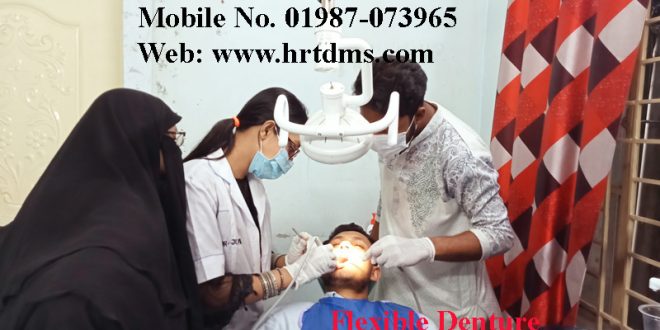
Flexible Denture. Mobile No. 01987-073965, 01797-522136. It is the best type of denture where bendable and flexible materials are used. Especially flexible thermoplastic resin material and thermoplastic nylon material are used for flexible dentures. It is very easy to use. It can be set at any time and removed at any time you require.
Location of Flexible Denture in Dhaka, Bangladesh
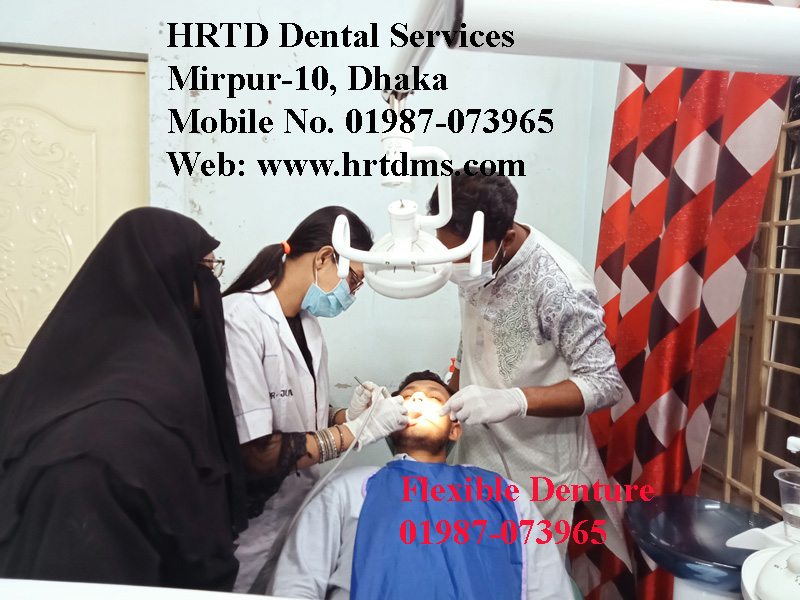
Location. Mobile No. 01987-073965, 01797-522136. HRTD Dental Services, Abdul Ali Madbor Mansion, Section-6, Block-Kha, Road-1, Plot-11, Mirpur-10 Golchattar, Metro Rail Piller No. 249, Dhaka-1216. Our Service Center is just on the west side of Agrani Bank, the South Side of Islami Bank, Janata Bank, Fire Service, Medinova Diagnostic Center, and Diabetic Hospital.
Flexible Denture Price
Flexible Denture Price. Mobile No. 01987-073965, 01797-522136. Flexible Denture Per Unit Price Tk 2000 to Tk 6000 /-, 2 Unit Tk 3000 to Tk 10000/-, Sometimes it depends on the dental conditions of the patients.
Advantages of Flexible Denture
The advantages are given below:
1. More comfortable to wear,
2. More comfortable to chew and eat,
3. Fewer side effects of flexible thermoplastic resin material,
4. Less irritation due to flexible thermoplastic resin material.
So, the flexible denture is the first moving denture nowadays.
Self Dental Lab Services ensure quality Denture
We have a dental lab for producing artificial teeth and gum for dentures. So we can ensure the best quality dentures within a very short time.
Processing of Flexible Denture in HRTD Dental Services Center
Processing of Flexible Denture. Mobile No. 01987-073965, 01797-522136. First, we process the patient for consultation with a dental surgeon. Dental Surgeon will make the decision whether the flexible denture is possible or not. If it is possible, then the measurements of teeth and gum are taken. Flexible denture is started after ensuring advance payment.
Processing a flexible denture involves taking dental impressions, creating a master model, waxing up a try-in denture, and then using a special injection molding process to inject the flexible resin into a flask containing the teeth and a mold. After injection and cooling under pressure, the flask is opened, the sprues are removed, and the denture is polished and finished for patient delivery.
1. Preliminary Steps:
- Impressions and Model Creation:The dentist takes preliminary impressions of the patient’s mouth, which are used to create a master model of the teeth and gums.
- Bite Registration:A wax bite registration is taken to record how the patient’s natural teeth meet, ensuring the final denture fits and functions correctly.
2. Wax Try-in and Design:
- Wax Set-up: A wax replica of the final denture is fabricated on the master model.
- Try-in and Adjustments: The wax pattern is tried in the patient’s mouth to check the fit, appearance, and bite. Adjustments are made at this stage.
3. Flasking and Investing:
- Flasking: The master model with the wax-up is placed into a flask.
- Investment: A special dental stone or plaster is poured into the bottom half of the flask. The model is placed carefully to ensure proper leveling.
- Sprueing: Sprues (wax channels) are added to the model to allow for the injection of the flexible material later.
4. Injection Molding:
- Boiling Out the Wax:The flask is heated in boiling water to remove all the wax, leaving a mold.
- Preparing the Flask:The flask is cleaned, and a sealing polymer or lubricant is applied to the surfaces.
- Inserting the Material:The flexible thermoplastic material, such as nylon-based or polyamide resin, is inserted into the injection machine.
- Injection:The material is injected into the mold under high pressure and temperature (e.g., at 280° C).
5. Deflasking and Finishing:
- Cooling: The flask is left to cool under pressure, allowing the resin to set.
- Deflasking: The flask is opened, and the finished denture is removed.
- Finishing and Polishing: The sprues are cut off, and the denture is smoothed and polished using various rotary tools and polishing compounds to achieve the final finish.
6. Delivery and Patient Care:
- Final Fitting: The completed denture is fitted in the patient’s mouth.
- Patient Instructions: The patient receives instructions for cleaning and maintaining the denture.
Flexible Denture at HRTD Dental Services
At HRTD Dental Services, we offer flexible denture services that are lightweight and comfortable. We use flexible materials like nylon or valplast. Customized high-quality flexible dentures provide a natural feeling and improvement of a smile.
Valprast Partial Denture
Valplast partial dentures are a popular option known for their high patient satisfaction, natural appearance, and unique flexibility and strength, which are achieved through their nylon-based thermoplastic material. These metal-free, lightweight dentures offer excellent biocompatibility and a comfortable, secure fit. They come with a lifetime warranty against breakage and fracture under normal use, and can be modified over time to accommodate changes in the mouth.
Key Features and Benefits
- Aesthetic Appeal:The flexible nature of Valplast material allows for beautiful, natural-looking results, avoiding unsightly metal clasps.
- Comfort and Fit:The thin, lightweight, and flexible nature of the material provides a precise, comfortable fit and greater tissue adaptation.
- Durability:Valplast dentures are resistant to fractures and breakage due to their high-strength nylon composition, making them a long-lasting solution.
- Metal-Free:They provide a metal-free alternative, ideal for patients with metal allergies or those who prefer an aesthetic solution.
- Customization and Modification:The material can be rebased and teeth can be added, allowing for modifications to the denture over time.
- Biocompatibility:The material is biocompatible and the absence of a trapped monomer prevents gaps and water absorption, reducing porosity and promoting better hygiene.
Ideal Candidates
- Patients seeking a metal-free restoration.
- Individuals who prefer a lightweight and comfortable option.
- Those who are concerned about the appearance of traditional metal clasps.
- As a short-term tooth replacement before more definitive treatment, like dental implants, is performed.
Limitations
- While generally durable, Valplast appliances may not be suitable for cases with extremely resorbed ridges, which can lead to poor outcomes.
Advantages of Valprast Partial Denture
Valplast partial dentures appear more natural than others
Valplast partial dentures don’t require any metal clasps to hold them in place.
Valplast partial dentures are thin and flexible and much more comfortable to wear
Valplast partial dentures provide clear speaking sound
Lifetime warranty
Valplast partial denture is the right choice for many patients.
Nylon Flexible Denture
Flexible Denture where nylon materials are used is called Nylon Flexible Denture. Nylon is a synthetic plastic material composed of polyamides. Nylon was developed by a research team of a company headed by an American chemist Wallace H. Carothers.
Nylon flexible dentures are a type of partial denture made from a durable, thermoplastic polyamide material that offers greater comfort and flexibility than traditional, rigid acrylic dentures. These lightweight dentures provide a more natural appearance by seamlessly molding to the contours of the mouth and gums. Common brand names include Valplast® and Flexite Plus, offering advantages such as improved retention, resistance to fracture, and a higher likelihood of patient acceptance.
Key Characteristics
- Material: Made from a biocompatible, thermoplastic polyamide (nylon)-based material.
- Flexibility: More pliable than traditional dentures, providing a snug, comfortable fit.
- Lightweight & Thin: Significantly lighter and thinner than conventional acrylic dentures.
- Aesthetics: The translucent nature of the material creates a more natural-looking gum color, enhancing aesthetics.
- Durability: Strong and resilient, making them resistant to fracture and breakage.
Benefits
- Comfort:The soft, flexible material is less likely to cause irritation or a sensitive gag reflex.
- Retention:The ability to create a seal around the denture’s border can improve its retention.
- Hypoallergenic:The nylon-based materials are considered hypoallergenic and BPA-free, a good option for those with acrylic allergies.
- Reduced Breakage:Their high resistance to fracture reduces the risk of accidental breaks.
Considerations
- Staining:Some nylon-based materials, like Valplast® and Flexite Plus, are prone to staining over time.
- Mechanical Properties:Studies show some flexible materials may have lower impact strength and surface hardness compared to acrylic.
- Retention (vs. Acrylic):Retention of acrylic teeth on flexible dentures can sometimes be inferior to traditional methods, potentially requiring extra retention means.
Common Uses
- Partial Dentures: Ideal for replacing one or more missing teeth.
- Sensitive Patients: A popular choice for patients with sensitive gums or a strong gag reflex.
Complete Flexible Denture
Partial Flexible Denture
Why people choose flexible denture?
People choose flexible dentures because they offer increased comfort due to their lightweight, bendable material that adapts to the mouth, a more natural appearance, a snug and secure fit, and are hypoallergenic and metal-free. These advantages reduce irritation, provide a non-invasive option that is easy to insert, and are a good choice for patients with metal allergies.
Key reasons people choose flexible dentures:
- Comfort and Secure Fit: The pliable nylon thermoplastic material bends and adapts to the mouth’s unique shape, resulting in a snug and stable fit that minimizes discomfort and the risk of irritation.
- Natural Appearance: Because they are made from a transparent nylon resin, flexible dentures are thinner and offer a more natural look compared to traditional rigid dentures.
- Allergy-Friendly: They are a great option for people who have allergies to acrylic or metal because they are made from a hypoallergenic material that contains no metal or acrylic monomer.
- Non-Invasive and Easy to Use: Flexible dentures are a non-invasive tooth replacement option, as they are fitted into existing teeth. They are also easy to insert and remove with minimal discomfort.
- Durable and Virtually Unbreakable: Made from a resilient and durable material, flexible dentures are known for being long-lasting and less prone to breaking.
Types of Flexible Denture
Flexible dentures are categorized by their material type and can be full or partial, with common examples including Valplast (nylon), Flexite (vinyl composite), and Duraflex. They are available as partial dentures for replacing one or more teeth, offering a more discreet and comfortable alternative to traditional metal-based dentures.
Types by Material
Flexible dentures are made from various biocompatible thermoplastic materials, with brands representing different types of resins:
- Nylon-based: Valplast and other brands use flexible nylon that is durable and adapts to the mouth’s movements.
- Vinyl composite: Materials like Flexite offer a comfortable fit and are a good option for those with sensitive gums.
- Other thermoplastics: Other examples include Duraflex, Sunflex, and TCS.
Types by Application
- Partial Flexible Dentures: These replace one or more missing teeth and are the most common type of flexible denture. They use translucent, nearly invisible clasps that are more discreet than metal clasps.
- Full Flexible Dentures: While most flexible dentures are partial, some types offer replacements for all teeth in an arch, providing a more comfortable alternative to traditional full dentures.
Common Brands
- Valplast:A widely used, high-quality flexible nylon material known for its comfort and aesthetics.
- Flexite:Another popular option made from a vinyl composite, which some find easier to adjust to.
- Duraflex:A durable and flexible material that is a popular choice for partial dentures.
Benefits of Flexible Dentures
- Comfort: The soft, bendable material provides a more comfortable fit and less irritation to the gums.
- Aesthetics: They offer a natural look without visible metal clasps, as the clasps are made from translucent, gum-colored material.
- Biocompatibility: The materials used are biocompatible and rarely cause allergic reactions.
- No Adhesives Needed: They are strongly adherent to the gums and don’t require denture adhesive.
Advantage of Nylon Flexible Denture
Nylon flexible dentures offer advantages including enhanced comfort due to their softness and thinness, a more natural aesthetic with virtually invisible clasps, and durability as they are highly resistant to breakage compared to traditional acrylic dentures. They are also lightweight, metal-free making them suitable for patients with metal allergies or sensitivities, and less likely to cause irritation. Additionally, they are non-absorbent of stains and odors and can provide a secure and natural-feeling fit.
Comfort and Fit
- Softer Material:The soft, flexible thermoplastic material conforms better to the natural contours of the mouth, leading to increased comfort and a reduced risk of sore spots or irritation.
- Lightweight Design:Flexible dentures are thinner and lighter than traditional dentures, which makes them easier to wear for extended periods.
Aesthetics and Discretion
- Invisible Clasps:Nylon flexible dentures use translucent clasps made from the same flexible material, making them nearly invisible and a highly aesthetic choice for patients who are self-conscious about clasps showing when they talk or smile.
- Natural Appearance:The semi-translucent pink base material blends seamlessly with natural gums, creating a more natural-looking smile.
Durability and Biocompatibility
- Breakage Resistant:The flexible nylon material is highly durable and resistant to cracking or breaking, even if the dentures are dropped, offering greater peace of mind.
- Metal-Free:They are free from metal and acrylic, making them a healthier option and ideal for patients with metal allergies or sensitivities.
Other Benefits
- Non-Porous:The material is unabsorbent of stains and odors, contributing to better hygiene.
- Secure Adherence:Flexible dentures can adhere strongly to the gums without the need for metal clasps, providing a secure fit.
Disadvantage of Nylon Flexible Denture
Disadvantages of nylon flexible dentures include: limited strength compared to traditional options, which can shorten their lifespan; difficult adjustability and repair by dental professionals; increased susceptibility to bacterial build-up and staining due to their porous nature; a high risk of irritation or gum recession if they fit improperly (“gum strippers”); higher costs due to complex fabrication; and they are not available as full dentures.
Material Limitations
- Reduced Strength & Durability:While more break-resistant than rigid acrylic, they are not as strong as metal or implant-supported dentures and may have a shorter overall lifespan.
- Staining:The porous material can absorb stains from certain foods and drinks, requiring strict cleaning and potentially leading to discoloration over time.
- Bacterial Build-Up:The flexible material is prone to harboring more bacteria, making careful daily cleaning essential to prevent gum issues.
Fit & Adjustment Issues
- Limited Adjustability:The flexible nature of the material makes them harder for dentists to adjust or refit compared to traditional dentures, potentially requiring complete replacement if the gums or jaw change shape.
- Gum Irritation:Improper fit can cause the soft material to rub excessively against the gums, leading to irritation, soreness, and gum recession, a condition sometimes called “gum strippers”.
Other Practical Concerns
- Cost:The specialized materials and complex fabrication process can make them more expensive than traditional dentures.
- Not for All Cases:They are unsuitable for patients with severe bone loss or certain oral health conditions.
- Repair Difficulty:Broken flexible dentures are difficult to repair and often require complete replacement.
- Availability:They are only available as partial dentures, not as full, complete dentures.
Partial Flexible Denture
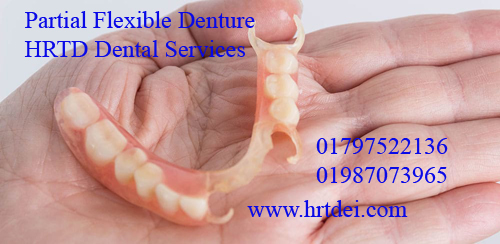
Partial flexible dentures are modern, removable tooth replacements made from lightweight, durable, and pliable thermoplastic nylon resin, offering a comfortable, natural-looking alternative to traditional acrylic or metal partials by eliminating bulky bases and unsightly metal clasps. They provide a snugger, more adaptive fit to the gums and existing teeth, are hypoallergenic, and are less likely to break if dropped.
Benefits
- Improved Comfort:The flexible material adapts to your gums and existing teeth, providing a more comfortable and snug fit than rigid dentures, which can feel bulky.
- Natural Appearance:They blend seamlessly with your natural teeth and don’t require metal clasps, making them virtually unnoticeable.
- Hypoallergenic:Made from thermoplastic materials, they are a good option for patients with allergies to acrylics or nickel found in some traditional dentures.
- Durability:The flexible material is less prone to breaking if dropped compared to rigid acrylic dentures.
- Lightweight:The thin material makes them feel less intrusive and lighter in the mouth.
Considerations
- Material:The pliable baseplate may not be suitable for replacing very large spans of missing teeth or those requiring a distal extension, notes PRO-Craft Dental Lab.
- Cost:While costs vary, they are an available option to restore your smile without the need for implants or traditional dentures.
- Maintenance:Flexible dentures should be stored in water when not in use to prevent dimensional changes.
Who Are They For?
- Patients who find traditional dentures uncomfortable or irritating.
- Individuals seeking a discreet, metal-free, and natural-looking option to replace one or more missing teeth.
- Those looking for a comfortable, lightweight, and low-maintenance alternative to traditional prosthetics.
Full Flexible Denture
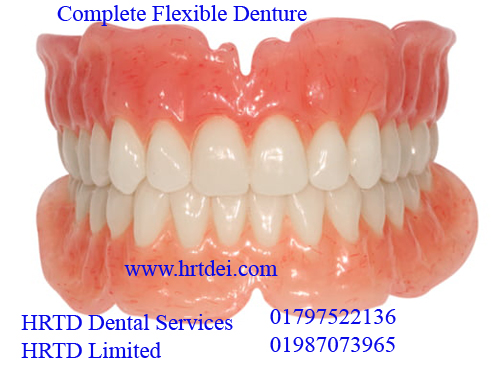
Full flexible dentures replace all teeth in an arch using a soft, pliable, thermoplastic nylon material, offering a comfortable, natural-looking, and durable option compared to traditional dentures. While excellent for partial dentures, full flexible dentures are also available as a full arch solution, utilizing invisible, gum-colored clasps for retention rather than metal. Key advantages include their flexibility, hypoallergenic nature, resistance to breakage, and aesthetic appeal, though they can be more difficult to fit and adjust and may have a higher initial cost.
What Are They?
- Material:Made from a thin, flexible thermoplastic polyamide (nylon) material, such as Valplast.
- Function:They are custom-made to conform to the unique shape of your gums and tissues, providing a snug and secure fit.
- Retention:Unlike rigid dentures that may use metal clasps, flexible dentures use transparent, gum-colored clasps or other attachments to hold them in place.
Key Benefits
- Comfort:The flexible material adapts to the mouth’s contours, creating a more comfortable and natural-feeling experience.
- Aesthetics:The translucent, gum-colored material is less visible and blends seamlessly with surrounding tissue.
- Hypoallergenic:The nylon-based material is hypoallergenic and free from metal, making it a good option for patients with allergies.
- Durability:The flexible nature makes them highly resistant to breakage compared to traditional acrylic dentures.
- Lightweight:The thinner material results in a lighter denture that is easier to wear.
Considerations
- Adjustments:Adjusting flexible dentures can be more challenging for dental professionals compared to traditional acrylic dentures.
- Cost:The specialized fabrication process can sometimes result in a higher upfront cost than conventional dentures.
- Bacterial Buildup:There is a potential for more bacterial buildup in flexible dentures if not cleaned carefully.
- Fit:While flexible dentures offer a secure fit, retention can sometimes be less stable than with traditional dentures or other methods like dental implants, requiring a careful evaluation by your dentist.
When to Choose Full Flexible Dentures
Full flexible dentures are a viable solution for patients who:
- Need to replace all teeth in a single arch.
- Are looking for a more comfortable and natural-feeling alternative to traditional dentures.
- Require a metal-free and hypoallergenic prosthetic option.
- Are unable to undergo the surgery required for dental implants.
Why Flexible Dentures are Lightweight ?
Flexible dentures are lightweight because they are constructed from thin, thermoplastic materials like nylon, which are naturally less dense than the rigid acrylic and metal components found in traditional dentures. By eliminating heavy metal frameworks, flexible dentures achieve a lighter, more comfortable fit that is also more adaptable to the contours of the mouth.
Materials:
- Thermoplastic Polymers: Flexible dentures are made from thermoplastic materials, such as nylon.
- Thin and Lightweight: These materials are inherently lighter and can be made into thinner, more delicate structures compared to traditional materials.
Design:
- No Metal Framework:Unlike many traditional dentures that use heavy metal components for support, flexible dentures are designed without metal.
- Adaptive and Flexible Base:The base of a flexible denture is made from a pliant material that can adapt to the shape of the gums.
Benefits of the Lightweight Design:
- Comfort: The lighter weight reduces the burden on the mouth, making them more comfortable to wear.
- Reduced Bulkiness: Their thin design makes them less bulky, which can feel more natural.
- Improved Fit: The flexibility of the material allows the denture to adapt better to the mouth’s natural movements and contours, resulting in a snugger fit.
Approximate Weight of a Full Flexible Denture
A full flexible denture does not have an exact fixed weight, but it is generally around 30% lighter than traditional acrylic dentures. While studies on conventional dentures report average weights of 11-18 grams, the specific weight of a full flexible denture depends on its material composition and the size and shape of the patient’s mouth.
Factors influencing weight
- Material: Flexible dentures are made from thermoplastic materials that are lighter and thinner than the acrylic used in traditional dentures.
- Design: The overall size and thickness of the denture base affect its weight.
- Completeness: Whether it’s a partial or full denture will naturally impact the amount of material used and, therefore, the weight.
Why weight is important
- Comfort:Lighter, thinner dentures are generally more comfortable and less bulky in the mouth.
- Retention:Flexible dentures are designed to be more retentive, meaning they stay firmly in place.
- Gum Health:The reduced weight and flexibility can decrease pressure on the gums, potentially reducing irritation.
Why Flexible Dentures are better than Acrylic Denture?
Flexible dentures are often considered better than rigid acrylic ones for their superior comfort, lightweight feel, and more natural aesthetics due to their ability to adapt to the mouth’s contours and their metal-free, translucent appearance. However, acrylic dentures are generally more durable, a more budget-friendly option, and easier to repair. The best choice depends on a patient’s individual needs, prioritizing comfort and aesthetics over longevity and cost.
Advantages of Flexible Dentures:
- Improved Comfort:The thin, thermoplastic material is soft and adapts to the natural shape of the gums, providing a snug, more comfortable, and less irritating fit.
- Lighter and Less Bulky:The flexible material is lighter and less bulky than rigid acrylic, making them easier to wear and less noticeable in the mouth.
- Natural Appearance:They are made from a translucent material that blends seamlessly with natural gum tissue, offering a more discreet and aesthetically pleasing look.
- Hypoallergenic:Flexible dentures are typically metal-free and made from biocompatible materials, which is ideal for patients with sensitive gums or metal allergies.
- Better Retention:The flexibility allows the denture to grip the natural curves and crevices of the gums, offering better retention and a more secure fit without the need for rigid clasps.
Considerations for Flexible Dentures:
- Cost: Flexible dentures can be more expensive due to the materials and specialized manufacturing process.
- Durability and Lifespan: While strong, some types of flexible dentures may not be as durable or long-lasting as rigid acrylic, with a potential lifespan of around 8 years compared to acrylic’s 5-8 years or more with proper care.
- Repairs: Repairs may be more challenging compared to acrylic, which is a more common and easily repairable material.
Why Acrylic Dentures Might Be Preferred:
- Higher Durability:The rigid material of acrylic dentures makes them very robust and long-lasting.
- Cost-Effective:Acrylic is a more affordable material, making it a budget-friendly option for many patients.
- Easier to Repair:Acrylic dentures are simpler to repair if they break or chip.
- More Stability:In some cases, the rigidity of an acrylic partial can provide more stable support for chewing and speaking.
The Bottom Line:
The choice between flexible and acrylic dentures often comes down to a personalized decision between a patient’s priorities. If comfort, aesthetics, and a hypoallergenic solution are most important, a flexible denture is often the superior choice. However, if budget, longevity, and ease of repair are the primary concerns, an acrylic denture may be the more suitable option.
Durability of Flexible Denture
Flexible dentures can last for 5 to 8 years with proper care, though they may be less durable than traditional acrylic dentures, which can last up to 10 years. Their durability is influenced by patient’s oral hygiene habits, regular annual check-ups, careful handling to avoid breakage from drops, and avoidance of harsh chemicals in cleaning solutions. The flexible materials themselves are resistant to fracturing, but their lifespan is also affected by changes in the mouth’s anatomy and diet.
Factors influencing durability:
- Material:Flexible dentures are made from strong, resilient nylon (polyamide) or other thermoplastic materials, making them resistant to breakage and cracking.
- Care and Maintenance:
- Regular cleaning: Use a soft toothbrush and a recommended denture cleaner to prevent damage.
- Avoid harsh chemicals: Bleach or alcohol-based cleaning agents should be avoided as they can damage the material.
- Handling: Handle dentures over a towel or basin of water to prevent breakage from drops.
- Oral Health and Changes:
- Changes in the mouth: As the mouth’s anatomy changes over time, the fit and stability of the denture can be affected, influencing its effective lifespan.
- Oral hygiene: Good oral hygiene habits help to maintain the health of the remaining teeth and gums, which supports the denture.
- Wear and Tear:Like all dentures, flexible dentures experience wear and tear over time, which can eventually necessitate replacement.
When to consider replacement:
- Damage: If your flexible dentures become broken or damaged.
- Poor fit: If the dentures no longer fit well, causing discomfort or issues with function.
- Regular dental check-ups: Annual check-ups with your dentist are crucial to monitor the denture’s condition and the health of your mouth.