 HRTD Medical Institute

Paramedical Course 3 Years Details
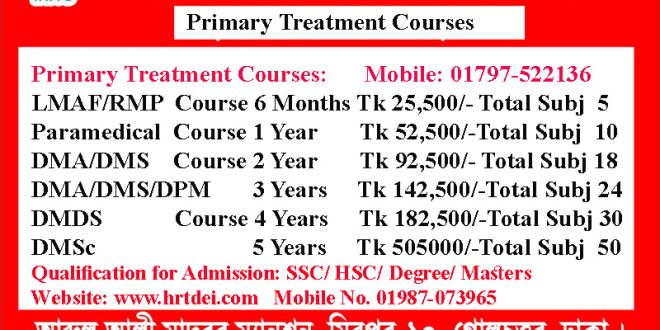
Paramedical Course 3 Years : Mobile Number. 01987073965. 01941123488, 01797522136. A Paramedical course of 3 Years duration is a long Type of Paramedical Course in Bangladesh This Course contains 24 subject in 6 semesters. The 1st Semester contains 5 subject and 2nd semester contains 5 subjects. 3’rd semester contains 4 subjects & 4’th semester contains 4 Subject . 5’th semester contains 3 subjects & 6’th semester contains 3 Subjects .
Location of Paramedical Course 3 Years
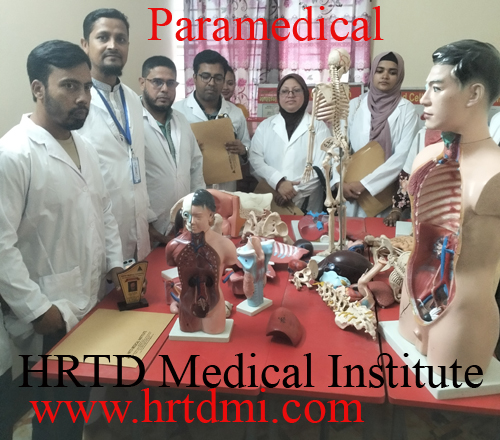
Location of Paramedical course Training center. Mobile Number. 01987073965. 01941123488, 01797522136. HRTD Medical Institute , Abdul Ali Madbor Mention, Section-6, Block-Kha, Road-1, Plot-11, Mirpur-10 (Gol-Chattar) Metro Rail Piller NO-249, Dhaka-1216.
Course Fee for Paramedical Course 3 Years
Course Fee for Paramedical Course 3 Years. Mobile Number. 01987073965. 01941123488, 01797522136. Paramedical Course Fee for 3 Years TK 1,42,500/- Including Admission Fee, Monthly Fee & Exam Fee.
Paramedical Course Admission Eligibility in Dhaka, Bangladesh
Paramedical Course Admission Eligibility. Mobile Number. 01987073965. 01941123488, 01797522136. SSC or Equivalent/HSC/ Degree/ Masters from any Background (Science/ Arts/ Commerce/ Technical).
Teachers for Paramedical Course 3 Years
- Dr. Md. Sakulur Rahman, MBBS, CCD (BIRDEM), Course Director
- Dr. Sanjana Binte Ahmed, BDS, MPH, Assistant Course Director
- Dr. Tisha, MBBS, PGT Gyne, Assistant Course Director
- Dr. Suhana, MBBS, PGT Medicine
- Dr. Danial Hoque, MBBS, C-Card
- Dr. Tisha, MBBS
- Dr. Afrin Jahan, MBBS, PGT Medicine
- Dr. Ananna, MBBS
- Dr. Lamia Afroze, MBBS
- Dr. Amena Afroze Anu, MBBS, PGT Gyne, Assistant Course Director
- Dr. Farhana Antara, MBBS,
- Dr. Nazmun Nahar Juthi, BDS, PGT
- Dr. Farhana Sharna, MBBS
- Dr. Bushra, MBBS
- Dr. Turzo, MBBS
- Dr. Kamrunnahar Keya, BDS, PGT (Dhaka Dental College)
- Dr. Shamima, MBBS, PGT Gyne
- Dr. Alamin, MBBS
- Dr. Benzir Belal, MBBS
- Dr. Disha, MBBS
- Dr. Mahinul Islam, MBBS
- Dr. Tisha, MBBS, PGT Medicine
- Dr. Anika, MBBS, PGT
- Dr. Jannatul Ferdous, MBBS, PGT Gyne
- Dr. Jannatul Aman, MBBS, PGT
- Dr. Rayhan, BPT
- Dr. Abu Hurayra, BPT
- Dr. Sharmin Ankhi, MBBS, PGT Medicine
- Md. Monir Hossain, B Pharm, M Pharm
- Md. Monirul Islam, B Pharm, M Pharm
- Md. Feroj Ahmed, BSc Pathology, PDT Medicine
Some Subject for Paramedical Course 3 Years
Paramedical Course subjects. Mobile No. 01987073965, 01797522136.
- Human Anatomy & Physiology-1
- Pharmacology-1
- Study of OTC Drugs
- First Aid-1 & 2
- Practice of Medicine
- Hematology
- Pathology for Medical Practice
- Surgery-1
- Cardiovascular Anatomy
- Antimicrobial drugs
- Medical Diagnosis-1 & 2
- Chemistry
- Medical Biochemistry
- Orthopedic Anatomy
- Neuro Anatomy & Physiology
- Pharmacology-2
- Pathology- 1 & 2
- Anatomy & Physiology-2
- Respiratory Disease & Treatment
- Essential drugs & Medicine
- Human Microbiology
- Community Medicine-1&2
- ENT Drugs & Pharnacology
- Urology & Hepatology
Human Anatomy & Physiology For Paramedical Course 3 Years
Important topics in Human Anatomy & Physiology include the study of body systems (like the skeletal, muscular, circulatory, respiratory, digestive, urinary, endocrine, nervous, integumentary, and reproductive systems) and their functions. Specific areas to focus on include the structure and function of cells and tissues, homeostasis, and the principles of anatomy and physiology. Understanding the relationship between structure and function is crucial in this field.
Specific Systems:
- Skeletal System: Bones, cartilage, and joints; their roles in support, protection, and movement.
- Muscular System: Muscles and their functions in movement.
- Circulatory System: The heart, blood vessels, and blood; responsible for transporting oxygen, nutrients, and hormones.
- Respiratory System: Lungs and airways; facilitates gas exchange.
- Digestive System: Mouth, stomach, intestines, etc.; breaks down food and absorbs nutrients.
- Urinary System: Kidneys, bladder, etc.; removes waste from the blood and regulates fluid balance.
- Endocrine System: Glands that produce hormones; regulates various bodily functions.
- Nervous System: Brain, spinal cord, nerves; controls and coordinates body functions.
- Integumentary System: Skin, hair, nails; provides a protective barrier.
- Reproductive System: Organs involved in reproduction.
Pharmacology For Paramedical Course 3 Years
Important topics in Pharmacology include: pharmacokinetics and pharmacodynamics, autonomic nervous system, drugs affecting the cardiovascular system, anti-infectives, and chemotherapy. Other key areas include general pharmacology (drug absorption, distribution, metabolism, excretion, drug interactions, and adverse drug reactions), and specific drug classes like those used in the treatment of autonomic nervous system disorders, respiratory, endocrine, and gastrointestinal conditions.
General Pharmacology:
Pharmacokinetics:
This encompasses the study of how drugs move through the body (absorption, distribution, metabolism, and excretion). Important aspects include bioavailability, first-pass metabolism, plasma protein binding, and factors affecting drug distribution. Understanding first-order and zero-order kinetics is also crucial.
Pharmacodynamics:
This focuses on how drugs interact with the body at a cellular and molecular level, including drug-receptor interactions, dose-response relationships, and mechanisms of drug action. Key concepts include receptor types (e.g., G protein-coupled receptors), drug antagonism (competitive and non-competitive), and drug resistance.
Adverse Drug Reactions (ADRs):
Understanding the types of ADRs, their mechanisms, and how to manage them is essential.
Drug Interactions:
Knowing how drugs can interact with each other (e.g., through enzyme induction or inhibition) and affect their efficacy and toxicity is vital.
Pharmacogenetics/Pharmacogenomics:
This field explores how genetic variations influence drug response.
Specific Systems and Disease States:
- Autonomic Nervous System (ANS): A comprehensive understanding of the ANS is crucial, including cholinergic and adrenergic drugs, anticholinergic agents, and their clinical uses. This includes specific drugs like those used in glaucoma, myasthenia gravis, and motion sickness.
- Cardiovascular System: Important topics include antihypertensive drugs, drugs for angina and myocardial infarction, antiarrhythmics, and drugs used in heart failure.
- Anti-infectives: Focus on antibacterial, antiviral, antifungal, and antiparasitic drugs, including chemotherapy for tuberculosis, leprosy, and malaria.
- Chemotherapy: Understanding the mechanisms of action and resistance to chemotherapeutic agents used in cancer treatment is important.
- Respiratory System: Includes drugs for asthma, COPD, and other respiratory conditions.
- Endocrine System: Important topics include diabetes (oral hypoglycemic agents, insulin), thyroid disorders, and hormonal contraceptives.
- Gastrointestinal System: Drugs used in peptic ulcer disease, GERD, and for managing diarrhea and constipation.
- Musculoskeletal System: Includes drugs for arthritis (NSAIDs, DMARDs), gout, and osteoporosis.
- CNS: Includes drugs for epilepsy, Parkinson’s disease, anxiety, depression, and psychosis.
- Local Anesthetics and Skeletal Muscle Relaxants: Understanding their mechanisms, uses, and adverse effects.
Study of OTC Drugs For Paramedical Course 3 Years
Studying over-the-counter (OTC) drugs is important due to their widespread use, potential for misuse, and the need for responsible self-care practices. Key areas of focus include understanding drug interactions, recognizing potential side effects, and ensuring proper dosage and administration, especially for vulnerable populations.
Here’s a breakdown of important topics:
1. Responsible Use and Self-Medication:
Understanding OTC medications:
Knowing the difference between OTC and prescription drugs, and understanding that OTCs are not completely risk-free, is crucial.
Self-diagnosis:
Consumers need to be aware of when self-treating with OTCs is appropriate and when to seek professional medical advice.
Proper dosage and administration:
Clear labeling, understanding dosage instructions, and recognizing potential interactions with other medications or conditions are essential.
Practice of Medicine For Paramedical Course 3 Years
Important topics in the practice of medicine include clinical skills, medical ethics, patient safety, mental and behavioral health, and palliative care. Additionally, clinical research, medical education, and the care of older patients are crucial aspects of modern medical practice. Understanding common conditions like diabetes mellitus, hypertension, and HIV is also essential.
Core Clinical Areas:
Clinical Skills: This encompasses a broad range of abilities, including physical examination techniques, diagnostic reasoning, and the ability to interpret medical imaging and lab results.
Hospital Medicine: Covers the management of patients within a hospital setting, including acute and chronic disease management, perioperative care, and interdisciplinary collaboration.
Infectious Diseases: Understanding the pathogenesis, diagnosis, and management of various infectious diseases, including bacterial, viral, fungal, and parasitic infections, is critical.
Cardiology: Focuses on the diagnosis and treatment of heart conditions, including coronary artery disease, heart failure, and arrhythmias.
Endocrinology: Deals with hormonal disorders, including diabetes, thyroid disease, and adrenal insufficiency.
Neurology: Involves the study and treatment of neurological disorders, such as stroke, epilepsy, and Parkinson’s disease.
Gastroenterology: Covers disorders of the digestive system, including inflammatory bowel disease, liver disease, and gastrointestinal cancers.
Respiratory Medicine: Focuses on lung diseases, such as asthma, chronic obstructive pulmonary disease (COPD), and pneumonia.
Nephrology: Deals with kidney disease and its management, including dialysis and transplantation.
Rheumatology: Involves the diagnosis and treatment of rheumatic diseases, such as rheumatoid arthritis and lupus.
Hematology: Covers blood disorders, including anemia, leukemia, and lymphoma.
Essential Supporting Disciplines:
- Medical Ethics: Addresses ethical dilemmas that arise in healthcare, such as end-of-life care, informed consent, and confidentiality.
- Patient Safety: Focuses on preventing medical errors and improving the safety of patient care.
- Mental and Behavioral Health: Covers the diagnosis and treatment of mental health conditions, such as depression, anxiety, and schizophrenia.
- Palliative Care: Provides comfort and support to patients with serious illnesses, focusing on pain and symptom management and improving quality of life.
- Geriatrics: Specializes in the care of older adults, addressing age-related health issues and functional decline.
- Medical Education: Involves the training and education of future healthcare professionals.
- Clinical Research: Focuses on the development of new medical knowledge through scientific investigation.
- Genomic Medicine: Involves the use of genetic information to understand, diagnose, and treat diseases.
- Substance Abuse and Addiction: Addresses the diagnosis and treatment of substance use disorders.
- Community Medicine: Focuses on public health and the prevention of disease in communities.
Key Topics in Community Medicine:
- Epidemiology: The study of the distribution and determinants of health-related states or events in specified populations, and the application of this study to the control of health problems.
- Health Promotion and Disease Prevention: Focuses on strategies to promote healthy lifestyles and prevent disease.
- Health Policy and Management: Involves the development and implementation of health policies and programs.
- Environmental Health: Deals with the impact of environmental factors on human health.
- Occupational Health: Focuses on the health of workers in various occupations.
- Nutrition: Deals with the role of food and diet in maintaining health and preventing disease.
Other Important Areas:
- Medical Informatics: Focuses on the use of information technology in healthcare.
Hematology For Paramedical Course 3 Years
Hematology is the branch of medicine focused on blood and blood-forming organs, encompassing the study of blood and its components, as well as blood-related diseases. Key topics include the anatomy of blood (red and white blood cells, platelets, plasma), hemoglobinopathies, hematologic malignancies (like leukemia and lymphoma), anemia, and coagulopathy. It also involves understanding the functions of bone marrow, spleen, and lymph nodes, as well as the processes of hemostasis and thrombosis.
Here’s a more detailed breakdown:
1. Blood and its Components:
Bone Marrow: The site of blood cell production.
Red Blood Cells (Erythrocytes): Carry oxygen from the lungs to the body’s tissues.
White Blood Cells (Leukocytes): Part of the immune system, fighting infection.
Platelets: Involved in blood clotting.
Plasma: The liquid component of blood, containing proteins, electrolytes, and other substances.
Hemoglobin: The protein in red blood cells that carries oxygen.
2. Blood Disorders:
- Anemia: A condition characterized by a deficiency in red blood cells or hemoglobin.
- Hemoglobinopathies: Abnormalities in the structure or production of hemoglobin, such as sickle cell disease.
- Hematologic Malignancies: Cancers of the blood and bone marrow, including leukemia and lymphoma.
- Coagulopathy: Disorders affecting blood clotting, such as hemophilia.
- Thrombocytopenia: Low platelet count, leading to bleeding problems.
- Disorders of Iron Metabolism: Conditions related to iron deficiency or excess.
3. Other Important Areas:
- Hemostasis and Thrombosis: The processes of blood clotting and the formation of blood clots, respectively.
- Transfusion Medicine: The study and practice of blood transfusions.
- Hematologic Oncology: The branch that deals with blood cancers, often in collaboration with oncologists.
- Hematopathology: The study of blood and bone marrow diseases, often performed by hematopathologists.
- Stem Cell Transplantation: A treatment for some hematologic diseases, involving the transplantation of healthy stem cells.
Pathology for Medical Practice For Paramedical Course 3 Years
Pathology, in the context of medical practice, primarily focuses on understanding the causes, mechanisms, and effects of diseases, with a strong emphasis on the structural and functional changes within the body. It involves studying disease at various levels, including molecular, cellular, tissue, and organ levels. The main topics in pathology for medical practice can be broadly categorized into General Pathology, Anatomical Pathology, and Clinical Pathology.
General Pathology: This area covers fundamental concepts about disease, including:
- Etiology: The cause of disease.
- Pathogenesis: The mechanisms of disease development.
- Morphologic Changes: Structural alterations in cells and tissues.
- Clinical Manifestations: The functional consequences of these changes
Anatomical Pathology: This branch focuses on the gross and microscopic examination of tissues and organs, often involving:
- Surgical Pathology: Examination of tissues removed during surgery.
- Cytopathology: Examination of individual cells.
- Autopsy Pathology: Examination of the body after death.
- Forensic Pathology: Investigation of death for legal purposes.
Clinical Pathology: This area involves the analysis of body fluids (like blood and urine) and the application of laboratory techniques to diagnose and monitor diseases. It includes:
- Clinical Chemistry: Analysis of chemical components in body fluids.
- Hematology: Study of blood and blood-forming tissues.
- Microbiology: Identification and characterization of microorganisms.
- Immunology: Study of the immune system and its role in disease.
- Molecular Pathology: Focuses on genetic testing and biomarkers.
Other important topics within pathology include:
- Inflammation and Tissue Repair: Understanding the body’s response to injury.
- Infectious Diseases: Studying diseases caused by pathogens.
- Neoplasia (Cancer): Understanding the development, characteristics, and treatment of tumors.
- Genetic Diseases: Studying diseases caused by inherited or acquired genetic mutations.
- Environmental and Occupational Diseases: Studying diseases related to environmental or workplace exposures.
- Nutritional Disorders: Studying diseases related to nutritional deficiencies or excesses.
- Age-Related Diseases: Studying diseases that are more common in older individuals.
Cardiovascular Anatomy For Paramedical Course 3 Years
Important topics in cardiovascular anatomy include the heart’s structure (chambers, valves, layers, and great vessels), blood vessels (arteries, veins, capillaries), and the circulatory system (pulmonary and systemic circulation). Understanding the heart’s conduction system, cardiac cycle, and blood flow pathways is also crucial.
Detailed Breakdown:
1. The Heart:
- Chambers: Right atrium, left atrium, right ventricle, and left ventricle.
- Valves: Tricuspid, bicuspid (mitral), pulmonary, and aortic valves, ensuring unidirectional blood flow.
- Layers: Endocardium (inner), myocardium (muscle), and pericardium (outer protective layer).
- Great Vessels: Aorta, pulmonary artery, superior and inferior vena cava.
- Conduction System: Sinoatrial (SA) node, atrioventricular (AV) node, bundle of His, bundle branches, and Purkinje fibers, responsible for electrical impulses that regulate heartbeats.
2. Blood Vessels:
- Arteries: Carry oxygenated blood away from the heart (except for the pulmonary artery).
- Veins: Carry deoxygenated blood back to the heart (except for the pulmonary veins).
- Capillaries: Tiny vessels facilitating exchange of nutrients and waste between blood and tissues.
3. Circulatory System:
- Pulmonary Circulation: The flow of blood between the heart and lungs for oxygenation.
- Systemic Circulation: The flow of blood from the heart to the rest of the body and back.
4. Other Important Aspects:
- Cardiac Cycle: The sequence of events during one heartbeat, including atrial and ventricular contractions and relaxations.
- Blood Pressure: The force exerted by blood against the walls of blood vessels, regulated by factors like baroreceptors and the renin-angiotensin-aldosterone system.
- Coronary Circulation: The blood supply to the heart muscle itself.
- Age-related changes: Physiological changes in the cardiovascular system with age.
Essential Drugs & Medicine For Paramedical Course
Essential medicines are those that satisfy the priority health care needs of a population. They are selected based on public health relevance, efficacy, safety, cost-effectiveness, and availability. These medicines are crucial for universal health coverage and ensuring access to quality healthcare.
Key Aspects of Essential Medicines:
- Definition: Essential medicines are defined by the WHO as those that should be available at all times, in adequate amounts, in appropriate dosage forms, of assured quality, and at a price that individuals and the community can afford, according to the World Health Organization.
- Selection Criteria: Medicines are selected based on factors like public health importance, evidence of effectiveness and safety, and affordability.
- Importance for Universal Health Coverage: Essential medicines are a cornerstone of universal health coverage, ensuring that everyone has access to the health services they need, including essential medicines.
- WHO Model Lists: The World Health Organization (WHO) publishes model lists of essential medicines for both adults and children, which serve as a guide for countries and regional authorities.
- Challenges: A significant portion of the global population lacks access to essential medicines, particularly in low- and middle-income countries.
- Focus on Access and Affordability: Ensuring access to affordable, quality-assured essential medicines is a major challenge, especially with the rise of non-communicable diseases requiring long-term treatment.
Respiratory Disease For Paramedical Course
respiratory diseases include asthma, chronic obstructive pulmonary disease (COPD), lung cancer, and infections like pneumonia and tuberculosis. These conditions vary in severity and can affect individuals of all ages, impacting not only the patient but also their families and communities.
Key Respiratory Diseases:
Asthma: A chronic inflammatory disorder of the airways characterized by recurrent attacks of breathlessness and wheezing.
COPD: A progressive lung disease, often caused by smoking, that makes it difficult to breathe due to airway obstruction.
Lung Cancer: A leading cause of death worldwide, with both direct and indirect exposure to tobacco smoke being a significant risk factor.
Pneumonia: An infection of the lungs that can be caused by bacteria, viruses, or fungi, leading to fluid buildup in the lungs.
Tuberculosis: A bacterial infection that primarily affects the lungs, with a high global prevalence.
Other Important Considerations:
Early Detection and Treatment: Early diagnosis and appropriate management are essential for improving the quality of life for individuals with respiratory diseases.
Risk Factors: Tobacco smoke, air pollution, occupational exposures, and malnutrition are major risk factors for respiratory diseases.
Global Impact: Respiratory diseases are a leading cause of death and disability worldwide, with a significant economic burden on healthcare systems.
Prevention: Reducing tobacco consumption, improving air quality, and promoting vaccination programs are crucial for preventing many respiratory illnesses.
Comorbidities: Psychological factors like depression and anxiety can exacerbate respiratory conditions and negatively impact patient outcomes.
Neuro Anatomy & Physiology for Paramedical Course 3 Years
Neuro anatomy and Physiology is a foundational subject in medical and neuroscience fields, covering essential topics that explain the structure and function of the body’s control center. Mastery of these areas is crucial for understanding how the body maintains homeostasis and for diagnosing and treating neurological disorders.
Key Neuroanatomy Topics
- Divisions of the Nervous System: Understanding the organization into the Central Nervous System (CNS) (brain and spinal cord) and the Peripheral Nervous System (PNS) (all other nerves).
- Major Brain Structures: The anatomy and function of the cerebrum, cerebellum, brainstem (midbrain, pons, medulla oblongata), diencephalon (thalamus and hypothalamus), basal ganglia, and limbic system.
- Spinal Cord and Tracts: The structure of the spinal cord, its segments, and the major ascending (sensory) and descending (motor) tracts (e.g., corticospinal, spinothalamic tracts).
- Meninges and Cerebrospinal Fluid (CSF): The protective coverings of the brain and spinal cord and the circulation and function of the CSF.
- Vascular Supply: The blood supply to the brain, including the vital Circle of Willis, and the concept of the blood-brain barrier.
- Cranial Nerves: The 12 pairs of cranial nerves, their origins, functions (sensory, motor, or mixed), and clinical correlations.
- Embryology: The basic development of the nervous system (neurulation, formation of the neural tube) to understand congenital anomalies.
Key Neurophysiology Topics
- Neuronal Signaling: The mechanisms of nerve impulse transmission, including the resting membrane potential, action potentials, and synaptic transmission.
- Neurotransmitters: The types and roles of key chemical messengers (e.g., acetylcholine, dopamine, serotonin, glutamate, GABA) in modulating mood, cognition, and movement.
- Motor Control: The physiological processes by which voluntary movements are planned and executed, involving the motor cortex, basal ganglia, and cerebellum.
- Autonomic Nervous System (ANS): The function of the sympathetic (“fight-or-flight”) and parasympathetic (“rest-and-digest”) divisions and how they regulate involuntary functions like heart rate and digestion.
- Sensory Physiology: The mechanisms of general senses (touch, pain, temperature, proprioception) and special senses (vision, hearing, balance, smell, taste).
- Higher Brain Functions: The physiological basis of complex functions such as consciousness, memory, learning, emotion, and sleep.
- Homeostasis and Reflexes: The role of the nervous system, particularly the hypothalamus and brainstem, in maintaining a stable internal environment and coordinating essential reflexes (e.g., breathing, heart rhythm).
These topics provide a comprehensive understanding of how the nervous system coordinates the body’s activities and responds to stimuli. Reputable sources like Johns Hopkins Medicine and the National Institutes of Health (NIH) offer in-depth information on these subjects.
Community Medicine For Paramedical Course 3 years
The main topics of study in Community Medicine, also known as Preventive and Social Medicine (PSM) or public health, focus on protecting and promoting the health of entire populations rather than individual patients.
The core subject areas include:
- Epidemiology: The study of the distribution and determinants of health-related states or events in specified populations, and the application of this study to the control of health problems. This involves understanding disease patterns, risk factors, and investigation of epidemics.
- Concepts of Health and Disease: Definitions of health, dimensions of health (physical, social, mental, spiritual), determinants of health (social, cultural, environmental, economic), and the natural history and levels of prevention of disease.
- Communicable Diseases: The epidemiology, prevention, and control measures for infectious diseases such as tuberculosis, polio, malaria, dengue, HIV/AIDS, and emerging diseases like COVID-19.
- Non-Communicable Diseases (NCDs): The prevention and control of chronic conditions such as cardiovascular diseases, hypertension, cancer, and diabetes at a community level.
- Environmental Health: The impact of environmental factors on health, including safe water supply, sanitation, waste disposal, air and noise pollution, housing standards, and radiation hazards.
- Nutrition and Health: Common nutritional problems (e.g., protein-energy malnutrition, vitamin deficiencies, obesity), dietary requirements, food hygiene, and national nutrition programs.
- Maternal and Child Health (MCH): Care during pregnancy, childbirth, and postnatal periods; neonatal and infant care; immunization schedules; and specific programs like the Universal Immunization Programme (UIP).
- Health Planning and Management: Concepts of public health administration, health care delivery systems (primary, secondary, tertiary care), health planning cycles, national health policies, and health economics.
- Biostatistics: The application of statistical methods to health-related data, including measures of central tendency, dispersion, and sampling techniques.
- Demography and Family Planning: The study of population dynamics, demographic indices (birth rate, death rate, fertility rates), population control measures, and family planning methods.
- Occupational Health: Health hazards specific to various occupations, preventive measures, and related legislation such as the Employee State Insurance (ESI) Act.
- Health Education and Behavioral Science: Principles of health communication, the role of social and cultural factors in health and disease, and community behavior.
- National Health Programs : Specific government-led initiatives aimed at tackling major health issues prevalent in the country.
ENT Drugs for Paramedical Course 3 Years
ENT Drug For Very Important Topics” refers to medications used to treat common and significant conditions encountered in the specialty of Otolaryngology (Ear, Nose, and Throat). These topics and associated drugs include:
Ear Conditions
| Condition | Description | Common Medications |
|---|---|---|
| Otitis Externa (Swimmer’s Ear) | Inflammation of the outer ear canal, often bacterial or fungal. | Topical antibiotics (e.g., gentamicin, ciprofloxacin) often combined with steroids (e.g., hydrocortisone, dexamethasone) to reduce inflammation. Clotrimazole cream/drops for fungal infections. |
| Ear Wax Impaction | Build-up of earwax causing pain or hearing issues. | Ear drops designed to soften wax, such as sodium bicarbonate or glycerol preparations. |
| Otitis Media (Middle Ear Infection) | Infection of the middle ear, common in children. | Systemic antibiotics (e.g., amoxicillin with clavulanic acid) may be prescribed, though many cases are viral. Analgesics/antipyretics (e.g., acetaminophen, ibuprofen) for pain and fever. |
Nose Conditions
| Condition | Description | Common Medications |
|---|---|---|
| Allergic Rhinitis (Hay Fever) | Allergic reaction causing sneezing, runny nose, and itching. | Oral antihistamines (e.g., cetirizine, loratadine, fexofenadine). Intranasal corticosteroids (e.g., fluticasone, mometasone) are a primary treatment. Topical antihistamine nasal sprays (e.g., azelastine) are also used. |
| Chronic Rhinosinusitis (Sinusitis) | Persistent sinus inflammation, congestion, and facial pain/pressure. | Nasal corticosteroids and, if bacterial, antibiotics (e.g., beta-lactams, fluoroquinolones). Nasal saline douches are used for irrigation. |
| Epistaxis (Nosebleeds) | Common ENT emergency. | Topical nasal creams/ointments like Naseptin or Mupirocin can be used in the anterior nares. |
Throat Conditions
| Condition | Description | Common Medications |
|---|---|---|
| Sore Throat / Pharyngitis | Throat pain, often viral. | Analgesics (acetaminophen, ibuprofen) for pain relief. Throat sprays/gargles with local anesthetics or NSAIDs (e.g., benzydamine hydrochloride lozenges/spray). |
| Gastroesophageal Reflux Disease (GERD) | Acid reflux irritating the throat/esophagus. | Proton pump inhibitors (PPIs, e.g., omeprazole) and H2-receptor antagonists (e.g., ranitidine) are commonly used to reduce stomach acid. |
Other Important Medications
- Analgesics/Antipyretics: Non-opioids like acetaminophen and NSAIDs (ibuprofen, flurbiprofen) are widely used for pain and fever across many ENT conditions.
- Systemic Steroids: Prednisolone may be used orally for severe inflammation.
- Antivertigo Drugs: Betahistine and prochlorperazine are used to manage vertigo/dizziness.
- Cystic Fibrosis/Nasal Polyps: Newer targeted therapies like the monoclonal antibody Dupilumab are used for severe chronic rhinosinusitis with nasal polyps.
Disclaimer: This information is for educational purposes only and is not a substitute for professional medical advice. Always consult with a qualified healthcare provider for diagnosis and treatment of medical conditions. Drug dosages and recommendations should always be checked with the most up-to-date prescribing information.
Urology For Paramedical course 3 Years
Urology is a surgical specialty focusing on the urinary systems of both males and females, and the male reproductive system. Key topics and conditions within the subject include:
Common Urological Conditions
- Urinary Tract Infections (UTIs): Management and treatment of infections in the urinary system.
- Urinary Incontinence: The involuntary leakage of urine, including overactive bladder (OAB) syndrome.
- Kidney Conditions: Including kidney stones (calculi), pyelonephritis (kidney infection), and chronic kidney disease.
- Bladder Conditions: Bladder cancer and lower urinary tract symptoms (LUTS).
Male Reproductive & Genital Health
- Prostate Conditions: Benign Prostatic Hyperplasia (BPH or enlarged prostate) and prostate cancer.
- Erectile Dysfunction (ED) & Hypogonadism: Diagnosis and treatment of male sexual health issues.
- Testicular Conditions: Including testicular cancer, testicular torsion, and epididymitis.
Specialized Areas
- Urological Oncology: The study and treatment of cancers affecting the bladder, kidneys, prostate, penis, and testicles.
- Pediatric Urology: Management of urological conditions in children, which can be a distinct specialty or practiced by adult urologists.
- Reconstructive Urology: Focuses on the repair and restoration of the urinary tract, especially the urethra.
- Functional Urology: Deals with issues related to the function of the lower urinary tract, such as voiding phase problems and neurogenic bladder.
Procedures and Techniques
Urology involves both medical and surgical treatments. Common procedures and techniques include:
- Endoscopy (e.g., cystoscopy)
- Minimally invasive surgery, including robotic surgery
- Suprapubic catheterization
- Circumcision and scrotal exploration
Hepatology for Paramedical Course 3 Years
Hepatology is the branch of medicine concerned with the study, diagnosis, prevention, and management of diseases affecting the liver, gallbladder, biliary tree, and pancreas.
Main topics in hepatology include:
Major Disease Areas
- Viral Hepatitis: The study and treatment of all types of viral hepatitis infections, including Hepatitis A, B, C, D, and E. This includes research into new antiviral treatments and immunization strategies.
- Fatty Liver Disease: This covers both alcoholic liver disease (ALD) and non-alcoholic fatty liver disease (NAFLD), which can progress to non-alcoholic steatohepatitis (NASH).
- Cirrhosis and Complications: The study of liver scarring and the management of associated complications such as portal hypertension, ascites (fluid accumulation in the abdomen), esophageal varices (enlarged veins in the esophagus), hepatic encephalopathy (brain impairment), and kidney failure (hepatorenal syndrome).
- Liver Cancer: The diagnosis and management of both primary liver cancer and tumors (benign and malignant).
- Autoimmune Liver Diseases: Conditions where the body’s immune system attacks the liver or bile ducts, such as autoimmune hepatitis (AIH), primary biliary cholangitis (PBC), and primary sclerosing cholangitis (PSC).
- Genetic and Metabolic Liver Diseases: Inherited disorders that cause toxic products to build up in the body, leading to liver damage, such as Wilson disease and hemochromatosis.
- Drug-Induced Liver Injury (DILI): The study of liver damage caused by various medications, toxins, or industrial chemicals.
- Acute Liver Failure: Rapid onset of severe liver dysfunction requiring immediate and specialized care.
Diagnostic and Therapeutic Modalities
- Liver Histopathology: The microscopic study of liver tissue (biopsy) to diagnose and monitor disease processes.
- Imaging: The use of various imaging techniques such as MRI, CT scans, PET scans, and FibroScan (a noninvasive ultrasound procedure) to assess liver health.
- Liver Transplantation: The comprehensive management of patients with end-stage liver disease, covering pre-transplant evaluation, the surgical procedure itself (in coordination with transplant surgeons), and post-operative care, including managing immunosuppression.
- Therapeutic Procedures: Performance of various procedures, including different types of liver biopsies, measuring portal pressure, and certain endoscopic procedures like ERCP (endoscopic retrograde cholangiopancreatography).
- Pediatric Hepatology: A specialized area focusing on liver and biliary diseases in infants, children, and teenagers.
Value of Paramedical Course 3 Years in Bangladesh
Paramedical short courses can hold significant value in Bangladesh, given the country’s healthcare landscape and the increasing demand for skilled healthcare professionals. Paramedical Training Center provides Paramedical courses and specialized training to individuals who work alongside doctors, nurses, and other medical professionals to support patient care and medical procedures. HRTD Medical Institute is a good Paramedical Training Center located at Mirpur 10 Golchattar, Dhaka, Bangladesh.
দেশের স্বাস্থ্যসেবা ল্যান্ডস্কেপ এবং দক্ষ স্বাস্থ্যসেবা পেশাদারদের ক্রমবর্ধমান চাহিদার পরিপ্রেক্ষিতে প্যারামেডিক্যাল শর্ট কোর্সগুলি বাংলাদেশে উল্লেখযোগ্য মূল্য রাখতে পারে। প্যারামেডিক্যাল ট্রেনিং সেন্টার প্যারামেডিক্যাল কোর্স এবং বিশেষ প্রশিক্ষণ প্রদান করে যারা ডাক্তার, নার্স এবং অন্যান্য চিকিৎসা পেশাজীবীদের পাশাপাশি রোগীর যত্ন এবং চিকিৎসা পদ্ধতিতে সহায়তা করার জন্য কাজ করে। এইচআরটিডি মেডিকেল ইনস্টিটিউট মিরপুর 10 গোলচত্তর, ঢাকা, বাংলাদেশের একটি ভাল প্যারামেডিক্যাল ট্রেনিং সেন্টার।
Here are several reasons why these courses can be valuable in Bangladesh:
বাংলাদেশে এই কোর্সগুলো মূল্যবান হওয়ার কয়েকটি কারণ এখানে রয়েছে:
Addressing Healthcare Workforce Shortages: Bangladesh, like many developing countries, faces shortages in its healthcare workforce. Paramedical short courses can help bridge this gap by quickly training individuals in specific medical skills, allowing them to contribute to patient care without undergoing lengthy medical school education. HRTD Medical Institute is the best Paramedical Training Center in Bangladesh. Online and offline Paramedical Courses are available here.
স্বাস্থ্যসেবা কর্মশক্তির ঘাটতি মোকাবেলা: অনেক উন্নয়নশীল দেশের মতো বাংলাদেশও তার স্বাস্থ্যসেবা কর্মশক্তির ঘাটতির সম্মুখীন। প্যারামেডিক্যাল সংক্ষিপ্ত কোর্সগুলি নির্দিষ্ট চিকিৎসা দক্ষতায় ব্যক্তিদের দ্রুত প্রশিক্ষণের মাধ্যমে এই ব্যবধান পূরণ করতে সাহায্য করতে পারে, যাতে তারা দীর্ঘমেয়াদী মেডিকেল স্কুল শিক্ষা ছাড়াই রোগীর যত্নে অবদান রাখতে পারে। এইচআরটিডি মেডিকেল ইনস্টিটিউট বাংলাদেশের সেরা প্যারামেডিক্যাল ট্রেনিং সেন্টার। অনলাইন এবং অফলাইন প্যারামেডিক্যাল কোর্স এখানে উপলব্ধ।
*Faster Entry into Healthcare: Medical school requires several years of education, whereas paramedical short courses can be completed in a shorter time frame. This enables individuals to enter the healthcare workforce more quickly, especially in roles such as medical technicians, radiology technicians, and laboratory assistants.
স্বাস্থ্যসেবাতে দ্রুত প্রবেশ: মেডিকেল স্কুলের জন্য কয়েক বছরের শিক্ষার প্রয়োজন হয়, যেখানে প্যারামেডিক্যাল শর্ট কোর্সগুলি অল্প সময়ের মধ্যে সম্পন্ন করা যেতে পারে। এটি ব্যক্তিদের স্বাস্থ্যসেবা কর্মশক্তিতে আরও দ্রুত প্রবেশ করতে সক্ষম করে, বিশেষ করে চিকিৎসা প্রযুক্তিবিদ, রেডিওলজি টেকনিশিয়ান এবং পরীক্ষাগার সহকারীর মতো ভূমিকায়।
*Cost-Effectiveness: Traditional medical education can be expensive and time-consuming. Paramedical short courses tend to be more affordable and can be completed without the need for extended periods of study, making them accessible to a wider range of individuals. HRTD Medical Institue is a good Paramedical Training Center where all paramedical and Diploma Medical Courses are available at reasonable prices.
খরচ-কার্যকারিতা: ঐতিহ্যগত চিকিৎসা শিক্ষা ব্যয়বহুল এবং সময়সাপেক্ষ হতে পারে। প্যারামেডিক্যাল সংক্ষিপ্ত কোর্সগুলি আরও সাশ্রয়ী মূল্যের হতে থাকে এবং অধ্যয়নের বর্ধিত সময়ের প্রয়োজন ছাড়াই সম্পূর্ণ করা যেতে পারে, যা এগুলিকে বিস্তৃত ব্যক্তির কাছে অ্যাক্সেসযোগ্য করে তোলে। HRTD মেডিকেল ইনস্টিটিউ একটি ভাল প্যারামেডিক্যাল ট্রেনিং সেন্টার যেখানে সমস্ত প্যারামেডিক্যাল এবং ডিপ্লোমা মেডিকেল কোর্স যুক্তিসঙ্গত মূল্যে পাওয়া যায়।
*Focused Skill Development: Paramedical courses are designed to provide specific skills and knowledge needed for particular roles within the healthcare sector. This focused training ensures that paramedics are well-equipped to handle the responsibilities of their chosen profession.
ফোকাসড স্কিল ডেভেলপমেন্ট: প্যারামেডিক্যাল কোর্সগুলি স্বাস্থ্যসেবা সেক্টরের মধ্যে নির্দিষ্ট ভূমিকার জন্য প্রয়োজনীয় নির্দিষ্ট দক্ষতা এবং জ্ঞান প্রদানের জন্য ডিজাইন করা হয়েছে। এই কেন্দ্রীভূত প্রশিক্ষণ নিশ্চিত করে যে প্যারামেডিকরা তাদের নির্বাচিত পেশার দায়িত্বগুলি পরিচালনা করার জন্য সুসজ্জিত।
*Diverse Career Opportunities: Paramedical courses offer a range of career options, including medical laboratory technology, radiology technology, anesthesia technology, operation theater technology, and more. This diversity allows individuals to select a field that aligns with their interests and strengths. HRTD Medical Institute is the best Paramedical Training Center that offers some unique courses like DMSc ( Diploma in Medical Science). Students of this DMSc course can choose a career in First Aid Paramedical Sector Dental Technology Sector Physiotherapy Technology Sector Nursing Technology Sectors etc.
কর্মজীবনের বিভিন্ন সুযোগ: প্যারামেডিক্যাল কোর্সগুলি মেডিকেল ল্যাবরেটরি প্রযুক্তি, রেডিওলজি প্রযুক্তি, অ্যানেস্থেশিয়া প্রযুক্তি, অপারেশন থিয়েটার প্রযুক্তি এবং আরও অনেক কিছু সহ ক্যারিয়ারের বিকল্পগুলির একটি পরিসর অফার করে। এই বৈচিত্র্য ব্যক্তিদের একটি ক্ষেত্র নির্বাচন করতে দেয় যা তাদের আগ্রহ এবং শক্তির সাথে সামঞ্জস্যপূর্ণ। এইচআরটিডি মেডিকেল ইনস্টিটিউট হল সেরা প্যারামেডিক্যাল ট্রেনিং সেন্টার যা কিছু অনন্য কোর্স যেমন ডিএমএসসি (মেডিকেল সায়েন্সে ডিপ্লোমা) অফার করে। এই DMSc কোর্সের শিক্ষার্থীরা ফার্স্ট এইড প্যারামেডিক্যাল সেক্টর ডেন্টাল টেকনোলজি সেক্টর ফিজিওথেরাপি টেকনোলজি সেক্টর নার্সিং টেকনোলজি সেক্টর ইত্যাদিতে ক্যারিয়ার বেছে নিতে পারে।
*Contribution to Patient Care: Paramedical professionals play a crucial role in patient care by assisting doctors and nurses in various medical procedures, diagnostic tests, and treatments. Their presence helps alleviate the workload of other healthcare providers, leading to improved patient care.
*রোগীর যত্নে অবদান: প্যারামেডিক্যাল পেশাদাররা বিভিন্ন চিকিৎসা পদ্ধতি, ডায়াগনস্টিক পরীক্ষা এবং চিকিৎসায় ডাক্তার ও নার্সদের সহায়তা করে রোগীর যত্নে গুরুত্বপূর্ণ ভূমিকা পালন করে। তাদের উপস্থিতি অন্যান্য স্বাস্থ্যসেবা প্রদানকারীদের কাজের চাপ কমাতে সাহায্য করে, যা উন্নত রোগীর যত্নের দিকে পরিচালিত করে।
*Rising Demand: As healthcare services expand and modernize in Bangladesh, there’s a growing need for skilled paramedical professionals who can contribute to specialized areas of medical care. Paramedical courses can help meet this demand.
*Flexibility: Paramedical courses often offer flexible learning options, including part-time or online courses. This flexibility is especially beneficial for individuals who may need to balance their studies with work or other commitments.
* ক্রমবর্ধমান চাহিদা: বাংলাদেশে স্বাস্থ্যসেবা পরিষেবাগুলি প্রসারিত এবং আধুনিকীকরণের সাথে সাথে দক্ষ প্যারামেডিক্যাল পেশাদারদের একটি ক্রমবর্ধমান প্রয়োজন যারা চিকিৎসা যত্নের বিশেষ ক্ষেত্রে অবদান রাখতে পারে। প্যারামেডিক্যাল কোর্স এই চাহিদা মেটাতে সাহায্য করতে পারে।
*Career Progression: Many paramedical courses provide a foundation for further career advancement. Post Paramedical training and Post Diploma Training are available after completing Paramedical Courses or Diploma Courses. These courses are post-paramedical training in cardiology, Post diploma training in cardiology, post-paramedical training in gastrology, post-diploma training in gastrology, post-paramedical training in gynecology, post-diploma training in gynecology, post-paramedical training in dermatology, post diploma training in dermatology, post paramedical training ophthalmology, post diploma training in ophthalmology, post paramedical training in diabetology, post diploma training in diabetology.
*ক্যারিয়ার অগ্রগতি: অনেক প্যারামেডিক্যাল কোর্স ক্যারিয়ারের আরও উন্নতির জন্য একটি ভিত্তি প্রদান করে। প্যারামেডিক্যাল কোর্স বা ডিপ্লোমা কোর্স শেষ করার পর পোস্ট প্যারামেডিক্যাল ট্রেনিং এবং পোস্ট ডিপ্লোমা ট্রেনিং পাওয়া যায়। এই কোর্সগুলো হলো কার্ডিওলজিতে পোস্ট প্যারামেডিক্যাল ট্রেনিং, কার্ডিওলজিতে পোস্ট ডিপ্লোমা ট্রেনিং, গ্যাস্ট্রোলজিতে পোস্ট প্যারামেডিক্যাল ট্রেনিং, গ্যাস্ট্রোলজিতে পোস্ট-ডিপ্লোমা ট্রেনিং, গাইনোকোলজিতে পোস্ট প্যারামেডিক্যাল ট্রেনিং, গাইনোকোলজিতে পোস্ট-ডিপ্লোমা ট্রেনিং, ডার্মাটোলজিতে পোস্ট প্যারামেডিক্যাল ট্রেনিং। , ডার্মাটোলজিতে ডিপ্লোমা প্রশিক্ষণ, পোস্ট প্যারামেডিক্যাল প্রশিক্ষণ চক্ষুবিদ্যা, পোস্ট ডিপ্লোমা প্রশিক্ষণ চক্ষুবিদ্যায়, পোস্ট প্যারামেডিক্যাল প্রশিক্ষণ ইন ডায়াবেটোলজি, পোস্ট ডিপ্লোমা প্রশিক্ষণ ডায়াবেটোলজিতে।
PPT means Post Paramedical Training and PDT means Post Diploma Training.PDT Medicine, PPT Medicine. All these courses are available at HRTD Medical Institute, Mirpur-10 Golchattar, Dhaka.
*Community Health Improvement: Paramedical professionals often work closely with local communities, providing essential healthcare services, preventive education, and health awareness campaigns. This contributes to overall community health improvement.
PPT মানে পোস্ট প্যারামেডিক্যাল ট্রেনিং এবং PDT মানে পোস্ট ডিপ্লোমা ট্রেনিং। PDT মেডিসিন, PPT মেডিসিন। এই সমস্ত কোর্স HRTD মেডিকেল ইনস্টিটিউট, মিরপুর-10 গোলচত্বর, ঢাকায় পাওয়া যায়।
*সাম্প্রদায়িক স্বাস্থ্যের উন্নতি: প্যারামেডিক্যাল পেশাদাররা প্রায়ই স্থানীয় সম্প্রদায়ের সাথে ঘনিষ্ঠভাবে কাজ করে, প্রয়োজনীয় স্বাস্থ্যসেবা পরিষেবা প্রদান করে, প্রতিরোধমূলক শিক্ষা এবং স্বাস্থ্য সচেতনতা প্রচার করে। এটি সামগ্রিক সম্প্রদায়ের স্বাস্থ্যের উন্নতিতে অবদান রাখে।
In conclusion, paramedical short courses can hold significant value in Bangladesh by addressing healthcare workforce shortages, providing faster entry into the healthcare sector, offering cost-effective training, and contributing to patient care. These courses can play a vital role in strengthening the healthcare system and improving overall healthcare services in Bangladesh.
উপসংহারে, প্যারামেডিক্যাল শর্ট কোর্সগুলি স্বাস্থ্যসেবা কর্মশক্তির ঘাটতি মোকাবেলা করে, স্বাস্থ্যসেবা খাতে দ্রুত প্রবেশের ব্যবস্থা করে, সাশ্রয়ী মূল্যের প্রশিক্ষণ প্রদান করে এবং রোগীর যত্নে অবদান রাখার মাধ্যমে বাংলাদেশে উল্লেখযোগ্য মূল্য ধরে রাখতে পারে। এই কোর্সগুলো বাংলাদেশের স্বাস্থ্যসেবা ব্যবস্থাকে শক্তিশালী করতে এবং সামগ্রিক স্বাস্থ্যসেবা পরিষেবার উন্নতিতে গুরুত্বপূর্ণ ভূমিকা পালন করতে পারে।
Why Paramedical Course 3 Years is important for a human being?
মহান আল্লাহ রাব্বুল আলআমিন মানুষকে যে জীবন দান করেছেন তার ধারক হিসেবে দিয়েছেন দেহকে । এই দেহকে ভালোভাবে জানতে পারা, এর পরিচর্যা করা, রক্ষনাবেক্ষন করতে পারা প্রত্যেকটি মানুষের জন্য ফরজ বলে আমি মনে করি । একজন ড্রাইভার যদি ড্রাইভিং এর পাশাপাশি তার গাড়ির প্রাথমিক পরিচর্যা, রক্ষনাবেক্ষন না করতে পারে তবে তাকে মাঝে মাঝে বড় ধরনের সমস্যায় পড়তেই হবে । আর যদি গাড়ির পরিচর্যা, প্রাথমিক মেকানিক, রক্ষনাবেক্ষন ইত্যাদি বিষয়ে জ্ঞান অর্জন করে, দক্ষতা এবং অভিজ্ঞতা অর্জন করে, তবে পথের মাঝে গাড়ি নষ্ট হলেও সে প্রাথমিক ভাবে সারিয়ে নিতে পারবে এবং পরবর্তিতে গাড়ি ড্রাইভ করে ভালো মানের ইন্জিনিয়ারিং সোপে নিয়ে গাড়ি ঠিক করে নিতে পারবে ।
একজন মানুষের ক্ষেত্রেও ঠিক তেমনি । দেহ সম্পকে জ্ঞান, দেহের প্রাথমিক পরিচর্যা, দেহের রক্ষনাবেক্ষন, দেহের প্রাথমিক চিকিৎসা ইত্যাদি বিষয়ে জ্ঞান, দক্ষতা এবং অভিজ্ঞতা অর্জন করলে সারাটা জীবন দেহটাকে সুন্দরভাবে পরিচালনা করা যায়, বেশি অসুস্থ্য হলে সঠিক সময়ে সঠিক ডাক্তারের কাছে গিয়ে সঠিক চিকিৎসা নেয়া যায় ।
Almighty Allah Rabbul Alamin has given the body as the container of the life He has given to man. I think it is a duty for every human being to know this body well, take care of it, and protect it. If a driver is not able to take basic care and maintenance of his car along with driving, then he has to face big problems at times. And if he acquires knowledge, skills and experience in car maintenance, basic mechanics, maintenance, etc., even if the car breaks down on the way, he can fix it initially and later drive the car and fix the car with good quality engineering soap.

The same is the case with a human being. If you acquire knowledge, skills and experience about the body, basic care of the body, maintenance of the body, basic treatment of the body, you can manage the body beautifully throughout your life, if you are very sick, you can go to the right doctor at the right time and get the right treatment.
Online Paramedical Course in HRTD Paramedical Training Center
Online and Offline Paramedical Training Center. Mobile Phone 01797522136, 01987073965. You can do paramedical course online or offline with us here. Weekly classes three days three hours. But for working people it is three hours in a day. Class days are Friday, Saturday and Monday. Morning batch from 9 am to 12 pm.Afternoon batch from 3 pm to 6 pm. Students who take online classes are given practical classes at their convenient time so that they don’t face any kind of problem.
Authority, Paramedical Training Center, HRTD Limited, Mirpur-10 Golchattar, Dhaka.
আপনি অনলাইনে বা অফলাইনে আমাদের এখানে প্যারামেডিকেল কোর্স করতে পারবেন । সাপ্তাহিক ক্লাস তিন দিনে তিন ঘন্টা । তবে চাকরি জীবিদের জন্য একদিনেেই তিন ঘন্টা । ক্লাসের দিন গুলি হলো শুক্রবার, শনিবার এবং সোমবার । সকালের ব্যাচ ৯ টা থেকে ১২ টা । বিকেলের ব্যাচ ৩ টা থেকে ৬ টা । যে সকল ছাত্র ছাত্রী অনলাইনে ক্লাস করেন তাদের প্রাকটিকেল ক্লাস তাদের সবিধাজনক সময়ে দেওয়া হয় যাতে করে তারা কোন ধরনের সমস্যায় না পরেন ।
Offline Paramedical Course 3 Years in HRTD Paramedical Training Center
Offline and Online Paramedical Course 3 Years. Mobile Phone 01797522136, 01987073965. You can do paramedical course online or offline with us here. Weekly classes three days three hours. But for working people it is three hours in a day. Class days are Friday, Saturday and Monday. Morning batch from 9 am to 12 pm.Afternoon batch from 3 pm to 6 pm. Students who take online classes are given practical classes at their convenient time so that they don’t face any kind of problem.
Authority, Paramedical Training Center, HRTD Limited, Mirpur-10 Golchattar, Dhaka.
আপনি অফলাইনে বা অনলাইনে আমাদের এখানে প্যারামেডিকেল কোর্স করতে পারবেন । সাপ্তাহিক ক্লাস তিন দিনে তিন ঘন্টা । তবে চাকরি জীবিদের জন্য একদিনেেই তিন ঘন্টা । ক্লাসের দিন গুলি হলো শুক্রবার, শনিবার এবং সোমবার । সকালের ব্যাচ ৯ টা থেকে ১২ টা । বিকেলের ব্যাচ ৩ টা থেকে ৬ টা । যে সকল ছাত্র ছাত্রী অনলাইনে ক্লাস করেন তাদের প্রাকটিকেল ক্লাস তাদের সবিধাজনক সময়ে দেওয়া হয় যাতে করে তারা কোন ধরনের সমস্যায় না পরেন ।
Is Paramedic a doctor?
একজন প্যারামেডিক কিন্তু একজন ডাক্তার না । ডিপ্লোমা কমপ্লিট করা প্যারামেডিকরা মেডিকেল এসিসটেন্ট । তারা ডাক্তারের বিভিন্ন কাজে সহযোগীতা করতে পারে । ফাষ্ট এইড প্যারামেডিকরা ডাক্তারকে ক্লিনিকেল ডায়াগনোসিসে সহযোগীতা করতে পারে, প্রি অপারেটিভ এবং পোষ্ট অপারেটিভ কাজ গুলো করতে পারে । ল্যাব প্যারামেডিকরা ল্যাবের কাজগুলো করতে পারে, নার্সিং প্যারামেডিকরা নার্সিং সেবা এবং রক্ষনাবেক্ষনের কাজগুলো করতে পারে, কেয়ার গিভার প্যারামেডিকরা রোগীর বাড়িতে গিয়ে রোগীর সেবা যত্ন করতে পারে । প্যারামেডিকেলের কোর্স গুলো অল্প মেয়াদী বা দীর্ঘ মেয়াদি হতে পারে । সব সময় মনে রাখতে হবে যে, যত বেশি অধ্যায়ন, ততো বেশি জ্ঞান দক্ষতা এবং অভিজ্ঞতা অর্জন এবং ততো বেশি সেবা দান ।
যতো প্যারামেডিক বা মেডিকেল এসিসটেন্ট গরে উঠবে ডাক্তারদের কাজ ততো সহজ হবে, ডাক্তাররা বেশি বেশি অধ্যায়ন করতে পারবে, নতুন নতুন কিছু আবিষ্কার করতে পারবে । এত করে চিকিৎসা বিজ্ঞান এগিয়ে যেতে থাকবে । চিকিৎসা বিজ্ঞানের দ্বারা উন্নত শারীরিক স্বাস্থ্য ও মানষিক স্বাস্থ্যের প্রজন্ম গড়ে তোলা সহজ হবে ।কর্তৃপক্ষ, প্যারামেডিক্যাল ট্রেনিং সেন্টার, এইচআরটিডি লিমিটেড, মিরপুর-১০ গোলচত্তর, ঢাকা।
A paramedic but not a doctor. Paramedics who have completed Diploma are Medical Assistants. They can assist the doctor in various tasks. First aid paramedics can assist doctors in clinical diagnosis, pre-operative and post-operative work.Lab paramedics can perform lab tasks, nursing paramedics can perform nursing services and maintenance tasks, care giver paramedics can visit the patient’s home and provide patient care. Paramedical courses can be short term or long term.Always remember that the more you study, the more knowledge, skills and experience you gain and the more service you give.
The more paramedics or medical assistants become available, the easier the doctors’ work will be, the doctors will be able to study more and discover new things. In this way, medical science will continue to advance. Medical science will make it easier to raise a generation of improved physical health and mental health.
Authority, Paramedical Training Center, HRTD Limited, Mirpur-10 Golchattar, Dhaka.
Which is the best paramedicl Course ?
Paramedical Training Center. Mobile Phone 01797522136, 01987073965. Always remember that the more you study, the more knowledge, skills and experience you gain and the more service you give. Paramedical courses can be short term or long term. The biggest course is the best.
সব সময় মনে রাখতে হবে যে, যত বেশি অধ্যায়ন, ততো বেশি জ্ঞান দক্ষতা এবং অভিজ্ঞতা অর্জন এবং ততো বেশি সেবা দান । প্যারামেডিকেলের কোর্স গুলো অল্প মেয়াদী বা দীর্ঘ মেয়াদি হতে পারে । সবচেয়ে বড় কোর্স
হলো সবচেয়ে ভালো ।
What is the difference between Medical College and Paramedical Training Center?
Paramedical Training Center. Mobile Phone No. 01797522136, 01987073965. Medical College and Medical University are the study places for Medical Doctors. They are Medical Graduate and Post Medical Graduate. Medical Doctors are MBBS, BDS, FCPS, MS, MD, etc. On the other hand Paramedical Training Center is the study place for Paramedics like First Aid Paramedics, Nursing Paramedics, Laboratory Paramedics, Dental Paramedics, Caregiver Paramedics, Radiological Paramedics, Orthopedic Paramedics, Surgical Paramedics, Gynecological Paramedics, etc. These all Paramedic Courses are available in HRTD Medical Institute. HRTD Medical Institute is a Paramedic Training Institute that provide all types of Paramedical Studies.
Why Paramedicl Training Centers are important?
Importants of Paramedical Training Center. Mobile Phone 01797522136, 01987073965. The functions of Paramedical Training Centers are making good paramedics of various types. There are many types of Paramedical like First Aid Paramedical, Laboratory Paramedical, Dental Paramedical, Nursing Paramedical, Surgical Paramedical, Orthopedic Paramedical, Psychiatric Paramedical, Caregiver Paramedical, etc. These Paramedical Courses are import for medical sectors. A doctor cannot run first without the assistance of Paramedics. There are huge crisis of Paramedicals professions in the world. But we can not understant it. Every person of a medical hospital, clinic, nursing home, caregiver center, diagnostic center should have the knowledge of paramedicals.
প্যারামেডিক্যাল ট্রেনিং সেন্টারের গুরুত্বপূর্ণ বিষয়। মোবাইল ফোন 01797522136, 01987073965। প্যারামেডিক্যাল ট্রেনিং সেন্টারের কাজগুলো বিভিন্ন ধরনের ভালো প্যারামেডিক তৈরি করছে। অনেক ধরনের প্যারামেডিক্যাল আছে যেমন ফার্স্ট এইড প্যারামেডিক্যাল, ল্যাবরেটরি প্যারামেডিক্যাল, ডেন্টাল প্যারামেডিক্যাল, নার্সিং প্যারামেডিক্যাল, সার্জিক্যাল প্যারামেডিক্যাল, অর্থোপেডিক প্যারামেডিক্যাল, সাইকিয়াট্রিক প্যারামেডিক্যাল, কেয়ারগিভার প্যারামেডিক্যাল ইত্যাদি। এই প্যারামেডিক্যাল কোর্সগুলি চিকিৎসা খাতের জন্য আমদানি করা হয়। প্যারামেডিকসের সহায়তা ছাড়া একজন ডাক্তার প্রথমে দৌড়াতে পারে না। বিশ্বে প্যারামেডিকেল পেশার ব্যাপক সংকট রয়েছে। কিন্তু আমরা তা বুঝতে পারি না। মেডিকেল হাসপাতাল, ক্লিনিক, নার্সিং হোম, কেয়ারগিভার সেন্টার, ডায়াগনস্টিক সেন্টারের প্রত্যেক ব্যক্তির প্যারামেডিক্যালস সম্পর্কে জ্ঞান থাকতে হবে।