 HRTD Medical Institute

Pathology Short and Long Course Profile :
Pathology Short Course and Long Course. Mobile Phone Number 01797522136, 01987073965.
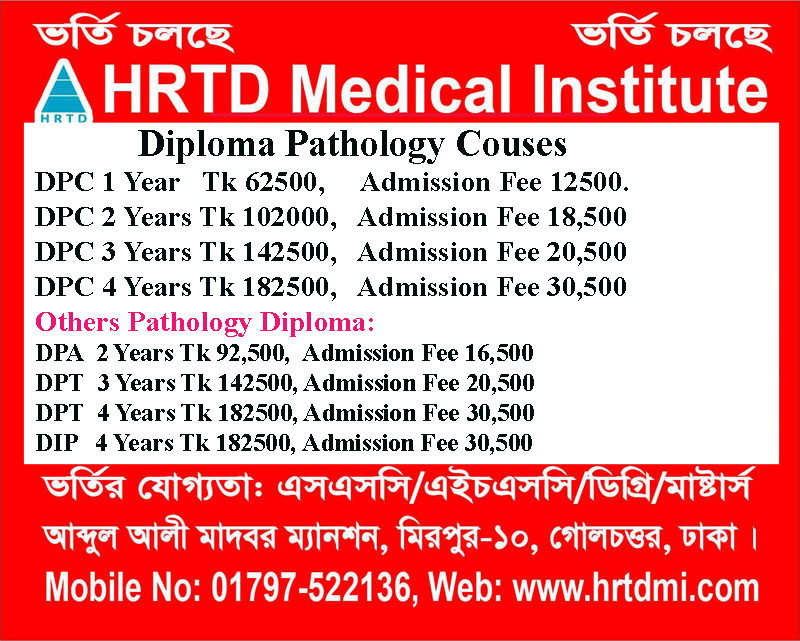
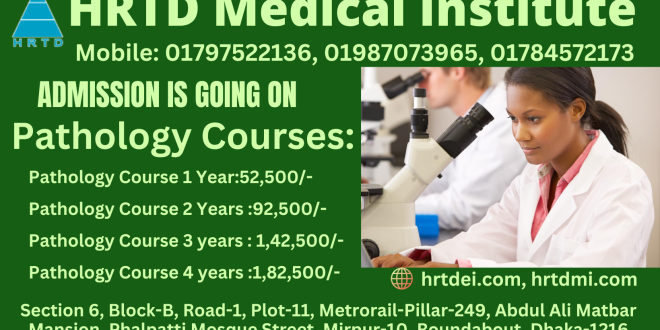
Pathology Short Courses are Pathology Course 6 Months, Pathology Course 1 Year, and Pathology Course 2 Years. Pathology Long Courses are Pathology Course 3 Years, and Pathology Course 4 Years. DPC means Diploma Pathology Course. DPC 1-Year Course Fee Tk 62500. Total Subjects 10, Total Semester 2, Total Exam Marks 1000. DPC 2-Years Course Fee Tk 102500. Total Subjects 18, Total Semester 4, Total Exam Mars 1800. DPC 3-Years Course Fee Tk 142500. Total Subjects 24, Total Semester 6, Total Exam Marks 2400. DPC 4-Years Course Fee Tk 182500. Total Subjects 30, Total Semester 6. Total Exam Marks 3000. The 4 Years Diploma Pathology Course is the best.
Other Diploma Pathology Courses:
Pathology Short and Long Courses are DPA 2 years, DPTC 3 years, and DIPC 4 years. DPA means Diploma in Pathology Assistant. DPA 2-Years Course Fee Tk 92500, Total Subjects 18 in 2 semesters. Total Exam Marks 1800. DPTC means Diploma in Pathology Technology Course. DPTC 3-Years Course Fee Tk 142500. Total Subjects 24 in 6 semesters and Total Exam Marks 2400. DPC means Diploma in Pathology Course. DPC 4-Years Course Fee Tk 182500. Total Subjects 30 in 8 semesters and Total Exam Marks 3000.
Location of Pathology Short Courses & Long Courses
Location of Pathology Short Courses & Long Courses : 01797522136, 01987073965. HRTD Medical Institute, Section-6, Block-Kha, Road-1, Plot-11, Metro Rail Piller No. 249, Mirpur-10 Golchattar, Dhaka-1216. This location is just the West Side of Agrani Bank, the North Side of Fire Serves, and Islami Bank. It is just at the North West corner or Bitul Mamur Jame Mosjid ( Falpotty Mosjid).
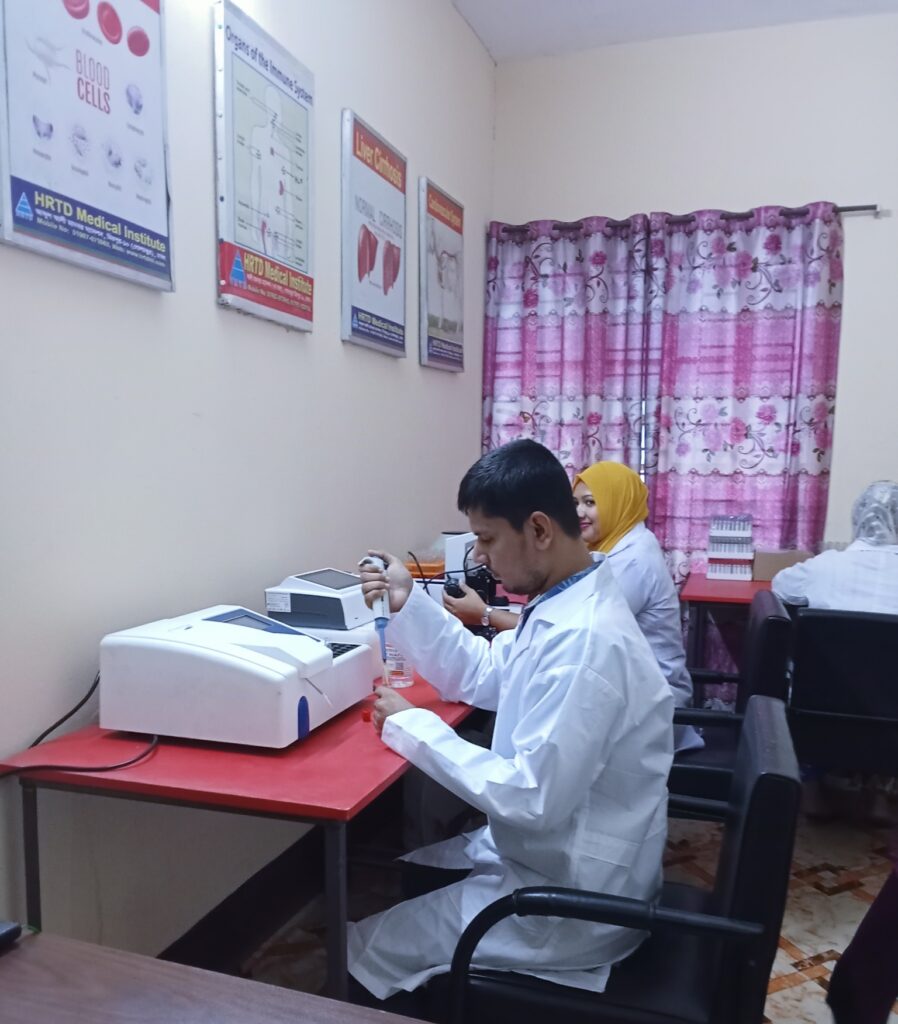
Teachers for Pathology Short Courses & Long Courses
Pathology Short Courses & Long Courses there are almost 50 Teachers at HRTD Medical Institute. All the teachers are MBBS doctors, FCPS doctors, BDS Doctors, DVM, MS Doctors, BHMS Doctors, BSc in Pathology, BSc in Physiotherapy, and BSc in nursing, and B-Pharm M-Pharm, They all are Members of BMDC, Veterinary Council, Nursing Council, and Pharmacy Council.
Teachers are Dr. Suhana, MBBS, PGT, Dr. Anu, MBBS, PGT, Dr. Tisha, MBBS, PGT, Dr. Disha, MBBS, FCPS ( Part II), Dr. Benzir, MBBS, FCPS (Part II), Dr. Sakulur Rahman, MBBS, CCD (BIRDEM), Dr. Jannatul Aman, MBBS, PGT, Dr. Sanjana, BDS, Dental Surgeon, Dr. Juthi, BDS, Dental Surgeon, Dr. Danial Haque, MBBS, C-Card, Dr. Lamia, MBBS, Md. Feroj, BSc in Pathology, Md. Mamun Mia, BSc and MSc in Biochemistry, and Eti Zahan, BSc Nurse.
For Pathology Short Course, Some MBBS Doctors and BSc in Pathology Teacher, BSc and MSc in Biochemistry Teacher are directly involved.
Subjects for Pathology Short Course and Long Course
Subjects for Pathology Short Courses
Pathology Short Courses & Long Courses 1st Year ( 1st Semester & 2nd Semester)
- Human Anatomy & Physiology(LS),
- Pharmacology(LS),
- Practice of Medicine(LS),
- First Aid & OTC Drugs(LS),
- General Pathology(LS),
- Microbiology & Anti Microbial Drugs(LS),
- General Chemistry(LS),
- Hematology(LS),
- Clinical Pathology-1(AR),
- Practice of Clinical Pathology-1 (AR & JI)
Subjects for Pathology Long Courses ( 2,3 Years and 4 Years)
Some Subject for Pathology Long Courses 2 Years
Pathology Short Courses & Long Courses-2 year subjects. Mobile No. 01987073965, 01797522136.
- Human Anatomy & Physiology-1
- Pharmacology-1
- Study of OTC Drugs
- First Aid-1 & 2
- Practice of Medicine
- Hematology
- Pathology for Medical Practice
- Cardiovascular Anatomy
- Human Microbiology & Antimicrobial drugs
- Clinicle Pathology-1
- Practice of Clinicle Pathology-1
- General Pathology-1
- Community Medicine
- Systemic pathology-1
- Biochemistry-1
- Histology & Cytology
- Diagnostic Chemistry-1
- Clinicle Hematology
- Clinicle pathology-2
- Practice of Clinicle pathology-2
Some Subject for Pathology Long Courses 3 Years
Pathology Short Courses & Long Courses-3 years subjects. Mobile No. 01987073965, 01797522136.
- Human Anatomy & Physiology-1
- Pharmacology-1
- Study of OTC Drugs
- First Aid-1 & 2
- Practice of Medicine
- Hematology
- Pathology for Medical Practice
- Cardiovascular Anatomy
- Human Microbiology & Antimicrobial drugs
- Clinicle Pathology-1
- Practice of Clinicle Pathology-1
- General Pathology-1
- Community Medicine
- Systemic pathology-1
- Biochemistry-1
- Histology & Cytology
- Diagnostic Chemistry-1
- Clinicle Hematology
- Clinicle pathology-2
- Practice of Clinicle pathology-2
- Biochemistry-2
- Basic Immunology
- General Pathology-2
- Systemic Patology-2
- Clinicle Pathology-3
- Practice of Clinicle Pathology-3
Some Subject for Pathology Long Courses 4 Years
Pathology Short Courses & Long Courses -4 years subjects. Mobile No. 01987073965, 01797522136.
- Human Anatomy & Physiology-1
- Pharmacology-1
- Study of OTC Drugs
- First Aid-1 & 2
- Practice of Medicine
- Hematology
- Pathology for Medical Practice
- Cardiovascular Anatomy
- Human Microbiology & Antimicrobial drugs
- Clinicle Pathology-1
- Practice of Clinicle Pathology-1
- General Pathology-1
- Community Medicine-1
- Systemic pathology-1
- Biochemistry-1
- Histology & Cytology
- Diagnostic Chemistry-1
- Clinicle Hematology
- Clinicle pathology-2
- Practice of Clinicle pathology-2
- Systemic pathology-2
- Clinicle Microbiology
- Practice of Clinicle Microbiology
- Diagnostic Chemistry-2
- Community Medicine-2
- Systemic pathology-3
- Clinicle Pathology-1
- Practice of Clinicle pathology-3
- Systemic pathology-4
Human Anatomy and Physiology for Pathology Short Courses
Pathology Short Courses & Long Courses. The study of Body Structure and its functions is Anatomy and Physiology Pathology . Here we discuss the systems of the Human Body and its Organs, Tissues, and Cells. The systems of the Human Body are the Digestive System, Respiratory System, Cardiovascular System, Skeletal System, Muscular System, Nervous System, Endocrine System, Immune System, Lymphatic System, Integumentary System, and Urinary System.
Pharmacology for Pathology Short Courses & Long Courses
Pathology Short Courses & Long Courses. The study of Drugs and Medicine is called Pharmacology. Here we discuss group-wise drugs and their medicines in Pharmacology-1. Common Groups of Drugs are Pain Killer Drugs, Anti Ulcer Drugs, Anti Vomiting Drugs, Laxative Drugs, Motility Drugs, Antimotility Drugs, Bronchodilator Drugs, Antibiotic Drugs, Anti Fungal Drugs, Anti Protozoal Drugs, Anti Viral Drugs, Anthelmintic Drugs, Anti Hypertensive Drugs, Beta Blocker Drugs, Calcium Channel Blocker Drugs, ACE Inhibitor Drugs, Hemostatic Drugs, Analgesic Drugs, Antipyretic Drugs, Anti Thrombotic Drugs, etc.
First Aid for Pathology Short Courses & Long Courses
Pathology Short Courses & Long Courses. Pathology Short Courses & Long Courses. First Aid is an important subject for Medical Courses including Pathology Courses, RMP Courses, LMAF Courses, Paramedical Courses, DMA Courses, DMS Courses, Nursing Courses, Dental Courses, Diploma Pathology Courses, Physiotherapy Courses, Caregiver Courses, etc. Here we discuss Shock, Classification Shock, Causes of Shock, Stages of Shock, Clinical Features of Shock, Hypovolemic Shock, Cardiogenic Shock, Neurogenic Shock, Traumatic Shock, Burn Shock, Electric Shock, Psychogenic Shock, Anaphylactic Shock, First Aid of Shock, First Aid of Cut, First of Snake Bite, First Aid of Accidental Injury, etc.
Study of OTC Drugs for Pathology Short Courses & Long Courses
Pathology Short Courses & Long Courses. OTC Drugs are essential for all Pathology Short Courses, Medical Assistant Courses, Diploma Medical Courses, LMAF, and RMP Courses. It is also important to have a Diploma in Medicine & a Diploma in Surgery Course. These OTC Drugs can be sold or purchased without any prescription from Registered MBBS Doctors. These Drugs are Emergency and Safe for the patients. The study of OTC Drugs improves the quality of practice. Some OTC Drugs are Albendazole, Ascorbic Acid, Calcium, Multivitamins, Vitamin B Complex, Omeprazole, Oral Rehydration Salt, Salbutamol, etc.
Practice of Medicine for Pathology Short Courses & Long Courses
Pathology Short Courses & Long Courses. The study of Disease and Treatment is called the Practice of Medicine. This subject is important for a Diploma Medical Practitioner, Diploma Medical Assistant, and Rural Medical Practitioner. This subject is essential for Pathology Short Courses and Long Courses to understand the movement of Medical Practitioners. This subject discusses some common diseases. The discussion points for the Practice of Medicine are the Definition of Disease, Causes of Disease, Clinical Features of Disease ( Symptoms and Signs), Investigation of Disease, Treatment of Disease, Complication of Disease, and Advice for the Patients.
Hematology for Pathology Short Courses & Long Courses
Pathology Short Courses & Long Courses. The study of Blood and Blood Disease is called Hematology In Hematology, we discuss blood cells, their structure and functions, Blood Diseases, TC, DC, ESR, Hemoglobin Percentage, Anemia, Thalasemia, etc.
Antimicrobial Drugs for Pathology Short Courses & Long Courses
Pathology Short Courses & Long Courses. The Study of Microorganisms is called Microbiology. The Drugs that are used for the treatment of Infectious Diseases are Antimicrobial Drugs. Antimicrobial drugs are also used as Diagnostic Agents for the diagnosis of infectious diseases. Microorganisms are Bacteria, Protozoa, Fungus, and Virus. Antimicrobial Drugs are Antibiotic Drugs ( Antibacterial Drugs), Anti Protozoal Drugs, Anti Fungal Drugs, and Anti Viral Drugs. Antibacterial Drugs are Azithromycin, Erythromycin, Clarithromycin, Cefaclor, Cefixime, Cefuroxime, Ceftriaxone, Ciprofloxacin, Moxifloxacin, Doxicicline, Gentamycin, Neomycin, Flucloxacillin, Amoxicillin, Clindamycin, etc. Antiprotozoal Drugs are Metronidazole, Secnidazole, Tinidazole, Ornidazole, Nitazoxanide, etc. Antifungal Drugs are Fluconazole, Ketoconazole, Itraconazole, Econazole, Miconazole, Terbinafine, etc.
Clinicle Patology-1 for Pathology Short Courses & Long Courses
Pathology Short Courses & Long Courses. Clinical Pathology-1 generally focuses on the core principles of general pathology, basic cell biology, and the fundamentals of laboratory diagnostics. The main topics typically covered include:
I. General Pathology and Cellular Pathology
This section deals with the basic responses of cells and tissues to injury and disease.
- Cellular Adaptations: Topics include atrophy, hypertrophy, hyperplasia, metaplasia, and dysplasia.
- Cell Injury and Necrosis: This covers reversible and irreversible cell injury, the mechanisms of cell death (necrosis and apoptosis), and related clinical effects.
- Inflammation and Repair: The study of acute and chronic inflammation, the inflammatory mediators, and the processes of healing and repair.
- Hemodynamic Disorders: Topics such as edema, hemorrhage, thrombosis, embolism, and shock are covered.
- Immunopathology: The study of disorders of the immune system, including hypersensitivity reactions and immunodeficiency disorders.
II. Basic Hematology
This area introduces the fundamentals of blood and blood-forming tissues.
- Anemias: Classification, causes, and laboratory diagnosis of different types of anemia (e.g., iron deficiency anemia, megaloblastic anemia, hemolytic anemia).
- White Blood Cell Disorders: Basic understanding of leukocytosis, leukopenia, and an introduction to leukemias and lymphomas.
- Hemostasis and Coagulation: The normal coagulation pathway, bleeding disorders (e.g., hemophilia), and related laboratory tests (bleeding time, clotting time).
- Blood Banking: Principles of blood grouping and transfusion medicine.
III. Fundamentals of Clinical Chemistry & Lab Techniques
This involves the basic tests performed in a clinical pathology laboratory.
- Common Lab Tests: The theoretical basis and interpretation of essential tests like Complete Blood Count (CBC), Erythrocyte Sedimentation Rate (ESR), Liver Function Tests (LFT), and Kidney Function Tests (KFT).
- Urinalysis: Physical, chemical, and microscopic examination of urine.
- Body Fluids Analysis: Basic examination of cerebrospinal fluid (CSF), pleural fluid, and other body fluids.
- Basic Techniques: Introduction to common laboratory procedures, including sample collection, preparation of stains, and the use of basic lab equipment.
IV. Introduction to Oncology and Genetics
- Neoplasia: Basic definitions, classification of tumors, characteristics of benign and malignant neoplasms, and methods for laboratory diagnosis of cancer.
- Genetics: Basic concepts of inheritance and common genetic disorders.
The specific curriculum can vary by institution and program (e.g., medical degree vs. pathology diploma), but these topics form the foundational knowledge of clinical pathology.
General Pathology-1 for Pathology Short Courses & Long Courses
General Pathology-1 covers the fundamental mechanisms of disease, focusing on cell injury and adaptation, inflammation, and neoplasia (tumors). Key topics include the differences between reversible and irreversible cell injury, the processes of acute and chronic inflammation, and the basics of cancer development and diagnosis.
Core topics
- Cell injury and adaptation: The study of how cells respond to stress.
- Cellular adaptation (e.g., hypertrophy, hyperplasia)
- Reversible and irreversible cell injury
- Necrosis and apoptosis
- Inflammation: The body’s response to injury or infection.
- Acute and chronic inflammation
- Vascular changes in inflammation
- Inflammatory cells and their functions
- Chemical mediators of inflammation
- Neoplasia: The growth of abnormal new tissue (tumors).
- Basic principles of tumor growth
- Benign vs. malignant tumors
- Carcinogenesis (initiation and promotion)
- Laboratory diagnosis of tumors, including tumor markers
- Immunopathology: Diseases caused by the immune system.
- Hypersensitivity reactions
- Autoimmune diseases
- Immunodeficiency diseases
- Systemic effects of injury: The body’s overall response to widespread tissue damage.
- Shock (e.g., septic, hypovolemic)
- Gangrene
- Genetics in pathology: How genetic factors contribute to disease.
Practice of Clinicle Pathology-1 for Pathology Short Courses & Long Courses
Clinical Pathology focuses on diagnosing diseases through the laboratory analysis of bodily fluids and tissues. The “main topics” for the practice of Clinical Pathology-1 typically cover General Pathology principles and foundational areas like Hematology, serving as the bridge between basic medical sciences and clinical practice.
The main topics often included in a foundational Clinical Pathology curriculum (often referred to as Pathology-1 in an academic setting) include:
I. General Pathology (Cellular Pathology)
This foundational unit covers the basic mechanisms of disease processes at the cellular and tissue levels.
- Cellular Adaptations: Understanding concepts like atrophy, hypertrophy, hyperplasia, metaplasia, and dysplasia.
- Cell Injury and Necrosis: Mechanisms of reversible and irreversible cell injury, types of necrosis (coagulative, liquefactive, caseous, etc.), and apoptosis.
- Inflammation and Repair: The acute and chronic inflammatory responses, the role of chemical mediators, wound healing, and repair mechanisms.
- Hemodynamics: Edema, hemorrhage, thrombosis, embolism, and infarction.
- Neoplasia: Basic principles of tumor biology, nomenclature, benign vs. malignant tumors, and cancer epidemiology.
- Genetics and Immunopathology: Basic genetic disorders (e.g., Down Syndrome) and immune system disorders, including hypersensitivity reactions and autoimmune diseases.
II. Hematology
This major branch focuses on the study of blood and blood-forming tissues.
- Anemias: Diagnosis, classification (e.g., iron deficiency, megaloblastic, hemolytic, sickle cell), and typical laboratory features.
- White Blood Cell (WBC) Disorders: Leukemias (acute and chronic), lymphomas, and infectious mononucleosis.
- Hemostasis and Coagulation: The coagulation cascade, bleeding disorders (e.g., hemophilia, platelet disorders), and hypercoagulability states.
- Blood Banking and Transfusion Medicine: Principles of blood grouping (ABO, Rh), compatibility testing, donor screening, and transfusion reactions.
III. Introduction to Laboratory Techniques
Familiarity with the methods used in a clinical lab is essential for practice.
- Microscopy: Examination of cellular morphology and microbial characteristics.
- Basic Clinical Chemistry: Introduction to analyzing the chemical composition of body fluids (e.g., glucose, electrolytes, enzymes).
- Quality Control and Assurance: Understanding the protocols that ensure test accuracy and reliability in the laboratory setting.
For further study resources, many universities offer online materials and practice tests. You can also find detailed explanations and rapid revision videos on platforms like YouTube.
Community Medicine for Pathology Long Courses
Main topics in Community Medicine include epidemiology, biostatistics, public health, nutrition, and social and preventive medicine. Other key subjects are environmental health, health policy and management, and the natural history of diseases.
Core subjects
- Epidemiology: The study of the distribution and determinants of health-related states or events in specified populations, and the application of this study to the control of health problems.
- Biostatistics: The application of statistics to problems in medicine and public health, including research methodology.
- Public Health: The science and art of preventing disease, prolonging life, and promoting health through organized efforts and informed choices of society, organizations, public and private, communities, and individuals.
- Social Medicine: A branch of medicine that deals with the social and economic causes and influences of disease.
Health promotion and prevention
- Nutrition: The study of public health nutrition and the role of diet in health and disease.
- Health Education: The process of facilitating the learning of a healthy lifestyle through various community-based activities.
- Preventive Medicine: The measures taken to prevent diseases, which include primary, secondary, and tertiary prevention levels.
Disease and health management
- Communicable and Non-Communicable Diseases: Understanding the prevention, control, and management of infectious and chronic diseases within the community.
- Health Policy and Management: The organization, structure, and function of healthcare systems, including the development of health policies.
- Environmental Health: The study of the impact of environmental factors, such as air and water quality, on public health.
Community-focused topics
- Primary Health Care: Providing essential health services at the community level, including family planning and care for maternal and child health.
- Health Information and Data Management: The collection, analysis, interpretation, and use of data to inform public health decisions and research.
- Occupational Health: The study of health and safety in the workplace.
Systemic pathology-1 for Pathology Long Courses
Systemic pathology-1 main topics typically include cellular adaptations, injury, inflammation, and neoplasms (tumors) as foundational concepts before moving to system-specific diseases. Key areas in this introductory or “general pathology” portion of a systemic pathology course are cell injury, necrosis, apoptosis, acute and chronic inflammation, hematopathology, and the pathology of tumors, such as classification, carcinogenesis, and diagnosis.
Core topics in Systemic Pathology 1
- Cellular Injury and Adaptation: Understanding how cells respond to stress, including reversible and irreversible injury, and mechanisms like necrosis and apoptosis.
- Inflammation: The body’s basic response to injury, covering acute and chronic inflammation, mediators, and morphological changes.
- Neoplasia (Tumors): The study of tumors, including their characteristics, classification (benign vs. malignant), spread, and how they are diagnosed through methods like cytology, histopathology, and tumor markers.
- Hematopathology: Conditions affecting the blood and blood-forming organs, such as anemia (e.g., iron deficiency, sickle cell) and leukemia.
- Fluid and Electrolyte Imbalance: Disorders related to blood and body fluids, including acid-base balance and electrolyte imbalances.
- Metabolic Disorders: Diseases affecting metabolism, such as carbohydrate and lipid metabolic disorders, and conditions like obesity.
- General Lab Techniques: Examination of bodily fluids, such as blood, urine, and cerebrospinal fluid (CSF).
Examples of specific conditions
- Cellular injury: Fatty liver, calcification.
- Inflammation: Peptic ulcer disease, ulcerative colitis.
- Neoplasia: Breast cancer, lung cancer, and related concepts like tumor suppressor genes and carcinogens.
- Hematopathology: Multiple myeloma, lymphoma, thalassemia.
- System-specific examples (often introduced in systemic pathology): Hypertensive and renal diseases, cardiovascular system diseases, and infectious diseases are often topics covered in either the first or second part of systemic pathology.
Biochemistry-1 for Pathology Long Courses
The main topics for a typical “Biochemistry-1” subject cover the fundamental chemical components of living systems and their basic functions. Course specifics can vary by institution (e.g., medicine vs. general science curriculum), but generally include the following areas:
Biomolecules & Chemical Foundations
This section focuses on the structure, function, and chemical properties of the major components of cells.
- Water and Biophysical Chemistry: The properties of water (pH, buffers, osmosis) that are essential for life.
- Amino Acids & Proteins: Structure (primary, secondary, tertiary) and function of proteins, biologically important peptides, and protein purification techniques.
- Enzymes & Enzyme Kinetics: The principles of enzyme action, factors affecting enzyme activity, enzyme inhibition, and clinical applications of enzymology in disease diagnosis (e.g., myocardial infarction).
- Carbohydrates: Chemistry of monosaccharides, disaccharides, and polysaccharides, and their biological roles.
- Lipids & Membranes: Structure and function of fatty acids, triglycerides, cholesterol, lipoproteins, and the composition of biological membranes.
- Nucleic Acids: Chemistry of nucleosides and nucleotides, and the structure and function of DNA and RNA.
Metabolism & Bioenergetics
This area covers the chemical reactions that occur within the body to maintain life, including how energy is produced and used.
- Bioenergetics: Basic principles of energy flow in biological systems, including ATP synthesis.
- Carbohydrate Metabolism: Key pathways such as glycolysis, the TCA cycle (Krebs cycle), gluconeogenesis, glycogenolysis, and glycogenesis.
- Lipid Metabolism: Synthesis and degradation pathways including beta-oxidation of fatty acids, cholesterol synthesis, and the formation of ketone bodies (ketosis).
- Protein Metabolism: Digestion and absorption of proteins, amino acid catabolism (transamination and deamination), the urea cycle, and the formation and fate of ammonia.
- Biological Oxidation: The electron transport chain (ETC) and oxidative phosphorylation, including inhibitors and uncouplers.
Molecular Biology & Genetics
Many introductory courses cover the flow of genetic information.
- Central Dogma: The processes of DNA replication, transcription (RNA synthesis), and translation (protein synthesis).
- Genetic Code: The features of the genetic code and mechanisms like the Wobble hypothesis.
- Molecular Technologies: Basic concepts and applications of recombinant DNA technology and the Polymerase Chain Reaction (PCR).
Clinical & Integrative Topics
Some programs integrate clinically relevant topics.
- Nutrition: Essential dietary components including vitamins and minerals.
- Clinical Biochemistry: Basic concepts of liver and renal function tests, blood lipid profiles, and conditions like diabetes mellitus and jaundice.
- Acid-Base and Water Balance: Understanding buffers and the body’s mechanisms for maintaining homeostasis.
Histology & Cytology for Pathology Long Courses
The main topics for the subject of Histology and Cytology can be broadly divided into two major areas: the study of the cell (cytology) and the study of tissues (histology), which often includes an introduction to embryology and organ systems.
Cytology (Study of the Cell)
The study of individual cells covers their structure, function, and life cycle.
- Cell Components: Structure and function of the plasma membrane, cytoplasm, and nucleus.
- Organelles: Detailed examination of both membranous (mitochondria, endoplasmic reticulum, Golgi apparatus, lysosomes, peroxisomes) and non-membranous organelles (ribosomes, cytoskeleton, centrioles, cilia, flagella).
- Cell Physiology: Topics include transport across membranes, cellular communication, and metabolic functions.
- Cell Cycle and Division: The process of mitosis, cell differentiation, and cell aging.
- Methods of Study: Use of light and electron microscopy, as well as various techniques like immunocytochemistry and staining methods (e.g., Hematoxylin and Eosin stain).
Histology (Study of Tissues)
Histology involves the study of how cells organize into four primary tissue types, and how these tissues form organs and organ systems.
- Four Basic Tissues:
- Epithelial Tissue: Classification (simple, stratified, squamous, cuboidal, columnar) and functions (lining, secretion, protection), including glands (exocrine and endocrine).
- Connective Tissue: Components like cells (fibroblasts, adipocytes, osteocytes) and the extracellular matrix (fibers and ground substance). This also covers specialized types such as:
- Connective tissue proper (loose and dense)
- Supportive connective tissue (cartilage and bone)
- Fluid connective tissue (blood and lymph).
- Muscle Tissue: Structure and function of skeletal, cardiac, and smooth muscle tissues, and the mechanism of muscle contraction.
- Nervous Tissue: Neurons and glial cells, nerve fibers, synapses, and the organization of the central and peripheral nervous systems.
- Organ Systems: The microscopic anatomy of various organ systems is covered, building upon the basic tissues, including the integumentary, cardiovascular, respiratory, digestive, excretory, endocrine, lymphatic, and reproductive systems.
Clinical/Practical Applications
- Histopathology & Cytopathology: The study of diseased cells and tissues for diagnosis and prognosis of conditions, particularly cancer and inflammatory diseases.
- Laboratory Techniques: Hands-on experience with tissue preparation, sectioning, and microscopic examination of slides.
- Embryology: The basic principles of early human development are often integrated into the subject to understand tissue formation (histogenesis).
Diagnostic Chemistry-1 for Pathology Long Courses
“Diagnostic Chemistry-1” typically refers to an introductory university course in Clinical Chemistry. The main topics focus on the principles, methods, and interpretation of chemical tests used to detect abnormalities in the human body and diagnose diseases.
The main topics covered often include:
Fundamentals and Techniques
- Basic Principles: Understanding the core concepts of matter, chemical changes, and energy changes as they apply to biological systems.
- Laboratory Techniques and Safety: Proper handling of biological specimens, laboratory safety protocols, quality control, and assurance in diagnostic testing.
- Analytical Techniques: Principles of various analytical methods like spectroscopy, chromatography, and electrochemical sensing, which are crucial for measuring substances in biological specimens.
Core Diagnostic Areas
- Electrolyte and Fluid Balance: Measuring ions like sodium, potassium, chloride, and bicarbonate to detect fluid and electrolyte imbalances in the body.
- Organ Function Tests:
- Renal (Kidney) Function: Assessing markers such as albumin, creatinine, and blood urea nitrogen (BUN).
- Liver Function: Measuring enzymes and proteins like alanine aminotransferase (ALT), aspartate aminotransferase (AST), bilirubin, and albumin.
- Metabolic Abnormalities: Testing for glucose and calcium levels, often as part of comprehensive or basic metabolic panels.
- Lipid Profiles: Analyzing cholesterol (total, HDL, LDL) and triglyceride levels to assess cardiovascular disease risk.
- Biomolecules: The role and function of specific biomolecules like proteins, enzymes, and hormones in disease states.
Specialized Topics (May be introduced in “Diagnostic Chemistry-1”)
- Urinalysis: Chemical analysis of urine for a wide array of diseases.
- Toxicology and Drug Monitoring: Screening for drugs of abuse and monitoring therapeutic drug levels to optimize patient dosage and identify intoxication.
Clinicle Hematology for Pathology Long Courses
Clinical Hematology is the branch of medicine concerned with the diagnosis, treatment, and prevention of diseases of the blood and blood-forming organs. The main topics of the subject are typically divided into non-malignant (classical) and malignant (hemato-oncology) disorders, along with diagnostic methods and therapeutics.
I. Foundations of Hematology
This area covers the basic science necessary to understand blood disorders.
- Hematopoiesis: The process of blood cell formation in the bone marrow, including regulation and differentiation pathways of red blood cells (RBCs), white blood cells (WBCs), and platelets.
- Blood Components and Physiology: The function and composition of RBCs, WBCs, platelets, and plasma proteins in maintaining normal bodily functions like oxygen transport, immunity, and hemostasis.
- Laboratory Investigations: Interpretation of key diagnostic tests, including:
- Complete Blood Count (CBC) and differential.
- Peripheral blood smear and bone marrow biopsy analysis.
- Coagulation assays (PT, aPTT, etc.).
- Specialized tests like flow cytometry, cytogenetics, and molecular analyses.
II. Red Blood Cell Disorders (Erythropathies)
This section focuses on conditions affecting red blood cells and oxygen transport.
- Anemias: Classification based on cell size (microcytic, normocytic, macrocytic) and underlying cause.
- Iron Deficiency Anemia and iron metabolism disorders.
- Megaloblastic Anemias (Vitamin B12 and folate deficiencies).
- Hemolytic Anemias: Inherited (sickle cell disease, thalassemia, hereditary spherocytosis) and acquired (autoimmune, drug-induced) forms.
- Aplastic Anemia and other bone marrow failure syndromes.
- Polycythemia: Conditions involving an abnormally high number of red blood cells.
III. White Blood Cell Disorders (Leukocyte Disorders)
This area covers non-malignant and malignant conditions of white blood cells.
- Non-Malignant Disorders: Leukocytosis (high count), leukopenia/neutropenia (low count), and their causes (e.g., infection, immune disorders).
- Malignant Hematology (Hemato-oncology): Cancers of the blood and lymphoid tissues.
- Leukemias: Acute Myeloid (AML), Acute Lymphoblastic (ALL), Chronic Myeloid (CML), and Chronic Lymphocytic (CLL).
- Lymphomas: Hodgkin’s Lymphoma (HL) and Non-Hodgkin’s Lymphomas (NHL).
- Plasma Cell Dyscrasias: Multiple Myeloma and Amyloidosis.
- Myeloproliferative Neoplasms (MPN) and Myelodysplastic Syndromes (MDS).
IV. Hemostasis and Thrombosis (Bleeding and Clotting Disorders)
This topic addresses the mechanisms of blood clotting and related pathologies.
- Bleeding Disorders:
- Inherited: Hemophilia A and B, Von Willebrand disease (vWD).
- Acquired: Immune Thrombocytopenia (ITP), Disseminated Intravascular Coagulation (DIC).
- Thrombotic Disorders: Deep vein thrombosis (DVT), pulmonary embolism (PE), and inherited/acquired hypercoagulability conditions (thrombophilia).
V. Transfusion Medicine and Advanced Therapies
This involves the clinical practice of blood transfusions and modern treatments.
- Blood Banking and Transfusion: Blood groups, compatibility testing, and management of transfusion reactions.
- Hematopoietic Stem Cell Transplantation (HSCT): Autologous and allogeneic bone marrow transplantation for malignancies and other disorders.
- Novel Therapies: Gene therapy and chimeric antigen receptor-T (CAR-T) cell therapy.
Clinicle pathology-2 for Pathology Long Courses
Clinical Pathology-2 typically focuses on the systemic and practical application of pathology principles and lab techniques related to specific organ systems and advanced diagnostics. It is often a continuation of introductory courses (Clinical Pathology-1/General Pathology).
The main topics covered generally include:
Systemic Pathology (Organ-Specific Diseases)
- Gastrointestinal Tract (GIT): Conditions such as peptic ulcer disease, inflammatory bowel diseases (Crohn’s, ulcerative colitis), appendicitis, cirrhosis, hepatitis, gallstones, and various tumors (carcinoma stomach, hepatocellular carcinoma).
- Hepatobiliary System: Jaundice, fatty liver, hepatitis, and liver function tests (LFTs).
- Cardiovascular System (CVS): Myocardial infarction (heart attack), atherosclerosis, rheumatic heart disease, infective endocarditis, and related lab diagnostics.
- Renal System (Urinary Tract): Glomerulonephritis, pyelonephritis, renal cell carcinoma, urinary calculi (kidney stones), and kidney function tests (KFTs).
- Respiratory System: Pneumonia, tuberculosis, bronchogenic carcinoma, and pleural effusions.
- Endocrine System: Thyroid disorders (e.g., goiter, carcinoma), parathyroid and adrenal gland disorders, and diabetes mellitus.
- Hematology (Advanced): Continuation of blood disorders, including specific anemias (sickle cell, iron deficiency, megaloblastic), leukemias, lymphomas, coagulation pathway disorders (hemophilia), and blood banking procedures.
- Male and Female Genital Systems: Carcinoma of the cervix/endometrium, ovarian tumors, testicular tumors (seminoma), and semen analysis.
- Central Nervous System (CNS): Meningitis, various CNS tumors, and cerebrospinal fluid (CSF) analysis.
Clinical/Laboratory Techniques and Diagnostics
- Body Fluid Analysis: Advanced examination and interpretation of results for CSF, pleural fluid, peritoneal fluid, and semen.
- Cytopathology: Techniques for fine needle aspiration cytology (FNAC) and exfoliative cytology, including specimen collection and preservation.
- Immunohistochemistry/Immunofluorescence: Writing requisition forms and understanding the principles for these advanced diagnostic techniques.
- Quality Control: Principles of quality control and the use and maintenance of automated laboratory equipment.
- Transfusion Medicine: Blood grouping, cross-matching, donor screening, and testing for infectious diseases (HIV, Hepatitis B/C).
The precise syllabus can vary slightly depending on the specific institution and curriculum (e.g., MBBS, Diploma in Clinical Pathology, etc.).
Practice of Clinicle pathology-2 for Pathology Long Courses
The main topics for a “Practice of Clinical Pathology-2” subject typically build upon the foundations of general and clinical pathology, focusing on advanced diagnostics and specific disease systems through laboratory analysis. The curriculum covers major branches of laboratory medicine used in clinical decision-making.
The main subject areas and key topics generally include:
- Hematopathology:
- Advanced interpretation of complete blood counts (CBCs) and peripheral blood smears.
- Detailed study of various anemias (iron deficiency, megaloblastic, hemolytic, sickle cell, thalassemia).
- Diagnosis and classification of leukemias (acute and chronic) and lymphomas.
- Coagulation disorders, including hemophilia, hypercoagulability, and platelet disorders.
- Blood banking, blood grouping, and transfusion medicine principles.
- Clinical Chemistry & Immunopathology:
- Analysis of chemical components in bodily fluids (e.g., glucose, electrolytes, enzymes, hormones).
- Liver function tests (LFTs) and kidney function tests (KFTs).
- Immunological tests, including immunoglobulin levels and serological diagnostics for infectious diseases.
- Specific disease markers and their evaluation.
- Medical Microbiology:
- Identification of common pathogens (bacteria, viruses, fungi, protozoa) and their mechanisms.
- Principles of antibiotic susceptibility testing.
- Specific diagnostic tests like the Widal test and tests for viruses (e.g., Dengue virus, Helicobacter pylori Ag).
- Systemic Pathology (integrated with clinical practice):
- Pathological investigations related to specific organ systems:
- Gastrointestinal disorders (e.g., inflammatory bowel disease, peptic ulcers).
- Renal and urinary system diseases (e.g., glomerular nephritis, nephrotic syndrome, urinalysis).
- Endocrine and metabolic disorders (e.g., diabetes, adrenal gland disorders).
- Pathological investigations related to specific organ systems:
- Laboratory Management & Quality Control:
- Principles of laboratory safety, quality assurance, and ethical practice.
- Management of laboratory resources and regulatory compliance.
Biochemistry-2 for Pathology Long Courses
Based on typical university course outlines and medical curricula, the main topics for Biochemistry 2 focus on the complex metabolic pathways, advanced molecular biology, and clinical applications of biochemical principles.
Core metabolic pathways
This section covers how the body processes carbohydrates, lipids, and proteins to create and store energy. Key topics include:
- Bioenergetics: The study of how organisms manage their energy resources, including ATP production via oxidative phosphorylation and the electron transport chain.
- Carbohydrate metabolism: Detailed analysis of glycolysis, gluconeogenesis, the citric acid (TCA) cycle, and the pentose phosphate pathway.
- Lipid metabolism: The breakdown (beta-oxidation) and synthesis of fatty acids, as well as the regulation of cholesterol synthesis.
- Nitrogen and amino acid metabolism: Protein and amino acid catabolism, including the urea cycle for nitrogen disposal and the synthesis of important amino acids.
Advanced molecular biology
This area explores the molecular machinery of the cell, focusing on the flow of genetic information. Major subjects include:
- DNA and nucleic acid metabolism: The processes of DNA replication, repair, and recombination, as well as the biosynthesis and degradation of nucleotides.
- Gene expression and regulation: In-depth study of transcription, RNA processing, and translation (protein synthesis), along with complex mechanisms that control gene expression.
- Genetics and epigenetics: How genes are organized and inherited, including the role of epigenetics in controlling gene activity.
Enzymology and regulation
Building on the basics, this section focuses on the detailed function and control of enzymes.
- Enzyme kinetics and mechanisms: Advanced topics covering enzyme inhibition, allosteric regulation, and the specific mechanisms of key enzymes.
- Regulation of metabolism: How intricate networks of enzymes and hormones control metabolic pathways to adapt to the cell’s energy state (e.g., fasting versus fed state).
Membrane biology and cell signaling
This topic examines the structure and function of cellular membranes and how cells communicate.
- Membrane structure and transport: The composition and dynamics of biological membranes, including different types of membrane transport (e.g., active transport).
- Signal transduction: The pathways by which cells receive and respond to extracellular signals, often involving G-protein coupled receptors and tyrosine kinases.
Clinical and applied biochemistry
This area focuses on how biochemical principles are applied to medicine and other fields.
- Biochemistry of diseases: The molecular basis of metabolic disorders like diabetes, atherosclerosis, and cancer.
- Organ function tests: The biochemical basis for interpreting common laboratory tests, such as liver and kidney function tests.
- Biotechnology and genetic tools: Modern techniques and applications, such as recombinant DNA technology and genetic engineering
Basic Immunology for Pathology Long Courses
Basic immunology covers how the body defends itself using two intertwined defense systems: the innate (non-specific) and adaptive (specific) immune responses. Key topics include the different immune cells, antibodies, and immune system dysfunctions like autoimmune diseases and allergies.
I. Components of the Immune System
The immune system is a complex network of organs, cells, and proteins that work together to protect the body from pathogens (bacteria, viruses, fungi, parasites).
- Organs & Tissues: Key sites include the bone marrow (where most immune cells are made), thymus (where T cells mature), spleen, lymph nodes, and mucous membranes.
- Immune Cells (Leukocytes): White blood cells are the primary players. They include phagocytes (like macrophages and neutrophils that “eat” invaders), natural killer (NK) cells, and lymphocytes (B and T cells).
- Proteins & Molecules: These include antibodies, the complement system (a cascade of proteins that enhances inflammation and kills pathogens), and cytokines (small signaling molecules that regulate immune activity).
II. Innate vs. Adaptive Immunity
| Feature | Innate Immunity (Non-specific) | Adaptive Immunity (Specific/Acquired) |
|---|---|---|
| Response Time | Rapid (first line of defense, ready immediately) | Slower (takes days to develop) |
| Specificity | Non-specific (responds the same way to all pathogens) | Highly specific (targets particular antigens) |
| Memory | No memory of previous encounters | Develops memory for a faster, stronger secondary response |
| Components | Physical barriers (skin, mucous), phagocytes, NK cells, complement system | B cells, T cells, and antibodies |
III. Key Mechanisms and Concepts
- Antigens: Any substance the body regards as foreign or potentially harmful, which triggers an immune response.
- Antibodies (Immunoglobulins): Proteins produced by B cells that recognize and bind to specific antigens, marking them for destruction by other immune cells. There are five major classes (IgG, IgA, IgM, IgD, IgE), each with different functions.
- T Cell Function: T cells (Helper CD4+ and Cytotoxic CD8+) are crucial for cell-mediated immunity and for regulating the antibody response. They only recognize antigens presented on the surface of other cells via Major Histocompatibility Complex (MHC) molecules.
- Immunological Memory: After an initial exposure, the adaptive immune system creates memory B and T cells that allow for a much faster and more effective response upon subsequent exposure to the same pathogen.
- Tolerance and Autoimmunity: The immune system normally distinguishes between “self” and “non-self” (foreign) antigens. A breakdown in this self-tolerance can lead to autoimmune diseases, where the body attacks its own tissues, such as in rheumatoid arthritis or type 1 diabetes.
- Hypersensitivity & Allergies: These occur when the immune system mounts an overly strong or damaging response to otherwise harmless foreign substances (allergens).
- Vaccination: A cornerstone of public health that uses a harmless part of a pathogen to stimulate an active immune response and create long-lasting memory, protecting against future infection.
For more in-depth learning, resources are available from institutions like the National Institutes of Health (NIH) and the American Association of Immunologists (AAI).
General Pathology-2 for Pathology Long Courses
Important topics for General Pathology-2 include cellular adaptations, cell injury, and death (like necrosis and apoptosis), inflammation and repair, neoplasia, and immunopathology. Systemic topics like genetic diseases, hemorrhagic disorders, and specific diseases affecting organs such as the liver, kidneys, and cardiovascular system are also crucial.
Foundational mechanisms
- Cell injury and adaptation: Topics include causes of cell injury, types of cellular adaptation, and mechanisms of cell death such as apoptosis and necrosis.
- Inflammation and repair: Covers the acute and chronic inflammatory response, healing processes, regeneration, fibrosis, and factors affecting wound healing.
- Neoplasia: Focuses on benign and malignant tumors, their characteristics, and the fundamental concepts of cancer development.
- Immunopathology: Includes hypersensitivity reactions, autoimmune diseases, and immunodeficiencies.
Systemic and organ-specific pathology
- Genetic disorders: Covers chromosomal abnormalities and specific diseases like Down syndrome, and topics such as genomic imprinting (Prader-Willi, Angelman syndromes).
- Hemodynamic disorders: Includes topics like embolism, edema, thrombosis, and shock.
- Infectious diseases: Focuses on the pathology of infections caused by bacteria, viruses, and other pathogens.
- Environmental and metabolic diseases: Covers diseases caused by environmental factors like radiation injury, nutritional deficiencies, and metabolic disorders like diabetes mellitus and its complications.
- Systemic diseases: Examples include cardiovascular diseases (hypertension), respiratory diseases (lung abscess, occupational lung disease), gastrointestinal diseases (ulcers, IBD), liver diseases (hepatitis, cirrhosis), kidney diseases (glomerulonephritis, nephrotic syndrome), and blood disorders (anemias, leukemia, lymphoma).
Systemic Patology-2 for Pathology Long Courses
Important topics in Systemic Pathology-2 often include cell injury and adaptation, inflammation, neoplasia, and specific diseases of organ systems like the liver, blood vessels, and endocrine system. Key areas to focus on are cardiovascular diseases (atherosclerosis, aneurysms), hematopoietic disorders (anemia types, leukemia, lymphoma), hepatobiliary conditions (cirrhosis, hepatitis, gallstones), and various endocrine pathologies like thyroid, adrenal, and pancreatic diseases.
General principles
- Cell injury: Causes, mechanisms of reversible and irreversible injury, necrosis versus apoptosis, and free radicals.
- Inflammation and repair: The inflammatory process and wound healing.
- Neoplasia: Distinguishing features of benign and malignant tumors.
Cardiovascular system
- Atherosclerosis: Risk factors, pathogenesis, and morphology of plaques.
- Aneurysms: Types and causes, with a focus on abdominal aortic aneurysms.
- Hemodynamic disorders: Shock and thromboembolic disease.
Hematopoietic and lymphoid systems
- Anemias: Iron deficiency anemia, megaloblastic anemia, hemolytic anemias, sickle cell anemia, and thalassemia.
- Leukemias and Lymphomas: Acute and chronic leukemias, myelodysplastic syndromes, and lymphomas.
- Coagulation disorders: Hemophilia and hypercoagulability.
- Other conditions: Multiple myeloma and Waldenström’s disease.
Hepatobiliary system
- Liver diseases: Alcoholic liver disease, viral hepatitis, and cirrhosis.
- Complications of cirrhosis: Hepatic encephalopathy, ascites, portal hypertension.
- Biliary diseases: Cholecystitis and cholestatic diseases like primary biliary cholangitis.
- Tumors: Hepatocellular carcinoma and cancers of the colon.
- Pancreatitis: Acute and chronic.
Endocrine system
- Pituitary gland: Pituitary adenomas, acromegaly, Cushing’s syndrome, and hypopituitarism.
- Thyroid gland: Hypothyroidism, hyperthyroidism, thyroiditis, and thyroid carcinoma.
- Adrenal gland: Addison’s disease, Cushing’s syndrome, hyperaldosteronism, and pheochromocytoma.
- Pancreas: Diabetes mellitus and its complications.
- Other endocrine topics: Hyperandrogenism and eating disorders.
Clinicle Pathology-3 for Pathology Long Courses
Important topics for Clinical Pathology-3 typically focus on systemic pathology, the laboratory diagnosis of complex diseases, and advanced diagnostic techniques, building on the fundamentals of general pathology.
Key Subject Areas and Topics
- Systemic Pathology: This covers the specific diseases and their effects on various organ systems.
- Hematopathology: Advanced study of blood disorders, including complex anemias (megaloblastic, sickle cell, thalassemia), leukemias (AML/ALL, CML), lymphomas, and coagulation pathway disorders (hemophilia, hypercoagulability).
- Renal Pathology: Glomerular nephritis, nephrotic syndrome, diabetic retinopathy, and renal cell carcinoma.
- Gastrointestinal and Hepatic Pathology: Jaundice, hepatitis, inflammatory bowel disease (Crohn’s, ulcerative colitis), peptic ulcer disease, and GI tumors.
- Cardiovascular Pathology: Myocardial infarction, rheumatic heart disease, vasculitis, and infective endocarditis.
- Pulmonary Pathology: Obstructive lung disorders (COPD, asthma), infectious diseases (tuberculosis), ARDS, and lung cancers.
- Endocrine Pathology: Disorders of the thyroid, parathyroid, and adrenal glands, including various carcinomas.
- Neoplasia (Cancer): This topic is often a major focus, encompassing the molecular basis of cancer and diagnostic methods.
- Carcinogenesis (chemical, physical, biological carcinogens).
- Differences between benign and malignant tumors.
- Mechanisms of metastasis and tumor staging/grading.
- Clinical effects of neoplasia.
- Advanced Diagnostics & Laboratory Techniques:
- Molecular Diagnostics: Principles and applications of techniques like PCR, FISH (Fluorescence In Situ Hybridization), and immunohistochemistry in diagnosis.
- Clinical Biochemistry: Advanced interpretation of liver function tests (LFT), renal function tests (KFT), electrolyte and acid-base imbalances, and tumor markers.
- Cytopathology/Histopathology: Principles of processing and examining cytological and surgical specimens (e.g., Pap smears, FNAC).
- Microbiology/Immunology: Identification of infectious agents, immune responses to disease, hypersensitivity reactions, and autoimmune disorders.
- General Pathology Review (Integrated): Core concepts like cell injury and death (necrosis, apoptosis), inflammation (acute and chronic), healing, and hemodynamic disorders (edema, shock, thrombosis) continue to be relevant as they form the foundation for systemic pathology.
Practice of Clinicle Pathology-3 for Pathology Long Courses
Practice of Clinical Pathology-3″ likely refers to a specific course or curriculum component (e.g., in an MBBS program). The important topics generally cover the laboratory analysis and interpretation of bodily fluids (blood, urine, etc.) across various sub-specialties to diagnose and monitor disease.
Core Areas and Important Topics
The field of clinical pathology is broadly divided into several key laboratory disciplines, each with its own critical topics:
- Hematology: The study of blood and blood-forming tissues.
- Anemias: Iron deficiency anemia, megaloblastic anemia, sickle cell anemia, and hemolytic anemias are high-yield topics, focusing on peripheral smear findings, bone marrow examination, and classification.
- Coagulation Disorders: Understanding the coagulation pathway, hemophilia, Disseminated Intravascular Coagulation (DIC), and relevant lab tests like Prothrombin Time (PT) and Activated Partial Thromboplastin Time (APTT).
- Leukemias and Lymphomas: Key aspects include the classification of acute leukemias (AML/ALL), chronic myeloid leukemia (CML), multiple myeloma, and the identification of specific markers or cells like the Philadelphia chromosome or Reed-Sternberg cells.
- Basic Lab Techniques: Important practical skills include hemoglobin estimation, total and differential white blood cell counts, hematocrit (PCV), ESR, and blood grouping.
- Clinical Chemistry (Biochemistry): Analysis of chemical components in bodily fluids.
- Organ Function Tests: Key tests include Liver Function Tests (LFTs) and Renal Function Tests (RFTs), as well as blood sugar, urea, creatinine, bilirubin, and protein levels.
- Metabolic Disorders: Topics such as diabetes mellitus (including Glycosylated Hb, glucose tolerance tests) and hyperlipidemia.
- Microbiology: Identification of infectious agents in clinical samples.
- Infectious Diseases: Laboratory diagnosis of common infections, including urinary tract infections (UTIs), meningitis (CSF analysis), HIV, tuberculosis, and specific tests like the Widal test.
- Laboratory Procedures: Sterilization and disinfection techniques, proper media inoculation, Gram staining, and antibiotic sensitivity testing are crucial.
- Immunology & Blood Banking (Immunohematology):
- Blood Transfusion: Topics cover blood groups, Rh incompatibility, Coombs test, and the appropriate use of blood products, including managing transfusion reactions.
- Urinalysis and Body Fluids: Routine and microscopic examination of urine and other fluids (e.g., CSF, semen).
- Molecular Pathology/Cytopathology:
- Cancer Diagnosis: Techniques such as FNAC (Fine Needle Aspiration Cytology), Pap smear tests (Bethesda system of reporting), and the use of molecular techniques like FISH for genetic mutations are essential.
Key Skills in Practice
The practice of clinical pathology emphasizes the ability to interpret laboratory results in the context of the patient’s clinical history, ensuring the correct diagnostic decisions and appropriate test utilization. Pathologists work closely with clinicians to manage patient care effectively.
What are the 4 types of pathology?
Pathology is the study of the causes and effects of diseases and injuries. It is an important part of medicine and covers a wide range of disciplines. There are four main types of pathology: Pathology Short and Long Course clinical pathology, anatomical pathology, microbiology, and molecular pathology.
Clinical pathology involves the diagnosis and treatment of diseases, while anatomical pathology involves examining tissue samples to make a diagnosis. Microbiology involves the study of microbes, while molecular pathology looks at the molecular and genetic changes associated with diseases.
What is an example of pathology?
Pathology is a branch of medical science that studies the causes, nature, and effects of diseases. An example of pathology would be a study of how diabetes affects the body, including its symptoms, diagnosis, and treatment. Pathology also looks at how diseases can be prevented and how they can be managed.
Pathologists use a range of diagnostic tools to diagnose diseases, including blood tests, biopsies, and imaging techniques. Pathology Short and Long Course are essential in understanding the causes and effects of diseases, which is essential for the development of effective treatments.
What is done in pathology?
Pathology Short and Long Course are a medical field that studies the causes, nature and effects of diseases. It involves the examination, diagnosis and treatment of various diseases, including cancer, infections and genetic disorders. Pathologists use a variety of methods to diagnose and treat diseases, including laboratory tests, biopsies, endoscopies and imaging tests. Pathologists also conduct research to develop new methods of diagnosing and treating diseases.
What are the main types of pathology?
Pathology is a branch of medicine that studies the causes, effects, and development of diseases. There are four main types of pathology: anatomical pathology, clinical pathology, hematology, and molecular pathology. Anatomical pathology focuses on the diagnosis of disease through examining cells, tissues, and organs. Clinical pathology uses laboratory tests to diagnose and monitor disease. Hematology is the study of blood and blood diseases, and molecular pathology focuses on the study of genetic and molecular changes in disease.