 HRTD Medical Institute


Patient Education Programs
Patient Education Programs. Mobile Phone Number 01969947171, 01797522136. Patient programs are structured initiatives designed to equip patients with the knowledge and skills necessary to actively manage their health and well-being. These programs aim to improve patient outcomes, enhance self-management capabilities, and promote better health literacy.
Key aspects of patient education programs:
- Target Audience: Patient education programs can be tailored to various demographics, including individuals with specific chronic conditions, specific age groups, or those seeking preventative care.
- Content Delivery: Programs utilize diverse methods, including individual or group sessions, educational materials (written, visual, or digital), and interactive tools.
- Focus Areas: Programs may cover topics like disease management, medication adherence, lifestyle modifications (diet, exercise), stress management, and preventive care strategies.
- Learning Styles: Effective programs consider individual learning styles, preferences, and limitations, ensuring that information is presented in an accessible and engaging manner.
- Teach-Back Method: A valuable technique involves asking patients to explain concepts or procedures in their own words to confirm understanding and address knowledge gaps.
- Interprofessional Collaboration: Programs can be enhanced through collaboration among healthcare professionals, including doctors, nurses, pharmacists, and other specialists.
Benefits of Patient Education Programs:
- Improved Health Outcomes: Patients with greater knowledge and self-management skills tend to experience better health outcomes, including reduced hospital readmissions and fewer complications.
- Enhanced Self-Management: Programs empower patients to take a more active role in their healthcare journey, fostering independence and responsibility.
- Increased Health Literacy: Education programs can improve patients’ understanding of health information, enabling them to make informed decisions about their care.
- Reduced Healthcare Costs: By promoting preventative care and effective self-management, these programs can contribute to long-term cost savings.
- Reduced Physician Burnout: Well-designed patient education programs can alleviate some of the burden on physicians by empowering patients to manage their conditions more effectively.
Patient Education Programs of HRTD Medical Institute
Patient Education Programs of Cardiovascular Disease
Patient Education Programs of Respiratory Disease
Patient Education Programs of Gastrointestinal Disease
Patient Education Programs of Neurological Disease
Patient Education Programs of Psychiatric Disease
Patient Education Programs of Malignant Disease
Patinet Education Programs of Ophthalmic Disease
Patient Education Programs of Skin Disease
Patient Education Programs of Sexually Transmitted Disease
Patient Education Programs of Liver and Pancreatic Disease
Patient Education Programs of Orthopedic Disease
Patient Education Programs of Urinary Disease
Patient Education Programs of Infectious Disease
Patient Education Programs of ENT Disease
Admission Fee Tk5000/-
Monthly Fee Tk 1000/-
Monthly Class 1 Day/- (1 Hour Only- Online or Offline)
Teacher for Patient Education Programs
Dr. Sakulur Rahman, MBBS, CCD, PGT
Dr. Suhana, MBBS, PGT
Dr. Shamima, MBBS, PGT
Dr. Disha, MBBS, PGT
Dr. Tisha, MBBS, PGT
Dr. Rezoan, MBBS, PGT
Dr. Afrin Zahan, MBBS, PGT
Dr. Turzo, MBBS, PGT
Dr. Mahinul, MBBS, PGT
Dr. Sanjana, BDS, MPH, PGT
Dr. Juthi, BDS, PGT
Dr. Keya, BDS, PGT
Dr. Rayhan, BPT
Dr. Ruhul Amin, BHMS
Eti Zahan, BSc in Nursing Science
Mamun Mia, BSc, MSc in Biochemistry
Location of Patient Education Programs
Abdul Ali Madbor Mansion, Section-6, Block-Kha, Road-1, Plot-11, Metro Rail Piller No. 249, Mirpur-10 Golchattar, Dhaka-1216.
Benefits of Patient Education
Patient education offers numerous benefits, including improved health outcomes, increased patient satisfaction, and reduced healthcare costs. By empowering patients with knowledge about their conditions, treatment options, and self-care strategies, it fosters better management of chronic diseases, enhances medication adherence, and promotes healthier behaviors. Ultimately, patient education leads to a more engaged and informed patient population, capable of making better decisions about their health and actively participating in their care.
Specific benefits of patient education:
- Improved health outcomes:Patient education empowers individuals to manage their health conditions more effectively, leading to better health outcomes and a higher quality of life.
- Increased patient satisfaction:When patients feel informed and involved in their care, their satisfaction with healthcare services increases.
- Reduced healthcare costs:By promoting self-management and preventing complications, patient education can reduce the need for hospital readmissions and other costly interventions.
- Enhanced medication adherence:Patient education helps individuals understand the importance of taking their medications as prescribed, leading to better treatment outcomes and reduced risks associated with non-compliance.
- Better chronic disease management:Patient education is particularly crucial for individuals with chronic conditions, providing them with the knowledge and skills needed to manage their health effectively and prevent complications.
- Reduced confusion and anxiety:Clear and concise information about health conditions, treatments, and self-care strategies can reduce patient confusion and anxiety, leading to a more positive healthcare experience.
- Greater patient engagement:By fostering a sense of partnership between patients and healthcare providers, patient education encourages greater engagement in the healthcare process.
- Informed decision-making:Patient education empowers individuals to make informed decisions about their health, including treatment options and lifestyle choices.
- Improved health literacy:Patient education can improve health literacy, which refers to an individual’s ability to understand and use health information to make informed decisions.
- Empowered self-management:By providing patients with the tools and knowledge to manage their health, patient education empowers them to take control of their well-being and actively participate in their care.
- Reduced readmissions:Effective patient education can significantly reduce the likelihood of hospital readmissions by equipping patients with the knowledge and skills to manage their conditions at home.
- Improved communication:Patient education can improve communication between patients and healthcare providers, leading to better understanding and more effective care.
Patient Education Programs of Cardiovascular Disease
Cardiovascular disease (CVD) encompasses a range of conditions affecting the heart and blood vessels, including coronary artery disease, cerebrovascular disease, and peripheral artery disease. It is the leading cause of death globally, claiming an estimated 17.9 million lives annually, according to the Heart Research Institute.
Here’s a more detailed breakdown:
Types of Cardiovascular Disease:
- Coronary Artery Disease (CAD): Also known as coronary heart disease (CHD), CAD involves the buildup of plaque in the arteries supplying blood to the heart, potentially leading to heart attack.
- Cerebrovascular Disease: This affects the blood vessels supplying the brain, potentially causing stroke.
- Peripheral Artery Disease (PAD): PAD involves the blood vessels in the arms and legs, potentially causing pain, numbness, or other issues.
- Rheumatic Heart Disease: Damage to the heart muscle and valves caused by rheumatic fever.
- Congenital Heart Disease: Birth defects affecting the heart’s structure or function.
- Other Conditions: Arrhythmias (irregular heartbeats), valve disease (problems with heart valves), and heart failure (inability of the heart to pump blood effectively) are also considered cardiovascular diseases, according to the Cleveland Clinic.
Risk Factors:
- Behavioral: Unhealthy diet, physical inactivity, tobacco use, and harmful use of alcohol are major risk factors.
- Environmental: Air pollution is an important environmental risk factor.
- Intermediate Risk Factors: These include high blood pressure, high blood glucose, high blood lipids, and being overweight or obese.
- Other Factors: Family history, age (over 50), kidney disease, and chronic inflammatory conditions can also increase risk, according to Medical News Today.
Symptoms:
- Symptoms vary depending on the specific condition but may include chest pain or discomfort, shortness of breath, dizziness, lightheadedness, and fatigue.
- Some conditions, like type 2 diabetes and hypertension, may not have noticeable symptoms in the early stages.
Prevention and Treatment:
- Adopting a healthy lifestyle with a balanced diet, regular exercise, and avoiding tobacco and excessive alcohol can significantly reduce the risk of CVD.
- Treatment options include medications, procedures like angioplasty or bypass surgery, and in some cases, surgery to repair or replace heart valves, according to the Cleveland Clinic.
Patient Education Programs of Respiratory Disease
Respiratory diseases encompass a wide range of conditions affecting the airways and lungs, impacting breathing and overall health. These conditions can be acute or chronic, and include illnesses like asthma, COPD, lung cancer, and various infections. They affect people of all ages and can have significant consequences for individuals, families, and healthcare systems.
Common Respiratory Diseases:
- Asthma: A chronic inflammatory disorder of the airways causing recurring periods of wheezing, breathlessness, chest tightness, and coughing.
- Chronic Obstructive Pulmonary Disease (COPD): A group of lung diseases that block airflow and make it difficult to breathe, including emphysema and chronic bronchitis.
- Lung Cancer: A malignant tumor characterized by the uncontrolled growth of abnormal cells in one or both lungs.
- Cystic Fibrosis (CF): A genetic disorder primarily affecting the lungs and digestive system, causing thick mucus buildup.
- Pneumonia: An infection of one or both lungs, causing inflammation and fluid or pus buildup in the air sacs.
- Tuberculosis (TB): A bacterial infection that usually affects the lungs but can also affect other parts of the body.
- Occupational Lung Diseases: Lung conditions caused by inhaling dust, chemicals, or other harmful substances in the workplace.
- Pulmonary Hypertension: High blood pressure in the arteries of the lungs, which can lead to strain on the heart.
- Respiratory Infections: Infections like the common cold, influenza (flu), and RSV, which can cause inflammation and breathing difficulties.
- Bronchiectasis: A condition where the airways of the lungs are abnormally widened, making it difficult to clear mucus and increasing the risk of infection.
- Pleural Effusion: The buildup of excess fluid between the layers of the pleura, the membrane that lines the lungs and chest cavity.
Causes and Risk Factors:
Respiratory diseases can be caused by a variety of factors, including:
- Smoking: A major risk factor for COPD, lung cancer, and other respiratory illnesses.
- Air Pollution: Both indoor and outdoor air pollution can irritate and damage the lungs.
- Occupational Exposure: Inhaling dusts, chemicals, and other harmful substances in the workplace can lead to lung problems.
- Genetics: Some respiratory diseases, like cystic fibrosis, have a strong genetic component.
- Infections: Viral and bacterial infections can cause acute respiratory illnesses or contribute to the development of chronic conditions.
- Allergies: Allergies can trigger asthma and other respiratory symptoms.
- Other Medical Conditions: Conditions like heart failure, HIV, and autoimmune diseases can also affect the respiratory system.
Symptoms:
Symptoms of respiratory diseases can vary widely depending on the specific condition, but common symptoms include:
- Coughing: Can be persistent, dry, or produce mucus.
- Wheezing: A whistling sound when breathing, often associated with asthma.
- Shortness of Breath: Difficulty breathing, which can range from mild to severe.
- Chest Pain or Tightness: Can be associated with various respiratory conditions.
- Fatigue: Feeling tired or weak.
- Cyanosis: Bluish discoloration of the skin and mucous membranes due to low oxygen levels.
Patient Education Programs of Gastrointestinal Disease
Gastrointestinal (GI) diseases encompass a wide range of disorders affecting the digestive tract, from the mouth to the anus. These diseases can be categorized as functional, where the GI tract appears normal but doesn’t function properly, or structural, where there are visible abnormalities. Common examples include acid reflux, constipation, diarrhea, irritable bowel syndrome (IBS), and inflammatory bowel disease (IBD) like Crohn’s disease and ulcerative colitis.
Types of Gastrointestinal Diseases:
- Functional Disorders:These conditions affect the way the digestive tract functions without any visible structural abnormalities. Examples include:
- Irritable Bowel Syndrome (IBS): Characterized by abdominal pain, bloating, and changes in bowel habits.
- Functional Dyspepsia: Involves upper abdominal pain or discomfort, often accompanied by bloating, early satiety, and nausea.
- Gastroesophageal Reflux Disease (GERD): Stomach acid flows back into the esophagus, causing heartburn and other symptoms.
- Constipation: Difficulty passing stools or infrequent bowel movements.
- Diarrhea: Loose or watery stools, which can be acute or chronic.
- Structural Disorders:These diseases involve physical abnormalities in the digestive tract. Examples include:
- Inflammatory Bowel Disease (IBD): Chronic inflammation of the digestive tract, including Crohn’s disease and ulcerative colitis.
- Peptic Ulcers: Sores in the lining of the stomach or duodenum.
- Diverticular Disease: Small, bulging pouches in the lining of the colon that can become inflamed or infected.
- Gallstones: Hard deposits that form in the gallbladder.
- Celiac Disease: An autoimmune disorder triggered by gluten, causing damage to the small intestine.
- Colorectal Cancer: Cancer of the colon or rectum.
- Anal Fissures and Fistulas: Tears or abnormal openings in the anal area.
- Hemorrhoids: Swollen veins in the anus and rectum.
Symptoms of Gastrointestinal Diseases:
Symptoms of GI diseases can vary widely depending on the specific condition, but common signs and symptoms include:
- Abdominal pain or cramping
- Bloating and gas
- Changes in bowel habits (diarrhea, constipation)
- Heartburn and acid reflux
- Nausea and vomiting
- Difficulty swallowing
- Loss of appetite
- Weight loss
- Fatigue
- Rectal bleeding or blood in the stool
Causes of Gastrointestinal Diseases:
GI diseases can result from a combination of factors, including:
- Diet:Certain foods can irritate the digestive tract or trigger symptoms in sensitive individuals.
- Infections:Bacteria, viruses, or parasites can cause infections in the digestive tract.
- Immune System Issues:In conditions like IBD, the immune system mistakenly attacks the digestive tract.
- Genetics:Some GI diseases, like celiac disease and certain types of IBD, have a genetic component.
- Lifestyle Factors:Stress, smoking, and excessive alcohol consumption can exacerbate symptoms.
When to Seek Medical Attention:
If you experience persistent or severe GI symptoms, it’s essential to consult with a healthcare professional for proper diagnosis and treatment. Early detection and management of GI diseases can help prevent complications and improve your overall quality of life.
Patient Education Programs of Neurological Disease
Neurological diseases encompass a wide range of conditions that affect the brain, spinal cord, and nerves. These disorders can manifest in various ways, including physical, cognitive, emotional, and behavioral symptoms. Examples include stroke, dementia (like Alzheimer’s disease), Parkinson’s disease, multiple sclerosis, epilepsy, and migraine headaches.
Types of Neurological Disorders:
- Neurodegenerative Diseases:These involve the progressive breakdown of nerve cells, leading to conditions like Alzheimer’s disease, Parkinson’s disease, and multiple sclerosis.
- Neuromuscular Diseases:These affect the nerves that control muscles, such as muscular dystrophy and amyotrophic lateral sclerosis (ALS).
- Brain Conditions:This category includes epilepsy, migraines and other headache disorders, stroke, and traumatic brain injuries.
- Spine Conditions:Conditions like spina bifida, spinal cord injury, and spinal muscular atrophy fall under this category.
- Peripheral Nerve Conditions:These involve damage to the nerves outside the brain and spinal cord, including peripheral neuropathy, carpal tunnel syndrome, and Bell’s palsy.
Causes:
Neurological disorders can stem from various factors, including:
- Genetic Predisposition: Some conditions, like Huntington’s disease and certain forms of muscular dystrophy, are caused by inherited gene mutations.
- Prenatal Factors: Events during pregnancy, such as infections or exposure to toxins, can affect fetal brain development.
- Trauma: Brain and spinal cord injuries can lead to neurological damage.
- Infections: Viruses, bacteria, and other pathogens can cause inflammation and damage to the nervous system.
- Degeneration: Over time, nerve cells can deteriorate, leading to conditions like Alzheimer’s and Parkinson’s.
- Blood Flow Disruption: Stroke occurs when blood flow to the brain is interrupted.
- Autoimmune Disorders: In these disorders, the body’s immune system mistakenly attacks the nervous system.
Symptoms:
Neurological disorders can present with a wide array of symptoms, including:
- Motor Symptoms: Muscle weakness, tremors, stiffness, coordination problems, and difficulty with movement.
- Sensory Symptoms: Numbness, tingling, pain, and changes in sensation.
- Cognitive Symptoms: Memory loss, confusion, difficulty with thinking and problem-solving, and changes in language.
- Behavioral and Emotional Symptoms: Changes in mood, personality, and behavior.
- Other Symptoms: Headaches, seizures, sleep disturbances, and vision problems.
Treatment:
Treatment for neurological disorders varies depending on the specific condition and its severity. It may include:
- Medications:To manage symptoms, slow disease progression, or address underlying causes.
- Therapy:Physical, occupational, and speech therapy can help individuals regain lost function and improve their quality of life.
- Surgery:In some cases, surgery may be necessary to address structural problems or tumors.
- Rehabilitation:Rehabilitation programs can help individuals recover from stroke, brain injury, or other neurological events.
- Supportive Care:Providing emotional support, education, and practical assistance can be crucial for managing neurological conditions.
Importance of Early Detection:
Early diagnosis and treatment are crucial for many neurological disorders, as they can help slow disease progression, manage symptoms, and improve long-term outcomes.
Patient Education Programs of Malignant Disease/Canserous Disease
Malignant disease, or cancer, is a group of diseases characterized by uncontrolled cell growth and the potential to invade or spread to other parts of the body. It encompasses a wide range of conditions, each with its own characteristics and risk factors.
Here’s a breakdown of key aspects:
What is Malignancy?
- Malignancy refers to the presence of cancerous cells that can invade and destroy nearby tissues and potentially spread to distant sites through metastasis.
- Malignant cells exhibit uncontrolled growth and don’t die off normally due to genetic changes.
- They can be resistant to treatment, potentially recurring even after treatment.
Types of Malignant Neoplasms (Cancers):
- Carcinomas: These originate in epithelial tissues (like skin or linings of organs) and account for the majority of cancers.
- Sarcomas: These develop in connective tissues (like bone, cartilage, muscle, or fat).
- Myelomas: These affect plasma cells in bone marrow.
- Leukemias: These are cancers of the blood-forming tissues.
- Lymphomas: These affect the lymphatic system.
Examples of Specific Malignant Diseases:
- Lung cancer, breast cancer, colon cancer, prostate cancer, liver cancer, and brain cancer are just a few examples.
- Specific cancers can also be categorized by the organ they originate in, such as nasopharyngeal cancer or ovarian cancer.
- Children and adolescents may also experience unique malignant diseases like leukemia, brain tumors, and lymphomas.
Causes and Risk Factors:
- Most cancers are caused by a combination of genetic mutations, environmental factors, and lifestyle choices.
- Tobacco use, alcohol consumption, unhealthy diets, physical inactivity, and infections can be significant risk factors.
- Inherited genetic factors also play a role in a smaller percentage of cases.
Symptoms:
- Symptoms can vary greatly depending on the type and location of the cancer, but may include pain, fatigue, weight loss, and changes in bowel or bladder habits.
- Some cancers may present as a noticeable lump or node.
Treatment:
- Treatment options depend on the specific cancer type and stage and may include surgery, radiation therapy, chemotherapy, and targeted therapies.
- Early detection and prompt treatment are crucial for improving outcomes.
Patient Education Programs of Ophthalmic Disease/Eye Disease
Ophthalmic diseases, or eye diseases, encompass a wide range of conditions affecting the eye and vision. These can range from common and easily treatable issues to more serious, sight-threatening conditions. Understanding the different types of ophthalmic diseases is crucial for early detection and appropriate management.
Here’s a breakdown of some common categories and examples:
1. Refractive Errors:
- Myopia (Nearsightedness): Difficulty seeing distant objects clearly.
- Hyperopia (Farsightedness): Difficulty seeing near objects clearly.
- Astigmatism: Blurred vision due to an irregularly shaped cornea.
- Presbyopia: Age-related loss of the ability to focus on near objects.
2. Diseases Affecting the Lens:
- Cataracts: Clouding of the lens, leading to blurred vision.
3. Diseases Affecting the Retina:
- Diabetic Retinopathy: Damage to the retina due to diabetes.
- Age-Related Macular Degeneration (AMD): Deterioration of the macula, affecting central vision.
- Retinal Detachment: Separation of the retina from the back of the eye.
4. Diseases Affecting the Optic Nerve:
- Glaucoma: Damage to the optic nerve, often associated with increased pressure inside the eye.
5. Other Common Eye Conditions:
- Conjunctivitis (Pink Eye): Inflammation of the conjunctiva, causing redness and discharge.
- Blepharitis: Inflammation of the eyelids, causing itching, redness, and crusting.
- Dry Eye Syndrome: Insufficient tear production, leading to dryness and irritation.
- Uveitis: Inflammation of the uvea, the middle layer of the eye.
- Amblyopia (Lazy Eye): Reduced vision in one eye due to abnormal visual development.
- Strabismus (Crossed Eyes): Misalignment of the eyes.
- Keratoconus: Thinning and bulging of the cornea.
- Eye Infections and Injuries: These can range from minor to severe, affecting various parts of the eye.
- Eyelid Problems: Including styes, chalazia, and eyelid tumors.
6. Eye Cancers and Tumors:
- Intraocular Melanoma: Cancer of the eye’s inner layers.
- Orbital Tumors: Tumors in the eye socket.
Important Considerations:
- Early Detection:Regular eye exams are crucial for detecting eye problems early, when they are often more treatable.
- Risk Factors:Certain factors, like age, family history, and underlying medical conditions (like diabetes), can increase the risk of developing certain eye diseases.
- Treatment Options:Treatment options vary widely depending on the specific eye condition and can include medications, surgery, or other therapies.
If you experience any changes in your vision or have concerns about your eye health, it’s essential to consult with an eye care professional for a comprehensive evaluation and appropriate guidance.
Patient Education Programs of Skin Disease
Skin diseases encompass a wide range of conditions affecting the skin, from common issues like acne and eczema to more serious conditions like skin cancer. Many skin diseases manifest as rashes, redness, itching, or changes in skin appearance. Some are minor and easily treated, while others can be chronic or severe.
Here’s a more detailed look at some common and notable skin conditions:
Common Skin Conditions:
- Acne:A common condition causing pimples and spots, often due to clogged hair follicles.
- Eczema (Atopic Dermatitis):Characterized by dry, itchy, and inflamed skin, potentially leading to swelling, cracking, or scaliness.
- Hives:Red, sometimes itchy, bumps on the skin, often triggered by allergies or infections.
- Psoriasis:A chronic inflammatory condition causing scaly, itchy, and sometimes painful patches on the skin.
- Rosacea:A condition causing flushed skin, visible blood vessels, and sometimes pimples, primarily on the face.
- Contact Dermatitis:Skin inflammation caused by contact with allergens or irritants.
- Cold Sores:Blister-like sores, usually around the mouth, caused by the herpes simplex virus.
- Skin Cancer:Uncontrolled growth of abnormal skin cells, including basal cell carcinoma, squamous cell carcinoma, and melanoma.
Other Skin Conditions:
- Fungal Infections: Like athlete’s foot or ringworm, caused by various fungi.
- Warts: Small, usually harmless growths on the skin caused by a virus.
- Vitiligo: A condition causing patches of skin to lose pigment.
- Shingles: A painful rash caused by the varicella-zoster virus, the same virus that causes chickenpox.
- Scabies: An itchy skin condition caused by tiny mites.
- Alopecia: Hair loss in patches.
- Vitiligo: A condition where patches of skin lose pigment.
When to Seek Medical Advice:
It’s important to consult a healthcare professional if you experience:
- Persistent or severe skin symptoms.
- Signs of infection (redness, warmth, pus).
- Changes in existing moles or spots.
- Symptoms that affect your daily life or well-being.
General Skin Health Tips:
- Protect your skin from the sun with sunscreen and protective clothing.
- Keep your skin clean and moisturized.
- Avoid scratching or irritating your skin.
- If you have a skin condition, follow your doctor’s recommendations for treatment and management.
Patient Education Programs of Sexually Transmitted Disease
Sexually Transmitted Infections (STIs), also known as Sexually Transmitted Diseases (STDs), are infections that are primarily spread through sexual contact. Common STIs include Chlamydia, Gonorrhea, Syphilis, Trichomoniasis, HIV, Herpes, HPV, and Hepatitis B. Some STIs are curable with antibiotics, while others are viral and require management to control symptoms and reduce transmission.
Common STIs and Their Characteristics:
- Chlamydia:A bacterial infection, often asymptomatic, that can cause pelvic pain, discharge, and in women, infertility.
- Gonorrhea:Another bacterial infection, also often asymptomatic, that can cause similar symptoms to chlamydia and can lead to serious complications if untreated.
- Syphilis:A bacterial infection that can progress through stages, with initial sores, followed by a rash and potentially affecting organs if untreated.
- Trichomoniasis:A parasitic infection that can cause genital itching, burning, and discharge.
- HIV:A viral infection that attacks the immune system, potentially leading to AIDS if left untreated.
- Herpes (HSV):A viral infection that can cause painful blisters and sores in the genital or oral area.
- HPV:A viral infection that can cause genital warts and increase the risk of certain cancers.
- Hepatitis B:A viral infection that can cause liver inflammation and potentially lead to chronic liver disease.
Prevention and Treatment:
- Prevention:The most effective way to prevent STIs is to abstain from sexual activity. If sexually active, consistent and correct condom use during all sexual encounters can significantly reduce the risk of transmission.
- Testing:Regular STI testing is crucial, especially for sexually active individuals, as many STIs are asymptomatic.
- Treatment:Bacterial and parasitic STIs are typically curable with antibiotics or other medications. Viral STIs, like HIV, herpes, and HPV, require management and treatment to control symptoms and reduce transmission.
Patient Education Programs of Liver and Pancreatic Disease
Liver and pancreatic diseases encompass a wide range of conditions affecting these vital organs, impacting their ability to perform crucial functions like digestion, nutrient processing, and waste removal. These diseases can range from mild and temporary to chronic and life-threatening, and often share overlapping symptoms.
Liver Diseases:
- Hepatitis:Inflammation of the liver, which can be acute or chronic, caused by viruses, alcohol, or other factors.
- Cirrhosis:Scarring of the liver tissue, often a consequence of chronic liver disease, leading to impaired liver function and potentially liver failure.
- Fatty Liver Disease:Accumulation of fat in the liver, which can be alcoholic or non-alcoholic, and can progress to more serious conditions.
- Liver Cancer:Malignant tumors in the liver, which can be primary or secondary (metastatic).
- Liver Failure:Inability of the liver to perform its essential functions, potentially leading to life-threatening complications.
- Jaundice:Yellowing of the skin and eyes due to bilirubin buildup, often indicative of liver or bile duct issues.
Pancreatic Diseases:
- Pancreatitis: Inflammation of the pancreas, which can be acute (sudden and severe) or chronic (long-lasting and progressive).
- Pancreatic Cancer: Malignant tumors in the pancreas, often difficult to detect early and treat.
- Exocrine Pancreatic Insufficiency (EPI): The pancreas not producing enough digestive enzymes, leading to malabsorption.
- Pancreatic Cysts: Fluid-filled sacs on the pancreas, which can be benign or cancerous.
- Gallstone Pancreatitis: Pancreatitis caused by gallstones blocking the pancreatic or bile ducts.
Common Symptoms:
Liver and pancreatic diseases can manifest with overlapping symptoms, including:
- Abdominal pain: A common symptom, which can be localized or radiating.
- Jaundice: Yellowing of the skin and eyes.
- Nausea and vomiting: Digestive upset is common.
- Loss of appetite and weight loss: Due to impaired digestion and nutrient absorption.
- Fatigue and weakness: Liver and pancreatic issues can affect energy levels.
- Swelling in the abdomen (ascites) or limbs (edema): Fluid retention can occur.
- Changes in bowel movements: Pale stools or diarrhea may indicate digestive issues.
- Dark urine: May be associated with liver problems and jaundice.
Risk Factors and Causes:
- Alcohol abuse: A major contributor to both liver and pancreatic diseases.
- Obesity and metabolic syndrome: Linked to fatty liver disease and other liver and pancreatic issues.
- Gallstones: Can cause pancreatitis and other biliary complications.
- Genetic factors: Some conditions like cystic fibrosis or hemochromatosis can predispose individuals to liver and pancreatic diseases.
- Infections: Viral hepatitis is a significant cause of liver inflammation.
Diagnosis and Treatment:
Diagnosis often involves:
- Blood tests: To assess liver and pancreatic function.
- Imaging tests: Such as ultrasound, CT scans, or MRI to visualize the organs.
- Endoscopic procedures: Like ERCP (Endoscopic Retrograde Cholangiopancreatography) to visualize and potentially treat bile duct or pancreatic duct issues.
Treatment varies depending on the specific condition and can include:
- Medications: To manage inflammation, pain, or underlying conditions.
- Lifestyle changes: Such as dietary modifications, alcohol cessation, and weight management.
Patient Education Programs of Orthopedic Disease
Orthopedic diseases encompass a wide range of conditions affecting the musculoskeletal system, including bones, joints, muscles, ligaments, and tendons. These conditions can arise from various causes, such as injuries, genetic abnormalities, degenerative diseases, or age-related changes.
Here’s a breakdown of common orthopedic diseases, categorized for clarity:
1. Bone-related conditions:
- Fractures: Broken bones, ranging from simple to complex, often caused by trauma.
- Osteoporosis: A condition characterized by decreased bone density, making bones more susceptible to fractures.
- Osteoarthritis: A degenerative joint disease causing cartilage breakdown and pain.
- Osteomyelitis: A bone infection.
- Bone tumors: Both benign and malignant growths in the bone.
- Avascular necrosis: Bone tissue death due to lack of blood supply.
- Fibrous dysplasia: A condition where abnormal bone tissue develops.
- Rickets: A condition in children where bones soften due to vitamin D deficiency.
2. Joint-related conditions:
- Arthritis: Inflammation of the joints, including osteoarthritis, rheumatoid arthritis, and psoriatic arthritis.
- Bursitis: Inflammation of the bursae (fluid-filled sacs that cushion joints).
- Dislocations: Displacement of bones from their normal joint position.
- Joint pain and problems: Including pain, stiffness, and limited range of motion.
3. Soft tissue conditions:
- Tendonitis: Inflammation of a tendon.
- Tenosynovitis: Inflammation of the tendon sheath.
- Ligament sprains and tears: Injuries to the ligaments that connect bones.
- Muscle strains and tears: Injuries to the muscles.
- Carpal tunnel syndrome: A condition caused by compression of the median nerve in the wrist.
- Cubital tunnel syndrome: A condition caused by compression of the ulnar nerve in the elbow.
- Epicondylitis (Tennis Elbow, Golfer’s Elbow): Inflammation of the tendons around the elbow.
4. Spinal conditions:
- Scoliosis: Abnormal curvature of the spine.
- Kyphosis: An excessive outward curvature of the spine, causing a hunchback appearance.
- Cervical myelopathy: Compression of the spinal cord in the neck.
- Cervical radiculopathy: Compression of a nerve root in the neck.
- Low back pain: Pain in the lower back, potentially caused by various issues including disc problems or muscle strain.
- Spinal disc problems: Conditions like herniated discs or degenerative disc disease.
5. Other conditions:
- Fibromyalgia: A chronic disorder causing widespread musculoskeletal pain and fatigue.
- Congenital abnormalities: Conditions present at birth, such as clubfoot or congenital hip dysplasia.
- Nerve compression syndromes: Conditions like carpal tunnel syndrome or sciatica, where nerves are compressed.
- Orthopedic trauma: Injuries from accidents, falls, or sports activities.
This list is not exhaustive, but it covers many of the common orthopedic conditions encountered by healthcare professionals. For a more comprehensive list and detailed information on specific conditions, Johns Hopkins Medicine recommends consulting with an orthopedic specialist.
Patient Education Programs of Urinary Disease
Urinary diseases encompass a wide range of conditions affecting the kidneys, bladder, and other parts of the urinary tract. These can range from common infections to more serious issues like cancer and kidney disease. Common examples include urinary tract infections (UTIs), kidney stones, bladder cancer, and urinary incontinence.
Common Urinary Diseases and Conditions:
- Urinary Tract Infections (UTIs):UTIs are bacterial infections of the urinary tract, often causing pain, burning during urination, and increased frequency. Women are more susceptible due to their shorter urethra.
- Kidney Stones:These are hard deposits that form in the kidneys and can cause severe pain when passing through the urinary tract.
- Bladder Cancer:This cancer develops in the lining of the bladder and can be treated with surgery, chemotherapy, and other therapies.
- Urinary Incontinence:This refers to the involuntary loss of bladder control, leading to leakage of urine.
- Overactive Bladder:A condition where the bladder muscles contract involuntarily, causing a sudden urge to urinate.
- Interstitial Cystitis:A chronic condition causing bladder pain and frequent urination.
- Kidney Disease:Kidney disease can range from mild to severe, potentially leading to kidney failure.
- Urinary Retention:Difficulty emptying the bladder completely, which can be caused by various factors, including enlarged prostate in men.
Symptoms:
Common symptoms of urinary system diseases include:
- Pain or burning during urination (dysuria)
- Increased frequency or urgency of urination
- Blood in the urine (hematuria)
- Pain in the lower back or flank area
- Changes in urine color or odor
Seeking Medical Advice:
It’s crucial to consult a healthcare professional if you experience any persistent or concerning urinary symptoms. Early diagnosis and treatment can often prevent complications and improve outcomes.
Patient Education Programs of Infectious Disease
Infectious diseases, also known as communicable diseases, are illnesses caused by pathogens like bacteria, viruses, fungi, or parasites, that can spread from one organism to another. These diseases can range from mild to life-threatening, and can be transmitted through various means, including person-to-person contact, contaminated substances, or vectors like insects.
Key Aspects of Infectious Diseases:
- Pathogens:These are disease-causing microorganisms. Common examples include bacteria (like those causing strep throat), viruses (like the flu virus), fungi (like those causing ringworm), and parasites (like those causing malaria).
- Transmission:Infectious diseases can spread through various routes:
- Direct contact: Physical contact with an infected person or animal.
- Indirect contact: Contact with contaminated surfaces or objects (e.g., touching a doorknob after an infected person).
- Airborne transmission: Inhaling droplets released when an infected person coughs or sneezes.
- Vector-borne transmission: Transmitted through insects like mosquitoes or ticks.
- Contaminated food or water: Ingestion of food or water containing pathogens.
- Symptoms:Symptoms vary widely depending on the specific disease and pathogen involved. Common symptoms include fever, fatigue, cough, sore throat, and gastrointestinal issues.
- Prevention:Measures to prevent the spread of infectious diseases include:
- Vaccination: Vaccines are available for many infectious diseases, providing immunity to the disease.
- Hygiene: Frequent handwashing, covering coughs and sneezes, and avoiding close contact with sick individuals.
- Sanitation: Proper sanitation and hygiene practices help prevent the spread of diseases through contaminated food and water.
- Vector control: Measures to control insect populations that can transmit diseases.
- Treatment:Treatment options vary widely, from over-the-counter medications for mild illnesses to antibiotics, antiviral drugs, or hospitalization for more serious infections.
- Public Health Importance:Infectious diseases are a significant public health concern, with some being major causes of death worldwide.
Examples of Infectious Diseases:
- Common cold: A mild viral infection of the upper respiratory tract.
- Influenza (flu): A viral respiratory illness that can cause fever, cough, and body aches.
- COVID-19: A respiratory illness caused by the SARS-CoV-2 virus.
- Tuberculosis (TB): A bacterial infection that primarily affects the lungs.
- HIV/AIDS: A viral infection that attacks the immune system.
- Malaria: A parasitic disease transmitted by mosquitoes.
- E. coli infection: A bacterial infection that can cause diarrhea and other gastrointestinal issues.
- Hepatitis B: A viral infection that affects the liver.
- Sexually transmitted infections (STIs): Infections transmitted through sexual contact, such as chlamydia, gonorrhea, and syphilis.
Patient Education Programs of ENT Disease
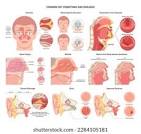
ENT diseases encompass a wide range of conditions affecting the ears, nose, and throat. These can include infections like sinusitis and otitis media, hearing loss and balance disorders, as well as throat conditions like tonsillitis and voice disorders. Additionally, ENT specialists also manage conditions like sleep apnea, salivary gland disorders, and even head and neck trauma.
Ear Conditions:
- Infections:Otitis media (middle ear infection), otitis externa (swimmer’s ear), mastoiditis.
- Hearing Loss:Sensorineural hearing loss, conductive hearing loss, sudden hearing loss, presbycusis (age-related hearing loss).
- Balance Disorders:Vertigo, Meniere’s disease.
- Other:Tinnitus, ear drum perforations, Eustachian tube dysfunction, otosclerosis.
Nose Conditions:
- Infections: Sinusitis, rhinitis, nasal polyps.
- Structural Issues: Deviated septum, nasal obstruction.
- Other: Epistaxis (nosebleeds), loss of smell.
Throat Conditions:
- Infections: Tonsillitis, strep throat, laryngitis.
- Voice Disorders: Hoarseness, vocal cord lesions, vocal cord paralysis.
- Swallowing Problems: Dysphagia, achalasia, GERD.
- Other: Snoring, sleep apnea, salivary gland infections.
General ENT Conditions:
- Trauma: Facial bone fractures, temporal bone trauma.
- Tumors: Nasal cancer, thyroid cancer, laryngeal cancer, salivary gland tumors.
- Other: Foreign bodies in the ear, nose, or throat, stridor, hypocalcemia.
Patient Education Programs of Mental Disorders
Many people also experience stigma, discrimination and violations of human rights.
- Anxiety Disorders. …
- Depression. …
- Bipolar Disorder. …
- Post-Traumatic Stress Disorder (PTSD) …
- Schizophrenia. …
- Eating Disorders. …
- Disruptive behaviour and dissocial disorders. …
- Neurodevelopmental disorders.