 HRTD Medical Institute



Post Diploma Training in Gastrology Details
Post Diploma Training in Gastrology Courses. Mobile No. 01969947171, 01987-073965, 01797-522136. These Courses are PDT Gastrology 6 Months, PDT Medicine 1 Year and PDT Gastrology 2 Years. PDT Gastrology 6 Months Tk 35500/-, PDT Gastrology 1 Year Tk 70500/-, and PDT Gastrology 2 Years Tk130500/-. All PDT Gastrology Courses are available in HRTD Medical Institute.
Each semester contains 4 subjects and each subject holds 100 marks. There are many subjects for the PDT Gastrology Course, you can choose subjects for your respective working area and according to the duration of your course.
Hostel Facilities in HRTD Medical Institute for Post Diploma Training in Gastrology
Hostal & Meal Facilities
The Institute has hostel facilities for the students. Students can take a bed in the hostel.
Hostel Fee Tk 3000/- Per Month
Meal Charges Tk 3000/- Per Month. ( Approximately )
হোস্টাল ও খাবার সুবিধা
ইনস্টিটিউটে শিক্ষার্থীদের জন্য হোস্টেল সুবিধা রয়েছে। ছাত্ররা হোস্টেলে বিছানা নিতে পারে।
হোস্টেল ফি 3000/- টাকা প্রতি মাসে,
খাবারের চার্জ 3000/- টাকা প্রতি মাসে।(প্রায়)
Address of HRTD Medical Institute for Post Diploma Training in Gastrology
আমাদের ঠিকানাঃ HRTD মেডিকেল ইন্সটিটিউট, আব্দুল আলী মাদবর ম্যানশন, সেকশন ৬, ব্লোক খ, রোড ১, প্লট ১১, মেট্রোরেল পিলার নাম্বার ২৪৯, ফলপট্টি মসজিদ গলি, মিরপুর ১০ গোলচত্ত্বর, ঢাকা ১২১৬ । মোবাইল ফোন নাম্বার ০১৭৯৭৫২২১৩৬, ০১৯৮৭০৭৩৯৬৫ ।
Our Address: HRTD Medical Institute, Abdul Ali Madbor Mansion, Section-6, Block- Kha, Road- 1, Plot- 11, Metro Rail Pilar No. 249, Falpatty Mosjid Goli, Mirpur-10 Golchattar, Dhaka 1216. Mobile Phone No. 01797522136, 01987073965.
Post Diploma Training in Gastrology ( PDT Gastrology 6 Months) Course Details
6 Months Post-Diploma Training in Gastrology that is PDT- Gastrology 6 Months Course Fee 35500/-. The payment system is an Admission Fee of Tk 15500/-, Monthly Fee of Tk 4000/- and Exam Fee of Tk 1000/-. 6 Months PDT- Gastrology Course contains 4 subjects. You can choose any 4 of these subjects:
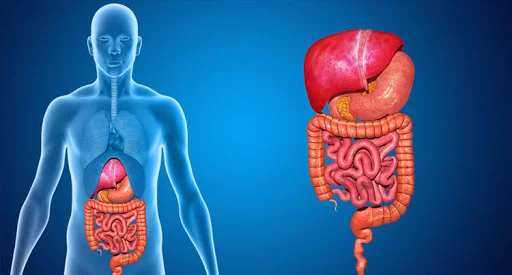
গ্যাস্ট্রোএন্টারোলজি কি ? গ্যাস্ট্রোএন্টারোলজি মাধ্যমে কোন বিষয় সম্পরকে জানা জায় ?
গ্যাস্ট্রোএন্টারোলজি হলো চিকিৎসা বিজ্ঞানের এমন একটি বিশেষ শাখা, যা পরিপাকতন্ত্র (Digestive System) এবং এর রোগ নির্ণয় ও চিকিৎসা নিয়ে কাজ করে । এটি খাদ্যনালী, পাকস্থলী, অন্ত্র, লিভার, পিত্তথলি এবং অগ্ন্যাশয় সংক্রান্ত রোগ ও ব্যাধিগুলোর বিশেষজ্ঞ চিকিৎসাবিদ্যা, যা মূলত অস্ত্রোপচার ছাড়া (মেডিকেল) সমস্যার সমাধান করে ।
গ্যাস্ট্রোএন্টারোলজির মাধ্যমে যেসব বিষয়ে জানা ও চিকিৎসা করা যায়:
- পাকস্থলীর সমস্যা: অ্যাসিডিটি, পেটে জ্বালাপোড়া, পেপটিক আলসার, এবং বদহজম [১০, ১৪]।
- অন্ত্রের ব্যাধি: ইরিটেবল বাওয়েল সিনড্রোম (IBS), কোষ্ঠকাঠিন্য, ডায়রিয়া, এবং কোলাইটিস [১০]।
- লিভার ও পিত্তথলি: হেপাটাইটিস, ফ্যাটি লিভার, লিভার সিরোসিস এবং পিত্তথলির পাথর [৬, ১১]।
- খাদ্যনালী ও অগ্ন্যাশয়: খাদ্যনালীর প্রদাহ (GERD) এবং অগ্ন্যাশয়ের রোগ (প্যানক্রিয়াটাইটিস) [৬]।
- ক্যান্সার ও পরীক্ষা: খাদ্যনালী, পাকস্থলী বা কোলনের ক্যান্সার নির্ণয় এবং এন্ডোস্কোপি/কোলোনোস্কোপির মতো উন্নত পরীক্ষা ।
সংক্ষেপে, মুখ থেকে মলদ্বার পর্যন্ত পরিপাক প্রক্রিয়ার সাথে জড়িত যেকোনো অঙ্গের রোগ নির্ণয় ও চিকিৎসা হলো গ্যাস্ট্রোএন্টারোলজি ।
গ্যাস্ট্রোএন্টারোলজি ডাক্তার কিসের জন্য কাজ করে?
গ্যাস্ট্রোএন্টারোলজি ডাক্তার (জিআই ডাক্তার) মূলত মানুষের পরিপাকতন্ত্র বা হজম প্রক্রিয়ার সাথে জড়িত অঙ্গগুলোর—যেমন খাদ্যনালী, পাকস্থলী, ক্ষুদ্রান্ত্র, বৃহদন্ত্র, লিভার, পিত্তথলি এবং অগ্ন্যাশয়ের রোগ নির্ণয় ও চিকিৎসার জন্য কাজ করেন তাঁরা অম্বল (GERD), আলসার, পেটের প্রদাহ (IBD), জন্ডিস, হেপাটাইটিস, লিভার সিরোসিস, পিত্তথলির পাথর, এবং কোলোরেক্টাল ক্যান্সারের মতো জটিল সমস্যাগুলো এন্ডোস্কোপি বা কোলোনোস্কোপির মাধ্যমে পরীক্ষা ও চিকিৎসা করেন ।
গ্যাস্ট্রোএন্টারোলজি ডাক্তার যেসব সমস্যার জন্য কাজ করেন:
- খাদ্যনালী ও পাকস্থলী: গ্যাস্ট্রাইটিস (পেটে জ্বালাপোড়া), অম্বল (GERD), আলসার, এবং খাদ্যনালীর ক্যানসার ।
- লিভার ও পিত্তথলি: জন্ডিস, হেপাটাইটিস (লিভারের প্রদাহ), ফ্যাটি লিভার, লিভার সিরোসিস, এবং পিত্তথলির পাথর ।
- অন্ত্র (ক্ষুদ্র ও বৃহদন্ত্র): আইবিএস (IBS), কোলাইটিস (Inflammatory Bowel Disease), কোষ্ঠকাঠিন্য, পাতলা পায়খানা, এবং অন্ত্রের টিউমার বা ক্যানসার ।
- অগ্ন্যাশয়: প্যানক্রিয়াটাইটিস (অগ্ন্যাশয়ের প্রদাহ) ।
এন্ডোস্কোপি ও কোলোনোস্কোপির মতো বিশেষায়িত প্রযুক্তির মাধ্যমে তাঁরা পাকস্থলী ও অন্ত্রের ভেতরের অবস্থা পরীক্ষা করেন ।
Teachers for Post Diploma Training in Gastrology
- Dr. Md. Sakulur Rahman, MBBS, CCD (BIRDEM), Course Director
- Dr. Sanjana Binte Ahmed, BDS, MPH, Assistant Course Director
- Dr. Tisha, MBBS, PGT Gyne, Assistant Course Director
- Dr. Suhana, MBBS, PGT Medicine
- Dr. Danial Hoque, MBBS, C-Card
- Dr. Tisha, MBBS
- Dr. Afrin Jahan, MBBS, PGT Medicine
- Dr. Ananna, MBBS
- Dr. Lamia Afroze, MBBS
- Dr. Amena Afroze Anu, MBBS, PGT Gyne, Assistant Course Director
- Dr. Farhana Antara, MBBS,
- Dr. Nazmun Nahar Juthi, BDS, PGT
- Dr. Farhana Sharna, MBBS
- Dr. Bushra, MBBS
- Dr. Turzo, MBBS
- Dr. Kamrunnahar Keya, BDS, PGT (Dhaka Dental College)
- Dr. Shamima, MBBS, PGT Gyne
- Dr. Alamin, MBBS
- Dr. Benzir Belal, MBBS
- Dr. Disha, MBBS
- Dr. Mahinul Islam, MBBS
- Dr. Tisha, MBBS, PGT Medicine
- Dr. Anika, MBBS, PGT
- Dr. Jannatul Ferdous, MBBS, PGT Gyne
- Dr. Jannatul Aman, MBBS, PGT
- Dr. Rayhan, BPT
- Dr. Abu Hurayra, BPT
- Dr. Sharmin Ankhi, MBBS, PGT Medicine
- Md. Monir Hossain, B Pharm, M Pharm
- Md. Monirul Islam, B Pharm, M Pharm
- Md. Feroj Ahmed, BSc Pathology, PDT Medicine
Subject for Post Diploma Training in Gastrology 6 Months
- Gastro Anatomy & Physiology.
- Gastrological Drugs & Pharmacology.
- Gastro Intestinal Neurology.
- hyper Acidity & Peptic Ulcer Disease
Post Diploma Training in Gastrology ( PDT Gastrology 1 Year) Course Details
1 Year Post-Diploma Training in Gastrology that is PDT-Gastrology 1 Year Course Fee Tk 70500/-. The payment system is an Admission Fee of Tk 15000/-, Monthly Fee of Tk 4000/- and Exam Fee of Tk 2000/-. 1 Year Post Diploma Training in Medicine Course contains 8 subjects. You can choose any 8 of these subjects:
Subject for Post Diploma Training in Gastrology 1y Years
Subject for 1’st Semester
- Gastro Anatomy & Physiology.
- Gastrological Drugs & Pharmacology.
- Gastro Intestinal Neurology.
- hyper Acidity & Peptic Ulcer Disease
Subject for 2’nd Semester
- Diarrheal Disease & Its Treatment.
- Abdominal Discomfort & Acute Abdomen.
- Oral Disease, Nausea & Vomiting.
- Gastro Intestinal Infectious disease
Post Diploma Training in Gastrology ( PDT Gastrology 2 Years) Course Details
2 Years Post-Diploma Training in Gastrology that is PDT-Gastrology 2 Years Course Fee Tk 130500/-. The payment system is an Admission Fee of Tk 25000/-, a Monthly Fee of Tk 4000/-, and an Exam Fee of Tk 1000/- per Semester. 2 Years Post Diploma Training in Gastrology Course contains 16 Subjects.
Subject for Post Diploma Training in Gastrology 2 Years
Subject for 1’st Semester
- Gastro Anatomy & Physiology.
- Gastrological Drugs & Pharmacology.
- Gastro Intestinal Neurology.
- Hyper Acidity & Peptic Ulcer Disease
Subject for 2’nd Semester
- Diarrheal Disease & Its Treatment.
- Abdominal Discomfort & Acute Abdomen.
- Oral Disease, Nausea & Vomiting.
- Gastro Intestinal Infectious disease
Subject for 3’rd Semester
Subject for 4’th Semester
Post Diploma Training in Gastrology includes Subjects
Gastro Anatomy & Physiology for Post Diploma Training in Gastrology
Gastrointestinal (GI) anatomy and physiology focuses on the structure and function of the alimentary canal—running from mouth to anus—and its accessory organs, which facilitate the ingestion, digestion, and absorption of nutrients while eliminating waste. Key topics are structured around the mechanical and chemical processes of digestion, regulatory systems, and the histological layers of the tract.
Core Anatomy and Components
- Alimentary Canal (GI Tract): Oral cavity/mouth (teeth, tongue), pharynx, esophagus, stomach, small intestine (duodenum, jejunum, ileum), and large intestine (cecum, colon, rectum, anal canal).
- Accessory Organs: Salivary glands, liver, gallbladder, and pancreas.
- Tissue Layers (Histology): Mucosa (innermost), submucosa, muscularis propria (inner circular and outer longitudinal muscles), and serosa.
- Peritoneum: The lining that anchors and protects abdominal organs.
Physiology and Functions
- Motility: Movement of food through the tract via chewing (mastication), swallowing (deglutition), peristalsis, and segmentation.
- Secretion: Production of enzymes, mucus, bile, and gastric acid.
- Digestion: Mechanical and chemical breakdown of food into molecules.
- Absorption: Nutrient and water absorption, primarily in the small intestine.
- Excretion: Waste storage and elimination via defecation.
Regulation and Specialized Systems
- Neural Control: The Enteric Nervous System (ENS), including the myenteric plexus (controls motility) and submucosal plexus (controls secretion).
- Extrinsic Control: Autonomic Nervous System (sympathetic/parasympathetic innervation).
- Hormonal Control: Key hormones including Gastrin, Cholecystokinin (CCK), Secretin, Gastric inhibitory peptide (GIP), and Motilin.
- Splanchnic Circulation: Blood supply to the gastrointestinal tract.
- Microbiota: The role of gut bacteria in health.
Clinical Relevance
- Pathology: Common conditions such as GERD, peptic ulcer disease, colitis, and inflammatory bowel disease (IBD).
- Diagnostic Tools: Endoscopy, imaging, and high-resolution manometry.
Gastrological Drugs & Pharmacology for Post Diploma Training in Gastrology
Gastrointestinal (GI) pharmacology covers drugs that modulate gastric acid, motility, mucosal protection, and emesis to treat various digestive diseases. The main topics in this subject include drugs for peptic ulcer disease, GERD, inflammatory bowel disease, as well as laxatives and antidiarrheals.
Here are the key topics in Gastrological Drugs & Pharmacology:
1. Drugs Affecting Gastric Acid Secretion
These drugs are primarily used for peptic ulcers, gastroesophageal reflux disease (GERD), and dyspepsia. Pocket Dentistry +4
- Proton Pump Inhibitors (PPIs): Irreversibly inhibit H+/K+ ATPase, reducing acid secretion by up to 95%. Examples: Omeprazole, Lansoprazole, Pantoprazole, Esomeprazole, Rabeprazole.
- H2 Receptor Antagonists: Competitive inhibitors of histamine H2 receptors, reducing gastric acid. Examples: Cimetidine, Ranitidine, Famotidine, Nizatidine.
- Antacids: Neutralize existing stomach acid to provide quick relief. Examples: Magnesium hydroxide, Aluminum hydroxide, Calcium carbonate, Sodium bicarbonate.
- Anti-Helicobacter pylori Drugs: Combination therapies (Triple/Quadruple) used to treat H. pylori infection, including PPIs + Antibiotics (Amoxicillin, Metronidazole, Clarithromycin).
2. Mucosal Protective Agents
These agents enhance the defense mechanisms of the gastrointestinal mucosa.
- Sucralfate: Forms a protective, viscous barrier on the surface of ulcers.
- Prostaglandin Analogues: Mimic protective prostaglandins, enhancing mucus and bicarbonate secretion. Example: Misoprostol.
- Colloidal Bismuth Subcitrate (CBS): Protects the ulcer base and inhibits H. pylori.
3. Drugs Affecting Motility
- Laxatives/Purgatives (for Constipation):
- Bulk-forming: Increase stool volume and stimulate peristalsis (e.g., Psyllium, Ispaghula, Methylcellulose).
- Stimulant: Increase intestinal motility (e.g., Bisacodyl, Senna).
- Osmotic: Increase water retention in the bowel (e.g., Lactulose, Polyethylene glycol).
- Stool Softeners: Decrease surface tension of stool (e.g., Docusate).
- Antidiarrheal Agents:
- Antimotility Agents: Slow intestinal movement (e.g., Loperamide, Codeine).
- Adsorbents: Absorb toxins (e.g., Kaolin, Charcoal).
- Prokinetic Drugs: Enhance gastric emptying and motility (e.g., Metoclopramide, Domperidone).
4. Antiemetics (Nausea and Vomiting)
These drugs act on the central nervous system or GI tract to block vomiting signals.
- 5-HT3 Receptor Antagonists: Highly effective against chemotherapy-induced nausea. Examples: Ondansetron, Granisetron.
- Dopamine D2 Receptor Blockers: (e.g., Metoclopramide, Prochlorperazine).
- NK1 Receptor Antagonists: (e.g., Aprepitant).
- Anticholinergics/Antihistamines: (e.g., Scopolamine, Diphenhydramine) for motion sickness.
5. Drugs for Inflammatory Bowel Disease (IBD)
Used for chronic inflammation, such as ulcerative colitis and Crohn’s disease.
- Aminosalicylates: (e.g., Sulfasalazine, Mesalamine).
- Corticosteroids: (e.g., Prednisolone).
- Immunosuppressants: (e.g., Azathioprine, Methotrexate).
- Biological Agents: (e.g., Infliximab).
6. Pharmacology of Digestive Enzymes
- Pancreatic Enzymes: Replacement therapy for pancreatic insufficiency (e.g., Pancrelipase).
7. Factors Affecting Drug Absorption
- Gastric pH and Motility: Impact the dissolution and bioavailability of orally administered drugs.
Gastro Intestinal Neurology for Post Diploma Training in Gastrology
Gastrointestinal (GI) neurology, or neurogastroenterology, focuses on the complex interactions between the nervous system and the gastrointestinal tract, including the enteric nervous system (the gut’s own “brain”), the autonomic nervous system, and the central nervous system.
Here are the main topics and key areas of focus within the subject:
1. The Enteric Nervous System (ENS)
- Structure and Organization: Detailed study of the myenteric (Auerbach’s) plexus (controls motility) and submucosal (Meissner’s) plexus (controls secretion and local absorption).
- Neural Circuitry: Understanding intrinsic sensory neurons (IPANs), interneurons, and motor neurons that allow the gut to function independently of the central nervous system.
- Neurotransmitters: Role of excitatory (acetylcholine, substance P) and inhibitory (nitric oxide, VIP) neurotransmitters in motility and secretion.
- Enteric Glial Cells (EGCs): Their role in maintaining homeostasis, the intestinal barrier, and immune function.
2. Gut-Brain Axis and Communication
- Bidirectional Signaling: How the gut communicates with the brain via vagal and spinal afferents.
- Neuroendocrine Signaling: The role of enteroendocrine cells and their “neuropod” cells in direct communication with neurons.
- Immune-Nervous Interaction: How enteric neurons and glia modulate gut-associated lymphoid tissue (GALT).
3. Functional Gastrointestinal Disorders (FGIDs)
- Disorders of Gut-Brain Interaction (DGBIs): Formerly known as functional GI disorders, these include conditions where no structural damage is apparent but neural regulation is dysfunctional.
- Irritable Bowel Syndrome (IBS): Focus on visceral hypersensitivity, serotonin dysregulation, and altered brain processing of gut signals.
- Functional Dyspepsia: Chronic indigestion and pain with no organic cause.
- Functional Constipation and Fecal Incontinence: Neural and muscular issues with defecation and evacuation.
4. GI Motility Disorders in Neurologic Disease
- Neurogenic Bowel/Bladder: Management of constipation and fecal incontinence in patients with spinal cord injuries, multiple sclerosis, or Parkinson’s.
- Dysphagia: Neurologic impairment of swallowing, often involving cranial nerves.
- Gastroparesis: Delayed stomach emptying, common in diabetes and Parkinson’s, often involving damaged vagal nerves.
- Chronic Intestinal Pseudo-obstruction: Severe motility failure often caused by neuropathy or myopathy.
5. Specific Neuro-GI Conditions
- Achalasia: Degeneration of myenteric neurons in the esophageal sphincter.
- Chagas Disease: Parasitic damage causing massive loss of myenteric neurons and gastrointestinal dilation.
- Diabetic Gastroenteropathy: Neural degeneration, oxidative stress, and fibrosis affecting the entire gut.
6. Diagnostic and Therapeutic Modalities
- Manometry: Using high-resolution pressure measurements to assess esophageal or rectal motility.
- Biofeedback and Neuromodulation: Utilizing sacral nerve stimulation, botulinum toxin, and electrical stimulation for severe motility disorders.
- Pharmacotherapy: Targeting neurotransmitter receptors (e.g., serotonergic or opioid receptors) to treat pain and motility issues.
Hyper Acidity & Peptic Ulcer Disease for Post Diploma Training in Gastrology
Hyperacidity and Peptic Ulcer Disease (PUD) are closely related gastrointestinal disorders characterized by an imbalance between aggressive acid-pepsin secretion and protective mucosal defense mechanisms. PUD specifically refers to deep, localized sores in the gastric or duodenal mucosa, while hyperacidity often manifests as symptoms like heartburn, dyspepsia, or pain that can lead to ulceration.
Below are the main topics and key details regarding Hyperacidity and Peptic Ulcer Disease based on current medical consensus.
1. Definition and Anatomy
- Peptic Ulcer Disease (PUD): An erosion or break in the mucosal lining of the stomach (gastric ulcer) or the duodenum (duodenal ulcer) that extends through the muscularis mucosae.
- Hyperacidity: A condition where the stomach produces excessive acid (hydrochloric acid) and pepsin, leading to irritation, inflammation (gastritis), or ulceration.
- Distinction: Erosions are superficial (not involving the muscularis mucosae), while ulcers are deeper, penetrating lesions.
MSD Manuals +2
2. Causes and Pathophysiology
Peptic ulcers arise from an imbalance between destructive factors (acid, pepsin) and protective factors (mucus, bicarbonate, blood flow).
- Helicobacter pylori (): This bacterium causes chronic inflammation, weakening the mucosal defense, and is responsible for 70%–90% of gastric ulcers and 90% of duodenal ulcers.
- NSAID Use: Nonsteroidal anti-inflammatory drugs (e.g., ibuprofen, aspirin) inhibit prostaglandin synthesis, which is essential for protective mucus production.
- Other Factors: Smoking (decreases blood flow and impairs healing), alcohol, and stress (though not direct causes, they worsen conditions).
- Rare Cause (Zollinger-Ellison Syndrome): A rare tumor that forces the stomach to produce extreme amounts of acid.
3. Clinical Manifestations (Symptoms)
- Burning Epigastric Pain: Often described as a gnawing or burning sensation in the upper abdomen.
- Meal Relationship: Duodenal ulcer pain often improves with food but returns when empty, while gastric ulcer pain may worsen shortly after eating.
- Other Symptoms: Nausea, vomiting, abdominal bloating, indigestion, and early satiety (fullness).
- Silent Ulcers: Up to 70% of people may not have symptoms until a complication occurs.
4. Diagnosis
- Upper Gastrointestinal (GI) Endoscopy: The gold standard for diagnosing PUD, allowing visualization and biopsy to rule out malignancy.
- Testing: Non-invasive tests include urea breath tests, stool antigen tests, or serology.
- Imaging: A Barium Swallow may be used if endoscopy is not possible.
5. Treatment and Management
Treatment aims to relieve symptoms, heal the ulcer, and prevent recurrence by eliminating the cause.
- Acid Suppression: Proton Pump Inhibitors (PPIs) (e.g., omeprazole) and H2-receptor antagonists (e.g., famotidine) reduce acid, providing a healing environment.
- Eradication: Triple therapy (PPI + two antibiotics, such as clarithromycin and amoxicillin) for 7–14 days.
- Lifestyle Modifications: Quitting smoking, avoiding NSAIDs, and reducing alcohol consumption.
- Surgical Intervention: Required for severe complications like perforation or refractory ulcers.
6. Complications
If left untreated, PUD can cause severe, life-threatening, or chronic health issues:
- Bleeding: The most common complication, causing black/tarry stools or vomiting blood.
- Perforation: The ulcer erodes through the wall, causing severe, sudden abdominal pain and peritonitis (requires immediate surgery).
- Gastric Outlet Obstruction: Scarring from chronic ulcers causes narrowing near the pylorus.
- Gastric Cancer: Long-term
infection is a risk factor for adenocarcinoma.
7. Prevention
- Limiting or managing the use of NSAIDs (switching to COX-2 inhibitors or taking PPI prophylaxis).
- Erradicating
infection if detected.
- Maintaining a balanced, healthy diet and reducing stress.
Diarrheal Disease & Its Treatment for Post Diploma Training in Gastrology
Diarrheal disease is a major global health issue, particularly for children under five, defined as passing three or more loose or liquid stools per day. It is a leading cause of malnutrition and death, typically caused by infections from contaminated food or water.
Here are the main topics regarding Diarrheal Disease & Its Treatment:
1. Types of Diarrhea
- Acute Watery Diarrhea: Lasts several hours or days, including cholera.
- Acute Bloody Diarrhea (Dysentery): Characterized by blood in the stool, often caused by bacteria like Shigella or E. coli.
- Persistent Diarrhea: Lasts 14 days or longer.
2. Causes and Pathogens
- Viral: Rotavirus is the top cause in children, followed by norovirus, adenovirus, and astrovirus.
- Bacterial: Escherichia coli (
), Salmonella, Shigella, and Campylobacter.
- Parasitic: Cryptosporidium, Giardia, and Entamoeba histolytica.
- Non-infectious: Food intolerance, medications, or chronic conditions.
3. Risk Factors
- Poor Sanitation & Hygiene: Lack of access to clean water.
- Malnutrition: Malnourished children are more vulnerable to infections.
- Immune Status: Weakened immunity (e.g., HIV/AIDS, chemotherapy).
4. Diagnosis
- Clinical Evaluation: Assessing the frequency of stools and signs of dehydration.
- Stool Tests: Laboratory analysis to detect specific parasites, viruses, or bacteria.
- Blood Tests: To check for infection, dehydration, or electrolyte levels.
5. Treatment and Management
- Oral Rehydration Salts (ORS): The primary, life-saving treatment to replace lost water and electrolytes.
- Zinc Supplementation: A 10–14 day course of zinc tablets reduces the duration of diarrhea by 25% and stool volume by 30%.
- Nutrient-Rich Food: Continued feeding (including breastfeeding) to prevent malnutrition.
- Intravenous (IV) Fluids: Required only for severe dehydration or shock.
- Antidiarrheal Agents: Used for adults with non-infectious diarrhea to reduce frequency (e.g., Loperamide), but generally avoided in children or bloody diarrhea.
- Antibiotics: Only for specific cases (e.g., bloody diarrhea, cholera).
6. Prevention Measures
- Safe Drinking Water: Access to safe water sources.
- Sanitation & Hygiene: Proper disposal of waste and handwashing with soap.
- Vaccination: Rotavirus vaccination is a critical preventive measure.
- Exclusive Breastfeeding: Strongly protective for the first six months of life.
7. Complications
- Dehydration: The most severe threat, characterized by sunken eyes, reduced skin elasticity, and lethargy.
- Electrolyte Imbalance: Loss of potassium, sodium, and chloride.
- Malnutrition: Frequent episodes prevent proper nutrient absorption.
- Kidney Damage: Due to severe fluid loss.
8. Common Myths and Tips
- Milk/Dairy: Often avoided as lactose digestion can be affected during diarrhea.
- Coconut Water: Useful for replacing electrolytes in moderate dehydration.
- BRAT Diet: Bland food (Bananas, Rice, Applesauce, Toast) is often recommended.
- COVID-19: Diarrhea is a recognized, though not primary, symptom of COVID-19.
Abdominal Discomfort & Acute Abdomen for Post Diploma Training in Gastrology
Abdominal discomfort covers a broad spectrum of pain, ranging from mild, chronic, or recurrent issues to, in its most severe form, acute abdomen, which constitutes a medical emergency. Acute abdomen is characterized by the sudden onset of severe abdominal pain, often requiring urgent surgical intervention.
Key Topics in Abdominal Discomfort & Acute Abdomen:
- Definition & Characteristics: Sudden, severe pain, often lasting from hours to a few days, that may indicate life-threatening conditions.
- Life-Threatening Causes (Red Flags):
- Vascular: Ruptured abdominal aortic aneurysm (AAA), mesenteric ischemia, or aortic dissection.
- Perforation/Obstruction: Bowel perforation, perforated peptic ulcer, or mechanical bowel obstruction.
- Inflammatory/Infectious: Acute appendicitis, cholecystitis, pancreatitis, or diverticulitis.
- Gynecologic/Urological: Ruptured ectopic pregnancy, ovarian torsion, or testicular torsion.
- Clinical Evaluation:
- History: Onset, intensity, location, migration (e.g., appendicitis), and character (e.g., colicky, tearing).
- Physical Exam: Checking for peritonitis signs (guarding, rigidity, rebound tenderness), bowel sounds, and hemodynamic stability.
- Diagnostics: Contrast-enhanced CT scan (highest sensitivity), ultrasound (especially for RUQ/pelvic pain), and laboratory tests (CBC, lipase, liver/kidney tests, pregnancy test).
- Management & Treatment:
- Initial: Stabilization of vitals, fluid resuscitation, and early pain control.
- Intervention: Urgent surgical consultation, including laparoscopic or open surgery.
- Special Populations: Older patients may have atypical, less intense symptoms, while children require careful evaluation for intussusception or volvulus.
Key Differences in Pain Types:
- Visceral Pain: Dull, vague, poorly localized, felt in the midline (foregut: epigastric; midgut: periumbilical; hindgut: lower abdomen).
- Somatic Pain (Parietal): Sharp, intense, well-localized, caused by peritoneal irritation.
- Referred Pain: Felt in a distant area, such as shoulder pain from diaphragm irritation.
When to Seek Immediate Care:
Severe, unrelenting pain, abdominal rigidity, high fever, signs of shock (hypotension, tachycardia), or inability to pass flatus/stool are significant warning signs.
Oral Disease, Nausea & Vomiting for Post Diploma Training in Gastrology
Based on the provided search results, the topics of Oral Disease and Nausea & Vomiting are connected primarily through symptomatic management (treating bad taste), dental consequences of chronic vomiting, and medication side effects.
Here are the main topics broken down:
1. Nausea and Vomiting Causes
- Infections: Gastroenteritis (virus/bacteria), food poisoning.
- Medical Conditions: Appendicitis, meningitis, gallbladder disease (cholecystitis), pancreatitis, brain tumor/increased pressure, migraine, and diabetes (ketoacidosis).
- Pregnancy: Morning sickness (common in early pregnancy), hyperemesis gravidarum.
- Treatments/Substances: Chemotherapy, radiation, general anesthesia, medications (NSAIDs, antibiotics), high-dose vitamins, and alcohol.
- Other: Motion sickness, psychological factors, intestinal blockage, or gastric emptying disorders (gastroparesis).
2. Oral Manifestations and Management (Oral Disease & Hygiene)
- Bad Taste/Oral Hygiene: Chronic nausea can lead to a bad taste in the mouth. Management includes gentle brushing of teeth and tongue, and using mouthwash.
- Mouth Sores: If mouth sores are present, avoid citrus flavors and use gentle, non-alcoholic mouthwash.
- Acid Erosion: Frequent vomiting (as in bulimia or severe morning sickness) exposes teeth to stomach acid, causing enamel erosion.
- Dental Care During Pregnancy: Oral health care is crucial, as hormonal changes can affect gum health.
3. Management of Nausea/Vomiting Symptoms
- Medication: Anti-emetics (to stop vomiting), metoclopramide for gastric emptying.
- Self-Care: Sucking on hard candies, mints, or lemon drops to alleviate bad taste.
- Emergency Situations: Immediate medical attention is required for signs of severe dehydration, stiff neck with fever, or sudden, severe abdominal pain.
4. Phases of Chemotherapy-Induced Nausea
- Acute Phase: Within 24 hours of treatment.
- Delayed Phase: 24 hours to 7 days after treatment.
- Anticipatory Phase: A conditioned response to previous episodes.
Gastro Intestinal Infectious disease for Post Diploma Training in Gastrology
Gastrointestinal (GI) infectious diseases, commonly referred to as gastroenteritis or “stomach bugs,” involve inflammation of the stomach and intestines caused by viruses, bacteria, or parasites. These infections are a major cause of global morbidity, often resulting in diarrhea, vomiting, and abdominal pain.
Here are the main topics and key areas of study for Gastrointestinal Infectious Diseases:
1. Etiological Agents (Causes)
- Viral Gastroenteritis (Most Common): Norovirus (leading cause in adults, highly contagious), Rotavirus (leading cause of severe diarrhea in children), Adenovirus, and Astrovirus.
- Bacterial Gastroenteritis: Salmonella (nontyphoidal, common in food poisoning), Campylobacter (associated with undercooked poultry), Escherichia coli (specifically strains like O157:H7 causing bloody diarrhea), Shigella (dysentery), Clostridioides difficile (associated with antibiotic use/hospital stays), Vibrio cholerae (cholera), and Yersinia.
- Parasitic Gastroenteritis: Giardia lamblia (often from contaminated water), Cryptosporidium (resistant to chlorine), Entamoeba histolytica (amoebiasis/amebic dysentery), and Cyclospora.
- Toxins/Food Poisoning: Staphylococcus aureus, Bacillus cereus, and Clostridium perfringens.
2. Clinical Presentation and Syndromes
- Acute Gastroenteritis: Sudden onset of vomiting, diarrhea, abdominal cramps, and sometimes fever.
- Dysentery: Severe diarrhea with blood, mucus, and abdominal pain (often bacterial or amoebic).
- Chronic/Persistent Diarrhea: Symptoms lasting longer than 2 weeks, often linked to parasites or chronic bacterial infection.
- Systemic Manifestations: Dehydration, electrolyte imbalance, sepsis, and fever.
3. Pathophysiology and Pathogenesis
- Mechanisms of Diarrhea: Secretory diarrhea (toxins altering fluid absorption) vs. Inflammatory diarrhea (invasion and destruction of the mucosa).
- Host-Pathogen Interactions: Role of gastric acid, immune response, and microbiome.
- Tissue Damage: Development of pseudomembranes (C. diff), ulceration, and necrosis.
4. Diagnosis and Investigations
- Clinical Diagnosis: Based on patient history, symptoms, and epidemiological context (e.g., travel, food sources).
- Stool Studies:
- Culture: For bacteria like Salmonella, Shigella, Campylobacter.
- Molecular Methods (Multiplex PCR): Rapid detection of multiple pathogens (bacteria, viruses, parasites).
- Antigen Testing: For Rotavirus, Giardia, Cryptosporidium, and C. difficile toxin.
- Imaging/Endoscopy: Used to rule out other causes (appendicitis, IBD) or in chronic cases (CT scan, endoscopy).
5. Management and Treatment
- Rehydration: The cornerstone of treatment (Oral Rehydration Solution – ORS, or IV fluids for severe dehydration).
- Antibiotic Therapy: Indicated for specific bacterial (e.g., Shigella, Campylobacter) or parasitic infections, though not for self-limiting viral cases.
- Dietary Management: Early refeeding with bland, easily digestible food.
- Probiotics: Sometimes used to restore gut flora, especially in antibiotic-associated diarrhea.
6. Prevention and Public Health
- Hygiene: Hand washing with soap and water (alcohol gels are less effective against norovirus).
- Food Safety: Proper cooking, storage, and avoiding cross-contamination.
- Water Sanitation: Ensuring clean drinking water.
- Vaccination: Rotavirus vaccines for infants, Typhoid/Hepatitis A vaccines for travelers.
7. Complications
- Dehydration and Electrolyte Imbalance: Primary cause of mortality.
- Hemolytic Uremic Syndrome (HUS): Complication of E. coli O157:H7.
- Post-Infectious Syndromes: Reactive arthritis, Guillain-Barré syndrome.
- Chronic Sequelae: Malabsorption, persistent infections.
গ্যাস্ট্রোএন্টারোলজি কি ঔষধ নাকি সার্জারি?
গ্যাস্ট্রোএন্টারোলজি মূলত মেডিসিন বা ঔষধের একটি বিশেষায়িত শাখা, যা পরিপাকতন্ত্র (মুখ থেকে মলাধার), লিভার, পিত্তথলি এবং অগ্ন্যাশয়ের রোগের অ-সার্জিক্যাল চিকিৎসা ও ওষুধ দেয় । তবে, তারা এন্ডোস্কোপি ও কলোনোস্কোপির মতো বিশেষায়িত নন-সার্জিক্যাল পদ্ধতিগুলো সম্পাদন করেন । অস্ত্রোপচার বা সার্জারির প্রয়োজন হলে তারা সার্জিক্যাল গ্যাস্ট্রোএন্টেরোলজিস্ট বা সার্জনদের কাছে পাঠান ।
মূল পার্থক্যগুলো নিচে দেওয়া হলো:
- মেডিকেল গ্যাস্ট্রোএন্টারোলজিস্ট (ঔষধ বিশেষজ্ঞ): ঔষধ, ডায়েট ও এন্ডোস্কোপিক যন্ত্রের (ক্যামেরা) মাধ্যমে রোগ নির্ণয় ও চিকিৎসা করেন ।
- সার্জিক্যাল গ্যাস্ট্রোএন্টারোলজি (সার্জন): পরিপাকতন্ত্রের রোগের অস্ত্রোপচার বা অপারেশনের সাথে সম্পর্কিত ।
গ্যাস্ট্রোএন্টারোলজিস্ট যে রোগগুলো চিকিৎসা করেন:
- গ্যাস্ট্রিক আলসার, এসিডিটি, আইবিএস (IBS) ।
- লিভারের সমস্যা (হেপাটাইটিস, ফ্যাটি লিভার) ।
- পিত্তথলি ও অগ্ন্যাশয়ের রোগ ।
- কোলোনস্কোপি ও এন্ডোস্কোপির মাধ্যমে পলিপ বা ছোট টিউমার অপসারন ।
সংক্ষেপে, গ্যাস্ট্রোএন্টারোলজি হলো পরিপাকতন্ত্রের ওষুধ ভিত্তিক চিকিৎসা। যখন ওষুধের মাধ্যমে নিরাময় সম্ভব হয় না, তখন সার্জিক্যাল গ্যাস্ট্রোএন্টারোলজির প্রয়োজন হয় ।
গ্যাস্ট্রোএন্টারোলজি রোগের লক্ষণ কী কী?
সাধারণভাবে অম্লতার উপসর্গগুলি দেখা যায়, যা নির্দেশ করে যে আপনি এই ব্যাধিতে ভুগছেন, এতে অন্তর্ভুক্ত থাকতে পারে:
- পেটে অবিরাম জ্বালাপোড়া
- রোগীর গলায় জ্বালাপোড়া
- অস্থিরতা
- Belching.
- বমি বমি ভাব
- মুখে টক স্বাদ
- বদহজমের কারণে অস্বস্তি বোধ করা
- কোষ্ঠকাঠিন্য