 HRTD Medical Institute

Short Medical Courses in Dhaka Details
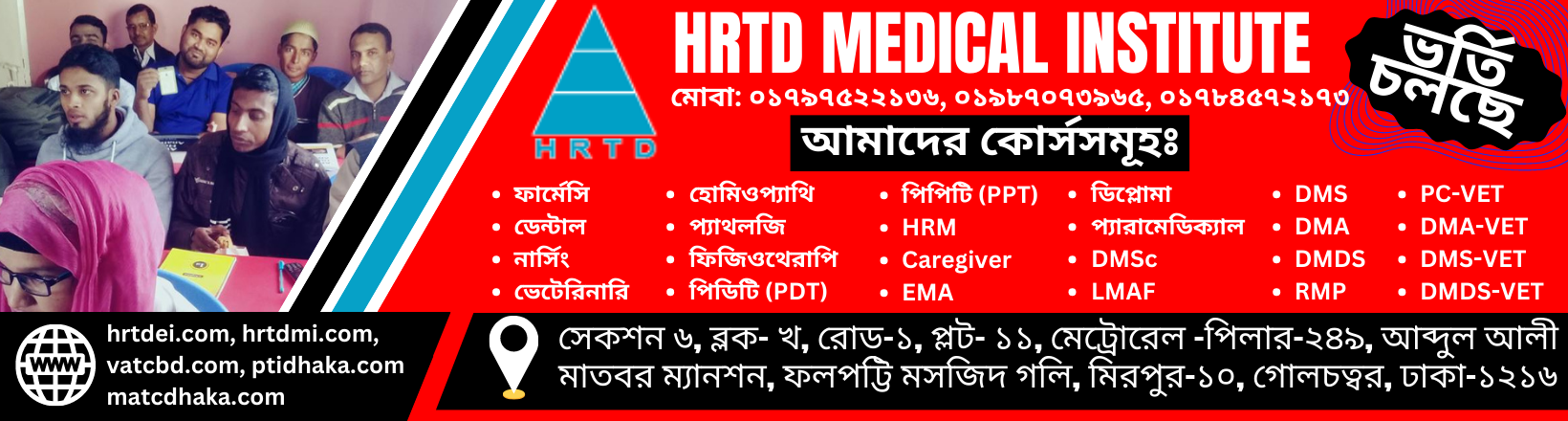
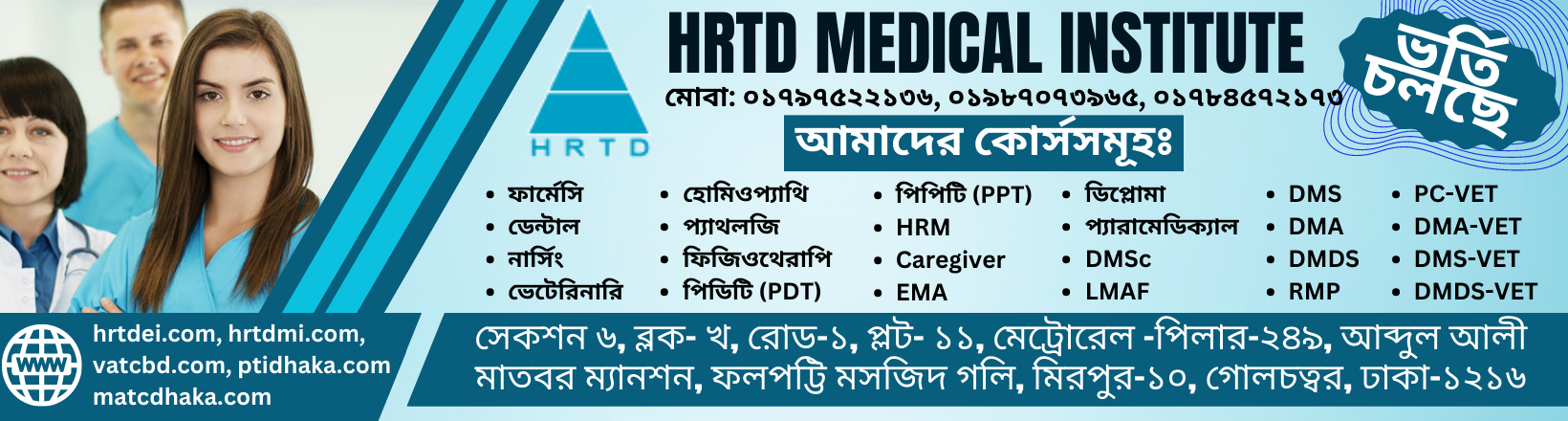
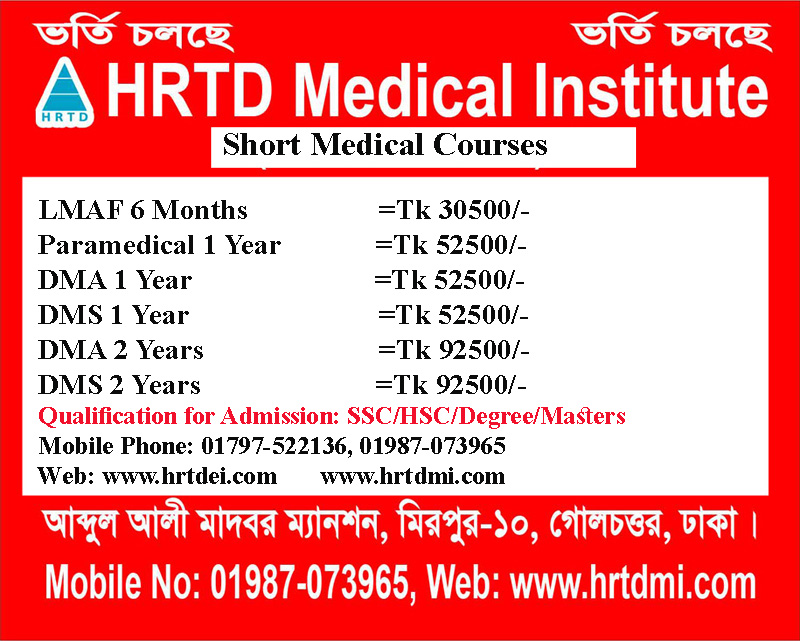
Short Medical Courses. Mobile No. 01987-073965, 01797-522136. Short Medical Training Courses are LMAF 6 Months, LMAF 1 Year, Paramedical 1 Year, DMA 1 Year, DMA 2 Years, DMS 1 Year, DMS 2 Years, DPM 2 Years.
Location of Short Medical Training Courses in Dhaka, Bangladesh
Location of Short Medical Training Courses. Mobile No. 01987-073965, 01797-522136. HRTD Medical Institute, Abdul Ali Madbor Mansion, Section-6, Block-Kha, Road-1, Plot-11, Mirpur-10 Golchattar, Metro Rail Piller No. 249, Dhaka-1216.
Qualification for Short Medical Training Courses in Dhaka, Bangladesh
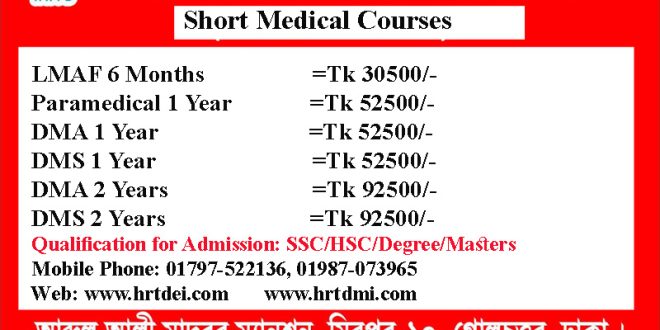
Admission Qualification for Short Medical Training Courses: Mobile No. 01987-073965, 01797-522136. SSC/HSC/Degree/Masters from Arts/Science/Commerce background.
Costing for Short Medical Training Courses
Costing for Short Medical Training Courses. Mobile No. 01987-073965, 01797-522136. LMAF 6 Moths Tk 25500/-, LMAF 1 Year Tk 52500/-, Paramedical 1 Year Tk 52500/-, DMA 1 Year Tk 52500/-, DMA 2 Years Tk 92500/-, DMS 1 Year Tk 52500/-, DMS 2 Years Tk 92500/-, and DPM 2 Years Tk 92500/-
Admission Fee for Short Medical Courses in Dhaka
Admission Fee for Short Medical Training. Mobile No. 01987-073965, 01797-522136. Admission Fee for LMAF 6 Months Tk 10500/-, Admission Fee for DMA/DMS/Paramedical 1 Year Tk 10500/-, Admission Fee for DMA/DMS/DPM 2 Years Tk 16500/-.
LMAF 6 Months Course is a Short Medical Course
LMAF 6 Months Course: Mobile Phone 01987-073965, 01797-522136. LMAF 6 Months Course is included in the short medical courses in Bangladesh. LMAF 6 Months Course Fee Tk 26500/- including admission fee tk 10500/-, Monthly fee tk 2500/-, and exam fee tk 1000/-. Total subjects 5 and total exam marks 500/-.
LMAF 1 Year is a Short Medical Course in Bangladesh
LMAF 1 Year Course: Mobile Phone 01987-073965, 01797-522136. LMAF 1 Year Course is included in the short medical courses Fee of Tk 52500/-, including an admission fee of tk 10500/-, a Monthly fee of tk 3000/-, and an exam fee of tk 6000 (2-semester exam). Total subjects 10 and total exam marks 1000. The subjects are Human anatomy and physiology, Pharmacology-1, Practice of Medicine, First Aid, Study of OTC Drugs, Microbiology and antimicrobial drugs, Hematology and pathology, Medical diagnosis, etc,
Short Medical Courses include DMA 1-Year
DMA 1 Year Course. Mobile Phone 01987-073965, 01797-522136. DMA 1 Years Course Fee Tk 52500/-, including admission fee tk 10500/-, Monthly fee tk 3000/-, exam fee tk 6000/- (2-semester exam). Total exam marks 1000 in 2 semesters. Total Subjects 10 and Total Exam Marks 1000. The subjects are Human anatomy and physiology, Pharmacology-1, Pharmacology-2, Practice of Medicine-1, Practice of Medicine-2, First Aid, Study of OTC Drugs, Microbiology and antimicrobial drugs, Hematology, pathology, and Medical diagnosis, etc,
Short Medical Courses include DMS 1-Year
DMS 1 Years Short Medical Course. Mobile Phone 01987-073965, 01797-522136. DMS 1 Year Course Fee Tk 52500/- including admission fee tk 10500/-, monthly fee tk 3000/-, and exam fee tk 6000 (for 2-semester exam). Total subjects 10 and total exam marks 1000 in 1 year. The subjects are Human anatomy and physiology, Pharmacology-1, Pharmacology-2, Practice of Medicine-1, Practice of Medicine-2, First Aid, Study of OTC Drugs, Microbiology and antimicrobial drugs, Hematology, pathology, Medical diagnosis, and Surgery, etc,
Paramedical 1 Year is a Short Medical Course
Paramedical 1-Year Course Details. Mobile Phone No. 01987-073965, 01797-522136. Paramedical 1 Year Course Fee Tk 52500/-. The payment system is Admission Fee Tk 10500/-, Monthly Fee Tk 3000/- Exam Fee Tk 6000 for 2 semesters exams. Total Subjects 10 and Total Exam Marks 1000 in 2 semesters of 1-year Paramedical Course. The subjects are Human anatomy and physiology-1, Human Anatomy & Physiology-2, Pharmacology-1, Pharmacology-2, Practice of Medicine-1, Practice of Medicine-2, First Aid, Study of OTC Drugs, Microbiology and antimicrobial drugs, Hematology, pathology, Medical diagnosis, and Surgery, etc,
Teachers for Short Medical Courses in Dhaka
- Dr. Md. Sakulur Rahman, MBBS, CCD (BIRDEM), Course Director
- Dr. Sanjana Binte Ahmed, BDS, MPH, Assistant Course Director
- Dr. Tisha, MBBS, PGT Gyne, Assistant Course Director
- Dr. Suhana, MBBS, PGT Medicine
- Dr. Danial Hoque, MBBS, C-Card
- Dr. Tisha, MBBS
- Dr. Afrin Jahan, MBBS, PGT Medicine
- Dr. Ananna, MBBS
- Dr. Lamia Afroze, MBBS
- Dr. Amena Afroze Anu, MBBS, PGT Gyne, Assistant Course Director
- Dr. Farhana Antara, MBBS,
- Dr. Nazmun Nahar Juthi, BDS, PGT
- Dr. Farhana Sharna, MBBS
- Dr. Bushra, MBBS
- Dr. Turzo, MBBS
- Dr. Kamrunnahar Keya, BDS, PGT (Dhaka Dental College)
- Dr. Shamima, MBBS, PGT Gyne
- Dr. Alamin, MBBS
- Dr. Benzir Belal, MBBS
- Dr. Disha, MBBS
- Dr. Mahinul Islam, MBBS
- Dr. Tisha, MBBS, PGT Medicine
- Dr. Anika, MBBS, PGT
- Dr. Jannatul Ferdous, MBBS, PGT Gyne
- Dr. Jannatul Aman, MBBS, PGT
- Dr. Rayhan, BPT
- Dr. Abu Hurayra, BPT
- Dr. Sharmin Ankhi, MBBS, PGT Medicine
- Md. Monir Hossain, B Pharm, M Pharm
- Md. Monirul Islam, B Pharm, M Pharm
- Md. Feroj Ahmed, BSc Pathology, PDT Medicine
Some Subject for Short Medical Courses in Dhaka
Short Medical Courses subjects. Mobile No. 01987073965, 01797522136.
- Human Anatomy & Physiology-1
- Pharmacology-1
- Study of OTC Drugs
- First Aid-1 & 2
- Practice of Medicine
- Hematology
- Pathology for Medical Practice
- Surgery-1
- Cardiovascular Anatomy
- Antimicrobial drugs
- Medical Diagnosis-1 & 2
- Chemistry
- Medical Biochemistry
- Orthopedic Anatomy
- Neuro Anatomy & Physiology
- Human Microbiology
Anatomy & Physiology for Short Medical Courses in Dhaka
Main topics in human anatomy include the study of different body systems, such as the skeletal, muscular, nervous, cardiovascular, respiratory, digestive, and reproductive systems. Other key areas of study are the integumentary system (skin, hair, nails) and the lymphatic system, along with foundational concepts like anatomical terminology, planes, and the microscopic study of tissues and cells (histology and cytology).
Major body systems
- Skeletal System: Bones, cartilage, joints, ligaments, and their functions.
- Muscular System: Different types of muscles (skeletal, cardiac, smooth) and their properties.
- Nervous System: Brain, spinal cord, nerves, and sensory organs.
- Cardiovascular System: Heart, arteries, capillaries, and veins.
- Respiratory System: Lungs and the structures of the respiratory tract.
- Digestive System: Organs involved in digestion and absorption.
- Reproductive System: Organs related to reproduction.
- Integumentary System: Skin, hair, and nails.
- Lymphatic System: Lymphatic vessels, nodes, and organs.
- Endocrine System: Glands that produce hormones.
- Urinary System: Kidneys and related organs.
Foundational and specialized topics
- Anatomical Terminology: The language used to describe body structures and positions, including anatomical planes.
- Microscopic Anatomy: The study of tissues (histology) and cells (cytology).
- Regional Anatomy: Studying structures within a specific region, such as the head, thorax, abdomen, or limbs.
- Gross Anatomy: The study of body structures visible to the naked eye.
Pharmacology for Short Medical Courses in Dhaka
Main topics in pharmacology include general principles, pharmacokinetics (absorption, distribution, metabolism, and excretion), pharmacodynamics (drug action at the cellular level), and therapeutics (drug use for specific diseases). Other key areas are drug administration, adverse drug reactions, drug interactions, and toxicology.
Foundational principles
- Introduction to pharmacology: Definition, scope, and history.
- Drug compendia and sources: Information sources like pharmacopeias and drug formularies.
- Drug action: How drugs exert their effects at the cellular and molecular level, including agonists and antagonists.
- Dose-response relationship: How drug concentration relates to effect.
Pharmacokinetics (The “what the body does to the drug”)
- Drug administration: Routes of administration and drug delivery systems.
- Absorption: How drugs get into the bloodstream, including factors that influence it.
- Distribution: How drugs spread throughout the body.
- Metabolism: How the body chemically changes drugs.
- Elimination/Excretion: How the body removes drugs.
Pharmacodynamics (The “what the drug does to the body”)
- Mechanisms of action: How drugs interact with receptors and other targets.
- Agonists and antagonists: How drugs either activate or block receptors.
Therapeutics and clinical aspects
- Therapeutic strategies: Using drugs to treat diseases.
- Autonomic nervous system (ANS) pharmacology: Drugs affecting the nervous system.
- Anti-infective agents: How drugs treat infections caused by bacteria, fungi, and viruses.
- Cardiovascular drugs: Medications for heart conditions.
- Adverse drug reactions and interactions: Undesired effects and how drugs can affect each other.
- Drug misuse and abuse: Problems associated with drug use.
Toxicology and specialized areas
- Toxicology: The study of poisons and toxins.
- Drug discovery and development: The process of finding new drugs.
- Pharmacogenomics: How genetics influences drug response.
- Clinical pharmacy and pharmacotherapy: Integrating pharmacology into patient care.
Study of OTC Drugs for Short Medical Courses in Dhaka
The main topics of study regarding over-the-counter (OTC) drugs typically revolve around their role in self-care, public health implications (both positive and negative), regulation, and consumer behavior.
Key topics for study include:
I. Public Health and Self-Medication
- Prevalence and Patterns of Use: Research into how often and why people use OTC drugs, including the most common ailments treated (e.g., pain, fever, cold, allergies, antacids).
- Self-Care and Self-Medication Practices: The role of OTC drugs as part of self-care and individual health management, and the factors that influence these practices (e.g., convenience, cost, time-saving).
- Knowledge, Attitudes, and Perceptions: Studies often assess the general public’s or specific demographics’ (like students) understanding of OTC medicine safety, proper dosage, side effects, and potential interactions.
- Misuse, Overuse, and Abuse: Investigation into the potential for harm, including incorrect self-diagnosis, inappropriate dosing, drug interactions, dependence, and the masking of serious underlying conditions.
II. Safety, Efficacy, and Regulation
- Regulatory Frameworks: Examination of the legal and regulatory systems for classifying, approving, and monitoring OTC drugs in different countries (e.g., FDA monographs in the U.S., national guidelines in other regions).
- Safety and Risk Management: Research into the side effects, contraindications, and potential adverse reactions of OTC medications, as well as strategies like tamper-proof packaging and clear labeling to ensure safe use.
- The “Rx-to-OTC Switch” Process: Analysis of the process and criteria by which a prescription-only medicine is reclassified as an OTC product.
- Pharmacovigilance: Monitoring the safety of OTC medicines after they reach the market to identify and report adverse effects.
III. Information, Education, and Policy
- Sources of Information: The role of healthcare professionals (pharmacists and doctors), product labeling, mass media advertising, the internet, and social networks as sources of information for consumers.
- Patient and Consumer Education: Development and evaluation of educational programs and public health campaigns to promote the safe and rational use of self-medication.
- Pharmacist’s Role: The crucial role of pharmacists in providing guidance and counseling on appropriate OTC selection and use, especially given the common lack of consumer knowledge.
- Health Economics and Policy: Analysis of the economic impact of OTC drug use, including cost savings to healthcare systems and consumers, and policy interventions to optimize their use.
These topics highlight the dual nature of OTC drugs as a valuable self-care resource that requires careful management and education to minimize associated risks.
First Aid for Short Medical Courses in Dhaka
Main topics in first aid include CPR and choking management, controlling bleeding and treating wounds, burn care, managing shock, and providing first aid for fractures, sprains, and bites/stings. These subjects cover immediate life-saving skills like CPR and how to respond to common injuries and emergencies before professional medical help arrives.
Life-saving skills
- Cardiopulmonary Resuscitation (CPR): This includes performing chest compressions and rescue breaths, and using an Automated External Defibrillator (AED).
- Choking: Learning how to clear an airway for a conscious and unconscious person, often involving back blows and abdominal thrusts (Heimlich maneuver).
- Unconsciousness: Assessing the situation, checking for breathing, and placing the casualty in the recovery position.
Injuries and trauma
- Bleeding and wounds: Steps for controlling bleeding, cleaning wounds, and applying bandages.
- Burns and scalds: How to treat minor burns with cool water and manage more severe burns.
- Fractures, sprains, and strains: How to immobilize and stabilize bone and joint injuries to prevent further harm.
- Shock: Recognizing the signs and symptoms of shock and how to provide appropriate care.
Environmental and other emergencies
- Bites and stings: First aid for bites and stings from insects and animals, including managing allergic reactions.
- Poisoning: What to do in cases of poisoning, including contacting a poison control center.
- Head and spinal injuries: How to assess and manage head injuries, and crucial precautions to take for potential spinal injuries.
Practice of Medicine for Short Medical Courses in Dhaka
The “practice of medicine” curriculum encompasses fundamental scientific knowledge, clinical skills, professional ethics, and various medical and surgical specialties. The main topics generally progress from foundational sciences to hands-on patient care.
Foundational Sciences (Pre-Clinical)
These subjects provide the essential understanding of the healthy human body and the mechanisms of disease.
- Anatomy: The study of the body’s structure, including bones, muscles, organs, and nervous system components.
- Physiology: Focuses on how the body’s systems (e.g., cardiovascular, respiratory, gastrointestinal) function normally.
- Biochemistry: The study of the chemical processes within living organisms, including metabolism and the molecular basis of diseases.
Disease and Treatment (Para-Clinical)
This phase introduces the causes and processes of diseases and how to treat them.
- Pathology: The study of diseases, their causes, development, and effects on tissues and organs.
- Microbiology: Focuses on the microorganisms (bacteria, viruses, fungi, parasites) that cause infections and the body’s immune response (immunology).
- Pharmacology & Therapeutics: The study of drugs, their mechanisms of action, clinical applications, side effects, and effective application in treatment.
- Forensic Medicine & Toxicology: The application of medical knowledge to legal issues and the study of poisons and drugs in a legal context.
- Community Medicine: Also known as Public Health or Preventive Medicine, focuses on the health of populations, epidemiology, and national health programs.
Clinical Practice and Specialties
These topics form the core of patient care training and involve direct experience in various hospital departments.
- General Medicine: Covers the diagnosis and non-surgical treatment of adult illnesses, including those related to the cardiovascular, respiratory, endocrine, neurological, and other systems.
- General Surgery: Includes surgical procedures, pre-operative and post-operative care, and allied fields like orthopaedics and anaesthesia.
- Pediatrics: Medical care for infants, children, and adolescents.
- Obstetrics & Gynaecology: Focuses on women’s reproductive health, pregnancy, and childbirth.
- Psychiatry: The branch of medicine focusing on the diagnosis, treatment, and prevention of mental, emotional, and behavioral disorders.
- Ophthalmology & Otorhinolaryngology (ENT): The study of diseases related to the eyes and ear, nose, and throat, respectively.
Professional Skills and Ethics
Beyond specific medical knowledge, the practice of medicine integrates core professional competencies.
Palliative Care: Specialized medical care focusing on relieving pain and symptoms of serious illness.
History Taking and Physical Examination: Core clinical skills for evaluating patients.
Communication & Interpersonal Skills: Essential for effective doctor-patient relationships and teamwork.
Ethical Behavior & Professionalism: Adhering to medical ethics, patient safety principles, and legal frameworks.
Patient Safety and Quality Improvement: Ensuring patient well-being and practicing evidence-based medicine.
Hematology for Short Medical Courses in Dhaka
The main topics in the study of hematology encompass the physiology of blood, a wide range of blood disorders (both non-cancerous and malignant), diagnostic methods, and related medical practices like transfusion and transplantation.
Key subject areas include:
Fundamentals of Blood and Hematopoiesis
This foundational area covers the basic science of blood and how it is formed.
- Blood Composition and Function: The properties of blood, including its components (red blood cells, white blood cells, platelets, and plasma) and their functions in nutrition, respiration, immunity, and waste excretion.
- Hematopoiesis: The process of normal blood cell production in the bone marrow and other organs, and the role of hematopoietic stem cells.
- Hemostasis and Coagulation: The mechanisms of blood clotting, including the various coagulation factors and the prevention of blood loss.
Non-Malignant Blood Disorders
This area focuses on a large number of diseases and conditions that are not cancer.
- Anemias: A broad category of disorders characterized by a reduction in red blood cells or hemoglobin concentration. Specific types include:
- Iron-deficiency anemia
- Megaloblastic anemias (B12 and folate deficiency)
- Hemolytic anemias (e.g., sickle cell disease, thalassemia, hereditary spherocytosis)
- Aplastic anemia
- Bleeding and Clotting Disorders: Conditions affecting hemostasis:
- Hemophilia and von Willebrand disease
- Platelet disorders (thrombocytopenia and thrombocytosis)
- Thrombosis (blood clots) and hypercoagulable states (e.g., Factor V Leiden)
- Disseminated intravascular coagulation (DIC)
Hematologic Malignancies (Blood Cancers)
This major area covers cancers of the blood, bone marrow, and lymph nodes.
- Leukemias: Cancers of the white blood cells, such as acute lymphocytic leukemia (ALL) and chronic myeloid leukemia (CML).
- Lymphomas: Cancers that affect the lymphatic system, including Hodgkin’s lymphoma and non-Hodgkin’s lymphomas.
- Myelodysplastic Syndromes (MDS) and Myeloproliferative Neoplasms (MPNs): Conditions where blood cells do not mature properly or are overproduced.
- Multiple Myeloma: A cancer of the plasma cells in the bone marrow.
Diagnostics and Treatment Modalities
The subject also covers the methods used to diagnose and treat these conditions.
- Laboratory Diagnostics: Key tests and procedures used to diagnose disorders, including:
- Complete blood count (CBC) and differential
- Blood indices (MCV, MCH, MCHC)
- Coagulation tests (PT, PTT, INR)
- Bone marrow biopsy and analysis
- Cytogenetic and molecular analyses
- Transfusion Medicine: The science and practice of blood banking, blood grouping systems (ABO, Rh), compatibility testing, and the use of blood and its components for therapy.
- Treatment Approaches: Management strategies, including chemotherapy, targeted therapy, anticoagulants, and hematopoietic stem cell transplantation (bone marrow transplants).
Pathology for Short Medical Courses in Dhaka
The main topics in pathology include general pathology, which covers the basic mechanisms of disease like cell injury, inflammation, and neoplasia, and systemic pathology, which applies these principles to specific organ systems such as cardiac, pulmonary, and liver pathology. Other major areas are immunopathology, infectious disease pathology, hematopathology, and forensic pathology.
General Pathology
- Cell injury and adaptation: Covers how cells respond to stress, including atrophy, hypertrophy, metaplasia, and necrosis.
- Inflammation and healing: Explores the body’s response to injury and the process of tissue repair.
- Hemodynamic disorders: Studies issues like thrombosis, embolism, and shock.
- Neoplasia: Deals with the study of tumors, their classification, and the distinction between benign and malignant growths.
- Genetic diseases: Focuses on diseases caused by genetic abnormalities.
Systemic Pathology
- Cardiovascular pathology: Includes diseases of the heart and blood vessels, like myocardial infarction, atherosclerosis, and endocarditis.
- Pulmonary pathology: Covers diseases of the lungs, such as chronic bronchitis and lung cancer.
- Gastrointestinal pathology: Addresses disorders of the esophagus, stomach, and intestines, including ulcers, inflammatory bowel disease, and malabsorption syndromes.
- Liver pathology: Focuses on liver diseases, including hepatitis and cirrhosis.
- Neuropathology: Deals with the pathology of the nervous system, such as neurodegenerative diseases and brain tumors.
- Renal pathology: Studies diseases of the kidneys.
- Hematology: Examines blood, blood-forming organs, and blood diseases like anemia and leukemia.
Other Key Areas
- Immunopathology: Studies diseases of the immune system, including hypersensitivity reactions and immunodeficiencies.
- Infectious disease pathology: Investigates the pathology caused by pathogens like bacteria, viruses, and fungi.
- Forensic pathology: Applies medical knowledge to legal questions, often involving the investigation of sudden or suspicious deaths.
- Cytopathology: The study of cells and how they are affected by disease.
- Clinical pathology: Involves the analysis of bodily fluids like blood and urine to aid in disease diagnosis and management.
Cardiovascular Anatomy for Short Medical Courses in Dhaka
The main topics for the study of cardiovascular anatomy focus on the heart, the blood vessels (arteries, veins, and capillaries), and the major circulatory pathways.
The Heart
The heart is the primary organ of the cardiovascular system, a muscular pump located in the thoracic cavity. Key anatomical topics include:
- Chambers: The four internal chambers are the right atrium, right ventricle, left atrium, and left ventricle.
- Walls and Covering: The heart wall has three layers: the inner endocardium, the muscular middle myocardium, and the outer epicardium. It is enclosed by a protective double-walled sac called the pericardium.
- Valves: Four valves ensure unidirectional blood flow: the tricuspid, pulmonary, mitral (bicuspid), and aortic valves.
- Conduction System: The electrical system that generates impulses to coordinate contractions, beginning at the sinoatrial (SA) node.
- Coronary Circulation: The network of arteries (right and left coronary arteries) and veins that supply blood to the heart muscle itself.
Blood Vessels
Blood vessels form a closed network of tubes that transport blood throughout the body. Topics of study include:
- Arteries and Arterioles: Carry oxygenated blood away from the heart to the body (except for pulmonary arteries which carry deoxygenated blood to the lungs). They have thick, muscular, and elastic walls to withstand high pressure.
- Veins and Venules: Carry deoxygenated blood back to the heart (except for pulmonary veins which carry oxygenated blood to the heart). They have thinner walls and contain valves to prevent blood backflow, especially in the limbs.
- Capillaries: Tiny, thin-walled vessels where essential exchange of oxygen, nutrients, carbon dioxide, and waste products occurs between the blood and body tissues.
- Great Vessels: Major vessels connected directly to the heart, such as the aorta, pulmonary trunk/arteries, superior and inferior vena cavae, and pulmonary veins.
Circulatory Pathways
The cardiovascular system operates through two main circuits:
- Pulmonary Circulation: The pathway that transports deoxygenated blood from the right side of the heart to the lungs for oxygenation and returns oxygenated blood to the left side of the heart.
- Systemic Circulation: The pathway that pumps oxygenated blood from the left side of the heart to the rest of the body’s tissues and organs, returning deoxygenated blood to the right side of the heart.
Orthopedic Anatomy for Short Medical Courses in Dhaka
The main topics in Orthopedic Anatomy focus on the detailed study of the musculoskeletal system (bones, muscles, joints, ligaments, tendons, and nerves) and its associated pathologies and treatments.
Key subject areas and main topics include:
Foundational Anatomy
- Gross Anatomy: The study of the structure and relationship of the body’s constituent parts using the naked eye.
- Anatomical Terminology: Proper use of terms related to position (anterior, posterior, etc.), planes (sagittal, coronal, transverse), and movements (flexion, extension, abduction, adduction, rotation).
- Regional Anatomy: Detailed study of specific regions, including the upper limb (shoulder, arm, forearm, hand), lower limb (hip, thigh, leg, foot), and the spine (cervical, thoracic, lumbar).
- Bones and Joints: Identification of marked bony features, an understanding of joint types, and the function of muscles, vessels, and nerves associated with them.
Pathologies and Conditions
- Fractures and Dislocations: General principles of management, classification systems (e.g., Salter-Harris), healing stages, and specific common fractures (e.g., Colles’, supracondylar humerus, hip).
- Diseases of Bones and Joints: Infections (osteomyelitis, septic arthritis, Pott’s spine), metabolic diseases (rickets, osteomalacia, osteoporosis, Paget’s disease, gout), tumors (benign and malignant), and congenital disorders (clubfoot, congenital dislocation of the hip).
- Soft Tissue Injuries: Disorders of muscles, tendons, and ligaments, including sprains, strains, tears (e.g., cruciate ligaments, meniscal), and nerve compression syndromes (e.g., carpal tunnel syndrome).
- Arthritis: Diagnosis, pathophysiology, and management of osteoarthritis, rheumatoid arthritis, and other arthritides.
- Spinal Conditions: Low back pain, disc prolapse, spinal stenosis, scoliosis, and traumatic spinal cord injuries.
- Pediatric Orthopedics: Specific considerations and conditions related to the growing skeleton and childhood disorders.
Clinical Skills and Diagnostics
- History and Physical Examination: The ability to perform a comprehensive musculoskeletal history and a directed physical examination using techniques like “look, feel, move”.
- Musculoskeletal Imaging: Interpretation of diagnostic imaging such as X-rays, MRI, CT scans, and ultrasound.
- Surgical Approaches: Knowledge of relevant surgical anatomy and the principles of surgical intervention (e.g., internal/external fixation, joint replacement, arthroscopy).
- Rehabilitation: Principles of post-operative and non-operative care, including physical and occupational therapy.
A comprehensive understanding of these topics provides the necessary foundation for diagnosing and treating a wide range of musculoskeletal conditions.
Neuro Anatomy for Short Medical Courses in Dhaka
Main topics in neuroanatomy include the central nervous system (brain and spinal cord) and the peripheral nervous system, with specific subjects covering the structures and functions of the brain, spinal cord, cranial and spinal nerves, and supporting tissues like the meninges and ventricles. Essential areas of study are the blood supply of the brain, spinal tracts, and the cerebellum and cerebral hemispheres.
Central Nervous System (CNS)
- Brain: Includes the cerebrum (cerebral hemispheres), cerebellum, and brainstem (medulla, pons, and midbrain).
- Cerebral Hemispheres: Focuses on the lobes (frontal, parietal, temporal, occipital, and insula), gray and white matter, and functional areas.
- Cerebellum: Details its functions and structures, including the cerebellar peduncles.
- Brainstem: Covers the medulla, pons, and midbrain, including their cross-sections and ascending/descending tracts.
- Spinal Cord: Addresses its structure, segments, ascending and descending tracts, and blood supply.
Peripheral Nervous System (PNS)
- Cranial and Spinal Nerves: Covers the anatomy and functions of the 12 cranial nerves and spinal nerves.
Supporting Structures and Systems
- Meninges: The dura mater, arachnoid mater, and pia mater that protect the brain and spinal cord.
- Ventricular System and Cerebrospinal Fluid (CSF): Includes the ventricles and the circulation, secretion, and transport of CSF.
- Blood Supply: Both the arterial supply to the brain (including cerebral hemisphere arterial supply) and the venous drainage.
Related and Clinical Aspects
- Functional Neuroanatomy: The relationship between neural structure and function.
- Neuroanatomy Embryology: The developmental aspects of the nervous system, including the formation of the neural tube and neural crest cells.
- Clinical Neuroscience: The application of neuroanatomy to understand diseases and injuries.
- Higher Cortical Functions: Neuroanatomy related to attention, language, memory, and executive function.
Medical Diagnosis for Short Medical Courses in Dhaka
The main topics within the subject of medical diagnosis involve the systematic approach used by healthcare professionals to identify a disease or condition, the methods used in the process, and the specific conditions that are frequently diagnosed.
The Diagnostic Process and Core Subjects
The process of medical diagnosis integrates knowledge from various medical subjects to gather information and make an accurate identification. Key subjects and areas include:
- Anatomy and Physiology: Understanding the normal structure and function of the human body is essential to detect any deviations.
- Pathology: The study of the causes and effects of disease, which informs the understanding of what can go wrong with the body’s systems.
- Biochemistry: Focuses on the chemical processes within the body, using laboratory tests of bodily fluids (blood, urine) for diagnosis and monitoring of diseases like diabetes or hyperlipidemia.
- Microbiology: Crucial for identifying infectious agents (bacteria, fungi, viruses) through methods like blood cultures to diagnose infections such as sepsis.
- Pharmacology: Knowledge of drugs and their effects is important for planning treatment once a diagnosis is made and monitoring the patient’s response.
Methods and Procedures
The diagnostic process relies on several methods and procedures:
- Medical History and Physical Examination: The initial and fundamental steps in data collection, involving patient interviews, inspection, palpation, percussion, and auscultation (listening with a stethoscope).
- Laboratory Tests: Analysis of blood, urine, or tissue samples to measure substances, evaluate organ function, or check for abnormalities (e.g., biopsy).
- Imaging Instruments and Procedures (Radiology): The use of technologies like X-rays, computed tomography (CT), magnetic resonance imaging (MRI), and ultrasound to visualize internal structures and detect abnormalities.
- Differential Diagnosis: A methodical approach where a list of all possible candidate diseases is generated based on symptoms and signs, followed by a process of elimination through further testing to arrive at the most likely diagnosis.
- Diagnostic Criteria: Standardized sets of signs, symptoms, and test results used to define specific conditions, such as the DSM-5-TR for mental disorders or specific criteria for lupus.
Common Diagnostic Topics and Conditions
Medical diagnosis covers the entire spectrum of human diseases. Frequently encountered topics include:
- Cardiovascular Issues: Hypertension, coronary atherosclerosis, heart failure, and atrial fibrillation.
- Endocrine and Metabolic Disorders: Type II diabetes mellitus, hyperlipidemia, and hypothyroidism.
- Infectious Diseases: Respiratory infections, urinary tract infections, and various viral and bacterial illnesses.
- Neurological and Mental Health Conditions: Stroke, meningitis, depression, anxiety disorders, and Alzheimer’s disease.
- Musculoskeletal Problems: Osteoarthritis, low back pain, and other joint disorders.
The field also extensively studies diagnostic errors as a quality of care challenge, aiming to improve accuracy and timeliness in diagnosis to prevent patient harm.
Medical Biochemistry for Short Medical Courses in Dhaka
The main topics within the subject of medical diagnosis involve the systematic approach used by healthcare professionals to identify a disease or condition, the methods used in the process, and the specific conditions that are frequently diagnosed.
The Diagnostic Process and Core Subjects
The process of medical diagnosis integrates knowledge from various medical subjects to gather information and make an accurate identification. Key subjects and areas include:
- Anatomy and Physiology: Understanding the normal structure and function of the human body is essential to detect any deviations.
- Pathology: The study of the causes and effects of disease, which informs the understanding of what can go wrong with the body’s systems.
- Biochemistry: Focuses on the chemical processes within the body, using laboratory tests of bodily fluids (blood, urine) for diagnosis and monitoring of diseases like diabetes or hyperlipidemia.
- Microbiology: Crucial for identifying infectious agents (bacteria, fungi, viruses) through methods like blood cultures to diagnose infections such as sepsis.
- Pharmacology: Knowledge of drugs and their effects is important for planning treatment once a diagnosis is made and monitoring the patient’s response.
Methods and Procedures
The diagnostic process relies on several methods and procedures:
- Medical History and Physical Examination: The initial and fundamental steps in data collection, involving patient interviews, inspection, palpation, percussion, and auscultation (listening with a stethoscope).
- Laboratory Tests: Analysis of blood, urine, or tissue samples to measure substances, evaluate organ function, or check for abnormalities (e.g., biopsy).
- Imaging Instruments and Procedures (Radiology): The use of technologies like X-rays, computed tomography (CT), magnetic resonance imaging (MRI), and ultrasound to visualize internal structures and detect abnormalities.
- Differential Diagnosis: A methodical approach where a list of all possible candidate diseases is generated based on symptoms and signs, followed by a process of elimination through further testing to arrive at the most likely diagnosis.
- Diagnostic Criteria: Standardized sets of signs, symptoms, and test results used to define specific conditions, such as the DSM-5-TR for mental disorders or specific criteria for lupus.
Common Diagnostic Topics and Conditions
Medical diagnosis covers the entire spectrum of human diseases. Frequently encountered topics include:
- Cardiovascular Issues: Hypertension, coronary atherosclerosis, heart failure, and atrial fibrillation.
- Endocrine and Metabolic Disorders: Type II diabetes mellitus, hyperlipidemia, and hypothyroidism.
- Infectious Diseases: Respiratory infections, urinary tract infections, and various viral and bacterial illnesses.
- Neurological and Mental Health Conditions: Stroke, meningitis, depression, anxiety disorders, and Alzheimer’s disease.
- Musculoskeletal Problems: Osteoarthritis, low back pain, and other joint disorders.
The field also extensively studies diagnostic errors as a quality of care challenge, aiming to improve accuracy and timeliness in diagnosis to prevent patient harm.
Surgery for Short Medical Courses in Dhaka
Main topics in surgery include specialized fields like General Surgery, Cardiothoracic, and Neurosurgery, as well as system-based approaches focusing on the gastrointestinal, cardiovascular, and respiratory systems. Essential foundational knowledge includes anatomy and the management of trauma, while core skills involve diagnosis, pre-operative care, and post-operative management.
Specializations
- General Surgery: Focuses on the alimentary tract, abdomen, breast, skin, soft tissues, head and neck, and the vascular system.
- Cardiothoracic Surgery: Involves the heart and lungs.
- Neurosurgery: Deals with the brain, spinal cord, and nerves.
- Pediatric Surgery: Focuses on surgical conditions in children.
- Plastic Surgery: Covers reconstructive and cosmetic procedures.
- Trauma Surgery: Manages severe injuries.
System-based topics
- Gastrointestinal System: Includes the alimentary tract, liver, pancreas, and colon.
- Cardiovascular System: Covers heart and blood vessel diseases.
- Respiratory System: Addresses the lungs and airways.
- Musculoskeletal System: Involves bones, joints, and muscles.
- Head and Neck: Includes thyroid, salivary glands, and oral cavity disorders.
- Genitourinary System: Deals with the urinary and male reproductive systems.
Core surgical principles
- Anatomy: Considered a foundational science for all surgical fields.
- Diagnosis and Patient Management: Involves history taking, physical exams, and formulating a treatment plan.
- Trauma: Comprehensive care for injured patients.
- Surgical Oncology: The diagnosis and management of cancer.
- Pre- and Post-operative Care: Includes pain management, wound care, and managing complications.
- Patient Care in Different Settings: Management of patients in emergency departments, intensive care units, and outpatient settings.
Human Microbiology for Short Medical Courses in Dhaka
The main topics within the subject of Human Microbiology (often referred to as medical or clinical microbiology) focus on the microorganisms that affect human health and disease. Key areas of study include the classification, function, and interaction of these microbes with the human body, as well as diagnostic and control methods.
Main Topics in Human Microbiology
The core curriculum generally covers the following areas:
I. Fundamentals of Microbiology
- Microbial Structure and Function: The study of the cellular and acellular structures of different microorganisms (bacteria, viruses, fungi, parasites).
- Microbial Growth and Metabolism: How microorganisms grow, reproduce, and carry out chemical processes.
- Microbial Genetics and Molecular Biology: The study of microbial genetic mechanisms and the application of molecular techniques for identification and manipulation.
- Microbial Diversity and Classification: Methods for identifying and categorizing different types of microbes, including techniques like Gram staining for bacteria.
II. Types of Microorganisms and Associated Diseases
Human microbiology is typically divided into sub-disciplines based on the type of pathogen studied:
- Bacteriology: Focuses on bacteria, their role in disease, antibiotic resistance, and beneficial functions within the human body (normal microbiota).
- Virology: The study of viruses, their structure, replication cycles, and the diseases they cause (e.g., influenza, COVID-19).
- Mycology: The study of fungi (yeasts and molds), including superficial and systemic fungal infections.
- Parasitology: Covers parasites, including protozoa and helminths (worms), their life cycles, and host interactions.
III. Host-Pathogen Interactions and Immunity
- Pathogenesis: The mechanisms by which microbes cause disease in a human host.
- Immunology: The study of the host’s immune system responses to microbial infections and the immune evasion strategies used by pathogens.
- Epidemiology: The study of the transmission routes of infectious agents and the detection and tracking of disease outbreaks within populations.
IV. Clinical and Applied Microbiology
- Diagnostic Microbiology: The use of laboratory techniques for the detection, characterization, and quantification of pathogens from patient samples to aid in diagnosis and treatment.
- Disease Prevention and Control: Methods such as vaccination, hygiene, sterilization, and infection control in healthcare settings.
- Antimicrobial Agents: The study of antibiotics, antivirals, and antifungal drugs, including mechanisms of action and the growing challenge of antimicrobial resistance.
- Public Health Microbiology: Monitoring the safety of food and water supplies and guiding sanitation and immunization programs.


I really like what you guys tend to be up too. This type of clever work and exposure!
Keep up the superb works guys I’ve you guys to blogroll.