 HRTD Medical Institute

Short and Long Course of Dental are given bellows:
Short Course of Dental Profile Details:
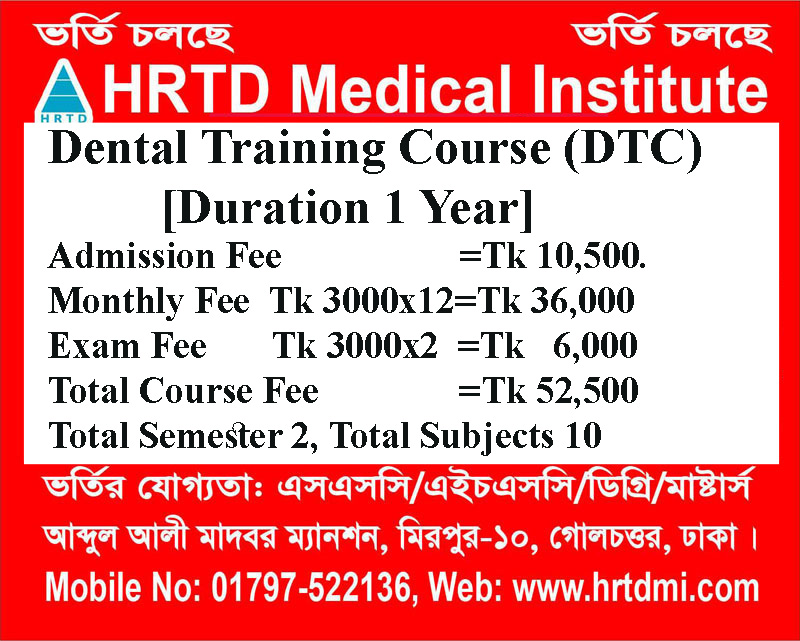
Short Course of Dental Training Course ( DTC 1 Year): Mobile No. 01941-123488, 01797-522136. Dental Training Course is the shortest duration course in Dental Education & Training. This short course contains 10 subjects in 2 semesters.
1st semester contains 5 subjects which are Human Anatomy & Physiology, Chemistry & Pharmacology, First Aid & Treatment, Hematology & Pathology, and Study of OTC Drugs.
The 2nd Semester contains 5 Subjects which are Anatomy of the Head and Neck, Neuro Anatomy & Physiology, Dental Anatomy & Physiology, Dental Pathology & Dental Caries, and Conservative Dentistry & Dental Surgery.
Dental Training Course Fee:
The total Course Fee for 1 Year Dental Training Course is Tk 52,500 including the Admission fee of Tk 10,500, Monthly fee of Tk 3000×12=Tk 36000, and Exam fee of Tk 3000×2=Tk 6000.
Long Course of Dental Profile Details:
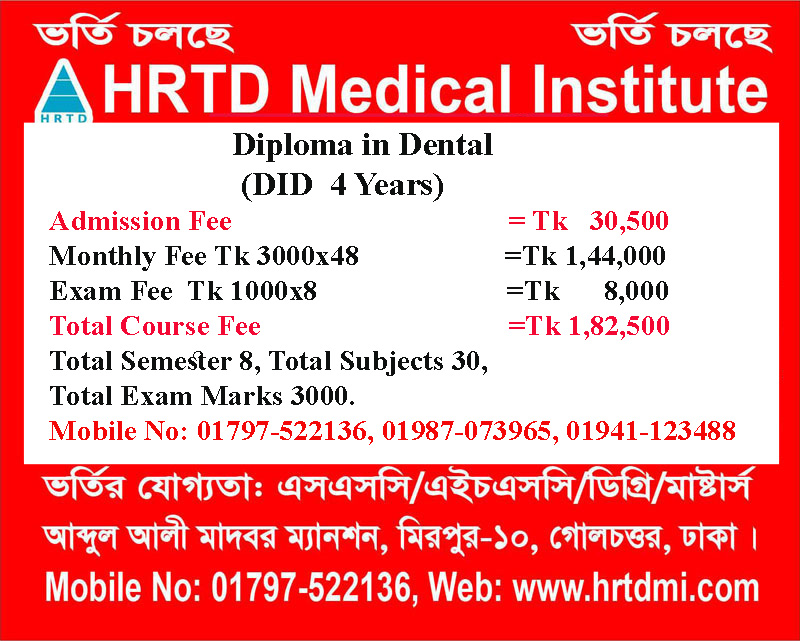
Long Course of Diploma in Dental ( DID-4 Years): Mobile No. 01941-123488, 01797-522136. A diploma in Dental is a long diploma in Dental Education & Training. This long diploma in the dental course contains 30 subjects in 8 semesters.
The 1st semester contains 5 subjects which are Human Anatomy & Physiology, Chemistry & Pharmacology, First Aid & Treatment, Hematology & Pathology, and Study of OTC Drugs.
The 2nd Semester contains 5 Subjects which are Anatomy of the Head and Neck, Neuro Anatomy & Physiology, Dental Anatomy & Physiology, Dental Pathology & Dental Caries, and Conservative Dentistry & Dental Surgery.
Short and Long Course of Dental total cost:
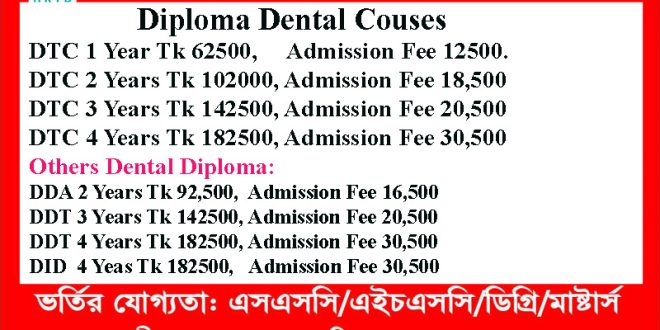
- Dental Course 1 Year : 52,500/-
- Dental Course 2 years : 92,500/-
- Dental Course 3 years : 1,42,500/-
- Dental Course 4 years : 1,82,500/-
Which dental course is best?
Dental courses can vary depending on the individual’s needs and preferences. The best dental course for one person may not be the best for another. If you want to complete any Short and Long Course of Dental, Please, contact with us.
When choosing a dental course, it is important to consider the length of the program, the cost, the type of training provided, the reputation of the school, and the availability of financial aid.
Additionally, it is important to research the career options available after completing the program to ensure that the course meets the individual’s goals. There is no single “best” dental course, but individuals should carefully consider their individual needs and preferences to determine which program is the best fit.
If you want to complete any Short and Long Course of Dental, Please, contact with us.
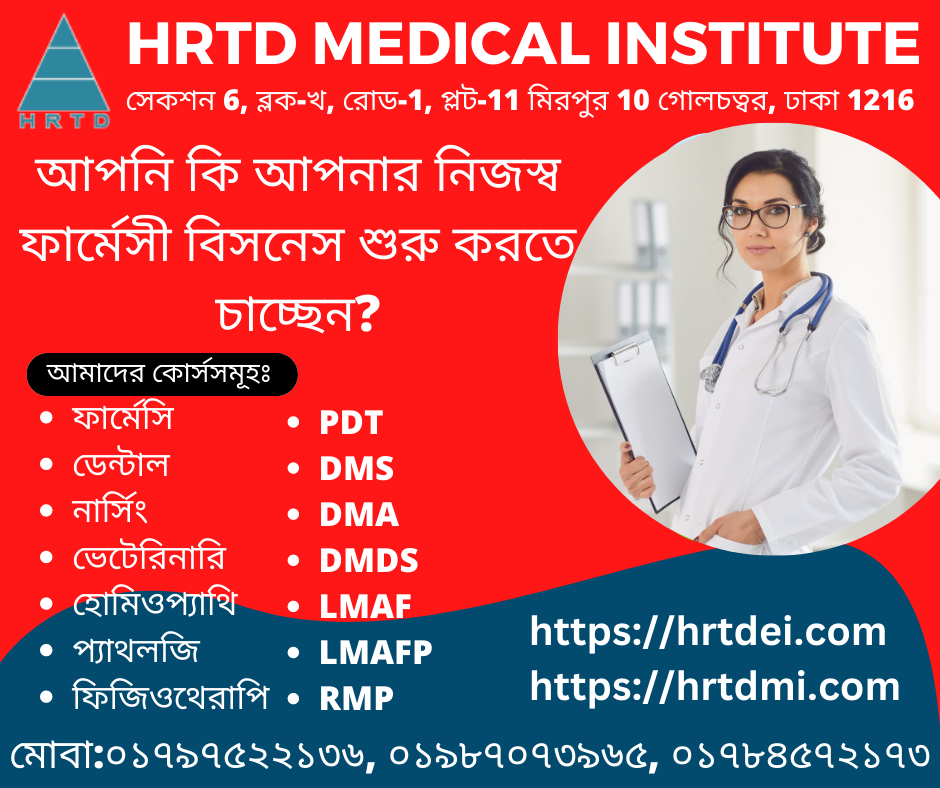
Contact Address: Section 6, Block-B, Road-1, Plot-11, Metrorail-Pillar-249, Abdul Ali Matbar Mansion, Phalpatti Mosque Street, Mirpur-10, Golchatwar, Dhaka-1216,
Mobile: 01797522136, 01987073965, 01784572173
Location of Dental Training Center in Dhaka, Bangladesh
Location of Dental Training Center. Mobile No. 01987-073965, 01797-522136. HRTD Medical Institute, Abdul Ali Madbor Mansion, Section-6, Block-Kha, Road-1, Plot-11, Mirpur-10 Golchattar, Metro Rail Piller No. 249, Dhaka-1216.
We provide online and offline courses. Online and offline courses include Pharmacy, Dental, Nursing, PDT, Homeopathy, Pathology, Physiotherapy, Veterinary, Paramedical, Caregiver, EMA, Rural Doctor and many more.
The dental course is an important part of healthcare in Bangladesh and is an essential part of the overall health care system. It is an important specialization in the field of medicine, which helps in maintaining the health of teeth, gums, and other parts of the mouth. Dental courses in Bangladesh are offered at both the undergraduate and postgraduate levels. If you want to complete any Short and Long Course of Dental, Please, contact with us.
The dental course is important because it enables students to gain the necessary skills and knowledge to diagnose, treat and prevent dental diseases. Moreover, the course teaches students the appropriate techniques to use while performing dental procedures. In addition, dental courses also provide an opportunity for students to develop communication and problem-solving skills, which are essential for working in the dental profession. If you want to complete any Short and Long Course of Dental, Please, contact with us.
In conclusion, dental courses in Bangladesh are important for both undergraduate and postgraduate students. The courses provide students with the necessary skills and knowledge to become successful dentists, as well as the opportunity to develop communication and problem-solving skills. If you want to complete any Short and Long Course of Dental, Please, contact with us.
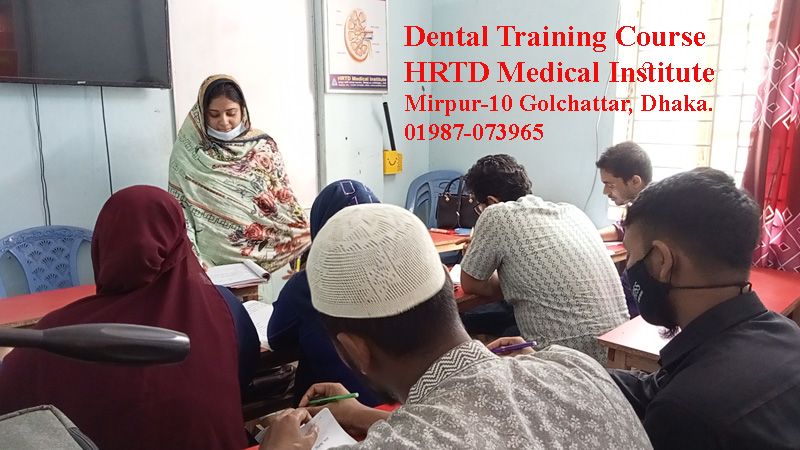
Teachers for Dental Short & Long Course
Dr. Sanjana Bite Ahmed, BDS, MPH
Dr. Sakulur Rahman, MBBS, CCD (BIRDEM)
Dr. Nurunnahar Keya, BDS,
Dr. Nazmun Nahar Juthi, BDS, PGT
Dr. Kamrunnahar Keya, BDS, PGT
Dr. Suhana, MBBS, PGT
Dr. Layla, MBBS, PGT
Dr. Lamia, MBBS
Dr. Disha, MBBS, FCPS (FP)
Dr. Afrin, MBBS, PGT
Dr. Tisha, MBBS, PGT
Dr. Danial Haque, MBBS, CCD
Dr. Turzo, MBBS, FCPS (FP)
Dr. Benzir, MBBS, FCPS (FP)
Dr. Trisha, MBBS, PGT
Dr. Farhana, MBBS, PGT
Dr. Jannatul Aman, MBBS, PGT
Dr. Mahinul Islam, MBBS
Dr. Amena Afroze Anu, MBBS, PGT
What is Dental Scaling?
Dental scaling is dental cleaning by a caller dental machine. This is routinely performed to help patients with gum disease and excessive plaque buildup. While a standard cleaning will address the surface of the tooth, scaling goes much deeper. If your dentist suggests dental scaling and root planing for your teeth, you should do this otherwise your teeth may be damaged day after day.
ডেন্টাল স্কেলিং কী?
ডেন্টাল স্কেলিং হল একটি কলার ডেন্টাল মেশিন দ্বারা দাঁত পরিষ্কার করা। মাড়ির রোগ এবং অতিরিক্ত প্লাক জমা রোগীদের সাহায্য করার জন্য এটি নিয়মিতভাবে করা হয়। যদিও একটি স্ট্যান্ডার্ড পরিষ্কার দাঁতের পৃষ্ঠকে মোকাবেলা করবে, স্কেলিং আরও গভীরে যায়। যদি আপনার দাঁতের ডাক্তার আপনার দাঁতের জন্য ডেন্টাল স্কেলিং এবং রুট প্ল্যানিংয়ের পরামর্শ দেন, তাহলে আপনার এটি করা উচিত অন্যথায় আপনার দাঁত দিনের পর দিন ক্ষতিগ্রস্ত হতে পারে।
What is Dental Filling?
A dental filling is the fill-up of a small dental hole or cavity. To repair a cavity, a dentist removes the decayed tooth tissue and then fills the space with a filling material. The filling materials are of various types. Some are long-lasting and some are shot-lasting.
ডেন্টাল ফিলিং কী?
ডেন্টাল ফিলিং হল দাঁতের একটি ছোট গর্ত বা গর্ত পূরণ করা। গর্ত মেরামত করার জন্য, একজন দন্তচিকিৎসক ক্ষয়প্রাপ্ত দাঁতের টিস্যু অপসারণ করেন এবং তারপর একটি ফিলিং উপাদান দিয়ে স্থানটি পূরণ করেন। ফিলিং উপকরণ বিভিন্ন ধরণের হয়। কিছু দীর্ঘস্থায়ী এবং কিছু শট-লাস্টিং।
Causes of dental filling
When decay-causing bacteria come into contact with sugars and starches from foods and drinks, they form an acid. This acid can attack the tooth’s surface (enamel), causing it to lose minerals.
When a tooth is repeatedly exposed to acid, such as when you frequently consume food or drink high in sugar and starches, the enamel continues to lose minerals. A white spot may appear where minerals have been lost. This is a sign of early decay.
Tooth decay can be stopped or reversed at this point. Enamel can repair itself by using minerals from saliva and fluoride from toothpaste or through the application of fluoride by a dentist or dental hygienist. If more minerals are lost than can be restored, the enamel weakens and eventually breaks down, forming a cavity.
More severe decay can cause a large hole or even destruction of the entire tooth. If tooth decay is not treated, it can cause pain, infection, and even tooth loss. So dental filling treatment is very essential for a cavity patient.
দাঁত ভরাটের কারণ
যখন ক্ষয়কারী ব্যাকটেরিয়া খাবার এবং পানীয় থেকে পাওয়া চিনি এবং স্টার্চের সংস্পর্শে আসে, তখন তারা একটি অ্যাসিড তৈরি করে। এই অ্যাসিড দাঁতের পৃষ্ঠ (এনামেল) আক্রমণ করতে পারে, যার ফলে এটি খনিজ পদার্থ হারাতে পারে।
যখন দাঁত বারবার অ্যাসিডের সংস্পর্শে আসে, যেমন যখন আপনি ঘন ঘন চিনি এবং স্টার্চযুক্ত খাবার বা পানীয় গ্রহণ করেন, তখন এনামেল খনিজ পদার্থ হারাতে থাকে। খনিজ পদার্থ হারিয়ে যাওয়ার জায়গায় একটি সাদা দাগ দেখা দিতে পারে। এটি প্রাথমিক ক্ষয়ের লক্ষণ।
এই সময়ে দাঁত ক্ষয় বন্ধ করা যেতে পারে বা বিপরীত করা যেতে পারে। লালা থেকে খনিজ পদার্থ এবং টুথপেস্ট থেকে ফ্লোরাইড ব্যবহার করে অথবা দাঁতের ডাক্তার বা ডেন্টাল হাইজিনিস্ট দ্বারা ফ্লোরাইড প্রয়োগের মাধ্যমে এনামেল নিজেকে মেরামত করতে পারে। যদি পুনরুদ্ধার করা সম্ভবের চেয়ে বেশি খনিজ পদার্থ নষ্ট হয়ে যায়, তাহলে এনামেল দুর্বল হয়ে যায় এবং অবশেষে ভেঙে যায়, যার ফলে একটি গর্ত তৈরি হয়।
আরও তীব্র ক্ষয় একটি বড় গর্ত বা এমনকি পুরো দাঁত ধ্বংস করতে পারে। যদি দাঁত ক্ষয়ের চিকিৎসা না করা হয়, তাহলে এটি ব্যথা, সংক্রমণ এবং এমনকি দাঁতের ক্ষতির কারণ হতে পারে। তাই ক্যাভিটি রোগীর জন্য ডেন্টাল ফিলিং চিকিৎসা অত্যন্ত প্রয়োজনীয়।
What are the 5 dental problems?
Dentistry is one of the oldest fields of medicine, and it is vitally important to our overall health and well-being. That said, it is also one of the most commonly neglected aspects of health care, with many people failing to receive regular dental checkups and cleanings.
Unfortunately, this opens the door to a wide range of dental problems, all of which can have serious consequences if left untreated. Here are five of the most common dental problems:
1. Tooth Decay: Tooth decay is one of the most common dental problems and is caused by a buildup of plaque and bacteria on the teeth. Over time, this buildup can lead to cavities and tooth decay, which can cause serious pain and discomfort.
১. দাঁত ক্ষয়: দাঁতের ক্ষয় হল সবচেয়ে সাধারণ দাঁতের সমস্যাগুলির মধ্যে একটি এবং এটি দাঁতে প্লাক এবং ব্যাকটেরিয়া জমা হওয়ার কারণে হয়। সময়ের সাথে সাথে, এই জমা হওয়ার ফলে গর্ত এবং দাঁতের ক্ষয় হতে পারে, যা গুরুতর ব্যথা এবং অস্বস্তির কারণ হতে পারে।
2. Gum Disease: Gum disease is caused by bacteria and plaque that accumulates at the gum line. If left untreated, it can lead to gum recession, tooth loss, and even bone loss.
২. মাড়ির রোগ: মাড়ির রোগ ব্যাকটেরিয়া এবং প্লাকের কারণে হয় যা মাড়ির রেখায় জমা হয়। যদি চিকিৎসা না করা হয়, তাহলে মাড়ির পতন, দাঁতের ক্ষয়, এমনকি হাড়ের ক্ষয়ও হতে পারে।
3. Tooth Sensitivity: Tooth sensitivity is caused by a thinning of the enamel, which is the outer layer of the tooth. This can lead to pain when consuming hot or cold foods and drinks.
৩. দাঁতের সংবেদনশীলতা: দাঁতের বাইরের স্তর, এনামেল পাতলা হয়ে যাওয়ার কারণে দাঁতের সংবেদনশীলতা দেখা দেয়। গরম বা ঠান্ডা খাবার এবং পানীয় গ্রহণ করলে ব্যথা হতে পারে।
4. Tooth Abrasion: Tooth abrasion is caused by improper brushing techniques and can lead to the erosion of the enamel. Over time, this can cause the teeth to become more sensitive and can even lead to tooth loss.
৪. দাঁত ঘর্ষণ: দাঁত ঘর্ষণ ভুল ব্রাশ করার কৌশলের কারণে হয় এবং এর ফলে এনামেল ক্ষয় হতে পারে। সময়ের সাথে সাথে, এর ফলে দাঁত আরও সংবেদনশীল হয়ে উঠতে পারে এবং এমনকি দাঁতের ক্ষতিও হতে পারে।
5. Malocclusion: Malocclusion is the misalignment of the teeth, either due to genetics or other factors. This can lead to difficulty speaking and eating, as well as a higher risk of tooth decay and gum disease.
These five dental problems are just some of the many that can occur if proper oral hygiene is not maintained. Regular visits to the dentist for checkups and cleanings can help to prevent and address these issues and is essential for maintaining a healthy smile.
Dental Anatomy for Best short & Long Course of Dental Dhaka
Dental Anatomy is the branch of anatomy that focuses on the structure and development of the teeth, as well as their relationship to the surrounding tissues and the mouth as a whole. It is a fundamental subject in dentistry and dental technology, as it helps professionals understand how teeth function, how to diagnose dental conditions, and how to design restorations like dentures, crowns, and bridges.
ডেন্টাল অ্যানাটমি হল অ্যানাটমির একটি শাখা যা দাঁতের গঠন এবং বিকাশের উপর দৃষ্টি নিবদ্ধ করে, সেইসাথে পার্শ্ববর্তী টিস্যু এবং সামগ্রিকভাবে মুখের সাথে তাদের সম্পর্কের উপর দৃষ্টি নিবদ্ধ করে। এটি দন্তচিকিৎসা এবং দন্ত প্রযুক্তিতে একটি মৌলিক বিষয়, কারণ এটি পেশাদারদের দাঁত কীভাবে কাজ করে, কীভাবে দাঁতের অবস্থা নির্ণয় করতে হয় এবং ডেনচার, ক্রাউন এবং ব্রিজের মতো পুনরুদ্ধার কীভাবে ডিজাইন করতে হয় তা বুঝতে সাহায্য করে
There are four main types of human teeth, and each type has a specific shape and function:
1. Incisors
Number: 8 (4 in upper jaw, 4 in lower jaw)
Location: Front of the mouth
Function: Cutting and slicing food
Shape: Sharp, thin edges
2. Canines
Number: 4 (2 in upper jaw, 2 in lower jaw)
Location: Beside the incisors
Function: Tearing and holding food
Shape: Pointed and sharp
3. Premolars
Number: 8 (4 in upper jaw, 4 in lower jaw)
Location: Between canines and molars
Function: Crushing and grinding food
Shape: Flat surface with ridges
4. Molars
Number: 12 (including 4 third molars or wisdom teeth)
Location: At the back of the mouth
Function: Grinding and chewing food
Shape: Broad, flat surface
দন্তের ৪টি প্রধান প্রকারভেদ (Types of Teeth in Bangla):
| দন্তের ধরন | সংখ্যা | অবস্থান | কাজ | আকৃতি |
|---|---|---|---|---|
| Incisors (ইনসাইজার) | ৮টি | সামনের দিকে (সামনে ৪টা, নিচে ৪টা) | কাটা ও ছেঁড়া (Cutting) | পাতলা ও ধারালো প্রান্ত |
| Canines (কেনাইন) | ৪টি | ইনসাইজারের পাশে | ছেঁড়া ও ধরা (Tearing) | একদম ধারালো ও ঠোকরানো আকৃতি |
| Premolars (প্রীমোলার) | ৮টি | কেনাইনের পাশে | চূর্ণ ও দলা পাকানো (Crushing & Grinding) | চ্যাপ্টা, ২টি খাঁজ থাকে |
| Molars (মোলার) | ১২টি | একদম পেছনে | পেষা ও চিবানো (Chewing) | বড়, চওড়া এবং অনেক খাঁজবিশিষ্ট |
Dental Physiology for Best short & Long Course of Dental Dhaka
Dental Physiology is the study of how the teeth and oral structures function in the human body. It focuses on the biological and functional roles of teeth, supporting tissues, and how they interact with the entire oral system during actions like chewing, speaking, and swallowing.
ডেন্টাল ফিজিওলজি হলো মানবদেহে দাঁত এবং মুখের গঠন কীভাবে কাজ করে তার অধ্যয়ন। এটি দাঁতের জৈবিক এবং কার্যকরী ভূমিকা, সহায়ক টিস্যু এবং চিবানো, কথা বলা এবং গিলে ফেলার মতো ক্রিয়াগুলির সময় তারা কীভাবে সমগ্র মৌখিক সিস্টেমের সাথে যোগাযোগ করে তার উপর আলোকপাত করে।/
Dental Head and Neck Anatomy for Best short & Long Course of Dental Dhaka
Dental Head & Neck Anatomy is the study of the bones, muscles, blood vessels, nerves, glands, and other structures of the head and neck that are essential for dental functions. This knowledge is crucial for dentists, dental surgeons, and dental technologists to perform safe and effective treatments.
ডেন্টাল হেড অ্যান্ড নেক অ্যানাটমি হল মাথা ও ঘাড়ের হাড়, পেশী, রক্তনালী, স্নায়ু, গ্রন্থি এবং অন্যান্য কাঠামোর অধ্যয়ন যা দাঁতের কার্যকারিতার জন্য অপরিহার্য। নিরাপদ এবং কার্যকর চিকিৎসা সম্পাদনের জন্য দন্ত চিকিৎসক, ডেন্টাল সার্জন এবং ডেন্টাল টেকনোলজিস্টদের জন্য এই জ্ঞান অত্যন্ত গুরুত্বপূর্ণ।
Maxilla (Upper Jaw Bone)
Maxilla হলো মুখের উপরের দিকের প্রধান হাড় যা দাঁতের উপরের সারিকে ধারণ করে এবং মুখের অনেক গুরুত্বপূর্ণ কাঠামোর সাথে সম্পর্কিত। এটি মুখ, নাক এবং চোখের গঠনে গুরুত্বপূর্ণ ভূমিকা পালন করে।
স্থান (Location):
- মুখের উপরের অংশে, নাকের দুই পাশে অবস্থিত
- উপরের দাঁত (upper teeth) এই হাড়ে স্থাপন থাকে
- এটি ডান ও বাম দুইটি ভাগে বিভক্ত যা মাঝখানে জোড়া লেগে থাকে
Mandible (ম্যান্ডিবল) – নিচের চোয়ালের হাড়
Mandible হলো মানুষের মুখমণ্ডলের সবচেয়ে বড় ও শক্তিশালী হাড়, যা নিচের চোয়াল গঠন করে এবং নিচের দাঁত বহন করে। এটি একমাত্র মুখের হাড় যা চলমান এবং চোয়ালের ওঠানামা বা চিবানোর জন্য অত্যন্ত গুরুত্বপূর্ণ।
Nasal Bone (নাসাল হাড়) – নাকের হাড়
Nasal bone হলো দুইটি ছোট ও পাতলা হাড় যা একসাথে মানুষের নাকের ব্রিজ (bridge of the nose) গঠন করে। এই হাড় দুটি মুখমণ্ডলের সামনের দিকে, নাকের উপরের অংশে অবস্থিত।
Frontal Bone (ফ্রন্টাল হাড়) – কপালের হাড়
Frontal bone হলো মানুষের কপালের সামনে অবস্থিত একটি বড় এবং একক হাড়। এটি মাথার সামনের অংশ (forehead), চোখের খোপ (eye sockets) এর ওপরের অংশ এবং নাকের উপরের দিক গঠন করে। এটি মাথার খুলি বা cranial vault-এর একটি গুরুত্বপূর্ণ অংশ।
অবস্থান (Location):
- মাথার সামনের অংশে
- কপাল, চোখের ওপরের অংশ এবং কিছু অংশে নাকের গঠন তৈরি করে
Temporal Bone (টেম্পোরাল হাড়) – কানের পাশে অবস্থিত মাথার হাড়
Temporal bone হলো মানুষের মাথার দুই পাশে (কানের চারপাশে) অবস্থিত একটি জোড়া হাড়। এটি মস্তিষ্কের নিচের পাশে, কানের কাঠামো, এবং চোয়ালের সন্ধি (TMJ) গঠনে গুরুত্বপূর্ণ ভূমিকা পালন করে।
অবস্থান (Location):
- মাথার দুই পাশে, কানের চারপাশে
- Parietal bone এবং Occipital bone এর সাথে সংযুক্ত
Dental Filling (দাঁতের ফিলিং) – দাঁতের ক্ষতিগ্রস্ত অংশ পূরণ করার প্রক্রিয়া
Dental filling হলো একটি ডেন্টাল চিকিৎসা পদ্ধতি, যার মাধ্যমে দাঁতের ক্ষতিগ্রস্ত বা ক্ষয়প্রাপ্ত অংশে বিশেষ ধরণের পদার্থ ব্যবহার করে সেই ফাঁকা জায়গা পূরণ করা হয়। এটি দাঁতের সংরক্ষণে এবং ব্যথা প্রতিরোধে সাহায্য করে।
কেন ফিলিং করতে হয়?
| কারণ | ব্যাখ্যা |
|---|
| দাঁতের ক্ষয় (Cavity) | ব্যাকটেরিয়া দাঁতের এনামেল নষ্ট করে ফাঁকা তৈরি করে |
| দাঁতে ফাটল | দুর্ঘটনা বা চিবানোর কারণে |
| পুরনো ফিলিং নষ্ট হওয়া | আগের ফিলিং খুলে গেলে বা লিক করলে |
| দাঁতের সৌন্দর্য ও গঠন রক্ষা | দৃষ্টিনন্দন ও কার্যক্ষম করে তোলে |
ফিলিং এর ধরণ (Types of Dental Fillings):
| ফিলিং | বৈশিষ্ট্য | সুবিধা | অসুবিধা |
|---|---|---|---|
| Amalgam (সিলভার) | ধাতব মিশ্রণ | টেকসই, সস্তা | রঙ গাঢ়, দৃশ্যমান |
| Composite Resin | দাঁতের রঙের মিশ্রণ | দৃষ্টিনন্দন, রঙ মেলে | সময়সাপেক্ষ, টেকসই কম |
| Glass Ionomer (GIC) | Fluoride release করে | শিশুদের জন্য ভালো | টেকসই কম |
| Gold Filling | বিশুদ্ধ সোনার তৈরি | খুব টেকসই | খুব ব্যয়বহুল |
| Ceramic / Porcelain | দাঁতের রঙে মেলে | টেকসই ও দৃষ্টিনন্দন | ব্যয় বেশি |
ফিলিং-এর পর কীভাবে যত্ন নেবেন:
- ফিলিং-এর পর প্রথম ১-২ ঘন্টা কিছু চিবাবেন না
- গরম-ঠান্ডা খাবারে সংবেদনশীলতা থাকলে ডাক্তারকে জানাবেন
- দাঁত নিয়মিত ব্রাশ ও ফ্লস করুন
- ৬ মাস পরপর ডেন্টাল চেকআপ করুন
Dental Neuroanatomy (ডেন্টাল নিউরো অ্যানাটমি)
Dental Neuroanatomy হলো মুখ, দাঁত, চোয়াল ও আশেপাশের অঞ্চলের নার্ভ সিস্টেমের গঠন ও কাজ নিয়ে অধ্যয়ন। এটি বিশেষভাবে দাঁতের সংবেদন, ব্যথা, স্পর্শ এবং মোটর কন্ট্রোল বোঝার জন্য গুরুত্বপূর্ণ।
কেন ডেন্টাল নিউরো অ্যানাটমি গুরুত্বপূর্ণ?
| কারণ | ব্যাখ্যা |
|---|---|
| দাঁতের ব্যথা বোঝা | কোন নার্ভ থেকে ব্যথা হচ্ছে তা নির্ধারণে সাহায্য করে |
| লোকাল অ্যানেস্থেশিয়া | কোন নার্ভ ব্লক করতে হবে তা বুঝতে |
| দাঁতের চিকিৎসা নিরাপদভাবে করা | নার্ভ ড্যামেজ এড়াতে |
| TMJ ও মুখের ব্যথার চিকিৎসা | মুখের মাংসপেশি ও নার্ভের সংযোগ বোঝা |