 HRTD Medical Institute

Diploma in Medicine and Surgery Courses Details:
DMS Course 1 Year:
Diploma in Medicine and Surgery ( DMS 1 Year). Mobile Phone 01797522136, 01987073965. This course contains 10 subjects. The subjects are Human Anatomy & Physiology, Pharmacology-1, Practice of Medicine, Hematology, Pathology, Microbiology, Surgery, etc. The total course fee for this one-year course is Tk 52500 only. Payment system: Admission fee Tk 10500, Monthly fee Tk 3000, and exam fee.
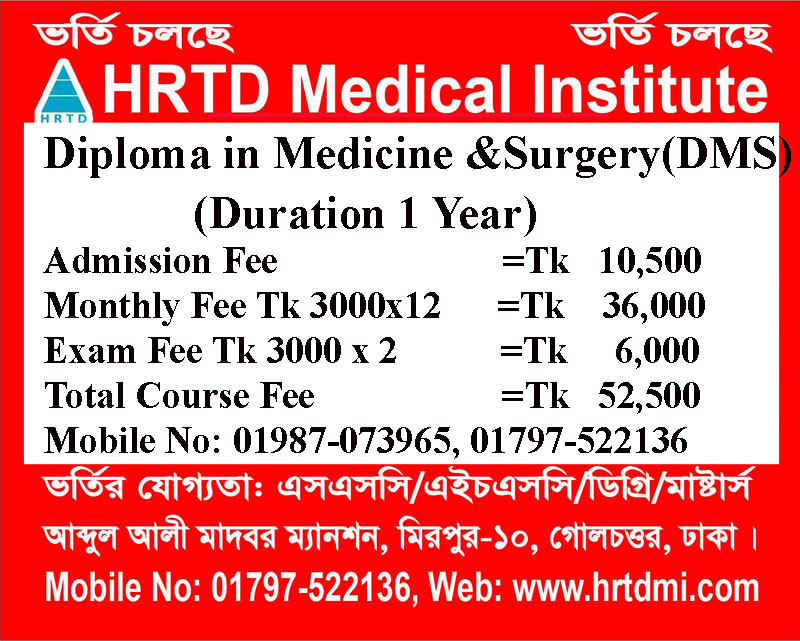
This Diploma in Medicine and Surgery course is divided into two semesters. The first semester contains 5 subjects and the second semester contains 5 subjects.
DMS Course 2 Years:
Diploma in Medicine and Surgery ( DMS 2 Year). DMS Course 2 Years course contains 18 subjects. The subjects are Human Anatomy & Physiology, Pharmacology-1, Practice of Medicine, Hematology, Pathology, Microbiology, Surgery, etc. The total course fee for this one-year course is Tk 92500 only. Payment system: Admission fee Tk 16500, Monthly fee Tk 3000, and exam fee.
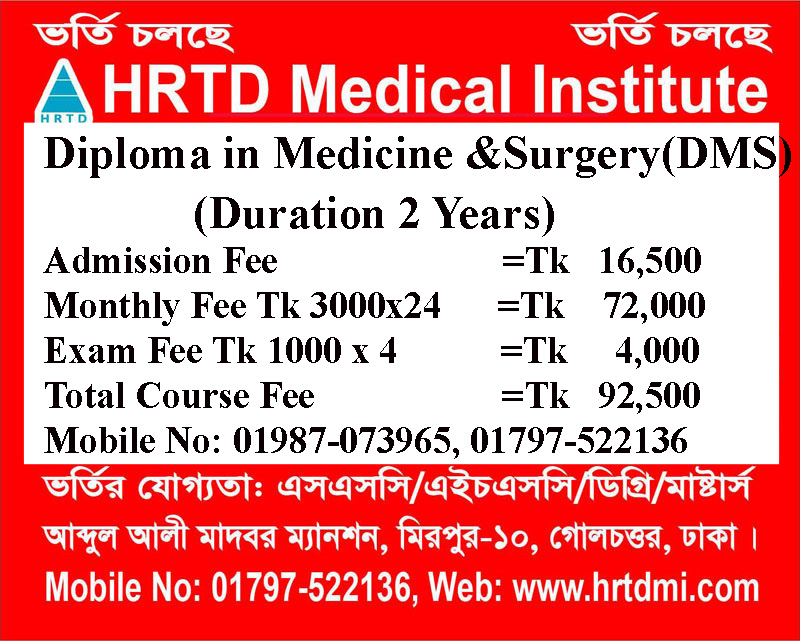
This course is divided into two semesters. The first semester contains 5 subjects and the second semester contains 5 subjects. The third semester contains 4 subjects and 4th semester contains 4 subjects.
DMS Course 3 Years:
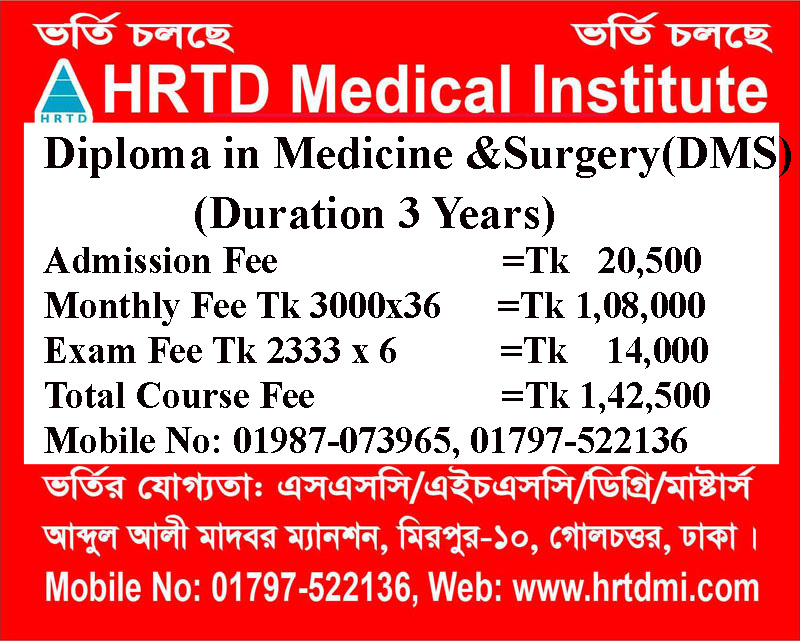
Diploma in Medicine and Surgery ( DMS 3 Year). This course contains 24 subjects. The subjects are Human Anatomy & Physiology, Pharmacology-1, Practice of Medicine, Hematology, Pathology, Microbiology, Surgery, etc. The total course fee for this one-year course is Tk 142500 only. Payment system: Admission fee Tk 20500, Monthly fee Tk 3000, and exam fee.
This course is divided into two semesters. The first semester contains 5 subjects and the second semester contains 5 subjects. The third semester contains 4 subjects and 4th semester contains 4 subjects. The 5th semester contains 3 subjects and the 6th semester contains 3 subjects.
DMS Course 4 Years:
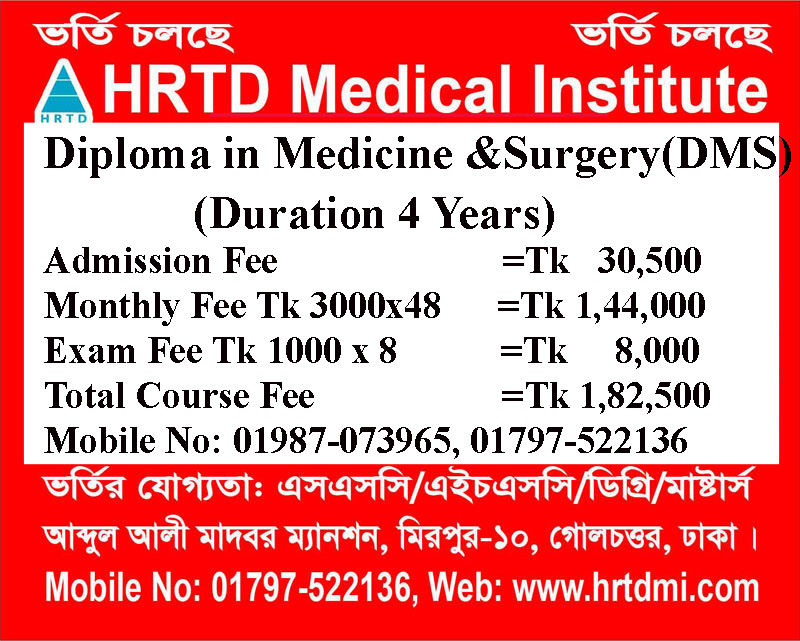
Diploma in Medicine and Surgery ( DMS 4 Year). This course contains 30 subjects. The subjects are Human Anatomy & Physiology, Pharmacology-1, Practice of Medicine, Hematology, Pathology, Microbiology, Surgery, etc. The total course fee for this one-year course is Tk 182500 only. Payment system: Admission fee Tk 30500, Monthly fee Tk 3000, and exam fee.
This course is divided into two semesters. The first semester contains 5 subjects and the second semester contains 5 subjects. The third semester contains 4 subjects and 4th semester contains 4 subjects. The 5th semester contains 3 subjects and the 6th semester contains 3 subjects. The 7th semester contains 3 subjects and the 8th semester contains 3 subjects.
Location for DMS Course in Dhaka
DMS Course Location: Diploma in Medicine and Surgery that is DMS 1 Year, DMS 2 Years, and DMS 3 Years are available in HRTD Medical Institute, Section-6, Block-Kha, Road-1, Plot-11, Metro Rail Piller No. 249, Mirpur-10 Roundabout, Dhaka.
Some Subject for DMS Course 4 Years In Bangladesh
DMS Course 4 Years subjects. Mobile No. 01987073965, 01797522136.
- Human Anatomy & Physiology-1
- Pharmacology-1
- Study of OTC Drugs
- First Aid-1 & 2
- Practice of Medicine
- Hematology
- Pathology for Medical Practice
- General Surgery-1
- Cardiovascular Anatomy
- Antimicrobial drugs
- Medical Diagnosis-1 & 2
- Chemistry
- Medical Biochemistry
- Orthopedic Anatomy
- Neuro Anatomy & Physiology
- Pharmacology-2
- Pathology- 1 & 2
- Anatomy & Physiology-2
- Respiratory Disease & Treatment
- Essential drugs & Medicine
- Human Microbiology
- Community Medicine-1&2
- ENT Drugs & Ophthalmic Drugs
- Urology & Hepatology
- Fungal Infections and Treatment
- Medical Diagnosis & Treatment
- Common Respiratory Disease
- Cardiovascular Drug & Disease
- Practice of Neuromedicine
- Abdominal Pain Management
Teachers For DMS Course 4 Years In Bangladesh
- Dr. Md. Sakulur Rahman, MBBS, CCD (BIRDEM), Course Director
- Dr. Sanjana Binte Ahmed, BDS, MPH, Assistant Course Director
- Dr. Tisha, MBBS, PGT Gyne, Assistant Course Director
- Dr. Suhana, MBBS, PGT Medicine
- Dr. Danial Hoque, MBBS, C-Card
- Dr. Tisha, MBBS
- Dr. Afrin Jahan, MBBS, PGT Medicine
- Dr. Ananna, MBBS
- Dr. Lamia Afroze, MBBS
- Dr. Amena Afroze Anu, MBBS, PGT Gyne, Assistant Course Director
- Dr. Farhana Antara, MBBS,
- Dr. Nazmun Nahar Juthi, BDS, PGT
- Dr. Farhana Sharna, MBBS
- Dr. Bushra, MBBS
- Dr. Turzo, MBBS
- Dr. Kamrunnahar Keya, BDS, PGT (Dhaka Dental College)
- Dr. Shamima, MBBS, PGT Gyne
- Dr. Alamin, MBBS
- Dr. Benzir Belal, MBBS
- Dr. Disha, MBBS
- Dr. Mahinul Islam, MBBS
- Dr. Tisha, MBBS, PGT Medicine
- Dr. Anika, MBBS, PGT
- Dr. Jannatul Ferdous, MBBS, PGT Gyne
- Dr. Jannatul Aman, MBBS, PGT
- Dr. Rayhan, BPT
- Dr. Abu Hurayra, BPT
- Dr. Sharmin Ankhi, MBBS, PGT Medicine
- Md. Monir Hossain, B Pharm, M Pharm
- Md. Monirul Islam, B Pharm, M Pharm
- Md. Feroj Ahmed, BSc Pathology, PDT Medicine
Higher Training Course opportunity after completing DMS Course
Higher Training Courses are PDT Courses. Mobile Phone 01797522136, 01987073965.PDT stands for Post Diploma Training. PDT Course in Medicine, PDT Course in Cardiology, PDT Course in Diabetology, PDT Course in Dermatology, PDT Course in Pediatrics, PDT Course in Gastrology, PDT Course in Geriatric Disease, PDT Course in International OTC Drugs, PDT Course in MCH, PDT Course in Gynecology, PDT Course in Orthopedics, PDT Course in Ear, Nose and Throat, PDT Course in Skin and VD, PDT Course in Ophthalmology.
Human Anatomy & Physiology For DMS Course 4 Years In Bangladesh
The Study of the body Structure and its function is Anatomy & Physiology. Here we discuss the systems of the human body and its organ, Tissues, and cells. The systems of the human body are the digestive system, Respiratory system, Cardiovascular system, Skeletal system, Muscular system, nervous system, Endocrine system, Immune System, Integumentary System and Urinary System.
Human Anatomy and Physiology is the study of the body’s structures (anatomy) and their functions (physiology). Anatomy focuses on the physical arrangement of cells, tissues, organs, and systems, while physiology explains how these structures work together to maintain life processes like movement, metabolism, and reproduction. The two are intertwined, as a structure’s form determines its function, and understanding one requires understanding the other.
Anatomy
- Definition:The scientific study of the body’s structures and their physical arrangement.
- Levels of Study:Can be studied at different levels, including:
- Gross Anatomy: The study of structures visible without a microscope, such as organs and organ systems.
- Microscopic Anatomy (Histology): The study of tissues and cells using a microscope.
- Methods of Study:Historically involved dissection, but now also uses advanced imaging techniques like MRI and CT scans to visualize structures in living people.
Physiology
- Definition: The study of how the body’s structures function to sustain life.
- Key Concepts:
- Complementarity of Structure and Function: The shape and form of a body structure are directly related to what it can do.
- Homeostasis: The body’s ability to maintain a stable internal environment, which is essential for survival.
- Examples: Studying how the heart regulates blood flow or how muscles contract and bring bones together.
Major Body Systems
Understanding human anatomy and physiology involves studying the body’s major systems, including:
Musculoskeletal System, Circulatory System, Nervous System, Digestive System, Respiratory System, Integumentary System, Endocrine System, Lymphatic System, Urinary System, and Reproductive System.
Why It’s Important
- Health Professions:It is a fundamental science for careers in medicine and other health fields.
- Personal Health:Knowledge of the human body helps in making informed health decisions and understanding medical information.
Pharmacology-1 for DMS Course 4 Years In Bangladesh
The study of drugs and Medicine is called Pharmacology. Here we discuss group-wise drugs and their medicines in Pharmacology-1. Common Group of Drugs are pain killer drugs, Anti ulcer Drugs, Anti Vomiting Drugs, Laxative Drugs, Motility Drugs, Antimotility Drugs, Bronchodilator Drugs, Antibiotic Drugs. Anti Fungal Drugs, Anti Protozoal Drugs, Anti Viral Drugs, Anthelmintic Drugs, Anti Hypertensive Drugs, Beta Blocker Drugs, Calcium Channel Blocker Drugs, Antipyretic Drugs, Anti Thrombotic Drugs etc.
First Aid for DMS Course 4 Years In Bangladesh
First Aid is an important subject for Medical courses including Diplomas in Medicine & Surgery course. RMP Courses, LMAF Courses, Paramedical Courses, DMA Courses, DMS Courses, Nursing Courses, Dental Courses, Pathology Courses, Physiotherapy Courses, Caregiver courses etc. Here we discuss shock, Classification Shock, causes of Shock, Stages of Shock, Clinicle Features of Shock, Hypovolemic Shock, Cardiogenic Shock, Neurogenic Shock, Traumatic Shock, Burn Shock, Electric Shock, Psychogenic Shock, Anaphylactic Shock, First Aid of Shock, First Aid of cut, First Aid of Snake Bite, First Aid of Accidental Injury etc.
Study of OTC Drugs for DMS Course 4 Years In Bangladesh
OTC Drugs are important for all Medical Assistant Courses, Diploma Medical Courses, LMAF Courses and RMP Courses. It is also important for the Diploma in Medicine & Diploma in Surgery Course. These OTC Drugs can be sold purchases without any prescription From Registered MBBS Doctors. These Drugs are Emergency and safe for the patients. The Study of OTC Drugs improves the quality of practice. Some OTC Drugs are Albendazole, Ascorbic Acid, Calcium, Multivitamins, Vitamin B Complex, Omeprazole, Oral Rehydration Salt, Salbutamol etc.
Practice of Medicine For Paramedical Course 1 Year
Paramedical Course 1 Year for Important topics in the practice of medicine include fundamental sciences like anatomy, physiology, and pathology; core clinical subjects such as internal medicine, surgery, and pediatrics; and practical applications like pharmacology, diagnostic procedures, and patient management. Additionally, crucial areas include public health (sanitation, vaccination), family medicine (addressing a wide range of patient needs), and increasingly, community medicine (epidemiology, health indicators), and interdisciplinary fields like addiction medicine, forensic medicine, and genomic medicine.
Foundational and core topics
- Basic Sciences: Anatomy, physiology, pathology, microbiology
- Clinical Specialties: Internal medicine, surgery, pediatrics, and others that focus on specific body systems
- Pharmacology: Understanding drug mechanisms, uses, and adverse effects
Practical and applied topics
- Diagnostics and treatment: Medical imaging, diagnostic procedures, and treatment modalities
- Patient management: Skills for managing patient care and encounter
- Pain management: Includes both pharmacological and non-pharmacological treatments
Public and community health
- Public Health: Sanitation, vaccination, and lifestyle factors
- Community Medicine: Epidemiology, health indicators, levels of prevention, and the natural history of disease
Specialized and interdisciplinary fields
- Family Medicine: Provides a wide range of services for all ages and genders
- Addiction Medicine: Addresses the physical, psychological, and social aspects of substance misuse
- Forensic Medicine: Deals with medical questions in a legal context
- Genomic Medicine: Uses an individual’s genomic information to guide healthcare decisions
- Disaster Medicine: Deals with emergency preparedness and disaster management
Pathology For DMS Course 4 Years In Bangladesh
Important topics in pathology include General Pathology (cell injury, inflammation, neoplasia) and Systemic Pathology, which covers diseases of specific organ systems like the Cardiovascular, Respiratory, Renal, and Gastrointestinal systems. Other key areas are Hematology, Immunopathology, and Genetics.
General pathology
- Cell Injury and Adaptation: Reversible and irreversible cell injury, mechanisms like free radical injury, and adaptations such as atrophy, hypertrophy, and hyperplasia.
- Inflammation: Acute and chronic inflammation, the mediators involved, and processes like wound healing.
- Hemodynamic Disorders: Edema, hyperemia, thrombosis, embolism, infarction, and shock.
- Neoplasia: Classification of tumors, carcinogenesis, diagnosis, and tumor markers.
- Genetic Disorders: Mendelian and chromosomal disorders, diagnosis, and their role in disease.
Systemic pathology
- Cardiovascular System: Ischemic heart disease, hypertension, and vasculitis.
- Respiratory System: Lung diseases, including cancers and cystic lesions.
- Gastrointestinal System: Pathology of the esophagus, liver, biliary system, and pancreas.
- Renal and Urinary System: Glomerular and tubular diseases, and renal tumors.
- Endocrine System: Pathology of the thyroid, adrenal, and other endocrine glands.
- Central Nervous System: Infections and tumors of the brain.
Other key areas
- Hematology: Disorders of blood cells like anemias, leukemias, and lymphomas, as well as coagulation disorders and bleeding diseases.
- Immunopathology: Hypersensitivity reactions, autoimmune diseases, immunodeficiency disorders, and transplant immunology.
- Infectious Disease: Common pathogens and their mechanisms of disease, with a focus on bacterial, viral, and fungal infections.
- Histopathology and Clinical Pathology: The study of tissues and the interpretation of clinical laboratory results.
Hematology For DMS Course 4 Years In Bangladesh
Important hematology topics include anemias, bleeding and clotting disorders (like hemophilia), malignancies (leukemia, lymphoma, myeloma), blood transfusions, and bone marrow and stem cell transplantation. Other key subjects are blood composition, plasma proteins, and the basics of hematopoiesis and hemostasis.
Blood cell and hemoglobin disorders
- Anemia (types: iron-deficiency, megaloblastic, aplastic, hemolytic)
- Sickle cell disease
- Thalassemia
- Glucose-6-phosphate dehydrogenase deficiency (G6PD)
- Polycythemia vera
Bleeding and clotting disorders
- Hemophilia (A and B)
- Von Willebrand’s disease
- Idiopathic thrombocytopenic purpura (ITP)
- Thrombotic thrombocytopenic purpura (TTP) and Hemolytic Uremic Syndrome (HUS)
- Disseminated Intravascular Coagulation (DIC)
Blood cancers and malignancies
- Leukemia (acute and chronic, myelogenous and lymphocytic)
- Lymphoma
- Multiple myeloma
- Myelodysplastic syndromes (MDS)
Transfusion and transplantation
- Blood transfusion medicine and reactions
- Bone marrow transplantation
- Stem cell transplantation
Foundational and other topics
- Blood composition, including plasma proteins
- Erythropoiesis and blood cell formation
- Hemostasis and coagulation
- Red blood cell indices and labs
- Complete blood count (CBC) and peripheral blood smear analysis
- Bone marrow aspiration and biopsy
Cardiovascular Anatomy For DMS Course 4 Years In Bangladesh
The main topics of the practice of medicine include foundational sciences, patient care, and specific medical fields. Foundational topics cover the molecular and cellular basis of medicine, the structure and function of the human body, and how diseases develop. Patient care includes diagnosis, treatment, patient safety, ethical considerations, and communication skills. Specific medical fields span areas like internal medicine, surgery, pediatrics, psychiatry, and preventive medicine.
Foundational topics
- Molecular and cellular basis: Building blocks of cells, genetics, gene expression, population genetics, and drug-receptor interactions.
- Structure and function of the body: Cell and tissue types, histology, embryology, and the anatomy of body systems.
- Mechanisms of disease: Pathogenesis of infectious diseases, inflammation, immunity, and common disease themes like cancer and atherosclerosis.
- Pharmacology: How drugs work, pharmacokinetics, pharmacodynamics, and drug-drug interactions.
Patient care and practice management
- Diagnosis and testing: Interpreting diagnostic tests, evidence-based medicine, and clinical problem-solving.
- Treatment: Applying treatment strategies, pain management, and understanding adverse drug events.
- Patient safety: Improving quality, preventing errors, and risk management.
- Ethics and professionalism: Medical ethics, legal issues, and maintaining a professional attitude.
- Communication and empathy: Establishing rapport with patients, communication skills, and showing empathy.
- Health promotion and prevention: Preventive health care, immunization, and health diversity.
Specific medical fields
- Internal Medicine: Focuses on adult diseases, covering a wide range of conditions like cardiovascular disease, respiratory illness, and geriatrics.
- Surgery: Involves operative techniques for treating injuries and diseases.
- Pediatrics: The health and well-being of children.
- Psychiatry: Diagnosis and treatment of mental disorders.
- Preventive Medicine: Measures taken to prevent disease, rather than just treat it.
- Sports Medicine: Prevention and treatment of injuries related to physical activity.
Antimicrobial Drugs For DMS Course 4 Years In Bangladesh
The most important topics regarding antimicrobial drugs for study and professional practice involve their mechanisms, appropriate use, and the global challenge of resistance.
Core Concepts and Mechanisms
- Selective Toxicity: The fundamental principle that an antimicrobial drug must harm the microbe without significantly harming the host (human, animal, or plant).
- Mechanisms of Action: Understanding how different drug classes work at the cellular level is crucial. Key mechanisms include:
- Inhibition of cell wall synthesis: (e.g., Penicillins, cephalosporins, vancomycin)
- Inhibition of protein synthesis: (e.g., Aminoglycosides, tetracyclines, macrolides)
- Inhibition of nucleic acid (DNA/RNA) synthesis: (e.g., Fluoroquinolones, rifampin)
- Disruption of cell membranes: (e.g., Antifungals, polymyxins)
- Inhibition of metabolic pathways: (e.g., Sulfonamides, trimethoprim)
- Bacteriostatic vs. Bactericidal: Knowing whether a drug inhibits growth (bacteriostatic) or actively kills the microorganism (bactericidal) is important for treating different types of infections and patients (e.g., immunocompromised individuals often require bactericidal drugs).
- Spectrum of Activity: Understanding the range of pathogens a drug is effective against (broad-spectrum vs. narrow-spectrum) and the implications of using each (e.g., broad-spectrum use can disrupt the normal microbiome and lead to superinfections like C. difficile).
Clinical Application
- Rational Drug Selection: Choosing the correct drug involves considering the type of organism, the site of infection (e.g., ability to cross the blood-brain barrier), pharmacokinetics (absorption, distribution, elimination), potential toxicity, and cost.
- Culture and Sensitivity Testing: The importance of obtaining samples (blood, urine, etc.) for lab tests before administering antibiotics to identify the specific pathogen and its vulnerabilities.
- Empiric Therapy: The use of broad-spectrum antibiotics to begin treatment for serious, suspected infections before laboratory results are available, followed by tailoring therapy to a more specific, narrow-spectrum agent once the organism is identified.
- Side Effects and Adverse Effects: Recognizing common side effects (e.g., GI upset) and serious adverse reactions (e.g., allergic reactions, organ toxicities, superinfections).
- Drug Interactions: Awareness of how antimicrobials can interact with other drugs (e.g., penicillins and potassium-sparing diuretics, antacids and antibiotics).
Global Health Concern: Antimicrobial Resistance (AMR)
- Mechanisms of Resistance: The ways microbes develop resistance, including altering the drug target, inactivating the drug with enzymes, decreasing drug entry, or using efflux pumps to remove the drug.
- Drivers of AMR: The major role of the misuse and overuse of antimicrobials in humans, animals, and agriculture in accelerating the development of resistance.
- Antimicrobial Stewardship: Programs and practices that promote the judicious and appropriate use of antimicrobials to preserve their effectiveness and slow the emergence of resistance.
- Prevention Strategies: The critical importance of patient education on completing the full course of prescribed antibiotics, proper hygiene, and the need for new drug development.
Orthopedic Anatomy For DMS Course 4 Years In Bangladesh
Important topics in orthopedic anatomy include the skeletal system (bones, joints, and their articulations), muscles, tendons, ligaments, and nerves. Understanding these structures, their interactions, and common injuries like fractures, dislocations, and soft tissue damage is crucial. Key areas include the upper limb (shoulder, elbow, wrist, hand), lower limb (hip, knee, ankle, foot), and spine.
Key Areas and Specific Topics:
- Skeletal System:
- Bones: Types of bones (long, short, flat, irregular), bone structure (compact and spongy), bone formation (endochondral and intramembranous ossification), and common fractures.
- Joints: Types of joints (fibrous, cartilaginous, synovial), examples of each (e.g., shoulder, hip, knee, elbow, ankle, wrist).
- Spine: Vertebral column structure (vertebrae, intervertebral discs, facet joints), spinal curves, and common spinal conditions.
- Musculoskeletal System:
- Muscles: Muscle origins, insertions, actions, and innervation, particularly focusing on muscles of the limbs and back.
- Tendons and Ligaments: Their roles in joint stability and common injuries (e.g., tendonitis, ligament sprains).
- Nerves: Major nerves in the limbs (e.g., radial, ulnar, median, sciatic, femoral), nerve injuries (e.g., carpal tunnel syndrome, sciatic nerve compression), and their impact on movement and sensation.
- Specific Anatomical Regions:
- Upper Limb: Shoulder joint (rotator cuff, glenohumeral joint), elbow joint, wrist and hand (carpal bones, metacarpals, phalanges, common injuries), and nerve pathways.
- Lower Limb: Hip joint, knee joint (menisci, ligaments), ankle and foot (tarsals, metatarsals, phalanges, arches), and nerve pathways.
- Spine: Cervical, thoracic, and lumbar vertebrae, spinal cord and nerve roots, and common spinal conditions like herniated discs, spinal stenosis, and scoliosis.
- Orthopedic Conditions:
- Fractures: Types of fractures, fracture healing, and complications.
- Dislocations: Types of dislocations and joint instability.
- Soft Tissue Injuries: Sprains, strains, tendonitis, and bursitis.
- Arthritis: Osteoarthritis and rheumatoid arthritis.
- Tumors: Bone tumors (e.g., osteosarcoma, chondrosarcoma) and soft tissue tumors.
Medical Biochemistry For DMS Course 4 Years In Bangladesh
Important topics in Medical Biochemistry include metabolism (carbohydrates, lipids, amino acids, and nucleotides), enzymes, molecular biology (DNA, RNA, gene expression), and the role of vitamins and minerals. Other key areas are bioenergetics, protein structure and function, cell biology, and clinical biochemistry (including liver and kidney function tests).
Here’s a more detailed breakdown:
1. Metabolism:
- Carbohydrate Metabolism:This includes glycolysis, gluconeogenesis, the citric acid cycle, glycogen metabolism, and the pentose phosphate pathway.
- Lipid Metabolism:This covers fatty acid synthesis and breakdown (beta-oxidation), cholesterol metabolism, and the structure and function of lipoproteins.
- Amino Acid Metabolism:This includes amino acid synthesis and degradation, the urea cycle, and the metabolism of specific amino acids like tyrosine and phenylalanine.
- Nucleotide Metabolism:This involves the synthesis and breakdown of purines and pyrimidines.
2. Enzymes:
- Enzyme kinetics (Michaelis-Menten equation, Lineweaver-Burk plot).
- Enzyme regulation (allosteric regulation, covalent modification).
- Examples of enzymes in metabolic pathways.
3. Molecular Biology:
DNA structure and replication, RNA structure and transcription, Protein synthesis (translation), and Gene regulation and the Lac operon.
4. Vitamins and Minerals:
- Water-soluble and fat-soluble vitamins.
- Essential minerals and their roles in the body.
5. Other Important Areas:
- Bioenergetics: The study of energy flow in living organisms.
- Protein Structure and Function: This includes protein folding, domains, and the relationship between structure and function.
- Cell Biology: This includes cell structure, organelles, and membrane transport.
- Clinical Biochemistry: This covers topics like liver and kidney function tests, acid-base balance, and tumor markers.
- Free Radicals and Antioxidants: Oxidative stress and its role in disease.
- Inborn Errors of Metabolism: Lysosomal storage diseases and other metabolic disorders.
6. Specific Topics:
- Glycogen storage diseases.
- Hemoglobin structure and function.
- Hormone action and second messengers.
- Markers enzymes and their significance.
- Clinical disorders related to metabolism (e.g., diabetes).
Medical Biochemistry Of DMS Course 4 Years In Bangladesh
Important topics in medical biochemistry include metabolism, especially carbohydrate (like glycolysis and the citric acid cycle) and lipid metabolism (like fatty acid oxidation and cholesterol synthesis). Other key areas are enzymology, molecular biology (including DNA replication, transcription, and genetic code), and clinical biochemistry, which covers how biochemical principles relate to diseases like diabetes and how tests like liver or kidney function tests are used.
Metabolism
- Carbohydrate Metabolism:
- Glycolysis, gluconeogenesis, and the citric acid cycle
- Glycogen metabolism and its disorders (like Glycogen Storage Diseases)
- Pentose phosphate pathway
- Lipid Metabolism:
- Fatty acid oxidation and ketogenesis
- Cholesterol metabolism
- Lipoproteins and related disorders
- Amino Acid and Protein Metabolism:
- Amino acid classification and metabolism
- The urea cycle
- Protein structure and function
- Protein targeting
Molecular Biology and Genetics
- DNA and RNA:
- DNA replication and repair
- Transcription and post-transcriptional modification
- The genetic code
- Types of RNA
- Regulation:
- Gene regulation and operons (e.g., Lac operon)
- Biotechnology:
- Recombinant DNA technology and PCR
Enzymes and Bioenergetics
- Enzymology:
- Enzyme kinetics (Michaelis-Menten kinetics) and regulation
- Allosteric enzymes
- Biochemical markers and their significance
- Bioenergetics:
- ATP production
- The electron transport chain
- Coenzymes (like NADH and FADH₂)
Clinical and Systemic Biochemistry
- Organ Function and Disorders:
- Liver function tests
- Kidney function tests
- Electrolyte balance and acid-base balance
- Diseases like diabetes, jaundice, and atherosclerosis
- Nutritional Biochemistry:
- Vitamins (especially B vitamins) and their roles
- Minerals and their functions
- Protein-energy malnutrition
Surgery Of DMS Course 4 Years In Bangladesh
Important topics in surgery include specialty areas like cardiac, neuro, and orthopedic surgery, as well as core subjects like trauma, perioperative care, and specific procedures such as cholecystectomy and hernia repair. Other significant topics are breast surgery, vascular and endovascular surgery, and gastrointestinal and colorectal surgery. Patient safety, sepsis, and medical malpractice are also critical considerations.
Specialty areas
- Cardiac and Cardiovascular: Surgery on the heart and major blood vessels.
- Neurosurgery: Procedures involving the central nervous system, brain, and spinal cord.
- Orthopedic surgery: Operations on the musculoskeletal system, including bones, joints, and muscles.
- Thoracic surgery: Surgery on the chest cavity, including the lungs.
- Gastrointestinal surgery: Procedures on the digestive tract and its accessory organs.
- Vascular surgery: Operations on arteries and veins outside the chest.
- Urologic surgery: Procedures on the genitourinary system.
- ENT (Otolaryngology) surgery: Procedures on the ear, nose, and throat.
- Plastic and reconstructive surgery: Work on the body’s surface, including the face.
Core and common topics
- Trauma and burn surgery: Management of injuries from accidents and burns.
- Perioperative care: The management of patients before, during, and after surgery.
- Skin and soft tissue surgery: Procedures on the skin and subcutaneous tissues.
- Breast surgery: Includes management of breast cancer, cysts, and other conditions.
- Common procedures: Specific surgeries like cholecystectomy (gallbladder removal), inguinal hernia repair, and cataract surgery.
- Sepsis: A life-threatening condition that can arise from an infection, often a surgical emergency.
- Patient safety: Includes topics like reducing errors and improving overall patient outcomes.
- Medical malpractice: Legal aspects related to medical practice and surgery.
Other important topics
- Bariatric surgery: Surgery related to weight loss.
- Hepatobiliary and pancreatic surgery: Operations on the liver, gallbladder, and pancreas.
- ** Arterial and venous access:** Techniques for establishing access to the circulatory system, such as central venous catheters.
- Inflammatory bowel disease: Surgical management of conditions like Crohn’s disease and ulcerative colitis.
- Pain management: Strategies for controlling pain in surgical patients.
Respiratory Disease for DMS Course 4 Years In Bangladesh
Important topics within the subject of respiratory diseases cover a range of conditions affecting the airways and lungs, the primary risk factors, and diagnostic methods.
Key Disease Topics
Respiratory diseases are broadly categorized into obstructive (issues with airflow out) and restrictive (issues with lung expansion) conditions.
- Asthma: A chronic inflammatory disorder of the airways characterized by reversible airway obstruction, wheezing, shortness of breath, chest tightness, and coughing. Symptoms are often managed by avoiding triggers and using bronchodilators and corticosteroids.
- Chronic Obstructive Pulmonary Disease (COPD): A progressive disease that includes both emphysema (damage and enlargement of air sacs) and chronic bronchitis (long-lasting inflammation of the bronchial tubes). The primary cause is often tobacco smoking.
- Respiratory Tract Infections: These can be acute and affect the upper tract (common cold, sinusitis, pharyngitis) or the lower tract (pneumonia, bronchiolitis). Pneumonia, an infection of the lung tissue, is a common cause of serious illness.
- Lung Cancer: Malignant tumors in the lung tissue, with smoking being the leading risk factor.
- Tuberculosis (TB): A bacterial infection (caused by Mycobacterium tuberculosis) that primarily affects the lungs and remains a significant global health problem.
- Cystic Fibrosis (CF): A genetic disorder that affects multiple systems, with respiratory disease being a major contributor to morbidity and mortality.
- Interstitial Lung Disease: A category that includes conditions like idiopathic pulmonary fibrosis, characterized by scarring or inflammation within the lung tissue itself, leading to increased lung stiffness.
Key Associated Topics
- Risk Factors: The two most significant risk factors for chronic respiratory diseases are tobacco smoke (both personal and second-hand exposure) and indoor and outdoor air quality (pollution, occupational hazards like asbestos or silica dust). Genetic predisposition and childhood infections are also factors.
- Prevention: Preventive measures include smoking cessation, improving air quality, and vaccination against certain infections like influenza and pneumonia.
- Diagnosis and Assessment: Diagnosis often involves a clinical history and physical exam, followed by tests such as chest X-rays, CT scans, pulmonary function tests (like spirometry), and blood tests.
- Treatment and Management: Many chronic respiratory diseases are not curable, but symptoms can be managed through various treatments, including medications (bronchodilators, corticosteroids), oxygen therapy, and sometimes lung transplantation in advanced cases.
Essential drugs & Medicine for DMS Course 4 Years In Bangladesh
The “Essential Drugs and Medicine” subject focuses on a core list of medicines that address the priority healthcare needs of a population, as defined by the World Health Organization (WHO). Key topics for study include the following:
Core Concepts and Principles
- Definition and Rationale: The concept that a limited number of carefully selected medicines, based on public health relevance, efficacy, safety, and cost-effectiveness, can improve health outcomes and control costs.
- The WHO Model List (EML): Understanding the purpose and history of the WHO Model List of Essential Medicines, which is updated every two years to guide countries in developing their own national lists.
- National Essential Medicines Lists (NLEM): The process by which individual countries adapt the WHO model to their specific disease burdens and healthcare systems.
- Rational Drug Use: Principles for promoting appropriate prescribing, dispensing, and use of medicines to ensure the right drug is given for the right diagnosis, at the right dosage, and at the right time.
- Availability and Affordability: Strategies to ensure essential medicines are consistently available in functioning health systems and are affordable for both individuals and the health system, which remains a significant global challenge.
Management and Supply Chain
- Procurement and Supply Management: The steps involved in ordering, receiving, stocking, and issuing medicines, including inventory management techniques like “first to expire, first out” (FEFO).
- Quality Assurance and Control: The importance of ensuring all medicines are of assured quality, and strategies for dealing with substandard and counterfeit drugs.
- Drug Revolving Funds: A self-sustaining financing mechanism where a seed capital is used to purchase drugs, and the revenue generated from sales is reinvested to maintain a continuous supply.
Key Therapeutic Categories
The specific medicines covered generally fall into categories addressing common health problems and emergencies, such as:
- Communicable Diseases: Medicines for malaria, tuberculosis, HIV, respiratory infections, and diarrheal diseases.
- Non-communicable Diseases: Treatments for diabetes (e.g., metformin), cardiovascular diseases (e.g., amlodipine, beta-blockers), and asthma.
- Pain and Inflammation: Simple analgesics like paracetamol (acetaminophen) and ibuprofen.
- Emergency Medicines: Drugs critical for acute care, such as epinephrine for anaphylactic shock and amiodarone for cardiac arrest.
Clinical and Regulatory Aspects
- Pharmacovigilance: The science and activities relating to the detection, assessment, understanding, and prevention of adverse drug effects or any other medicine-related problem.
- Clinical Guidelines: The use of standard treatment guidelines (STGs) to support appropriate prescribing practices.
Human Microbiology for DMS Course 4 Years In Bangladesh
Important topics in human microbiology include general microbiology (sterilization, staining, culture media), bacteriology (pathogenesis, virulence factors, specific bacteria like Staphylococcus and Streptococcus), virology, mycology, and parasitology. Key areas also cover the immune system, immunology (including hypersensitivity, autoimmunity, and immunodeficiency), and medical diagnostics like serology and vaccine development.
General and foundational topics
- Sterilization and disinfection: Techniques and agents like autoclaves, hot air ovens, and antiseptics.
- Microbial growth: Understanding growth curves, culture media, and basic physiology.
- Staining techniques: Differential and special stains used for observing microorganisms.
Specific microorganisms and infections
- Bacteriology:
- General concepts: Morphology, virulence factors, and pathogenesis.
- Specific bacteria: Staphylococcus, Streptococcus, Enterobacteriaceae (including E. coli, Proteus, Shigella, Salmonella), Vibrio, Mycobacterium, and Neisseria.
- Virology: General properties and specific viruses like Herpes, Polio, HIV, Hepatitis, and influenza.
- Mycology: General properties and specific fungi like Candida, Aspergillus, and Cryptococcus.
- Parasitology: Life cycles, morphology, lab diagnosis, and clinical manifestations of parasites such as Entamoeba, Plasmodium, Leishmania, and Taenia.
Immunology and host response
- Immune system: Organs, cells, antigens, and the role of the Major Histocompatibility Complex (MHC/HLA).
- Antibodies: Structure, function, and different classes of immunoglobulins.
- Immune responses: Antibody-mediated and cell-mediated responses, and hypersensitivity reactions.
- Autoimmunity and tolerance: Understanding the mechanisms and diseases related to the immune system attacking the body.
- Immunodeficiency: Disorders caused by a lack of immune function.
Medical and clinical applications
- Infection control: Preventing healthcare-associated infections like catheter-associated UTIs and MRSA.
- Diagnostics: Serology, culture, and molecular methods for identifying pathogens.
- Vaccine development: Understanding how vaccines are made and how they work.
- Biofilms: Study of biofilms on medical devices, which are a major cause of hospital-acquired infections.
Community Medicine for DMS Course 4 Years In Bangladesh
Important topics in Community Medicine include epidemiology and biostatistics, communicable and non-communicable diseases, environmental health (like water and air pollution), and health promotion and education. Other key areas are national health programs, disaster management, maternal and child health, and biomedical waste management.
Core areas of community medicine
- Epidemiology and Biostatistics: Understanding disease patterns, study designs (like cohort and case-control studies), measures of risk, and how to present and analyze health data.
- Communicable and Non-Communicable Diseases: The epidemiology and prevention of major diseases, including both infectious (like TB, hepatitis) and chronic diseases (like diabetes, hypertension, cancer).
- Environmental Health: The impact of environment on health, covering topics like water and air quality, sanitation, noise, and radiation.
- Health Promotion and Education: Strategies to encourage healthy behaviors, including nutrition, physical activity, and immunization awareness.
Public health and national programs
- National Health Programs: A deep understanding of national programs like the RMNCH+A (Reproductive, Maternal, Newborn, Child Health+Adolescent) program, national immunization schedules, and initiatives for diseases like tuberculosis.
- Disaster Management: Understanding public health responses during disasters and mitigation strategies.
- Biomedical Waste Management: The proper disposal and management of hospital and medical waste.
Other important topics
- Maternal and Child Health: Health-related topics concerning mothers and children, including family planning and contraception.
- Occupational Health: Health hazards in the workplace and preventative measures.
- Social and Cultural Factors: The influence of social and cultural factors on health outcomes.
ENT Drugs for DMS Course 4 Years In Bangladesh
The important topics within the ENT (Ear, Nose, and Throat) drugs subject cover major drug categories, specific common medications, and their application to prevalent conditions.
Major Drug Categories in ENT
The primary classes of drugs used in ENT practice include:
- Antibiotics: Used for treating bacterial infections such as otitis media, otitis externa, tonsillitis, and sinusitis. Common examples include amoxicillin with clavulanic acid, ciprofloxacin ear drops, and mupirocin nasal ointment.
- Antihistamines: Used to manage allergic symptoms like sneezing, runny nose, and itching associated with allergic rhinitis. They are categorized into first-generation (sedating, e.g., chlorpheniramine) and second-generation (non-sedating, e.g., cetirizine, loratadine).
- Corticosteroids: Both topical (nasal sprays like fluticasone, mometasone) and systemic (oral prednisolone) steroids are used for their anti-inflammatory properties, particularly in treating nasal polyps, chronic rhinosinusitis, and severe allergic reactions.
- Decongestants: Help relieve nasal congestion by causing vasoconstriction. Pseudoephedrine is a common systemic decongestant.
- Local Anesthetics: Used to numb specific areas, for instance, during minor procedures like nasal cautery for epistaxis or for pain relief in the mouth/throat.
- Analgesics and Antipyretics: Over-the-counter medications like paracetamol (acetaminophen) and NSAIDs (e.g., ibuprofen, flurbiprofen lozenges) are frequently used for pain and fever management associated with ENT conditions.
- Mucolytics and Antitussives: Medications like ambroxol (mucolytic) and dextromethorphan (antitussive) are used to manage cough and clear mucus from the airways.
- Vestibular Sedatives: Drugs like betahistine and prochlorperazine are used to treat symptoms of Meniere’s disease and vertigo.
Important Clinical Topics Involving Drugs
Key conditions and their related drug topics for study or clinical practice include:
- Ototoxicity: Understanding which drugs (e.g., certain aminoglycoside antibiotics) can cause damage to the ear and the associated monitoring and contraindications (e.g., using aminoglycoside ear drops in a perforated eardrum).
- Management of Common Infections: The standard treatment protocols, dosages (especially pediatric), side effects, and contraindications for conditions like acute otitis media, otitis externa (including fungal otomycosis), and tonsillitis are vital.
- Epistaxis (Nosebleeds) Management: The use of topical decongestants and anesthetics for control, and antibiotic creams (like Naseptin or Mupirocin) for prevention of recurrent bleeds.
- Allergic Rhinitis and Chronic Rhinosinusitis: The role and proper use of nasal steroids, oral antihistamines, and nasal douches as primary management strategies.
- Gastroesophageal Reflux Disease (GORD) in ENT: Drugs like proton pump inhibitors (omeprazole, lansoprazole) and H2 antagonists are important for managing ENT symptoms caused by reflux, such as chronic cough or globus pharyngeus.
- Self-medication and Antibiotic Resistance: Understanding the patterns of self-medication with analgesics and cold/flu drugs and the public health implications of inappropriate antibiotic use are critical topics in a clinical setting.
- Pain Management: Pharmacological treatment of pain in ENT disorders, including the use of nonopioid and opioid analgesics, and the management of chronic conditions like trigeminal neuralgia with drugs such as carbamazepine.
Ophthalmic Drugs for DMS Course 4 Years In Bangladesh
The study of ophthalmic drugs involves several important topics, encompassing different drug classes, mechanisms of action, administration routes, and key clinical considerations.
Major Drug Classes and Indications
The main classes of ophthalmic drugs are often categorized by the conditions they treat and include:
- Glaucoma Medications: These drugs aim to reduce intraocular pressure (IOP). Key classes include:
- Prostaglandin analogues (e.g., latanoprost, bimatoprost): Increase outflow of aqueous humor.
- Beta-blockers (e.g., timolol): Decrease aqueous humor production.
- Alpha-agonists (e.g., brimonidine): Decrease aqueous humor production and increase outflow.
- Carbonic anhydrase inhibitors (e.g., dorzolamide, acetazolamide): Decrease aqueous humor production.
- Anti-infectives: Used to treat bacterial, viral, and fungal eye infections.
- Antibiotics (e.g., moxifloxacin, ciprofloxacin, tobramycin, erythromycin ointment): Used for conjunctivitis, corneal ulcers, and post-operative care.
- Antivirals (e.g., ganciclovir gel, acyclovir ointment): Used for herpetic keratitis.
- Antifungals (e.g., natamycin): Used for fungal keratitis.
- Anti-inflammatory Agents:
- Corticosteroids (e.g., prednisolone acetate, dexamethasone, loteprednol): Used to manage inflammation in conditions like uveitis, keratitis, and after surgery.
- Nonsteroidal Anti-inflammatory Drugs (NSAIDs) (e.g., ketorolac, bromfenac): Used for post-operative inflammation and pain.
- Diagnostic Agents:
- Local Anesthetics (e.g., proparacaine, tetracaine): Used for pain relief during examination or foreign body removal.
- Dilating Agents (Mydriatics and Cycloplegics) (e.g., phenylephrine, tropicamide): Used to dilate pupils for fundal examination.
- Fluorescein: A dye used to detect corneal epithelial defects.
- Other Important Classes:
- Artificial Tears/Lubricants: Over-the-counter treatments for dry eye syndrome.
- Antihistamines/Mast Cell Stabilizers: Used to treat allergic conjunctivitis.
- Anti-VEGF agents (e.g., ranibizumab, bevacizumab, aflibercept): Injected intravitreally to treat posterior segment diseases like age-related macular degeneration and diabetic macular edema.
Key Subject Areas and Considerations
- Drug Delivery Systems: Understanding the challenges of getting drugs into the eye due to protective barriers (tear film, cornea, blood-ocular barriers). Important topics include:
- Topical formulations: Drops (solutions, suspensions, emulsions, gels) and ointments, including novel systems like nanoemulsions and in-situ gels designed to prolong ocular contact time.
- Invasive routes: Intravitreal, subconjunctival, and periocular injections/implants for targeting posterior segment diseases.
- Pharmacokinetics and Pharmacodynamics: How drugs are absorbed, distributed, metabolized, and eliminated in the eye, as well as their mechanism of action at a cellular level.
- Side Effects and Contraindications: Awareness of potential local and systemic adverse effects. For example, topical beta-blockers can have systemic effects in patients with asthma or heart conditions, and steroids can cause elevated IOP and cataracts with long-term use.
- Patient Education and Compliance: Proper instillation techniques for eye drops/ointments are crucial for efficacy, and poor adherence is a common issue, especially for chronic conditions like glaucoma.
- Formulation Considerations: The role of excipients, preservatives (e.g., benzalkonium chloride toxicity), viscosity enhancers, and pH in drug stability, comfort, and efficacy.
Urology for DMS Course 4 Years In Bangladesh
Important topics in the field of urology encompass a broad range of conditions affecting the urinary tract and the male reproductive system, their diagnosis, and both medical and surgical management.
Key topics in urology include:
Common Urological Conditions
- Urinary Tract Infections (UTIs): Frequent bacterial infections affecting the bladder, kidneys, ureters, or urethra.
- Kidney Stones (Urolithiasis): Hard mineral deposits that form in the kidneys and can cause severe pain and blockage as they travel through the urinary tract.
- Benign Prostatic Hyperplasia (BPH): Non-cancerous enlargement of the prostate gland, common in older men, which can cause urinary difficulties.
- Urinary Incontinence & Overactive Bladder: Loss of bladder control and the urgent need to urinate, a common and significant issue.
- Erectile Dysfunction (ED): The inability to get or maintain an erection sufficient for sexual intercourse.
Urological Oncology (Cancers)
- Prostate Cancer: The most common cancer in men, diagnosis and treatment are major areas of urology.
- Bladder Cancer: Malignancy affecting the bladder lining, often presenting with haematuria (blood in urine).
- Kidney Cancer (Renal Cell Carcinoma): Cancer originating in the kidneys, often managed with partial or radical nephrectomy procedures.
- Testicular Cancer: Although less common, it is an important condition, particularly in younger men, with high cure rates when detected early.
Specialized & Advanced Topics
- Male Infertility: Evaluation and treatment of factors affecting a man’s ability to conceive a child.
- Pediatric Urology: Management of urological conditions in children, including congenital abnormalities like undescended testis or urinary tract reflux.
- Reconstructive Urology: Surgical correction of genitourinary structures due to trauma, disease, or congenital conditions.
- Kidney Transplantation: Urologists play a key role in donor and recipient surgery and managing potential urological complications afterward.
- Urological Emergencies: Acute conditions requiring immediate intervention, such as testicular torsion, Fournier’s gangrene, or an obstructed infected kidney.
Core Principles and Techniques
- Anatomy & Physiology: Fundamental knowledge of the structure and function of the urinary and male reproductive systems.
- Diagnostic Techniques: Key tools include urinalysis, blood tests (like PSA for prostate cancer), imaging (ultrasound, CT scans), and procedures like cystoscopy.
- Surgical Modalities: A combination of open, laparoscopic, endoscopic (e.g., lithotripsy for kidney stones), and robotic-assisted surgeries are used.
Hepatology for DMS Course 4 Years In Bangladesh
Hepatology is a specialized field of medicine that focuses on the liver, gallbladder, biliary tree, and pancreas. Important topics in the study and practice of hepatology encompass a wide range of diseases, diagnostic methods, and management strategies.
Key Disease Topics
The primary diseases and conditions studied in hepatology include:
- Viral Hepatitis Covers hepatitis A, B, C, D, and E, including their diagnosis, management, prevention (through lifestyle and vaccination), and treatment options.
- Cirrhosis The process and consequences of chronic liver damage leading to scar tissue, which can impair liver function and potentially lead to liver failure and liver cancer.
- Fatty Liver Disease Both non-alcoholic fatty liver disease (NAFLD/MASLD) and alcohol-related liver disease (ARLD) are major topics, focusing on fat accumulation in the liver, inflammation, and potential progression to more severe conditions like nonalcoholic steatohepatitis (NASH).
- Liver Cancer The diagnosis, staging, and multidisciplinary management of primary liver cancer (hepatocellular carcinoma) and secondary liver metastases.
- Autoimmune Liver Diseases Conditions such as autoimmune hepatitis (AIH), primary biliary cholangitis (PBC), and primary sclerosing cholangitis (PSC), where the immune system attacks the liver or bile ducts.
- Genetic and Metabolic Liver Diseases Rare inherited disorders like Hemochromatosis (iron overload) and Wilson’s disease (copper accumulation).
- Biliary Diseases Disorders affecting the gallbladder and bile ducts, including gallstones, cholestasis, and bile duct cancers.
Important Clinical and Scientific Areas
Beyond specific diseases, the subject of hepatology covers the following critical areas:
- Liver Function and Biochemistry A foundational understanding of the liver’s normal functions, including metabolism, detoxification, and protein synthesis.
- Diagnostics The use and interpretation of various diagnostic tools:
- Laboratory Tests Blood tests for liver function and injury markers.
- Imaging Studies Ultrasound, CT scans, and MRIs to visualize the liver and related organs.
- Liver Biopsy Histopathological studies remain a gold standard for diagnosis and staging of liver diseases.
- Endoscopy Procedures like endoscopic retrograde cholangiopancreatography (ERCP) for biliary and pancreatic conditions.
- Complications of Liver Disease Management of conditions that arise from advanced liver dysfunction:
- Portal Hypertension High blood pressure in the veins leading to the liver, which can cause internal bleeding (varices).
- Ascites Accumulation of fluid in the abdomen.
- Hepatic Encephalopathy A decline in brain function that occurs as a result of severe liver disease, due to toxin buildup.
- Hepatorenal Syndrome Kidney failure in individuals with advanced liver disease.
- Treatment Modalities and Liver Transplantation
- Lifestyle Interventions Diet, exercise, and alcohol cessation to manage conditions like fatty liver disease.
- Pharmacology The use of medications to manage symptoms, suppress immune responses, or treat viral infections.
- Liver Transplantation A critical, life-saving procedure for end-stage liver disease and acute liver failure, involving pre- and post-transplant care.
These topics represent the core knowledge and clinical practice areas for hepatologists and form the basis of professional guidelines from organizations like the American Association for the Study of Liver Diseases (AASLD) and the European Association for the Study of the Liver (EASL).
Fungal Infections for DMS Course 4 Years In Bangladesh
Important topics regarding fungal infections encompass their diverse types, causes, risk factors, symptoms, diagnosis, treatment, and prevention, particularly the growing challenges of misdiagnosis and antifungal resistance.
Key Areas of Study
- Mycology Basics: Understanding that fungi are eukaryotic organisms (different from bacteria and viruses) that exist as yeasts, molds, or both (dimorphic fungi), and reproduce via spores.
- Classification of Infections: Fungal infections (mycoses) are typically classified by their location and the host’s immune status:
- Superficial Infections: Common, usually mild, affecting the outer layers of skin, hair, and nails (e.g., ringworm/tinea, athlete’s foot, jock itch, nail infections, vaginal yeast infections, oral thrush).
- Subcutaneous Infections: Affecting deeper skin layers and underlying tissue, often introduced by trauma with plant matter (e.g., sporotrichosis, chromoblastomycosis, mycetoma).
- Systemic (Deep) Infections: Affecting internal organs like the lungs, brain, liver, and kidneys. These can be primary (affecting healthy individuals, often geographically specific like Valley Fever, histoplasmosis, blastomycosis) or opportunistic (primarily in immunocompromised hosts).
- Risk Factors: The immune status of the host is crucial. High-risk groups include those with HIV/AIDS, cancer, diabetes, organ transplants, or those on immunosuppressive medications (e.g., steroids). Environmental factors like warm, moist climates and poor hygiene also increase risk for superficial infections.
- Common & Emerging Pathogens: Key fungi include Candida species (especially Candida auris due to its high resistance), Aspergillus species (causing aspergillosis and mucormycosis), Cryptococcus species (leading to meningitis), and dimorphic fungi like Histoplasma and Coccidioides.
- Diagnosis & Misdiagnosis: Fungal infections are often misdiagnosed as bacterial or viral infections, leading to delayed or inappropriate treatment. Diagnosis relies on various methods including cultures, histopathology, serologic tests, and molecular diagnostics.
- Treatment Challenges: Treatment involves specific antifungal medications (creams, oral, or IV). A significant challenge is the limited number of antifungal drug classes and the rise of antifungal resistance, which complicates therapy and can increase mortality rates.
- Public Health Impact: Fungal diseases affect over a billion people and cause more than 1.5 million deaths annually, yet they remain a relatively neglected area of public health, with a need for increased awareness and research into new treatments and rapid diagnostics.
Common Respiratory Disease for DMS Course 4 Years In Bangladesh
Important topics concerning the respiratory system can be broadly categorized into its anatomy and physiology, common diseases and conditions, and diagnostic and management approaches.
Anatomy and Physiology
- Structures: The respiratory system includes the nose, pharynx, larynx, trachea, bronchi, bronchioles, lungs, alveoli, and the diaphragm.
- Function (Gas Exchange): The primary function is the exchange of oxygen (O₂) and carbon dioxide (CO₂) between the blood and the external environment. O₂ is taken in to support cellular energy production, and CO₂ (a waste product) is expelled.
- Mechanics of Breathing: This topic covers the process of inhalation and exhalation, driven by the contraction and relaxation of the diaphragm and intercostal muscles, which changes the volume and pressure within the chest cavity (Boyle’s Law).
- Respiratory Volumes and Capacities: These are measurements of air movement and storage in the lungs, such as tidal volume (normal breathing) and vital capacity (maximum exchangeable air volume).
- Control of Respiration: Neural centers in the brain (medulla and pons) and chemical factors (primarily blood CO₂ and O₂ levels) regulate the rate and depth of breathing.
Common Diseases and Conditions
- Infections: This includes upper respiratory infections (common cold, sinusitis, pharyngitis) and lower respiratory infections (bronchitis, bronchiolitis, pneumonia, tuberculosis, influenza, COVID-19).
- Chronic Obstructive Pulmonary Disease (COPD): A long-term condition that worsens over time, including chronic bronchitis and emphysema, often linked to smoking.
- Asthma: A chronic inflammatory condition characterized by narrowed airways, excess mucus production, and bronchoconstriction in response to various stimuli, leading to wheezing and breathlessness.
- Lung Cancer: The uncontrolled growth of cells in the lung, a serious disease often associated with smoking or other environmental exposures.
- Interstitial Lung Disease (ILD): A group of disorders involving scarring (fibrosis) of lung tissue, such as idiopathic pulmonary fibrosis and pneumoconiosis.
- Acute Respiratory Distress Syndrome (ARDS): A severe, life-threatening condition involving fluid buildup in the alveoli.
Diagnostic and Management Approaches
- Assessment Techniques: Methods for evaluating respiratory health, including physical examination (auscultation of lung sounds, inspection of breathing patterns), and vital sign monitoring (e.g., pulse oximetry for oxygen saturation).
- Diagnostic Tests: Key tools include pulmonary function tests (PFTs), chest X-rays, and arterial blood gas analysis.
- Treatments: Management strategies involve various medications (bronchodilators, corticosteroids, antibiotics), pulmonary rehabilitation, and, in severe cases, surgery or lung transplants.
- Prevention and Risk Factors: Important topics include the impact of air pollution and the critical role of smoking cessation in maintaining lung health.
For more in-depth information on specific conditions, resources are available from organizations like the National Heart, Lung, and Blood Institute and the World Health Organization.



I want to study DMS
I’m Aziz Ullah and I want to study DMS