 HRTD Medical Institute

Pathology Training Course Details:
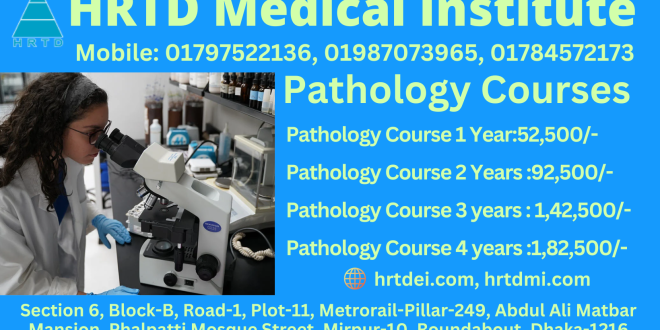
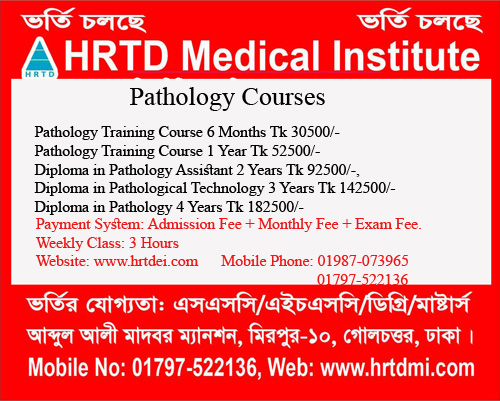
Pathology Training Course: Mobile Phone Number. 01797522136, 01987073965. Pathology Training Course 6 Months, Pathology Training Course 1 Year,
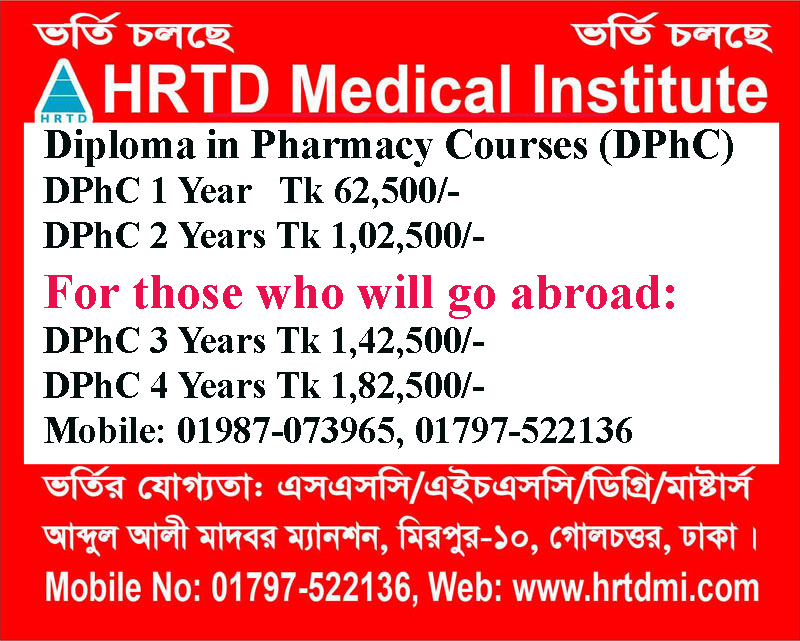
Pathology Course 2 Years, Pathology Course 3 Years, and Pathology Course 4 Years. DPC means Diploma Pathology Course. DPC 1-Year Course Fee Tk 62500. Total Subjects 10, Total Semester 2, Total Exam Marks 1000. DPC 2-Years Course Fee Tk 102500.
Total Subjects 18, Total Semester 4, Total Exam Mars 1800. DPC 3-Years Course Fee Tk 142500. Total Subjects 24, Total Semester 6, Total Exam Marks 2400. DPC 4-Years Course Fee Tk 182500. Total Subjects 30, Total Semester 6. Total Exam Marks 3000.
Pathology Training Course 6 Months Details
Pathology Training Course 6 Months. Mobile Phone Number 01797522136, 01987073965. This Pathology Training Course contains 5 Subjects. Each Subject Contains 100 exam marks. Total Exam Marks 500. Total Course Fee Tk 30500/- including admission fees, monthly fees, and exam fees.
Pathology Training Course 1 Year Details
Pathology Training Course 1 Year. Mobile Phone Number 01797522136, 01987073965. This Pathology Training Course contains 10 Subjects. Each Subject Contains 100 exam marks. Total Exam Marks 1000. Total Course Fee Tk 52500/- including admission fees, monthly fees, and exam fees.
Laboratory Practical Works for Pathology Courses
Practical Works: Total Count (TC), Defferencial Count (DC), Erythrocyte Sedimentation Rate, Urine Test, Kindy Profile Test, Liver Function Test, Lipid Profile Test, Bleeding Time, Cloting Time, HBsAg Test, Widal Test, ect.
Location of Pathology Training Course
Location of Pathology Training Course: HRTD Medical Institute, Abdul Ali Madbor Mansion, Section-6, Block-Kha, Road-1, Plot-11, Metro Rail Piller No. 249, Mirpur-10 Golchattar, Dhaka-1216.
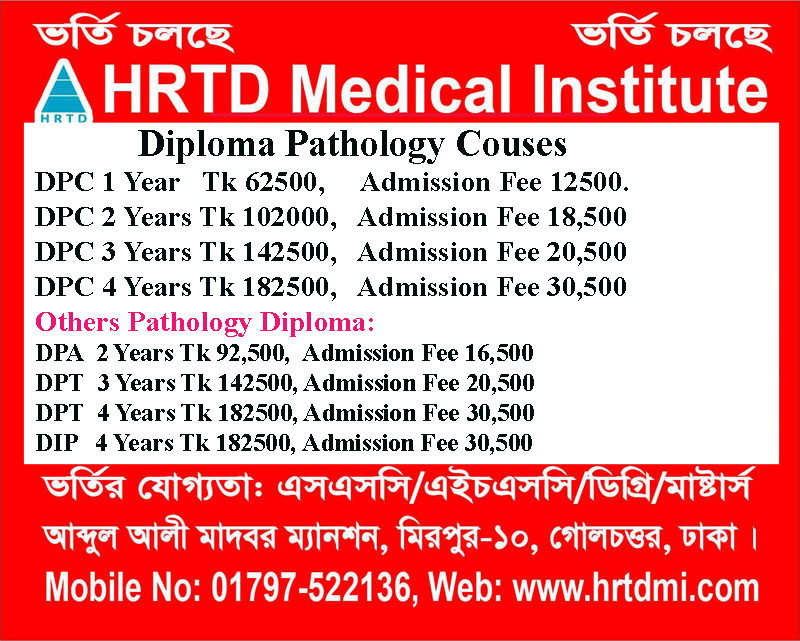
Other Diploma Pathology Courses:
Other Diploma Pathology Courses are DPA 2-Years, DPTC 3-Years, and DIPC 4-Years. DPA means Diploma in Pathology Assistant. DPA 2-Years Course Fee Tk 92500, Total Subjects 18 in 2 semesters. Total Exam Marks 1800. DPTC means Diploma in Pathology Technology Course. DPTC 3-Years Course Fee Tk 142500. Total Subjects 24 in 6 semesters and Total Exam Marks 2400. DPC means Diploma in Pathology Course. DPC 4-Years Course Fee Tk 182500. Total Subjects 30 in 8 semesters and Total Exam Marks 3000.
Diploma Physiotherapy Courses in Dhaka Bangladesh
Diploma Physiotherapy Couse
Diploma Physiotherapy course 1 Year, 2 Years, 3 Years, and 4 Years. DPTC means Diploma Physiotherapy Course. DPTC 1-Year Course Fee Tk 62500. Total Subjects 10, Total Semester 2, Total Exam Marks 1000. DPTC 2-Years Course Fee Tk 102500. Total Subjects 18, Total Semester 4, Total Exam Mars 1800. DPTC 3-Years Course Fee Tk 142500. Total Subjects 24, Total Semester 6, Total Exam Marks 2400. DPTC 4-Years Course Fee Tk 182500. Total Subjects 30, Total Semester 6. Total Exam Marks 3000.
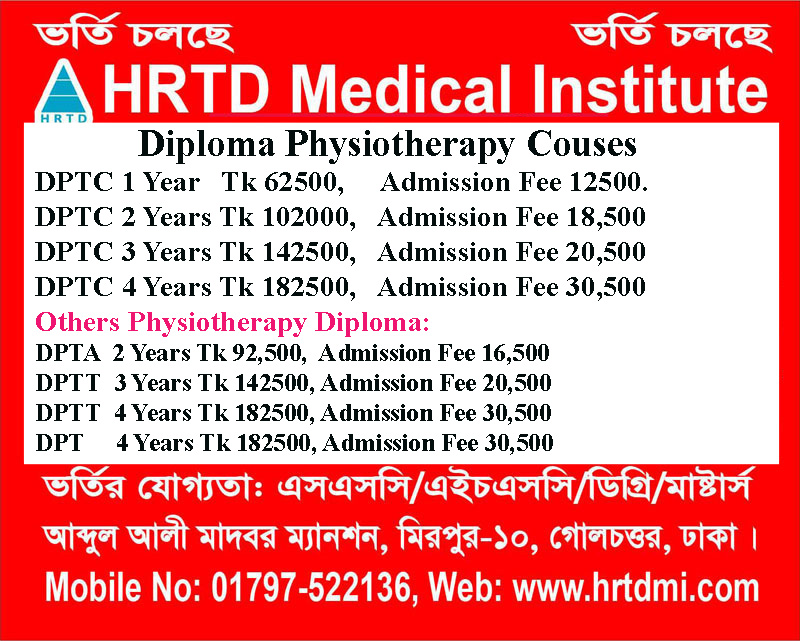
Other Diploma Physiotherapy Courses
Other Diploma Physiotherapy Courses are DPTA 2-Years, DPTT 3-Years, and DPT 4-Years. DPTA means Diploma in Physiotherapy Assistant. DPTA 2-Years Course Fee Tk 52500, Total Subjects 18 in 2 semesters. Total Exam Marks 1800. DPTT means Diploma Physiotherapy Technology. DPTT 3-Years Course Fee Tk 142500. Total Subjects 24 in 6 semesters and Total Exam Marks 2400. DPT means Diploma in Physiotherapy. DPT 4 Years Course Fee Tk 182500. Total Subjects 30 in 8 semesters and Total Exam Marks 3000.
Diploma Nursing Courses in Dhaka Bangladesh
Diploma Nursing Courses
Diploma Nursing Courses are 1-Year, 2-Years, 3-Years, and 4-Years. DNC Means Diploma Nursing Course. DNC 1-Year Course Fee Tk 62500. DNC 1-Year Course contains 10 subjects in 2 semesters. Total Exam Marks 1000. DNC 2-Years Course Fee Tk 102500. Total Subjects 18, Total Semester 4, Total Exam Mars 1800. DNC 3-Years Course Fee Tk 142500. Total Subjects 24, Total Semester 6, Total Exam Marks 2400. DNC 4-Years Course Fee Tk 182500. Total Subjects 30, Total Semester 6. Total Exam Marks 3000.
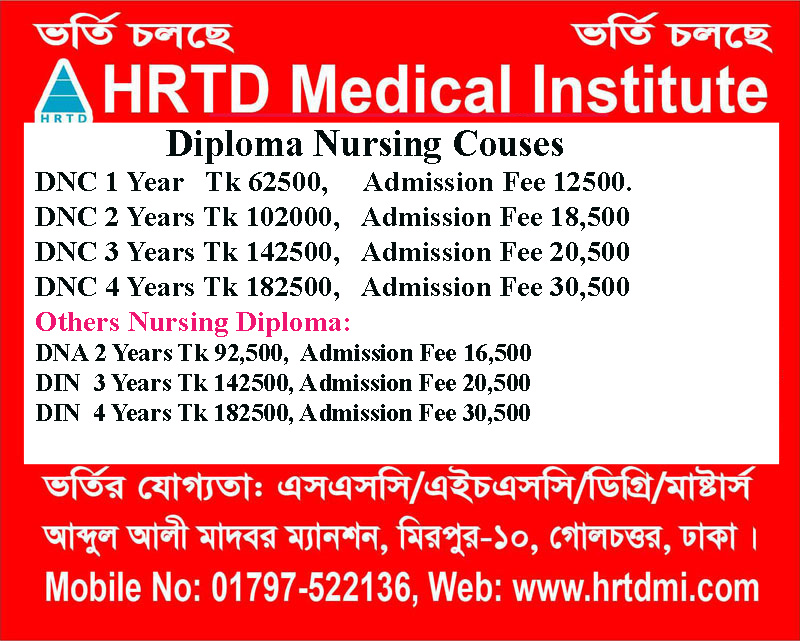
Other Diploma Nursing Courses
Other Diploma Nursing Courses are DNA 2-Years, DIN 3-Years, and DIN 4-Years. DNA means Diploma Nursing Assistant. DNA 2-Years Course Fee Tk 92500, Total Subjects 18 in 2 semesters. Total Exam Marks 1800. DIN means Diploma in Nursing. DIN 3-Years Course Fee Tk 142500. Total Subjects 24 in 6 semesters and Total Exam Marks 2400. DIN 4-Years Course Fee Tk 182500. Total Subjects 30 in 8 Semesters and Total Exam Marks 3000.
Diploma Dental Courses in Dhaka Bangladesh
Diploma Dental Couse
Diploma Dental course 1 Year, 2 Years, 3 Years, and 4 Years. DDC means Diploma Dental Course. DDC 1-Year Course Fee Tk 62500. Total Subjects 10, Total Semester 2, Total Exam Marks 1000. DDC 2-Years Course Fee Tk 102500. Total Subjects 18, Total Semester 4, Total Exam Mars 1800. DDC 3-Years Course Fee Tk 142500. Total Subjects 24, Total Semester 6, Total Exam Marks 2400. DDC 4-Years Course Fee Tk 182500. Total Subjects 30, Total Semester 6. Total Exam Marks 3000.
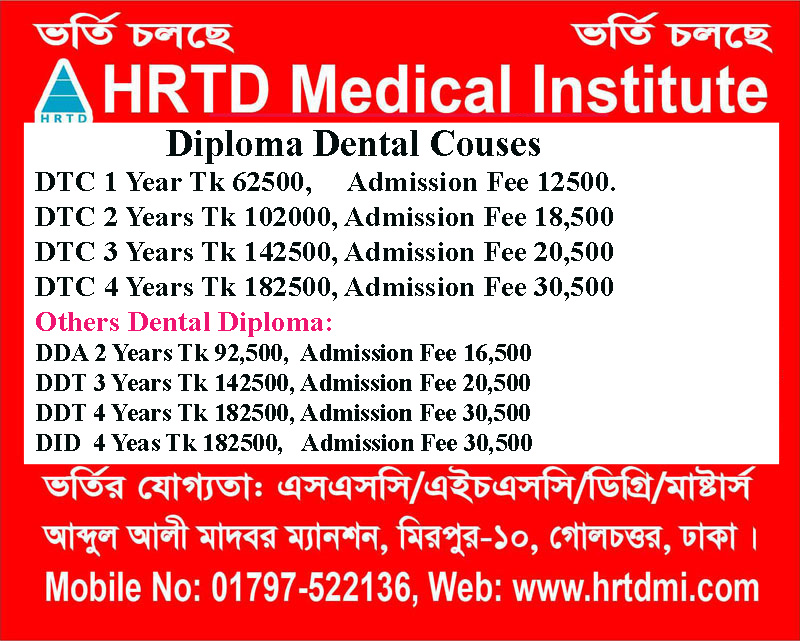
Other Diploma Dental Courses
Other Diploma Dental Courses are DDA 2-Years, DDT 3-Years, and DID 4-Years. DDA means Diploma Dental Assistant. DDA 2-Years Course Fee Tk 52500, Total Subjects 18 in 2 semesters. Total Exam Marks 1800. DDT means Diploma Dental Technology. DDT 3-Years Course Fee Tk 142500. Total Subjects 24 in 6 semesters and Total Exam Marks 2400.
The Health and Research Training and Development (HRTD) Medical Institute in Dhaka, Bangladesh, has established a Pathology Training Center to provide world-class education and training in the field of pathology to healthcare professionals. The center aims to equip students with the latest knowledge and skills required to excel in the diagnosis and treatment of diseases.
Pathology is an essential medical discipline that deals with the study of diseases and their causes. The field encompasses a broad range of subspecialties, including hematology, clinical chemistry, serology, microbiology, and histopathology. Pathologists play a crucial role in the healthcare system, as they are responsible for diagnosing and treating diseases, as well as helping to develop new treatments and preventative measures.
The HRTD Pathology Training Center offers a comprehensive curriculum that covers all aspects of pathology. The coursework includes both theoretical and practical training, allowing students to gain a thorough understanding of the subject. The curriculum is designed to meet the latest international standards and is taught by experienced and qualified faculty members.
One of the key features of the center is its state-of-the-art laboratory facilities. The labs are equipped with the latest technology and tools, providing students with hands-on experience in all aspects of pathology. The center also has a dedicated team of professionals who are available to provide support and guidance to students throughout their training.
In addition to traditional classroom-based learning, the HRTD Pathology Training Center also provides students with opportunities to engage in research and to participate in various clinical rotations. This enables students to gain a deeper understanding of the subject and to apply their knowledge in real-world settings.
The Pathology Training Center is open to healthcare professionals, including doctors, nurses, and laboratory technicians, who are interested in pursuing a career in pathology. The center offers flexible scheduling and affordable fees, making it accessible to a wide range of individuals.
In conclusion, the HRTD Medical Institute’s Pathology Training Center is an excellent resource for healthcare professionals who are seeking to enhance their knowledge and skills in the field of pathology. With its comprehensive curriculum, state-of-the-art facilities, and experienced faculty, the center is well-equipped to provide students with a world-class education in this critical discipline.
Teachers for Pathology Training Course in Dhaka
- Dr. Md. Sakulur Rahman, MBBS, CCD (BIRDEM), Course Director
- Dr. Sanjana Binte Ahmed, BDS, MPH, Assistant Course Director
- Dr. Tisha, MBBS, PGT Gyne, Assistant Course Director
- Dr. Suhana, MBBS, PGT Medicine
- Dr. Danial Hoque, MBBS, C-Card
- Dr. Tisha, MBBS
- Dr. Afrin Jahan, MBBS, PGT Medicine
- Dr. Ananna, MBBS
- Dr. Lamia Afroze, MBBS
- Dr. Amena Afroze Anu, MBBS, PGT Gyne, Assistant Course Director
- Dr. Farhana Antara, MBBS,
- Dr. Nazmun Nahar Juthi, BDS, PGT
- Dr. Farhana Sharna, MBBS
- Dr. Bushra, MBBS
- Dr. Turzo, MBBS
- Dr. Kamrunnahar Keya, BDS, PGT (Dhaka Dental College)
- Dr. Shamima, MBBS, PGT Gyne
- Dr. Alamin, MBBS
- Dr. Benzir Belal, MBBS
- Dr. Disha, MBBS
- Dr. Mahinul Islam, MBBS
- Dr. Tisha, MBBS, PGT Medicine
- Dr. Anika, MBBS, PGT
- Dr. Jannatul Ferdous, MBBS, PGT Gyne
- Dr. Jannatul Aman, MBBS, PGT
- Dr. Rayhan, BPT
- Dr. Abu Hurayra, BPT
- Dr. Sharmin Ankhi, MBBS, PGT Medicine
- Md. Monir Hossain, B Pharm, M Pharm
- Md. Monirul Islam, B Pharm, M Pharm
- Md. Feroj Ahmed, BSc Pathology, PDT Medicine
Some Subject for Pathology Training Course in Dhaka
Pathology Course-1year subjects. Mobile No. 01987073965, 01797522136.
- Human Anatomy & Physiology-1
- Pharmacology-1
- Study of OTC Drugs
- First Aid-1 & 2
- Practice of Medicine
- Hematology
- Pathology for Medical Practice
- Cardiovascular Anatomy
- Human Microbiology & Antimicrobial drugs
- Clinicle Pathology-1
- Practice of Clinicle Pathology-1
- General Pathology-1
Anatomy for Pathology Training Course in Dhaka
Anatomy provides the foundation for pathology by defining normal structure, while pathology focuses on the structural and functional changes caused by disease. Key topics for a pathology subject integrate anatomical knowledge with an understanding of disease processes at the cellular and systemic levels.
General Pathology (Foundational Topics)
These topics are essential as they cover the basic mechanisms of disease that affect all organ systems.
- Cell Injury and Adaptation: Understand reversible vs. irreversible injury, types of necrosis (coagulative, liquefactive, caseous), apoptosis, and cellular adaptations like atrophy, hypertrophy, hyperplasia, and metaplasia.
- Inflammation and Repair: Focus on acute and chronic inflammation, including vascular and cellular events, chemical mediators (histamine, cytokines), granuloma formation, and wound healing.
- Neoplasia (Tumor Pathology): Key areas include the differences between benign and malignant tumors, oncogenes, tumor suppressor genes (e.g., p53, RB), metastasis pathways, and tumor markers.
- Hemodynamic Disorders: Covers edema, shock, thrombosis, embolism (fat, air), ischemia, and infarction.
- Immunopathology & Genetics: Important topics include hypersensitivity reactions (Types I-IV), autoimmune diseases (e.g., SLE), immunodeficiency syndromes (e.g., HIV/AIDS), transplant rejection, and common genetic disorders like Down and Turner syndromes.
Systemic Pathology (Organ-Specific)
Systemic pathology applies general pathology principles to specific organ systems. Strong anatomical knowledge of these systems is crucial.
- Cardiovascular System: Myocardial infarction, atherosclerosis, rheumatic heart disease, and infective endocarditis.
- Respiratory System: Pneumonia types (lobar/broncho), tuberculosis, COPD (emphysema, chronic bronchitis), asthma, and lung carcinoma.
- Gastrointestinal System: Peptic ulcer disease, inflammatory bowel disease (Crohn’s vs. ulcerative colitis), viral hepatitis, cirrhosis, and GI cancers.
- Renal System: Glomerulonephritis (various types like PSGN, diabetic nephropathy, minimal change disease), nephrotic/nephritic syndromes, and renal cell carcinoma.
- Endocrine System: Disorders of the thyroid (Hashimoto’s, Graves’ disease, carcinomas), adrenal glands, and diabetes mellitus pathology.
- Hematology: Anemias (iron deficiency, megaloblastic, hemolytic), leukemias, lymphomas (Hodgkin’s/Non-Hodgkin’s), and bleeding disorders.
- Central Nervous System (CNS): Meningitis, strokes (infarct changes), neurodegenerative diseases (Alzheimer’s, Parkinson’s), and brain tumors.
Applied Anatomy for Pathology
- Gross and Microscopic Anatomy: The ability to identify normal and pathological structures at both the macroscopic and microscopic levels is fundamental to anatomical pathology.
- Histopathology: Recognizing key microscopic features of diseases (e.g., Aschoff bodies in RHD, caseating granulomas in TB) is a critical skill, often tested with “spotter” components in exams.
- Imaging: Correlation of anatomical knowledge with modern imaging films (CT scans, X-rays) to understand disease presentation.
These topics form the core curriculum and are frequently tested in professional and licensing exams such as NEET-PG and USMLE Step 1.
Pharmacology for Pathology Training Course in Dhaka
The main topics in pharmacology include
general principles like drug absorption, distribution, metabolism, and excretion (ADME), and specific systems like cardiovascular, central nervous system (CNS), and neuropharmacology. Other crucial areas are pharmacodynamics (how drugs work), pharmacogenetics (how genes affect drug response), and toxicology (the study of poisons and adverse drug reactions).
General principles
- Pharmacokinetics: The study of ADME (Absorption, Distribution, Metabolism, Excretion)
- Routes of drug administration
- Bioavailability and bioequivalence
- Drug distribution, including volume of distribution (
Vdcap V sub d𝑉𝑑) and plasma protein binding
- Drug metabolism (e.g., hepatic microsomal enzymes, induction, inhibition)
- Drug elimination and excretion
- Pharmacodynamics: The study of drug action on the body
- Receptor types and drug-receptor interactions
- Dose-response relationships (DRC)
- Mechanism of drug action
- Drug interactions and adverse effects: Recognizing and understanding adverse drug reactions, interactions, and toxicity
- Toxicology: The study of the adverse effects of chemicals and drugs on living organisms
Specific systems and therapeutic areas
- Cardiovascular pharmacology: Drugs for hypertension, heart failure, arrhythmias, etc.
- Neuropharmacology: Drugs affecting the nervous system, including antipsychotics, antidepressants, anti-epileptics, and local anesthetics
- Autonomic nervous system: Drugs affecting the sympathetic and parasympathetic systems
- Respiratory system: Drugs for asthma and other respiratory conditions
- Endocrine system: Drugs for diabetes, thyroid disorders, and hormones
- Gastrointestinal pharmacology: Drugs for peptic ulcers and other GI issues
- Chemotherapy and immunosuppression: Anticancer drugs, monoclonal antibodies, and immunosuppressants
- Anti-infectives: Antibiotics, antifungals, antivirals (e.g., HIV, Hepatitis C), and antiparasitics
Clinical and research-based topics
- Pharmacogenetics: How genetic variations affect drug response
- Pharmacovigilance: Monitoring the safety of marketed drugs
- Clinical trials: The process of testing new drugs
- Drug information sources: Pharmacopoeias, treatment guidelines, and drug labels
- Ethical and legal aspects: Prescription writing and drug compliance
Study Of OTC Drugs for Pathology Training Course in Dhaka
The study of Over-The-Counter (OTC) drugs typically focuses on several main important topics, including their uses and benefits, potential for misuse and adverse effects, regulation and safety, and the factors influencing their consumption.
Key Topics in the Study of OTC Drugs
- Definition and Scope: Understanding that OTC medicines are those legally available for sale directly to the public without a prescription, intended for self-treatment of minor, self-limiting ailments like headaches, fevers, colds, and minor pain.
- Responsible Self-Medication: The concept, as supported by the WHO, that proper use of OTC drugs can improve healthcare access, save time and money, and reduce the burden on healthcare systems.
- Commonly Used Categories: Studies frequently analyze specific categories of OTC products, such as:
- Analgesics (painkillers) and antipyretics (fever reducers), like paracetamol and ibuprofen.
- Cough, cold, and allergy medications.
- Gastrointestinal products (antacids, laxatives).
- Dermatological and other topical products.
- Misuse and Abuse: A critical area of study is the potential for harm, overdose, and addiction, particularly with certain ingredients like dextromethorphan (DXM) in cough syrups and loperamide (anti-diarrheal). This also includes the misuse of prescription-only drugs sold without a prescription in some regions.
- Adverse Health Effects and Interactions: Research examines the risks associated with improper use, including:
- Adverse drug reactions and potential organ damage (e.g., liver damage from excessive paracetamol).
- Drug-drug interactions, including those with other OTC medicines, prescription drugs, foods, beverages, and underlying health conditions (e.g., decongestants for people with high blood pressure or heart disease).
- Masking of underlying serious diseases, which can delay proper diagnosis and treatment.
- Regulatory Frameworks and Labeling: This topic covers the classification of drugs (e.g., Category I for products Generally Recognized As Safe and Effective – GRASE), the process for switching prescription (Rx) drugs to OTC status, and the importance of clear, understandable “Drug Facts” labels to ensure safe use.
- Consumer Knowledge, Attitude, and Practices (KAP): Studies often assess public and even health science students’ awareness of the proper use, safety, warnings, and potential dangers of OTC drugs, frequently finding a lack of understanding despite high usage rates.
- Factors Influencing Use: Research explores the reasons for the steady growth in OTC use, such as ease of access, lower cost compared to doctor visits, time saving, influence of advertising and peer suggestions, and socioeconomic status.
First Aid-1 for Pathology Training Course in Dhaka
The main topics in first aid include basic life support skills like CPR and managing choking, treating common emergencies such as bleeding, burns, and shock, and handling specific injuries like fractures and sprains. Recognizing emergencies, assessing the scene, and knowing how to deal with conditions like allergic reactions and poisoning are also crucial subjects.
Life support
- Cardiopulmonary Resuscitation (CPR): Performing chest compressions and rescue breaths on someone whose heart has stopped.
- Choking: Clearing an obstructed airway through techniques like back blows or abdominal thrusts.
- Airway, Breathing, Circulation (ABC): The foundational principle of checking and maintaining the person’s airway, breathing, and circulation.
Common injuries and medical emergencies
- Bleeding: Controlling and managing severe bleeding.
- Burns: Treating thermal, chemical, or electrical burns.
- Shock: Recognizing and treating the signs of shock.
- Fractures and joint injuries: Immobilizing broken bones and sprains.
- Poisoning: Knowing what to do when someone has ingested or come into contact with a poison.
Specific conditions
- Anaphylaxis: Using an epinephrine auto-injector (like an EpiPen) for severe allergic reactions.
- Seizures and fainting: Managing episodes of unconsciousness.
- Bites and stings: Providing first aid for insect, animal, or snake bites.
- Head trauma: Recognizing and responding to head injuries.
Foundational skills
- Scene safety: Assessing a situation to ensure the safety of yourself and the casualty.
- Initial and ongoing assessment: Checking the person’s condition and monitoring them.
- Using an Automated External Defibrillator (AED): Knowing when and how to use an AED.
Hematology for Pathology Training Course in Dhaka
The main and important topics in the study of hematology generally fall into several core areas, including the basic components of blood, common disorders (especially anemia), blood cancers, and the mechanics of clotting and transfusion.
Core Concepts
- Blood Components and Physiology: Understanding the functions and types of red blood cells (RBCs), white blood cells (WBCs), and platelets is fundamental.
- Complete Blood Count (CBC): The CBC is one of the most common and crucial diagnostic tests in hematology. Key components include hemoglobin levels, hematocrit, cell counts, and red blood cell indices, which are vital for diagnosing many conditions.
Major Disease Categories
- Anemias: This is a key topic in clinical hematology, involving a decrease in the number of red blood cells or hemoglobin concentration. Subtopics include:
- Iron deficiency anemia
- Hemolytic anemias (including autoimmune hemolytic anemia)
- Nutritional anemias
- Inherited anemias (e.g., sickle cell disease, thalassemia)
- Hematologic Malignancies (Blood Cancers): These are a major focus area. Important topics include:
- Leukemia: Cancers of the body’s blood-forming tissues, including Acute Myelogenous Leukemia (AML) and Acute Lymphoblastic Leukemia (ALL).
- Lymphoma: Cancers affecting the lymphatic system, such as Hodgkin and non-Hodgkin lymphoma.
- Myeloma and Myelodysplastic syndromes (MDS).
- Coagulation and Bleeding Disorders: These conditions affect the body’s ability to control blood clotting. Key topics include:
- Hemophilia
- Thrombosis (blood clots) and anticoagulant therapy management
- Platelet disorders, such as Immune Thrombocytopenia (ITP)
- Transfusion Medicine: This involves the process of blood donation, compatibility testing, and the appropriate use of blood products (e.g., cell therapy and transplantation).
Clinical Skills and Procedures
- Diagnosis and Interpretation: The ability to interpret laboratory results (like CBC, PT, PTT, INR) is essential for diagnosis.
- Bone Marrow Analysis: The study of bone marrow is critical for diagnosing many blood and bone marrow-related conditions.
Pathology for Pathology Training Course in Dhaka
Key topics in pathology include general pathology (cell injury, inflammation, immunity, Neoplasia) and systemic pathology (systemic diseases), with a strong emphasis on hematology (anemias, coagulation, blood banking), and neoplasia (benign vs. malignant tumors, carcinogens, staging). Other crucial areas are cellular adaptation, chromosomal aberrations, and specific organ systems like the kidney and nervous system.
General and systemic pathology
- Cell injury and adaptation: Processes of cell damage and the body’s adaptive responses.
- Inflammation and repair: The body’s response to injury and infection.
- Neoplasia: The study of tumors, their classification, and characteristics.
- Immunity: The function and disorders of the immune system, including autoimmune diseases.
- Chromosomal aberrations: Genetic mutations and their role in disease, especially cancer.
Hematology
- Anemias: Types like iron deficiency anemia and megaloblastic anemia.
- Hemostasis and thrombosis: Disorders of blood clotting, including hypercoagulability.
- Blood banking: Principles of blood donation and transfusion.
- Leukemias and Lymphomas: Cancers of the blood and lymphatic system.
Systemic and organ-specific pathology
- Renal pathology: Diseases of the kidney.
- Neuropathology: The pathology of the nervous system.
- Respiratory disease: Diseases affecting the lungs.
Diagnostic methods
- Histopathology and cytology: The microscopic examination of tissues and cells to diagnose disease.
- Biopsy: The process of taking tissue samples for examination.
Cardiovascular Anatomy for Pathology Training Course in Dhaka
The main important topics for the study of cardiovascular anatomy include the structure of the heart, the network of blood vessels (arteries, veins, and capillaries), and the mechanisms of blood circulation.
I. Anatomy of the Heart
The heart is a muscular, four-chambered pump located in the chest cavity (mediastinum).
- Chambers:
- Right Atrium receives deoxygenated blood from the body via the superior and inferior venae cavae.
- Right Ventricle pumps deoxygenated blood to the lungs via the pulmonary artery.
- Left Atrium receives oxygenated blood from the lungs via the pulmonary veins.
- Left Ventricle pumps oxygenated blood to the rest of the body via the aorta; its walls are the thickest due to the high pressure required for systemic circulation.
- Valves: These ensure unidirectional blood flow and prevent backflow.
- Tricuspid valve (right atrioventricular).
- Mitral valve (left atrioventricular, or bicuspid).
- Pulmonary valve (at the exit of the right ventricle).
- Aortic valve (at the exit of the left ventricle).
- Heart Wall Layers: The heart wall has three layers: the inner endocardium, the muscular myocardium (which contracts), and the outer epicardium (visceral pericardium).
- Pericardium: A protective sac surrounding the heart, containing a small amount of fluid to reduce friction during contraction.
- Coronary Circulation: The heart muscle receives its own dedicated blood supply through the right and left coronary arteries, which branch off the aorta.
II. Blood Vessels
The vascular system consists of a closed network of vessels.
- Arteries: Carry blood away from the heart. They have thick, elastic walls to withstand high pressure. The largest is the aorta.
- Capillaries: Microscopic, thin-walled vessels (one cell layer thick) that facilitate the exchange of gases, nutrients, and waste products between the blood and body tissues.
- Veins: Carry blood back to the heart. They have thinner walls and contain valves to prevent the backflow of blood, especially in the limbs where blood flows against gravity. The largest are the superior and inferior venae cavae.
III. Blood Circulation
Blood flows through two main circuits:
- Pulmonary Circulation: The low-pressure system where deoxygenated blood is pumped from the right heart to the lungs for oxygenation and carbon dioxide removal, then returns to the left heart.
- Systemic Circulation: The high-pressure system where oxygenated blood is pumped from the left heart to the rest of the body, delivering oxygen and nutrients, and returning deoxygenated blood to the right heart.
IV. Electrophysiology
The heart has an intrinsic electrical conduction system that coordinates its rhythmic contractions:
- Sinoatrial (SA) Node: The natural pacemaker of the heart, which generates electrical impulses that trigger contraction.
- Atrioventricular (AV) Node, Bundle of His, and Purkinje Fibers: The pathway through which the electrical signal travels to ensure coordinated atrial and ventricular contractions.
Human Microbiology for Pathology Training Course in Dhaka
The main important topics in the subject of human (medical) microbiology generally fall under several core areas: General Microbiology, Immunology, Bacteriology, Virology, Mycology, and Parasitology.
Core Areas and Key Topics
- General Microbiology: This foundational section covers the basic characteristics, structure, and function of microorganisms.
- Bacterial Cell Wall and Anatomy: Understanding the differences between prokaryotic and eukaryotic cells, and the specific structures of bacteria (capsules, flagella, spores) is crucial.
- Microscopy & Staining: The principles and applications of various microscopes and staining techniques (Gram staining, ZN staining) for identification.
- Growth & Nutrition: Bacterial growth curves (phases with clinical significance), culture media (selective, enriched, transport media), and anaerobic culture methods.
- Sterilization & Disinfection: Methods of control, including autoclaving, hot air ovens, chemical disinfectants, and infection control practices in healthcare settings.
- Bacterial Genetics: Mechanisms of gene transfer (conjugation, transduction, transformation) and the development of antimicrobial resistance.
- Bacterial Toxins: Key differences and functions of exotoxins versus endotoxins.
- Immunology: This area focuses on the body’s defense mechanisms against infection.
- Innate vs. Acquired Immunity: Understanding the basic components and types of immune responses.
- Antigens & Antibodies: Definitions, structure of immunoglobulins (IgG, IgA, IgM, IgE), and antigen-antibody reactions (e.g., ELISA, precipitation, agglutination).
- Hypersensitivity & Autoimmunity: The different types of hypersensitivity reactions (Type I, II, III, IV) and mechanisms of autoimmune disorders.
- Vaccines: Types of vaccines and their mechanisms of action.
- Systemic Microbiology (Bacteriology, Virology, Mycology, Parasitology): This involves the study of specific pathogens and the diseases they cause, often organized by organ system (e.g., respiratory tract infections, CNS infections).
- Pathogenesis & Virulence Factors: How different microorganisms cause disease and evade host defenses.
- Clinical Manifestations & Laboratory Diagnosis: The specific signs, symptoms, and laboratory tests used to identify different infections (e.g., typhoid, HIV, malaria, tuberculosis).
- Key Pathogens: Detailed study of major human pathogens, including Staphylococcus aureus, Mycobacterium tuberculosis, HIV, Hepatitis viruses, Candida albicans, and Plasmodium species.
Practical Applications
Beyond theoretical knowledge, practical skills are important. These include basic staining techniques, identifying bacterial colonies, understanding the principles behind biochemical tests, and managing biomedical waste.
Antimicrobial Drugs for Pathology Training Course in Dhaka
The study of antimicrobial drugs covers several main important topics, including their mechanisms of action, classification, the critical issue of antimicrobial resistance (AMR), and their appropriate use in medicine.
Key Topics in Antimicrobial Drugs
- Mechanisms of Action: This topic explores how different drugs kill or inhibit the growth of microorganisms. Major modes of action for antibacterials include:
- Interference with bacterial cell wall synthesis (e.g., penicillins, cephalosporins, glycopeptides like vancomycin).
- Inhibition of protein synthesis (e.g., macrolides, tetracyclines, aminoglycosides, oxazolidinones).
- Interference with nucleic acid synthesis (e.g., fluoroquinolones like ciprofloxacin, rifamycins).
- Inhibition of essential metabolic pathways (e.g., trimethoprim-sulfamethoxazole).
- Classification of Antimicrobials: Drugs are categorized based on their target organism (antibacterial, antifungal, antiviral, etc.), their mechanism, and their spectrum of activity (narrow- or broad-spectrum).
- The World Health Organization (WHO) also classifies medically important antimicrobials into Access, Watch, and Reserve (AWaRe) categories to guide their responsible use and preserve their efficacy.
- Antimicrobial Resistance (AMR): This is a major global health concern and a central topic in the field. It involves understanding:
- Mechanisms of Resistance: How microbes develop and acquire resistance (e.g., production of enzymes that inactivate drugs like beta-lactamases, changes in the drug’s target site, or efflux pumps that remove the drug from the cell).
- Causes of AMR: Factors contributing to the rise of resistance, such as the overuse and misuse of antimicrobials in human medicine and agriculture.
- Control Strategies: The development of global action plans and stewardship programs to combat AMR.
- Pharmacokinetics and Pharmacodynamics (PK/PD): This focuses on how the drug moves through the body (pharmacokinetics) and how it interacts with the target pathogen (pharmacodynamics). Key parameters are used to determine effective dosing regimens.
- Development of New Agents: The ongoing need for new antimicrobial drugs, including research into novel sources (e.g., natural products) and innovative strategies to overcome existing resistance mechanisms, is a vital area of study.
For further learning, authoritative resources are available from institutions such as the World Health Organization (WHO), the U.S. National Institutes of Health (NIH), and medical manuals like MSD Manuals.
Clinicle Pathhology-1 for Pathology Training Course in Dhaka
Key topics in clinical pathology include general cell injury and adaptation, inflammation, and neoplasia (tumors). Other main areas are hematology (blood disorders), clinical chemistry (body fluid analysis), and a variety of systemic diseases affecting organs like the kidneys, liver, and central nervous system.
General Pathology
- Cellular Injury: Reversible and irreversible injury, mechanisms of injury (e.g., hypoxia, free radicals), necrosis, and apoptosis.
- Inflammation: Acute and chronic inflammation, vascular changes, types of inflammation, and shock.
- Neoplasia: Benign vs. malignant tumors, carcinogenesis, and methods of cancer diagnosis and examination.
Systemic Pathology
- Cardiovascular: Hypertension, heart failure.
- Respiratory: Lung diseases (e.g., occupational lung disorders, lung abscess).
- Gastrointestinal: Inflammatory bowel disease, peptic ulcer disease, and fatty liver.
- Renal: Glomerular nephritis, nephrotic syndrome.
- Central Nervous System: Degenerative diseases, meningitis.
- Endocrine: Adrenal gland disorders.
Clinical Pathology Subspecialties
- Hematology: Examination of blood cells, including anemias (like iron deficiency anemia, sickle cell anemia), leukemia, and clotting disorders.
- Clinical Chemistry: Analysis of body fluids for metabolic disorders and organ dysfunction (e.g., glucose, electrolytes, enzymes, hormones).
- Histopathology: Microscopic examination of tissue samples to diagnose diseases, particularly cancer and inflammatory conditions.
- Cytology: Microscopic examination of individual cells.
- Microbiology: The study of microorganisms that can cause disease.
Practice of Clinicle Pathology-1 for Pathology Training Course in Dhaka
The practice of clinical pathology focuses on diagnosing diseases through the laboratory analysis of bodily fluids and tissues. Important topics are typically grouped into key branches.
Main Branches and Important Topics in Clinical Pathology
- Clinical Chemistry: Focuses on the chemical composition of body fluids.
- Analyzing glucose levels, electrolytes, enzymes, hormones, and drug levels.
- Evaluating organ function through specific panels (e.g., Liver Function Tests (LFT), Kidney Function Tests, Thyroid Function Tests).
- General metabolic health indicators (e.g., Comprehensive Metabolic Panel (CMP)).
- Hematology: The study of blood cells, blood-forming tissues, and clotting mechanisms.
- Anemias: Iron deficiency, megaloblastic, sickle cell, and hemolytic anemias.
- Malignancies: Leukemia (acute and chronic), lymphomas, and multiple myeloma.
- Coagulation: The coagulation cascade, hemophilia, hypercoagulability, and platelet disorders.
- Transfusion Medicine: Blood grouping, compatibility testing, and safe blood transfusions.
- Common tests like the Complete Blood Count (CBC).
- Microbiology: Identifying infectious agents like bacteria, viruses, fungi, and parasites.
- Cultivation and staining techniques for identification.
- Determining antimicrobial susceptibility to guide treatment.
- Common pathogens and their mechanisms.
- Immunology: Studying the immune system to diagnose disorders.
- Hypersensitivity reactions.
- Autoimmune diseases and immunodeficiency disorders.
- The complement pathway.
- Molecular Diagnostics & Genetics: Analyzing genetic material (DNA and RNA) for precise diagnosis.
- Detection of genetic disorders and cancer markers.
- Personalized medicine applications (e.g., in oncology).
- Inheritance patterns and specific cytogenetic disorders (e.g., Down Syndrome).
- General Pathology Principles: The foundational concepts of disease processes that bridge basic science and clinical practice.
- Cell Biology: Cell injury, cellular adaptation (hypertrophy, atrophy, etc.), necrosis, and inflammation.
- Malignancy: Tumor markers, tumor suppressor genes, and the molecular hallmarks of cancer.
Core Practices and Skills
- Laboratory Techniques: Proficiency in various methods like microscopy, flow cytometry, PCR, and next-generation sequencing (NGS).
- Quality Assurance & Control: Adhering to rigorous protocols to ensure accurate and reliable test results.
- Data Interpretation & Collaboration: Interpreting laboratory results and consulting with clinicians to formulate treatment plans.
- Case Studies: Applying theoretical knowledge to practical clinical scenarios.
General Pathology-1 for Pathology Training Course in Dhaka
The main topics in general pathology include cell injury and adaptation, inflammation, neoplasia, and immunopathology. Other important areas are necrosis and apoptosis, hematopathology (covering anemia, leukemia, and blood banking), and systemic diseases, which examine how specific conditions like cardiovascular and respiratory diseases affect organs and tissues.
Foundational concepts
- Cell injury and adaptation: Understanding how cells respond to stress and the mechanisms of reversible and irreversible injury, including adaptation, necrosis, and apoptosis.
- Inflammation: The body’s response to injury, including hyperaemia, congestion, hemorrhage, and shock.
- Neoplasia: The study of tumors, including benign and malignant growths.
- Immunopathology: How immune system dysfunction leads to disease.
Hematopathology
- Anemias: Detailed study of different types of anemia, such as iron deficiency, megaloblastic, and sickle cell anemia.
- Leukemias: Acute (AML, ALL) and chronic (CML) leukemias.
- Blood banking: The principles of blood groups, transfusion reactions, and blood donation.
- Coagulation and thrombosis: The coagulation cascade, thrombosis, embolism, and disorders like Deep Vein Thrombosis (DVT) and disseminated intravascular coagulation (DIC).
Systemic and organ-specific pathology
- Cardiovascular pathology: Diseases of the heart and blood vessels.
- Respiratory pathology: Diseases of the lungs and airways.
- Renal and electrolyte balance: Pathology related to the kidneys, including fluid, electrolyte, and acid-base balance.
- Gastrointestinal and liver pathology: Diseases affecting the digestive system and liver.
- Central Nervous System (CNS) pathology: Diseases of the brain and spinal cord, including cerebrospinal fluid (CSF) examination.
- Nutritional and metabolic disorders: Including lipid metabolism and obesity.
Genetic and diagnostic pathology
- Chromosomal aberrations: Diseases caused by abnormalities in chromosome structure or number, such as Down syndrome.
- Infectious diseases: The pathology of diseases caused by pathogens.
- Cytopathology and Histopathology: The study of cells and tissues, including techniques like Pap smears, FNAC, and immunohistochemistry.
প্যাথলজি কোর্স কেন করবেন
প্যাথলজি হলো রোগের কারণ, প্রক্রিয়া, এবং প্রভাব নিয়ে গবেষণা বা অধ্যয়ন। প্যাথলজি কোর্স সম্পন্নকারীরা ডায়াগনস্টিক সেন্টার, হাসপাতাল, ক্লিনিক এবং গবেষণা প্রতিষ্ঠানে টেকনোলজিস্ট হিসেবে চাকরির সুযোগ পান। এই কোর্সের মাধ্যমে ক্লিনিকাল ফাইন্ডিং এবং প্যাথলজিকাল পরিবর্তনের মধ্যে সম্পর্ক স্থাপন করা, ল্যাবরেটরি পরীক্ষার ফলাফল ব্যাখ্যা করা এবং রোগ নির্ণয়ের জন্য প্রয়োজনীয় পরীক্ষা পরিকল্পনা করার দক্ষতা অর্জন করা যায়।
কোথায় এবং কি কি কোর্স করা যায়
সাধারণত, মেডিকেল কলেজ, ইনস্টিটিউট অফ হেলথ টেকনোলজি (IHT) এবং কিছু বেসরকারী প্রশিক্ষণ প্রতিষ্ঠানে প্যাথলজি কোর্স করানো হয়।
- স্বল্পমেয়াদী সার্টিফিকেট কোর্স: ৬ মাস থেকে ১ বছরের সার্টিফিকেট কোর্স পাওয়া যায়, যা প্যাথলজির মৌলিক বিষয়গুলিতে জ্ঞান দেয়।
- ডিপ্লোমা ইন প্যাথলজি: এটি একটি জনপ্রিয় বিকল্প, যার মেয়াদ ১ থেকে ৪ বছর পর্যন্ত হতে পারে। এই কোর্স সম্পন্ন করে ল্যাব টেকনোলজিস্ট হিসেবে কাজ শুরু করা যায়।
- বিএসসি ইন হেলথ টেকনোলজি (প্যাথলজি): এটি একটি স্নাতক পর্যায়ের ডিগ্রি, যা সরকারি IHT এবং ঢাকা বিশ্ববিদ্যালয়ের অধীনে সাইক কলেজ অফ মেডিকেল সায়েন্স অ্যান্ড টেকনোলজির মতো প্রতিষ্ঠানে করার সুযোগ আছে।
- এমবিবিএস এবং উচ্চতর ডিগ্রি: আপনি যদি প্যাথলজিস্ট (ডাক্তার) হতে চান, তবে আপনাকে প্রথমে এমবিবিএস (MBBS) ডিগ্রি সম্পন্ন করতে হবে এবং তারপর প্যাথলজিতে বিশেষজ্ঞ প্রশিক্ষণ (MD/MS) নিতে হবে।
কিছু পরিচিত প্রতিষ্ঠানের ঠিকানা ও যোগাযোগের তথ্য
- HRTD মেডিকেল ইন্সটিটিউট: এখানে বিভিন্ন মেয়াদী (৬ মাস থেকে ৪ বছর) প্যাথলজি ডিপ্লোমা কোর্স অফার করা হয়।
- ঠিকানা: আব্দুল আলী মাদবর ম্যানশন, সেকশন ৬, ব্লোক খ, রোড ১, প্লট ১১, মেট্রোরেল পিলার নাম্বার ২৪৯, ফলপট্টি মসজিদ গলি, মিরপুর ১০ গোলচত্ত্বর, ঢাকা ১২১৬।
- মোবাইল: 01797522136, 01987073965。
- বিস্তারিত জানতে তাদের ওয়েবসাইট www.hrtdmi.com ভিজিট করতে পারেন।
আপনার শিক্ষাগত যোগ্যতা এবং লক্ষ্যের ওপর ভিত্তি করে সঠিক কোর্সটি বেছে নিন।


2 comments
Pingback: Physiotherapy Help Center In Mirpur Dhaka
Pingback: Govt Registered Best Paramedical Training Center 01987073965