 HRTD Medical Institute



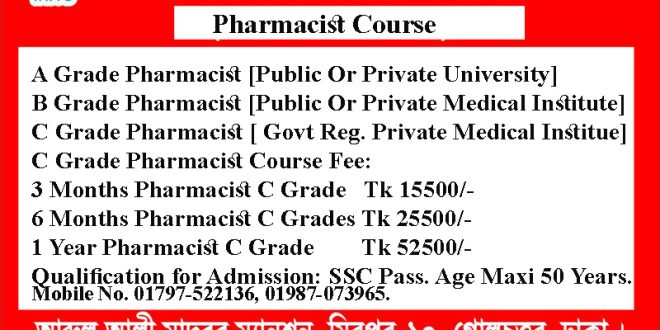
Pharmacist Course in Dhaka Details
Pharmacist Course in Dhaka. Mobile No. 01987-073965, 01797-522136. Pharmacist Course A Grade, Pharmacist Course B Grade, and Pharmacist Course C Grade are available in Bangladesh.
Pharmacist Course A Grade in Dhaka
Pharmacist Course A Grade in Dhaka. Mobile No. 01987-073965, 01797-522136. B Pharm and M Pharm are Grades A Pharmacist Courses. These Courses are available in Public Universities and Private Universities in Bangladesh. Qualification for Admission is HSC Pass with Science Background.
A Grade Pharmacist is Required for each and every Model Pharmacy
According to the rule of the Drug Administration, at least 1 Grade-A Pharmacist is needed to start and direct a Model Pharmacy in Bangladesh. B Pharm and M Pharm degree holder and A Grade Pharmacist. This degree has to be earned from a public or private university like Dhaka University, Rajshahi University, North South University, East West University, BRAC University, ASA University, Northern University, etc.
Pharmacist Course B Grade in Dhaka
Pharmacist Course B Grade in Dhaka. Mobile No. 01987-073965, 01797-522136. Diploma in Pharmacy Regulated by Pharmacy Council of Bangladesh. These Courses are available in Many Public Medical Institute, and Private Medical Institue in Bangladesh.
Pharmacist Course C Grade in Dhaka
Pharmacist Course C Grade in Dhaka. Mobile No. 01987-073965, 01797-522136. These Courses are 3 Months, 6 Months, and 1 Year and are available in Many Private Medical Institute. Actually, there are no limitations on the duration of time of the C Grade Pharmacist Course. But there is a mandatory Examination for C Grade Pharmacist Regulated by the Pharmacy Council of Bangladesh. If you want to get certificate for C Grade Pharmacist Course in Dhaka, Please contact with us.
Pharmacist Course C Grade Admission Qualification
Pharmacist Course C Grade Admission Qualification. Mobile No. 01987-073965, 01797-522136. SSC Pass from any Education Board of Bangladesh, SSC Pass Open University, SSC Pass from Madrasha Board, Age Maximum 50 Years.
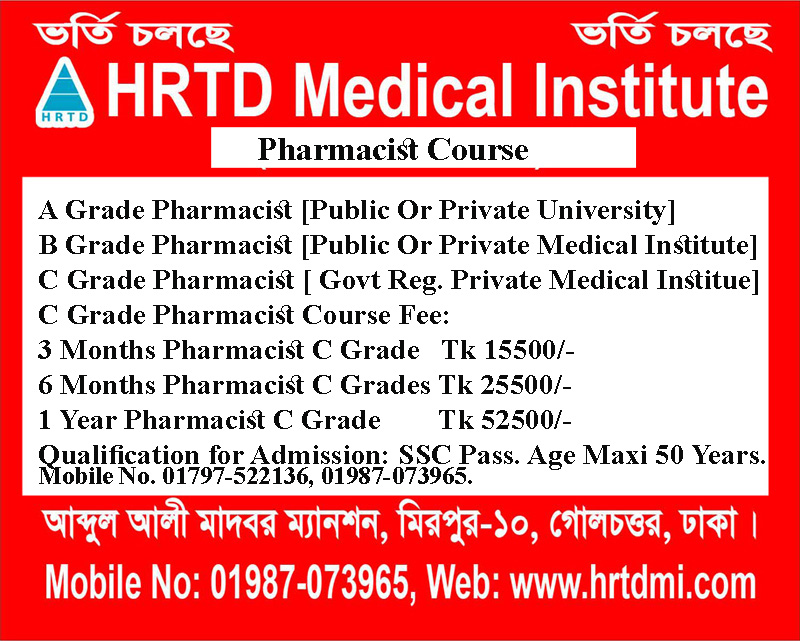
Pharmacist C Grade Course Fee
Pharmacist C Grade Course Fee. Mobile No. 01987-073965, 01797-522136. 3 Months Course Fee Tk 18500/-, 6 Months Course Fee 30500/-, and 1 Year Course Fee Tk 52500/-. Admission Fee Tk 10500/-, Tk 10500/-, and Tk 10500/-.
Teachers for Pharmacist Course in Dhaka
Md. Feroj Ahmed, BSc Pathology, PDT Medicine
Dr. Md. Sakulur Rahman, MBBS, CCD (BIRDEM), Course Director
Dr. Sanjana Binte Ahmed, BDS, MPH, Assistant Course Director
Dr. Tisha, MBBS, PGT Gyne, Assistant Course Director
Dr. Suhana, MBBS, PGT Medicine
Dr. Danial Hoque, MBBS, C-Card
Dr. Tisha, MBBS
Dr. Afrin Jahan, MBBS, PGT Medicine
Dr. Ananna, MBBS
Dr. Lamia Afroze, MBBS
Dr. Amena Afroze Anu, MBBS, PGT Gyne, Assistant Course Director
Dr. Farhana Antara, MBBS,
Dr. Nazmun Nahar Juthi, BDS, PGT
Dr. Farhana Sharna, MBBS
Dr. Bushra, MBBS
Dr. Turzo, MBBS
Dr. Kamrunnahar Keya, BDS, PGT (Dhaka Dental College)
Dr. Shamima, MBBS, PGT Gyne
Dr. Alamin, MBBS
Dr. Benzir Belal, MBBS
Dr. Disha, MBBS
Dr. Mahinul Islam, MBBS
Dr. Tisha, MBBS, PGT Medicine
Dr. Anika, MBBS, PGT
Dr. Jannatul Ferdous, MBBS, PGT Gyne
Dr. Jannatul Aman, MBBS, PGT
Dr. Rayhan, BPT
Dr. Abu Hurayra, BPT
Dr. Sharmin Ankhi, MBBS, PGT Medicine
Md. Monir Hossain, B Pharm, M Pharm
Md. Monirul Islam, B Pharm, M Pharm
Subjects for Pharmacist Course in Dhaka
(1 Year 10 Subjects, 2 Years 18 Subjects, 3 Years 24 Subjects, and 4 Years 30 Subjects
Human Anatomy & Physiology
Pharmacology-1
First Aid
Study of OTC Drugs
Pharmacology-2
Study of Antidiabetic Drugs
Study of Cardiovascular Drugs
General Chemistry for medical Study
Biochemistry for Medical Study
Hematology & Pathology
General Pathology
Systemic Pathology
Study of Gastrointestinal Drugs
Study of Respiratory Drugs
Microbiology & Antimicrobial Drugs
Study of Antimicrobial Drugs
Medical Diagnosis-1
Medical Diagnosis-2
Study of Hormonal Drugs
Study of Neurological Drugs
Study of Ophthalmic & ENT Drugs
Study of Gynecological Drugs
Study of Psychiatric Drugs
Study of Dermatological Drugs
Drug Rules Regulations
Study of Pediatric Drugs
Study of International OTC Drugs
Study of Essential Drugs
Study of Emergency Drugs
Other Diploma Pharmacy Courses are DPhA 2-Years, DPhA means Diploma in Pharmacy Assistant. DPhA 2-Years Course Fee Tk 92500, Total Subjects 18 in 2 semesters. Total Exam Marks 1800.
Human Anatomy & Physiology for Pharmacist Course in Dhaka
Anatomy & Physiology (A&P) main topics cover the body’s organization from cells to organ systems, focusing on structure (Anatomy) and function (Physiology) for key systems: Integumentary, Skeletal, Muscular, Nervous, Endocrine, Cardiovascular, Lymphatic, Respiratory, Digestive, Urinary, and Reproductive, plus Homeostasis and Senses, exploring how they work together in health and disease.
Foundational Concepts
- Levels of Organization: Cells, Tissues (Epithelial, Connective, Muscle, Nerve), Organs, Organ Systems, Organism.
- Homeostasis: The body’s ability to maintain stable internal conditions, often via feedback loops.
- Body Planes & Cavities: Standard anatomical reference points.
Major Body Systems (Anatomy & Physiology)
- Integumentary System: Skin, hair, nails; protection, temperature regulation.
- Skeletal System: Bones, joints, cartilage; support, movement, blood cell production.
- Muscular System: Muscles; movement, posture, heat generation.
- Nervous System: Brain, spinal cord, nerves; rapid communication, control.
- Cardiovascular System: Heart, blood vessels, blood; transport (oxygen, nutrients, waste).
- Respiratory System: Lungs, airways; gas exchange (oxygen/carbon dioxide).
- Digestive System: Stomach, intestines, liver, etc.; nutrient breakdown & absorption.
- Urinary System: Kidneys, bladder; waste excretion, fluid balance.
- Endocrine System: Glands (thyroid, adrenals, etc.); hormones, long-term regulation.
- Reproductive System: Male & Female organs; reproduction.
- Lymphatic System & Immunity: Lymph nodes, spleen, immune cells; defense.
Key Physiological Processes
- Cellular Respiration & Metabolism: Energy production.
- Membrane Transport: How substances move across cell membranes.
- Muscle Contraction: How muscles generate force.
- Cardiac Cycle & Blood Pressure Regulation: Heart function.
- Gas Exchange & Control of Breathing: Respiration mechanics.
- Digestion & Absorption: Nutrient processing.
- Fluid Balance & Urine Formation: Kidney function.
Specialized Topics
- Special Senses: Vision (eyes), Hearing (ears).
- Neuroanatomy: Nerve pathways.
- Histology: Microscopic tissue study.
Pharmacology-1 for Pharmacist Course in Dhaka
For pharmacology, key topics include Pharmacokinetics/Dynamics (ADME, Receptors, Dose), Autonomic Nervous System (ANS), Cardiovascular (CVS) drugs, Antimicrobials, CNS drugs, NSAIDs, Hormones, and Chemotherapy, focusing on mechanisms, adverse effects, and rational prescribing, especially for common conditions like hypertension, diabetes, infections, and pain management, with strong emphasis on Pharmacovigilance and Rational Prescribing.
Core Concepts (Foundation)
- Pharmacokinetics (PK): ADME (Absorption, Distribution, Metabolism, Excretion), Bioavailability, First-pass metabolism, Plasma protein binding, Loading/Maintenance doses.
- Pharmacodynamics (PD): Drug Receptors (GPCRs), Dose-Response, Tolerance, Drug Interactions, Therapeutic Index, Placebo effect.
- Pharmacovigilance & Rational Prescribing: ADRs, Drug Schedules, Essential Medicines, FDCs, Patient Counseling.
Major System-Based Topics
- Autonomic Nervous System (ANS): Cholinergics, Anticholinergics, Adrenergics (Sympathomimetics/Blockers) – Crucial.
- Cardiovascular System (CVS): Antihypertensives, Antianginals, Heart Failure drugs, Statins, Anticoagulants, Antiplatelets.
- Central Nervous System (CNS): Antiepileptics, Antidepressants, Antipsychotics, Local Anesthetics, Opioids.
- Respiratory System: Bronchodilators, Antiasthmatics.
- Gastrointestinal System (GIT): Antiulcer, Antiemetics, Laxatives.
- Endocrine System: Insulin, Oral Hypoglycemics, Thyroid drugs, Corticosteroids, Contraceptives.
- Chemotherapy: Antimicrobials (Antibiotics, Antifungals, Antivirals), Antimalarials, Antituberculars, Anticancer drugs.
High-Yield Specific Drugs/Conditions
- NSAIDs & Autacoids: Aspirin, Paracetamol poisoning, Antihistamines, Migraine drugs.
- Hematopoietics: Drugs for blood disorders, Iron overdose.
- Pain Management: Local Anesthetics, Analgesics.
How to Prioritize
- Master Pharmacokinetics & Pharmacodynamics, ANS, CVS, and basic Antimicrobials first.
- Focus on mechanisms of action, indications, contraindications, and adverse effects for important drug classes.
- Understand how drugs treat common diseases like Hypertension, Diabetes, Asthma, Depression, & Infections.
Study Of OTC Drugs for Pharmacist Course in Dhaka
The study of Over-the-Counter (OTC) drugs is a very important topic primarily due to their widespread use as a primary component of self-care and the associated public health challenges regarding their safety and potential for misuse.
Key Areas of Importance in the Study of OTC Drugs
The importance of studying OTC drugs spans several critical areas:
- Prevalence of Use: OTC medicines are widely used globally for treating minor ailments like pain, coughs, colds, and allergies. In some regions, the prevalence of self-medication is very high, with studies reporting rates of over 80% among certain populations. This high usage makes their proper administration crucial for public health.
- Role in Healthcare Systems: OTC drugs offer faster and cheaper access to healthcare, helping to manage minor conditions and potentially reducing the burden on formal healthcare systems by avoiding unnecessary doctor or hospital visits.
- Risk of Misuse and Adverse Effects: Despite being generally recognized as safe and effective when used as directed, OTC drugs are not risk-free. Misuse, such as taking higher-than-recommended dosages (e.g., dextromethorphan or loperamide), can lead to serious health issues, including liver damage, heart problems, addiction, and even death. Inappropriate use can also mask symptoms of underlying diseases or cause adverse drug interactions with other medications.
- Knowledge Gaps: Numerous studies highlight significant knowledge gaps among the public, including health science students, regarding appropriate use, dosage, side effects, and interactions of OTC medicines. For example, many people are unaware that antibiotics are generally not OTC drugs, which can contribute to antibiotic resistance.
- Regulatory Challenges: The regulation and classification of OTC medicines vary significantly by country. In some places, such as India, there is no formal legal category for OTC drugs, leading to confusion and the potential for inappropriate sale of prescription medications without a prescription. The study of regulations helps in developing better policies to ensure patient safety.
- Patient Education and Pharmacist’s Role: Research emphasizes the need for public health interventions and education campaigns to promote the safe and informed use of OTC medications. Pharmacists play a vital role in patient counseling and can provide essential guidance to mitigate potential misuse.
In summary, studying OTC drugs is vital for optimizing their benefits in self-care while minimizing associated public health risks through improved education, awareness, and regulation.
First Aid 1 & 2 for Pharmacist Course in Dhaka
The most important topics in First Aid training focus on preserving life, preventing further harm, and promoting recovery. The key, life-saving skills taught in most First Aid 1 and 2 courses are the primary assessment and immediate response to life-threatening emergencies.
Core, Life-Saving Topics
These topics are consistently covered as they address immediate threats to life, often within minutes:
- Cardiopulmonary Resuscitation (CPR) & Automated External Defibrillator (AED) Use: This is arguably the most crucial skill, used when a person’s heart stops beating to manually circulate blood to vital organs until professional help arrives.
- Choking: Learning techniques like the Heimlich maneuver (abdominal thrusts) and back blows to clear a blocked airway in adults, children, and infants.
- Severe Bleeding Control: Applying direct, firm pressure to a wound, elevating the injured area, and using bandages or even tourniquets in extreme cases to stop life-threatening blood loss.
- Shock Management: Recognizing the signs of shock (inadequate blood flow to organs) and knowing how to position the victim, keep them warm, and monitor their condition.
- Primary Assessment & Scene Safety: The fundamental ability to quickly and safely assess an emergency situation (Check, Call, Care/DRABCD action plan) to determine immediate dangers and prioritize treatment.
Other Important Topics
Building on the core skills, First Aid 1 and 2 courses also cover a range of common injuries and medical emergencies to provide comprehensive knowledge:
- Wound Care: Cleaning and dressing minor cuts, scrapes, and bruises to prevent infection.
- Burns: Differentiating between burn degrees and the correct immediate treatment, primarily running cool (not cold) water over the burn.
- Musculoskeletal Injuries: Providing initial care for sprains, strains, and fractures (broken bones) using techniques like the RICE method (Rest, Ice, Compression, Elevation) and immobilization with splints.
- Medical Emergencies: Recognizing the signs and symptoms of common sudden illnesses, such as:
- Heart attacks
- Strokes (remembering the FAST acronym: Face, Arms, Speech, Time)
- Seizures/Epilepsy
- Diabetic emergencies
- Severe allergic reactions (Anaphylaxis) and assisting with an EpiPen
- Unconsciousness and the Recovery Position: How to manage an unresponsive person who is breathing to protect their airway.
- Environmental Emergencies: Responding to conditions like heat exhaustion, heat stroke, hypothermia, and poisoning.
Ultimately, the most important topics are those that empower an individual to act confidently and effectively during the critical moments before professional medical help arrives.
Antimicrobial Drugs for Pharmacist Course in Dhaka
Antimicrobial drugs are a critically important topic because of their foundational role in modern medicine and the urgent global public health threat posed by antimicrobial resistance (AMR). This area of study encompasses the mechanisms of various drugs, their appropriate use, and strategies to combat the rising incidence of drug-resistant infections (or “superbugs”).
The Importance of Antimicrobial Drugs
Antimicrobials, including antibiotics, antifungals, antivirals, and antiparasitics, have revolutionized healthcare by allowing the effective treatment and cure of previously fatal infectious diseases. Without them, many standard medical procedures, such as routine surgeries, organ transplants, and cancer chemotherapy, become much riskier due to the high risk of untreatable post-operative infections.
Key Areas of Study
The subject of antimicrobial drugs involves several crucial components:
- Mechanisms of Action: Antimicrobial drugs work by selectively targeting features unique to microorganisms, such as the bacterial cell wall, protein synthesis, nucleic acid synthesis, or specific metabolic pathways, without causing significant harm to human host cells.
- Classifications: Drugs are categorized by the type of microbe they target (bacteria, viruses, fungi, parasites) and their effect (bactericidal, which kills microbes, or bacteriostatic, which inhibits their growth).
- Pharmacokinetics and Pharmacodynamics: This involves understanding how drugs are absorbed, distributed, metabolized, and eliminated by the body, as well as the drug concentration needed at the site of infection to be effective while minimizing toxicity.
- Clinical Application: Proper selection and administration of the right drug, dosage, and duration of treatment are essential for successful therapy and for minimizing side effects and the development of resistance.
The Urgent Threat of Antimicrobial Resistance (AMR)
The central and most important issue in the field is AMR, which occurs when microbes evolve and no longer respond to the drugs designed to kill them.
- Global Impact: Bacterial AMR was directly responsible for an estimated 1.27 million global deaths in 2019 and contributed to nearly 5 million deaths total. Without action, it is projected to cause 10 million deaths annually by 2050.
- Main Drivers: The primary causes of AMR are the misuse and overuse of antimicrobials in human health, animal agriculture, and plant cultivation.
- Consequences: Resistance makes infections harder and more expensive to treat, requiring longer hospital stays and more intensive care with less effective, last-resort drugs.
- Global Response: Addressing AMR requires a coordinated, multi-sectoral “One Health” approach involving human health, animal health, food production, and environmental sectors, as advocated by the World Health Organization (WHO) and other international bodies.
The study of antimicrobial drugs is thus vital for preserving these life-saving medications and developing new strategies, such as novel drug discovery and innovative delivery methods (like nanotechnology), to combat the ongoing challenge of infectious diseases and resistance.
Pharmacology-2 for Pharmacist Course in Dhaka
Pharmacology-2 typically focuses on the pharmacology of drugs used to treat specific organ systems and infectious diseases. The most important topics are generally considered to be:
- Cardiovascular System (CVS) Drugs: This is a crucial area, covering the mechanisms, uses, and side effects of drugs for hypertension, heart failure, arrhythmias, and high cholesterol.
- Antimicrobial Agents: A very important section that involves understanding the mechanisms of action, classifications, and resistance patterns of antibiotics, antifungals, antivirals, and antitubercular drugs.
- Endocrine System Drugs: Topics include insulin and oral antidiabetic agents, thyroid and antithyroid drugs, corticosteroids, and sex hormones/oral contraceptives.
- Central Nervous System (CNS) Drugs: While some CNS topics may be in Pharmacology-1, core areas like antiepileptics, antipsychotics, antidepressants, and opioids are often prominent in later stages.
- Autacoids and NSAIDs: A detailed understanding of histamines/antihistamines, prostaglandins, migraine medication, and non-steroidal anti-inflammatory drugs (NSAIDs) is essential.
Key Areas to Focus On
For effective study and exam preparation, concentrate on the following aspects for each drug class:
- Mechanism of Action (MOA): Understand how each drug works at a molecular and cellular level.
- Classification: Be able to classify drugs within their respective categories (e.g., selective vs. non-selective beta-blockers).
- Therapeutic Uses/Indications: Know when to prescribe a specific drug and for which conditions (e.g., first-line treatments for hypertension).
- Adverse Effects (Side Effects): Pay close attention to common and serious side effects, contraindications, and poisoning management (e.g., atropine poisoning, paracetamol toxicity).
- Drug Interactions: Be aware of significant interactions (e.g., nitrates with sildenafil).
- Prototype Drugs: Focus on one or two representative drugs from each class in detail.
Studying with a good textbook and using resources like previous years’ question papers and concept maps can significantly enhance understanding and retention.
Practicle Class For 6 Month Best Pharmacy Course in Bangladesh
Practical classes at HRTD Medical Institute focus on hands-on instrumental and clinical skills required for working in pharmacies and basic healthcare settings.
Core Practical Skills Covered
The institute offers specific instrumental training as part of its pharmacy courses, which includes:
- Vital Signs Measurement: Learning to measure blood pressure, heart rate, and pulse.
- Respiratory Care: Practical instruction on using inhalers, rotahalers, and nebulizers, as well as saturated oxygen measurement.
- Injectables and Infusions: Training for Intramuscular (IM), Intravenous (IV), and Subcutaneous (SC) injections, along with saline infusion and cannula insertion.
- Dispensing Skills: Training in correctly filling prescriptions, drug handling, and providing healthcare advice.
- First Aid: Basic and intermediate life-saving skills, including CPR, managing bleeding, burns, and fractures.
Course Structures
Practical training is integrated into several pharmacy programs:
- 6-Month Courses: Often referred to as “C Grade Pharmacist” or “Pharmacy Technician” courses, these focus heavily on foundational practical work and preparation for the Pharmacy Council of Bangladesh exam.
Practical Class on Heartbeat for Pharmacist Course in Dhaka
A heartbeat is the rhythmic contraction and relaxation of the heart, driven by electrical signals, pumping blood through the body; it involves phases like diastole (relaxation/filling) and systole (contraction/pumping) and is measured as beats per minute (BPM), with 60-100 BPM being a normal resting range for adults, though it varies with activity. The electrical impulse originates at the sinoatrial (SA) node, travels through the atria, and then to the ventricles, causing them to contract and pump oxygenated and deoxygenated blood.
How it works (The Cardiac Cycle)
- Diastole (Relaxation): The heart’s chambers relax, and blood flows from the body into the right atrium and from the lungs into the left atrium, then into the ventricles.
- Atrial Systole: The atria contract, pushing remaining blood into the ventricles.
- Ventricular Systole: The ventricles contract forcefully, pushing blood out: the right side sends it to the lungs, and the left side pumps it to the rest of the body.
- Cycle Repeats: The heart then re-enters diastole, refilling with blood.
Key Terms
- SA Node: The heart’s natural pacemaker, initiating the electrical signal.
- Pulse: The palpable wave of blood flow from the heart’s beat.
- Heart Rate: The number of beats per minute (BPM).
- Tachycardia: A heart rate over 100 BPM at rest.
- Bradycardia: A slow heart rate (not mentioned in snippets, but implied opposite of tachycardia).
What affects it
- Factors Such as Stress, caffeine, nicotine, exercise, and hormones can increase heart rate.
- Normal Range: 60-100 BPM at rest for most adults, though athletes often have lower rates.
Practical Class on Heart Rate for Pharmacist Course in Dhaka
Heart rate is the number of times your heart beats per minute (bpm), with a normal resting rate for adults generally being 60-100 bpm, though it varies with age, fitness, stress, and medications, with athletes often having lower rates. It’s a key health indicator, reflecting heart function; a consistently high rate (tachycardia, >100 bpm at rest) or low rate (bradycardia, <60 bpm at rest, unless fit) can signal issues. You can check it by feeling your pulse at the wrist or with devices, ideally after resting.
Normal Ranges & Factors
- Adults: 60-100 bpm resting.
- Athletes: Can be as low as 40 bpm or less.
- Children: Have higher rates, e.g., 80-120 bpm for ages 3-5.
- Factors Affecting It: Fitness, emotions, caffeine, alcohol, medications, illness, pregnancy, and sleep quality.
How to Check Your Heart Rate
- Rest: Sit quietly for 5-10 minutes.
- Locate Pulse: Place index and middle fingers on the thumb side of your wrist.
- Count: Count beats for 15 seconds and multiply by 4, or count for a full minute.
- Devices: Smartwatches and fitness trackers offer easy monitoring.
Practical Class on Inhaler & Rotahaler for Pharmacist Course in Dhaka
A practical class on inhalers and Rotahalers should focus on ensuring correct administration technique, as proper use is crucial for the medication to reach the lungs effectively.
The main important topics for a practical class include:
General Inhaler Principles
- Mechanism of Action: Understanding how inhaled medication directly targets the lungs to control conditions like asthma and COPD, and the advantages over systemic therapy.
- Importance of Correct Technique: Highlighting that poor technique is a major cause of poor disease control, and little or no medicine reaches the lungs if used incorrectly.
- Types of Inhalers: Distinguishing between different types, such as metered-dose inhalers (MDIs), dry powder inhalers (DPIs, which include the Rotahaler), and soft mist inhalers (SMIs), and when each might be appropriate for different patients.
- Common Errors: Identifying frequent mistakes, such as not exhaling fully before inhalation or not holding one’s breath afterwards.
- Patient Education: Emphasizing the need for healthcare providers to give clear verbal and demonstrated instruction, and observe the patient re-demonstrate the technique at each visit.
Specific Inhaler Technique Steps
The practical component should cover the step-by-step procedures for each device.
For Rotahaler (Dry Powder Inhaler)
- Preparation:
- Unscrew the cover and hold the Rotahaler vertically.
- Insert the capsule (Rotacap) correctly into the chamber, ensuring the clear end is in the smaller hole.
- Press the capsule firmly and rotate the base of the device to pierce and open the capsule.
- Inhalation:
- Breathe out gently and fully, away from the device.
- Place the mouthpiece in the mouth, sealing lips around it.
- Breathe in deeply and forcefully to ensure the powder is inhaled into the lungs.
- Remove the device from the mouth and hold the breath for at least 10 seconds, or as long as comfortable.
- Post-use Care:
- Check the chamber to confirm the capsule is empty.
- Discard the empty capsule shell.
- Discuss the importance of cleaning the Rotahaler and how often (e.g., every two weeks).
- Crucial Step for Steroids: If the medication is a corticosteroid, rinse or gargle the mouth with plain water and spit it out to prevent oral thrush.
For Pressurized Metered-Dose Inhaler (pMDI)
- Preparation:
- Remove the cap and shake the inhaler well before use.
- If a spacer is available, attach it, especially for patients who struggle with coordination.
- Inhalation:
- Breathe out fully, away from the inhaler.
- Place the mouthpiece in the mouth, or into the spacer.
- As the patient starts to breathe in slowly and steadily, press down on the canister to release the medication.
- Continue breathing in, then hold the breath for 5 to 10 seconds.
- Post-use Care:
- If multiple puffs are needed, wait as advised by the manufacturer/pharmacist before repeating the steps.
- Clean the MDI regularly (e.g., once a week with warm water).
- Rinse mouth after use if it contains a steroid.
Practical Class on Tachycardia for Pharmacist Course in Dhaka
Tachycardia is a heart rhythm disorder where the heart beats too fast, typically over 100 beats per minute (bpm) at rest in adults, signaling an electrical problem or normal response to stress, exercise, or underlying conditions like fever, anemia, anxiety, or thyroid issues, causing symptoms like palpitations, dizziness, and shortness of breath, requiring medical evaluation to determine if it’s benign (sinus tachycardia) or a serious arrhythmia needing treatment.
Types of Tachycardia
- Sinus Tachycardia: A normal response to stress, fever, or exercise, where the sinus node fires too quickly.
- Supraventricular Tachycardia (SVT): Abnormal signals start above the ventricles, causing sudden, rapid heartbeats, often felt as palpitations.
- Ventricular Tachycardia (VT): A dangerous rhythm originating in the heart’s lower chambers, potentially life-threatening.
- Atrial Fibrillation (AFib) & Flutter: Irregular, rapid heartbeats in the upper chambers (atria).
Common Symptoms
Racing heart or palpitations, Dizziness or lightheadedness, Shortness of breath, and Chest pain or discomfort.
Common Causes & Triggers
- Lifestyle: Caffeine, alcohol, stimulants, smoking, stress, lack of sleep.
- Medical Conditions: Fever, anemia, thyroid disease, dehydration, lung disease, sleep apnea, heart disease, and high blood pressure.
- Electrical Issues: Faulty heart wiring or triggers in the heart’s chambers.
Practical Class on Bradycardia for Pharmacist Course in Dhaka
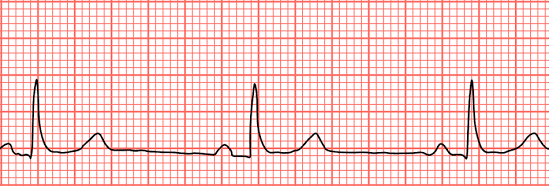

Bradycardia is a slower-than-normal heart rate, typically under 60 beats per minute (bpm) in adults at rest, caused by issues with the heart’s electrical system, certain medications, or underlying conditions like sleep apnea or thyroid problems, leading to symptoms like dizziness, fatigue, shortness of breath, and confusion, though highly fit individuals and athletes may have a normal slow rate. Treatment varies by cause, ranging from lifestyle changes to pacemakers, and involves diagnosing the underlying problem with tools like an EKG.
What it is
- A heart rate below 60 bpm, meaning the heart isn’t pumping enough oxygen-rich blood to the body.
- Can be normal for athletes or during sleep, but problematic if it causes symptoms.
Common types
- Sinus Bradycardia: Slowing of the heart’s natural pacemaker (sinus node).
- Heart Block: Electrical signals from the upper to lower heart chambers are blocked.
Causes
- Heart Issues: Heart disease, previous heart attacks, sick sinus syndrome.
- Medications: Beta-blockers, calcium channel blockers.
- Medical Conditions: Thyroid problems, electrolyte imbalances, sleep apnea, and inflammation.
- Lifestyle: Intense physical fitness (often normal), aging.
Symptoms (when problematic)
- Dizziness, lightheadedness, fainting.
- Fatigue, weakness.
- Shortness of breath, chest pain.
- Confusion or memory problems.
Diagnosis & Treatment
- Diagnosis: Physical exam, EKG, Holter monitor, sleep study, blood tests.
- Treatment: Addressing the cause (e.g., changing meds, treating sleep apnea) or using a pacemaker for severe cases.
Practical Class on IM Injection Pushing for Pharmacist Course in Dhaka
The process of pushing an intramuscular (IM) injection involves a smooth, steady depression of the plunger after the needle is securely in the muscle, ensuring the medication goes in slowly to minimize discomfort, followed by quickly withdrawing the needle at the same angle and activating the safety device, then applying gentle pressure to the site with gauze. Key steps include site preparation (cleaning, Z-track method), swift 90-degree needle insertion, slow plunger push (counting to three), quick withdrawal, and immediate disposal in a sharps container.
Pre-Injection Steps (Preparation)
- Hand Hygiene & Supplies: Wash hands thoroughly and gather medication, syringe, alcohol swabs, gauze, and a sharps container.
- Site Selection & Prep: Locate the correct muscle (e.g., deltoid, ventrogluteal), clean with an alcohol swab, and let it dry.
- Z-Track Method (Optional but Recommended): Use your non-dominant hand to pull the skin and tissue to the side to prevent medication leakage into subcutaneous tissue.
- Syringe Prep: Remove the cap, ensure no large air bubbles, and tap to get a drop of medication at the tip.
The “Push” (Injection)
- Insertion: Hold the syringe like a dart and insert the needle quickly at a 90-degree angle into the muscle.
- Stabilize: Once in the muscle, use your non-dominant hand to steady the syringe.
- Depress Plunger: Slowly and steadily push the plunger all the way down, counting to three.
- Withdrawal: After the fluid is in, hold for a few seconds (around 10 for some meds), then pull the needle straight out at the same 90-degree angle.
Post-Injection Steps
- Safety: Immediately activate the needle’s safety shield and dispose of the entire syringe in the sharps container.
- Site Care: Apply gentle pressure with gauze or a cotton ball (no rubbing) and secure with a bandage if needed.
- Observe: Monitor the patient for any adverse reactions.
Process of IV Injection Pushing for Pharmacist Course in Dhaka
The process of IV Injection Pushing (or Bolus) involves a trained healthcare professional manually injecting medication directly into an established IV line using a syringe, following strict steps: verify order, prepare patient, scrub the IV port (clave), flush with saline to check for patency, attach the medication syringe, push the drug at a specific rate (seconds to minutes) while monitoring, and then perform a post-flush to clear the line, ensuring patient safety and proper delivery.
Key Steps in IV Push Administration
- Preparation & Verification:
- Confirm the doctor’s order, patient details, medication rights (right drug, dose, time, route, patient, documentation, reason, response).
- Gather supplies: saline flush, medication syringe, alcohol wipes, and gloves.
- Perform hand hygiene and don gloves.
- Educate the patient about the medication and potential side effects.
- Priming & Flushing (SASH Method):
- Saline Flush: Scrub the injection port (clave) with an alcohol wipe for 15-30 seconds, let it air dry, then inject 3-5mL of saline to check for patency (blood return) and clear the line.
- Medication Administration:
- Attach Medication: Attach the pre-filled medication syringe (air expelled) to the scrubbed port and twist clockwise to secure.
- Slow Push: Slowly inject the medication at the prescribed rate (e.g., over 1 minute, 2 minutes). Use a timer for accuracy; break down the volume into smaller intervals for easier pacing (e.g., 0.5mL every 30 seconds for a 1mL/min push).
- Completion (SASH):
- Follow-up Flush: After the medication, flush with another 3-5mL of saline at the same rate as the medication push to ensure all the drug enters the bloodstream and clears the tubing, preventing incompatibility with other IV fluids.
- Secure the port with a new alcohol cap if required by facility policy.
Important Considerations
- Timing is Crucial: Pushing too fast can cause adverse effects or medication waste; too slow might delay treatment.
- Compatibility: Always check if the medication is compatible with the primary IV fluid running, if any.
- Patient Monitoring: Closely watch the patient for any adverse reactions during and after administration, especially respiratory changes, notes LevelUpRN.
Practicle Class on Pulse Measurement for Pharmacist Course in Dhaka
The most important topics for a practical class on pulse measurement involve understanding the parameters of the pulse (rate, rhythm, and force), the technique of palpation, various pulse points, and factors influencing the reading.
Key Learning Objectives & Topics
- Anatomy and Physiology:
- Understand what pulse is (the rhythmic expansion and recoil of an artery as blood is pumped through it) and how it relates to the heartbeat (heart rate).
- Identify the major arteries used for pulse measurement (e.g., radial, carotid, brachial, femoral, etc.) and their locations.
- Measurement Technique (Palpation):
- Proper hand hygiene and patient preparation (consent, ensuring the patient is relaxed).
- Correct finger placement (using index and middle fingers, not the thumb).
- Applying appropriate pressure to feel the pulse clearly without blocking blood flow.
- Counting method: Measuring for a full 60 seconds (especially if irregular) or 30 seconds and multiplying by two if regular.
- Parameters of the Pulse:
- Rate: Normal ranges for different age groups (e.g., 60-100 bpm for healthy adults).
- Rhythm: Assessing if the beats are regular (even tempo) or irregular (regularly irregular or irregularly irregular).
- Force/Volume (Strength): Subjectively grading the pulse strength (e.g., weak/thready, normal/strong, bounding) using a scale.
- Bilateral Equality: Comparing pulses on both sides of the body (e.g., both radial pulses) to check for potential circulatory issues like arterial obstructions.
- Factors and Abnormalities:
- Discussing factors that can influence pulse rate (physical activity, emotions, age, medications, temperature, health conditions).
- Recognizing and recording abnormal findings (e.g., tachycardia, bradycardia, weak pulse in shock) and their potential clinical significance.
- Documentation:
- Accurately recording the pulse rate, rhythm, and strength in patient notes.
Practical Application
Students should practice finding and assessing pulses at various points, with the radial artery being the most common site for routine checks. The carotid pulse is important for emergency assessment, but students must learn never to palpate both carotid arteries simultaneously to avoid reducing blood flow to the brain.
Practicle Class on Nebulizer for Pharmacist Course in Dhaka
A practical class on nebulizers typically covers both the theoretical knowledge and the hands-on skills needed for safe and effective use. Main important topics are centered around understanding the device, proper administration technique, patient safety, and hygiene protocols.
Key Topics for a Practical Nebulizer Class
A practical class is likely to cover the following essential topics:
1. Theory and Indications
- Definition and Function: Understanding how a nebulizer converts liquid medication into a fine mist (aerosol) that can be inhaled deep into the lungs.
- Indications for Use: Identifying which respiratory conditions, such as asthma or COPD, require nebulization therapy.
- Types of Nebulizers: Distinguishing between different types (jet, ultrasonic, mesh) and their respective advantages, disadvantages, and appropriate applications.
- Medications: Learning about the various types of medications (e.g., bronchodilators, corticosteroids, mucolytics) that can be administered via nebulizer and their effects.
2. Procedure and Technique
- Preparation: Assembling the equipment (compressor, tubing, medication cup, mask/mouthpiece) and preparing the correct dose of medication.
- Patient Positioning: Ensuring the patient is in a comfortable, upright position (sitting or semi-Fowler’s) to enable maximum breathing efficiency.
- Administration Steps: A step-by-step guide to delivering the treatment effectively, including using a mouthpiece or mask correctly and encouraging slow, deep breaths through the mouth.
- Monitoring: Observing the patient during treatment for signs of improvement or adverse reactions such as palpitations, tremors, or increased difficulty breathing.
3. Safety and Maintenance
- Infection Control: Emphasizing stringent hygiene practices, including washing hands before and after treatment, and the importance of using single-use or personal equipment to prevent cross-infection.
- Cleaning and Disinfection: Proper disassembly, cleaning with soapy water, rinsing, and thorough drying of reusable parts after each use to prevent microbial growth.
- Troubleshooting: Identifying and resolving common issues, such as the machine not producing mist or unusual noises.
- Special Considerations: Adjusting the procedure for specific patient populations, such as infants, young children, or unconscious patients who may require a face mask or alternative positioning.
4. Documentation and Education
- Record Keeping: Accurately documenting the procedure, administered medication, dosage, time, and the patient’s response in their care plan or medical record.
- Patient Teaching: Instructing patients and caregivers on proper home use, maintenance, and when to report symptoms to a physician to ensure compliance and effective long-term management.
Practicle Class on Saline Infusion for Pharmacist Course in Dhaka
A practical class on saline infusion focuses on the core principles and procedures of intravenous fluid administration. Key topics include the indications and contraindications for use, the types of saline solutions, and the essential practical skills for administration and patient monitoring.
Core Topics for a Practical Class
1. Foundational Knowledge and Principles
- Physiology of Fluid Balance: Understanding how water and electrolytes are distributed and balanced in the body is crucial for safe fluid therapy.
- Types of IV Fluids: Differentiating between isotonic (e.g., 0.9% Normal Saline), hypotonic (e.g., 0.45% Saline), and hypertonic solutions based on their osmolarity and clinical use.
- Indications for Saline Infusion: Common uses for normal saline (0.9% NaCl) include:
- Extracellular fluid replacement (dehydration, hypovolemia, hemorrhage, sepsis).
- Treatment of metabolic alkalosis.
- Mild sodium depletion.
- Vehicle for diluting and administering compatible medications.
- Administering blood products.
- Contraindications and Cautions: Identifying conditions where saline infusion should be used with caution or avoided, such as congestive heart failure, severe renal impairment, or conditions involving sodium retention due to the risk of fluid volume overload.
2. Equipment and Preparation
- Identifying Supplies: Recognizing and preparing all necessary equipment, including IV bags, administration sets (tubing), IV cannula/catheter, tourniquet, antiseptic solution, and sterile gloves.
- Aseptic Technique: Emphasizing the mandatory use of sterile techniques throughout the procedure to prevent infection.
- Preparing the Solution and Tubing:
- Checking the IV fluid for clarity, expiry date, and any signs of contamination.
- Spiking the IV bag and priming the tubing to remove all air bubbles and prevent air embolism.
- Proper labeling of the IV bag and tubing with medication (if added), date, time, and flow rate.
3. Administration Procedure and Skills
- Patient Preparation: Explaining the procedure to the patient, obtaining consent, and ensuring a comfortable position.
- Venipuncture: Selecting an appropriate vein and inserting the IV cannula correctly.
- Calculating and Regulating Flow Rate: Learning how to manually calculate the drip rate or use an infusion pump to ensure the correct volume is delivered over the specified time.
- Troubleshooting: Addressing potential issues, such as an insufficient flow rate, pain at the injection site, or equipment failure.
4. Monitoring and Management
- Patient Monitoring: Continuously assessing the patient for signs of adverse reactions or complications, including:
- Local reactions: Pain, swelling, redness, phlebitis, or extravasation at the injection site.
- Systemic reactions: Fluid overload (peripheral/pulmonary edema, high blood pressure), electrolyte imbalances (hypernatraemia, hyponatraemia), or systemic infection.
- Documentation: Accurately recording the procedure details, including the type and amount of fluid/medication administered, flow rate, and patient response.
- When to Discontinue: Understanding the criteria for stopping the infusion and when to seek senior medical advice, especially in cases of adverse events.
Practicle Class on cannula for Pharmacist Course in Dhaka
A practical class on intravenous (IV) cannulation should focus on both theoretical knowledge and the hands-on skills required for safe and effective practice.
Key Theoretical Topics
- Anatomy and Physiology: Understanding the circulatory system, including differentiating between veins and arteries, and identifying suitable peripheral veins for cannulation (e.g., in the forearm, back of the hand).
- Indications and Contraindications: Knowing when IV access is necessary (e.g., for fluid administration, medication, blood transfusions, or drawing blood samples) and when it might be contraindicated (e.g., in an arm with an AV fistula or a history of breast surgery/lymph node removal).
- Cannula Selection: Learning about the different cannula sizes (gauges), their corresponding flow rates, and selecting the appropriate size based on the patient’s needs and vein condition.
- Infection Prevention and Control: Emphasizing the importance of strict aseptic non-touch technique (ANTT) to minimize the risk of infection.
- Potential Complications: Recognizing, preventing, and managing common complications such as hematoma, phlebitis, infiltration/extravasation (fluid leaking into surrounding tissue), and accidental arterial puncture.
- Documentation and Aftercare: Understanding the correct procedures for labeling the cannula site with the date/time of insertion and documenting the procedure in the patient’s records.
Essential Practical Skills
- Patient Preparation and Consent: Effectively explaining the procedure to the patient, confirming their identity, obtaining informed consent, and ensuring their comfort.
- Equipment Preparation: Assembling all necessary equipment (cannula, tourniquet, antiseptic wipes, dressing, saline flush, gloves, sharps bin) in an organized manner.
- Vein Selection and Preparation:
- Applying a tourniquet correctly.
- Identifying and palpating a suitable vein.
- Cleaning the chosen site with an antiseptic solution and allowing it to air dry.
- Insertion Technique:
- Stabilizing the vein by applying traction to the skin.
- Inserting the cannula (bevel up) at a shallow angle.
- Observing for “flashback” of blood to confirm venous entry.
- Advancing the cannula into the vein while retracting the needle (stylet) safely into its protective mechanism.
- Securing and Flushing:
- Releasing the tourniquet.
- Connecting the bionector/T-piece and flushing the cannula with saline to check for patency and signs of infiltration.
- Securing the cannula firmly with an appropriate sterile dressing, ensuring the insertion site remains visible for monitoring.
- Removal of Cannula: Learning the correct procedure for safely removing the cannula when it is no longer needed or if complications arise.
For visual examples of the procedure and equipment, you can refer to online resources and training materials (e.g., TeachMeSurgery, Ausmed).
Practicle Class on Oxygen Measurement for Pharmacist Course in Dhaka
A practical class on oxygen measurement covers different topics depending on whether the focus is on chemistry/environmental science (measuring oxygen in a lab or water) or biomedical/clinical science (measuring oxygen in the body).
For Biomedical/Clinical Context
The main important topics for a practical class on measuring oxygen in a clinical or physiological setting include:
- Physiology of Oxygen Transport: Understanding how oxygen is absorbed by the lungs and transported in the blood, primarily bound to hemoglobin.
- Oxygen Saturation (SpO₂) and Partial Pressure (PO₂): Defining and distinguishing between oxygen saturation (the percentage of hemoglobin carrying oxygen) and the partial pressure of oxygen in arterial blood.
- Pulse Oximetry: The core practical skill, covering the principles (spectrophotometry and light absorption differences between oxygenated and deoxygenated hemoglobin), proper use of a pulse oximeter, and factors affecting accuracy (e.g., patient movement, nail polish, tissue thickness).
- Blood Gas Analysis (BGA): An invasive but highly accurate method that provides comprehensive information, including arterial oxygen saturation (SaO₂), partial pressure of oxygen (PaO₂), pH, and carbon dioxide levels.
- Clinical Significance: Interpreting results, recognizing normal ranges (typically 95-99% SpO₂), identifying hypoxemia (low blood oxygen levels), and understanding the need for medical interventions like oxygen therapy.
- Oxygen-Hemoglobin Dissociation Curve: Understanding the relationship between PO₂ and oxygen saturation and how factors like pH and temperature shift this curve.
For Chemistry/Environmental Science Context
The main important topics for a practical class on measuring oxygen in a laboratory or environmental setting include:
- Chemical Test for Gaseous Oxygen: Performing the standard qualitative test using a glowing splint which relights in the presence of oxygen.
- Preparation of Oxygen: Practical experience with methods for generating oxygen gas, such as the catalytic decomposition of hydrogen peroxide.
- Dissolved Oxygen (DO) Measurement: Learning techniques to measure the amount of oxygen dissolved in water or other liquids, which is crucial for environmental monitoring and aquatic life.
- Winkler Method: A classic titration-based chemical method for precisely measuring dissolved oxygen (see a visual example of the setup).
- DO Meters/Probes: Using electronic meters with probes (e.g., electrochemical or optical sensors) for faster, real-time dissolved oxygen measurements in the field (see a visual example of a device).
- Applications in Industry: Discussing the use of oxygen sensors in industrial settings for combustion control, ensuring inert atmospheres, and monitoring gas purity.
Practical Class on Heartbeat for Pharmacist Course in Dhaka
A heartbeat is the rhythmic contraction and relaxation of the heart, driven by electrical signals, pumping blood through the body; it involves phases like diastole (relaxation/filling) and systole (contraction/pumping) and is measured as beats per minute (BPM), with 60-100 BPM being a normal resting range for adults, though it varies with activity. The electrical impulse originates at the sinoatrial (SA) node, travels through the atria, and then to the ventricles, causing them to contract and pump oxygenated and deoxygenated blood.
How it works (The Cardiac Cycle)
- Diastole (Relaxation): The heart’s chambers relax, and blood flows from the body into the right atrium and from the lungs into the left atrium, then into the ventricles.
- Atrial Systole: The atria contract, pushing remaining blood into the ventricles.
- Ventricular Systole: The ventricles contract forcefully, pushing blood out: the right side sends it to the lungs, and the left side pumps it to the rest of the body.
- Cycle Repeats: The heart then re-enters diastole, refilling with blood.
Key Terms
- SA Node: The heart’s natural pacemaker, initiating the electrical signal.
- Pulse: The palpable wave of blood flow from the heart’s beat.
- Heart Rate: The number of beats per minute (BPM).
- Tachycardia: A heart rate over 100 BPM at rest.
- Bradycardia: A slow heart rate (not mentioned in snippets, but implied opposite of tachycardia).
What affects it
- Factors Such as Stress, caffeine, nicotine, exercise, and hormones can increase heart rate.
- Normal Range: 60-100 BPM at rest for most adults, though athletes often have lower rates.
Practical Class on Heart Rate for Pharmacist Course in Dhaka
Heart rate is the number of times your heart beats per minute (bpm), with a normal resting rate for adults generally being 60-100 bpm, though it varies with age, fitness, stress, and medications, with athletes often having lower rates. It’s a key health indicator, reflecting heart function; a consistently high rate (tachycardia, >100 bpm at rest) or low rate (bradycardia, <60 bpm at rest, unless fit) can signal issues. You can check it by feeling your pulse at the wrist or with devices, ideally after resting.
Normal Ranges & Factors
- Adults: 60-100 bpm resting.
- Athletes: Can be as low as 40 bpm or less.
- Children: Have higher rates, e.g., 80-120 bpm for ages 3-5.
- Factors Affecting It: Fitness, emotions, caffeine, alcohol, medications, illness, pregnancy, and sleep quality.
How to Check Your Heart Rate
- Rest: Sit quietly for 5-10 minutes.
- Locate Pulse: Place index and middle fingers on the thumb side of your wrist.
- Count: Count beats for 15 seconds and multiply by 4, or count for a full minute.
- Devices: Smartwatches and fitness trackers offer easy monitoring.
Practical Class on Inhaler & Rotahaler for Pharmacist Course in Dhaka
A practical class on inhalers and Rotahalers should focus on ensuring correct administration technique, as proper use is crucial for the medication to reach the lungs effectively.
The main important topics for a practical class include:
General Inhaler Principles
- Mechanism of Action: Understanding how inhaled medication directly targets the lungs to control conditions like asthma and COPD, and the advantages over systemic therapy.
- Importance of Correct Technique: Highlighting that poor technique is a major cause of poor disease control, and little or no medicine reaches the lungs if used incorrectly.
- Types of Inhalers: Distinguishing between different types, such as metered-dose inhalers (MDIs), dry powder inhalers (DPIs, which include the Rotahaler), and soft mist inhalers (SMIs), and when each might be appropriate for different patients.
- Common Errors: Identifying frequent mistakes, such as not exhaling fully before inhalation or not holding one’s breath afterwards.
- Patient Education: Emphasizing the need for healthcare providers to give clear verbal and demonstrated instruction, and observe the patient re-demonstrate the technique at each visit.
Specific Inhaler Technique Steps
The practical component should cover the step-by-step procedures for each device.
For Rotahaler (Dry Powder Inhaler)
- Preparation:
- Unscrew the cover and hold the Rotahaler vertically.
- Insert the capsule (Rotacap) correctly into the chamber, ensuring the clear end is in the smaller hole.
- Press the capsule firmly and rotate the base of the device to pierce and open the capsule.
- Inhalation:
- Breathe out gently and fully, away from the device.
- Place the mouthpiece in the mouth, sealing lips around it.
- Breathe in deeply and forcefully to ensure the powder is inhaled into the lungs.
- Remove the device from the mouth and hold the breath for at least 10 seconds, or as long as comfortable.
- Post-use Care:
- Check the chamber to confirm the capsule is empty.
- Discard the empty capsule shell.
- Discuss the importance of cleaning the Rotahaler and how often (e.g., every two weeks).
- Crucial Step for Steroids: If the medication is a corticosteroid, rinse or gargle the mouth with plain water and spit it out to prevent oral thrush.
For Pressurized Metered-Dose Inhaler (pMDI)
- Preparation:
- Remove the cap and shake the inhaler well before use.
- If a spacer is available, attach it, especially for patients who struggle with coordination.
- Inhalation:
- Breathe out fully, away from the inhaler.
- Place the mouthpiece in the mouth, or into the spacer.
- As the patient starts to breathe in slowly and steadily, press down on the canister to release the medication.
- Continue breathing in, then hold the breath for 5 to 10 seconds.
- Post-use Care:
- If multiple puffs are needed, wait as advised by the manufacturer/pharmacist before repeating the steps.
- Clean the MDI regularly (e.g., once a week with warm water).
- Rinse mouth after use if it contains a steroid.
Practical Class on Tachycardia for Pharmacist Course in Dhaka
Tachycardia is a heart rhythm disorder where the heart beats too fast, typically over 100 beats per minute (bpm) at rest in adults, signaling an electrical problem or normal response to stress, exercise, or underlying conditions like fever, anemia, anxiety, or thyroid issues, causing symptoms like palpitations, dizziness, and shortness of breath, requiring medical evaluation to determine if it’s benign (sinus tachycardia) or a serious arrhythmia needing treatment.
Types of Tachycardia
- Sinus Tachycardia: A normal response to stress, fever, or exercise, where the sinus node fires too quickly.
- Supraventricular Tachycardia (SVT): Abnormal signals start above the ventricles, causing sudden, rapid heartbeats, often felt as palpitations.
- Ventricular Tachycardia (VT): A dangerous rhythm originating in the heart’s lower chambers, potentially life-threatening.
- Atrial Fibrillation (AFib) & Flutter: Irregular, rapid heartbeats in the upper chambers (atria).
Common Symptoms
Racing heart or palpitations, Dizziness or lightheadedness, Shortness of breath, and Chest pain or discomfort.
Common Causes & Triggers
- Lifestyle: Caffeine, alcohol, stimulants, smoking, stress, lack of sleep.
- Medical Conditions: Fever, anemia, thyroid disease, dehydration, lung disease, sleep apnea, heart disease, and high blood pressure.
- Electrical Issues: Faulty heart wiring or triggers in the heart’s chambers.
Practical Class on Bradycardia for Pharmacist Course in Dhaka
Bradycardia is a slower-than-normal heart rate, typically under 60 beats per minute (bpm) in adults at rest, caused by issues with the heart’s electrical system, certain medications, or underlying conditions like sleep apnea or thyroid problems, leading to symptoms like dizziness, fatigue, shortness of breath, and confusion, though highly fit individuals and athletes may have a normal slow rate. Treatment varies by cause, ranging from lifestyle changes to pacemakers, and involves diagnosing the underlying problem with tools like an EKG.
What it is
- A heart rate below 60 bpm, meaning the heart isn’t pumping enough oxygen-rich blood to the body.
- Can be normal for athletes or during sleep, but problematic if it causes symptoms.
Common types
- Sinus Bradycardia: Slowing of the heart’s natural pacemaker (sinus node).
- Heart Block: Electrical signals from the upper to lower heart chambers are blocked.
Causes
- Heart Issues: Heart disease, previous heart attacks, sick sinus syndrome.
- Medications: Beta-blockers, calcium channel blockers.
- Medical Conditions: Thyroid problems, electrolyte imbalances, sleep apnea, and inflammation.
- Lifestyle: Intense physical fitness (often normal), aging.
Symptoms (when problematic)
- Dizziness, lightheadedness, fainting.
- Fatigue, weakness.
- Shortness of breath, chest pain.
- Confusion or memory problems.
Diagnosis & Treatment
- Diagnosis: Physical exam, EKG, Holter monitor, sleep study, blood tests.
- Treatment: Addressing the cause (e.g., changing meds, treating sleep apnea) or using a pacemaker for severe cases.
Practical Class on IM Injection Pushing for Pharmacist Course in Dhaka
The process of pushing an intramuscular (IM) injection involves a smooth, steady depression of the plunger after the needle is securely in the muscle, ensuring the medication goes in slowly to minimize discomfort, followed by quickly withdrawing the needle at the same angle and activating the safety device, then applying gentle pressure to the site with gauze. Key steps include site preparation (cleaning, Z-track method), swift 90-degree needle insertion, slow plunger push (counting to three), quick withdrawal, and immediate disposal in a sharps container.
Pre-Injection Steps (Preparation)
- Hand Hygiene & Supplies: Wash hands thoroughly and gather medication, syringe, alcohol swabs, gauze, and a sharps container.
- Site Selection & Prep: Locate the correct muscle (e.g., deltoid, ventrogluteal), clean with an alcohol swab, and let it dry.
- Z-Track Method (Optional but Recommended): Use your non-dominant hand to pull the skin and tissue to the side to prevent medication leakage into subcutaneous tissue.
- Syringe Prep: Remove the cap, ensure no large air bubbles, and tap to get a drop of medication at the tip.
The “Push” (Injection)
- Insertion: Hold the syringe like a dart and insert the needle quickly at a 90-degree angle into the muscle.
- Stabilize: Once in the muscle, use your non-dominant hand to steady the syringe.
- Depress Plunger: Slowly and steadily push the plunger all the way down, counting to three.
- Withdrawal: After the fluid is in, hold for a few seconds (around 10 for some meds), then pull the needle straight out at the same 90-degree angle.
Post-Injection Steps
- Safety: Immediately activate the needle’s safety shield and dispose of the entire syringe in the sharps container.
- Site Care: Apply gentle pressure with gauze or a cotton ball (no rubbing) and secure with a bandage if needed.
- Observe: Monitor the patient for any adverse reactions.
Process of IV Injection Pushing for Pharmacist Course in Dhaka
The process of IV Injection Pushing (or Bolus) involves a trained healthcare professional manually injecting medication directly into an established IV line using a syringe, following strict steps: verify order, prepare patient, scrub the IV port (clave), flush with saline to check for patency, attach the medication syringe, push the drug at a specific rate (seconds to minutes) while monitoring, and then perform a post-flush to clear the line, ensuring patient safety and proper delivery.
Key Steps in IV Push Administration
- Preparation & Verification:
- Confirm the doctor’s order, patient details, medication rights (right drug, dose, time, route, patient, documentation, reason, response).
- Gather supplies: saline flush, medication syringe, alcohol wipes, and gloves.
- Perform hand hygiene and don gloves.
- Educate the patient about the medication and potential side effects.
- Priming & Flushing (SASH Method):
- Saline Flush: Scrub the injection port (clave) with an alcohol wipe for 15-30 seconds, let it air dry, then inject 3-5mL of saline to check for patency (blood return) and clear the line.
- Medication Administration:
- Attach Medication: Attach the pre-filled medication syringe (air expelled) to the scrubbed port and twist clockwise to secure.
- Slow Push: Slowly inject the medication at the prescribed rate (e.g., over 1 minute, 2 minutes). Use a timer for accuracy; break down the volume into smaller intervals for easier pacing (e.g., 0.5mL every 30 seconds for a 1mL/min push).
- Completion (SASH):
- Follow-up Flush: After the medication, flush with another 3-5mL of saline at the same rate as the medication push to ensure all the drug enters the bloodstream and clears the tubing, preventing incompatibility with other IV fluids.
- Secure the port with a new alcohol cap if required by facility policy.
Important Considerations
- Timing is Crucial: Pushing too fast can cause adverse effects or medication waste; too slow might delay treatment.
- Compatibility: Always check if the medication is compatible with the primary IV fluid running, if any.
- Patient Monitoring: Closely watch the patient for any adverse reactions during and after administration, especially respiratory changes, notes LevelUpRN.
Practicle Class on Pulse Measurement for Pharmacist Course in Dhaka
The most important topics for a practical class on pulse measurement involve understanding the parameters of the pulse (rate, rhythm, and force), the technique of palpation, various pulse points, and factors influencing the reading.
Key Learning Objectives & Topics
- Anatomy and Physiology:
- Understand what pulse is (the rhythmic expansion and recoil of an artery as blood is pumped through it) and how it relates to the heartbeat (heart rate).
- Identify the major arteries used for pulse measurement (e.g., radial, carotid, brachial, femoral, etc.) and their locations.
- Measurement Technique (Palpation):
- Proper hand hygiene and patient preparation (consent, ensuring the patient is relaxed).
- Correct finger placement (using index and middle fingers, not the thumb).
- Applying appropriate pressure to feel the pulse clearly without blocking blood flow.
- Counting method: Measuring for a full 60 seconds (especially if irregular) or 30 seconds and multiplying by two if regular.
- Parameters of the Pulse:
- Rate: Normal ranges for different age groups (e.g., 60-100 bpm for healthy adults).
- Rhythm: Assessing if the beats are regular (even tempo) or irregular (regularly irregular or irregularly irregular).
- Force/Volume (Strength): Subjectively grading the pulse strength (e.g., weak/thready, normal/strong, bounding) using a scale.
- Bilateral Equality: Comparing pulses on both sides of the body (e.g., both radial pulses) to check for potential circulatory issues like arterial obstructions.
- Factors and Abnormalities:
- Discussing factors that can influence pulse rate (physical activity, emotions, age, medications, temperature, health conditions).
- Recognizing and recording abnormal findings (e.g., tachycardia, bradycardia, weak pulse in shock) and their potential clinical significance.
- Documentation:
- Accurately recording the pulse rate, rhythm, and strength in patient notes.
Practical Application
Students should practice finding and assessing pulses at various points, with the radial artery being the most common site for routine checks. The carotid pulse is important for emergency assessment, but students must learn never to palpate both carotid arteries simultaneously to avoid reducing blood flow to the brain.
Practicle Class on Nebulizer for Pharmacist Course in Dhaka
A practical class on nebulizers typically covers both the theoretical knowledge and the hands-on skills needed for safe and effective use. Main important topics are centered around understanding the device, proper administration technique, patient safety, and hygiene protocols.
Key Topics for a Practical Nebulizer Class
A practical class is likely to cover the following essential topics:
1. Theory and Indications
- Definition and Function: Understanding how a nebulizer converts liquid medication into a fine mist (aerosol) that can be inhaled deep into the lungs.
- Indications for Use: Identifying which respiratory conditions, such as asthma or COPD, require nebulization therapy.
- Types of Nebulizers: Distinguishing between different types (jet, ultrasonic, mesh) and their respective advantages, disadvantages, and appropriate applications.
- Medications: Learning about the various types of medications (e.g., bronchodilators, corticosteroids, mucolytics) that can be administered via nebulizer and their effects.
2. Procedure and Technique
- Preparation: Assembling the equipment (compressor, tubing, medication cup, mask/mouthpiece) and preparing the correct dose of medication.
- Patient Positioning: Ensuring the patient is in a comfortable, upright position (sitting or semi-Fowler’s) to enable maximum breathing efficiency.
- Administration Steps: A step-by-step guide to delivering the treatment effectively, including using a mouthpiece or mask correctly and encouraging slow, deep breaths through the mouth.
- Monitoring: Observing the patient during treatment for signs of improvement or adverse reactions such as palpitations, tremors, or increased difficulty breathing.
3. Safety and Maintenance
- Infection Control: Emphasizing stringent hygiene practices, including washing hands before and after treatment, and the importance of using single-use or personal equipment to prevent cross-infection.
- Cleaning and Disinfection: Proper disassembly, cleaning with soapy water, rinsing, and thorough drying of reusable parts after each use to prevent microbial growth.
- Troubleshooting: Identifying and resolving common issues, such as the machine not producing mist or unusual noises.
- Special Considerations: Adjusting the procedure for specific patient populations, such as infants, young children, or unconscious patients who may require a face mask or alternative positioning.
4. Documentation and Education
- Record Keeping: Accurately documenting the procedure, administered medication, dosage, time, and the patient’s response in their care plan or medical record.
- Patient Teaching: Instructing patients and caregivers on proper home use, maintenance, and when to report symptoms to a physician to ensure compliance and effective long-term management.
Practicle Class on Saline Infusion for Pharmacist Course in Dhaka
A practical class on saline infusion focuses on the core principles and procedures of intravenous fluid administration. Key topics include the indications and contraindications for use, the types of saline solutions, and the essential practical skills for administration and patient monitoring.
Core Topics for a Practical Class
1. Foundational Knowledge and Principles
- Physiology of Fluid Balance: Understanding how water and electrolytes are distributed and balanced in the body is crucial for safe fluid therapy.
- Types of IV Fluids: Differentiating between isotonic (e.g., 0.9% Normal Saline), hypotonic (e.g., 0.45% Saline), and hypertonic solutions based on their osmolarity and clinical use.
- Indications for Saline Infusion: Common uses for normal saline (0.9% NaCl) include:
- Extracellular fluid replacement (dehydration, hypovolemia, hemorrhage, sepsis).
- Treatment of metabolic alkalosis.
- Mild sodium depletion.
- Vehicle for diluting and administering compatible medications.
- Administering blood products.
- Contraindications and Cautions: Identifying conditions where saline infusion should be used with caution or avoided, such as congestive heart failure, severe renal impairment, or conditions involving sodium retention due to the risk of fluid volume overload.
2. Equipment and Preparation
- Identifying Supplies: Recognizing and preparing all necessary equipment, including IV bags, administration sets (tubing), IV cannula/catheter, tourniquet, antiseptic solution, and sterile gloves.
- Aseptic Technique: Emphasizing the mandatory use of sterile techniques throughout the procedure to prevent infection.
- Preparing the Solution and Tubing:
- Checking the IV fluid for clarity, expiry date, and any signs of contamination.
- Spiking the IV bag and priming the tubing to remove all air bubbles and prevent air embolism.
- Proper labeling of the IV bag and tubing with medication (if added), date, time, and flow rate.
3. Administration Procedure and Skills
- Patient Preparation: Explaining the procedure to the patient, obtaining consent, and ensuring a comfortable position.
- Venipuncture: Selecting an appropriate vein and inserting the IV cannula correctly.
- Calculating and Regulating Flow Rate: Learning how to manually calculate the drip rate or use an infusion pump to ensure the correct volume is delivered over the specified time.
- Troubleshooting: Addressing potential issues, such as an insufficient flow rate, pain at the injection site, or equipment failure.
4. Monitoring and Management
- Patient Monitoring: Continuously assessing the patient for signs of adverse reactions or complications, including:
- Local reactions: Pain, swelling, redness, phlebitis, or extravasation at the injection site.
- Systemic reactions: Fluid overload (peripheral/pulmonary edema, high blood pressure), electrolyte imbalances (hypernatraemia, hyponatraemia), or systemic infection.
- Documentation: Accurately recording the procedure details, including the type and amount of fluid/medication administered, flow rate, and patient response.
- When to Discontinue: Understanding the criteria for stopping the infusion and when to seek senior medical advice, especially in cases of adverse events.
Practicle Class on cannula for Pharmacist Course in Dhaka
A practical class on intravenous (IV) cannulation should focus on both theoretical knowledge and the hands-on skills required for safe and effective practice.
Key Theoretical Topics
- Anatomy and Physiology: Understanding the circulatory system, including differentiating between veins and arteries, and identifying suitable peripheral veins for cannulation (e.g., in the forearm, back of the hand).
- Indications and Contraindications: Knowing when IV access is necessary (e.g., for fluid administration, medication, blood transfusions, or drawing blood samples) and when it might be contraindicated (e.g., in an arm with an AV fistula or a history of breast surgery/lymph node removal).
- Cannula Selection: Learning about the different cannula sizes (gauges), their corresponding flow rates, and selecting the appropriate size based on the patient’s needs and vein condition.
- Infection Prevention and Control: Emphasizing the importance of strict aseptic non-touch technique (ANTT) to minimize the risk of infection.
- Potential Complications: Recognizing, preventing, and managing common complications such as hematoma, phlebitis, infiltration/extravasation (fluid leaking into surrounding tissue), and accidental arterial puncture.
- Documentation and Aftercare: Understanding the correct procedures for labeling the cannula site with the date/time of insertion and documenting the procedure in the patient’s records.
Essential Practical Skills
- Patient Preparation and Consent: Effectively explaining the procedure to the patient, confirming their identity, obtaining informed consent, and ensuring their comfort.
- Equipment Preparation: Assembling all necessary equipment (cannula, tourniquet, antiseptic wipes, dressing, saline flush, gloves, sharps bin) in an organized manner.
- Vein Selection and Preparation:
- Applying a tourniquet correctly.
- Identifying and palpating a suitable vein.
- Cleaning the chosen site with an antiseptic solution and allowing it to air dry.
- Insertion Technique:
- Stabilizing the vein by applying traction to the skin.
- Inserting the cannula (bevel up) at a shallow angle.
- Observing for “flashback” of blood to confirm venous entry.
- Advancing the cannula into the vein while retracting the needle (stylet) safely into its protective mechanism.
- Securing and Flushing:
- Releasing the tourniquet.
- Connecting the bionector/T-piece and flushing the cannula with saline to check for patency and signs of infiltration.
- Securing the cannula firmly with an appropriate sterile dressing, ensuring the insertion site remains visible for monitoring.
- Removal of Cannula: Learning the correct procedure for safely removing the cannula when it is no longer needed or if complications arise.
For visual examples of the procedure and equipment, you can refer to online resources and training materials (e.g., TeachMeSurgery, Ausmed).
Practicle Class on Oxygen Measurement for Pharmacist Course in Dhaka
A practical class on oxygen measurement covers different topics depending on whether the focus is on chemistry/environmental science (measuring oxygen in a lab or water) or biomedical/clinical science (measuring oxygen in the body).
For Biomedical/Clinical Context
The main important topics for a practical class on measuring oxygen in a clinical or physiological setting include:
- Physiology of Oxygen Transport: Understanding how oxygen is absorbed by the lungs and transported in the blood, primarily bound to hemoglobin.
- Oxygen Saturation (SpO₂) and Partial Pressure (PO₂): Defining and distinguishing between oxygen saturation (the percentage of hemoglobin carrying oxygen) and the partial pressure of oxygen in arterial blood.
- Pulse Oximetry: The core practical skill, covering the principles (spectrophotometry and light absorption differences between oxygenated and deoxygenated hemoglobin), proper use of a pulse oximeter, and factors affecting accuracy (e.g., patient movement, nail polish, tissue thickness).
- Blood Gas Analysis (BGA): An invasive but highly accurate method that provides comprehensive information, including arterial oxygen saturation (SaO₂), partial pressure of oxygen (PaO₂), pH, and carbon dioxide levels.
- Clinical Significance: Interpreting results, recognizing normal ranges (typically 95-99% SpO₂), identifying hypoxemia (low blood oxygen levels), and understanding the need for medical interventions like oxygen therapy.
- Oxygen-Hemoglobin Dissociation Curve: Understanding the relationship between PO₂ and oxygen saturation and how factors like pH and temperature shift this curve.
For Chemistry/Environmental Science Context
The main important topics for a practical class on measuring oxygen in a laboratory or environmental setting include:
- Chemical Test for Gaseous Oxygen: Performing the standard qualitative test using a glowing splint which relights in the presence of oxygen.
- Preparation of Oxygen: Practical experience with methods for generating oxygen gas, such as the catalytic decomposition of hydrogen peroxide.
- Dissolved Oxygen (DO) Measurement: Learning techniques to measure the amount of oxygen dissolved in water or other liquids, which is crucial for environmental monitoring and aquatic life.
- Winkler Method: A classic titration-based chemical method for precisely measuring dissolved oxygen (see a visual example of the setup).
- DO Meters/Probes: Using electronic meters with probes (e.g., electrochemical or optical sensors) for faster, real-time dissolved oxygen measurements in the field (see a visual example of a device).
- Applications in Industry: Discussing the use of oxygen sensors in industrial settings for combustion control, ensuring inert atmospheres, and monitoring gas purity.
Location and Schedule for Pharmacist Course in Dhaka
Practical classes are held at the HRTD Medical Institute in Mirpur-10, Dhaka. Flexible schedules are available for working professionals, with morning and evening shifts on Fridays, Mondays, and Saturdays. Practicle Class For 6 Month Best Pharmacy Course in Bangladesh
Practical classes at HRTD Medical Institute focus on hands-on instrumental and clinical skills required for working in pharmacies and basic healthcare settings.
Core Practical Skills Covered
The institute offers specific instrumental training as part of its pharmacy courses, which includes:
- Vital Signs Measurement: Learning to measure blood pressure, heart rate, and pulse.
- Respiratory Care: Practical instruction on using inhalers, rotahalers, and nebulizers, as well as saturated oxygen measurement.
- Injectables and Infusions: Training for Intramuscular (IM), Intravenous (IV), and Subcutaneous (SC) injections, along with saline infusion and cannula insertion.
- Dispensing Skills: Training in correctly filling prescriptions, drug handling, and providing healthcare advice.
- First Aid: Basic and intermediate life-saving skills, including CPR, managing bleeding, burns, and fractures.
Course Structures
Practical training is integrated into several pharmacy programs:
- 6-Month Courses: Often referred to as “C Grade Pharmacist” or “Pharmacy Technician” courses, these focus heavily on foundational practical work and preparation for the Pharmacy Council of Bangladesh exam.
Location and Schedule
Practical classes are held at the HRTD Medical Institute in Mirpur-10, Dhaka. Flexible schedules are available for working professionals, with morning and evening shifts on Fridays, Mondays, and Saturdays.
How can I get pharmacy certificate in Bangladesh?
Getting a pharmacy certificate in Bangladesh is not an easy process, but it is possible. In order to become a certified pharmacist in Bangladesh, one must first complete a four-year bachelor’s degree in pharmacy from an accredited university. After completing the degree, the student must then pass a two-part national pharmacy examination. If you want to complete our Pharmacy Courses from HRTD Medical Institute please, contact with us.
After successfully passing the pharmacy examination, the student must then complete a two-year internship program. During the internship, the student will be trained in various aspects of pharmacy practice, including dispensing, compounding, and counseling. After completing the internship, the student must then pass the Bangladesh Pharmacy Council’s final examination. If you want to complete our Pharmacy Courses from HRTD Medical Institute please, contact with us.
After successfully passing the examination, the student will receive a certificate of pharmacy. This certificate is valid for three years and must be renewed on a yearly basis. Upon renewal, the student must complete a number of continuing education courses in order to maintain their certification.
In addition to completing their degree, internship, and examination requirements, the student must also have a valid license from the Bangladesh Pharmacy Council. This license must be renewed on a yearly basis and is issued only after successful completion of the national pharmacy examination.
Once the student has successfully completed all of the necessary requirements for becoming a certified pharmacist in Bangladesh, they can then apply for a job in the field. Pharmacists can work in hospitals, pharmacies, pharmaceutical companies, or even in research facilities.
In conclusion, becoming a certified pharmacist in Bangladesh is not an easy process. However, it is possible and with hard work and dedication, it can be done. Once the student has completed their degree, internship, and examination requirements and obtained a valid license from the Bangladesh Pharmacy Council, they can the



One comment
Pingback: 6 Month Best Pharmacy Course in Bangladesh. Mobile 01987-073965