 HRTD Medical Institute

Physiotherapist Best Course in Dhaka Details
Physiotherapist Best Course in Dhaka. Mobile No. 01969947171, 01987-073965, 01797-522136. BSc Physiotherapist Course and Diploma Physiotherapist Course are available in Bangladesh.
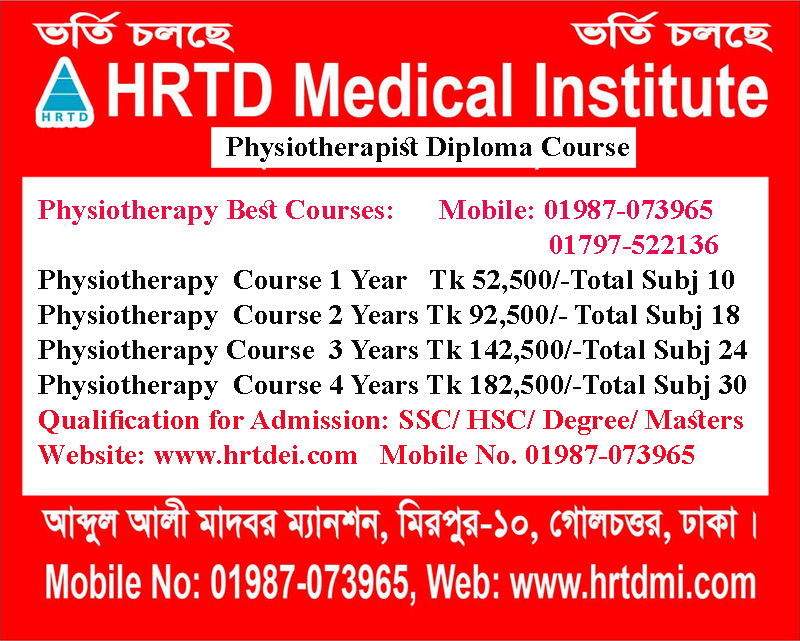
Physiotherapist Best Course
Physiotherapist BSc Courses are available in some National Institutes and Private Institutes. BSc Physiotherapist or BSc Physiotherapy Course is Best in NITOR, Sher e Bangla Nagor, Dhaka. Diploma Physiotherapist or Diploma Physiotherapy Course under IHT is the Best. Science Background is mandatory for taking admission in BSc Physiotherapy or Diploma Physiotherapy under IHT.
Physiotherapist Best Private Diploma Course
Physiotherapist Best Private Diploma Course. Mobile No. 01969947171, 01987-073965, 01797-522136. HRTD Medical Institute is organizing some Private Diploma Physiotherapy Courses. 4 Years Diploma in Physiotherapy is the best among the courses. If you want to complete Physiotherapist Best Course in Dhaka from HRTD Medical Institute then please, contact with us.
Physiotherapist Best Course Fee in Dhaka
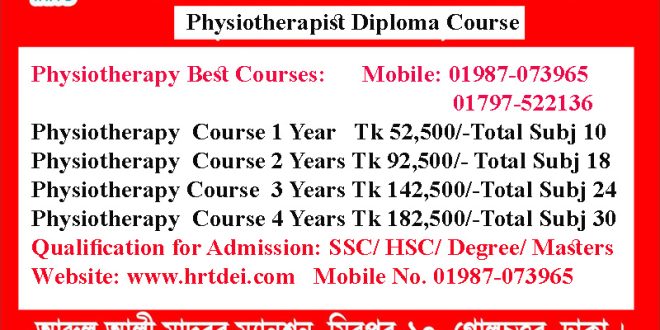
Physiotherapist Best Course Fee in Dhaka. Mobile No. 01969947171, 01987-073965, 01797-522136. Physiotherapist 4 Years Course Fee Tk 198500/-, Physiotherapy 3 Years Course Fee Tk 152500/-, Physiotherapy 2 Years Course Fee Tk 102500/-, and Physiotherapy 1 Year Course Fee Tk 62500/-.
Physiotherapist Course Location in Dhaka
Physiotherapist Best Course Location in Dhaka. Mobile No. 01969947171, 01987-073965, 01797-522136. HRTD Medical Institue, Abdul Ali Madbor Mansion, Section-6, Block-Kha, Road-1, Plot-11, Mirpur-10 Golchattar, Dhaka-1216.
Physiotherapist Best Course Admission Fee in Dhaka
Physiotherapist Best Course Admission Fee in Dhaka. Mobile No. 01987-073965, 01797-522136.
Course Duration: 3 Years, Total Subjects: 24, Total Marks: 2400, Total Classes (3 x 144): 432 Hours, Admission Fee: 26,500/-, Monthly Fee (36 x 3000): 108,000/-, Exam. Fee ( 6 ): 18,000/-, Total Course Fee: 152,500/-
For 4 Years Diploma in Physiotherapy, Admission Fee is Tk 30500/-, for 3 Years Diploma in Physiotherapy Admission Fee is tk 30500/-, 2 Years Physiotherapy Course is Tk 102500/, and 1 Year Physiotherapy Course is Tk 62500/-.
Teachers for Physiotherapist Best Course Course
- Dr. Md. Sakulur Rahman, MBBS, CCD (BIRDEM), Course Director
- Dr. Sanjana Binte Ahmed, BDS, MPH, Assistant Course Director
- Dr. Tisha, MBBS, PGT Gyne, Assistant Course Director
- Dr. Suhana, MBBS, PGT Medicine
- Dr. Danial Hoque, MBBS, C-Card
- Dr. Tisha, MBBS
- Dr. Afrin Jahan, MBBS, PGT Medicine
- Dr. Ananna, MBBS
- Dr. Lamia Afroze, MBBS
- Dr. Amena Afroze Anu, MBBS, PGT Gyne, Assistant Course Director
- Dr. Farhana Antara, MBBS,
- Dr. Nazmun Nahar Juthi, BDS, PGT
- Dr. Farhana Sharna, MBBS
- Dr. Bushra, MBBS
- Dr. Turzo, MBBS
- Dr. Kamrunnahar Keya, BDS, PGT (Dhaka Dental College)
- Dr. Shamima, MBBS, PGT Gyne
- Dr. Alamin, MBBS
- Dr. Benzir Belal, MBBS
- Dr. Disha, MBBS
- Dr. Mahinul Islam, MBBS
- Dr. Tisha, MBBS, PGT Medicine
- Dr. Anika, MBBS, PGT
- Dr. Jannatul Ferdous, MBBS, PGT Gyne
- Dr. Jannatul Aman, MBBS, PGT
- Dr. Rayhan, BPT
- Dr. Abu Hurayra, BPT
- Dr. Sharmin Ankhi, MBBS, PGT Medicine
- Md. Monir Hossain, B Pharm, M Pharm
- Md. Monirul Islam, B Pharm, M Pharm
- Md. Feroj Ahmed, BSc Pathology, PDT Medicine
Objectives of Physiotherapist Best Course in Dhaka
একজন ফিজিওথেরাপিষ্ট এর পক্ষে একটি ফিজিওথেরাপী চেম্বার বা ফিজিওথেরাপী সেন্টার বা ফিজিওথেরাপী ক্লিনিক ম্যানেজ করা সম্ভব হয় না বা ম্যানেজ করা উচিৎ না । কারন সেখানে থাকে অনেক মেশিনারী এবং অনেক কাজ । যেমন মেশিনারী ম্যানেজমেন্ট, মার্কেটিং ম্যানেজমেন্ট, একাউন্টস ম্যানেজমেন্ট, ফিনেনশিয়াল ম্যানেজমেন্ট, রোগীদের ডেটা ম্যানেজমেন্ট, রোগীদের কাউন্সিলিং ইত্যাদি ।
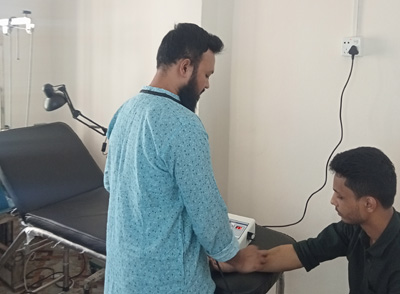
ফিজিওথেরাপি ৩ বছর/ ৪ বছরের ডিপ্লোমা কোর্স সফলভাবে সমাপ্ত করার পরে, শিক্ষার্থীরা সক্ষম হবে:
(১) ফিজিওথেরাপি সম্পর্কিত অনেক জ্ঞান ও দক্ষতা অর্জন করতে পারবে ।
(২) বিভিন্ন ফিজিওথেরাপি সরঞ্জাম এবং আনুষাঙ্গিক পরিচালনা এবং রক্ষণাবেক্ষণের জ্ঞান ও দক্ষতা অর্জন করতে পারবে ।
(৩) ফিজিওথেরাপি সম্পর্কিত প্রয়োজনীয় ডকুমেন্টেশন বজায় রাখার জ্ঞান ও দক্ষতা অর্জন করতে পারবে ।
(৪) ফিজিওথেরাপি যন্ত্রগুলি পরিচালনার বিপদ এবং তাদের প্রতিরক্ষামূলক জ্ঞান ও দক্ষতা অর্জন করতে পারবে ।
(৫) ফিজিওথেরাপিউটিক কার্যক্রম তদারকি জ্ঞান ও দক্ষতা অর্জন করতে পারবে ।
(৬) ফিজিওথেরাপিউটিক কার্যক্রমের ভবিষ্যত উন্নয়ন ও পরিকল্পনায় অবদান রাখাতে পারবে।
Physiotherapy Chamber Starting & Establishment
After completing the Diploma in Physiotherapy Technology 3 Years Course you can start a Physiotherapy Chamber in any location in Bangladesh. You need to obtain The Registration and The License from the Respective Authority of the Government of the People’s Republic of Bangladesh. We only help our students obtain registration and licenses for the Starting & Establishment of Physiotherapy Chamber.
ডিপ্লোমা ইন ফিজিওথেরাপি টেকনোলজি 3 বছরের কোর্স সম্পন্ন করার পর আপনি বাংলাদেশের যেকোনো স্থানে একটি ফিজিওথেরাপি চেম্বার শুরু করতে পারেন। আপনাকে গণপ্রজাতন্ত্রী বাংলাদেশ সরকারের সংশ্লিষ্ট কর্তৃপক্ষের কাছ থেকে নিবন্ধন এবং লাইসেন্স পেতে হবে। আমরা শুধুমাত্র আমাদের ছাত্রদের ফিজিওথেরাপি চেম্বারের শুরু ও প্রতিষ্ঠার জন্য নিবন্ধন এবং লাইসেন্স পেতে সাহায্য করি।
| Course Title | Course Summery |
|---|---|
| Physiotherapy Training Course (PTTC) | Course Duration = 1 Year Total Subjects = 10 Total Marks = 1000 Total Classes (3 x 48) = 144 Hours Admission Fee = 10,500 Monthly Fee (12 x 3000) = 36,000 Exam. Fee ( 2 ) = 6,000 Total Course Fee = 52,500 |
| Diploma Physiotherapy Assistant (DPTA) | Course Duration = 2 Years Total Subjects = 18 Total Marks = 1800 Total Classes (3 x 96) = 288 Hours Admission Fee = 16,500 Monthly Fee (24 x 3000) = 72,000 Exam. Fee ( 4 ) = 4,000 Total Course Fee = 92,500 |
| Diploma in Physiotherapy Technology(DPTT) | Course Duration = 3 Years Total Subjects = 24 Total Marks = 2400 Total Classes (3 x 144) = 432 Hours Admission Fee = 20,500 Monthly Fee (36 x 3000) = 108,000 Exam. Fee ( 6 ) = 14,000 Total Course Fee = 142,500 |
| Diploma in Physiotherapy (DIPT) | Course Duration = 4 Years Total Subjects = 30 Total Marks = 3000 Total Classes (3 x 192) = 576 Hours Admission Fee = 30,500 Monthly Fee (48 x 3000) = 144,000 Exam. Fee ( 8 ) = 8,000 Total Course Fee = 182,500 |
Subject for for Physiotherapist Best Course Course
1’st sem Subject for 4 Years Physiotherapy Course
- Anatomy & Physiology.
- Generel Chemistry & Pharmacology
- Firs Aid & Practice of Medicine
- Hematology & Pathology for Medical Practice
- Study of OTC Drugs
2’nd sem Subject for 4 Years Physiotherapy Course
- Cardiovascular Anatomy & Physiology
- Orhopedic Medicine
- Neuro Anatomy & Physiology
- Electro Physics & Study of TENS
- Orthopedic Disease & Treatment
3’rd sem Subject for 4 Years Physiotherapy Course
4’th sem Subject for 4 Years Physiotherapy Course
Human Anatomy and Physiology for Physiotherapist Best Course in Dhaka
Essential topics in Human Anatomy and Physiology (A&P) focus on the structural organization (anatomy) and functional mechanisms (physiology) of major body systems, with a strong emphasis on homeostasis. Key areas include the cardiovascular system, nervous system (action potentials, neurophysiology), musculoskeletal system, respiratory mechanics, and endocrine regulation.
High-Yield Anatomy & Physiology Topics
- Introduction & Organization: Homeostasis (negative/positive feedback loops), basic cell structure, membrane transport, and tissues (epithelial, connective, muscular, nervous).
- Cardiovascular System: Cardiac cycle, heart valves/chambers, ECG basics, blood pressure regulation, cardiac output, and hemodynamics.
- Nervous System: Action potentials, nerve impulses, neuromuscular junction, CNS (brain/spinal cord anatomy), and autonomic nervous system (sympathetic/parasympathetic).
- Musculoskeletal System: Muscle contraction (sliding filament theory), bone structure/remodeling, and major joint types.
- Respiratory System: Mechanics of breathing, gas exchange (oxygen-hemoglobin dissociation curve), and lung volumes.
- Endocrine System: Major glands (pituitary, thyroid, adrenal, pancreas), hormone action mechanisms, and feedback control.
- Renal/Urinary System: Nephron structure, glomerular filtration, tubular reabsorption/secretion, and fluid/electrolyte balance.
- Digestive System: Organs, motility, secretion, metabolism, and nutrient absorption.
- Reproductive System: Male and female reproductive anatomy, menstrual cycle, and hormonal control.
- Immune/Lymphatic System: Immune response, white blood cells, and lymphatic drainage.
Key Concepts for Exam Success
- Physiology: Action potentials, Cardiac cycle phases, Lung capacities, Renal clearance, and Menstrual cycle regulation.
- Anatomy: Key organ landmarks, nervous system pathways, bone markings, and structural, anatomical relationships (e.g., in head/neck or thoracic cavity).
Pharmacology-1 for Physiotherapist Best Course in Dhaka
The study of Drugs and Medicine is called Pharmacology. Here we discuss group-wise drugs and their medicines in Pharmacology-1. Common Groups of Drugs are Pain Killer Drugs, Anti Ulcer Drugs, Anti Vomiting Drugs, Laxative Drugs, Motility Drugs, Antimotility Drugs, Bronchodilator Drugs, Antibiotic Drugs, Anti Fungal Drugs, Anti Protozoal Drugs, Anti Viral Drugs, Anthelmintic Drugs, Anti Hypertensive Drugs, Beta Blocker Drugs, Calcium Channel Blocker Drugs, ACE Inhibitor Drugs, Hemostatic Drugs, Analgesic Drugs, Antipyretic Drugs, Anti Thrombotic Drugs, etc.
Key topics for Pharmacology-I (General Pharma & ANS) include
ADME (Absorption, Distribution, Metabolism, Excretion), pharmacokinetics (half-life, clearance), drug receptor mechanisms (agonists/antagonists), and autonomic nervous system (ANS) drugs like adrenergic/cholinergic agents. Key focus areas also include dose-response relationships, bioavailability, therapeutic index, and adverse drug reactions (ADRs).
1. General Pharmacology (Core Concepts)
- Pharmacokinetics (ADME): Bioavailability, first-pass metabolism, plasma protein binding, enzyme induction/inhibition, and kinetics of elimination (first-order vs. zero-order).
- Pharmacodynamics: Drug-receptor interactions (G-protein coupled receptors, ion channels), agonists/antagonists (competitive vs. non-competitive), dose-response relationship, potency, efficacy, and therapeutic index.
- Drug Action Factors: Factors modifying drug action, drug interactions (pharmacokinetic/pharmacodynamic), adverse drug reactions (ADR) classification (Type A, B, C, D, E), and tolerance/tachyphylaxis.
- Definitions & Principles: Routes of administration, drug discovery phases, essential medicine concept.
2. Autonomic Nervous System (ANS) Pharmacology
- Cholinergic System: Cholinergic agonists, anticholinesterases, cholinesterase reactivators (PAM), and muscarinic antagonists (Atropine).
- Adrenergic System: Adrenergic agonists/sympathomimetics,
𝛼-blockers, and
𝛽-blockers (propranolol, metoprolol).
- Neuromuscular Blockers: Skeletal muscle relaxants (depolarizing vs. non-depolarizing).
3. Peripheral Nervous System (PNS) & Related Areas
- Local anesthetics (mechanism, types).
- Management of organophosphorus (OP) poisoning.
4. High-Yield Topics for Review
- Drug receptor mechanisms
- Therapeutic index and safety margins
- First-pass metabolism and bioavailability
- Autonomic nervous system, particularly adrenergic/cholinergic drugs
Pharmacology-1
1. Introduction to Pharmacology
- Definition: Pharmacology is the study of drugs, their sources, actions, and effects on the human body.
- Purpose for Caregivers: To understand how medicines work, how to give them safely, and how to assist patients properly.
2. Basic Terms
- Drug: A chemical substance used to prevent, treat, or diagnose disease.
- Dose: The amount of medicine given at one time.
- Route of administration: How a medicine is given — e.g., oral, injection, topical, inhalation.
- Side effect: Unwanted effect of a drug.
- Contraindication: A situation where a drug should not be used.
3. Sources of Drugs
- Natural sources: Plants (e.g., Digitalis), animals (e.g., insulin), minerals.
- Synthetic drugs: Made in laboratories (e.g., paracetamol, antibiotics).
4. Routes of Drug Administration
- Oral: By mouth.
- Topical: Applied to skin.
- Inhalation: Breathed into lungs.
- Injection: Given by syringe — intramuscular (IM), intravenous (IV), subcutaneous (SC).
5. Classification of Drugs
- Analgesics: Pain relievers (e.g., Paracetamol, Ibuprofen).
- Antipyretics: Fever reducers (e.g., Paracetamol).
- Antibiotics: Kill bacteria (e.g., Amoxicillin).
- Antihypertensives: Lower blood pressure (e.g., Atenolol).
- Antidiabetics: Control blood sugar (e.g., Insulin, Metformin).
- Vitamins: Maintain health and body functions (e.g., Vitamin C, B complex).
6. Dosage and Measurement
- Understanding common measurements (mg, ml, IU).
- Following doctor’s prescription carefully.
- Double-checking before giving medicine.
7. Safe Drug Administration
Caregivers must follow the “Six Rights of Medication Administration”:
- Right patient
- Right drug
- Right dose
- Right route
- Right time
- Right documentation
8. Drug Storage
- Keep medicines in a cool, dry place.
- Store out of children’s reach.
- Check expiry dates regularly.
9. Observation and Reporting
Caregivers should observe and report:
- Side effects (nausea, rash, dizziness, etc.)
- Allergic reactions (swelling, difficulty breathing)
- Any change in patient’s condition after medication.
10. Role of a Caregiver in Medication Management
- Prepare medicine as directed.
- Assist patients in taking medicines properly.
- Keep records of medicines given.
- Communicate with healthcare professionals about patient responses.
ওষুধের শ্রেণিবিভাগ (Classification of Drugs)
| শ্রেণি | কাজ | উদাহরণ |
|---|---|---|
| Analgesics | ব্যথানাশক | Paracetamol, Ibuprofen |
| Antipyretics | জ্বর কমায় | Paracetamol |
| Antibiotics | জীবাণু নাশক | Amoxicillin |
| Antihypertensives | রক্তচাপ কমায় | Atenolol |
| Antidiabetics | রক্তে চিনি নিয়ন্ত্রণ | Insulin, Metformin |
| Vitamins | শরীর সুস্থ রাখে | Vitamin C, B complex |
First Aid for Physiotherapist Best Course in Dhaka
First Aid is an important subject for Medical Courses including Diplomas in Medicine& Surgery Course, RMP Courses, LMAF Courses, Paramedical Courses, DMA Courses, DMS Courses, Nursing Courses, Dental Courses, Pathology Courses, Physiotherapy Courses, Caregiver Courses, etc. Here we discuss Shock, Classification Shock, Causes of Shock, Stages of Shock, Clinical Features of Shock, Hypovolemic Shock, Cardiogenic Shock, Neurogenic Shock, Traumatic Shock, Burn Shock, Electric Shock, Psychogenic Shock, Anaphylactic Shock, First Aid of Shock, First Aid of Cut, First of Snake Bite, First Aid of Accidental Injury, etc.
প্রথমিক চিকিৎসা (First Aid) হলো – যে কোনো দুর্ঘটনা বা অসুস্থতার পরপরই দ্রুত, সহজ ও প্রাথমিক চিকিৎসা দেওয়া হয় যাতে জীবন রক্ষা হয়, আঘাত না বাড়ে এবং আরোগ্য দ্রুত হয়।
প্রাথমিক চিকিৎসা (First Aid) এর সংজ্ঞা:
প্রাথমিক চিকিৎসা হলো কোনো দুর্ঘটনা, আঘাত বা হঠাৎ অসুস্থতার পরপরই আক্রান্ত ব্যক্তিকে তাৎক্ষণিক সহায়তা বা চিকিৎসা প্রদান করা — যাতে রোগীর অবস্থা খারাপ না হয় এবং পেশাদার চিকিৎসা আসা পর্যন্ত তার জীবন রক্ষা করা যায়।
প্রাথমিক চিকিৎসার উদ্দেশ্য:
- রোগীর জীবন রক্ষা করা
- অবস্থার অবনতি রোধ করা
- দ্রুত সুস্থ হয়ে ওঠার সহায়তা করা
প্রাথমিক চিকিৎসার মূলনীতি:
- শান্তভাবে পরিস্থিতি মূল্যায়ন করা
- রোগীর শ্বাস, রক্ত সঞ্চালন ও সচেতনতা পরীক্ষা করা (ABC)
- প্রয়োজন হলে রক্তপাত বন্ধ করা
- রোগীকে নিরাপদ স্থানে রাখা
- যত দ্রুত সম্ভব চিকিৎসক বা হাসপাতালে যোগাযোগ করা
প্রাথমিক চিকিৎসা বাক্সে যা থাকা উচিত:
পেইন রিলিফ ওষুধ
ব্যান্ডেজ, গজ, তুলা অ্যান্টিসেপটিক সলিউশন কাঁচি, পিন, গ্লাভস থার্মোমিটার, প্লাস্টার, সেফটি পিন
Study Of OTC Drugs for Caregiver Course & Caregiver Career
Based on current studies, the study of Over-the-Counter (OTC) drugs covers a broad range of topics focused on the self-medication practices of consumers, safety, regulation, and the impact of these medications on public health. Key areas include the prevalence of use, common types of OTC drugs, knowledge/attitude/practice (KAP) studies, and risks of misuse.
Here are the main topics for a study on OTC drugs:
1. Definition and Classification of OTC Drugs
- Definition: Medications legally available to consumers without a prescription for self-limiting illnesses.
- Classification: Ranging from analgesics (pain killers) and anti-pyretics (fever reducers) to cold/cough remedies, digestive aids (antacids), allergy medications, and skin-related preparations.
- Active Ingredients: Studies of common active ingredients (e.g., paracetamol, ibuprofen, dextromethorphan).
2. Self-Medication Practices and Behaviors
- Prevalence: Research into how frequently the general population, adolescents, or students use OTC drugs (ranging from 70-98% in various studies).
- Motivations: Reasons for self-medication, including ease of access, lower cost, time savings, and avoidance of consultation fees.
- Sources of Information: Reliance on pharmacy staff, family, friends, and internet/media advertisements.
- Self-Diagnosis: Evaluating the accuracy of consumers’ self-assessment of symptoms.
3. Safety, Risks, and Adverse Effects
- Adverse Drug Reactions (ADRs): Studies on side effects like dry mouth, diarrhea, anxiety, and tachycardia.
- Misuse and Abuse: Investigating excessive dosage, “double-dipping” (taking multiple products with the same active ingredient), or long-term use.
- Drug-Drug/Drug-Food Interactions: Risks of combining OTC drugs with each other or with prescription medication.
- Overdose: Specifically regarding acetaminophen (liver damage) and Loperamide.
- Addiction: Studies on the potential for addiction, particularly with medications containing Dextromethorphan (DXM).
4. Regulatory and Legal Aspects
- FDA/Regulatory Oversight: How drugs are categorized as “Generally Recognized as Safe and Effective” (GRAS/E).
- Rx-to-OTC Switch: The process of moving prescription drugs to over-the-counter status.
- Labeling and Packaging: The “Drug Facts” label requirements and tamper-evident packaging.
- Advertising Regulations: The role of media in promoting OTC drug consumption.
5. Knowledge, Attitude, and Practice (KAP)
- Consumer Knowledge: Assessing understanding of dosage, active ingredients, and potential risks.
- Attitudes: Beliefs regarding the safety and effectiveness of OTC products.
- Practice: Behaviors such as reading labels, checking expiration dates, and storing medicines properly.
6. Public Health Impact
- Health System Burden: The impact of self-medication on healthcare costs and doctor visits.
- Antibiotic Resistance: Risks associated with the misuse of OTC antimicrobials.
- Pharmacy Role: The evolving role of pharmacists in educating consumers on responsible self-care.
7. Special Populations in OTC Studies
- Adolescents: Focus on high rates of misuse and lack of knowledge.
- Elderly: Studies on polypharmacy and increased susceptibility to adverse effects.
- University Students: High use driven by academic stress.
ওটিসি (OTC) ড্রাগ এর উদ্দেশ্য কি ?
ওটিসি (OTC) বা ‘ওভার-দ্য-কাউন্টার’ ওষুধের মূল উদ্দেশ্য হলো সাধারণ ও ছোটখাটো স্বাস্থ্য সমস্যাগুলো চিকিৎসকের প্রেসক্রিপশন ছাড়াই সহজে এবং দ্রুত নিরাময় করা এই ওষুধগুলো ভোক্তাদের নিজেদের স্বাস্থ্যব্যবস্থাপনায় আরও সক্রিয় ভূমিকা রাখতে সাহায্য করে ।
ওটিসি ওষুধের প্রধান উদ্দেশ্যগুলো নিচে দেওয়া হলো:
- সামান্য অসুস্থতার উপশম: সাধারণ মাথাব্যথা, জ্বর, সর্দি-কাশি, এবং শরীরের ব্যথার মতো সমস্যা থেকে দ্রুত মুক্তি পাওয়া ।
- সহজলভ্যতা নিশ্চিত করা: কোনো বিশেষজ্ঞের পরামর্শ বা দীর্ঘক্ষণ লাইনে না দাঁড়িয়ে সরাসরি ফার্মেসি বা দোকান থেকে ওষুধ সংগ্রহের সুবিধা দেওয়া ।
- খরচ কমানো: ছোটখাটো সমস্যার জন্য চিকিৎসকের ফি এবং ল্যাবরেটরি পরীক্ষার খরচ বাঁচানো ।
- দীর্ঘমেয়াদী সমস্যার ব্যবস্থাপনা: এলার্জি, মাইগ্রেন বা অম্বলের (heartburn) মতো বারবার হওয়া সমস্যাগুলো নিয়ন্ত্রণ করা ।
- প্রাথমিক চিকিৎসা: কাটাছেঁড়া বা ছোটখাটো জখমের ক্ষেত্রে তাৎক্ষণিক প্রাথমিক চিকিৎসা (যেমন- অ্যান্টিসেপটিক ক্রিম) প্রদান করা ।
বাংলাদেশে ঔষধ প্রশাসন অধিদপ্তরের নির্দেশনা অনুযায়ী ৩৯টি জেনেরিক ওষুধকে ওটিসি হিসেবে তালিকাভুক্ত করা হয়েছে, যা যে কেউ প্রেসক্রিপশন ছাড়াই কিনতে পারেন । তবে মনে রাখা জরুরি যে, ওটিসি ওষুধগুলো নিরাপদ হলেও এর অতিরিক্ত ব্যবহার বা ভুল সেবন স্বাস্থ্যের ক্ষতি করতে পারে । তাই দীর্ঘস্থায়ী সমস্যার ক্ষেত্রে বিশেষজ্ঞের পরামর্শ নেওয়া উত্তম।
Hematology and Pathology for Physiotherapist Best Course in Dhaka
The study of Blood and Blood Disease is called Hematology and the Study of Pathos and Process of Disease Creation and Diagnosis is called Pathology. In Hematology and Pathology, we discuss blood cells, their structure and functions, Blood Diseases, Common Pathos and their pathogenesis, Atrophy, Hypertrophy, Metaplasia, Gangrene, Pathological Tests like TC, DC, ESR, Hemoglobin Percentage, etc.
Hematology মানে কি ?
হেমাটোলজি (Hematology) বা রক্তবিজ্ঞান হলো চিকিৎসাবিজ্ঞানের একটি বিশেষ শাখা, যেখানে রক্ত, রক্তকণিকা (লোহিত, শ্বেত ও অণুচক্রিকা), অস্থি মজ্জা (bone marrow), এবং রক্তজমাট বাঁধার ব্যাধিগুলো নিয়ে গবেষণা, রোগ নির্ণয় ও চিকিৎসা করা হয় [২, ৩, ৬]। এটি গ্রিক শব্দ ‘Haima’ (রক্ত) এবং ‘ology’ (অধ্যয়ন) থেকে এসেছে [২]। হেমাটোলজিস্টরা রক্তস্বল্পতা, লিউকেমিয়া ও থ্যালাসেমিয়ার মতো রোগগুলোর চিকিৎসা করেন [৬, ৭]।
হেমাটোলজি সম্পর্কে মূল বিষয়সমূহ:
- আলোচ্য বিষয়: রক্ত, রক্ত উৎপাদনকারী অঙ্গ (যেমন অস্থি মজ্জা), এবং রক্তনালীতে প্রবাহিত রক্তের উপাদানগুলোর গঠন ও কার্যাবলী [১, ৬]।
- রোগ নির্ণয় ও চিকিৎসা: রক্তস্বল্পতা (anemia), রক্তের ক্যানসার (leukemia, lymphoma), হিমোফিলিয়া, থ্যালাসেমিয়া, এবং রক্ত জমাট বাঁধার সমস্যাগুলোর পরীক্ষা ও চিকিৎসা করা হয় [৩, ৬, ১০]।
- হেমাটোলজি পরীক্ষা: সিবিসি (CBC), হিমোগ্লোবিন পরীক্ষা, এবং অস্থি মজ্জা পরীক্ষার মাধ্যমে রক্তরোগের কারণ অনুসন্ধান করা হয় [১, ৬, ১৪]।
- বিশেষজ্ঞ: হেমাটোলজিস্ট বা রক্তরোগ বিশেষজ্ঞরা রক্ত সম্পর্কিত রোগের কারণ, পূর্বাভাস, ও প্রতিরোধ নিয়ে কাজ করেন [৪, ৬, ৮]।
সহজ কথায়, হেমাটোলজি হলো সরাসরি রক্ত এবং রক্তজনিত সমস্ত রোগের বৈজ্ঞানিক অধ্যয়ন ও নিরাময় প্রক্রিয়া।
Hematology সাবজেক্ট এর কাজ কি ?
হেমাটোলজি (Hematology) হলো চিকিৎসা বিজ্ঞানের এমন একটি শাখা, যা রক্ত, রক্তের উপাদান (লোহিত/শ্বেত কণিকা, প্লেটলেট), অস্থি মজ্জা (Bone marrow) এবং রক্ত জমাট বাঁধার প্রক্রিয়ার রোগ নির্ণয়, চিকিৎসা ও গবেষণার কাজ করে [২, ৮]। এটি রক্তাল্পতা (Anemia), ব্লাড ক্যান্সার (Leukemia), হিমোফিলিয়া এবং বিভিন্ন ইনফেকশনের মতো রক্তের রোগের কারণ ও প্রতিকার অনুসন্ধান করে [১, ৩, ৫]।
হেমাটোলজির প্রধান কাজগুলোকে নিচে ভাগ করা হলো:
১. রোগ নির্ণয় (Diagnostic Work):
- সিবিসি (CBC): কমপ্লিট ব্লাড কাউন্টের মাধ্যমে রক্তকণিকার সংখ্যা ও গঠন পরীক্ষা করা [১০]।
- অস্থি মজ্জা পরীক্ষা: অস্থি মজ্জা থেকে নমুনা নিয়ে (Bone Marrow Aspiration/Biopsy) পরীক্ষা করা [৭]।
- রক্তের ব্যাধি: রক্তাল্পতা, থ্যালাসেমিয়া, ব্লাড ক্যান্সার, লিম্ফোমা এবং মাল্টিপল মায়োলোমার মত রোগ নির্ণয় [২, ৬]।
- রক্ত জমাট বাঁধা ও রক্তপাত: হেমোফিলিয়া বা অস্বাভাবিক রক্ত জমাট বাঁধার কারণ বের করা [৫, ৮]।
২. চিকিৎসা ও ব্যবস্থাপনা (Treatment & Management):
- রক্তকণিকা, হিমোগ্লোবিন, প্লেটলেট এবং রক্তের প্রোটিন সংক্রান্ত রোগের চিকিৎসা করা [৮]।
- রক্তের ক্যান্সার রোগীদের কেমোথেরাপি বা অন্যান্য বিশেষায়িত চিকিৎসা প্রদান [১২]।
- রক্ত সঞ্চালন (Blood Transfusion) বা রক্ত সংক্রান্ত জটিলতার ব্যবস্থাপনা [৭]।
৩. গবেষণা (Research):
- নতুন রক্তের রোগের কারণ অনুসন্ধান এবং উন্নত চিকিৎসার পদ্ধতি আবিষ্কার করা [৭, ৮]।
সহজ কথায়, রক্ত সংক্রান্ত যেকোনো অস্বাভাবিকতা বা রোগের কারণ খুঁজে বের করা এবং সেটির উপযুক্ত চিকিৎসা দেওয়াই হলো হেমাটোলজি বা রক্তবিজ্ঞানের কাজ।
হেমাটোলজি পরীক্ষা কেন করা হয়?
হেমাটোলজি বা রক্তবিজ্ঞান পরীক্ষা মূলত রক্ত, রক্তকণিকা (লোহিত, শ্বেত, অণুচক্রিকা) এবং অস্থি মজ্জার রোগ নির্ণয়, পর্যবেক্ষণ ও চিকিৎসার জন্য করা হয়। এটি অ্যানিমিয়া (রক্তাল্পতা), সংক্রমণ, প্রদাহ, ব্লাড ক্যান্সার (লিউকেমিয়া/লিম্ফোমা), এবং জমাট বাঁধার সমস্যা শনাক্ত করতে সাহায্য করে । সামগ্রিক স্বাস্থ্যের অবস্থা বুঝতে এবং চিকিৎসার অগ্রগতি (যেমন- কেমোথেরাপি) মনিটর করতে এই পরীক্ষাগুলো অত্যন্ত গুরুত্বপূর্ণ ।
হেমাটোলজি পরীক্ষা কেন করা হয় (প্রধান কারণসমূহ):
- রোগ নির্ণয়: রক্তাল্পতা (Anemia), সংক্রমণ, এবং রক্তের ক্যানসারের মতো গুরুতর ব্যাধি নির্ণয় করতে ।
- কমপ্লিট ব্লাড কাউন্ট (CBC): শরীরের সামগ্রিক অবস্থা, শ্বেত রক্তকণিকার সংখ্যা এবং প্লেটলেট পরীক্ষা করে ইমিউন সিস্টেমের কার্যকারিতা জানতে ।
- রক্ত জমাট বাঁধা (Clotting): অস্ত্রোপচারের আগে বা রক্তপাতের সমস্যা (যেমন- হিমোফিলিয়া) থাকলে রক্ত জমাট বাঁধার ক্ষমতা (PT, APTT) যাচাই করতে ।
- চিকিৎসা পর্যবেক্ষণ: ক্যান্সার বা দীর্ঘস্থায়ী রক্তরোগের চিকিৎসার ফলাফল বুঝতে এবং ওষুধের কার্যকারিতা দেখতে ।
- রক্তের উপাদানের পরীক্ষা: হিমোগ্লোবিন, হেমাটোক্রিট এবং অণুচক্রিকার মাত্রা ঠিক আছে কি না তা দেখতে ।
সাধারণত, অস্বাভাবিক ক্লান্তি, দুর্বলতা, বা রক্তপাতের লক্ষণ দেখা দিলে চিকিৎসকরা এই পরীক্ষাগুলো করার পরামর্শ দেন ।
প্যাথলজি মানে কি ?
প্যাথলজি (Pathology) হলো চিকিৎসা বিজ্ঞানের এমন একটি গুরুত্বপূর্ণ শাখা, যেখানে রোগের কারণ, উৎপত্তি, প্রকৃতি, লক্ষণ, এবং শরীরের কোষ বা টিস্যুর ওপর রোগের প্রভাব নিয়ে বিস্তারিত গবেষণা ও বিশ্লেষণ করা হয় [১, ৪, ৭]। এটি মূলত অণুবীক্ষণ যন্ত্র বা ল্যাবরেটরির পরীক্ষার মাধ্যমে রক্ত, শরীরের তরল এবং টিস্যুর নমুনা বিশ্লেষণ করে রোগ নির্ণয় (diagnosis) করে, যা সঠিক চিকিৎসার জন্য অপরিহার্য [১০, ১২]।
প্যাথলজির মূল দিকগুলো:
- রোগের কারণ ও স্বরূপ: রোগের মূল কারণ (etiology) এবং শরীরের কোষ বা টিস্যুতে কী ধরনের পরিবর্তন হচ্ছে তা নিয়ে কাজ করে [৪, ৭]।
- রোগ নির্ণয়: রক্ত পরীক্ষা, বায়োপসি (টিস্যুর ছোট অংশ কেটে পরীক্ষা), এবং সাইটোপ্যাথলজির মতো পরীক্ষার মাধ্যমে রোগ নিশ্চিত করা হয় [৭, ১০]।
- চিকিৎসা ও পূর্বাভাস: রোগ কতটা গুরুতর বা ছড়াচ্ছে, তা নির্ধারণ করে চিকিৎসার দিকনির্দেশনা প্রদান করে [১০]।
- প্রধান বিভাগ: প্যাথলজিকে প্রধানত এনাটমিক্যাল প্যাথলজি (টিস্যু পরীক্ষা) এবং ক্লিনিক্যাল প্যাথলজি (শরীরের তরল পরীক্ষা) — এই দুই ভাগে ভাগ করা যায় [১৪]।
সহজ কথায়, রোগ কি এবং কেন হয়েছে, তা বৈজ্ঞানিকভাবে খুঁজে বের করাই হলো প্যাথলজি
প্যাথলজি পরীক্ষা কী কী?
প্যাথলজি পরীক্ষা হলো শরীরের টিস্যু, রক্ত, মূত্র বা অন্যান্য তরল বিশ্লেষণের মাধ্যমে রোগ, সংক্রমণের কারণ এবং রোগের পর্যায় (যেমন ক্যান্সার, ডায়াবেটিস, ইনফেকশন) নির্ণয় ও পর্যবেক্ষণ করা । প্রধান পরীক্ষাগুলোর মধ্যে রয়েছে রক্ত পরীক্ষা (CBC, HbA1c), প্রস্রাব ও মল পরীক্ষা, বায়োপসি (টিস্যু), এবং মাইক্রোবায়োলজি বা কালচার টেস্ট ।
সাধারণ প্যাথলজি পরীক্ষাগুলোকে কয়েকটি ভাগে ভাগ করা যায়:
- হেমাটোলজি (রক্ত ও রক্ত কণিকা):
- Complete Blood Count (CBC): রক্তাল্পতা, সংক্রমণ, বা শ্বেত রক্তকণিকার অস্বাভাবিকতা পরীক্ষা [৪, ৬]।
- ESR/CRP: শরীরে প্রদাহ বা সংক্রমণের মাত্রা নির্ণয় [১৪]।
- রক্তের গ্রুপ ও আরএইচ টাইপিং।
- বায়োকেমিস্ট্রি (রক্তের রাসায়নিক উপাদান):
- ডায়াবেটিস বা গ্লুকোজ টেস্ট: Fasting Plasma Glucose, HbA1c ।
- লিভার ফাংশন টেস্ট (LFT): SGPT, SGOT, Bilirubin, Albumin ।
- কিডনি ফাংশন টেস্ট (KFT/RFT): Creatinine, Urea, Blood Urea Nitrogen (BUN) ।
- লিপিড প্রোফাইল (Lipid Profile): কোলেস্টেরল, ট্রাইগ্লিসারাইড ।
- থাইরয়েড ফাংশন টেস্ট (TFT): T3, T4, TSH ।
- মাইক্রোবায়োলজি ও ইমিউনোলজি (সংক্রমণ ও রোগ প্রতিরোধ ক্ষমতা):
- মূত্র ও মল পরীক্ষা (Urine R/E, Stool R/E) [৬]।
- কালচার ও সেন্সিটিভিটি (Culture & Sensitivity): ব্যাকটেরিয়া বা ছত্রাকের সংক্রমণ নির্ণয় ।
- ভাইরাল মার্কার: Hepatitis B, C, HIV, COVID-19 (Swab test) ।
- Widal Test/Typhoid Test।
- হিস্টোপ্যাথলজি ও সাইটোলজি (টিস্যু ও কোষ):
- বায়োপসি (Biopsy): শরীর থেকে টিস্যুর অংশ নিয়ে ক্যান্সার বা টিউমার পরীক্ষা ।
- প্যাপ স্মিয়ার (Pap Smear): জরায়ুমুখের ক্যান্সার নির্ণয় [৪]।
- FNAC (Fine Needle Aspiration Cytology): গলার বা শরীরের চাকা থেকে কোষ পরীক্ষা।
এই পরীক্ষাগুলো মূলত রোগের কারণ এবং এর বিরুদ্ধে শরীরের প্রতিক্রিয়া বোঝার জন্য করা হয়, যা সঠিক চিকিৎসায় সহায়তা করে [৭, ১১]।
Microbiology and Antimicrobial Drugs for Physiotherapist Best Course in Dhaka
The Study of Microorganisms is called Microbiology. The Drugs that are used for the treatment of Infectious Diseases are Antimicrobial Drugs. Microorganisms are Bacteria, Protozoa, Fungus, and Virus. Antimicrobial Drugs are Antibiotic Drugs ( Antibacterial Drugs), Anti Protozoal Drugs, Anti Fungal Drugs, and Anti Viral Drugs. Antibacterial Drugs are Azithromycin, Erythromycin, Clarithromycin, Cefaclor, Cefixime, Cefuroxime, Ceftriaxone, Ciprofloxacin, Moxifloxacin, Doxicicline, Gentamycin, Neomycin, Flucloxacillin, Amoxicillin, Clindamycin, etc. Antiprotozoal Drugs are Metronidazole, Secnidazole, Tinidazole, Ornidazole, Nitazoxanide, etc. Antifungal Drugs are Fluconazole, Ketoconazole, Itraconazole, Econazole, Miconazole, Terbinafine, etc.
অণুজীবের অধ্যয়নকে মাইক্রোবায়োলজি বলা হয়। সংক্রামক রোগের চিকিত্সার জন্য যে ওষুধগুলি ব্যবহার করা হয় তা হল অ্যান্টিমাইক্রোবিয়াল ড্রাগ। অণুজীব হল ব্যাকটেরিয়া, প্রোটোজোয়া, ফাঙ্গাস এবং ভাইরাস। অ্যান্টিমাইক্রোবিয়াল ড্রাগগুলি হল অ্যান্টিবায়োটিক ড্রাগস (অ্যান্টিব্যাকটেরিয়াল ড্রাগস), অ্যান্টি প্রোটোজোয়াল ড্রাগস, অ্যান্টি ফাঙ্গাল ড্রাগস এবং অ্যান্টি ভাইরাল ড্রাগস। ব্যাকটেরিয়ারোধী ওষুধগুলি হল Azithromycin, Erythromycin, Clarithromycin, Cefaclor, Cefixime, Cefuroxime, Ceftriaxone, Ciprofloxacin, Moxifloxacin, Doxicicline, Gentamycin, Neomycin, Flucloxacillin, Amoxicillin, ক্লিন্ডাজোল, ক্লিন্ডামাইসিন, ক্লিনিডামাইসিন ইত্যাদি। Secnidazole, Tinidazole, Ornidazole, Nitazoxanide, ইত্যাদি অ্যান্টিফাঙ্গাল ওষুধ হল Fluconazole, Ketoconazole, Itraconazole, Econazole, Miconazole, Terbinafine ইত্যাদি।
Treatment/Practice of Medicine for Physiotherapist Best Course in Dhaka
The study of Disease and Treatment is called the Practice of Medicine. This subject is important for a Diploma Medical Practitioner, Diploma Medical Assistant, and Rural Medical Practitioner. This subject discusses some common diseases. The discussion points for the Practice of Medicine are the Definition of Disease, Causes of Disease, Clinical Features of Disease ( Symptoms and Signs), Investigation of Disease, Treatment of Disease, Complication of Disease, and Advice for the Patients. To understand the diseases, the movement of doctors, and their prescriptions, this subject should be studied by physiotherapy students.
রোগ ও চিকিৎসার অধ্যয়নকে বলা হয় মেডিসিনের অনুশীলন। এই বিষয় একজন ডিপ্লোমা মেডিকেল প্র্যাকটিশনার, ডিপ্লোমা মেডিকেল অ্যাসিস্ট্যান্ট এবং গ্রামীণ চিকিৎসা অনুশীলনকারীর জন্য গুরুত্বপূর্ণ। এই বিষয়ে কিছু সাধারণ রোগ নিয়ে আলোচনা করা হয়েছে। মেডিসিন অনুশীলনের আলোচনার বিষয়গুলি হল রোগের সংজ্ঞা, রোগের কারণ, রোগের ক্লিনিক্যাল বৈশিষ্ট্য (লক্ষণ এবং লক্ষণ), রোগের তদন্ত, রোগের চিকিৎসা, রোগের জটিলতা এবং রোগীদের জন্য পরামর্শ। রোগগুলি, ডাক্তারদের গতিবিধি এবং তাদের প্রেসক্রিপশন বোঝার জন্য, এই বিষয়টি ফিজিওথেরাপি শিক্ষার্থীদের দ্বারা অধ্যয়ন করা উচিত।
Therapeutic Exercise-1 for Physiotherapist Best Course in Dhaka
Exercise Therapies are discussed in Therapeutic Exercise. After completing Theory Classes, Practical Classes are done. Topics for Therapeutic Exercise-1 are Lever, Types of Lever, 1st Degree Lever, Pulley, Types of Pulley, Movable Pulley, Energy, Types of Energy, Kinetic Energy, Axis, Types of Axis, Plane, Types of Plane, Names of Shoulder Movement, Names of Hip Movement, Names of Wrist Movement, MCP Movement, Range of Motion of Elbow Joint, Muscle action, Types of Muscle action, Muscle work, Types of Muscle work, Types of Fundamental Position, Pelvic tilt, Types o Pelvic tilt, Relax Passive Movement, Indication of Relax Passive Movement, Contraindication of Relax Passive Movement.
ব্যায়াম থেরাপি থেরাপিউটিক ব্যায়াম আলোচনা করা হয়. থিওরি ক্লাস শেষ করার পর ব্যবহারিক ক্লাস করা হয়। থেরাপিউটিক এক্সারসাইজ-১-এর বিষয়গুলো হলো লিভার, লিভারের ধরন, ১ম ডিগ্রি লিভার, পুলি, পুলির প্রকার, চলনশীল পুলি, শক্তি, শক্তির প্রকার, গতিশক্তি, অক্ষ, অক্ষের প্রকার, সমতল, সমতলের ধরন, নাপুল। আন্দোলন, নিতম্ব আন্দোলনের নাম, কব্জির নড়াচড়ার নাম, MCP মুভমেন্ট, কনুই জয়েন্টের গতির পরিসর, পেশীর ক্রিয়া, পেশীর ক্রিয়ার ধরন, পেশীর কাজ, পেশীর কাজের ধরন, মৌলিক অবস্থানের ধরন, শ্রোণী কাত, পেলভিক কাত, শিথিলকরণ, নিষ্ক্রিয় গতির ধরন প্যাসিভ আন্দোলন শিথিল করুন, প্যাসিভ মুভমেন্ট শিথিল করার বিরোধীতা,
Types of skeletal muscle fibers, Clinical Examination of the Motor Nervous System, Clinical Examination of the Sensory Nervous System, Clinical Examination of Cranial Nerves, Clinical Examination of the Cardiovascular System, Measurement of the Pelvic Angle of Inclination, Factors affecting the Joint Range of Motion, Starting and Derived Positions, Suspension therapy, Advantage of Suspension therapy, Names of Suspension Instrument, Types of Suspension Therapy, etc.
Orthopedic Disease for Physiotherapist Best Course in Dhaka
অর্থোপেডিক ডিজিজ বা রোগ হলো হাড়, জয়েন্ট (সন্ধি), পেশী, টেন্ডন, লিগামেন্ট এবং স্নায়ু সমন্বিত শরীরের পেশীবহুল সিস্টেমের (Musculoskeletal system) বিভিন্ন জটিলতা । এই রোগগুলো হাড়ের ক্ষয় (অস্টিওপরোসিস), বাতের ব্যথা, ফ্র্যাকচার বা আঘাতজনিত কারণে হতে পারে, যা চলাচলে বাধা সৃষ্টি করে ।
সাধারণ অর্থোপেডিক সমস্যার তালিকা:
- অস্টিওপরোসিস: হাড়ের ঘনত্ব কমে যাওয়া এবং হাড় ভঙ্গুর হয়ে যাওয়া [২]।
- আর্থ্রাইটিস বা বাতের ব্যথা: জয়েন্টে ব্যথা, ফোলাভাব এবং শক্ত হয়ে যাওয়া [৬]।
- ফ্র্যাকচার: পড়ে গিয়ে বা দুর্ঘটনায় হাড় ভেঙে যাওয়া [৬]।
- স্প্রেইন (Sprain) ও স্ট্রেইন (Strain): লিগামেন্ট বা পেশীর খিঁচুনি ও ছিঁড়ে যাওয়া [৬]।
- টেন্ডিনাইটিস: টেন্ডনে প্রদাহ [৬]।
- কার্পাল টানেল সিনড্রোম: কব্জির স্নায়ুতে চাপ পড়ার কারণে হাতে অসাড়তা [৬]।
লক্ষণসমূহ:
১. জয়েন্ট বা হাড়ের তীব্র ব্যথা।
২. হাড় বা পেশীতে দুর্বলতা ।
৩. স্থান বা অঙ্গের বিকৃতি ।
৪. চলাফেরায় অক্ষমতা বা শক্তভাব ।
৫. হাড় বা জয়েন্টে ফোলাভাব ।
Orthopedic Disease এর চিকিতসায় করনিও কি?
অর্থোপেডিক ডিজিজ বা হাড় ও পেশীর সমস্যার চিকিৎসায় প্রাথমিকভাবে ব্যথানাশক ঔষধ, ফিজিওথেরাপি, ব্যায়াম এবং জীবনযাত্রার পরিবর্তন (ওজন নিয়ন্ত্রণ, পুষ্টিকর খাবার) প্রয়োজন । অবস্থার ওপর ভিত্তি করে কাস্ট, স্প্লিন্ট, বা ইনজেকশন ব্যবহার করা হয় । জটিল ক্ষেত্রে অর্থোস্কোপি, জয়েন্ট রিপ্লেসমেন্ট, বা স্পাইন সার্জারির প্রয়োজন হতে পারে ।
অর্থোপেডিক সমস্যার চিকিৎসায় করণীয়:
- পেশাদার পরামর্শ: দ্রুত একজন অর্থোপেডিক চিকিৎসকের (Orthopedic Doctor) পরামর্শ নিয়ে সঠিক রোগ নির্ণয় ও চিকিৎসা শুরু করা ।
- ওষুধ ব্যবস্থাপনা: প্রদাহ ও ব্যথা কমানোর জন্য চিকিৎসকের পরামর্শ অনুযায়ী NSAIDs (নন-স্টেরয়েডাল অ্যান্টি-ইনফ্লেমেটরি ড্রাগস), ক্যালসিয়াম, ভিটামিন ডি বা অন্যান্য প্রয়োজনীয় ওষুধ সেবন ।
- ফিজিওথেরাপি ও ব্যায়াম: জয়েন্টের কার্যকারিতা, নমনীয়তা এবং পেশীর শক্তি পুনরুদ্ধারের জন্য ফিজিওথেরাপি, স্ট্রেচিং এবং লো-ইমপ্যাক্ট এক্সারসাইজ করা ।
- জীবনযাত্রার পরিবর্তন: ওজন নিয়ন্ত্রণ করা, পিঠ বা শরীরের ওপর অতিরিক্ত চাপ না দেওয়া, এবং হাঁটাচলায় সঠিক ভঙ্গি (Posture) বজায় রাখা ।
- সাপোর্টিভ ডিভাইস: হাড় বা জয়েন্টকে স্থির ও সুরক্ষিত রাখতে কাস্ট (Cast), স্প্লিন্ট (Splint), ক্রাচ বা ওয়াকার ব্যবহার করা ।
- সার্জিক্যাল চিকিৎসা: যদি ব্যায়াম বা ওষুধে কাজ না হয়, তবে আর্থ্রোস্কোপি (মিনিমালি ইনভেসিভ সার্জারি), জয়েন্ট রিপ্লেসমেন্ট (হিপ বা হাঁটু) বা মেরুদণ্ডের অস্ত্রোপচারের প্রয়োজন হতে পারে ।
ঝুঁকি এড়াতে সতর্কতা:
ভারী বস্তু তোলার সময় সতর্ক থাকা, খেলাধুলার সময় সুরক্ষাকবচ ব্যবহার করা এবং নিয়মিত পুষ্টিকর ও ক্যালসিয়ামযুক্ত খাবার খাওয়া হাড়ের রোগ প্রতিরোধে সাহায্য করে ।
Orthopedic Disease এর কারন ?
অর্থোপেডিক রোগ বা হাড়, জয়েন্ট এবং পেশীর সমস্যার প্রধান কারণগুলোর মধ্যে রয়েছে বার্ধক্যজনিত ক্ষয় (Degenerative conditions), শারীরিক আঘাত বা দুর্ঘটনা (Trauma/Injury), দীর্ঘমেয়াদী ভুল ব্যবহারের ফলে অতিরিক্ত চাপ (Overuse), এবং অপুষ্টি । এছাড়া বংশগত কারণ, রোগ প্রতিরোধ ক্ষমতার সমস্যা (Autoimmune), হরমোনের ভারসাম্যহীনতা, এবং ক্যালসিয়ামের অভাবও হাড়ের রোগ তৈরি করে ।
অর্থোপেডিক রোগের প্রধান কারণসমূহ:
- বয়স ও ক্ষয়জনিত (Wear and Tear): বয়স বাড়ার সাথে সাথে হাড়ের ঘনত্ব কমে যাওয়া (Osteoporosis) এবং জয়েন্টের কার্টিলেজ ক্ষয়ে হাড়ের রোগ, যেমন- অস্টিওআর্থ্রাইটিস বা বাতের সমস্যা দেখা দেয়
- আঘাত বা দুর্ঘটনা (Injury/Trauma): পড়ে যাওয়া, সড়ক দুর্ঘটনা, বা খেলাধুলার কারণে হাড় ভাঙা (Fractures), লিগামেন্ট ছিঁড়ে যাওয়া বা জয়েন্ট স্থানচ্যুত (Dislocation) হওয়া ।
- অতিরিক্ত ব্যবহার বা ভুল ভঙ্গি (Overuse/Bad Posture): দীর্ঘ সময় একই ভঙ্গিতে কাজ করা, ভারী ওজন তোলা বা repetitive motion-এর কারণে টেন্ডিনাইটিস (Tendonitis) ও পিঠের ব্যথা হতে পারে ]।
- মেটাবলিক ও হরমোনজনিত কারণ: নারীদের ক্ষেত্রে মেনোপজের পর ইস্ট্রোজেনের মাত্রা কমে যাওয়া এবং শরীরে ক্যালসিয়াম ও ভিটামিন ডি-এর অভাবে হাড়ের ক্ষয় বেড়ে যায় ।
- অটোইমিউন রোগ: রিউমাটয়েড আর্থ্রাইটিসের মতো ক্ষেত্রে শরীরের রোগ প্রতিরোধ ক্ষমতা ভুলবশত সুস্থ জয়েন্টে আক্রমণ করে ।
- সংক্রমণ (Infection): হাড় বা জয়েন্টে ব্যাকটেরিয়াল ইনফেকশন ।
ঝুঁকিপূর্ণ বিষয়:
- ধূমপান ও অতিরিক্ত অ্যালকোহল গ্রহণ ।
- সক্রিয় না থাকা বা অলস জীবনযাপন ।
- পারিবারিক ইতিহাস ।
হাড়ের রোগ প্রতিরোধে সুষম খাদ্য, নিয়মিত ব্যায়াম এবং সঠিক ভঙ্গি অনুসরণ করা জরুরি
Arthritis & Management for Physiotherapist Best Course in Dhaka
Based on the provided search results, the main topics for Arthritis & Management revolve around understanding the various types, the underlying causes, and comprehensive multidisciplinary treatment strategies. Key areas include:
1. Types of Arthritis
- Osteoarthritis (OA): A degenerative joint disease caused by cartilage breakdown.
- Rheumatoid Arthritis (RA): An autoimmune disease where the immune system attacks joints.
- Spondyloarthritis: Including Psoriatic Arthritis and Ankylosing Spondylitis.
- Crystal Arthritis: Gout and Pseudogout.
- Juvenile Idiopathic Arthritis (JIA): Arthritis in children.
- Other: Infectious/septic arthritis and reactive arthritis.
2. Pathophysiology, Symptoms, and Diagnosis
- Symptoms: Joint pain, swelling, warmth, stiffness (especially in the morning), and reduced range of motion.
- Systemic Effects: Fatigue, fever, weight loss, and skin rashes.
- Causes/Risk Factors: Aging, genetics, joint injuries, obesity, and gender.
- Diagnostics: Laboratory tests (bloodwork for inflammation/autoantibodies) and imaging (X-rays, MRI).
3. Management and Treatment (Multidisciplinary Approach)
- Medical Management: Non-steroidal anti-inflammatory drugs (NSAIDs), analgesics, and Disease-Modifying Anti-Rheumatic Drugs (DMARDs) for RA.
- Physical Therapy: Exercises to improve strength, joint mobility, and cardiovascular function.
- Occupational Therapy: Energy conservation techniques, joint protection, and assistive devices.
- Surgery: Joint replacement for advanced, severe cases.
- Pain Management: Heat/cold therapy, splinting, and in some cases, nerve stimulation.
4. Lifestyle and Self-Management
- Weight Control: Essential for reducing stress on weight-bearing joints (knee, hip).
- Exercise: Low-impact, water-based exercises to maintain mobility.
- Diet: Anti-inflammatory diets, including Mediterranean, fish oil, and proper hydration.
- Sleep Hygiene: Managing fatigue through improved sleep, as poor sleep aggravates pain.
- Stress Reduction: Techniques to manage chronic pain, such as mindfulness.
5. Specialized Topics
- Psychosocial Impact: Dealing with anxiety, depression, and lifestyle changes.
- Economic Burden: Healthcare costs and work disability.
- Pregnancy and Arthritis: Managing medications and joint issues during pregnancy.
Neuropathic Pain & Management for Physiotherapist Best Course in Dhaka
Based on the provided search results, the main topics for the subject of
Neuropathic Pain & Management can be categorized into foundational knowledge, assessment, and treatment strategies (pharmacological and non-pharmacological).
1. Introduction and Definitions
- Definition of Neuropathic Pain: Pain arising as a direct consequence of a lesion or disease affecting the somatosensory system.
- Types: Peripheral (e.g., nerve compression, diabetic neuropathy) vs. Central (e.g., post-stroke, spinal cord injury).
- Epidemiology & Impact: Prevalence, impact on quality of life, and economic burden.
- Characteristics: Burning, stabbing, electric shock-like sensations, allodynia (pain from non-painful stimuli), and hyperalgesia (increased pain response).
2. Pathophysiology and Mechanisms
- Peripheral Mechanisms: Ectopic firing, peripheral sensitization.
- Central Mechanisms: Central sensitization, neuroinflammation, alteration of descending pain pathways.
- Neurobiology: Role of ion channels (e.g., voltage-dependent calcium channels) and neurotransmitters.
3. Assessment and Diagnosis
- Clinical Evaluation: Patient history, physical examination, and pain mapping.
- Screening Tools: DN4 (Douleur Neuropathique 4), LANSS (Leeds Assessment of Neuropathic Symptoms and Signs), NPQ (Neuropathic Pain Questionnaire).
- Diagnostic Tools: Electromyography (EMG), nerve conduction studies (NCS), MRI, and skin biopsy (for small-fiber neuropathy).
4. Pharmacological Management (Treatment Guidelines)
- First-Line Treatments:
- Gabapentinoids: Gabapentin and Pregabalin (Calcium channel
𝛼2𝛿 ligands).
- Tricyclic Antidepressants (TCAs): Amitriptyline, nortriptyline.
- SNRIs: Duloxetine, venlafaxine.
- Gabapentinoids: Gabapentin and Pregabalin (Calcium channel
- Second-Line Treatments: Topical lidocaine, topical capsaicin, tramadol.
- Third-Line/Refractory Treatments: Strong opioids (morphine, oxycodone), botulinum toxin A, ketamine.
5. Non-Pharmacological Management
- Interventional Techniques: Spinal Cord Stimulation (SCS), peripheral nerve blocks.
- Physical Therapy & Rehabilitation: TENS (Transcutaneous Electrical Nerve Stimulation), therapeutic exercise, massage.
- Psychological Support: Cognitive Behavioral Therapy (CBT) to manage distress and chronic pain behaviors.
- Multidisciplinary Approach: Holistic care combining pharmacological, physical, and psychological interventions.
6. Special Considerations
- Management in Elderly Patients: Dosage adjustments and side effect management.
- Common Causes: Diabetic peripheral neuropathy, postherpetic neuralgia, chemotherapy-induced, spinal surgery.
- Preclinical Research: Emerging targets like neuroinflammation inhibitors (metformin, statins) and natural compounds (cannabis derivatives).
Exercise therapy-1 for Physiotherapist Best Course in Dhaka
Exercise therapy is a core subject in physiotherapy that involves the systematic application of movement and physical activity to prevent, treat, or rehabilitate physical impairments. The subject is generally divided into foundational principles, active/passive techniques, and specific rehabilitative applications.
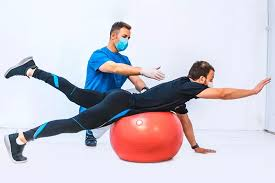
Here are the main topics covered in a comprehensive Exercise Therapy curriculum:
1. Fundamentals of Exercise Therapy
- Definitions & Scope: Purposeful physical activity for health, pain reduction, and functional improvement.
- Basic Principles: Overload, specificity, reversibility, adaptation, and progression.
- Biomechanical Principles: Axes and planes of movement, center of gravity, line of gravity, equilibrium, and levers.
- Types of Muscle Work: Isometric (static), Isotonic (concentric/eccentric), and Isokinetic contractions.
- Starting Positions: Fundamental positions (standing, sitting, kneeling, lying, hanging) and their derived positions.
2. Therapeutic Exercise Techniques (Active & Passive)
- Range of Motion (ROM) Exercises: Passive (PROM), Active-Assisted (AAROM), and Active-Free (AROM) movements.
- Resisted Exercises: Principles of strengthening, muscle re-education, manual resistance, and mechanical resistance.
- Stretching: Techniques for increasing muscle flexibility and joint mobility.
- Joint Mobilization: Principles of peripheral joint mobilization, concave-convex rule, and Maitland techniques.
- Suspension Therapy: Types of suspension, principles, and uses for muscle strengthening and mobilization.
- Proprioceptive Neuromuscular Facilitation (PNF): Diagonal patterns, stretch reflex, and techniques for enhancing neuromuscular control.
3. Functional and Specialized Training
- Balance & Coordination Exercises: Static and dynamic balance training, Vestibular rehab, and Frenkel’s exercises.
- Gait Training: Analysis of normal vs. abnormal gait, 2-point, 3-point, and 4-point gait, and training with walking aids (crutches, walkers).
- Breathing Exercises: Respiratory physiology, techniques for increasing lung capacity, and postural drainage.
- Posture & Relaxation: Postural re-education, and relaxation techniques (Jacobson’s, Mitchell’s).
- Hydrotherapy: Principles of aquatic exercise, safety, and therapeutic uses.
4. Evaluation and Assessment
- Manual Muscle Testing (MMT): Grading muscle strength (MRC grading).
- Goniometry: Measuring joint range of motion.
- Anthropometric Measurements: Measuring limb length and girth.
- Functional Assessment: Assessing mobility, daily activities, and movement patterns.
5. Clinical Application and Rehabilitation
- Rehabilitation Phases: Activation, tissue healing, stabilization, and functional training.
- Orthopaedic Rehabilitation: Exercises for fractures, ligament injuries, and joint replacements.
- Neurological Rehabilitation: Exercises for stroke, spinal cord injury, and neuromuscular disorders.
- Sports Rehabilitation: Return-to-sport protocols, Plyometrics, and injury prevention.
Recommended Reference Textbooks
- Therapeutic Exercise: Foundations and Techniques by Carolyn Kisner & Lynn Allen Colby.
- Principles of Exercise Therapy by M. Dena Gardiner.
- Practical Exercise Therapy by Margaret Hollis.
- Muscle Testing and Function by Kendall.
- Measurement of Joint Motion: A Guide to Goniometry by Norkin & White.
Electro therapy-1 for Physiotherapist Best Course in Dhaka
Electrotherapy is a physiotherapeutic treatment using electrical energy to stimulate nerves and muscles, primarily for pain relief, muscle rehabilitation, reducing swelling, and improving circulation. Common methods like TENS and NMES use surface electrodes to manage conditions like chronic pain, arthritis, and muscle atrophy. It is a safe, non-invasive, evidence-based modality used to complement, not replace, active rehabilitation.
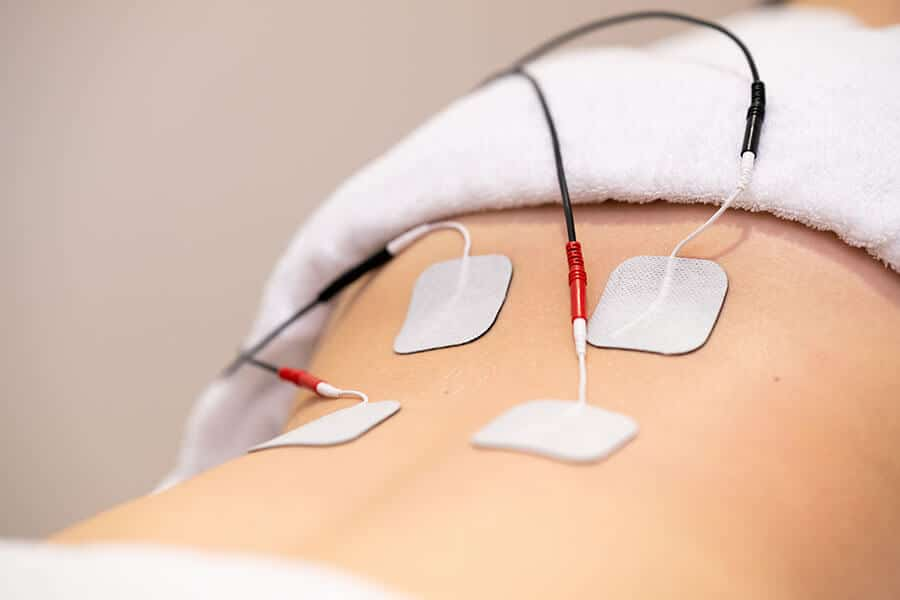
Key Types and Applications
- Transcutaneous Electrical Nerve Stimulation (TENS): Primarily used for pain management by blocking nerve signals to the brain.
- Neuromuscular Electrical Stimulation (NMES): Used for muscle re-education, strengthening, and reducing muscle atrophy.
- Interferential Therapy (IFT): Uses deeper tissue penetration for pain relief and reducing inflammation.
- Electro-acupuncture: Combines traditional acupuncture with low-intensity electric current.
- Galvanic/DC Current: Used for iontophoresis (delivering medication) or stimulating denervated muscles.
Benefits of Electrotherapy
- Pain Relief: Effective for musculoskeletal pain, including back pain, neck pain, and tendonitis.
- Muscle Stimulation: Assists in regaining function after injury or surgery by preventing muscle waste.
- Reduced Swelling: Encourages lymphatic flow and reduces edema.
- Enhanced Healing: Improves blood circulation to injured tissues.
Considerations
While generally safe, electrotherapy should be used carefully on patients with pacemakers, epilepsy, or over areas of skin irritation. It is most effective when combined with active exercises. Note: This is distinct from Electroconvulsive Therapy (ECT), which is a psychiatric treatment.