 HRTD Medical Institute

Physiotherapy Training Course Summary:
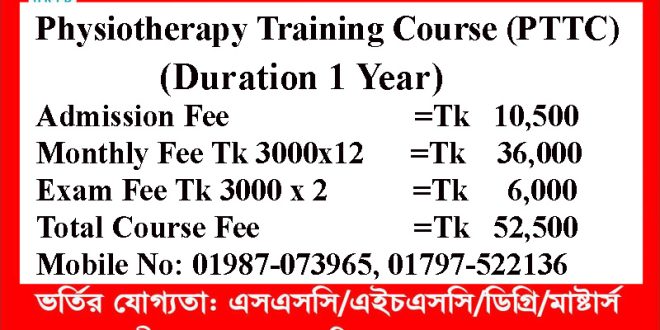
Physiotherapy Training Course (PTTC) 1 Year: Mobile No: 01987-073965, 01797-522136. This short course of Physiotherapy contains 10 subjects in 2 semesters. 1st Semester contains 5 subjects. The subjects are Human Anatomy & Physiology, Chemistry & Pharmacology, First Aid & Treatment, Hematology & Pathology, and the Study of OTC Drugs & Medicine.
2nd semester of this short physiotherapy course contains 5 subjects. The subjects are Orthopedic Anatomy & Physiology, Neuroanatomy & Physiology, Cardiovascular Anatomy & Physiology, Electro Physics, and the Study of TENS.
Course Fee Summary:
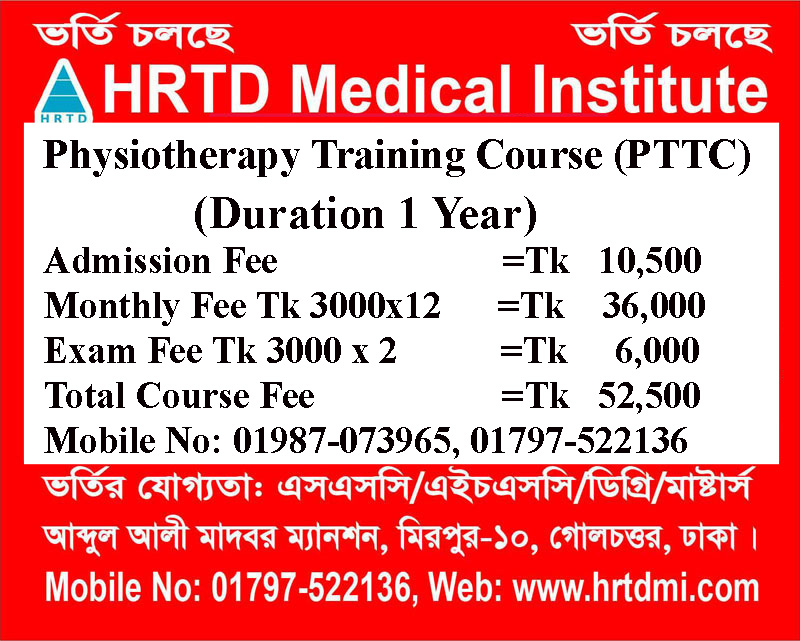
Course fee for 1 year Physiotherapy Training Course Tk 52,500/- including admission fee Tk 10,500/-, Monthly fee Tk 3000/- and exam fee Tk 3000×2 = 6000/-.
Location of Physiotherapy Training Course
Location of Physiotherapy Training Course. Mobile Phone Number 01797522136, 01987073965. HRTD Medical Institute, Section-6, Block-Kha, Road-1, Plot-11, Metro Rail Piller No. 249, Mirpur-10 Golchattar, Dhaka-1216. Mobile Phone No. 01797522136, 01987073965.
Objectives of Physiotherapy Course/ Physiotherapy Diploma
একজন ফিজিওথেরাপিষ্ট এর পক্ষে একটি ফিজিওথেরাপী চেম্বার বা ফিজিওথেরাপী সেন্টার বা ফিজিওথেরাপী ক্লিনিক ম্যানেজ করা সম্ভব হয় না বা ম্যানেজ করা উচিৎ না । কারন সেখানে থাকে অনেক মেশিনারী এবং অনেক কাজ । যেমন মেশিনারী ম্যানেজমেন্ট, মার্কেটিং ম্যানেজমেন্ট, একাউন্টস ম্যানেজমেন্ট, ফিনেনশিয়াল ম্যানেজমেন্ট, রোগীদের ডেটা ম্যানেজমেন্ট, রোগীদের কাউন্সিলিং ইত্যাদি ।
ফিজিওথেরাপি ৩ বছর/ ৪ বছরের ডিপ্লোমা কোর্স সফলভাবে সমাপ্ত করার পরে, শিক্ষার্থীরা সক্ষম হবে:

(১) ফিজিওথেরাপি সম্পর্কিত অনেক জ্ঞান ও দক্ষতা অর্জন করতে পারবে ।
(২) বিভিন্ন ফিজিওথেরাপি সরঞ্জাম এবং আনুষাঙ্গিক পরিচালনা এবং রক্ষণাবেক্ষণের জ্ঞান ও দক্ষতা অর্জন করতে পারবে ।
(৩) ফিজিওথেরাপি সম্পর্কিত প্রয়োজনীয় ডকুমেন্টেশন বজায় রাখার জ্ঞান ও দক্ষতা অর্জন করতে পারবে ।
(৪) ফিজিওথেরাপি যন্ত্রগুলি পরিচালনার বিপদ এবং তাদের প্রতিরক্ষামূলক জ্ঞান ও দক্ষতা অর্জন করতে পারবে ।
(৫) ফিজিওথেরাপিউটিক কার্যক্রম তদারকি জ্ঞান ও দক্ষতা অর্জন করতে পারবে ।

(৬) ফিজিওথেরাপিউটিক কার্যক্রমের ভবিষ্যত উন্নয়ন ও পরিকল্পনায় অবদান রাখাতে পারবে।
Admission Eligibility for Physiotherapy Training Courses in Dhaka
Admission Eligibility for Paramedical Courses. Mobile No. 01987-073965, 01797-522136. SSC Pass/ Equivalent/ HSC/ Degree/ Masters from arts, commerce, science, technical, etc.
Class Time for Physiotherapy Training Course
Weekly Class 3 hours. For Regular Students Friday 1 hour, Saturday 1 hour, and Monday 1 hour. For Job holders, Friday is 3 hours, or Monday is 3 hours. Morning Shift 9:00 am to 12:00 pm, and Evening Shift 3:00 pm to 6:00 pm.
ফিজিওথেরাপি ডিপ্লোমা বা ফিজিওথেরাপি কোর্স কেন করবেন?
ফিজিওথেরাপি ডিপ্লোমা বা ফিজিওথেরাপি কোর্স করে ফিজিওথেরাপি চ্যাম্বার, ফিজিওথেরাপি সেন্টার, ফিজিওথেরাপি ক্লিনিক, অথরা ফিজিওথেরাপি হাসপাতাল গড়ে তুলতে পারবেন। এটা নির্ভর করে আপনার অর্থনৈতিক অবস্থা এবং মেধার উপর । ফিজিওথেরাপি সেন্টারে চাকরি করতে পারবেন, বাসায় বাসায় অথবা হাসপাতালে হাসপাতালে গিয়ে থেরাপী দিতে পারবেন ।
Teacher of Physiotherapy Training Course
- Dr. Md. Sakulur Rahman, MBBS, CCD (BIRDEM), Course Director
- Dr. Sanjana Binte Ahmed, BDS, MPH, Assistant Course Director
- Dr. Tisha, MBBS, PGT Gyne, Assistant Course Director
- Dr. Suhana, MBBS, PGT Medicine
- Dr. Danial Hoque, MBBS, C-Card
- Dr. Tisha, MBBS
- Dr. Afrin Jahan, MBBS, PGT Medicine
- Dr. Ananna, MBBS
- Dr. Lamia Afroze, MBBS
- Dr. Amena Afroze Anu, MBBS, PGT Gyne, Assistant Course Director
- Dr. Farhana Antara, MBBS,
- Dr. Nazmun Nahar Juthi, BDS, PGT
- Dr. Farhana Sharna, MBBS
- Dr. Bushra, MBBS
- Dr. Turzo, MBBS
- Dr. Kamrunnahar Keya, BDS, PGT (Dhaka Dental College)
- Dr. Shamima, MBBS, PGT Gyne
- Dr. Alamin, MBBS
- Dr. Benzir Belal, MBBS
- Dr. Disha, MBBS
- Dr. Mahinul Islam, MBBS
- Dr. Tisha, MBBS, PGT Medicine
- Dr. Anika, MBBS, PGT
- Dr. Jannatul Ferdous, MBBS, PGT Gyne
- Dr. Jannatul Aman, MBBS, PGT
- Dr. Rayhan, BPT
- Dr. Abu Hurayra, BPT
- Dr. Sharmin Ankhi, MBBS, PGT Medicine
- Md. Monir Hossain, B Pharm, M Pharm
- Md. Monirul Islam, B Pharm, M Pharm
- Md. Feroj Ahmed, BSc Pathology, PDT Medicine
Subjects for Physiotherapy Training Course
1st Semester Subject:
Human Anatomy & Physiology
Chemistry & Pharmacology
First Aid & Treatment
Hematology & Pathology
Orthopedic Anatomy & Physiology
2nd Semester Subject:
Neuro Anatomy & Physiology
Orthopedic Disease & Complication
Therapeutic Exercise
Electro Physics
Electrotherapy
Human Anatomy & Physiology for Physiotherapy Training Course
Human Anatomy & Physiology is an important subject in physiotherapy courses. The study of Body Structure and its functions is Anatomy and Physiology. Here we discuss the systems of the Human Body and its Organs, Tissues, and Cells. The systems of the Human Body are the Nervous System, Digestive System, Respiratory System, Circulatory System or Cardiovascular System, Skeletal System, Muscular System, Endocrine System, Immune System, Lymphatic System, Integumentary System or Covering System, and Urinary System.
শারীরিক গঠন এবং এর কার্যাবলীর অধ্যয়ন হল অ্যানাটমি এবং ফিজিওলজি। এখানে আমরা মানবদেহের সিস্টেম এবং এর অঙ্গ, টিস্যু এবং কোষ নিয়ে আলোচনা করি। মানবদেহের সিস্টেমগুলি হ’ল হজম সিস্টেম, শ্বাসযন্ত্র, কার্ডিওভাসকুলার সিস্টেম, কঙ্কাল সিস্টেম, পেশীতন্ত্র, স্নায়ুতন্ত্র, এন্ডোক্রাইন সিস্টেম, ইমিউন সিস্টেম, লিম্ফ্যাটিক সিস্টেম, ইন্টিগুমেন্টারি সিস্টেম এবং ইউরিনারি সিস্টেম।
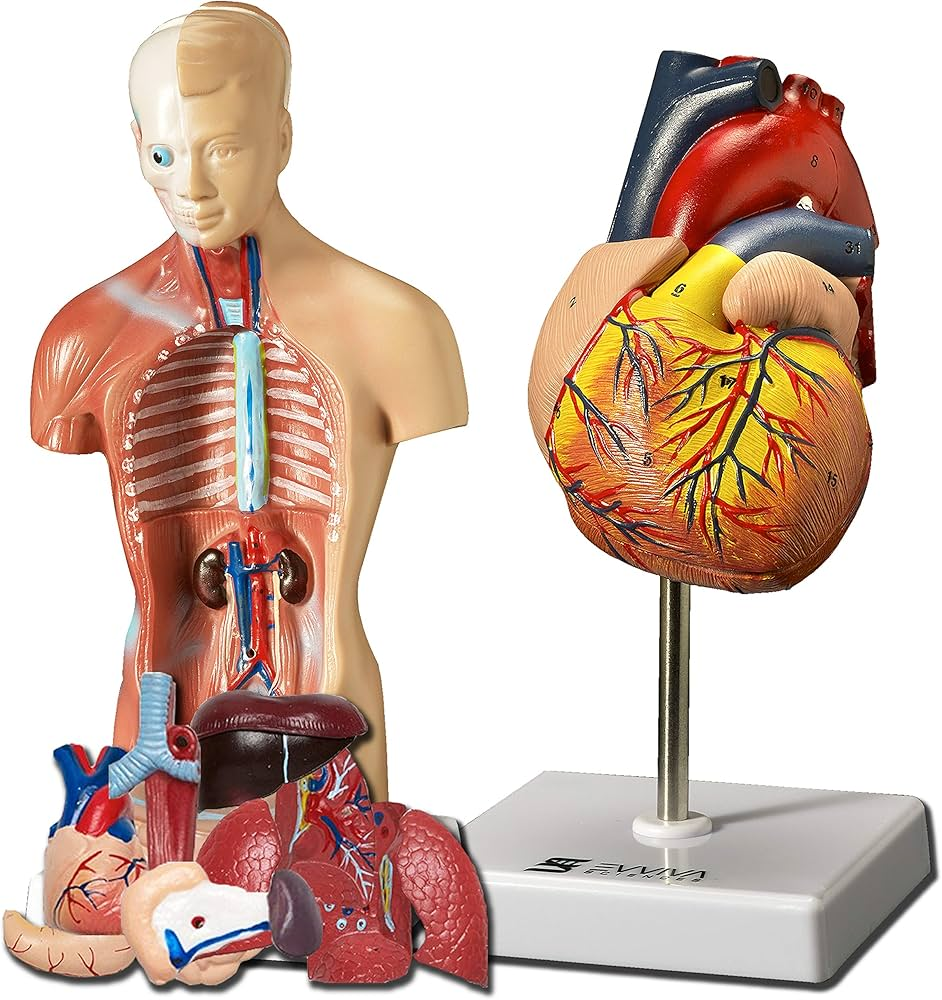
Anatomy is the scientific study of the structural organization and physical relationships of living things and their parts. Derived from the Greek word anatome, meaning “to cut up” or “dissection,” it describes where body structures are located and what they are made of.
Physiology is the scientific study of the functions and mechanisms of living systems. While anatomy focuses on structure, physiology focuses on how those structures—from molecules to organ systems—work together to support life.
The human body is organized into 11 major organ systems that work together to maintain homeostasis.
1. Integumentary System
- Primary Function: Forms a protective physical barrier, regulates body temperature, and detects sensory stimuli.
- Key Components: Skin (epidermis, dermis, hypodermis), hair, nails, and exocrine glands (sweat, oil).
- Physiology: Synthesizes Vitamin D from sunlight and eliminates waste through perspiration.
2. Skeletal System
- Primary Function: Provides structural support, protects vital organs, and facilitates movement.
- Key Components: Bones (206 in adults), cartilage, ligaments, and joints.
- Physiology: Red bone marrow produces blood cells (hematopoiesis), while the bone matrix stores essential minerals like calcium and phosphate.
3. Muscular System
- Primary Function: Facilitates voluntary and involuntary movement and generates body heat.
- Key Components: Skeletal muscles, smooth muscles (in organs), and cardiac muscle (heart).
- Physiology: Muscles pull on bones via tendons to create leverage for locomotion.
4. Nervous System
- Primary Function: Coordinates rapid responses to internal and external stimuli through electrical signaling.
- Key Components: Brain, spinal cord, nerves, and sensory organs (eyes, ears).
- Physiology: Divided into the Central Nervous System (CNS) for processing and the Peripheral Nervous System (PNS) for transmission.
5. Endocrine System
- Primary Function: Regulates long-term processes like growth, metabolism, and reproduction through hormones.
- Key Components: Glands such as the pituitary, thyroid, adrenal, pancreas, and gonads.
- Physiology: Hormones are secreted directly into the bloodstream to target distant organs.
6. Cardiovascular (Circulatory) System
- Primary Function: Transports oxygen, nutrients, hormones, and waste throughout the body.
- Key Components: Heart, blood vessels (arteries, veins, capillaries), and blood.
- Physiology: Operates in two main circuits—pulmonary (lungs) and systemic (rest of the body).
7. Lymphatic and Immune System
- Primary Function: Drains excess tissue fluid (lymph) back to the blood and defends against pathogens.
- Key Components: Lymph nodes, spleen, thymus, tonsils, and lymphatic vessels.
- Physiology: Lymphocytes (white blood cells) sample lymph for invaders to mount immune responses.
8. Respiratory System
- Primary Function: Facilitates gas exchange, bringing in oxygen and expelling carbon dioxide.
- Key Components: Lungs, trachea, pharynx, larynx, and diaphragm.
- Physiology: Gas exchange occurs across the thin membranes of the alveoli in the lungs.
9. Digestive System
- Primary Function: Breaks down food mechanically and chemically for nutrient absorption.
- Key Components: Mouth, esophagus, stomach, small and large intestines, liver, and pancreas.
- Physiology: Chyme (processed food) moves through the small intestine where villi absorb nutrients into the blood.
10. Urinary (Excretory) System
- Primary Function: Filters blood to eliminate metabolic waste and regulates fluid and electrolyte balance.
- Key Components: Kidneys, ureters, urinary bladder, and urethra.
- Physiology: Nephrons in the kidneys purify blood and produce urine for excretion.
11. Reproductive System
- Primary Function: Produces gametes (sperm/eggs) and sex hormones for the production of offspring.
- Key Components: Testes, ovaries, uterus, and associated ducts/glands.
- Physiology: Regulated by the endocrine system to manage cycles like menstruation or sperm production.
Pharmacology for Physiotherapy Training Course
The study of Drugs and Medicine is called Pharmacology. Drugs are chemicals that can react with cells, tissues, and organs of the body. Here we discuss group-wise drugs and their medicines. Common Groups of Drugs are Pain Killer Drugs, Anti Ulcer Drugs, Anti Vomiting Drugs, Anti Viral Drugs, Laxative Drugs, Motility Drugs and Antimotility Drugs, Bronchodilator Drugs, Antibiotic Drugs, Anti Fungal Drugs, Anti Thrombotic Drugs, Anti Protozoal Drugs, Anthelmintic Drugs, Anti Hypertensive Drugs, Beta Blocker Drugs, Calcium Channel Blocker Drugs, ACE Inhibitor Drugs, Hemostatic Drugs, Analgesic Drugs, Antipyretic Drugs, Steroid Drugs, NSAID Drugs, CNS Drugs, Neuropathic Pain Keller Drugs, Spasmodic Drugs, etc.
ওষুধ ও ওষুধের অধ্যয়নকে ফার্মাকোলজি বলা হয়। এখানে আমরা ফার্মাকোলজি-১ এ গ্রুপভিত্তিক ওষুধ ও তাদের ওষুধ নিয়ে আলোচনা করেছি। ওষুধের সাধারণ গ্রুপগুলি হল পেইন কিলার ড্রাগস, অ্যান্টি আলসার ড্রাগস, অ্যান্টি-ভোমিটিং ড্রাগস, ল্যাক্সেটিভ ড্রাগস, মোটিলিটি ড্রাগস, অ্যান্টিমোটিলিটি ড্রাগস, ব্রঙ্কোডাইলেটর ড্রাগস, অ্যান্টিবায়োটিক ড্রাগস, অ্যান্টি ফাংগাল ড্রাগস, অ্যান্টি প্রোটোজোয়াল ড্রাগস, অ্যান্টি ভাইরাল ড্রাগস, অ্যান্টি-ভাইরাল ড্রাগস, অ্যান্টি-অ্যান্টিভেনস ড্রাগস। , বিটা ব্লকার ওষুধ, ক্যালসিয়াম চ্যানেল ব্লকার ড্রাগস, এসিই ইনহিবিটর ড্রাগস, হেমোস্ট্যাটিক ড্রাগস, অ্যানালজেসিক ড্রাগস, অ্যান্টিপাইরেটিক ড্রাগস, অ্যান্টি থ্রম্বোটিক ড্রাগস ইত্যাদি।
Pharmacology for physiotherapy is a specialized field focused on how medications interact with physical rehabilitation. In 2025, courses increasingly emphasize clinical reasoning to manage patients on multiple medications (polypharmacy) and optimize treatment timing based on drug effects.
1. Core Pharmacological Concepts
- Pharmacokinetics (ADME): The study of what the body does to a drug, including Absorption, Distribution, Metabolism, and Excretion. For physiotherapists, this includes how exercise affects these processes (e.g., increased blood flow altering drug absorption).
- Pharmacodynamics: The study of what a drug does to the body, focusing on drug-receptor interactions and therapeutic versus toxic effects.
- Therapeutic Index: A measure of a drug’s safety; drugs with a narrow index require close monitoring for adverse reactions during physical activity.
2. Major Drug Classes in Physiotherapy
Physiotherapy courses typically cover medications that directly impact movement, pain, and exercise tolerance:
- Analgesics & Anti-inflammatories: NSAIDs (ibuprofen), acetaminophen, and opioids used for pain management. These can mask symptoms, potentially leading to overexertion during therapy.
- Cardiovascular Drugs: Beta-blockers, ACE inhibitors, and diuretics. These affect heart rate and blood pressure, often requiring intensity adjustments during aerobic training.
- Neurological & Psychotropic Drugs: SSRIs, muscle relaxants, and anti-Parkinsonian agents. These can cause side effects like dizziness, drowsiness, or impaired balance, significantly increasing fall risks.
- Endocrine Drugs: Metformin and insulin. Physiotherapists must monitor for hypoglycemia (low blood sugar) triggered by exercise.
3. Clinical Implications for Practice
Modern 2025 curricula focus on integrating drug knowledge into patient safety and treatment planning:
- Treatment Timing: Scheduling sessions when analgesics are at peak effect for better performance, or avoiding times when sedatives are strongest to prevent falls.
- Red Flag Screening: Identifying medication-related “red flags” such as GI bleeding (from NSAIDs), orthostatic hypotension (from antihypertensives), or muscle myopathy (from statins).
- Interprofessional Communication: Using structured formats like SBAR to report suspected adverse drug reactions to prescribing physicians.
- Patient Education: Advising patients on medication adherence and the functional impact of their prescriptions on rehabilitation goals.
First Aid for Physiotherapy Training Course
First Aid is an important subject for all courses. It is very important for the Physiotherapy Training Course. Here we discuss Shock, Classifications of Shock, Causes of Shock, Stages of Shock, Clinical Features of Shock, Hypovolemic Shock, Cardiogenic Shock, Neurogenic Shock, Traumatic Shock, Burn Shock, Electric Shock, Psychogenic Shock, Anaphylactic Shock, First Aid of Shock, Management of Shock, First Aid of Cut, First of Snake Bite, First Aid of Accidental Injury, etc.
ফার্স্ট এইড মেডিসিন এবং সার্জারি কোর্সের ডিপ্লোমা, আরএমপি কোর্স, এলএমএএফ কোর্স, প্যারামেডিক্যাল কোর্স, ডিএমএ কোর্স, ডিএমএস কোর্স, নার্সিং কোর্স, ডেন্টাল কোর্স, প্যাথলজি কোর্স, ফিজিওথেরাপি কোর্স, কেয়ারগিভার কোর্স, ইত্যাদির জন্য একটি গুরুত্বপূর্ণ বিষয়। শক, শ্রেণিবিন্যাস শক, শকের কারণ, পর্যায় নিয়ে আলোচনা করুন শক, শকের ক্লিনিকাল বৈশিষ্ট্য, হাইপোভোলেমিক শক, কার্ডিওজেনিক শক, নিউরোজেনিক শক, ট্রমাটিক শক, বার্ন শক, বৈদ্যুতিক শক, সাইকোজেনিক শক, অ্যানাফিল্যাকটিক শক, শকের প্রাথমিক চিকিৎসা, কাটার প্রাথমিক চিকিৎসা, সাপের কামড়ের প্রাথমিক চিকিৎসা, প্রাথমিক চিকিৎসা দুর্ঘটনাজনিত আঘাত, ইত্যাদি
First Aid training for physiotherapy students and professionals focuses on integrating emergency life support with musculoskeletal expertise. Training typically covers both standard emergency response and clinical risks specific to the physiotherapy environment.
1. Core Training Components (2025 Standards)
Standard physiotherapy curricula in 2025 include First Aid as a foundational subject. Key learning points include:
- Emergency Life Support: Management of an unconscious casualty, recovery positioning, and high-quality CPR for adults, children, and infants.
- Cardiac Care: Recognition and management of heart attacks, angina, and the immediate use of an Automated External Defibrillator (AED).
- Acute Trauma & Injuries: Treatment for major/minor bleeding, burns, head and spinal injuries (concussion/compression), and bone fractures.
- Soft Tissue Management: Immediate care for sprains, strains, and dislocations using protocols like PRICE (Protection, Rest, Ice, Compression, Elevation).
- Medical Emergencies: Recognizing and treating anaphylaxis (allergic reactions), asthma attacks, strokes, seizures, and signs of sepsis or meningitis.
2. Specialized Requirements for Physiotherapists
- Mandatory Competencies: Physiotherapists working under Sports Physiotherapy Standards must maintain up-to-date competencies in basic life support and acute trauma management.
- Renewals & CPD: First Aid certificates are typically valid for 3 years, though Basic Life Support (BLS) or CPR-specific refreshers are often required annually in clinical settings.
- 2025 Certification Update: Starting in 2025, some regulatory bodies now require BLS CPR (specifically) for professional renewals, which may also qualify for increased Professional Development Credits (PDCs).
3. Training Formats and Options
Physiotherapy-specific courses are often tailored to the clinical environment:
- 3-Hour Refresher: Focused on CPR, AED use, heart attacks, and choking.
- Emergency First Aid at Work (EFAW): A 1-day (or online level 3) course for lower-risk clinical environments.
- Advanced First Aid: Comprehensive 70-80+ hour programs for professionals in high-risk or industrial settings, covering advanced patient assessment and transportation.
- Blended Learning: Many 2025 providers offer online theory modules followed by practical, hands-on skill sessions to fit around clinical schedules.
Study of OTC Drugs for Physiotherapy Training Course
OTC is the short form of over-the-counter. That is OTC Drugs are over-the-counter drugs. The study of OTC Drugs is important for Physiotherapy Courses. These Drugs can be sold or purchased without any prescription from Registered MBBS Doctors. These Drugs are Emergency and Safe for the patients. The study of OTC Drugs improves the quality of practice. Some OTC Drugs are Paracetamol, Albendazole, Ascorbic Acid, Calcium, Multivitamins, Vitamin B Complex, Omeprazole, Oral Rehydration Salt, Salbutamol, Mebendazole, Neomycin, Gentamycin, Bacitracin, etc.
ওটিসি ওষুধগুলি সমস্ত মেডিকেল কোর্স,ডিপ্লোমা মেডিকেল কোর্স, এলএমএএফ কোর্স এবং আরএমপি কোর্সের জন্য গুরুত্বপূর্ণ। ডিপ্লোমা ইন ফিজিওথেরাপির জন্যও এটি গুরুত্বপূর্ণ। এই OTC ওষুধগুলি নিবন্ধিত এমবিবিএস ডাক্তারদের কোনও প্রেসক্রিপশন ছাড়াই বিক্রি বা কেনা যায়। এই ওষুধগুলি জরুরী এবং রোগীদের জন্য নিরাপদ। ওটিসি ওষুধের অধ্যয়ন অনুশীলনের মান উন্নত করে। কিছু ওটিসি ওষুধ হল অ্যালবেনডাজল, অ্যাসকরবিক অ্যাসিড, ক্যালসিয়াম, মাল্টিভিটামিন, ভিটামিন বি কমপ্লেক্স, ওমেপ্রাজল, ওরাল রিহাইড্রেশন সল্ট, সালবুটামল ইত্যাদি।
Hematology and Pathology for Physiotherapy Training Course
Hematology and Pathology are important subjects in medical science. The study of Blood is called Hematology and the Study of Pathos is called Pathology. In Hematology and Pathology, we discuss blood cells, their morphology and functions, Blood Diseases, Common Pathos and their pathogenesis, Atrophy, Hypertrophy, Metaplasia, Gangrene, Pathological Tests like TC, DC, ESR, Hemoglobin Percentage, etc.
রক্ত ও রক্তের রোগের অধ্যয়নকে বলা হয় হেমাটোলজি এবং স্টাডি অফ প্যাথোস এবং রোগ সৃষ্টি ও নির্ণয়ের প্রক্রিয়াকে প্যাথলজি বলা হয়। হেমাটোলজি এবং প্যাথলজিতে, আমরা রক্তের কোষ, তাদের গঠন এবং কার্যকারিতা, রক্তের রোগ, সাধারণ প্যাথোস এবং তাদের প্যাথোজেনেসিস, অ্যাট্রোফি, হাইপারট্রফি, মেটাপ্লাসিয়া, গ্যাংগ্রিন, প্যাথলজিকাল টেস্ট যেমন TC, DC, ESR, হিমোগ্লোবিন শতাংশ ইত্যাদি নিয়ে আলোচনা করি।
Treatment/Practice of Medicine for Physiotherapy Training Course
The study of Disease and Treatment is called the Practice of Medicine. This subject is important for a Diploma Medical Practitioner, Diploma Medical Assistant, and Rural Medical Practitioner. This subject discusses some common diseases. The discussion points for the Practice of Medicine are the Definition of Disease, Causes of Disease, Clinical Features of Disease ( Symptoms and Signs), Investigation of Disease, Treatment of Disease, Complication of Disease, and Advice for the Patients. To understand the diseases, the movement of doctors, and their prescriptions, this subject should be studied by physiotherapy students.
রোগ ও চিকিৎসার অধ্যয়নকে বলা হয় মেডিসিনের অনুশীলন। এই বিষয় একজন ডিপ্লোমা মেডিকেল প্র্যাকটিশনার, ডিপ্লোমা মেডিকেল অ্যাসিস্ট্যান্ট এবং গ্রামীণ চিকিৎসা অনুশীলনকারীর জন্য গুরুত্বপূর্ণ। এই বিষয়ে কিছু সাধারণ রোগ নিয়ে আলোচনা করা হয়েছে। মেডিসিন অনুশীলনের আলোচনার বিষয়গুলি হল রোগের সংজ্ঞা, রোগের কারণ, রোগের ক্লিনিক্যাল বৈশিষ্ট্য (লক্ষণ এবং লক্ষণ), রোগের তদন্ত, রোগের চিকিৎসা, রোগের জটিলতা এবং রোগীদের জন্য পরামর্শ। রোগগুলি, ডাক্তারদের গতিবিধি এবং তাদের প্রেসক্রিপশন বোঝার জন্য, এই বিষয়টি ফিজিওথেরাপি শিক্ষার্থীদের দ্বারা অধ্যয়ন করা উচিত।
Therapeutic Exercise-1 for Physiotherapy Training Course
Exercise Therapies are discussed in Therapeutic Exercise. After completing Theory Classes, Practical Classes are done. Topics for Therapeutic Exercise-1 are Lever, Types of Lever, 1st Degree Lever, Pulley, Types of Pulley, Movable Pulley, Energy, Types of Energy, Kinetic Energy, Axis, Types of Axis, Plane, Types of Plane, Names of Shoulder Movement, Names of Hip Movement, Names of Wrist Movement, MCP Movement, Range of Motion of Elbow Joint, Muscle action, Types of Muscle action, Muscle work, Types of Muscle work, Types of Fundamental Position, Pelvic tilt, Types o Pelvic tilt, Relax Passive Movement, Indication of Relax Passive Movement, Contraindication of Relax Passive Movement.
ব্যায়াম থেরাপি থেরাপিউটিক ব্যায়াম আলোচনা করা হয়. থিওরি ক্লাস শেষ করার পর ব্যবহারিক ক্লাস করা হয়। থেরাপিউটিক এক্সারসাইজ-১-এর বিষয়গুলো হলো লিভার, লিভারের ধরন, ১ম ডিগ্রি লিভার, পুলি, পুলির প্রকার, চলনশীল পুলি, শক্তি, শক্তির প্রকার, গতিশক্তি, অক্ষ, অক্ষের প্রকার, সমতল, সমতলের ধরন, নাপুল। আন্দোলন, নিতম্ব আন্দোলনের নাম, কব্জির নড়াচড়ার নাম, MCP মুভমেন্ট, কনুই জয়েন্টের গতির পরিসর, পেশীর ক্রিয়া, পেশীর ক্রিয়ার ধরন, পেশীর কাজ, পেশীর কাজের ধরন, মৌলিক অবস্থানের ধরন, শ্রোণী কাত, পেলভিক কাত, শিথিলকরণ, নিষ্ক্রিয় গতির ধরন প্যাসিভ আন্দোলন শিথিল করুন, প্যাসিভ মুভমেন্ট শিথিল করার বিরোধীতা,
Types of skeletal muscle fibers, Clinical Examination of the Motor Nervous System, Clinical Examination of the Sensory Nervous System, Clinical Examination of Cranial Nerves, Clinical Examination of the Cardiovascular System, Measurement of the Pelvic Angle of Inclination, Factors affecting the Joint Range of Motion, Starting and Derived Positions, Suspension therapy, Advantage of Suspension therapy, Names of Suspension Instrument, Types of Suspension Therapy, etc.
কঙ্কালের পেশী তন্তুর ধরন, মোটর স্নায়ুতন্ত্রের ক্লিনিকাল পরীক্ষা, সংবেদনশীল স্নায়ুতন্ত্রের ক্লিনিকাল পরীক্ষা, ক্রানিয়াল স্নায়ুর ক্লিনিকাল পরীক্ষা, কার্ডিওভাসকুলার সিস্টেমের ক্লিনিক্যাল পরীক্ষা, পেলভিক প্রবণতার কোণ পরিমাপ, জোড়ের সীমাকে প্রভাবিত করার কারণগুলি , শুরু এবং প্রাপ্ত অবস্থান, সাসপেনশন থেরাপি, সাসপেনশন থেরাপির সুবিধা, সাসপেনশন যন্ত্রের নাম, সাসপেনশন থেরাপির প্রকারভেদ ইত্যাদি।
Electro Therapy for Physiotherapy Training Course
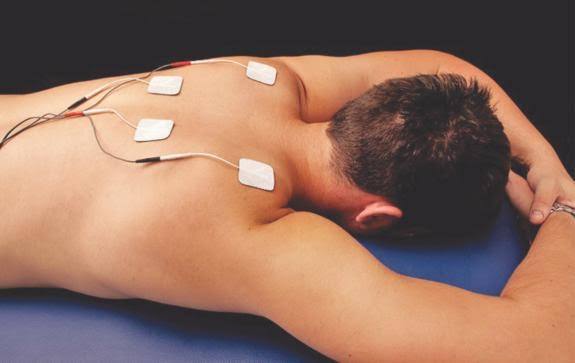
Electrotherapy uses electrical currents for medical treatment, primarily to relieve pain, reduce inflammation, and stimulate muscles, commonly seen in physiotherapy with devices like TENS or NMES, but also extends to psychiatric uses like Electroconvulsive Therapy (ECT) for severe mood disorders, and even cosmetic treatments for skin. It works by applying electrical energy to tissues, affecting nerve signals or muscle contractions for therapeutic effects, often complementing other active therapies for better results.
Common Types & Uses:
- Transcutaneous Electrical Nerve Stimulation (TENS): Mild currents through skin pads to block pain signals (gate control theory).
- Neuromuscular Electrical Stimulation (NMES): Stronger currents to contract muscles, preventing atrophy, retraining muscles after injury, or improving strength.
- Interferential Current (IFC): Uses two currents for deeper pain relief and increased circulation.
- Electroconvulsive Therapy (ECT): Controlled electric seizure for severe depression, bipolar disorder, or catatonia, when other treatments fail.
- Galvanic Current (Cosmetic): Uses direct current for skin cleansing (desincrustation) and nourishing (iontophoresis) to improve skin conditions like aging or acne.
How it Works (General):
- Pain Relief: Interrupts pain signals or triggers endorphin release.
- Muscle Rehab: Stimulates nerve & muscle fibers, improving tone, strength, or re-education.
- Healing: Can accelerate healing and reduce swelling by improving local circulation.
Key Considerations:
- Not a Replacement: Best when combined with exercise and manual therapy, not as a standalone solution.
- Skilled Application: Effectiveness depends on the therapist choosing the right type, intensity, and duration for the individual.
Cardiovascular Anatomy & Physiology for Physiotherapy Training Course
Cardiovascular Anatomy is a branch of Anatomy, and Cardiovascular Physiology is a branch of Physiology. These two subjects are related to cardiology. Cardiovascular Anatomy and Physiology are being studied in a single subject for Diploma Medical Courses, Paramedical Courses, and All Short Medical Courses.
কার্ডিওভাসকুলার অ্যানাটমি হল অ্যানাটমির একটি শাখা এবং কার্ডিওভাসকুলার ফিজিওলজি হল ফিজিওলজির একটি শাখা। এই দুটি বিষয় কার্ডিওলজি সম্পর্কিত। কার্ডিওভাসকুলার অ্যানাটমি এবং ফিজিওলজি ডিপ্লোমা মেডিকেল কোর্স, প্যারামেডিক্যাল কোর্স এবং সমস্ত শর্ট মেডিকেল কোর্সের জন্য একটি একক বিষয়ে অধ্যয়ন করা হচ্ছে।
We discuss here the Anatomy of the Heart, Cardiac Chambers, Cardiac Valves, Cardiac Wall, Cardiac Septum, Right Heart, Left Heat, Function of Right Heat, Functions of Left Heart, Aorta, Venecava, Artery, Vein, Capillary, Pulmonary Blood Circulation, Cerebral Blood Circulation, Renal Blood Circulation, Hepatic Blood Circulation, Portal Vein and Portal Circulation, Heart Beat, Pulse, Pulse Rate, Tachycardia, Bradycardia, Blood Pressure, Normal Blood Pressure, Hypertension, Hypotension, Stroke Volume, Cardiac Output, Heart Failure, etc. This Subject is the most essential for the Diploma in Medicine and Diploma in Surgery Course.
আমরা এখানে হার্টের অ্যানাটমি, কার্ডিয়াক চেম্বার, কার্ডিয়াক ভালভ, কার্ডিয়াক ওয়াল, কার্ডিয়াক সেপ্টাম, ডান হার্ট, বাম তাপ, ডান তাপের ফাংশন, বাম হার্টের কাজ, অ্যাওর্টা, ভেনেকাভা, ধমনী, শিরা, কৈশিক, পালমোনারি রক্ত সঞ্চালন নিয়ে আলোচনা করি। , সেরিব্রাল ব্লাড সার্কুলেশন, রেনাল ব্লাড সার্কুলেশন, হেপাটিক ব্লাড সঞ্চালন, পোর্টাল ভেইন এবং পোর্টাল সঞ্চালন, হার্ট বিট, পালস, পালস রেট, টাকাইকার্ডিয়া, ব্র্যাডিকার্ডিয়া, রক্তচাপ, স্বাভাবিক রক্তচাপ, উচ্চ রক্তচাপ, হাইপোটেনশন, স্ট্রোক ভলিউম, কার্ডিয়াক আউটপুট, হার্ট ফেইলিউর ইত্যাদি। ডিপ্লোমা ইন মেডিসিন এবং ডিপ্লোমা ইন সার্জারি কোর্স।
Orthopedic Anatomy & Physiology for Physiotherapy Training Course
Orthopedic Anatomy & Physiology describe the anatomy of bone, physiology of bone, anatomy of skeletal muscle, physiology of skeletal muscle, anatomy of tendon, physiology of tendon, anatomy of ligament physiology of ligament, anatomy of cartilage, physiology of cartilage, anatomy of joints, physiology of joints, etc.
অর্থোপেডিক অ্যানাটমি এবং ফিজিওলজি হাড়ের অ্যানাটমি, হাড়ের শারীরবৃত্তি, কঙ্কালের পেশীর শারীরবৃত্তি, কঙ্কালের পেশীর শারীরবৃত্তি, টেন্ডনের শারীরবৃত্তি, টেন্ডনের শারীরবৃত্তি, লিগামেন্টের অ্যানাটমি অফ লিগামেন্ট ফিজিওলজি, লিগামেন্টের অ্যানাটমি, কারটিলেজের শারীরবৃত্তি, কার্টিলেজের শারীরবৃত্তবিদ্যা, কার্টিলেজের শারীরবৃত্তির বর্ণনা দেয়। জয়েন্ট, ইত্যাদি
Orthopedic Disease & Complications for Physiotherapy Training Course
Orthopedic disease refers to any disorder, injury, or condition affecting the musculoskeletal system, which includes bones, joints, muscles, ligaments, tendons, and cartilage. These diseases may cause pain, deformity, limitation of movement, and functional disability.
👉 Physiotherapy focus:
Orthopedic diseases are treated with exercise therapy, electrotherapy, manual therapy, and rehabilitation techniques to restore movement, strength, and daily function.
1. Fracture
Explanation:
A fracture is a break or crack in a bone caused by trauma, fall, or accident. It leads to pain, swelling, and inability to move the affected part.
Types
- Simple (Closed)
- Compound (Open)
- Comminuted
- Greenstick
- Stress fracture
Medical Treatment
- Immobilization (cast, splint)
- Traction
- Surgery (ORIF – plates, screws, nails)
Physiotherapy Treatment
- Pain & edema control (ICE, TENS)
- ROM exercises
- Isometric → isotonic strengthening
- Gait training
- Functional rehabilitation
2. Osteoarthritis
Explanation:
Osteoarthritis is a degenerative joint disease where the cartilage between joints wears out, causing pain, stiffness, and reduced movement.
Common Joints
- Knee
- Hip
- Spine
- Hand
Medical Treatment
- NSAIDs
- Analgesics
- Weight reduction
- Joint replacement (severe cases)
Physiotherapy Treatment
- Hot therapy
- Quadriceps strengthening
- ROM exercises
- Low-impact aerobic exercise
- Joint protection education
3. Rheumatoid Arthritis
Explanation:
Rheumatoid arthritis is a chronic autoimmune disease that causes inflammation of joints, leading to pain, swelling, and deformity.
Symptoms
- Morning stiffness
- Symmetrical joint pain
- Swelling & deformity
Medical Treatment
- DMARDs
- NSAIDs
- Steroids
Physiotherapy Treatment
- Pain relief modalities
- Gentle ROM
- Muscle strengthening
- Splinting
- Energy conservation techniques
4. Low Back Pain
Explanation:
Low back pain is discomfort in the lower spine region, often caused by muscle strain, poor posture, or disc problems.
Causes
- Muscle strain
- Disc prolapse
- Poor posture
Medical Treatment
- Analgesics
- Muscle relaxants
- Rest (short term)
Physiotherapy Treatment
- Heat therapy
- Core strengthening
- McKenzie exercises
- Posture correction
- Ergonomic advice
5. Cervical Spondylosis
Explanation:
Cervical spondylosis is degeneration of the cervical spine that causes neck pain, stiffness, and sometimes arm pain.
Symptoms
- Neck pain
- Stiffness
- Radiating arm pain
Medical Treatment
- Pain medication
- Cervical collar
Physiotherapy Treatment
- Cervical traction
- ROM exercises
- Isometric neck exercises
- Postural correction
6. Disc Prolapse (Slipped Disc)
Explanation:
Disc prolapse occurs when the intervertebral disc bulges out and presses on nerves, causing radiating pain and numbness.
Symptoms
- Radiating pain
- Numbness
- Muscle weakness
Medical Treatment
- Bed rest
- NSAIDs
- Surgery (severe cases)
Physiotherapy Treatment
- Traction
- McKenzie exercises
- Core strengthening
- Neural mobilization
7. Osteoporosis
Explanation:
Osteoporosis is a condition where bone density decreases, making bones weak and prone to fractures.
Medical Treatment
- Calcium & Vitamin D
- Bisphosphonates
Physiotherapy Treatment
- Weight-bearing exercises
- Balance training
- Fall prevention
- Postural exercises
8. Frozen Shoulder
Explanation:
Frozen shoulder is a condition characterized by pain and stiffness of the shoulder joint with restricted movement.
Medical Treatment
- Analgesics
- Steroid injection
Physiotherapy Treatment
- Hot therapy
- Pendular exercises
- Stretching
- Joint mobilization
9. Ligament Injury
Explanation:
Ligament injury occurs due to overstretching or tearing of ligaments, commonly seen in sports injuries like ankle sprain or ACL tear.
Medical Treatment
- RICE
- Bracing
- Surgery (severe)
Physiotherapy Treatment
- Strengthening
- Proprioceptive training
- Balance exercises
- Sport-specific rehab
10. Tendinitis
Explanation:
Tendinitis is inflammation of a tendon caused by overuse, leading to pain during movement.
11. Scoliosis
Explanation:
Scoliosis is an abnormal sideways curvature of the spine, which can affect posture and breathing.
12. Kyphosis
Explanation:
Kyphosis is excessive forward curvature of the thoracic spine, resulting in a hunched back.
13. Lordosis
Explanation:
Lordosis is excessive inward curvature of the lumbar spine, often associated with poor posture.
14. Gout
Explanation:
Gout is a type of arthritis caused by uric acid crystal deposition in joints, resulting in sudden severe pain and swelling.
15. Postural Deformity
Explanation:
Postural deformity occurs due to poor posture habits, causing abnormal alignment of the body and musculoskeletal pain.
Our Others Course:
Pharmacy Course, Dental Course, Nursing Course, Pathology Course, Homeopathy Course, Veterinary Course, Village Doctor Course, PDT( Post Diploma Training) Course, PPT, LMAF Training Course, LMAFP Course, Poultry Course, DMA ( Diploma Medical Assistant), Diploma in Medicine and Surgery (DMDS).


2 comments
Pingback: Diploma in Dental Technology Course. Mobile 01941123488 in..
Pingback: LMAF Training Course in Bangladesh Mobile No. 01987-073965........