 HRTD Medical Institute



Sexually Transmitted Disease and Homeopathic Treatment
A sexually transmitted disease (STD), or sexually transmitted infection (STI), is an infection passed from person to person primarily through sexual contact (vaginal, oral, or anal sex). STIs are common, often have no initial symptoms, and can lead to serious long-term health problems if left untreated.
Common Types of STIs
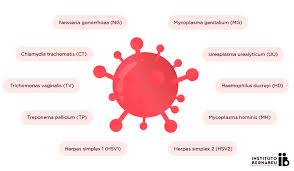
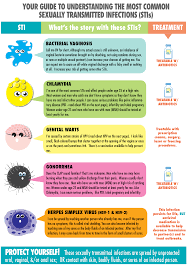
STIs are caused by bacteria, viruses, or parasites.
| Category | Examples | Curable? |
|---|---|---|
| Bacterial | Chlamydia, Gonorrhea, Syphilis, Chancroid | Yes, with antibiotics |
| Viral | HIV/AIDS, Genital Herpes (HSV), Human Papillomavirus (HPV), Hepatitis B | No, but symptoms/progression can be managed with antiviral medication |
| Parasitic | Trichomoniasis, Pubic Lice (Crabs), Scabies | Yes, with medication |

Common Symptoms
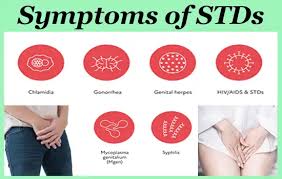
Many STIs are asymptomatic, meaning an infected person may not show any symptoms. When symptoms do occur, they can include:
- Sores, blisters, or warts on or around the genitals, anus, or mouth.
- Unusual discharge from the vagina or penis.
- Pain or a burning sensation during urination or sex.
- Unusual vaginal bleeding (not a period).
- Itching, redness, or swelling in the genital or anal area.
- Lower abdominal pain, fever, or swollen lymph nodes.
Transmission
STIs are primarily spread through sexual contact, including vaginal, anal, and oral sex. Some can also be transmitted through:
- Sharing contaminated needles for injecting drugs.
- From an infected mother to her baby during pregnancy, childbirth, or breastfeeding.
- Blood transfusions (though this is rare due to screening).
Sexually Transmitted Diseases Caused by Bacteria
Common sexually transmitted diseases (STDs) caused by bacteria include chlamydia, gonorrhea, and syphilis. Other bacterial infections are chancroid, granuloma inguinale, and Mycoplasma genitalium infections. These can often be cured with antibiotics, but it is crucial to complete the full prescription and avoid sexual activity until treatment is finished.
Bacterial STDs
- Chlamydia: The most common bacterial STD, it often has no symptoms.
- Gonorrhea: Can infect the genitals, rectum, or throat. Symptoms may include pain during urination or bowel movements, or a pus-like discharge.
- Syphilis: This infection progresses in stages and can be treated with antibiotics.
- Chancroid: Causes open sores, often in the genital area.
- Granuloma inguinale: Characterized by a growing, shiny perianal mass.
- Mycoplasma genitalium: An infection caused by the bacterium Mycoplasma genitalium.
Sexually Transmitted Diseases Caused by Virus
Sexually transmitted diseases (STDs) caused by viruses include HIV (which can lead to AIDS), herpes simplex virus (HSV), human papillomavirus (HPV), and hepatitis B. Other viral STDs include molluscum contagiosum, hepatitis A and C, cytomegalovirus (CMV), and Zika virus. These viral infections are often lifelong, though some symptoms can be managed with treatment.
Common viral STDs
- Human Immunodeficiency Virus (HIV): This virus attacks the immune system and can lead to AIDS if untreated. While there is no cure, treatments can help manage the virus and allow people to live long lives.
- Herpes Simplex Virus (HSV): This causes genital herpes, which can result in sores or blisters on the genitals, anus, or around the mouth. It is a lifelong infection, though it can remain dormant, and some people may never have symptoms.
- Human Papillomavirus (HPV): This is the most common viral STI. Many strains cause no symptoms, while others can lead to genital warts or an increased risk of certain cancers, like cervical cancer. A vaccine is available for prevention.
- Viral Hepatitis: Hepatitis B can cause serious liver damage and is a viral STD. Hepatitis A and C can also be transmitted sexually, though they are often spread through other routes as well.
Sexually Transmitted Diseases Caused by Protozoa
The primary sexually transmitted disease caused by a protozoan is trichomoniasis, which is caused by the parasite Trichomonas vaginalis. It is one of the most common non-viral STIs and is transmitted through sexual contact.
Trichomonas vaginalis and trichomoniasis
- Cause: A single-celled protozoan parasite named Trichomonas vaginalis.
- Transmission: Spread through sexual contact. It can also be transmitted from a mother to her newborn during birth.
- Symptoms: Many infected individuals, especially men, may not experience any symptoms. When symptoms do occur, they can include:
- In women: Itching, burning, redness or soreness in the genitals, and a foul-smelling, yellow-greenish discharge. Pain during urination and intercourse can also occur.
- In men: Itching or irritation inside the penis, burning after urination or ejaculation, and some penile discharge
Chlamydia
Definition and Causes of Chlamydia
Definition and Causes of Chlamydia
Chlamydia is a common sexually transmitted infection (STI) caused by the bacterium Chlamydia trachomatis. It is often called a “silent infection” because the majority of infected people have no symptoms and can unknowingly spread the disease.
Definition
Chlamydia is an infection with the Chlamydia trachomatis bacteria, which are obligate intracellular parasites, meaning they can only replicate inside a host’s living cells. The infection can affect several areas of the body, including the:
- Cervix, vagina, and uterus
- Penis and epididymis (tubes that carry sperm)
- Anus and rectum
- Throat and eyes
If left untreated, chlamydia can lead to serious health problems, such as pelvic inflammatory disease (PID) and infertility in women, and epididymitis in men.
Causes and Transmission
The primary cause of chlamydia is the transmission of the Chlamydia trachomatis bacterium from an infected person to another. Transmission occurs through the exchange of semen (cum), pre-cum, or vaginal fluids, and can happen in several ways:
- Unprotected sexual contact: This is the most common cause, including vaginal, anal, or oral sex without a condom or other barrier method.
- Genital contact: Transmission can occur through direct contact with infected tissue or fluids, even without full penetration or ejaculation.
- Sharing sex toys: Using unwashed sex toys that have been in contact with infected fluids can also spread the bacteria.
- Mother to baby: A pregnant person can pass the infection to their baby during childbirth, potentially causing eye infections (conjunctivitis) or pneumonia in the newborn.
- Self-contamination: Though rare, touching infected genital secretions and then rubbing the eyes can cause an eye infection (conjunctivitis).
It is important to note that chlamydia is not spread through casual contact like kissing, hugging, sharing food/drinks, or using public toilets.
Clinical Feature of Chlamydia
The clinical features of chlamydia are often subtle, as the majority of infected individuals are asymptomatic. When symptoms do occur, they can include unusual discharge, burning during urination, pain in the lower abdomen or during sex, and bleeding between periods in women. In men, symptoms can involve testicular pain and swelling. Other potential symptoms include anal pain, bleeding, or discharge, and for some women, it can lead to more severe complications like pelvic inflammatory disease (PID).
Common symptoms in women
- Vaginal discharge (unusual or heavy)
- Pain during urination (dysuria)
- Pain in the lower abdomen or pelvis
- Pain during sexual intercourse
- Bleeding between periods or after intercourse
- Fever and chills
Common symptoms in men
- Pain, swelling, or a burning sensation in the testicles
- Penile discharge
- Pain during urination
Symptoms in both sexes or with other types of infection
- Anal infection: Pain, bleeding, and discharge from the anus
- Throat infection: Sore throat
- Eye infection (conjunctivitis): Redness, pain, and discharge from the eye
Diagnosis and Investigation for Chlamydia
The primary method for diagnosing chlamydia is nucleic acid amplification testing (NAAT), which is highly sensitive and can be performed on urine samples (first-catch preferred) or swabs (vaginal, cervical, or urethral). Patient-collected vaginal swabs are as accurate as clinician-collected ones and may be preferred by women. For other sites like the throat and rectum, NAATs on swabs are also available for those who engage in relevant sexual activities.
Diagnosis and investigation
- Nucleic Acid Amplification Testing (NAAT): This is the gold standard for chlamydia diagnosis due to its high sensitivity.
- Specimens: NAATs can be performed on various specimens, including:
- For women: First-catch urine, vaginal swabs, or endocervical swabs.
- For men: First-catch urine or urethral swabs.
- Other sites: Swabs from the throat or rectum can be used if there has been oral or anal intercourse.
- Advantages: NAATs are the most sensitive tests available, and point-of-care NAATs can provide same-day results.
- Specimens: NAATs can be performed on various specimens, including:
- Patient-collected samples:
- Patient-collected vaginal swabs are as accurate as those collected by a healthcare provider and are often more acceptable to patients.
- For men, a patient-collected meatal swab can be a reasonable option if they are unable or prefer not to provide a urine sample.
- Other diagnostic methods:
- Cell culture: This method can confirm the presence of viable organisms but is not the standard diagnostic tool due to lower sensitivity and longer turnaround times.
- Antigen detection: Commercial tests are available, but NAATs are generally preferred.
- Serology: Testing for antibodies is not recommended for routine diagnosis, except in specific cases like diagnosing neonatal infection or tubal factor infertility.
- Point-of-care (POC) testing:
- Some POC tests are available that provide results within a short timeframe, which can help initiate treatment immediately and reduce loss to follow-up.
What to expect
- Rapid tests: Some rapid tests can produce results in about 90 minutes, though standard NAATs may take longer.
- Follow-up testing: It is recommended to be retested about 3 months after treatment to ensure the infection has been cured, as reinfection is common.
- Pregnancy: Pregnant individuals should be tested for chlamydia at their first prenatal visit.
Complications and Prevention of Chlamydia
Chlamydia can cause complications like pelvic inflammatory disease (PID), ectopic pregnancy, and infertility in women, and epididymitis, prostatitis, and potential infertility in men. In newborns, it can cause eye and lung infections. Prevention includes using condoms correctly, getting tested regularly, avoiding multiple partners, and abstaining from sex during treatment.
Complications of chlamydia
- For women: Pelvic inflammatory disease (PID), which can damage the uterus, fallopian tubes, and ovaries, potentially leading to infertility or ectopic pregnancy.
- For men: Infection of the epididymis (epididymitis), which can cause pain, swelling, and fever. It can also cause prostatitis (prostate gland infection) and, in rare cases, infertility.
- For newborns: If a mother has chlamydia during pregnancy, the baby can develop a serious eye infection or pneumonia during delivery.
- Other: Rectal infections, which can cause pain, discharge, and bleeding. Joint pain (reactive arthritis) can also occur.
Prevention of chlamydia
- Practice safer sex: Use a condom or other barrier method every time you have vaginal, oral, or anal sex.
- Reduce your risk: Limit the number of sex partners and avoid partners with multiple partners. Being in a long-term, mutually monogamous relationship with a partner who has been tested and is uninfected is a safe approach.
- Get tested regularly: Get routine STD screenings, especially if you are sexually active and under age 25, or if you have a new or multiple partners.
- Complete treatment and wait to have sex: If you are treated for chlamydia, take all the antibiotics as prescribed and wait at least seven days after the single-dose treatment or until all daily medication is finished before having sex again.
- Inform and treat your partner(s): Ensure your sexual partners are tested and treated to prevent reinfection and further spread of the infection.
- Avoid sharing sex toys: Sharing sex toys can spread STIs.
Homeopathic Remedies that are used for the treatment of Chlamydia
Claimed Homeopathic Remedies for Symptom Management (Not a Cure)
Some sources within the homeopathic community suggest specific remedies to manage associated symptoms, but these do not eliminate the underlying infection. The following are some examples of remedies claimed to address symptoms:
- Sepia: Claimed to manage vaginal discharge (yellow, greenish, clear, or milky white) and pelvic pain.
- Kreosote: Used to treat offensive vaginal discharge with a putrid odor.
- Natrum Mur: Claimed to alleviate painful intercourse in females.
- Argentum Nitricum: Associated with managing bleeding after intercourse.
- Petroselinum: For males experiencing milky urethral discharge and a frequent urge to urinate.
- Cannabis Sativa: Used for yellow, watery urethral discharge in males, accompanied by burning during urination.
Gonorrhea
Definition and Causes of Gonorrhea
Gonorrhea is a sexually transmitted infection (STI) caused by the bacterium Neisseria gonorrhoeae. It is transmitted through unprotected vaginal, anal, or oral sex and can be passed from a mother to her baby during childbirth. The bacterium infects the urethra, cervix, rectum, throat, or eyes, and if left untreated, it can lead to serious health complications like infertility.
Causes
- Bacterial infection: Gonorrhea is caused by the bacterium Neisseria gonorrhoeae.
- Sexual contact: It is spread through vaginal, anal, or oral sex with an infected person.
- Perinatal transmission: A pregnant person with gonorrhea can pass the infection to their baby during childbirth.
- Risk factors: Certain factors increase the risk of infection, including having multiple sexual partners, unprotected sex, or a previous history of STIs
Clinical Feature of Gonorrhea
Clinical features of gonorrhea include pain or burning during urination, abnormal genital discharge (often yellow or greenish), and sore throat. Symptoms can vary significantly between individuals, with many experiencing no symptoms at all. If left untreated, gonorrhea can spread to other parts of the body, leading to pelvic inflammatory disease (PID) in women, epididymitis in men, or disseminated gonococcal infection (DGI) which can cause joint pain, rashes, and fever.
Common symptoms
- Genital symptoms:
- Pain or burning during urination
- Abnormal discharge from the penis or vagina (can be white, yellow, or green)
- Painful sex or unusual menstrual bleeding
- Testicular pain or swelling in men
- Soreness or swelling of the vulva in women
- Other symptoms:
- Sore throat
- Rectal pain, itching, or discharge
- Eye pain, itching, or pus-like discharge
Important to note
- Asymptomatic infections: Many people have gonorrhea without any symptoms, making regular testing important for sexually active individuals.
- Early symptoms: Symptoms may appear 2 days to 3 weeks after infection, but not everyone develops them.
Diagnosis and Investigation for Gonorrhea
Diagnosis and investigation for gonorrhea involve testing samples from relevant sites, such as urine, genital swabs (cervical, urethral), or rectal and throat swabs. Nucleic acid amplification tests (NAAT) are the most sensitive and widely used diagnostic tool, though cultures and microscopy can also be used. A combination of medical history, physical examination, and appropriate laboratory testing is used to confirm the diagnosis.
Diagnostic tests
- Nucleic Acid Amplification Tests (NAAT): The preferred method due to high sensitivity and specificity.
- Specimens: Can be collected from a first-stream urine sample, or swabs from the genital tract, rectum, or throat.
- Advantages: Can be performed on urine without urethral cleansing; self-collected swabs are as sensitive as clinician-collected ones.
- Gram stain and Microscopy: A rapid test that can identify gram-negative diplococci from a urethral smear or cervical swab, but it is less sensitive than NAAT.
- Bacterial Culture: Considered the gold standard but is slower and can be affected by collection and storage issues.
- Specimens: Cultures can be taken from cervical or urethral swabs, but also from blood, joint fluid, or other sites in cases of disseminated infection.
- Point-of-Care Tests (POCT): Some NAAT-based rapid tests provide same-day results, which can decrease loss to follow-up.
Investigation process
- History and Physical Examination: A clinician will take a sexual history and examine the patient for signs and symptoms, such as discharge or pain.
- Specimen Collection: Based on the sexual practices and symptoms, specimens will be collected from the appropriate sites (genitals, rectum, throat).
- Laboratory Testing: The collected specimens are sent to a lab for testing, most often using NAAT.
- Differential Diagnosis: The doctor will also consider other sexually transmitted infections (STIs) like chlamydia.
- Partner Notification: It is crucial to inform sexual partners so they can be tested and treated to prevent reinfection and further spread.
Complications of Gonorrhea if untreated
- In women:
- Pelvic Inflammatory Disease (PID): Can lead to chronic pelvic pain, ectopic pregnancy, and infertility.
- In men:
- Inflammation of the tube attached to the testicles (epididymitis), which can affect fertility.
- In both sexes:
- Disseminated Gonococcal Infection (DGI): A more serious infection where the bacteria spread through the bloodstream to other parts of the body. This can cause a rash, fever, and painful, swollen joints (septic arthritis).
- Increased risk of HIV: Gonorrhea can increase your chances of getting or giving HIV.
Prevention of Gonorrhea
To prevent gonorrhea, practice safer sex by using condoms or dental dams during all sexual contact, have open conversations with partners about their STI status, and get yourself and your partners tested regularly. Abstinence is the most effective prevention method. If you are treated for gonorrhea, avoid all sexual activity until both you and your partner have completed treatment and a follow-up test confirms the infection is cleared.
Safer sex practices
- Use condoms or dental dams: Correctly and consistently use a condom for vaginal, anal, and oral sex.
- Abstain from sex: This is the most effective way to prevent all sexually transmitted infections (STIs).
- Limit sexual partners: Reducing the number of partners lowers your risk.
- Have open conversations: Discuss your STI status and history with your partners.
- Avoid sexual contact with untreated partners: Do not have sex with anyone who has symptoms or who has not completed their treatment.
Homeopathic Remedies that are used for the treatment of Gonorrhea
While some sources in the homeopathic community suggest specific remedies based on individual symptoms, these practices lack scientific evidence of effectiveness against the Neisseria gonorrhoeae bacterium that causes the infection.
Some examples of “remedies” mentioned in homeopathic literature (not medically approved):
- Medorrhinum: Used in homeopathy for chronic conditions or suppressed gonorrhea.
- Cannabis Sativa: Mentioned for acute symptoms like burning during urination.
- Mercurius Solubilis: Used for symptoms like greenish discharge and burning urination.
Syphilis
Definition, Causes, and Transmission of Syphilis
Syphilis is a sexually transmitted infection (STI) caused by the bacterium Treponema pallidum. It spreads through direct contact with an infectious sore during oral, anal, or vaginal sex, and can also be transmitted from an infected mother to her baby during pregnancy or childbirth. While often curable with antibiotics, untreated syphilis progresses through stages and can cause severe health problems, especially in later stages.
Causes and transmission
- Sexual contact: The most common cause is contact with an infectious syphilis sore (chancre), which can occur during oral, vaginal, or anal sex.
- Maternal-to-fetal transmission: A pregnant person with syphilis can pass the infection to their unborn baby, leading to congenital syphilis.
- Blood transfusion: Though rare today, transmission can occur through a blood transfusion from an infected person.
- Breaks in skin: It is also possible to get infected through contact with an infectious lesion on broken skin.
Stages and symptoms of Syphilis
Syphilis is characterized by stages, and many people are unaware they are infected because symptoms can be mild or absent.
- Primary syphilis: Begins with a painless sore (chancre) at the site of infection, often on the genitals, rectum, or mouth.
- Secondary syphilis: Follows the primary stage with symptoms like a non-itchy, full-body rash (often on the palms and soles), fever, swollen glands, and hair loss.
- Latent syphilis: A period with no visible symptoms that can last for years.
- Tertiary syphilis: The late stage, which can occur decades after the initial infection, potentially causing severe damage to organs like the heart, brain, and nerves.
Prevention of Syphillis
- Safer sex: Using condoms correctly and consistently can help prevent transmission.
- Regular testing: It is important for sexually active individuals to get tested regularly, especially those at higher risk.
- Prenatal screening: All pregnant women should be screened for syphilis to prevent congenital syphilis.
Complications of Syphilis
Untreated syphilis can lead to severe, long-term health problems affecting the brain, heart, and other organs, including neurological issues like dementia, seizures, and vision/hearing loss. It can also cause cardiovascular issues like aortic aneurysms and heart failure, and increase the risk of acquiring HIV. In pregnant individuals, syphilis can result in miscarriage, stillbirth, or serious health problems for the baby.
Neurological and sensory complications
- Neurosyphilis: Spread to the brain and nervous system, causing confusion, personality changes, memory problems, seizures, and dementia.
- Ocular syphilis: Affects the eyes, potentially leading to vision problems, redness, and even blindness.
- Otosyphilis: Affects the ears, causing hearing loss and tinnitus (ringing in the ears).
- Stroke: Damage to the brain can lead to a stroke.
- Meningitis: Inflammation of the membranes surrounding the brain and spinal cord.
Cardiovascular complications
- Aortic aneurysm: A bulging and swelling of the aorta, the body’s main artery.
- Valvular heart disease: Damage to the heart valves.
- Heart failure: A condition where the heart can’t pump enough blood to meet the body’s needs.
Other serious complications
- Gummas: Painful, destructive sores that can develop on the skin, bones, liver, or other organs.
- Increased risk of HIV: Open sores from syphilis increase the risk of acquiring or transmitting HIV.
- Congenital syphilis: If a pregnant person has syphilis, it can be passed to the baby, leading to miscarriage, stillbirth, or severe newborn health issues.
- Muscle and joint problems: Poor muscle coordination and other nerve-related issues can occur.
Homeopathic Remedies that are used for the treatment of Syphilis
Homeopathic Remedies Mentioned for Symptom Management
The following substances have been mentioned in traditional or historical contexts for managing specific symptoms associated with sexually transmitted infections, including syphilis. These are not cures for the infection itself and should not be used as a substitute for professional medical treatment.
- Medorrhinum: Described in some homeopathic literature as a remedy for symptoms associated with gonorrhea, such as burning pain during urination.
- Syphilinum: A nosode (a homeopathic preparation made from a diseased product) specifically related to the “syphilitic miasm” in homeopathic theory.
- Mercurius vivus (or Merc Sol): Historically used in conventional medicine (mercury) and later in homeopathy for various symptoms, including glandular swelling, urinary urgency, and discharge.
- Aurum: Another remedy sometimes cited in homeopathic practice for syphilis-related conditions.
- Sarsaparilla (Smilax officinalis): Historically used in the 16th century as an herbal treatment for syphilis symptoms before the advent of modern antibiotics.
- Nitric Acid: Mentioned for symptoms like yellow-green urethral discharge and intense pain while urinating.