HRTD Medical Institute
Dantal Best Course In Dhaka

Dental Best Course In Dhaka

Table of Contents

Dental Best Course in Dhaka Details

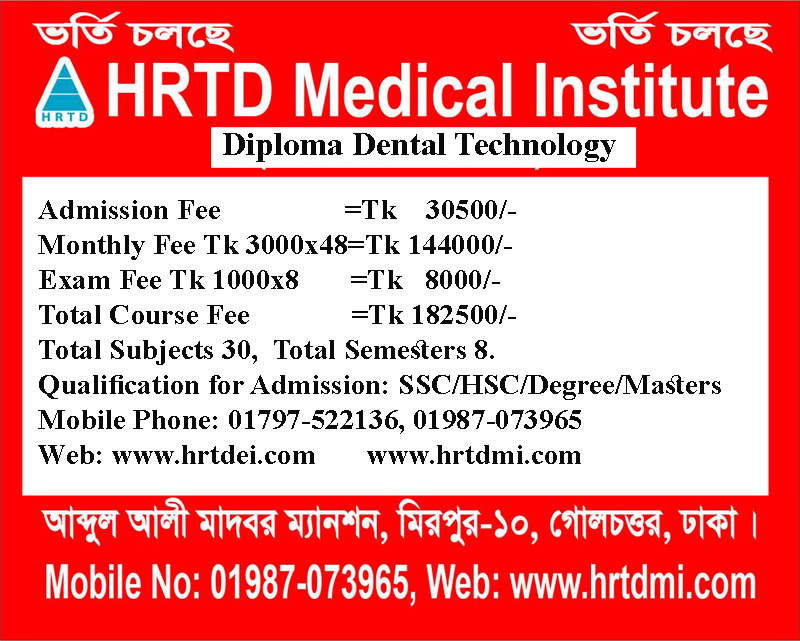
Dental Best Course in Dhaka. Mobile No. 01969947171, 01987-073965, 01783-768658. Diploma in Dental Technology 4 Years (DDT). Total Course Fee Tk 198500/-, Total Semester 8, Total Subjects 30, Total Exam Marks 3000. Class Start 1 Week of January and 1st Week of July. Every Year 2 Batches.
Best Dental Course in Dhaka

Dental Best Course in Dhaka Payment System

Dental Best Course Payment System. Mobile No. 01969947171, 01987-073965, 01783-768658. Payment System of Diploma Dental Technology Course of 4 Years: Admission Fee Tk 30,500/-, Monthly Fee Tk 3000/-, Exam Fee Tk 3000×8=Tk 24000/-.

Subjects for Dental Best Course in Dhaka

  • Human Anatomy & Physiology
  • Dental Anatomy & Physiology
  • Anatomy of Headneck
  • Dental Pharmacology
  • Dental Abscess & Treatment
  • Dental Filling Materials
  • Clinical Practice in Dental Surgery
  • Dental Surgery-1
  • Dental Surgery-2
  • Dental Sterilization
  • Dental Emergency
  • Dental Scaling
  • Dental Impression
  • Conservative Dentistry & Radiology
  • Oral & Dental Pathology-1

Admission System for Dental Best Course in Dhaka

Dental Course Admission Eligibility. Mobile No.01969947171, 01987-073965, 01797-522136. SSC or Equivalent/ HSC/Degree/ Masters from Any Background ( Science/ Arts/ Commerce/ Technical).

অনলাইন এবং অফলাইন দুই সিস্টেমেই ভর্তির সুযোগ আছে।

Our Other Courses:

Our Other Courses: Pharmacy Course, Dental Course, Nursing Course, Pathology Course, Homeopathy Course, Veterinary Course, Village Doctor Course, PDT( Post Diploma Training) Course, PPT, LMAF Training Course, LMAFP Course, Poultry Course, DMA ( Diploma Medical Assistant), Diploma in Medicine and Surgery (DMDS). Physiotherapy Courses.

Class System for Dental Best Course in Dhaka

Weekly Class 3 hours. For Regular Students Friday 1 hour, Saturday 1 hour, and Monday 1 hour. For Job holders, Friday is 3 hours, or Monday is 3 hours. Morning Shift 9:00 am to 12:00 pm, and Evening Shift 3:00 pm to 6:00 pm.

Teachers for Dental Technology Course

Dr. Sanjana, BDS

Dr, Nazmun Nahar Juthi, BDS

Dr. Kamrunnahar Keya, BDS

Special Facilities for Dental Best Course in Dhaka

Teaching System for Dental Best Course in Dhaka

Yearly Admission Offer for Dental Best Course in Dhaka

Hostel Facilities for Dental Best Course in Dhaka

HRTD Medical Institute in Dhaka offers dedicated hostel and meal facilities for students enrolled in their dental courses. The institute is located in Mirpur-10, providing access to various dental training programs, including 1-year to 4-year diploma and training courses.

Hostel and Accommodation Details

  • Location: The hostel is associated with the HRTD Medical Institute, located at Abdul Ali Madbor Mansion, Section-6, Block-Kha, Road-1, Plot-11, Near Metro Rail Pillar Number 249, Mirpur-10 Golchattar, Dhaka-1216.
  • Facilities: The institute provides both accommodation and meal facilities for students.
  • Cost (Approximate):
    • Hostel Fee: Approximately BDT 3,000 per month.
    • Meal Charges: Approximately BDT 3,000 per month.
  • Availability: Students can secure a bed within the institute’s hostel arrangement.

Dental Courses Offered with Accommodation

HRTD Medical Institute offers several dental programs (listed on their website) that may include these facilities:

Contact Information

For booking or detailed information on the hostel, you can contact the institute at:

  • Phone: 01797522136, 01987073965
  • Email: hrtdmedicalinstitute.dhaka@gmail.com

These facilities are designed to assist students from outside Dhaka, particularly those pursuing dental training or diploma programs at the Mirpur campus.

Internship Facilities for Dental Best Course in Dhaka

The HRTD Medical Institute provides practical training and internship facilities for its dental courses, including the 3-year Dental Diploma Course and 4-year Dental Technician Course.

Internship & Practical Facilities:

  • Practical Training: Students receive hands-on training in dental procedures such as dental scaling, filling, and dental X-rays.
  • Dental Technician Skills: The 4-year Dental Technician Course includes specialized training in dental prosthesis, orthodontics, and dental pharmacology.
  • Course Structure: The Dental Courses are designed to equip students with practical skills for the healthcare field, involving both theoretical and practical learning.
  • Duration Options: Courses range from short-term 6-month dental courses to longer 3-year diplomas or 4-year technician courses.

Additional Facilities:

  • Hostel & Meals: Hostel facilities are available for students, with meal options available at a cost of approximately Tk 3000 per month.
  • Location: The institute is situated at Mirpur-10, Dhaka.

Contact Information:

  • Address: Abdul Ali Madbor Mansion, Section-6, Block-Kha, Road-1, Plot-11, Metro Rail Pillar No. 249, Mirpur-10, Dhaka-1216.
  • Mobile: 01797522136, 01987073965.

For more details on specific internship placements, it is recommended to contact the HRTD Medical Institute directly.

Job opportunities for Dental Best Course in Dhaka

Jobs are available in Bangladesh and many other countries as dental assistants, dental technicians, or dental technologists. Each and every busy dental surgeon needs at least 2 to 3 dental technicians for the proper surgical treatment in his/her chamber or dental clinic

Text Books for Dental Best Course in Dhaka

  • Dental Anatomy Book
  • Neuro Anatomy Book
  • Dental Pharmacology Book
  • Prosthodontics Book
  • Orthodontics Book

Lecture Sheet Facilities for Dental Best Course in Dhaka

DDT 1st Year Subjects:

  1. Human Anatomy & Physiology,
  2. Chemistry & Pharmacology,
  3. First Aid & Treatment,
  4. Hematology & Pathology,
  5. Study of OTC Drugs,
  6. Anatomy of the Head and Neck,
  7. Neuro Anatomy & Physiology,
  8. Dental Anatomy & Physiology,
  9. Dental Pathology & Dental Caries,
  10. Conservative Dentistry & Dental Surgery.

DDT 2nd Year Subjects:

  1. Orthopedic Anatomy & Physiology,
  2. Cardiovascular Anatomy & Physiology,
  3. Microbiology & Antimicrobial Drugs,
  4. Dental Sterilization,
  5. Dental Anatomy & Physiology-2,
  6. Dental Pharmacology,
  7. Conservative Dentistry and Dental Surgery-2,
  8. Clinical Practice in Dental Surgery-1.

DDT 3rd Year Subjects:

  1. Oral Pathology and Oral Surgery,
  2. Dental Prosthesis,
  3. Periodontology.
  4. Dental Anesthesiology,
  5. Conservative Dentistry and Dental Surgery-3,
  6. Medical Diagnosis.

Qualification for Admission into Dental Best Course in Dhaka, Bangladesh

Minimum Qualification for Admission is SSC Pass. However, HSC, Bachelor Degree Pass, and Master Degree Pass students can be admitted into this Course.

What are the 5 dental problems?

Dentistry is one of the oldest fields of medicine, and it is vitally important to our overall health and well-being. That said, it is also one of the most commonly neglected aspects of health care, with many people failing to receive regular dental checkups and cleanings. 

Unfortunately, this opens the door to a wide range of dental problems, all of which can have serious consequences if left untreated. Here are five of the most common dental problems: 
Pharmacy Rohisul 8

1. Tooth Decay: Tooth decay is one of the most common dental problems and is caused by a buildup of plaque and bacteria on the teeth. Over time, this buildup can lead to cavities and tooth decay, which can cause serious pain and discomfort.

2. Gum Disease: Gum disease is caused by bacteria and plaque that accumulates at the gum line. If left untreated, it can lead to gum recession, tooth loss, and even bone loss.

3. Tooth Sensitivity: Tooth sensitivity is caused by a thinning of the enamel, which is the outer layer of the tooth. This can lead to pain when consuming hot or cold foods and drinks.

4. Tooth Abrasion: Tooth abrasion is caused by improper brushing techniques and can lead to the erosion of the enamel. Over time, this can cause the teeth to become more sensitive and can even lead to tooth loss.

5. Malocclusion: Malocclusion is the misalignment of the teeth, either due to genetics or other factors. This can lead to difficulty speaking and eating, as well as a higher risk of tooth decay and gum disease.

These five dental problems are just some of the many that can occur if proper oral hygiene is not maintained. Regular visits to the dentist for checkups and cleanings can help to prevent and address these issues and is essential for maintaining a healthy smile.

Subjects for Dental Best Course in Dhaka & Their Topics

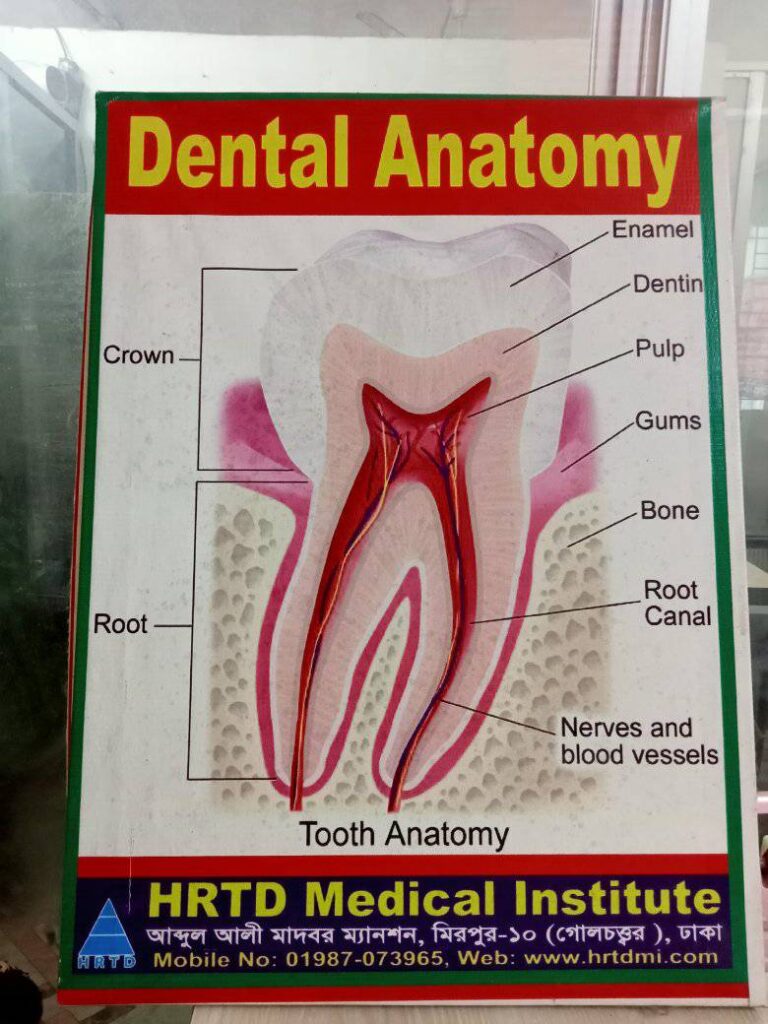
  • Dental Anatomy & Physiology-Types of Tooth, Tooth functions, Tooth structure, Number of teeth, Pulp cavity, Dental pulp, Dental root etc
Dental anatomy pic
  • Dental Filling Materials-5 Types of Fillings Materials ,Dental Cementum, Properties of Filling Materials ,zinc oxide eugenol cement, zinc oxy phosphate cement ,Advantage & Disadvantage of All Filling Materials etc

Dental Fillings & Crowns generally do not last a lifetime and may need to be replaced

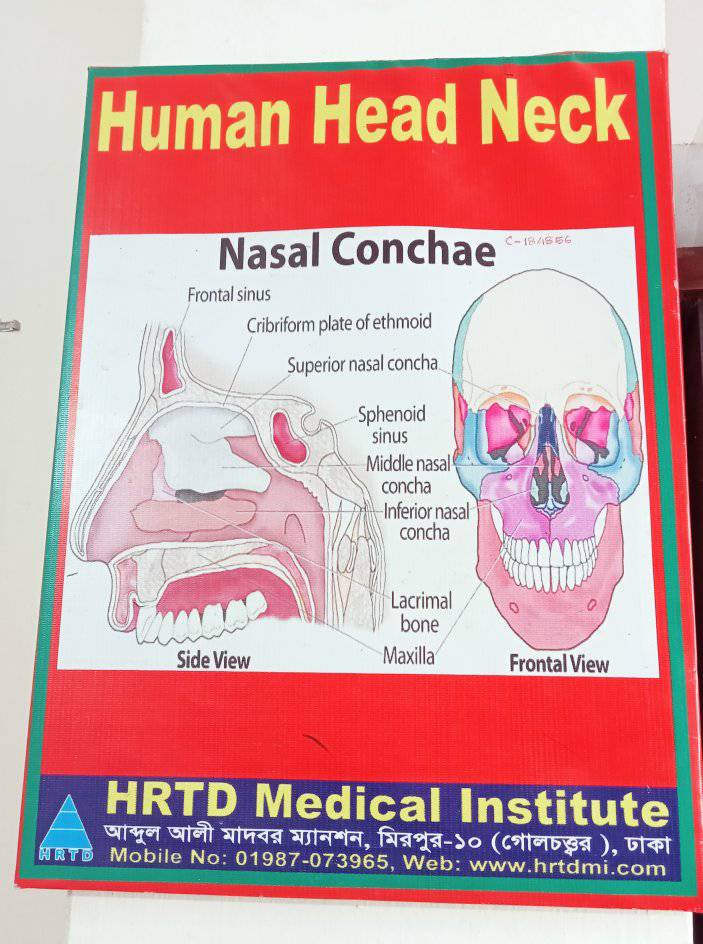
  • Anatomy of Headneck– Head Neck এর Bone, Facial Bone, Carnial Bone, Foramen, Maxilla Mandible, Connection of Brain & Nerve, Sinus etc
Head neck
  • Clinical Practice In Dental Surgery-Personal Hygiene, Dental Calculus, Dental Health& Oral Hygiene, Fluridation of Bangladesh, Children Dentistry & Community Dentistry, Common Oral Disease, Dental Plaques, Scaling, Dental Caries etc
  • Neuro Anatomy-Nerves, Carnial Nerves, Sensory Nerves, Motor Nerves, Mixed Nerves, Neuron etc
  • Trigeminal Nerves & Its Branches
  • Oral & Dental Pathology-Abnormalities in the number of teeth, Hypodontia, Defects of deciduous teeth Its causes & Treatment etc
  • Oral Surgery-Instrument, Procedure of Extraction, Complications Of Extraction, Oro Antral Fistula, Instruction To Patient etc
  • .Oral Pathology-Study diagnosis and the treatment of diseases in the teeth, gums, joints, glands, skin and muscles around our mouth is discuss in Oral Pathology subject etc
  • Dental Sterilization-3 Types of Sterilization & Their Introduction, Procedure, Organization, Physical & Chemical Sterilization etc
  • Conservative Dentistry & Radiology-Pulp Pathology, Sequelae of Dental Caries Pulpitis, Pulpal Disease, Pulp Capping, Indirect & Direct Pulp Capping, Glass ionomer, Root Canal Treatment etc
  • Dental Abscess & Treatment– Pain Management, Root canal, Extraction, Removing the source of the infection.
  • Dental Prosthesis-Some Examples of Dental prosthesis-Dental Crown, Dental Bridge, Dentures, Dental Implants etc
  • Drug for Medical Emergencies & Dental practice-
  • Dental Instrument & Anesthesia-There are 3 main types of anesthesia -Local, Sedation and general. Each has specific uses.
  • Oral Ulcer– It is a mouth ulcer. It is an ulcer that occurs on the mucous membrane of the oral cavity.
  • Oral Cancer-A general Term for cancers that affect the mouth, lips or throat .

The inside of the mouth is normally lined with a special type of skin (mucosa that is smooth and coral pink in color. Any changes in color or texture could be warning signs for an oral disease.

  • Oral Pathology-Oral Pathology is important because it can-Quickly diagnose symptoms, Deliver proper treatment, and consider your personal health history.
  • Community Medicine-Community medicine is a bridge between clinical medicine and public Health. It’s very Important for Medical and Dental students to understand behavioral science and how culture influences health and illness.
  • Dental Periodontology-Periodontology is the specialty of dentistry that studies supporting of teeth, as well as disease and conditions that affect them.
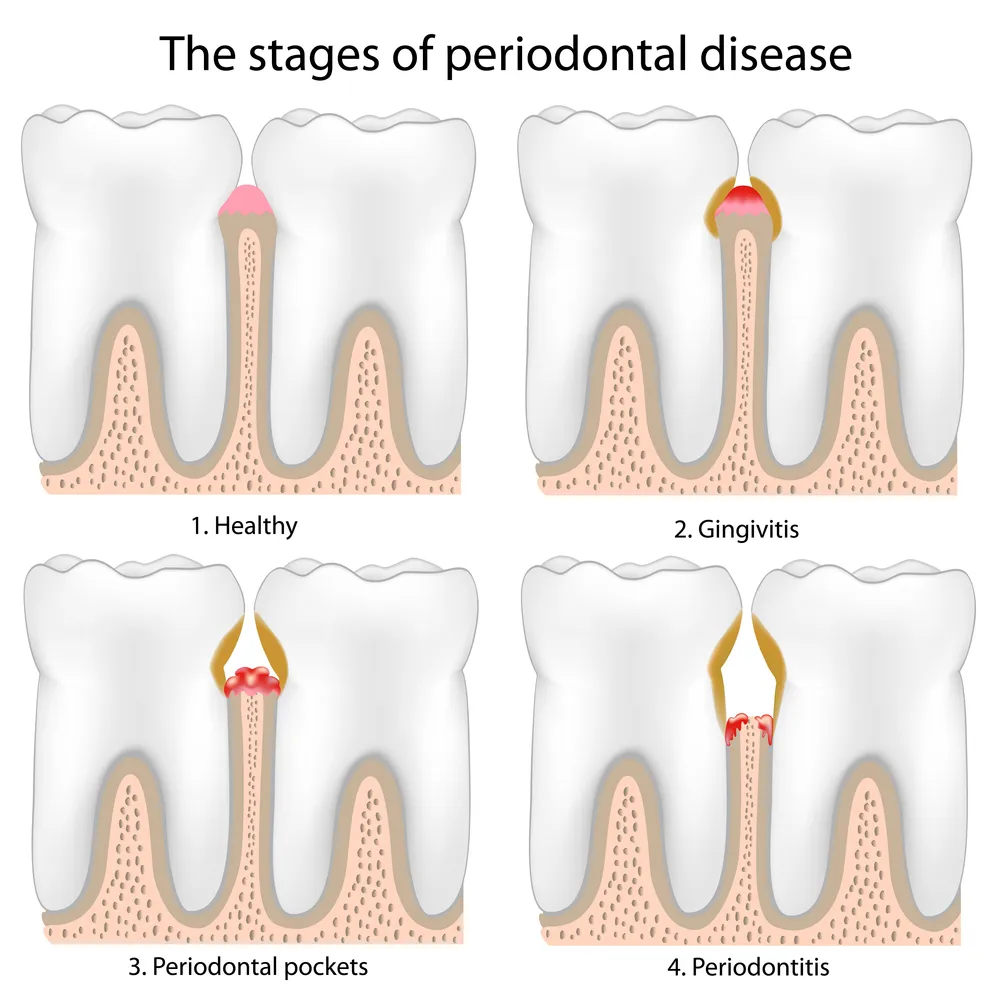
Periodontology
  • Oral Pain & Dental Neurological Disorder-Symptoms, causes, risk factors, Treatment are describe
  • Study of Oral X Ray films-It is called Dental x-ray and also known as Dental radiograph .There are two types of oral x-ray.
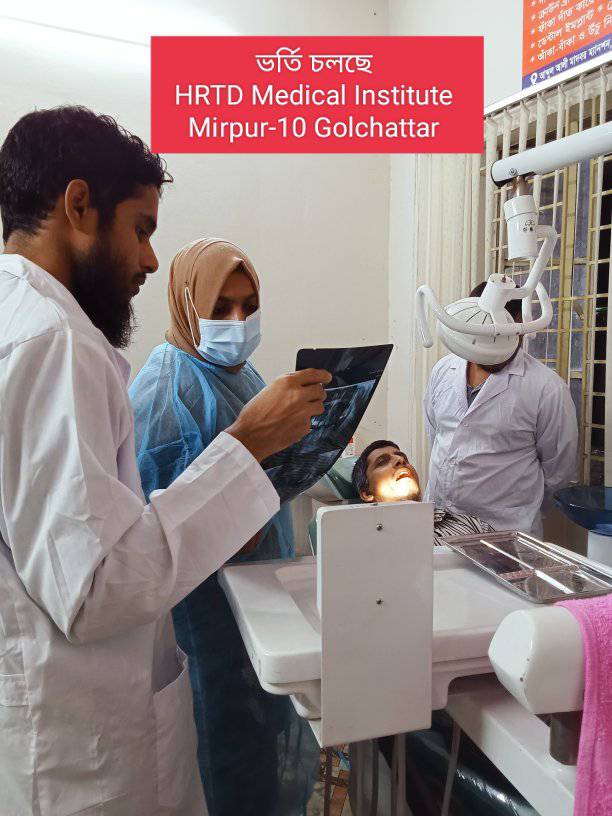
Dental oral x ray
  • Basic Prosthodontics-
  • Dental Caries- Dental Caries is also known as dental cavity. A cavity is a hole in a tooth that develops tooth decay.
  • Hypertension Management In Dental Surgery-It’s very important because Dentists should be attentive to the recognition and correct measurement of hypertension and be knowledgeable about its treatment and oral adverse effects.
  • Orthodontics-It is a special branch of dentistry.
  • Dental Practical Procedure-Filling, Extraction, Crowns, Gum disease, Braces, Dentures, Teeth whitening, veneers.
  • Dental Microbiology- It is also known as Oral microbiology. It’s a dental Specialty that focuses on preventing & managing infections in the mouth, face and neck.
  • Dental Cementum-Cementum is a specialized connective tissue that shares physical , chemical and structural properties of bone.

Human Anatomy & Physiology for Dental Best Course in Dhaka

Anatomy (অ্যানাটমি) কী?

Anatomy হচ্ছে মানবদেহের গঠন বা কাঠামো সম্পর্কিত বিজ্ঞান। এটি জানায় দেহের অঙ্গপ্রত্যঙ্গ কোথায় থাকে, তাদের আকার, অবস্থান ও সম্পর্ক কেমন।

উদাহরণ:

হৃদপিণ্ড (Heart) কোথায় অবস্থিত

কঙ্কাল (Skeleton), স্নায়ু (Nerves), পেশি (Muscles) এর গঠন

হাড়, মাংসপেশি, অঙ্গপ্রত্যঙ্গ কীভাবে যুক্ত

Physiology (ফিজিওলজি) কী?

Physiology হচ্ছে দেহের অঙ্গপ্রত্যঙ্গ কিভাবে কাজ করে তা নিয়ে আলোচনা। এটা বলে শরীরের ভেতরে কীভাবে কাজ হয় এবং কিভাবে শরীর সুস্থ থাকে।

উদাহরণ:

  • হৃদপিণ্ড কিভাবে রক্ত পাম্প করে
  • ফুসফুস কিভাবে অক্সিজেন নেয়
  • পরিপাকতন্ত্র (Digestive system) কিভাবে খাবার হজম করে

মানবদেহের প্রধান ১১টি সিস্টেম (Human Body Systems):

সিস্টেমের নাম (বাংলা)ইংরেজি নামকাজ
১. অস্থি তন্ত্রSkeletal Systemশরীরের কাঠামো তৈরি করে
২. পেশি তন্ত্রMuscular Systemচলাফেরা ও গতি নিয়ন্ত্রণ
৩. স্নায়ুতন্ত্রNervous Systemতথ্য আদান-প্রদান ও নিয়ন্ত্রণ
৪. শ্বাসতন্ত্রRespiratory Systemশ্বাস গ্রহণ ও কার্বন ডাই-অক্সাইড বের করা
৫. রক্ত সংবহন তন্ত্রCirculatory Systemরক্ত ও পুষ্টি পরিবহন
৬. পরিপাক তন্ত্রDigestive Systemখাবার হজম ও পুষ্টি গ্রহণ
৭. বর্জ্য নিষ্কাশন তন্ত্রExcretory Systemদেহের বর্জ্য অপসারণ
৮. প্রজনন তন্ত্রReproductive Systemসন্তান উৎপাদন
৯. অন্তঃস্রাব তন্ত্রEndocrine Systemহরমোন নিঃসরণ ও নিয়ন্ত্রণ
১০. ত্বক/চর্ম তন্ত্রIntegumentary Systemত্বক, চুল, নখ সুরক্ষা প্রদান
১১. রোগ প্রতিরোধ তন্ত্রImmune Systemরোগ থেকে রক্ষা

Digestive System in Bangla (পরিপাকতন্ত্র)

পরিপাকতন্ত্র কী?

পরিপাকতন্ত্র হলো একগুচ্ছ অঙ্গপ্রত্যঙ্গের সমন্বয়ে গঠিত একটি তন্ত্র, যা খাবার হজম করে, পুষ্টি শোষণ করে এবং বর্জ্য পদার্থ শরীর থেকে বের করে দেয়।


🧾 পরিপাকতন্ত্রের প্রধান অঙ্গসমূহ ও তাদের কাজ:

অঙ্গের নামকাজ
১. মুখ (Mouth)চিবিয়ে খাবার ছোট ছোট অংশে পরিণত করা, লালা দিয়ে নরম করা
২. গ্রাসনালী (Esophagus)মুখ থেকে পাকস্থলীতে খাবার সরবরাহ করা
৩. পাকস্থলী (Stomach)এসিড ও এনজাইম দিয়ে খাবার গলানো ও প্রাথমিক হজম
৪. ক্ষুদ্রান্ত্র (Small Intestine)এনজাইম দ্বারা খাবার হজম সম্পূর্ণ ও পুষ্টি শোষণ
৫. বৃহদান্ত্র (Large Intestine)পানি শোষণ করে মল তৈরি করা
৬. রেকটাম ও মলদ্বার (Rectum & Anus)মল সংরক্ষণ ও দেহ থেকে অপসারণ

Respiratory System in Bangla (শ্বাসতন্ত্র)

📌 শ্বাসতন্ত্র কী?

শ্বাসতন্ত্র হলো এমন একটি অঙ্গতন্ত্র, যার মাধ্যমে আমরা অক্সিজেন গ্রহণ করি এবং কার্বন ডাই-অক্সাইড বের করে দেই। এটি আমাদের শরীরে অক্সিজেন সরবরাহ করে, যা জীবিত থাকার জন্য অত্যন্ত প্রয়োজনীয়।


🫁 শ্বাসতন্ত্রের প্রধান অঙ্গসমূহ:

অঙ্গের নাম (বাংলা)অঙ্গের নাম (ইংরেজি)কাজ
নাকNoseবাতাস প্রবেশ করে, ধুলাবালি ও জীবাণু ছেঁকে ফেলে
গলা / ফ্যারিংসPharynxনাক ও মুখ থেকে বাতাস শ্বাসনালীতে পৌঁছে দেয়
কণ্ঠনালী / ল্যারিংসLarynxশ্বাস ও স্বর নিয়ন্ত্রণ করে (এখানে কণ্ঠস্বর তৈরি হয়)
শ্বাসনালীTracheaফুসফুসে বাতাস প্রবাহিত করে
ব্রঙ্কাসBronchiশ্বাসনালীর দুটি শাখা, যা দুই ফুসফুসে বাতাস পাঠায়
ব্রঙ্কিওলসBronchiolesব্রঙ্কাস থেকে আরও ছোট শাখা, যা ফুসফুসের ভেতরে ছড়িয়ে থাকে
অ্যালভিওলিAlveoliক্ষুদ্র বায়ুথলি, যেখানে গ্যাসের বিনিময় হয়
ফুসফুসLungsশ্বাসতন্ত্রের মূল অঙ্গ, গ্যাস বিনিময় করে
ডায়াফ্রামDiaphragmপেশি যা শ্বাস-প্রশ্বাসে সাহায্য করে

Pharmacology or Dental Best Course in Dhaka

Pharmacology (ফার্মাকোলজি or ঔষধবিজ্ঞান) is the scientific study of drugs (ওষুধ) and their interactions with living systems. It explores what drugs do to the body and what the body does to the drugs. This subject is crucial in medical and dental education in Bangladesh, taught in both English and Bengali to ensure a comprehensive understanding

The study of pharmacology is divided into two main areas: 

  • Pharmacokinetics (ফার্মাকোকাইনেটিক্স or ঔষধসঞ্চরণবিজ্ঞান): This branch studies what the body does to the drug. It involves the absorption, distribution, metabolism, and excretion (ADME) of a chemical compound within the body.
    • Example: How quickly a painkiller is absorbed into the bloodstream (রক্তপ্রবাহে শোষিত হওয়া) and how the liver breaks it down (যকৃতে বিপাক).
  • Pharmacodynamics (ফার্মাকোডাইনামিক্স or ঔষধক্রিয়াবিজ্ঞান): This branch studies what the drug does to the body. It explores the mechanism of drug action, where drugs bind to target molecules (like receptors or enzymes) to produce a therapeutic effect or side effects.
    • Example: How a local anesthetic blocks nerve signals (স্নায়ু সংকেত বন্ধ করা) to numb an area during a dental procedure. 

Terminology in English and Bengali

English Term Bengali TranslationExplanation
Drug/Medicineওষুধ / ঔষধA substance used to diagnose, prevent, or treat a disease.
Doseমাত্রাThe specific amount of a drug to be administered.
Side Effectপার্শ্বপ্রতিক্রিয়াAn unintended effect of a drug that occurs at a normal dose.
Mechanism of Actionকার্যপ্রণালীHow a drug produces its effect in the body.
Prescriptionপ্রেসক্রিপশনAn order for medication issued by a licensed medical practitioner.
Antibioticঅ্যান্টিবায়োটিকA medicine that kills or inhibits the growth of bacteria.

Significance in Dental Courses

For dental students, pharmacology focuses on Dental Therapeutics (ডেন্টাল থেরাপিউটিক্স) and includes: 

  • Local anesthetics (স্থানীয় অবেদনিক).
  • Analgesics (ব্যথা উপশমকারী).
  • Antibiotics (অ্যান্টিবায়োটিক) used for oral infections.
  • Understanding drug interactions and how certain systemic drugs (e.g., blood thinners) affect dental procedures. 
IMG 20241121 120511

Chemistry or Dental Best Course in Dhaka

Dental students study chemistry because oral health is deeply connected to chemical principles—from tooth structure to materials used in dental treatments. The subject generally includes General Chemistry, Organic Chemistry, and Biochemistry.

General Chemistry (Basic Principles Relevant to Dentistry)

A. Structure of Matter

  • Atoms, ions, molecules
  • Chemical bonding: ionic, covalent, metallic
  • Importance in enamel, dentin, cementum mineral content
    Example: Hydroxyapatite formula: Ca₁₀(PO₄)₆(OH)₂

B. Acids, Bases, pH

  • pH of saliva (~6.2–7.6)
  • Demineralization of teeth occurs below critical pH 5.5
  • Buffer systems in saliva (bicarbonate system)

C. Solutions & Concentrations

  • Osmosis and diffusion in oral tissues
  • Fluoride concentration in toothpaste / mouthwash

D. Chemical Reactions

  • Redox reactions
  • Corrosion of dental instruments
  • Setting reactions of dental materials (glass ionomer, amalgam)

2. Organic Chemistry (Very Important for Dental Biomolecules)

A. Functional Groups

  • Alcohols, carboxylic acids, amines, aldehydes, ketones
  • Basis for many drugs and biomolecules

B. Carbohydrates

  • Glucose, sucrose, lactose
  • Role in dental caries formation (bacterial fermentation → acid)

C. Lipids

  • Used in cell membranes of oral tissues
  • Fat-soluble vitamins: A, D, E, K → important for oral health

D. Proteins & Enzymes

  • Collagen in dentin and periodontal ligament
  • Enzymes in saliva (amylase, lysozyme)

E. Polymers

  • Acrylics and resins used in dentures and restorations

3. Biochemistry (Core for Dental Students)

A. Enzymes

  • Salivary enzymes
  • Enzyme inhibition (relevant to drug interactions)

B. Metabolism

  • Carbohydrate metabolism → diabetes → periodontal disease
  • Calcium–phosphate metabolism → tooth mineralization

C. Vitamins & Minerals

  • Vitamin C → collagen formation
  • Calcium & phosphorus → hydroxyapatite
  • Fluoride → enamel remineralization

D. Saliva Composition

  • Mucins, enzymes, electrolytes
  • Role in lubrication, digestion, protection

E. Oral Microbiology Basics

  • Acid production by bacteria
  • Chemical basis of plaque formation

4. Chemistry of Dental Materials

A. Amalgam

  • Silver, tin, copper, mercury alloys
  • Setting reactions and corrosion behavior

B. Composite Resin

  • Bis-GMA, urethane dimethacrylate.
  • Polymerization chemistry (light-curing)

C. Glass Ionomer Cements

  • Acid–base reaction between aluminosilicate glass and polyacrylic acid
  • Fluoride release mechanism

D. Impression Materials

  • Alginate: gelation reaction
  • Silicone elastomers: polymerization chemistry

E. Dental Ceramics

  • Porcelain chemistry and sintering

First Aid or Dental Best Course in Dhaka

First aid for a dental course focuses on managing medical emergencies that might arise within a dental clinic setting, as well as providing immediate care for acute traumatic dental injuries. The training goes beyond general first aid to cover specific scenarios faced by dental professionals.

Medical Emergencies in a Dental Setting 

Dental professionals are trained to prevent, recognize, and manage a range of medical crises, as these can happen to any patient, regardless of their medical history. The most common emergencies include: 

  • Syncope (Fainting): The most frequent emergency in a dental office, often caused by anxiety or pain. Management involves positioning the patient in the Trendelenburg (supine with feet elevated) position and ensuring an open airway.
  • Hyperventilation (Panic Attack): Usually anxiety-induced rapid breathing, managed by calming the patient and having them breathe into a paper bag or cupped hands to restore 2bbb20d7 a789 4f8d 9109 42bd1d68e92aCO2CO sub 2CO2 levels.
  • Allergic Reactions/Anaphylaxis: Ranging from minor skin rashes to life-threatening anaphylactic shock. Management includes administering antihistamines for mild cases and epinephrine (adrenaline) via intramuscular injection immediately for anaphylaxis.
  • Asthma Attack: Helping the patient use their own bronchodilator inhaler (e.g., salbutamol) and administering oxygen if necessary.
  • Hypoglycemia (Low Blood Sugar): A diabetic emergency. If the patient is conscious, oral glucose (e.g., orange juice, sugar packets) is administered. If unconscious, glucagon injection is used.
  • Chest Pain (Angina/Heart Attack): Involves stopping treatment, positioning the patient comfortably, administering aspirin, and calling emergency services.
  • Seizures (Epileptic Fits): Protecting the patient from injury, not putting anything in their mouth, and placing them in the recovery position after the seizure subsides.
  • Airway Obstruction: Due to the supine position and use of small instruments, choking on materials is a risk. Dental staff are trained in the Heimlich maneuver (abdominal thrusts) and CPR.

Practice of medicine or Dental Best Course in Dhaka

Practice of Medicine” in dentistry helps future dentists understand medical conditions that affect dental treatment. Dentists often encounter patients with systemic diseases, so this subject prepares you for safe, informed, and holistic patient care.

ডেন্টিস্ট্রিতে Practice of Medicine কেন প্রয়োজন?

ডেন্টাল ছাত্রদের জন্য Practice of Medicine (POM) জরুরি কারণ—

  1. অনেক ডেন্টাল রোগীর শরীরে অন্য রোগ থাকে
    যেমন: ডায়াবেটিস, হাইপারটেনশন, হার্টের সমস্যা, অ্যাজমা ইত্যাদি।
    এগুলো বুঝতে না পারলে নিরাপদ ডেন্টাল চিকিৎসা দেওয়া যায় না।
  2. অনেক সিস্টেমিক রোগের লক্ষণ মুখের ভেতর দেখা যায়
    যেমন:
    • অ্যানিমিয়া → ফ্যাকাসে মিউকোসা
    • ডায়াবেটিস → মাড়ির রোগ ও সংক্রমণ
      তাই দাঁতের ডাক্তারকে এসব চিনতে জানতে হয়।
  3. রোগীর মেডিকেল কন্ডিশন অনুযায়ী ডেন্টাল ট্রিটমেন্ট বদলাতে হয়
    যেমন:
    • কোন ওষুধ দেওয়া যাবে/যাবে না
    • কতটা অ্যানাস্থেশিয়া দেওয়া যাবে
    • অ্যাপয়েন্টমেন্টের সময়
      তাই মেডিসিন না জানলে ট্রিটমেন্ট ভুল হতে পারে।
  4. ডেন্টাল চেয়ারে মেডিকেল ইমার্জেন্সি হতে পারে
    যেমন:
    • অচেতন হয়ে যাওয়া
    • সিজার
    • অ্যাজমা অ্যাটাক
    • হার্ট অ্যাটাক
      এসব সামলাতে মেডিসিনের জ্ঞান দরকার।
  5. ডেন্টাল ওষুধের সাথে মেডিকেল ওষুধের ইন্টারঅ্যাকশন হতে পারে
    সঠিকভাবে প্রেসক্রাইব করতে মেডিসিন জানা জরুরি।
  6. লিগ্যাল ও এথিক্যাল দায়িত্ব
    রোগী ঝুঁকিতে থাকলে ডেন্টিস্টকে সঠিকভাবে চিনে প্রয়োজন হলে চিকিৎসকের কাছে পাঠাতে হয়।
  7. সার্বিক (holistic) রোগী ব্যবস্থাপনা
    দাঁত শরীর থেকে আলাদা নয়। রোগীকে পুরো মানুষ হিসাবে বুঝতে মেডিসিনের প্রয়োজন।

Hematology for Dental Best Course in Dhaka

Hematology is the study of blood, blood-forming organs, and blood disorders.
For dentists, it is essential because many blood diseases show oral manifestations and affect bleeding control, healing, and infection risk. For Diploma in Dental Technology this is a important subject

Why Hematology Is Important in Dentistry

  • Helps assess bleeding risk before extractions/surgery
  • Many disorders cause oral signs (petechiae, pallor, glossitis, gingival bleeding)
  • Some blood diseases require treatment modification
  • Avoiding complications with anticoagulants
  • Helps understand anemia, leukemia, bleeding disorders, etc.
  • Dentists often diagnose systemic diseases from oral clues

Pathology for Dental Best Course in Dhaka

What is Pathology? (English)

Pathology is the study of diseases, including their causes, mechanisms, changes in tissues, and effects on the body.
Dentists use pathology to understand conditions that affect the oral cavity, jaw bones, and overall health. For Diploma in Dental Technology this is a important subject.

Why Pathology is important for Dentistry (English)

Dentists must learn pathology because:

  1. Most oral diseases are pathological conditions
    – caries, pulpitis, periodontal disease, cysts, tumors
  2. Many systemic diseases show oral manifestations
    – anemia, leukemia, diabetes, infections
  3. Helps in diagnosis
    – biopsy interpretation, identifying lesions
  4. Helps decide treatment
    – benign vs malignant, inflammatory vs neoplastic
  5. Essential for oral cancer detection
  6. Important in understanding healing, inflammation, necrosis
  7. Helps in preventing complications

প্যাথলজি কী? (Bangla)

প্যাথলজি হলো রোগের কারণ, রোগ কীভাবে হয়, শরীরের কোষ ও টিশুতে কী পরিবর্তন আনে—এসবের বিজ্ঞান।
ডেন্টিস্টদের জন্য মুখগহ্বর ও চোয়ালের রোগ বুঝতে প্যাথলজি খুবই জরুরি।

ডেন্টিস্ট্রিতে প্যাথলজি কেন জরুরি? (Bangla)

ডেন্টিস্টদের জন্য প্যাথলজি গুরুত্বপূর্ণ কারণ—

  1. মুখ ও দাঁতের বেশিরভাগ রোগই প্যাথলজিকাল
    – ক্যারিজ, পালপাইটিস, মাড়ির প্রদাহ, সিস্ট, টিউমার
  2. অনেক সিস্টেমিক রোগের লক্ষণ মুখে দেখা যায়
    – অ্যানিমিয়া, লিউকেমিয়া, ডায়াবেটিস
  3. ডায়াগনসিস করতে প্যাথলজি লাগে
    – বায়োপসি রিপোর্ট, লেশন চেনা
  4. ট্রিটমেন্ট প্ল্যান করতে সাহায্য করে
    – কোনটা ক্ষতিকারক, কোনটা নরমাল গ্রোথ
  5. ওরাল ক্যান্সার চিনতে অত্যন্ত গুরুত্বপূর্ণ
  6. ইনফ্লামেশন/হিলিং/নেক্রোসিস বুঝতে সাহায্য করে
  7. ডেন্টাল সার্জারিতে কমপ্লিকেশন এড়াতে সাহায্য করে

Study of OTC Drugs for Dental Best Course in Dhaka

OTC drugs are medicines that patients can buy without a prescription. Dental professionals must know their uses, risks, contraindications, and interactions because many patients self-medicate before coming to the clinic.

OTC drugs are medications considered safe and effective for public use without a dentist/doctor’s prescription, when used as labeled.

In dentistry, OTC drugs include:

  • Analgesics
  • Oral care products
  • Topical anesthetics
  • Anti-inflammatory agents
  • Antimicrobial mouthwashes
  • Fluoride products

Definition of OTC Drugs

OTC drugs are medications considered safe and effective for public use without a dentist/doctor’s prescription, when used as labeled. For Diploma in Dental Technology OTC Drugs is important.

In dentistry, OTC drugs include:

  • Analgesics
  • Oral care products
  • Topical anesthetics
  • Anti-inflammatory agents
  • Antimicrobial mouthwashes
  • Fluoride products

2. Common OTC Drugs Used in Dentistry

A. Analgesics (Painkillers)

Used for toothache, post-operative pain, or minor oral discomfort.

1. Paracetamol (Acetaminophen)

  • Dose: 500–1000 mg every 6 hours (max 4 g/day)
  • Uses: Mild–moderate dental pain
  • Safe in children and pregnant women (with caution)

2. NSAIDs (Ibuprofen, Naproxen)

  • Ibuprofen: 400–600 mg every 6–8 hours
  • Dental uses: pulpitis, pericoronitis, post-extraction pain
  • Contraindications: gastric ulcer, kidney disease, asthma

3. Aspirin

⚠ Should NOT be applied directly on gums — causes chemical burns.

B. Oral Care OTC Products

1. Fluoride Toothpaste

  • Contains 1000–1500 ppm fluoride
  • Prevents caries by remineralization

2. Mouthwashes

a. Chlorhexidine 0.12% (sometimes OTC depending on region)

  • Anti-plaque and anti-gingivitis
  • Side effects: staining, altered taste

b. Listerine (Essential oils)

  • Reduces plaque bacteria

c. Fluoride mouthwash

  • 0.05% NaF for daily use
  • Prevents caries

3. Desensitizing Toothpaste

  • Potassium nitrate
  • Strontium chloride
  • reduces dentinal hypersensitivity

C. Topical Agents Used in Dentistry

1. Topical Anesthetics

  • Benzocaine gel/spray
  • Used for minor irritation or before injections
  • Caution: Methemoglobinemia (rare)

2. Oral Ulcer Gels

  • Benzocaine, Choline salicylate
  • Provides temporary relief

3. Antifungal OTC Agents

  • Clotrimazole mouth paint (in some countries OTC)
  • Used for oral thrush

Vitamins and Supplements (OTC)

Vitamin C

  • Supports healing and collagen formation
  • Used after extraction or periodontal therapy

Vitamin D + Calcium

  • Supports tooth and bone mineralization

OTC Dental Emergency Products

Temporary Filling Material

  • Zinc oxide–eugenol based
  • Used when a filling falls out

Orthodontic Wax

  • For bracket irritation

Teething Gels (Infants)

  • Mostly glycerin-based soothing gels
    ⚠ Avoid benzocaine in infants (risk of methemoglobinemia)

Risks & Precautions of OTC Drugs

A. Overuse

  • Excess NSAIDs → gastric bleeding
  • Excess paracetamol → liver damage

B. Drug Interactions

  • Ibuprofen + antihypertensives → reduced BP control
  • Aspirin + warfarin → increased bleeding risk

C. Misuse by patients

  • Using aspirin on gums
  • Overusing mouthwash
  • Relying on OTC painkillers instead of dental treatment

OTC Drugs Dental Professionals Should Recommend

✔ Pain relief: Paracetamol / Ibuprofen

✔ Fluoride toothpaste (1000–1500 ppm)

✔ Fluoride mouthwash

✔ Chlorhexidine (if allowed OTC)

✔ Desensitizing toothpaste

✔ Temporary filling kits (for emergencies)

OTC Drugs Dental Professionals Should Avoid or Warn About

❌ Aspirin on the gums

❌ Excessive NSAIDs

❌ Excess chlorhexidine (stains teeth)

❌ Unregulated whitening kits

❌ Teething gels with benzocaine for babies

Dental Anatomy & Physiology for Dental Best Course In Dhaka

Dental Anatomy & Physiology হচ্ছে দাঁতের গঠনবিদ্যা ।যেখানে দাঁতের নামকরণ এবং দাঁত তৈরির কাঠামো সম্পর্কে আলোচনা করা হয়। মানুষের চোয়ালে ৪ ধরনের দাঁত থাকে ।

  • Incisor
  • Canine
  • Premolar
  • Molar

শিশুদের অস্থায়ী দাঁত ২০ টি এবং মানব্দেহের স্থায়ী দাঁত ৩২ টি-Maxilla তে ১৬ টি এবং Mandible ১৬ টি।

Proper দাঁতের ৪ ধরনের Tissue থাকে।

  • Enamel
  • Dentine
  • Cementum
  • Dental pulp

মানবদেহের স্থায়ী দাঁত ৩২ টি।

Maxilla তে 16 টি , Mandible এ ১৬ টি ।

দাঁতের যে অংশ মাড়ির নিচে অবস্থিত তাকে Dental root বলে। Root এর ভিতরে যে ছিদ্র পথ থাকে তাকে বলা হয় Root Canal.এর মধ্য দিয়ে প্রবেশ করে Blood vessel & Nerve.এই Blood vessel & Nerve একত্র হয়ে Dental pulp গঠন করে।

Anatomy of Head Neck for Dental Best Course In Dhaka

Head-Neck bone

  • Cranial bone-8
  • Facial bone-14
  • Middle ear bone-6
  • Hyoid bone(Neck)-1

Total Bone-29

Brain :Brain হচ্ছে Nervous system এর সবচেয়ে গুরুত্বপূর্ণ অংশ যা মাথার খুলির ভিতরে অবস্থিত।

Cranial Nerves: যে সকল Nerve brain থেকে উৎপত্তি হয়েছে তাদেরকে Cranial nerve বলে। Cranial Nerve 12 জোড়া ।

Cranial Nerve গুলি brain থেকে উৎপত্তি হয়ে brain এর আশেপাশের বিভিন্ন tissue তে মিলিত হয়েছে।

Dental Filling Materials for Dental Best Course In Dhaka

Filling materials are those materials which are used for restoration purposes in dentistry. They vary in composition properties and manipulation.

Common Filling Materials are-

  • Zinc oxide
  • Zinc oxy phosphate cement
  • Silver cement
  • Copper cement
  • Calcium hydroxide
  • Glass ionomer cement
  • Composite
  • Gutta percha

Neuro Anatomy for Dental Best Course In Dhaka

দেহের যে system দ্বারা Monitoring & Coordination এর কাজ সম্পাদিত হয় তাকে Nervous system বলে। এর দুইটি অংশ । 1.Central Nervous system(CNS) 2.Peripheral Nervous system (PNS)

CNS এর অংশ সমুহ -1.Brain 2. Spinal Cord

PNS এর অংশ সমুহ -1. Cranial Nerves12 জোড়া 2. Spinal Nerves 31 জোড়া

Nervous system এর কোষ গুলিকে Neuron বলে। Neuron 3 প্রকার .

1.Sensory Nerve 2. Motor Nerve 3.Internucial Neuron

Clinical Practice In Dental Surgery for Dental Best Course In Dhaka

Personal hygiene-

It may be define as the process of maintain of cleanliness of personalmanagement is called personal hygiene.

Good personal hygiene is essential to promoting good health. Personal hygiene habits such as-

  • Washing your hands
  • Brushing and flossing your teeth will help keep bacteria, viruses andillnesses at bay and mental as well as physical benefits Practicing good body hygiene helps you feel good about yourself, which is important for your mental health.

Importance of Oral Hygiene-

The health of our mouth mirrors the condition of our body as whole. For example-When our mouth is healthy ,chances are our overall health is good too.

More Than 90% of all systemic disease have oral manifestations, including-swollen gums, mouth ulcers, dry mouth and excess gum problems. Such disease include-

-Diabetes

-Leukemia

-Oral Cancer

-Pancreatic cancer

-Heart disease

-Kidney disease .

Trigeminal Nerves & Its Branches for Dental Best Course In Dhaka

Trigeminal nerve এর প্রধান শাখা গুলি হচ্ছে-

  • Opthalmic nerve
  • Maxillary nerve
  • Mandibular nerve

The opthalmic nerve is responsible for sensory innervation of the face and skull above the palpebral fissure as well as the eye and portions of the nasal cavity.

The Maxillary nerve is a sensory branch & innervates portions of the nasal cavity, sinuses, maxillary teeth, palate, and the middle point of the face and skull above the mouth and below the forehead.

The mandibular nerve is unique in that it contains both sensory and motor fibers. Its provides sensory innervation of the buccal mucosa ,mandibular teeth and the skin below the mouth.

Oral & Dental Pathology for Dental Best Course in Dhaka

There are many acquired and inherited developmental abnormalities that alter the size, shape and number of teeth.

Supernumerary teeth- Presence of extra. Such as-extra incisor, extra molar.

Cleidocranial dysplasia- ৫০ এর অধিক দাঁত হলে তাকে Cleidocranial dysplasia বলে। ইহা একটি autosomal dominant disorder.

Oligodontia-জন্মগতভাবে ৬ বা অধিক দাঁতের মিছিং থাকলে তাকে ওলিগডনশিয়া বলে।

Taurodontism-টরোডন্টিজম হচ্ছে দাঁতের একটি গঠনগত অস্বাভাবিকতা ।

Fusion-দুটি সংলগ্ন দাঁতের জীবাণু একত্রিত হয়ে একটি বড় দাঁত তৈরি করে। দাঁতের ফিউশনের ঘটনাটি

Oral Ulcer for Dental Best Course in Dhaka

কোন আঘাত ,ইনফেকশন, টিউমার অথবা systemic বা local factor এর জন্য oral mucosa ক্ষতি গ্রস্থ হলে তাকে oral ulcer বলে।

Oral ulcers (also known as mouth ulcers or aphthous stomatitis) are common lesions within the oral cavity characterized by a loss of the epithelial surface. They are usually painful, shallow lesions often appearing with a white, yellow, or grey center and a red border.

Here is an overview of the main topics concerning oral ulcers:

1. Types of Oral Ulcers

  • Minor Aphthous Ulcers: The most common type, usually small, shallow, and healing within 7-10 days without scarring.
  • Major Aphthous Ulcers: Larger, deeper, and more painful. They take weeks to heal and may leave scars.
  • Herpetiform Ulcers: A rare, recurrent condition characterized by multiple, tiny, clusters of ulcers that resemble herpes, though not caused by the virus.
  • Traumatic Ulcers: Caused by injury, such as biting the cheek, sharp teeth, or irritating dental work.

2. Common Causes and Risk Factors

  • Minor Trauma: Braces, dentures, or accidentally biting the tongue or cheek.
  • Stress and Fatigue: Psychological stress is a common trigger.
  • Nutritional Deficiencies: Lack of Vitamin \(B_{12}\), zinc, folic acid, or iron.
  • Foods: Sensitivity or allergy to acidic foods (lemons, pineapples) or chemical irritants like sodium lauryl sulfate (SLS) in toothpaste.
  • Hormonal Changes: Often occur during specific times in the menstrual cycle.

3. Systemic Diseases Linked to Oral Ulcers

Recurrent, non-healing ulcers can indicate an underlying medical condition:

  • Autoimmune Diseases: Lupus, Behçet’s disease.
  • Gastrointestinal Disorders: Crohn’s disease, celiac disease.
  • Immune System Disorders: HIV/AIDS.
  • Infections: Viral infections (herpes simplex, hand-foot-and-mouth) or bacterial infections.
  • Oral Cancer: Ulcers that do not heal within 3 weeks require urgent investigation to rule out squamous cell carcinoma.

4. Diagnosis and Evaluation

  • Clinical Examination: Based on appearance and history.
  • Duration Assessment: Acute (\(<2\) weeks) or chronic (\(>2\) weeks).
  • Systemic Review: Blood tests may be necessary if ulcers are recurrent, as detailed in this Oral Ulceration overview.
  • Biopsy: Needed if the ulcer persists for more than 3 weeks to rule out malignancy.

5. Treatment and Management

  • Home Care: Warm salt water rinses, maintaining good oral hygiene, and avoiding spicy or abrasive foods.
  • Over-the-Counter (OTC) Products: Antiseptic or anti-inflammatory mouthwashes (like chlorhexidine) and pain-relieving gels (benzocaine).
  • Topical Steroids: Creams, pastes, or lozenges to reduce inflammation.
  • Addressing Underlying Cause: Supplementing vitamins, modifying diet, or adjusting medications.

6. Prevention

  • Oral Hygiene: Regular brushing with soft-bristled toothbrushes.
  • Stress Management: Yoga, meditation, or ensuring adequate sleep.
  • Avoiding Irritants: Limiting sharp or acidic foods.
  • Regular Dental Check-ups: Ensuring dentures and fillings fit properly.

Oral Surgery for Dental Best Course In Dhaka

Dentistry এর যে শাখায় মুখের surgical treatment নিয়ে deal করে তাকেoral surgery বলে।

দাঁত তোলার সময় নিম্নক্ত বিষয়গুল জানা দরকার-

  • Patient এর Medical History
  • সঠিকভাবে Anesthesia
  • সঠিক যন্ত্রপাতি নির্বাচন
  • Nerve ,Sinus, আরও অন্যান্য surrounding anatomical structure সম্পর্কে ধারনা।
  • Periacipal infection আছে কিনা দেখতে হবে।

Procedure of Extraction for Dental Best Course in Dhaka

প্রথমে যে দাঁত Extraction করতে হবে তাকে এবং তার surrounding tissue properly anesthesia করতে হবে।

উপরের দাঁতের ক্ষেত্রে infiltration নিচের দাঁতের ক্ষেত্রে কিন্তু block অথবা Nerve block বাচ্চাদের ক্ষেত্রে gel অথবা স্প্রে।

Anesthesia দেয়ার পর ভালভাবে অবশ হয়েছে কিনা চেক করতে হবে।

অবশ হয়ে গেলে Extraction Procedure শুরু হবে।

প্রথমে free gingiva & inter periodontal ligament দাঁত থেকে আলাদা করে দিতে হবে। এক্ষেত্রে periosteal elevator ব্যাবহার করা যেতে পারে।

এখন clevator দিয়ে দাঁতের long axis বরাবর pressure দিতে হবে।খেয়াল রাখতে হবে যেন পাশের দাঁতে pressure না পরে। দাঁত elevated হলে forcep নিতে হবে।

Forcep দিয়ে প্রথমে buccally ,lingually পরে more bucally দাঁতকে ঘুরিয়ে দাঁত তুলে আনতে হবে। single root এর ক্ষেত্রে rotatory movement এ কাজ করতে হবে।

দাঁত তুলে নিয়ে আসার পর socket এ infection থাকলে cureite করে আনতে হবে। bones উঁচু হয়ে থাকলে সেগুলো bone file দিয়ে ঘষে সমান করে দিতে হবে।এরপর নরমাল সেলাইন দিয়ে irrigate করে নিতে হবে।

দুপাশের gingiva গুলোকে টেনে এনে compress করে দিতে হবে। প্রয়োজনে stitching দিতে হবে।তারপর damp cotton দিয়ে patient কে শক্ত করে কামড় দিয়ে রাখতে হবে।

Oro- Antral Fistula for Dental Best Course in Dhaka

Oro Antral Fistula একটি abnormal pathway,যা Maxillary sinus এর wall ছিদ্র হয়ে sinus এবং oral cavity এর মধ্যে একটি রাস্তা তৈরি করে।

Pulp Pathology for Dental Best Course In Dhaka

Disease of the pulp-

Dental Caries-
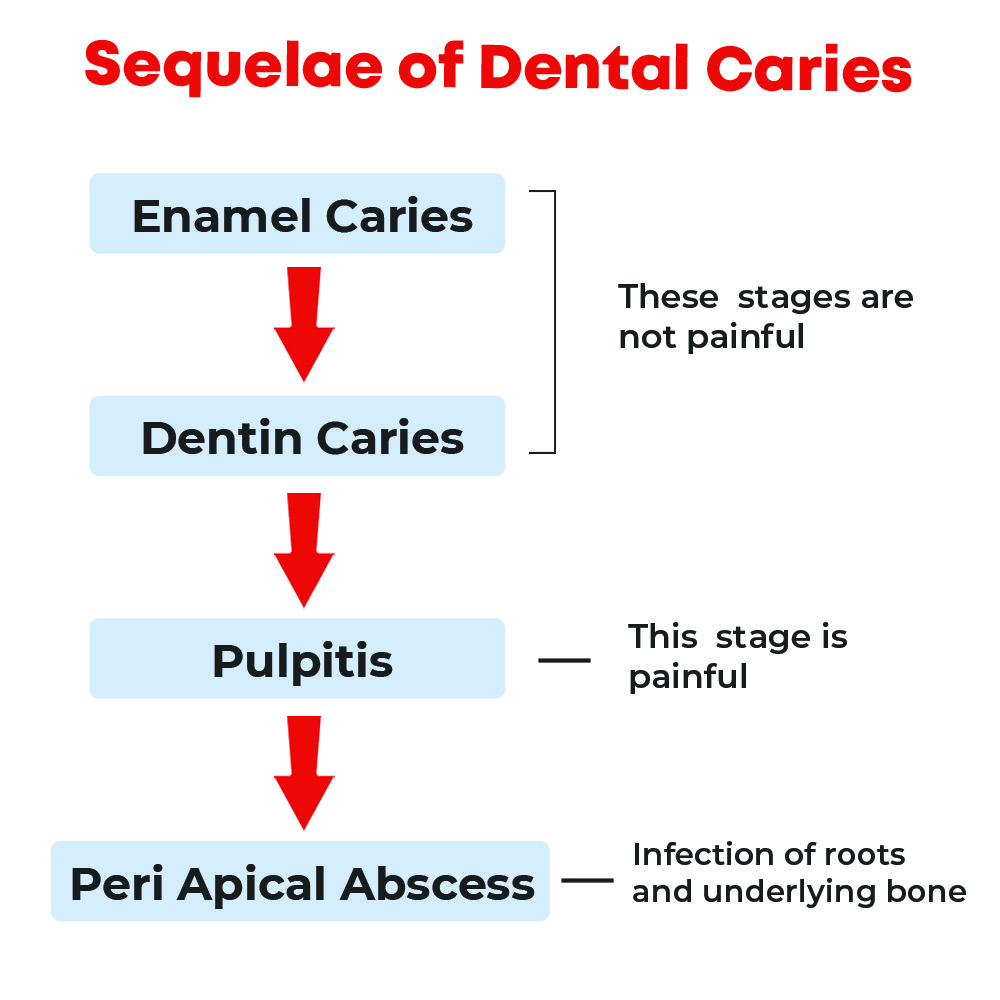
image

Classification of caries.

According to the location caries can be –

a-Primary caries

b-Secondary caries

According to the amount of tooth involvement ,caries can be –

a-Incipient caries

b-Advanced caries

According to the rate of progression ,caries can be-

a-Acute caries

b-Chronic Caries

Pulpitis-

Acute pulpitis-

  • Acute closed pulpitis
  • Acute open pulpitis
  • Acute hypersensitive pulpitis

Chronic pulpitis-

  • Chronic closed pulpitis
  • Chronic open pulpitis
  • Chronic hyperplastic pulpitis

Root Canal Treatment for Dental Best Course In Dhaka

Definition of root canal treatment –

It maybe defined as the complete removal of the irreversible damaged dental pulp followed by through cleaning ,shaping and obturation of the root canal system. So, That a tooth may remain as a functional unit in the dental arch.

Indication of root canal treatment-

  • All the teeth with pulpal and periapical pathosis
  • Risk of exposure
  • Periodontal disease
  • Pulpal sclerosis following trauma
  • Acute pulpitis
  • Pulp stone
  • Acute Pulpitis
  • Pulp Stone
  • Acute alveolar abscess
  • Granuloma
  • Chronic pulpitis

Sterilization & Control of Infection for Dental Best Course In Dhaka

Sterilization is the process by which all viable microorganisms including spores are killed or eliminated.

Physical Sterilization -Dry Heat

  • Incineration- Gas and electric furnaces are used for destruction of organism
  • Flaming-This is commonly used for sterilization of platinum loop, needle and non-inflammable substances.
  • Red Heat-Wire loops used in Microbiology labortory are sterilized by heating to red in bunsen burner or spirit lamp flame. Temperature is above 100C.It Leads to sterilization .
  • Sterilization by hot air oven-It is one of the most common method used for sterilization in the laboratory. Temperature is required at 160C.Time is one hour but there is no pressure quire.

Process of Sterilization by hot air oven.

  • The oven is double metalic walls and a door. There is an air space between these walls.
  • The oven is heated by electricity or gas at the bottom.
  • On heating the air at the bottom becomes hot and passes between the two walls from below upwards and then passes in the inner chamber through the holes on the top of the oven.
  • A thermostat is fitted to maintain a constant temperature of 160C.

Uses of Hot air oven

  • All glass wares like petridish, test tube, glass slide, beakers and flasks.
  • Oily substances like fat, grease are sterilized by hot air oven.
  • Surgical instruments are sterilized by hot air oven.
  • Swab sticks are also sterilized

Disadvantage of hot air oven-

  • Need more temperature
  • Time consuming
  • Plastic materials can not
  • Natural and Synthetic fibers can not be sterilized
  • Destroy the constituents of normal media

Sterilization at 100’C

Boiling-Boiling at 100’C for 30 Minutes is done in a water bath. All bacteria and certain and certain spores are killed. It leads to disinfection.

Uses-

Syringes, rubber goods and surgical instruments maybe sterilized by this method.

Autoclaving-Autoclaving is one of the most common method of sterilization. In this method sterilization .In this method sterilization is done by steam under pressure.

Uses of Autoclave for Dental best course In Dhaka

Surgical Instruments, Gauze ,bandage ,hand gloves, culture media ,apron, dressing, etc are sterilized by autoclave.

Advantages of Autoclave –

  • As it is moist heat,it has more penetrating power.
  • Pressure is applied,so effective under low temperature.
  • Liberation of latent heat occurs during condensation of steam. So, internal temperature increases.
  • Less time consuming
  • No charring
  • It is an efficient sporicidal procedure
  • Dressing apron gloves catheter surgical instruments and natural and synthetic fibers can be sterilized by this method.

Disadvantages of autoclave-

  • Equipment is costly
  • There is a chance of explosion
  • Plastic materials, fats, oils powder etc. can not be sterilized.

Difference between autoclave and hot air oven-

  • Autoclave-Less time consuming
  • Hot Air oven-More time consuming
  • Autoclave-Moist heat has more penetrating power
  • Hot air oven-Dry heat has less penetrating power
  • Autoclave- Latent heat of evaporation is release
  • Hot air oven-Latent heat of evaporation is not release
Dental Pathology for Dental Best Course in Dhaka

Dental Pathology is an essential subject for dental students. Dental Pathology describes the process of formation of abnormal teeth. Pathology is related to pathogens. Pathogens are the substances that create disease.

Dental Pathology কী? (Definition)

Dental Pathology হলো দাঁত, মাড়ি ও মুখের টিস্যুর রোগ, তাদের কারণ, লক্ষণ, রোগের অগ্রগতি এবং চিকিৎসা নিয়ে অধ্যয়ন।

Dental Pathology এর মূল বিষয়সমূহ

Dental Caries (দাঁতের ক্ষয়)

কারণ

  • মুখে ব্যাকটেরিয়া (Streptococcus mutans)
  • বেশি চিনি/স্টিকি খাবার
  • Poor oral hygiene
  • Saliva কম হওয়া

প্রক্রিয়া (Process)

  1. চিনি → অ্যাসিড তৈরি
  2. অ্যাসিড → Enamel ডেমিনারালাইজেশন
  3. Dentinal caries
  4. Pulp পর্যন্ত ছড়িয়ে যাওয়া

লক্ষণ

  • দাঁতে কালো দাগ
  • হালকা থেকে তীব্র ব্যথা
  • Sensitivity

চিকিৎসা

  • Filling
  • RCT
  • Extraction (শেষ স্টেপ)

Pulpal Diseases (পাল্পের রোগ)

  • Reversible pulpitis: ঠান্ডায় ব্যথা, আবার ঠিক হয়
  • Irreversible pulpitis: তীব্র ব্যথা, RCT দরকার
  • Pulp necrosis: পাল্প মারা যাওয়া
  • Periapical abscess: দাঁতের রুটের শেষে পুঁজ

Periodontal Diseases (মাড়ির রোগ)

Gingivitis

  • মাড়ি লাল
  • Bleeding on brushing
  • Bad breath
  • Pain নেই সাধারণত

Oral Cysts (মুখের সিস্ট)

Common cysts:

  • Dentigerous cyst
  • Radicular cyst
  • Odontogenic keratocyst (OKC)

লক্ষণ:

  • মুখের ভেতর ফোলা
  • ব্যথা কখনো কখনো

Tumors of Oral Cavity (টিউমার)

Benign tumors:

  • Fibroma
  • Papilloma
  • Ameloblastoma

Malignant tumors:

  • Squamous cell carcinoma (SCC) সবচেয়ে কমন

লক্ষণ

  • Non-healing ulcer
  • White/red patch
  • মুখে গুটি
  • Pain/bleeding

Neuro Anatomy for Dental Best Course in Dhaka

Neurophysiology হল একটি গুরুত্বপূর্ণ বিষয় যা স্নায়ুতন্ত্রের কার্যকারিতা (function) নিয়ে আলোচনা করে। এটি মানবদেহে স্নায়ুর কাজ, স্নায়ুর মাধ্যমে তথ্য আদান-প্রদান, মস্তিষ্ক, মেরুদণ্ড ও অন্যান্য স্নায়বিক উপাদানের কাজ ব্যাখ্যা করে।

নিউরো অ্যানাটমি (Neuro Anatomy) হচ্ছে মানবদেহের স্নায়ুতন্ত্র (nervous system)-এর গঠন ও কাজ সম্পর্কে অধ্যয়ন। এটি আমাদের মস্তিষ্ক, মেরুদণ্ড, স্নায়ু ও স্নায়ুতন্ত্রের অন্যান্য অংশ নিয়ে আলোচনা করে।

নিউরো অ্যানাটমি হল স্নায়ুতন্ত্রের গঠন, কার্যপ্রণালী এবং তাদের পারস্পারিক সম্পর্ক নিয়ে অধ্যয়ন। এটি প্রধানত দুইটি ভাগে বিভক্ত:

  1. সেন্ট্রাল নার্ভাস সিস্টেম (CNS) — কেন্দ্রীয় স্নায়ুতন্ত্র
  2. পারিফেরাল নার্ভাস সিস্টেম (PNS) — প্রান্তিক স্নায়ুতন্ত্র

নিউরো অ্যানাটমির ব্যবহার:

  • ব্রেইন স্ট্রোক, প্যারালাইসিস, মেমোরি লস, নিউরোলজিকাল ডিজঅর্ডার ইত্যাদি রোগের সঠিক নির্ণয় ও চিকিৎসায় সাহায্য করে।

Neurophysiology এর প্রধান বিষয়বস্তু:

1. Neuron (স্নায়ুকোষ):

  • স্নায়ুতন্ত্রের মূল একক।
  • ৩টি অংশ:
    • Cell Body (Soma)
    • Dendrites
    • Axon
  • কাজ: স্নায়ু সংকেত গ্রহণ ও পরিবহন।

Dental Pharmacology-1 for Dental Best Course in Dhaka

ফার্মাকোলজি কী?

ফার্মাকোলজি হলো এমন একটি বিজ্ঞান যা ওষুধ কীভাবে কাজ করে এবং শরীরে কী প্রভাব ফেলে তা নিয়ে আলোচনা করে। এটি দুটি ভাগে ভাগ করা যায়:

Pharmacokinetics (ফার্মাকোকিনেটিকস): ওষুধ শরীরে কীভাবে শোষিত, বিতরণ, বিপাক ও নির্গত হয়।

Pharmacodynamics (ফার্মাকোডাইনামিকস): ওষুধ শরীরে কী প্রভাব ফেলে বা কীভাবে কাজ করে।

ডেন্টাল ফার্মাকোলজি কী?

ডেন্টাল ফার্মাকোলজি হলো সেই শাখা যেখানে দন্তচিকিৎসায় ব্যবহৃত ওষুধ সম্পর্কে পড়ানো হয়, যেমন:

  • ব্যথা নিরাময়কারী (Analgesics)
  • সংক্রমণ প্রতিরোধক (Antibiotics)
  • অ্যানাস্থেটিক (Anesthetics)
  • অ্যান্টিসেপ্টিক (Antiseptics)
  • অ্যান্টি-ইনফ্ল্যামেটরি (Anti-inflammatory drugs)

Dental Pharmacology – 1 এ কী কী পড়ানো হয়?

১. ওষুধের সংজ্ঞা ও শ্রেণীবিভাগ

  • Drug কি
  • Generic ও Trade Name পার্থক্য
  • ওষুধের বিভিন্ন ধরন (Systemic vs Local)

ডেন্টাল ব্যবহারে প্রয়োজনীয় সাধারণ ওষুধ

  • Pain killer: Paracetamol, Ibuprofen
  • Antibiotics: Amoxicillin, Metronidazole
  • Local anesthetics: Lidocaine

ওষুধ প্রয়োগের পদ্ধতি (Routes of drug administration)

  • Oral (মুখে খাওয়ার)
  • Topical (মুখে বা দাঁতের ওপর প্রয়োগ)
  • Injection (সরাসরি রক্তে বা গামে)

Dose ও Dosage form

  • Tablet, Capsule, Syrup
  • Gel, Ointment, Spray ইত্যাদি

তর্কতা ও পার্শ্বপ্রতিক্রিয়া

  • প্রতিটি ওষুধের কিছু পার্শ্বপ্রতিক্রিয়া থাকে যেমন: বমি, এলার্জি, ডায়রিয়া ইত্যাদি।
  • ডেন্টাল রোগীদের পূর্ণ ইতিহাস না জেনে ওষুধ না দেয়া উচিত।

Dental Pharmacology-2 for Dental Best Course in Dhaka

Dental Pharmacology – 2 (ডেন্টাল ফার্মাকোলজি – ২)

এই অধ্যায়ে আমরা দন্তচিকিৎসায় ব্যবহৃত কিছু গুরুত্বপূর্ণ ওষুধ যেমন অ্যান্টিবায়োটিক, অ্যানালজেসিক, অ্যান্টিসেপ্টিক, অ্যান্টিফাঙ্গাল ও অ্যান্টিভাইরাল ওষুধ সম্পর্কে বিস্তারিত আলোচনা করব।

. Analgesics (ব্যথানাশক ওষুধ)

ব্যথা কমাতে ব্যবহৃত হয়। দুটি প্রধান শ্রেণি:

(A) Non-Narcotic Analgesics:

  • হালকা থেকে মাঝারি ব্যথার জন্য
  • উদাহরণ:
    • Paracetamol – জ্বর ও ব্যথা কমায়
    • Ibuprofen – ব্যথা ও ইনফ্ল্যামেশন কমায় (NSAID)

(B) Narcotic Analgesics:

  • তীব্র ব্যথার জন্য, আসক্তির সম্ভাবনা থাকে
  • উদাহরণ:
    • Codeine
    • Tramadol

2. Antibiotics (জীবাণু প্রতিরোধক ওষুধ)

ডেন্টাল ইনফেকশন ও সার্জারির পর সংক্রমণ রোধে ব্যবহৃত হয়।

সাধারণ অ্যান্টিবায়োটিক:

  • Amoxicillin – দাঁতের অ্যাবসেস ও জিনজিভাইটিসে
  • Metronidazole – অ্যানারোবিক ব্যাকটেরিয়ায়
  • Clindamycin – পেনিসিলিন অ্যালার্জি রোগীর জন্য

নির্দেশনা:

  • পরিপূর্ণ কোর্স সম্পন্ন করা জরুরি
  • খাবার পর খাওয়া ভালো

Oral Pathology for Dental Best Course in Dhaka

অরাল প্যাথলজি (Oral Pathology) হলো মুখগহ্বরের রোগসমূহের কারণ, প্রকৃতি, গঠনগত পরিবর্তন এবং তার প্রভাব নিয়ে আলোচনা করে এমন একটি শাখা। এটি ডেন্টাল সায়েন্সের একটি গুরুত্বপূর্ণ অংশ।

What is Oral Pathology?

Oral Pathology is the branch of dental science that deals with the nature, identification, and management of diseases affecting the oral and maxillofacial regions. It combines clinical, radiographic, microscopic, and biochemical examinations to understand the causes and effects of diseases in the mouth.

অরাল প্যাথলজি কি?

অরাল প্যাথলজি হলো এমন একটি শাস্ত্র যা মুখগহ্বর, চোয়াল, দাঁত ও সংলগ্ন টিস্যুসমূহে দেখা দেওয়া রোগ এবং তাদের কারণ, গঠনগত পরিবর্তন ও কার্যপ্রক্রিয়া বিশ্লেষণ করে।

Common Oral Pathological Conditions

1. Dental Caries

  • Decay of tooth structure due to bacterial activity
  • Causes: Sugary diet, poor hygiene, acid production

2. Gingivitis

  • Inflammation of the gums
  • Symptoms: Redness, swelling, bleeding

3. Periodontitis

  • Infection of the tissues around the teeth
  • Can lead to tooth mobility and bone loss

4. Oral Ulcers

  • Painful sores in the mouth
  • Causes: Trauma, infections, nutritional deficiencies

5. Oral Candidiasis (Thrush)

  • Fungal infection caused by Candida albicans
  • Seen as white patches on the tongue or cheek

6. Leukoplakia

  • White patches in the mouth that cannot be rubbed off
  • Often linked to tobacco use
  • Considered a premalignant condition

7. Oral Cancer

  • Commonly affects the tongue, lips, and floor of the mouth
  • Risk factors: Smoking, alcohol, HPV infection

8. Lichen Planus

  • Chronic inflammatory condition
  • May cause white striations, burning sensation

9. Ameloblastoma

  • Benign but locally aggressive tumor of the jaw
  • Often found in the mandible

মুখগহ্বরের সাধারণ প্যাথলজিক্যা ল রোগসমূহ:

১. ডেন্টাল ক্যারিজ (Dental Caries)

  • দাঁতে ক্ষয় হওয়া বা গর্ত হওয়া
  • ব্যাকটেরিয়া দ্বারা সৃষ্ট
  • চিনি জাতীয় খাবারের সাথে সংযোগে আসে

২. জিনজিভাইটিস (Gingivitis)

  • মাড়ির প্রদাহ
  • রক্ত পড়া, ফুলে যাওয়া
  • দন্ত ময়লা জমা হলে হয়

৩. পিরিওডোন্টাইটিস (Periodontitis)

  • মাড়ি ও হাড়ের মধ্যে সংক্রমণ
  • দাঁত আলগা হয়ে যেতে পারে

৪. অ্যারোশান এবং আলসার (Erosion & Ulcer)

  • মুখে ক্ষত বা ঘা
  • ভিটামিনের অভাব, ইনফেকশন বা ট্রমা

৫. অরাল ক্যান্সার (Oral Cancer)

  • ঠোঁট, জিহ্বা, গাল বা মাড়িতে ক্যান্সার
  • ধূমপান, পান খাওয়া এর প্রধান কারণ

৬. লিউকোপ্লাকিয়া (Leukoplakia)

  • সাদা ছোপ যা ঘষে উঠানো যায় না
  • প্রি-ক্যান্সারাস অবস্থা

৭. ক্যান্ডিডিয়াসিস (Candidiasis)

  • মুখের ছত্রাকজনিত সংক্রমণ
  • সাদা রঙের পাতলা আবরণ

অরাল প্যাথলজি কেন শেখা জরুরি?

  • মুখের যেকোনো সমস্যা দ্রুত শনাক্ত করার জন্য
  • ক্যান্সার বা গুরুতর রোগ আগেভাগে ধরার জন্য
  • রোগের উপসর্গ বুঝে চিকিৎসা দিতে সহায়তা করে

ডায়াগনোসিসে যেসব পদ্ধতি ব্যবহৃত হয়:

  • বায়োপসি (Biopsy)
  • এক্স-রে (X-ray)
  • মাইক্রোস্কোপিক পরীক্ষা
  • ক্লিনিকাল অবজারভেশন

Dental Caries for Dental Best Course in Dhaka

সংজ্ঞা (Definition):

Dental Caries হলো দাঁতের এনামেল, ডেন্টিন এবং কখনও কখনও পুলপকেও ক্ষয় করে এমন একটি সংক্রামক রোগ, যা মুখের ব্যাকটেরিয়ার দ্বারা তৈরি অ্যাসিডের কারণে হয়।

Etiology (কারণসমূহ)

A. ব্যাকটেরিয়া (Bacteria)

  • Streptococcus mutans
  • Lactobacillus species

B. খাদ্য (Diet)

  • মিষ্টি ও কার্বোহাইড্রেটসমৃদ্ধ খাবার
  • Cola, চিনি, চকোলেট

C. Saliva & Oral Hygiene

  • কম লালা (Reduced saliva) → Acid clearance কমে
  • Poor oral hygiene → Plaque জমে

D. Other Factors

  • Tooth morphology (fissures, pits)
  • Age (children & elderly more prone)
  • Fluoride deficiency

Pathogenesis (উন্নয়ন প্রক্রিয়া)

  1. Plaque formation on tooth surface
  2. Bacteria metabolize sugar → Acid production
  3. Acid demineralizes enamel → White spot formation
  4. Enamel → Dentin → Pulp damage if untreated

Types of Dental Caries (Classification)

ClassificationExample/Explanation
Based on LocationPit & fissure caries, Smooth surface caries, Root caries
Based on ProgressionAcute caries (fast), Chronic caries (slow)
Based on DepthEnamel caries, Dentin caries, Pulpal caries

Clinical Features (Symptoms)

  • Toothache (especially with sweets, cold, hot)
  • Visible pit or hole on tooth
  • Discoloration (white/brown/black spot)
  • Sensitivity to cold, sweet, or hot food
  • Bad breath (halitosis)

Diagnosis

  • Clinical examination (mirror & probe)
  • Radiographs (X-ray) – Bitewing, Periapical
  • Laser fluorescence & dye tests (advanced)

Complications

  • Pulpitis → Tooth pulp infection
  • Abscess → Swelling & pain
  • Tooth loss
  • Spread of infection → Facial cellulitis

Prevention (নিয়ন্ত্রণ ও প্রতিরোধ)

  1. Proper brushing (2x/day)
  2. Fluoride toothpaste / fluoride varnish
  3. Reduce sugary food & drinks
  4. Dental sealants (especially molars)
  5. Regular dental check-up (every 6 months)
  6. Chewing sugar-free gum → Stimulates saliva

Treatment (চিকিৎসা)

StageTreatment
Early enamel lesionFluoride treatment, remineralization
Dentin caries Restoration (Filling – Amalgam/Composite)
Pulp involvementRoot canal treatment (RCT)
Severe destructionExtraction

HRTD Medical Institute

Check Also

Dental Treatment

Dental Treatment in Dhaka

All Dental Treatment are available at HRTD Dental Services

Leave a Reply

Your email address will not be published. Required fields are marked *