Pathology Best Course in Dhaka Details
Pathology Best Course in Dhaka. Mobile No. 01969947171, 01987-073965, 01783-768658. Diploma in Pathology 4 Years. Total Course Fee Tk 198500/-, Total Subjects 30, Total Exam Marks 3000, Total Semester 8. Class Start 1 Week of January and 1st Week of July.
Pathology Best Course Payment System Details
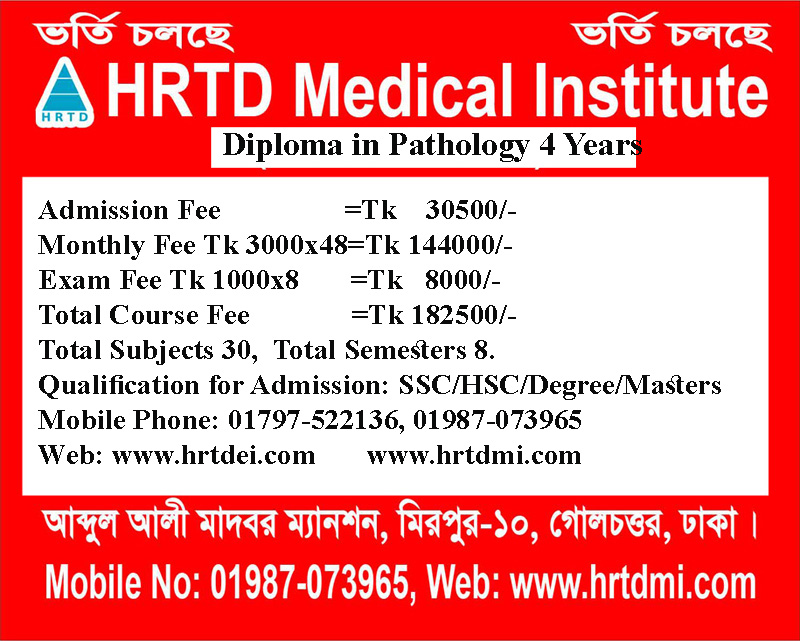
Pathology Best Course Payment System: Admission Fee Tk 30500/-, Monthly Fee Tk 3000/-, Exam Fee Tk 3000×8=Tk 24000/-, Yearly Books Tk 3000/-.
Teachers For Pathology Best Course In Dhaka
- Dr. Md. Sakulur Rahman, MBBS, CCD (BIRDEM), Course Director
- Dr. Sanjana Binte Ahmed, BDS, MPH, Assistant Course Director
- Dr. Tisha, MBBS, PGT Gyne, Assistant Course Director
- Dr. Suhana, MBBS, PGT Medicine
- Dr. Danial Hoque, MBBS, C-Card
- Dr. Tisha, MBBS
- Dr. Afrin Jahan, MBBS, PGT Medicine
- Dr. Ananna, MBBS
- Dr. Lamia Afroze, MBBS
- Dr. Amena Afroze Anu, MBBS, PGT Gyne, Assistant Course Director
- Dr. Farhana Antara, MBBS,
- Dr. Nazmun Nahar Juthi, BDS, PGT
- Dr. Farhana Sharna, MBBS
- Dr. Bushra, MBBS
- Dr. Turzo, MBBS
- Dr. Kamrunnahar Keya, BDS, PGT (Dhaka Dental College)
- Dr. Shamima, MBBS, PGT Gyne
- Dr. Alamin, MBBS
- Dr. Benzir Belal, MBBS
- Dr. Disha, MBBS
- Dr. Mahinul Islam, MBBS
- Dr. Tisha, MBBS, PGT Medicine
- Dr. Anika, MBBS, PGT
- Dr. Jannatul Ferdous, MBBS, PGT Gyne
- Dr. Jannatul Aman, MBBS, PGT
- Dr. Rayhan, BPT
- Dr. Abu Hurayra, BPT
- Dr. Sharmin Ankhi, MBBS, PGT Medicine
- Md. Monir Hossain, B Pharm, M Pharm
- Md. Monirul Islam, B Pharm, M Pharm
- Md. Feroj Ahmed, BSc Pathology, PDT Medicine
Subjects For Pathology Best Course In Dhaka
- Human Anatomy & Physiology-1
- Pharmacology-1
- Study of OTC Drugs
- First Aid-1 & 2
- Practice of Medicine
- Hematology
- Pathology for Medical Practice
- Cardiovascular Anatomy
- Human Microbiology & Antimicrobial drugs
- Clinicle Pathology-1
- Practice of Clinicle Pathology-1
- General Pathology-1
- Community Medicine-1
- Systemic pathology-1
- Biochemistry-1
- Histology & Cytology
- Diagnostic Chemistry-1
- Clinicle Hematology
- Clinicle pathology-2
- Practice of Clinicle pathology-2
- Systemic pathology-2
- Clinicle Microbiology
- Practice of Clinicle Microbiology
- Diagnostic Chemistry-2
- Community Medicine-2
- Systemic pathology-3
- Clinicle Pathology-1
- Practice of Clinicle pathology-3
- Systemic pathology-4
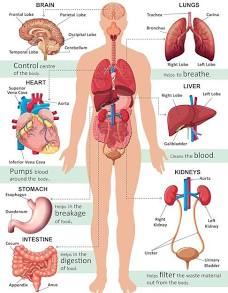
Human Anatomy


View all
Human anatomy is the scientific study of the human body’s structures, which can be divided into gross anatomy (macroscopic) and microscopic anatomy (histology and cellular study). It is a foundational science for medicine, using traditional methods like dissection as well as modern imaging techniques like X-rays, CT scans, and MRIs. The study can be organized regionally, by body system (like the skeletal or circulatory system), or by application in a clinical setting.
Key branches of human anatomy
- Gross (Macroscopic) Anatomy: The study of body structures visible to the naked eye. This includes superficial anatomy and is often studied through dissection and observation.
- Microscopic Anatomy: The study of structures too small to be seen without magnification, including cells and tissues.
- Histology: The study of tissues.
- Cytology: The study of cells.
- Systemic Anatomy: The study of the body by organ systems (e.g., the digestive, nervous, or skeletal systems).
- Regional Anatomy: The study of the body by its major parts or regions, such as the head, neck, and torso.
- Clinical Anatomy: Focuses on the practical application of anatomical knowledge for medical purposes.
Methods of study
- Dissection: Traditionally, cutting up and examining a body or cadaver has been fundamental to anatomical research.
- Medical Imaging: Modern technology allows for detailed visualizations of internal structures without invasive procedures.
- X-ray: Uses electromagnetic radiation to create images of bones and internal organs.
- CT (Computed Tomography) Scan: Uses multiple X-ray images to create cross-sectional views.
- MRI (Magnetic Resonance Imaging): Uses magnetic fields and radio waves to create detailed images of organs and tissues.
- Cross-section Anatomy: Involves visualizing the body in 2D planes to see the internal structures.
Human Physiology
Human physiology is the scientific study of how the human body’s cells, tissues, organs, and systems function to maintain life. It focuses on the mechanical, physical, and biochemical processes that keep the body alive and the mechanisms that maintain a stable internal environment, a state known as homeostasis. Understanding physiology is crucial for medicine, as it forms the basis for diagnosing and treating diseases by identifying how deviations from normal function occur.
- Focus on function: It explores the “how” and “why” of body functions, from the chemical processes within a single cell to the coordinated actions of multiple organ systems working together.
- Key concept: homeostasis: A central principle is homeostasis, the body’s ability to maintain a stable internal environment, such as regulating body temperature and blood pressure, despite external changes.
- Scope: Physiology examines functions at all levels of organization:
- Molecules and cells
- Tissues and organs
- Organ systems, such as the nervous, cardiovascular, respiratory, and endocrine systems
- Connection to medicine: It is a foundational science for medicine, providing the knowledge of normal function that is needed to understand and treat disease (pathology).
- Interdisciplinary nature: It connects concepts from other fields like anatomy (structure), biochemistry, and molecular biology to provide a complete picture of how the body works.
Pharmacology for Pathology Best Course In Dhaka
Pharmacology is the scientific study of drugs and their effects on the body, including their origin, composition, uses, and how they are absorbed, distributed, metabolized, and excreted. It is a biomedical discipline that involves research into new drug development and the safe and effective use of existing medications to treat diseases. The field is a multidisciplinary science that integrates knowledge from fields like chemistry, physiology, and biology to understand how drugs interact with biological systems.
Key aspects of pharmacology
- Pharmacodynamics: The study of the biochemical and physiological effects of drugs and their mechanisms of action.
- Pharmacokinetics: The study of what the body does to a drug, including absorption, distribution, metabolism (metabolization), and excretion (elimination).
- Drug discovery and development: This involves researching, testing for safety and effectiveness, and bringing new drugs to market.
- Toxicology: The study of the harmful effects of substances on living organisms.
- Therapeutics: The application of drugs to treat and prevent disease.
Applications and career paths
Pharmacology is a critical component of many healthcare professions, such as medicine, nursing, and pharmacy, as well as other life science and biomedical fields. Pharmacologists work in research institutions, the pharmaceutical industry, government regulatory agencies, and academia.
First Aid For Pathology Best Course In Dhaka
First aid is the immediate, initial medical assistance given to someone who is injured or suddenly ill until professional help arrives. It can range from simple actions like cleaning a cut to more complex life-saving techniques like CPR, depending on the situation and the first aider’s training. The primary goal is to preserve life, prevent the condition from worsening, and promote recovery.
Steps for providing first aid
- Ensure safety: Make sure the area is safe for both you and the injured person before approaching.
- Call for help: Immediately call emergency services (like 911 or 999) for serious situations. The operator can guide you through procedures until help arrives.
- Assess the situation: Check if the person is responsive, breathing, and if there are any life-threatening injuries. Ask for consent to help if they are conscious.
- Provide immediate care: Perform basic first aid as needed, such as applying bandages, performing CPR if necessary, or managing a burn.
- Provide comfort and reassurance: Stay with the person and offer reassurance while waiting for professionals to take over.
Examples of first aid
- Cleaning and bandaging minor cuts
- Treating minor burns
- Using an automated external defibrillator (AED) or performing CPR
- Providing comfort and reassurance to someone in shock or distress
- Placing an unconscious person in the recovery position
Important considerations
- Wash your hands: Always wash your hands or use hand sanitizer before and after providing first aid to prevent the spread of germs.
- Use personal protective equipment (PPE): Wear gloves and other protective gear to avoid contact with blood and other bodily fluids.
- Do not give food or drink: Never give food or drink to someone with a serious injury or who is unconscious.
- Get trained: Consider getting formal first aid training to be prepared for emergencies.
Study of OTC Drugs For Pathology Best Course In Dhaka
Studies on over-the-counter (OTC) drugs examine factors influencing their use, such as consumer attitudes, knowledge, socioeconomic status, and past experiences. Research also focuses on the risks associated with OTC drugs, including side effects, drug interactions, misuse, and the potential for delayed diagnosis due to self-medication. These studies aim to inform strategies to reduce unnecessary use and promote safer medication practices.
Key areas of study
- Factors influencing OTC drug use:
- Past experiences with drugs and brand familiarity.
- Perceived low side effects and quick accessibility.
- Socioeconomic and demographic characteristics.
- Lack of access to affordable healthcare, leading people to use pharmacies as a first point of contact.
- Positive attitudes towards OTC drugs, sometimes influenced by beliefs that they are approved for self-care.
- Risks and challenges of OTC drug use:
- Side effects and interactions: Can have serious implications, especially for children, the elderly, pregnant or lactating women.
- Misuse and abuse: Using drugs for non-medical purposes, such as weight loss or psychoactive effects.
- Incorrect use: Insufficient understanding of dosage or administration can lead to adverse effects.
- Delayed diagnosis: Self-medication can delay seeking professional medical attention for a condition that requires proper diagnosis and treatment.
- Knowledge and practice:
- Many studies highlight a lack of understanding regarding the risks and proper use of OTC drugs among both consumers and future healthcare professionals.
- Studies of medical students show they are not immune to self-medication and sometimes have an overly optimistic attitude toward OTC drugs.
- Potential benefits:
- Increased accountability for one’s own health.
- Greater confidence in self-management.
- Quick and convenient access to treatment for minor ailments.
Implications of the studies
- To reduce potential harm, it is important to educate consumers and healthcare professionals about the risks of OTC medications.
- Stricter regulations and better implementation of guidelines may be necessary to mitigate irresponsible self-medication.
- The findings help in formulating strategies to promote more responsible OTC drug use.
Hematology For Pathology Best Course In Dhaka
The main and important topics in the study of hematology generally fall into several core areas, including the basic components of blood, common disorders (especially anemia), blood cancers, and the mechanics of clotting and transfusion.
Core Concepts
- Blood Components and Physiology: Understanding the functions and types of red blood cells (RBCs), white blood cells (WBCs), and platelets is fundamental.
- Complete Blood Count (CBC): The CBC is one of the most common and crucial diagnostic tests in hematology. Key components include hemoglobin levels, hematocrit, cell counts, and red blood cell indices, which are vital for diagnosing many conditions.
Major Disease Categories
- Anemias: This is a key topic in clinical hematology, involving a decrease in the number of red blood cells or hemoglobin concentration. Subtopics include:
- Iron deficiency anemia
- Hemolytic anemias (including autoimmune hemolytic anemia)
- Nutritional anemias
- Inherited anemias (e.g., sickle cell disease, thalassemia)
- Hematologic Malignancies (Blood Cancers): These are a major focus area. Important topics include:
- Leukemia: Cancers of the body’s blood-forming tissues, including Acute Myelogenous Leukemia (AML) and Acute Lymphoblastic Leukemia (ALL).
- Lymphoma: Cancers affecting the lymphatic system, such as Hodgkin and non-Hodgkin lymphoma.
- Myeloma and Myelodysplastic syndromes (MDS).
- Coagulation and Bleeding Disorders: These conditions affect the body’s ability to control blood clotting. Key topics include:
- Hemophilia
- Thrombosis (blood clots) and anticoagulant therapy management
- Platelet disorders, such as Immune Thrombocytopenia (ITP)
- Transfusion Medicine: This involves the process of blood donation, compatibility testing, and the appropriate use of blood products (e.g., cell therapy and transplantation).
Clinical Skills and Procedures
- Diagnosis and Interpretation: The ability to interpret laboratory results (like CBC, PT, PTT, INR) is essential for diagnosis.
- Bone Marrow Analysis: The study of bone marrow is critical for diagnosing many blood and bone marrow-related conditions.
Pathology For Pathology Best Course In Dhaka
Key topics in pathology include general pathology (cell injury, inflammation, immunity, Neoplasia) and systemic pathology (systemic diseases), with a strong emphasis on hematology (anemias, coagulation, blood banking), and neoplasia (benign vs. malignant tumors, carcinogens, staging). Other crucial areas are cellular adaptation, chromosomal aberrations, and specific organ systems like the kidney and nervous system.
General and systemic pathology
- Cell injury and adaptation: Processes of cell damage and the body’s adaptive responses.
- Inflammation and repair: The body’s response to injury and infection.
- Neoplasia: The study of tumors, their classification, and characteristics.
- Immunity: The function and disorders of the immune system, including autoimmune diseases.
- Chromosomal aberrations: Genetic mutations and their role in disease, especially cancer.
Hematology
- Anemias: Types like iron deficiency anemia and megaloblastic anemia.
- Hemostasis and thrombosis: Disorders of blood clotting, including hypercoagulability.
- Blood banking: Principles of blood donation and transfusion.
- Leukemias and Lymphomas: Cancers of the blood and lymphatic system.
Systemic and organ-specific pathology
- Renal pathology: Diseases of the kidney.
- Neuropathology: The pathology of the nervous system.
- Respiratory disease: Diseases affecting the lungs.
Diagnostic methods
- Histopathology and cytology: The microscopic examination of tissues and cells to diagnose disease.
- Biopsy: The process of taking tissue samples for examination.
Cardiovascular Anatomy For Pathology Best Course In Dhaka
The main important topics for the study of cardiovascular anatomy include the structure of the heart, the network of blood vessels (arteries, veins, and capillaries), and the mechanisms of blood circulation.
I. Anatomy of the Heart
The heart is a muscular, four-chambered pump located in the chest cavity (mediastinum).
- Chambers:
- Right Atrium receives deoxygenated blood from the body via the superior and inferior venae cavae.
- Right Ventricle pumps deoxygenated blood to the lungs via the pulmonary artery.
- Left Atrium receives oxygenated blood from the lungs via the pulmonary veins.
- Left Ventricle pumps oxygenated blood to the rest of the body via the aorta; its walls are the thickest due to the high pressure required for systemic circulation.
- Valves: These ensure unidirectional blood flow and prevent backflow.
- Tricuspid valve (right atrioventricular).
- Mitral valve (left atrioventricular, or bicuspid).
- Pulmonary valve (at the exit of the right ventricle).
- Aortic valve (at the exit of the left ventricle).
- Heart Wall Layers: The heart wall has three layers: the inner endocardium, the muscular myocardium (which contracts), and the outer epicardium (visceral pericardium).
- Pericardium: A protective sac surrounding the heart, containing a small amount of fluid to reduce friction during contraction.
- Coronary Circulation: The heart muscle receives its own dedicated blood supply through the right and left coronary arteries, which branch off the aorta.
II. Blood Vessels
The vascular system consists of a closed network of vessels.
- Arteries: Carry blood away from the heart. They have thick, elastic walls to withstand high pressure. The largest is the aorta.
- Capillaries: Microscopic, thin-walled vessels (one cell layer thick) that facilitate the exchange of gases, nutrients, and waste products between the blood and body tissues.
- Veins: Carry blood back to the heart. They have thinner walls and contain valves to prevent the backflow of blood, especially in the limbs where blood flows against gravity. The largest are the superior and inferior venae cavae.
III. Blood Circulation
Blood flows through two main circuits:
- Pulmonary Circulation: The low-pressure system where deoxygenated blood is pumped from the right heart to the lungs for oxygenation and carbon dioxide removal, then returns to the left heart.
- Systemic Circulation: The high-pressure system where oxygenated blood is pumped from the left heart to the rest of the body, delivering oxygen and nutrients, and returning deoxygenated blood to the right heart.
IV. Electrophysiology
The heart has an intrinsic electrical conduction system that coordinates its rhythmic contractions:
- Sinoatrial (SA) Node: The natural pacemaker of the heart, which generates electrical impulses that trigger contraction.
- Atrioventricular (AV) Node, Bundle of His, and Purkinje Fibers: The pathway through which the electrical signal travels to ensure coordinated atrial and ventricular contractions.
Human Microbiology For Pathology Best Course In Dhaka
The main important topics in the subject of human (medical) microbiology generally fall under several core areas: General Microbiology, Immunology, Bacteriology, Virology, Mycology, and Parasitology.
Core Areas and Key Topics
- General Microbiology: This foundational section covers the basic characteristics, structure, and function of microorganisms.
- Bacterial Cell Wall and Anatomy: Understanding the differences between prokaryotic and eukaryotic cells, and the specific structures of bacteria (capsules, flagella, spores) is crucial.
- Microscopy & Staining: The principles and applications of various microscopes and staining techniques (Gram staining, ZN staining) for identification.
- Growth & Nutrition: Bacterial growth curves (phases with clinical significance), culture media (selective, enriched, transport media), and anaerobic culture methods.
- Sterilization & Disinfection: Methods of control, including autoclaving, hot air ovens, chemical disinfectants, and infection control practices in healthcare settings.
- Bacterial Genetics: Mechanisms of gene transfer (conjugation, transduction, transformation) and the development of antimicrobial resistance.
- Bacterial Toxins: Key differences and functions of exotoxins versus endotoxins.
- Immunology: This area focuses on the body’s defense mechanisms against infection.
- Innate vs. Acquired Immunity: Understanding the basic components and types of immune responses.
- Antigens & Antibodies: Definitions, structure of immunoglobulins (IgG, IgA, IgM, IgE), and antigen-antibody reactions (e.g., ELISA, precipitation, agglutination).
- Hypersensitivity & Autoimmunity: The different types of hypersensitivity reactions (Type I, II, III, IV) and mechanisms of autoimmune disorders.
- Vaccines: Types of vaccines and their mechanisms of action.
- Systemic Microbiology (Bacteriology, Virology, Mycology, Parasitology): This involves the study of specific pathogens and the diseases they cause, often organized by organ system (e.g., respiratory tract infections, CNS infections).
- Pathogenesis & Virulence Factors: How different microorganisms cause disease and evade host defenses.
- Clinical Manifestations & Laboratory Diagnosis: The specific signs, symptoms, and laboratory tests used to identify different infections (e.g., typhoid, HIV, malaria, tuberculosis).
- Key Pathogens: Detailed study of major human pathogens, including Staphylococcus aureus, Mycobacterium tuberculosis, HIV, Hepatitis viruses, Candida albicans, and Plasmodium species.
Practical Applications
Beyond theoretical knowledge, practical skills are important. These include basic staining techniques, identifying bacterial colonies, understanding the principles behind biochemical tests, and managing biomedical waste.
General Pathology For Pathology Best Course In Dhaka
General pathology is the study of the causes, mechanisms, and effects of disease, focusing on the structural, biochemical, and functional changes in cells, tissues, and organs. It involves diagnosing and managing diseases through laboratory investigations that examine how the body responds to injury, including processes like inflammation, repair, and adaptation. Key areas of study include cell injury, neoplasia, and infectious diseases, with the ultimate goal of understanding what is wrong in the body and why it is happening.
Core principles and topics
- Cell injury: Understanding how cells respond to stress, which can be reversible or irreversible, ultimately leading to cell death.
- Cellular adaptation: Studying how cells adapt to stress through mechanisms like hyperplasia (increase in cell number) and metaplasia (change in cell type).
- Inflammation and repair: Investigating the body’s response to injury, including the process of wound healing.
- Neoplasia: Examining the development of tumors.
- Infectious diseases: Studying diseases caused by pathogens.
- Environmental and nutritional factors: Analyzing diseases linked to environmental exposure and nutritional deficiencies.
Diagnostic and investigative methods
- Laboratory medicine: Utilizing laboratory techniques for diagnosis.
- Microscopy: Using tools like microscopes and electron microscopes to examine tissues and cells.
- Biopsy: Analyzing tissue samples for abnormalities.
- Blood analysis: Performing blood tests to assess various health markers.
- Advanced technologies: Employing techniques such as PCR and sequencing for detailed analysis.
Role of a pathologist
- Consultant: Acting as a consultant for other physicians to help in patient treatment.
- Diagnostician: Using laboratory medicine and diagnostic techniques to diagnose and manage disease.
- Educator: Teaching the fundamental principles of how disease processes work.
- Researcher: Conducting research to further understand disease.
Clinicle Pathhology-1 For Pathology Best Course In Dhaka
Key topics in clinical pathology include general cell injury and adaptation, inflammation, and neoplasia (tumors). Other main areas are hematology (blood disorders), clinical chemistry (body fluid analysis), and a variety of systemic diseases affecting organs like the kidneys, liver, and central nervous system.
General Pathology
- Cellular Injury: Reversible and irreversible injury, mechanisms of injury (e.g., hypoxia, free radicals), necrosis, and apoptosis.
- Inflammation: Acute and chronic inflammation, vascular changes, types of inflammation, and shock.
- Neoplasia: Benign vs. malignant tumors, carcinogenesis, and methods of cancer diagnosis and examination.
Systemic Pathology
- Cardiovascular: Hypertension, heart failure.
- Respiratory: Lung diseases (e.g., occupational lung disorders, lung abscess).
- Gastrointestinal: Inflammatory bowel disease, peptic ulcer disease, and fatty liver.
- Renal: Glomerular nephritis, nephrotic syndrome.
- Central Nervous System: Degenerative diseases, meningitis.
- Endocrine: Adrenal gland disorders.
Clinical Pathology Subspecialties
- Hematology: Examination of blood cells, including anemias (like iron deficiency anemia, sickle cell anemia), leukemia, and clotting disorders.
- Clinical Chemistry: Analysis of body fluids for metabolic disorders and organ dysfunction (e.g., glucose, electrolytes, enzymes, hormones).
- Histopathology: Microscopic examination of tissue samples to diagnose diseases, particularly cancer and inflammatory conditions.
- Cytology: Microscopic examination of individual cells.
- Microbiology: The study of microorganisms that can cause disease.
Practice of Clinicle Pathology-1 For Pathology Best Course In Dhaka
The practice of clinical pathology focuses on diagnosing diseases through the laboratory analysis of bodily fluids and tissues. Important topics are typically grouped into key branches.
Main Branches and Important Topics in Clinical Pathology
- Clinical Chemistry: Focuses on the chemical composition of body fluids.
- Analyzing glucose levels, electrolytes, enzymes, hormones, and drug levels.
- Evaluating organ function through specific panels (e.g., Liver Function Tests (LFT), Kidney Function Tests, Thyroid Function Tests).
- General metabolic health indicators (e.g., Comprehensive Metabolic Panel (CMP)).
- Hematology: The study of blood cells, blood-forming tissues, and clotting mechanisms.
- Anemias: Iron deficiency, megaloblastic, sickle cell, and hemolytic anemias.
- Malignancies: Leukemia (acute and chronic), lymphomas, and multiple myeloma.
- Coagulation: The coagulation cascade, hemophilia, hypercoagulability, and platelet disorders.
- Transfusion Medicine: Blood grouping, compatibility testing, and safe blood transfusions.
- Common tests like the Complete Blood Count (CBC).
- Microbiology: Identifying infectious agents like bacteria, viruses, fungi, and parasites.
- Cultivation and staining techniques for identification.
- Determining antimicrobial susceptibility to guide treatment.
- Common pathogens and their mechanisms.
- Immunology: Studying the immune system to diagnose disorders.
- Hypersensitivity reactions.
- Autoimmune diseases and immunodeficiency disorders.
- The complement pathway.
- Molecular Diagnostics & Genetics: Analyzing genetic material (DNA and RNA) for precise diagnosis.
- Detection of genetic disorders and cancer markers.
- Personalized medicine applications (e.g., in oncology).
- Inheritance patterns and specific cytogenetic disorders (e.g., Down Syndrome).
- General Pathology Principles: The foundational concepts of disease processes that bridge basic science and clinical practice.
- Cell Biology: Cell injury, cellular adaptation (hypertrophy, atrophy, etc.), necrosis, and inflammation.
- Malignancy: Tumor markers, tumor suppressor genes, and the molecular hallmarks of cancer.
Core Practices and Skills
- Laboratory Techniques: Proficiency in various methods like microscopy, flow cytometry, PCR, and next-generation sequencing (NGS).
- Quality Assurance & Control: Adhering to rigorous protocols to ensure accurate and reliable test results.
- Data Interpretation & Collaboration: Interpreting laboratory results and consulting with clinicians to formulate treatment plans.
- Case Studies: Applying theoretical knowledge to practical clinical scenarios.
Systemic Pathology For Pathology Best Course In Dhaka
Systemic pathology is the study of diseases affecting specific organs and tissues throughout the body. It examines the cause (etiology), mechanism (pathogenesis), and how diseases manifest (morphology), leading to specific signs and symptoms. This field applies the basic principles of general pathology to understand how various diseases impact the body’s systems, such as the cardiovascular, respiratory, or renal systems.
Key aspects of systemic pathology
- Etiology: The study of the causes of a disease, including genetic, environmental, and infectious factors.
- Pathogenesis: The chain of events and mechanisms by which a disease develops and progresses.
- Morphology: The structural changes that occur in cells, tissues, and organs due to the disease, which can be macroscopic (visible to the naked eye) or microscopic.
- Clinical significance: The relationship between the pathological findings and the patient’s clinical signs, symptoms, and prognosis.
- Integration: Systemic pathology integrates knowledge from different fields, such as general pathology, anatomy, and pharmacology, to provide a comprehensive understanding of disease.
Community Medicine For Pathology Best Course In Dhaka
Main topics in Community Medicine include epidemiology, biostatistics, public health, nutrition, and social and preventive medicine. Other key subjects are environmental health, health policy and management, and the natural history of diseases.
Core subjects
- Epidemiology: The study of the distribution and determinants of health-related states or events in specified populations, and the application of this study to the control of health problems.
- Biostatistics: The application of statistics to problems in medicine and public health, including research methodology.
- Public Health: The science and art of preventing disease, prolonging life, and promoting health through organized efforts and informed choices of society, organizations, public and private, communities, and individuals.
- Social Medicine: A branch of medicine that deals with the social and economic causes and influences of disease.
Health promotion and prevention
- Nutrition: The study of public health nutrition and the role of diet in health and disease.
- Health Education: The process of facilitating the learning of a healthy lifestyle through various community-based activities.
- Preventive Medicine: The measures taken to prevent diseases, which include primary, secondary, and tertiary prevention levels.
Disease and health management
- Communicable and Non-Communicable Diseases: Understanding the prevention, control, and management of infectious and chronic diseases within the community.
- Health Policy and Management: The organization, structure, and function of healthcare systems, including the development of health policies.
- Environmental Health: The study of the impact of environmental factors, such as air and water quality, on public health.
Community-focused topics
- Primary Health Care: Providing essential health services at the community level, including family planning and care for maternal and child health.
- Health Information and Data Management: The collection, analysis, interpretation, and use of data to inform public health decisions and research.
- Occupational Health: The study of health and safety in the workplace.
Biochemistry-1 For Pathology Best Course In Dhaka
The main topics for a typical “Biochemistry-1” subject cover the fundamental chemical components of living systems and their basic functions. Course specifics can vary by institution (e.g., medicine vs. general science curriculum), but generally include the following areas:
Biomolecules & Chemical Foundations
This section focuses on the structure, function, and chemical properties of the major components of cells.
- Water and Biophysical Chemistry: The properties of water (pH, buffers, osmosis) that are essential for life.
- Amino Acids & Proteins: Structure (primary, secondary, tertiary) and function of proteins, biologically important peptides, and protein purification techniques.
- Enzymes & Enzyme Kinetics: The principles of enzyme action, factors affecting enzyme activity, enzyme inhibition, and clinical applications of enzymology in disease diagnosis (e.g., myocardial infarction).
- Carbohydrates: Chemistry of monosaccharides, disaccharides, and polysaccharides, and their biological roles.
- Lipids & Membranes: Structure and function of fatty acids, triglycerides, cholesterol, lipoproteins, and the composition of biological membranes.
- Nucleic Acids: Chemistry of nucleosides and nucleotides, and the structure and function of DNA and RNA.
Metabolism & Bioenergetics
This area covers the chemical reactions that occur within the body to maintain life, including how energy is produced and used.
- Bioenergetics: Basic principles of energy flow in biological systems, including ATP synthesis.
- Carbohydrate Metabolism: Key pathways such as glycolysis, the TCA cycle (Krebs cycle), gluconeogenesis, glycogenolysis, and glycogenesis.
- Lipid Metabolism: Synthesis and degradation pathways including beta-oxidation of fatty acids, cholesterol synthesis, and the formation of ketone bodies (ketosis).
- Protein Metabolism: Digestion and absorption of proteins, amino acid catabolism (transamination and deamination), the urea cycle, and the formation and fate of ammonia.
- Biological Oxidation: The electron transport chain (ETC) and oxidative phosphorylation, including inhibitors and uncouplers.
Molecular Biology & Genetics
Many introductory courses cover the flow of genetic information.
- Central Dogma: The processes of DNA replication, transcription (RNA synthesis), and translation (protein synthesis).
- Genetic Code: The features of the genetic code and mechanisms like the Wobble hypothesis.
- Molecular Technologies: Basic concepts and applications of recombinant DNA technology and the Polymerase Chain Reaction (PCR).
Clinical & Integrative Topics
Some programs integrate clinically relevant topics.
- Nutrition: Essential dietary components including vitamins and minerals.
- Clinical Biochemistry: Basic concepts of liver and renal function tests, blood lipid profiles, and conditions like diabetes mellitus and jaundice.
- Acid-Base and Water Balance: Understanding buffers and the body’s mechanisms for maintaining homeostasis.
Histology & Cytology For Pathology Best Course In Dhaka
The main topics for the subject of Histology and Cytology can be broadly divided into two major areas: the study of the cell (cytology) and the study of tissues (histology), which often includes an introduction to embryology and organ systems.
Cytology (Study of the Cell)
The study of individual cells covers their structure, function, and life cycle.
- Cell Components: Structure and function of the plasma membrane, cytoplasm, and nucleus.
- Organelles: Detailed examination of both membranous (mitochondria, endoplasmic reticulum, Golgi apparatus, lysosomes, peroxisomes) and non-membranous organelles (ribosomes, cytoskeleton, centrioles, cilia, flagella).
- Cell Physiology: Topics include transport across membranes, cellular communication, and metabolic functions.
- Cell Cycle and Division: The process of mitosis, cell differentiation, and cell aging.
- Methods of Study: Use of light and electron microscopy, as well as various techniques like immunocytochemistry and staining methods (e.g., Hematoxylin and Eosin stain).
Histology (Study of Tissues)
Histology involves the study of how cells organize into four primary tissue types, and how these tissues form organs and organ systems.
- Four Basic Tissues:
- Epithelial Tissue: Classification (simple, stratified, squamous, cuboidal, columnar) and functions (lining, secretion, protection), including glands (exocrine and endocrine).
- Connective Tissue: Components like cells (fibroblasts, adipocytes, osteocytes) and the extracellular matrix (fibers and ground substance). This also covers specialized types such as:
- Connective tissue proper (loose and dense)
- Supportive connective tissue (cartilage and bone)
- Fluid connective tissue (blood and lymph).
- Muscle Tissue: Structure and function of skeletal, cardiac, and smooth muscle tissues, and the mechanism of muscle contraction.
- Nervous Tissue: Neurons and glial cells, nerve fibers, synapses, and the organization of the central and peripheral nervous systems.
- Organ Systems: The microscopic anatomy of various organ systems is covered, building upon the basic tissues, including the integumentary, cardiovascular, respiratory, digestive, excretory, endocrine, lymphatic, and reproductive systems.
Clinical/Practical Applications
- Histopathology & Cytopathology: The study of diseased cells and tissues for diagnosis and prognosis of conditions, particularly cancer and inflammatory diseases.
- Laboratory Techniques: Hands-on experience with tissue preparation, sectioning, and microscopic examination of slides.
- Embryology: The basic principles of early human development are often integrated into the subject to understand tissue formation (histogenesis).
Diagnostic Chemistry-1 For Pathology Best Course In Dhaka
“Diagnostic Chemistry-1” typically refers to an introductory university course in Clinical Chemistry. The main topics focus on the principles, methods, and interpretation of chemical tests used to detect abnormalities in the human body and diagnose diseases.
The main topics covered often include:
Fundamentals and Techniques
- Basic Principles: Understanding the core concepts of matter, chemical changes, and energy changes as they apply to biological systems.
- Laboratory Techniques and Safety: Proper handling of biological specimens, laboratory safety protocols, quality control, and assurance in diagnostic testing.
- Analytical Techniques: Principles of various analytical methods like spectroscopy, chromatography, and electrochemical sensing, which are crucial for measuring substances in biological specimens.
Core Diagnostic Areas
- Electrolyte and Fluid Balance: Measuring ions like sodium, potassium, chloride, and bicarbonate to detect fluid and electrolyte imbalances in the body.
- Organ Function Tests:
- Renal (Kidney) Function: Assessing markers such as albumin, creatinine, and blood urea nitrogen (BUN).
- Liver Function: Measuring enzymes and proteins like alanine aminotransferase (ALT), aspartate aminotransferase (AST), bilirubin, and albumin.
- Metabolic Abnormalities: Testing for glucose and calcium levels, often as part of comprehensive or basic metabolic panels.
- Lipid Profiles: Analyzing cholesterol (total, HDL, LDL) and triglyceride levels to assess cardiovascular disease risk.
- Biomolecules: The role and function of specific biomolecules like proteins, enzymes, and hormones in disease states.
Specialized Topics (May be introduced in “Diagnostic Chemistry-1”)
- Urinalysis: Chemical analysis of urine for a wide array of diseases.
- Toxicology and Drug Monitoring: Screening for drugs of abuse and monitoring therapeutic drug levels to optimize patient dosage and identify intoxication.
Clinicle Hematology For Pathology Best Course In Dhaka
Clinical Hematology is the branch of medicine concerned with the diagnosis, treatment, and prevention of diseases of the blood and blood-forming organs. The main topics of the subject are typically divided into non-malignant (classical) and malignant (hemato-oncology) disorders, along with diagnostic methods and therapeutics.
I. Foundations of Hematology
This area covers the basic science necessary to understand blood disorders.
- Hematopoiesis: The process of blood cell formation in the bone marrow, including regulation and differentiation pathways of red blood cells (RBCs), white blood cells (WBCs), and platelets.
- Blood Components and Physiology: The function and composition of RBCs, WBCs, platelets, and plasma proteins in maintaining normal bodily functions like oxygen transport, immunity, and hemostasis.
- Laboratory Investigations: Interpretation of key diagnostic tests, including:
- Complete Blood Count (CBC) and differential.
- Peripheral blood smear and bone marrow biopsy analysis.
- Coagulation assays (PT, aPTT, etc.).
- Specialized tests like flow cytometry, cytogenetics, and molecular analyses.
II. Red Blood Cell Disorders (Erythropathies)
This section focuses on conditions affecting red blood cells and oxygen transport.
- Anemias: Classification based on cell size (microcytic, normocytic, macrocytic) and underlying cause.
- Iron Deficiency Anemia and iron metabolism disorders.
- Megaloblastic Anemias (Vitamin B12 and folate deficiencies).
- Hemolytic Anemias: Inherited (sickle cell disease, thalassemia, hereditary spherocytosis) and acquired (autoimmune, drug-induced) forms.
- Aplastic Anemia and other bone marrow failure syndromes.
- Polycythemia: Conditions involving an abnormally high number of red blood cells.
III. White Blood Cell Disorders (Leukocyte Disorders)
This area covers non-malignant and malignant conditions of white blood cells.
- Non-Malignant Disorders: Leukocytosis (high count), leukopenia/neutropenia (low count), and their causes (e.g., infection, immune disorders).
- Malignant Hematology (Hemato-oncology): Cancers of the blood and lymphoid tissues.
- Leukemias: Acute Myeloid (AML), Acute Lymphoblastic (ALL), Chronic Myeloid (CML), and Chronic Lymphocytic (CLL).
- Lymphomas: Hodgkin’s Lymphoma (HL) and Non-Hodgkin’s Lymphomas (NHL).
- Plasma Cell Dyscrasias: Multiple Myeloma and Amyloidosis.
- Myeloproliferative Neoplasms (MPN) and Myelodysplastic Syndromes (MDS).
IV. Hemostasis and Thrombosis (Bleeding and Clotting Disorders)
This topic addresses the mechanisms of blood clotting and related pathologies.
- Bleeding Disorders:
- Inherited: Hemophilia A and B, Von Willebrand disease (vWD).
- Acquired: Immune Thrombocytopenia (ITP), Disseminated Intravascular Coagulation (DIC).
- Thrombotic Disorders: Deep vein thrombosis (DVT), pulmonary embolism (PE), and inherited/acquired hypercoagulability conditions (thrombophilia).
V. Transfusion Medicine and Advanced Therapies
This involves the clinical practice of blood transfusions and modern treatments.
- Blood Banking and Transfusion: Blood groups, compatibility testing, and management of transfusion reactions.
- Hematopoietic Stem Cell Transplantation (HSCT): Autologous and allogeneic bone marrow transplantation for malignancies and other disorders.
- Novel Therapies: Gene therapy and chimeric antigen receptor-T (CAR-T) cell therapy.
Clinicle pathology-2 For Pathology Best Course In Dhaka
Clinical Pathology-2 typically focuses on the systemic and practical application of pathology principles and lab techniques related to specific organ systems and advanced diagnostics. It is often a continuation of introductory courses (Clinical Pathology-1/General Pathology).
The main topics covered generally include:
Systemic Pathology (Organ-Specific Diseases)
- Gastrointestinal Tract (GIT): Conditions such as peptic ulcer disease, inflammatory bowel diseases (Crohn’s, ulcerative colitis), appendicitis, cirrhosis, hepatitis, gallstones, and various tumors (carcinoma stomach, hepatocellular carcinoma).
- Hepatobiliary System: Jaundice, fatty liver, hepatitis, and liver function tests (LFTs).
- Cardiovascular System (CVS): Myocardial infarction (heart attack), atherosclerosis, rheumatic heart disease, infective endocarditis, and related lab diagnostics.
- Renal System (Urinary Tract): Glomerulonephritis, pyelonephritis, renal cell carcinoma, urinary calculi (kidney stones), and kidney function tests (KFTs).
- Respiratory System: Pneumonia, tuberculosis, bronchogenic carcinoma, and pleural effusions.
- Endocrine System: Thyroid disorders (e.g., goiter, carcinoma), parathyroid and adrenal gland disorders, and diabetes mellitus.
- Hematology (Advanced): Continuation of blood disorders, including specific anemias (sickle cell, iron deficiency, megaloblastic), leukemias, lymphomas, coagulation pathway disorders (hemophilia), and blood banking procedures.
- Male and Female Genital Systems: Carcinoma of the cervix/endometrium, ovarian tumors, testicular tumors (seminoma), and semen analysis.
- Central Nervous System (CNS): Meningitis, various CNS tumors, and cerebrospinal fluid (CSF) analysis.
Clinical/Laboratory Techniques and Diagnostics
- Body Fluid Analysis: Advanced examination and interpretation of results for CSF, pleural fluid, peritoneal fluid, and semen.
- Cytopathology: Techniques for fine needle aspiration cytology (FNAC) and exfoliative cytology, including specimen collection and preservation.
- Immunohistochemistry/Immunofluorescence: Writing requisition forms and understanding the principles for these advanced diagnostic techniques.
- Quality Control: Principles of quality control and the use and maintenance of automated laboratory equipment.
- Transfusion Medicine: Blood grouping, cross-matching, donor screening, and testing for infectious diseases (HIV, Hepatitis B/C).
The precise syllabus can vary slightly depending on the specific institution and curriculum (e.g., MBBS, Diploma in Clinical Pathology, etc.).
Practice of Clinicle pathology-2 For Pathology Best Course In Dhaka
The main topics for a “Practice of Clinical Pathology-2” subject typically build upon the foundations of general and clinical pathology, focusing on advanced diagnostics and specific disease systems through laboratory analysis. The curriculum covers major branches of laboratory medicine used in clinical decision-making.
The main subject areas and key topics generally include:
- Hematopathology:
- Advanced interpretation of complete blood counts (CBCs) and peripheral blood smears.
- Detailed study of various anemias (iron deficiency, megaloblastic, hemolytic, sickle cell, thalassemia).
- Diagnosis and classification of leukemias (acute and chronic) and lymphomas.
- Coagulation disorders, including hemophilia, hypercoagulability, and platelet disorders.
- Blood banking, blood grouping, and transfusion medicine principles.
- Clinical Chemistry & Immunopathology:
- Analysis of chemical components in bodily fluids (e.g., glucose, electrolytes, enzymes, hormones).
- Liver function tests (LFTs) and kidney function tests (KFTs).
- Immunological tests, including immunoglobulin levels and serological diagnostics for infectious diseases.
- Specific disease markers and their evaluation.
- Medical Microbiology:
- Identification of common pathogens (bacteria, viruses, fungi, protozoa) and their mechanisms.
- Principles of antibiotic susceptibility testing.
- Specific diagnostic tests like the Widal test and tests for viruses (e.g., Dengue virus, Helicobacter pylori Ag).
- Systemic Pathology (integrated with clinical practice):
- Pathological investigations related to specific organ systems:
- Gastrointestinal disorders (e.g., inflammatory bowel disease, peptic ulcers).
- Renal and urinary system diseases (e.g., glomerular nephritis, nephrotic syndrome, urinalysis).
- Endocrine and metabolic disorders (e.g., diabetes, adrenal gland disorders).
- Pathological investigations related to specific organ systems:
- Laboratory Management & Quality Control:
- Principles of laboratory safety, quality assurance, and ethical practice.
- Management of laboratory resources and regulatory compliance.
Biochemistry-2 for Pathology Long Courses
Based on typical university course outlines and medical curricula, the main topics for Biochemistry 2 focus on the complex metabolic pathways, advanced molecular biology, and clinical applications of biochemical principles.
Core metabolic pathways
This section covers how the body processes carbohydrates, lipids, and proteins to create and store energy. Key topics include:
- Bioenergetics: The study of how organisms manage their energy resources, including ATP production via oxidative phosphorylation and the electron transport chain.
- Carbohydrate metabolism: Detailed analysis of glycolysis, gluconeogenesis, the citric acid (TCA) cycle, and the pentose phosphate pathway.
- Lipid metabolism: The breakdown (beta-oxidation) and synthesis of fatty acids, as well as the regulation of cholesterol synthesis.
- Nitrogen and amino acid metabolism: Protein and amino acid catabolism, including the urea cycle for nitrogen disposal and the synthesis of important amino acids.
Advanced molecular biology
This area explores the molecular machinery of the cell, focusing on the flow of genetic information. Major subjects include:
- DNA and nucleic acid metabolism: The processes of DNA replication, repair, and recombination, as well as the biosynthesis and degradation of nucleotides.
- Gene expression and regulation: In-depth study of transcription, RNA processing, and translation (protein synthesis), along with complex mechanisms that control gene expression.
- Genetics and epigenetics: How genes are organized and inherited, including the role of epigenetics in controlling gene activity.
Enzymology and regulation
Building on the basics, this section focuses on the detailed function and control of enzymes.
- Enzyme kinetics and mechanisms: Advanced topics covering enzyme inhibition, allosteric regulation, and the specific mechanisms of key enzymes.
- Regulation of metabolism: How intricate networks of enzymes and hormones control metabolic pathways to adapt to the cell’s energy state (e.g., fasting versus fed state).
Membrane biology and cell signaling
This topic examines the structure and function of cellular membranes and how cells communicate.
- Membrane structure and transport: The composition and dynamics of biological membranes, including different types of membrane transport (e.g., active transport).
- Signal transduction: The pathways by which cells receive and respond to extracellular signals, often involving G-protein coupled receptors and tyrosine kinases.
Clinical and applied biochemistry
This area focuses on how biochemical principles are applied to medicine and other fields.
- Biochemistry of diseases: The molecular basis of metabolic disorders like diabetes, atherosclerosis, and cancer.
- Organ function tests: The biochemical basis for interpreting common laboratory tests, such as liver and kidney function tests.
- Biotechnology and genetic tools: Modern techniques and applications, such as recombinant DNA technology and genetic engineering
Basic Immunology For Pathology Best Course In Dhaka
Basic immunology covers how the body defends itself using two intertwined defense systems: the innate (non-specific) and adaptive (specific) immune responses. Key topics include the different immune cells, antibodies, and immune system dysfunctions like autoimmune diseases and allergies.
I. Components of the Immune System
The immune system is a complex network of organs, cells, and proteins that work together to protect the body from pathogens (bacteria, viruses, fungi, parasites).
- Organs & Tissues: Key sites include the bone marrow (where most immune cells are made), thymus (where T cells mature), spleen, lymph nodes, and mucous membranes.
- Immune Cells (Leukocytes): White blood cells are the primary players. They include phagocytes (like macrophages and neutrophils that “eat” invaders), natural killer (NK) cells, and lymphocytes (B and T cells).
- Proteins & Molecules: These include antibodies, the complement system (a cascade of proteins that enhances inflammation and kills pathogens), and cytokines (small signaling molecules that regulate immune activity).
II. Innate vs. Adaptive Immunity
| Feature | Innate Immunity (Non-specific) | Adaptive Immunity (Specific/Acquired) |
|---|---|---|
| Response Time | Rapid (first line of defense, ready immediately) | Slower (takes days to develop) |
| Specificity | Non-specific (responds the same way to all pathogens) | Highly specific (targets particular antigens) |
| Memory | No memory of previous encounters | Develops memory for a faster, stronger secondary response |
| Components | Physical barriers (skin, mucous), phagocytes, NK cells, complement system | B cells, T cells, and antibodies |
III. Key Mechanisms and Concepts
- Antigens: Any substance the body regards as foreign or potentially harmful, which triggers an immune response.
- Antibodies (Immunoglobulins): Proteins produced by B cells that recognize and bind to specific antigens, marking them for destruction by other immune cells. There are five major classes (IgG, IgA, IgM, IgD, IgE), each with different functions.
- T Cell Function: T cells (Helper CD4+ and Cytotoxic CD8+) are crucial for cell-mediated immunity and for regulating the antibody response. They only recognize antigens presented on the surface of other cells via Major Histocompatibility Complex (MHC) molecules.
- Immunological Memory: After an initial exposure, the adaptive immune system creates memory B and T cells that allow for a much faster and more effective response upon subsequent exposure to the same pathogen.
- Tolerance and Autoimmunity: The immune system normally distinguishes between “self” and “non-self” (foreign) antigens. A breakdown in this self-tolerance can lead to autoimmune diseases, where the body attacks its own tissues, such as in rheumatoid arthritis or type 1 diabetes.
- Hypersensitivity & Allergies: These occur when the immune system mounts an overly strong or damaging response to otherwise harmless foreign substances (allergens).
- Vaccination: A cornerstone of public health that uses a harmless part of a pathogen to stimulate an active immune response and create long-lasting memory, protecting against future infection.
For more in-depth learning, resources are available from institutions like the National Institutes of Health (NIH) and the American Association of Immunologists (AAI).
General Pathology-2 for Pathology Long Courses
Important topics for General Pathology-2 include cellular adaptations, cell injury, and death (like necrosis and apoptosis), inflammation and repair, neoplasia, and immunopathology. Systemic topics like genetic diseases, hemorrhagic disorders, and specific diseases affecting organs such as the liver, kidneys, and cardiovascular system are also crucial.
Foundational mechanisms
- Cell injury and adaptation: Topics include causes of cell injury, types of cellular adaptation, and mechanisms of cell death such as apoptosis and necrosis.
- Inflammation and repair: Covers the acute and chronic inflammatory response, healing processes, regeneration, fibrosis, and factors affecting wound healing.
- Neoplasia: Focuses on benign and malignant tumors, their characteristics, and the fundamental concepts of cancer development.
- Immunopathology: Includes hypersensitivity reactions, autoimmune diseases, and immunodeficiencies.
Systemic and organ-specific pathology
- Genetic disorders: Covers chromosomal abnormalities and specific diseases like Down syndrome, and topics such as genomic imprinting (Prader-Willi, Angelman syndromes).
- Hemodynamic disorders: Includes topics like embolism, edema, thrombosis, and shock.
- Infectious diseases: Focuses on the pathology of infections caused by bacteria, viruses, and other pathogens.
- Environmental and metabolic diseases: Covers diseases caused by environmental factors like radiation injury, nutritional deficiencies, and metabolic disorders like diabetes mellitus and its complications.
- Systemic diseases: Examples include cardiovascular diseases (hypertension), respiratory diseases (lung abscess, occupational lung disease), gastrointestinal diseases (ulcers, IBD), liver diseases (hepatitis, cirrhosis), kidney diseases (glomerulonephritis, nephrotic syndrome), and blood disorders (anemias, leukemia, lymphoma).
Systemic Patology-2 For Pathology Best Course In Dhaka
Important topics in Systemic Pathology-2 often include cell injury and adaptation, inflammation, neoplasia, and specific diseases of organ systems like the liver, blood vessels, and endocrine system. Key areas to focus on are cardiovascular diseases (atherosclerosis, aneurysms), hematopoietic disorders (anemia types, leukemia, lymphoma), hepatobiliary conditions (cirrhosis, hepatitis, gallstones), and various endocrine pathologies like thyroid, adrenal, and pancreatic diseases.
General principles
- Cell injury: Causes, mechanisms of reversible and irreversible injury, necrosis versus apoptosis, and free radicals.
- Inflammation and repair: The inflammatory process and wound healing.
- Neoplasia: Distinguishing features of benign and malignant tumors.
Cardiovascular system
- Atherosclerosis: Risk factors, pathogenesis, and morphology of plaques.
- Aneurysms: Types and causes, with a focus on abdominal aortic aneurysms.
- Hemodynamic disorders: Shock and thromboembolic disease.
Hematopoietic and lymphoid systems
- Anemias: Iron deficiency anemia, megaloblastic anemia, hemolytic anemias, sickle cell anemia, and thalassemia.
- Leukemias and Lymphomas: Acute and chronic leukemias, myelodysplastic syndromes, and lymphomas.
- Coagulation disorders: Hemophilia and hypercoagulability.
- Other conditions: Multiple myeloma and Waldenström’s disease.
Hepatobiliary system
- Liver diseases: Alcoholic liver disease, viral hepatitis, and cirrhosis.
- Complications of cirrhosis: Hepatic encephalopathy, ascites, portal hypertension.
- Biliary diseases: Cholecystitis and cholestatic diseases like primary biliary cholangitis.
- Tumors: Hepatocellular carcinoma and cancers of the colon.
- Pancreatitis: Acute and chronic.
Endocrine system
- Pituitary gland: Pituitary adenomas, acromegaly, Cushing’s syndrome, and hypopituitarism.
- Thyroid gland: Hypothyroidism, hyperthyroidism, thyroiditis, and thyroid carcinoma.
- Adrenal gland: Addison’s disease, Cushing’s syndrome, hyperaldosteronism, and pheochromocytoma.
- Pancreas: Diabetes mellitus and its complications.
- Other endocrine topics: Hyperandrogenism and eating disorders.
Clinicle Pathology-3 For Pathology Best Course In Dhaka
Important topics for Clinical Pathology-3 typically focus on systemic pathology, the laboratory diagnosis of complex diseases, and advanced diagnostic techniques, building on the fundamentals of general pathology.
Key Subject Areas and Topics
- Systemic Pathology: This covers the specific diseases and their effects on various organ systems.
- Hematopathology: Advanced study of blood disorders, including complex anemias (megaloblastic, sickle cell, thalassemia), leukemias (AML/ALL, CML), lymphomas, and coagulation pathway disorders (hemophilia, hypercoagulability).
- Renal Pathology: Glomerular nephritis, nephrotic syndrome, diabetic retinopathy, and renal cell carcinoma.
- Gastrointestinal and Hepatic Pathology: Jaundice, hepatitis, inflammatory bowel disease (Crohn’s, ulcerative colitis), peptic ulcer disease, and GI tumors.
- Cardiovascular Pathology: Myocardial infarction, rheumatic heart disease, vasculitis, and infective endocarditis.
- Pulmonary Pathology: Obstructive lung disorders (COPD, asthma), infectious diseases (tuberculosis), ARDS, and lung cancers.
- Endocrine Pathology: Disorders of the thyroid, parathyroid, and adrenal glands, including various carcinomas.
- Neoplasia (Cancer): This topic is often a major focus, encompassing the molecular basis of cancer and diagnostic methods.
- Carcinogenesis (chemical, physical, biological carcinogens).
- Differences between benign and malignant tumors.
- Mechanisms of metastasis and tumor staging/grading.
- Clinical effects of neoplasia.
- Advanced Diagnostics & Laboratory Techniques:
- Molecular Diagnostics: Principles and applications of techniques like PCR, FISH (Fluorescence In Situ Hybridization), and immunohistochemistry in diagnosis.
- Clinical Biochemistry: Advanced interpretation of liver function tests (LFT), renal function tests (KFT), electrolyte and acid-base imbalances, and tumor markers.
- Cytopathology/Histopathology: Principles of processing and examining cytological and surgical specimens (e.g., Pap smears, FNAC).
- Microbiology/Immunology: Identification of infectious agents, immune responses to disease, hypersensitivity reactions, and autoimmune disorders.
- General Pathology Review (Integrated): Core concepts like cell injury and death (necrosis, apoptosis), inflammation (acute and chronic), healing, and hemodynamic disorders (edema, shock, thrombosis) continue to be relevant as they form the foundation for systemic pathology.
Practice of Clinicle Pathology-3 For Pathology Best Course In Dhaka
Practice of Clinical Pathology-3″ likely refers to a specific course or curriculum component (e.g., in an MBBS program). The important topics generally cover the laboratory analysis and interpretation of bodily fluids (blood, urine, etc.) across various sub-specialties to diagnose and monitor disease.
Core Areas and Important Topics
The field of clinical pathology is broadly divided into several key laboratory disciplines, each with its own critical topics:
- Hematology: The study of blood and blood-forming tissues.
- Anemias: Iron deficiency anemia, megaloblastic anemia, sickle cell anemia, and hemolytic anemias are high-yield topics, focusing on peripheral smear findings, bone marrow examination, and classification.
- Coagulation Disorders: Understanding the coagulation pathway, hemophilia, Disseminated Intravascular Coagulation (DIC), and relevant lab tests like Prothrombin Time (PT) and Activated Partial Thromboplastin Time (APTT).
- Leukemias and Lymphomas: Key aspects include the classification of acute leukemias (AML/ALL), chronic myeloid leukemia (CML), multiple myeloma, and the identification of specific markers or cells like the Philadelphia chromosome or Reed-Sternberg cells.
- Basic Lab Techniques: Important practical skills include hemoglobin estimation, total and differential white blood cell counts, hematocrit (PCV), ESR, and blood grouping.
- Clinical Chemistry (Biochemistry): Analysis of chemical components in bodily fluids.
- Organ Function Tests: Key tests include Liver Function Tests (LFTs) and Renal Function Tests (RFTs), as well as blood sugar, urea, creatinine, bilirubin, and protein levels.
- Metabolic Disorders: Topics such as diabetes mellitus (including Glycosylated Hb, glucose tolerance tests) and hyperlipidemia.
- Microbiology: Identification of infectious agents in clinical samples.
- Infectious Diseases: Laboratory diagnosis of common infections, including urinary tract infections (UTIs), meningitis (CSF analysis), HIV, tuberculosis, and specific tests like the Widal test.
- Laboratory Procedures: Sterilization and disinfection techniques, proper media inoculation, Gram staining, and antibiotic sensitivity testing are crucial.
- Immunology & Blood Banking (Immunohematology):
- Blood Transfusion: Topics cover blood groups, Rh incompatibility, Coombs test, and the appropriate use of blood products, including managing transfusion reactions.
- Urinalysis and Body Fluids: Routine and microscopic examination of urine and other fluids (e.g., CSF, semen).
- Molecular Pathology/Cytopathology:
- Cancer Diagnosis: Techniques such as FNAC (Fine Needle Aspiration Cytology), Pap smear tests (Bethesda system of reporting), and the use of molecular techniques like FISH for genetic mutations are essential.
Key Skills in Practice
The practice of clinical pathology emphasizes the ability to interpret laboratory results in the context of the patient’s clinical history, ensuring the correct diagnostic decisions and appropriate test utilization. Pathologists work closely with clinicians to manage patient care effectively.
What pathology means?
Pathology is the scientific study of diseases and the causes, processes, and effects of diseases. It involves the study of organs, tissues, cells, and bodily fluids in order to diagnose, prevent, and treat diseases. Pathology is a branch of medicine that is focused on the diagnosis, treatment, and prevention of disease. It is animportant tool for understanding the progression of diseases and for developing treatments for them.
Pathologists use a variety of techniques and tools to accurately diagnose diseases. These include physical examination, blood tests, biopsies, imaging tests such as MRI, and laboratory tests. Through these tests, pathologists can identify the cause of the disease and determine the best course of treatment. Pathologists also play an important role in research, studying the effects of diseases on the body and developing treatments.
Pathology is a critical part of healthcare, as it helps to diagnose, treat, and prevent diseases. It is an essential tool for understanding the progression of diseases and for developing treatments for them. Pathologists are essential members of the healthcare team, as they are able to accurately diagnose and treat diseases.
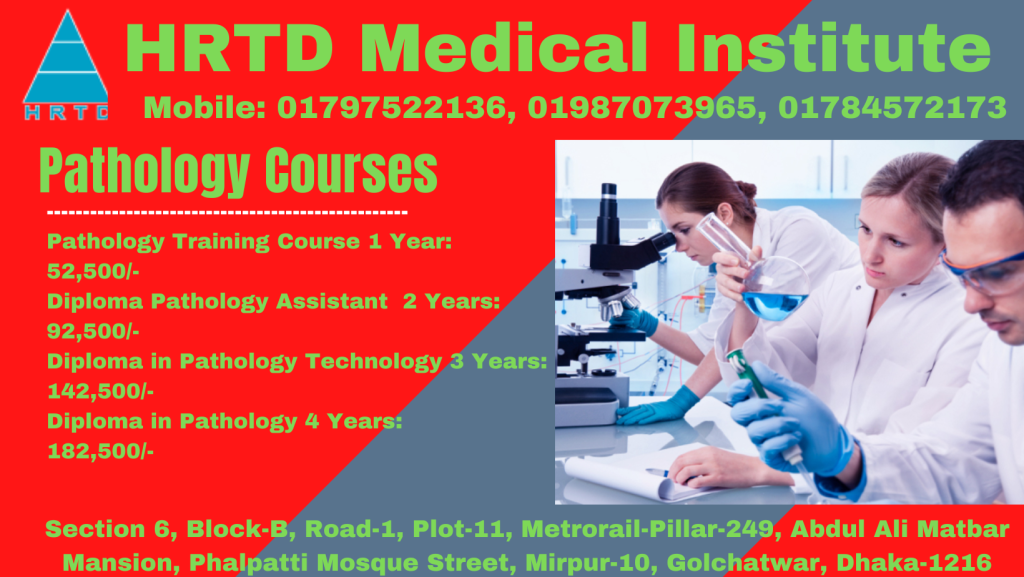
What does a pathologist do?
A pathologist is a medical doctor who specializes in the diagnosis of diseases by studying cells and tissues under a microscope. Pathologists play an important role in the medical field, as they are responsible for determining the cause of a patient’s illness or injury.
Pathologists typically work in a laboratory setting and study biological samples such as blood, tissue, and body fluids. By analyzing these samples, they are able to detect the presence of certain diseases, such as cancer, and determine the best course of treatment. Pathologists also examine the effects of certain medications and treatments on the body, helping to develop more effective treatments.
Pathologists use a variety of methods to diagnose diseases, including microscopy, immunohistochemistry, cytogenetic analysis, and molecular testing. They also use laboratory techniques to monitor the progress of a patient’s disease, as well as to help determine the best course of treatment.
Pathologists are also involved in the teaching and research aspects of medicine. They often teach medical students about diseases, their diagnosis, and the best treatment options. They also conduct research in order to develop new diagnostic techniques, treatments, and medicines. Pathologists play a vital role in the medical field and are instrumental in helping to diagnose and treat diseases.
HRTD Medical Institute