 HRTD Medical Institute

Diploma in Physiotherapy Mobile No. 01969947171, 01987-073965, 01797522136
Diploma in Physiotherapy 4 Years. Mobile Phone Number : 01969947171, 01797522136, 01987073965. The Diploma in Physiotherapy is a 4-year physiotherapy Diploma Course that contains 30 subjects in 8 semesters. It is available at HRTD Medical Institute, situated in Mirpur-10 Golchattar, Dhaka-1216.
Short Summary of Diploma in Physiotherapy Course:
This long course of Physiotherapy contains 30 subjects in 8 semesters. 1st Semester contains 5 subjects. The subjects are Human Anatomy & Physiology, Chemistry & Pharmacology, First Aid & Treatment, Hematology & Pathology, and the Study of OTC Drugs & Medicine. 2nd semester of this long physiotherapy diploma course contains 5 subjects. The subjects are Orthopedic Anatomy & Physiology, Neuroanatomy & Physiology, Cardiovascular Anatomy & Physiology, Electro Physics, and the Study of TENS.
The third semester of this course contains four subjects: microbiology, bone joints and diseases, Clayton’s electrotherapy-1, and therapeutic exercise. The fourth semester contains four subjects: community medicine-1, electrotherapy and Hydrotherapy, Clayton’s Electrotherapy-2, and Therapeutic Exercise.
Hostel Facilities in HRTD Medical Institute for Diploma in Physiotherapy (DIP) 4 Years
Hostal & Meal Facilities
The Institute has hostel facilities for the students. Students can take a bed in the hostel.
Hostel Fee Tk 3000/- Per Month
Meal Charges Tk 3000/- Per Month. ( Approximately )
হোস্টাল ও খাবার সুবিধা
ইনস্টিটিউটে শিক্ষার্থীদের জন্য হোস্টেল সুবিধা রয়েছে। ছাত্ররা হোস্টেলে বিছানা নিতে পারে।
হোস্টেল ফি 3000/- টাকা প্রতি মাসে,
খাবারের চার্জ 3000/- টাকা প্রতি মাসে।(প্রায়)
Teachers For Diploma in Physiotherapy (DIP) 4 Years
- Dr. Md. Sakulur Rahman, MBBS, CCD (BIRDEM), Course Director
- Dr. Sanjana Binte Ahmed, BDS, MPH, Assistant Course Director
- Dr. Tisha, MBBS, PGT Gyne, Assistant Course Director
- Dr. Suhana, MBBS, PGT Medicine
- Dr. Danial Hoque, MBBS, C-Card
- Dr. Tisha, MBBS
- Dr. Afrin Jahan, MBBS, PGT Medicine
- Dr. Ananna, MBBS
- Dr. Lamia Afroze, MBBS
- Dr. Amena Afroze Anu, MBBS, PGT Gyne, Assistant Course Director
- Dr. Farhana Antara, MBBS,
- Dr. Nazmun Nahar Juthi, BDS, PGT
- Dr. Farhana Sharna, MBBS
- Dr. Bushra, MBBS
- Dr. Turzo, MBBS
- Dr. Kamrunnahar Keya, BDS, PGT (Dhaka Dental College)
- Dr. Shamima, MBBS, PGT Gyne
- Dr. Alamin, MBBS
- Dr. Benzir Belal, MBBS
- Dr. Disha, MBBS
- Dr. Mahinul Islam, MBBS
- Dr. Tisha, MBBS, PGT Medicine
- Dr. Anika, MBBS, PGT
- Dr. Jannatul Ferdous, MBBS, PGT Gyne
- Dr. Jannatul Aman, MBBS, PGT
- Dr. Rayhan, BPT
- Dr. Abu Hurayra, BPT
- Dr. Sharmin Ankhi, MBBS, PGT Medicine
- Md. Monir Hossain, B Pharm, M Pharm
- Md. Monirul Islam, B Pharm, M Pharm
- Md. Feroj Ahmed, BSc Pathology, PDT Medicine
Total Subjects for Diploma in Physiotherapy 4 Years Course
1st Year Subjects ( 1st Semester and 2nd Semester)
- Human Anatomy & Physiology
- Chemistry & Pharmacology-1
- First Aid & Treatment
- Hematology & Pathology
- Study of OTC Drugs
- Orthopedic Anatomy & Physiology
- Neuro Anatomy & Physiology
- Cardiovascular Anatomy & Physiology
- Electro Physics
- Study of TENS
2nd Year Subjects ( 3rd Semester & 4th Semester)
- Microbiology and Antimicrobial Drugs
- Bone Joints & Diseases
- Claytons Electrotherapy-1
- Therapeutic Exercise-1
- Community Medicine-1
- Electrotherapy & Hydrotherapy
- Claytons Electrotherapy-2
- Therapeutic Exercise-2
3rd Year Subjects ( 5th Semester & 6th Semester)
- Anatomy of Backbone
- Back Pain & Physiotherapy Treatment
- Skin Anatomy & Physiology
- Vertebral Muscles & Their Abnormalities
- Physiotherapy Equipment
- Neuromuscular Coordination
4th Year Subjects ( 7th Semester & 8th Semester)
- Management of Hypertension & Hypotension
- Disability & Rehabilitation
- Neurogenic Disorders & Physiotherapy
- Community Medicine-2
- Paralysis & Physiotherapy Treatment
Course Fee Summary
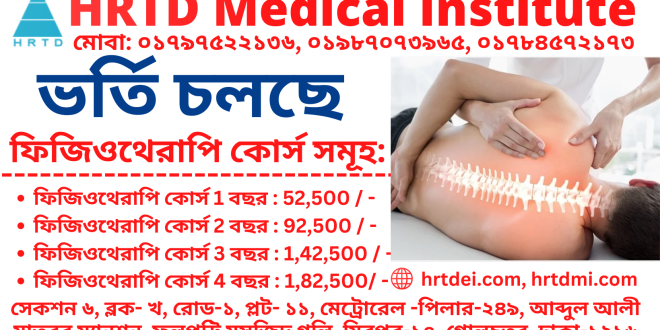
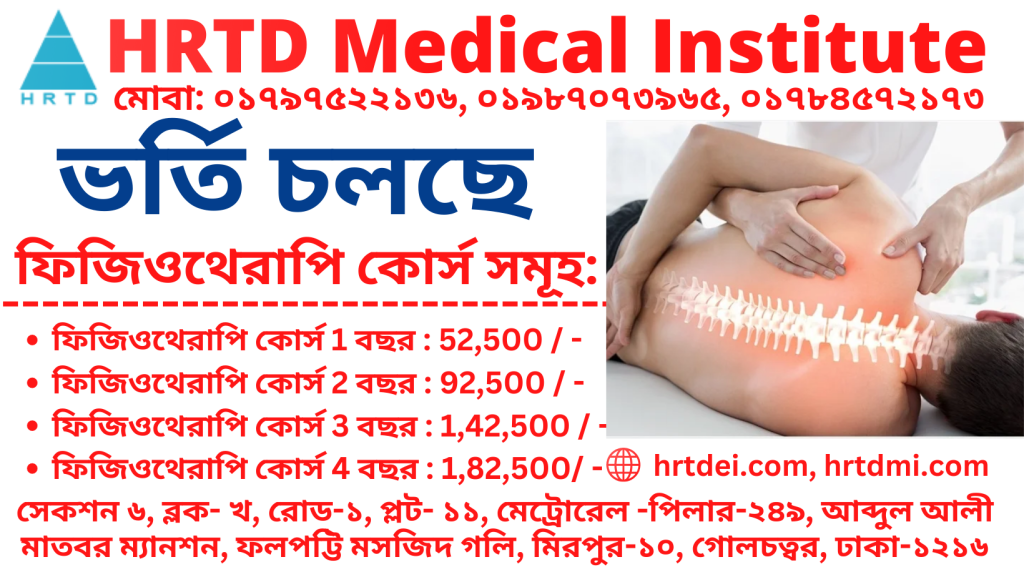
Course fee for 4 years Physiotherapy Diploma Course Tk 1,82,500/- including admission fee Tk 30,500/- Monthly fee Tk 3000/- and exam fee Tk 1000×8 = 8000/-
Location for Diploma in Physiotherapy 4 Years Course
Location for Diploma in Physiotherapy 4 Years Course: Mobile Phone Number 01797522136, 01987073965. HRTD Medical Institute, Abdul Ali Madbor Mansion, Section-6, Block-Kha, Road-1, Plot-11, Metro Rail Piller Number 249, Mirpur-10 Golchattar, Dhaka-1216. This Institute is situated just by the West Side of Agrani Bank and the South Side of Islami Bank and Janata Bank Limited.
Human Anatomy & Physiology For
Physiotherapy Chamber Starting & Establishment
After completing the Diploma in Physiotherapy Course you can start a Physiotherapy chamber in any location in Bangladesh. You need to obtain The Registration and The License from the Respective Authority of the Government of the People’s Republic of Bangladesh. We only help our students obtain registration and licenses for the Starting & Establishment of Physiotherapy Chamber.
ডিপ্লোমা ইন ফিজিওথেরাপি কোর্স সম্পন্ন করার পর আপনি বাংলাদেশের যেকোনো স্থানে একটি ফিজিওথেরাপি চেম্বার শুরু করতে পারেন। আপনাকে গণপ্রজাতন্ত্রী বাংলাদেশ সরকারের সংশ্লিষ্ট কর্তৃপক্ষের কাছ থেকে নিবন্ধন এবং লাইসেন্স পেতে হবে। আমরা শুধুমাত্র আমাদের ছাত্রদের ফিজিওথেরাপি চেম্বারের শুরু ও প্রতিষ্ঠার জন্য নিবন্ধন এবং লাইসেন্স পেতে সাহায্য করি।
Objectives of the Physiotherapy Diploma Course
একজন ফিজিওথেরাপিষ্ট এর পক্ষে একটি ফিজিওথেরাপী চেম্বার বা ফিজিওথেরাপী সেন্টার বা ফিজিওথেরাপী ক্লিনিক ম্যানেজ করা সম্ভব হয় না বা ম্যানেজ করা উচিৎ না । কারন সেখানে থাকে অনেক মেশিনারী এবং অনেক কাজ । যেমন মেশিনারী ম্যানেজমেন্ট, মার্কেটিং ম্যানেজমেন্ট, একাউন্টস ম্যানেজমেন্ট, ফিনেনশিয়াল ম্যানেজমেন্ট, রোগীদের ডেটা ম্যানেজমেন্ট, রোগীদের কাউন্সিলিং ইত্যাদি ।
ফিজিওথেরাপি ৩ বছর/ ৪ বছরের ডিপ্লোমা কোর্স সফলভাবে সমাপ্ত করার পরে, শিক্ষার্থীরা সক্ষম হবে:

(১) ফিজিওথেরাপি সম্পর্কিত অনেক জ্ঞান ও দক্ষতা অর্জন করতে পারবে ।
(২) বিভিন্ন ফিজিওথেরাপি সরঞ্জাম এবং আনুষাঙ্গিক পরিচালনা এবং রক্ষণাবেক্ষণের জ্ঞান ও দক্ষতা অর্জন করতে পারবে ।
(৩) ফিজিওথেরাপি সম্পর্কিত প্রয়োজনীয় ডকুমেন্টেশন বজায় রাখার জ্ঞান ও দক্ষতা অর্জন করতে পারবে ।
(৪) ফিজিওথেরাপি যন্ত্রগুলি পরিচালনার বিপদ এবং তাদের প্রতিরক্ষামূলক জ্ঞান ও দক্ষতা অর্জন করতে পারবে ।
(৫) ফিজিওথেরাপিউটিক কার্যক্রম তদারকি জ্ঞান ও দক্ষতা অর্জন করতে পারবে ।

(৬) ফিজিওথেরাপিউটিক কার্যক্রমের ভবিষ্যত উন্নয়ন ও পরিকল্পনায় অবদান রাখাতে পারবে।
ফিজিওথেরাপি কি ? ফিজিওথেরাপি কেন দেয়া হয়?
ফিজিওথেরাপি হলো একটি বৈজ্ঞানিক, ঔষধবিহীন এবং পেশী-কঙ্কাল বা স্নায়বিক চিকিৎসার পদ্ধতি, যা ব্যায়াম, ম্যাসাজ, তাপ/ঠান্ডা থেরাপি এবং বিশেষ কৌশলের মাধ্যমে শরীরের অচলতা বা ব্যথা দূর করে কার্যক্ষমতা স্বাভাবিক করতে সাহায্য করে । এটি মূলত আঘাত, রোগ, বা অস্ত্রোপচারের পর রোগীর নড়াচড়া বৃদ্ধি, ব্যথা উপশম এবং পুনর্বাসনের জন্য দেওয়া হয় ।
ফিজিওথেরাপি কেন দেওয়া হয় (প্রধান কারণসমূহ):
- ব্যথা কমানো: পিঠ, ঘাড়, কোমর বা বাতের ব্যথা দীর্ঘস্থায়ী সমস্যাগুলো ঔষধ ছাড়া উপশম করতে ।
- চলাচল ও শারীরিক ক্ষমতা বৃদ্ধি: হার্ট অ্যাটাক, স্ট্রোক, বা মস্তিষ্কের আঘাতের পর শরীরের স্বাভাবিক নড়াচড়া ও ভারসাম্য ফিরিয়ে আনতে ।
- পুনর্বাসন (Rehabilitation): হাড় ভাঙা, হাড় জোড়া লাগানো বা বড় কোনো অপারেশনের পর শরীরের ক্ষতিগ্রস্ত অংশকে পুনরায় শক্তিশালী করতে ।
- স্পোর্টস ইনজুরি নিরাময়: খেলার মাঠের আঘাত, মচকানো বা পেশীর টানের দ্রুত চিকিৎসা ও সুস্থতার জন্য ফিজিওথেরাপি কি ? ফিজিওথেরাপি কেন দেয়া হয়?।
- শ্বাসকষ্ট দূর করা: এজমা বা অন্যান্য দীর্ঘস্থায়ী ফুসফুসের সমস্যায় ফুসফুসের ক্ষমতা বৃদ্ধিতে ।
Class System for Physiotherapy Courses
Weekly Class 3 hours. For Regular Students Friday 1 hour, Saturday 1 hour, and Monday 1 hour. For Job holders, Friday is 3 hours, or Monday is 3 hours. Morning Shift 9:00 am to 12:00 pm, and Evening Shift 3:00 pm to 6:00 pm.
Human Anatomy and Physiology for Diploma in Physiotherapy
The Study of the body Structure and its function is Anatomy & Physiology. Here we discuss the systems of the human body and its organ, Tissues, and cells. The systems of the human body are the digestive system, Respiratory system, Cardiovascular system, Skeletal system, Muscular system, nervous system, Endocrine system, Immune System, Integumentary System and Urinary System.
Human Anatomy and Physiology is the study of the body’s structures (anatomy) and their functions (physiology). Anatomy focuses on the physical arrangement of cells, tissues, organs, and systems, while physiology explains how these structures work together to maintain life processes like movement, metabolism, and reproduction. The two are intertwined, as a structure’s form determines its function, and understanding one requires understanding the other.
Anatomy
- Definition:The scientific study of the body’s structures and their physical arrangement.
- Levels of Study:Can be studied at different levels, including:
- Gross Anatomy: The study of structures visible without a microscope, such as organs and organ systems.
- Microscopic Anatomy (Histology): The study of tissues and cells using a microscope.
- Methods of Study:Historically involved dissection, but now also uses advanced imaging techniques like MRI and CT scans to visualize structures in living people.
Physiology
- Definition: The study of how the body’s structures function to sustain life.
- Key Concepts:
- Complementarity of Structure and Function: The shape and form of a body structure are directly related to what it can do.
- Homeostasis: The body’s ability to maintain a stable internal environment, which is essential for survival.
- Examples: Studying how the heart regulates blood flow or how muscles contract and bring bones together.
Major Body Systems
Understanding human anatomy and physiology involves studying the body’s major systems, including:
Musculoskeletal System, Circulatory System, Nervous System, Digestive System, Respiratory System, Integumentary System, Endocrine System, Lymphatic System, Urinary System, and Reproductive System.
Why It’s Important
- Health Professions:It is a fundamental science for careers in medicine and other health fields.
- Personal Health:Knowledge of the human body helps in making informed health decisions and understanding medical information.
Pharmacology-1 for Diploma in Physiotherapy 4 Years Course
Pharmacology is a broad field, but some areas are consistently considered high-yield and important. These include general principles like pharmacokinetics and pharmacodynamics, as well as specific drug classes and their mechanisms of action, particularly those related to the autonomic nervous system (ANS), central nervous system (CNS), and cardiovascular system (CVS). Additionally, understanding adverse drug reactions (ADRs), drug interactions, and clinical pharmacology is crucial.
General Pharmacology:
Pharmacogenetics : This field explores how genetic variations influence drug response, including individual differences in drug metabolism and efficacy.
Pharmacokinetics: This branch deals with how the body processes a drug, including absorption, distribution, metabolism, and excretion. Key concepts include bioavailability, first-pass metabolism, and kinetics of elimination (e.g., first-order vs. zero-order).
Pharmacodynamics: This area focuses on how drugs affect the body, including receptor interactions, drug-receptor binding, and the resulting physiological effects. Understanding dose-response relationships, including graded and quantal dose-response curves, is essential.
Drug Interactions: This involves understanding how multiple drugs can affect each other’s effects, including synergistic, antagonistic, and additive interactions.
Adverse Drug Reactions: This area focuses on understanding the potential harmful effects of drugs, including types of reactions, risk factors, and how to manage them.
Drug Regulation and Ethics: Understanding drug schedules, essential medicines lists, and the process of drug development (clinical trials) is important.
Specific Organ Systems:
- Autonomic Nervous System (ANS): This includes drugs that affect the sympathetic and parasympathetic nervous systems, including agonists and antagonists of adrenergic and cholinergic receptors. Important topics include the autonomic nervous system pathways, neurotransmitters, and specific drug classes like beta-blockers, cholinergics, and anticholinergics.
- Cardiovascular System: This area covers drugs used to treat hypertension, angina, heart failure, arrhythmias, and hyperlipidemia. Important topics include antihypertensives, antianginal drugs, antiarrhythmics, and lipid-lowering agents.
- Central Nervous System (CNS): This includes drugs that affect the brain and spinal cord, such as anesthetics, antiepileptics, antipsychotics, antidepressants, and drugs for neurodegenerative diseases. Important topics include local anesthetics, general anesthetics, drugs for Parkinson’s disease and epilepsy, and drugs for psychiatric disorders.
- Respiratory System: This includes drugs used to treat asthma, COPD, and other respiratory conditions.
- Endocrine System: This area covers drugs used to treat diabetes, thyroid disorders, and other endocrine conditions.
- Anti-infective Agents: This includes antibacterial, antiviral, antifungal, and antiparasitic drugs. Important topics include mechanisms of action, resistance, and specific drug classes.
Other Important Topics:
- Pharmacogenomics/Pharmacogenetics: The study of how genes affect a person’s response to drugs.
- Drug Resistance: Understanding how microorganisms develop resistance to antimicrobial drugs.
- Anti-inflammatory and Immunomodulatory Drugs: Including NSAIDs, corticosteroids, and immunosuppressants.
First Aid for Diploma in Physiotherapy 4 Years Course
The most important topics in first aid focus on preserving life, preventing deterioration, and promoting recovery. Key life-saving topics and skills include scene assessment, Cardiopulmonary Resuscitation (CPR), managing severe bleeding and choking, and addressing common medical emergencies.
Core First Aid Principles
Effective first aid is guided by a few core principles and an action plan to manage any incident safely and promptly:
- DRSABCD Action Plan: A widely taught mnemonic (Danger, Response, Send for help, Airway, Breathing, CPR, Defibrillation) that provides a systematic approach to emergencies.
- Scene Safety: The very first priority is to ensure the area is safe for yourself, bystanders, and the casualty before providing any aid.
- Calling for Help: Promptly calling emergency services is a critical step in any serious emergency.
- Personal Protection Equipment (PPE): Using gloves and breathing barriers helps prevent cross-infection from blood or bodily fluids.
Very Important Topics and Skills
The following topics cover essential, life-saving skills everyone should know:
| Topic | Key Skill / Action |
|---|---|
| Cardiac Arrest | Cardiopulmonary Resuscitation (CPR) and the use of an Automated External Defibrillator (AED) are vital for manually circulating blood and restoring heart rhythm until professional help arrives. |
| Choking | Knowing the Heimlich maneuver (abdominal thrusts) or back blows to clear an obstructed airway can be immediately life-saving. |
| Severe Bleeding | Applying direct, firm pressure to a wound with a clean cloth and, if necessary, elevating the injured limb or using a tourniquet can control excessive blood loss. |
| Shock | Recognizing signs of shock (pale, cold, clammy skin) and managing it by laying the person down, raising their legs, and keeping them warm are important. |
| Unconsciousness / Recovery Position | Placing an unconscious but breathing person into the recovery position helps ensure their airway remains clear and prevents them from choking on their own fluids. |
| Burns | Knowing how to treat different degrees of burns, typically using cool running water, and when to seek immediate medical attention. |
| Medical Emergencies | Recognizing the signs of common emergencies like heart attacks (chest pain, sweating, dizziness) and strokes (using the F.A.S.T. acronym: Face, Arm, Speech, Time) for a rapid response is crucial. |
Where to Learn More
Formal training provides hands-on practice and certification, which is highly recommended. You can find courses through authoritative organizations:
- American Red Cross
- St John Ambulance
- Bangladesh Red Crescent Society (BDRCS)
- National Safety Council
Study of OTC Drugs for Diploma in Physiotherapy 4 Years Course
The study of Over-The-Counter (OTC) drugs is an important topic in healthcare research, focusing on responsible self-medication, potential for misuse, patient education, safety considerations in specific populations, and regulatory oversight.
Key aspects and important topics include:
1. Responsible Self-Care and Benefits
OTC medicines allow individuals to manage minor, self-limiting ailments (such as mild headaches, fever, cough, cold, pain, and acidity) quickly and at a lower cost, reducing the burden on healthcare systems. Studies show a high prevalence of OTC drug usage for these conditions.
2. Risks, Misuse, and Abuse
Despite their benefits, the widespread use and easy availability of OTC drugs lead to significant risks:
- Adverse effects and drug interactions: OTC medicines can interact with other prescription drugs, foods, and existing health conditions (e.g., high blood pressure or liver disease).
- Overdosing and long-term side effects: Misuse of common medications like acetaminophen can lead to liver damage. Long-term, irrelevant use can initiate permanent chronic diseases.
- Masking serious illnesses: Using OTC drugs might mask the symptoms of a more serious underlying condition, delaying proper medical diagnosis and treatment.
- Abuse for psychoactive effects: Some OTC drugs containing ingredients like codeine or dextromethorphan are abused for their psychoactive effects.
3. Patient Knowledge and Education
Research consistently highlights gaps in public and even health science students’ knowledge about the safe use of OTC products. Important topics in this area include:
- Awareness of safety and risks: Many users mistakenly believe that all OTC drugs are inherently safe.
- Reading medication leaflets/labels: Studies show varying rates of people reading instructions and warnings on packaging.
- Influence of advertising and social circles: Commercial advertising and peer recommendations play a major role in driving OTC use, sometimes leading to irrational choices.
- Consulting pharmacists: The role of pharmacists is crucial in guiding patients toward responsible use, though consultation rates vary.
4. Special Populations
Certain populations require extra caution when using OTC drugs:
- Pregnant and breast-feeding women: These groups need to be extra cautious and consult healthcare professionals.
- Children and infants: Health authorities often advise against giving certain cough and cold medications to young children due to potential life-threatening side effects.
5. Regulatory Oversight and Policy
The regulation of OTC drugs is a vital topic, especially in countries where a clear legal definition for “OTC” is lacking. Key issues include:
- Formal classification of drugs: Establishing clear legal categories for OTC medicines helps in better regulation of their sale and distribution.
- Enforcing prescription drug rules: Strict regulations are needed to prevent the illegal over-the-counter sale of prescription-only medications, a rampant issue in some regions.
- Labeling standards: Clear, simple-to-understand “Drug Facts” labels (as in the US) are essential for safe use without medical guidance.
- Online pharmacies: The rise of online sales necessitates stringent regulatory mechanisms to prevent misuse and abuse.
In conclusion, studying OTC drugs involves a balance between promoting self-care and mitigating the significant public health risks associated with their misuse. This calls for a multi-faceted approach involving education, strong regulation, and the active involvement of healthcare professionals like pharmacists.
Practice of Medicine for Diploma in Physiotherapy 4 Years Course
The most important topics in the practice of medicine span foundational knowledge, core clinical areas, and essential professional skills.
Foundational Knowledge
A strong grasp of the basic sciences is crucial, as clinical medicine is built upon these principles:
- Anatomy & Physiology: Essential for understanding normal bodily functions and physical examination.
- Pathology: Understanding disease mechanisms is fundamental to diagnosis and management.
- Pharmacology: Critical for safe and effective drug therapy and understanding drug interactions.
- Microbiology/Immunology: Key for understanding infectious diseases and the body’s immune responses.
- Biochemistry and Genetics: Important for understanding metabolic processes, inherited diseases, and modern genomic medicine.
Core Clinical Areas (Internal Medicine)
Medical practice heavily focuses on diagnosing and managing diseases across various body systems. Key areas and topics include:
| System | Important Topics |
|---|---|
| Cardiovascular (CVS) | Myocardial infarction (MI), congestive heart failure, hypertension, arrhythmias (e.g., atrial fibrillation), infective endocarditis, and rheumatic heart disease. |
| Respiratory (RS) | Asthma (acute severe asthma management), COPD, pneumonia (community-acquired and nosocomial), tuberculosis, pulmonary embolism, and lung carcinoma. |
| Renal | Acute kidney injury (AKI), chronic kidney disease (CKD), nephrotic and nephritic syndromes, and electrolyte imbalances (hyperkalemia, hyponatremia). |
| Gastroenterology (GIT) | Peptic ulcer disease, H. pylori management, liver cirrhosis and its complications (ascites, hepatic encephalopathy), inflammatory bowel disease (IBD), and acute pancreatitis. |
| Endocrinology | Diabetes mellitus (including DKA and hyperosmolar coma), thyroid disorders (hypo/hyperthyroidism, thyroid storm), and adrenal insufficiency. |
| Neurology | Stroke (ischemic and hemorrhagic), meningitis, epilepsy and status epilepticus, Parkinson’s disease, Alzheimer’s disease, and Guillain-Barré syndrome. |
| Infectious Diseases | HIV/AIDS, malaria, dengue, typhoid, hepatitis B and C, and emerging infectious diseases (e.g., COVID-19). |
| Hematology | Anemias (iron deficiency, megaloblastic, aplastic), leukemias, lymphomas, and bleeding/platelet disorders. |
Essential Professional Skills and Topics
Beyond disease-specific knowledge, successful medical practice requires competency in:
- Clinical Skills: History taking, physical examination, and diagnostic reasoning.
- Communication Skills: Effective interaction with patients and the healthcare team.
- Medical Ethics and Law: Adhering to professional conduct, ensuring patient safety, and navigating legal issues.
- Evidence-Based Medicine: Integrating individual expertise with the best available clinical evidence for patient care decisions.
- Patient Safety and Quality Improvement: Understanding how to reduce medical errors and improve care delivery.
- Public Health and Prevention: Understanding disease prevention, nutrition, lifestyle impacts on health, and the social determinants of health.
Hematology for Diploma in Physiotherapy 4 Years Course
Very important topics in hematology include anemia, blood cancers (like leukemia and lymphoma), coagulation disorders (such as hemophilia), and blood cell production and function. Other key areas are red and white blood cell counts, platelet function, blood transfusions, and the study of hemoglobinopathies like sickle cell disease.
Core concepts and physiology
- Hemopoiesis: The process of blood cell formation in the bone marrow.
- Blood cell types: The structure, function, and types of erythrocytes (red blood cells), leukocytes (white blood cells), and platelets.
- Blood coagulation: The body’s mechanism for stopping bleeding, including primary and secondary hemostasis.
- Hemoglobin: The protein in red blood cells that carries oxygen and the study of related disorders.
Important disorders
- Anemia: A broad category of conditions where there aren’t enough healthy red blood cells to carry adequate oxygen, including different types of anemia.
- Hematological malignancies: Cancers of the blood, such as leukemia, lymphoma, and multiple myeloma.
- Bleeding and clotting disorders: Conditions like hemophilia and thrombotic disorders that involve problems with the coagulation system.
- Hemoglobinopathies: Genetic disorders affecting hemoglobin, with sickle cell disease being a prominent example.
Diagnosis and management
- Complete Blood Count (CBC): A standard test that provides a broad overview of blood health, including red blood cells, white blood cells, and platelets.
- Blood transfusion: The process of transferring blood and the associated hazards and management.
- Coagulation tests: Laboratory tests like PT, PTT, and INR used to evaluate bleeding and clotting disorders.
- Hematopoietic stem cell transplantation: A procedure used to treat certain blood disorders and cancers.
Pathology for Diploma in Physiotherapy 4 Years Course
Very important topics in pathology include General Pathology (cell injury, inflammation, neoplasia), Hematology (anemias, lymphomas, leukemia), and Systemic Pathology across multiple organ systems like the cardiovascular, respiratory, gastrointestinal, and renal systems. Key concepts include cell injury (necrosis, apoptosis), inflammation (mediators, chronic vs. acute), neoplasia (carcinogenesis, tumor markers), and genetic diseases.
General Pathology
- Cell Injury: Reversible and irreversible injury, necrosis, apoptosis, and free radical injury.
- Inflammation: Acute and chronic inflammation, inflammatory mediators, and healing.
- Hemodynamic Disorders: Edema, hemorrhage, thrombosis, embolism, infarction, and shock.
- Neoplasia: General aspects, cell cycle, carcinogenesis, and tumor markers.
- Immunopathology: Hypersensitivity reactions, immunodeficiency disorders, and autoimmune diseases.
- Genetic Diseases: Mendelian inheritance patterns, chromosomal abnormalities, and diagnosis of genetic disorders.
Hematology
- Anemias: Iron deficiency, megaloblastic, hemolytic, sickle cell, and thalassemia.
- Leukemia and Lymphoma: Acute and chronic leukemias, lymphomas, and plasma cell disorders.
- Blood Bank: Blood group systems and transfusion reactions.
- Coagulation: Coagulation disorders, hypercoagulable states, and disseminated intravascular coagulation (DIC).
Systemic Pathology
- Cardiovascular: Atherosclerosis, myocardial infarction, cardiomyopathy, and valvular heart disease.
- Respiratory: Pneumoconiosis, asthma, chronic obstructive pulmonary disease (COPD), and lung cancer.
- Gastrointestinal: Peptic ulcers, inflammatory bowel diseases, malabsorption syndromes, and esophageal diseases.
- Renal: Glomerulonephritis, renal failure, and diseases of the urinary tract.
- Liver: Hepatitis, cirrhosis, and gallstones.
- Central Nervous System: Neurodegenerative diseases, stroke, and brain tumors.
- Skin and Endocrine Systems: Also important areas, particularly for hormonal imbalances and skin conditions.
Cardiovascular Anatomy & Physiology for Diploma in Physiotherapy 4 Years Course
Cardiovascular Anatomy is a branch of Anatomy, and Cardiovascular Physiology is a branch of Physiology. These two subjects are related to cardiology. Cardiovascular Anatomy and Physiology are being studied in a single subject for Diploma Medical Courses, Paramedical Courses, and All Short Medical Courses.
কার্ডিওভাসকুলার অ্যানাটমি হল অ্যানাটমির একটি শাখা এবং কার্ডিওভাসকুলার ফিজিওলজি হল ফিজিওলজির একটি শাখা। এই দুটি বিষয় কার্ডিওলজি সম্পর্কিত। কার্ডিওভাসকুলার অ্যানাটমি এবং ফিজিওলজি ডিপ্লোমা মেডিকেল কোর্স, প্যারামেডিক্যাল কোর্স এবং সমস্ত শর্ট মেডিকেল কোর্সের জন্য একটি একক বিষয়ে অধ্যয়ন করা হচ্ছে।
We discuss here the Anatomy of the Heart, Cardiac Chambers, Cardiac Valves, Cardiac Wall, Cardiac Septum, Right Heart, Left Heat, Function of Right Heat, Functions of Left Heart, Aorta, Venecava, Artery, Vein, Capillary, Pulmonary Blood Circulation, Cerebral Blood Circulation, Renal Blood Circulation, Hepatic Blood Circulation, Portal Vein and Portal Circulation, Heart Beat, Pulse, Pulse Rate, Tachycardia, Bradycardia, Blood Pressure, Normal Blood Pressure, Hypertension, Hypotension, Stroke Volume, Cardiac Output, Heart Failure, etc. This Subject is the most essential for the Diploma in Medicine and Diploma in Surgery Course.
আমরা এখানে হার্টের অ্যানাটমি, কার্ডিয়াক চেম্বার, কার্ডিয়াক ভালভ, কার্ডিয়াক ওয়াল, কার্ডিয়াক সেপ্টাম, ডান হার্ট, বাম তাপ, ডান তাপের ফাংশন, বাম হার্টের কাজ, অ্যাওর্টা, ভেনেকাভা, ধমনী, শিরা, কৈশিক, পালমোনারি রক্ত সঞ্চালন নিয়ে আলোচনা করি। , সেরিব্রাল ব্লাড সার্কুলেশন, রেনাল ব্লাড সার্কুলেশন, হেপাটিক ব্লাড সঞ্চালন, পোর্টাল ভেইন এবং পোর্টাল সঞ্চালন, হার্ট বিট, পালস, পালস রেট, টাকাইকার্ডিয়া, ব্র্যাডিকার্ডিয়া, রক্তচাপ, স্বাভাবিক রক্তচাপ, উচ্চ রক্তচাপ, হাইপোটেনশন, স্ট্রোক ভলিউম, কার্ডিয়াক আউটপুট, হার্ট ফেইলিউর ইত্যাদি। ডিপ্লোমা ইন মেডিসিন এবং ডিপ্লোমা ইন সার্জারি কোর্স।
Orthopedic Anatomy for Diploma in Physiotherapy 4 Years Course
Orthopedic anatomy focuses on the structure, function, and relationships of the musculoskeletal system, encompassing bones, joints, muscles, tendons, ligaments, and nerves. Key topics for study in orthopedics, ranging from undergraduate to postgraduate levels, are structured around regional anatomy, trauma management, pathology, and developmental disorders.
Here are the main topics in Orthopedic Anatomy:
1. Fundamental Musculoskeletal Anatomy
- Bone Structure and Function: Study of cortical and cancellous bone, ossification, and bone metabolism.
- Joint Anatomy: Structure of joints, articular cartilage, ligaments, and synovial membranes.
- Muscles and Tendons: Anatomy of major muscle groups, including origins, insertions, nerve supply, and action.
- Growth Plate (Physis): Structure and role in endochondral ossification, particularly for pediatric orthopedics.
2. Regional Anatomy and Clinical Conditions
- Shoulder and Arm: Rotator cuff, glenohumeral joint, biceps, brachial plexus, and associated nerves.
- Elbow and Forearm: Humerus (proximal and shaft), forearm bones (radius/ulna), nerve anatomy (radial, ulnar, median).
- Wrist and Hand: Carpal bones, scaphoid, metacarpals, phalanges, and hand tendons.
- Spine and Vertebral Column: Cervical, thoracic, and lumbar spine, spinal cord, disc anatomy, and surrounding musculature.
- Hip and Thigh: Hip joint capsule, femur (neck and shaft), gluteal muscles, and pelvic anatomy.
- Knee and Leg: Knee joint (ligaments and menisci), patella, tibia, and fibula.
- Ankle and Foot: Ankle mortise, talus, calcaneum, and arches of the foot.
3. Traumatology (Skeletal Trauma)
- Fracture Principles: Definition, classification, healing mechanisms (primary vs. secondary), and factors affecting healing.
- Specific Fracture Management: Common fractures like Clavicle, Supracondylar Humerus, Colles, Hip, Femur Shaft, Patella, Tibia, and Calcaneum.
- Dislocations: Shoulder, elbow, hip, and knee dislocations.
- Complications of Fractures: Compartment syndrome, fat embolism, myositis ossificans, Avascular Necrosis (AVN), and Non-union/Delayed union.
4. Orthopedic Pathology and Disorders
- Infections: Acute and chronic osteomyelitis, septic arthritis, and Tuberculosis (Pott’s spine).
- Bone Tumors: Benign (osteochondroma, giant cell tumor) and Malignant (osteosarcoma, Ewing’s sarcoma) tumors.
- Metabolic Diseases: Rickets, Osteomalacia, Osteoporosis, and Hyperparathyroidism.
- Degenerative Disorders: Osteoarthritis, rheumatoid arthritis, and spondylosis.
5. Specialized Areas
- Pediatric Orthopedics: Congenital Dislocation of Hip (CDH/DDH), Congenital Talipes Equinovarus (CTEV/Clubfoot), and Perthes’ disease.
- Neuromuscular Disorders: Cerebral palsy and poliomyelitis.
- Peripheral Nerve Injuries: Brachial plexus injury, radial, ulnar, and median nerve injuries.
6. Surgical Anatomy and Techniques
- Surgical Approaches: Knowledge of safe, anatomical approaches to bones and joints.
- Implants and Fixation: Techniques for internal (plates, nails, screws) and external fixation.
- Amputations: Indications, levels, and anatomical considerations.
High-Yield Anatomy Topics (for Exams)
- Sciatic nerve and its branches.
- Brachial plexus anatomy.
- Rotator cuff muscles.
- Blood supply to the femoral head.
- Ligaments of the knee joint.
Microbiology and Antimicrobial Drugs for Diploma in Physiotherapy
The Study of Microorganisms is called Microbiology. The Drugs that are used for the treatment of Infectious Diseases are Antimicrobial Drugs. Microorganisms are Bacteria, Protozoa, Fungus, and Virus. Antimicrobial Drugs are Antibiotic Drugs ( Antibacterial Drugs), Anti Protozoal Drugs, Anti Fungal Drugs, and Anti Viral Drugs. Antibacterial Drugs are Azithromycin, Erythromycin, Clarithromycin, Cefaclor, Cefixime, Cefuroxime, Ceftriaxone, Ciprofloxacin, Moxifloxacin, Doxicicline, Gentamycin, Neomycin, Flucloxacillin, Amoxicillin, Clindamycin, etc. Antiprotozoal Drugs are Metronidazole, Secnidazole, Tinidazole, Ornidazole, Nitazoxanide, etc. Antifungal Drugs are Fluconazole, Ketoconazole, Itraconazole, Econazole, Miconazole, Terbinafine, etc.
অণুজীবের অধ্যয়নকে মাইক্রোবায়োলজি বলা হয়। সংক্রামক রোগের চিকিত্সার জন্য যে ওষুধগুলি ব্যবহার করা হয় তা হল অ্যান্টিমাইক্রোবিয়াল ড্রাগ। অণুজীব হল ব্যাকটেরিয়া, প্রোটোজোয়া, ফাঙ্গাস এবং ভাইরাস। অ্যান্টিমাইক্রোবিয়াল ড্রাগগুলি হল অ্যান্টিবায়োটিক ড্রাগস (অ্যান্টিব্যাকটেরিয়াল ড্রাগস), অ্যান্টি প্রোটোজোয়াল ড্রাগস, অ্যান্টি ফাঙ্গাল ড্রাগস এবং অ্যান্টি ভাইরাল ড্রাগস। ব্যাকটেরিয়ারোধী ওষুধগুলি হল Azithromycin, Erythromycin, Clarithromycin, Cefaclor, Cefixime, Cefuroxime, Ceftriaxone, Ciprofloxacin, Moxifloxacin, Doxicicline, Gentamycin, Neomycin, Flucloxacillin, Amoxicillin, ক্লিন্ডাজোল, ক্লিন্ডামাইসিন, ক্লিনিডামাইসিন ইত্যাদি। Secnidazole, Tinidazole, Ornidazole, Nitazoxanide, ইত্যাদি অ্যান্টিফাঙ্গাল ওষুধ হল Fluconazole, Ketoconazole, Itraconazole, Econazole, Miconazole, Terbinafine ইত্যাদি।
Treatment/Practice of Medicine for Diploma in Physiotherapy
The study of Disease and Treatment is called the Practice of Medicine. This subject is important for a Diploma Medical Practitioner, Diploma Medical Assistant, and Rural Medical Practitioner. This subject discusses some common diseases. The discussion points for the Practice of Medicine are the Definition of Disease, Causes of Disease, Clinical Features of Disease ( Symptoms and Signs), Investigation of Disease, Treatment of Disease, Complication of Disease, and Advice for the Patients. To understand the diseases, the movement of doctors, and their prescriptions, this subject should be studied by physiotherapy students.
রোগ ও চিকিৎসার অধ্যয়নকে বলা হয় মেডিসিনের অনুশীলন। এই বিষয় একজন ডিপ্লোমা মেডিকেল প্র্যাকটিশনার, ডিপ্লোমা মেডিকেল অ্যাসিস্ট্যান্ট এবং গ্রামীণ চিকিৎসা অনুশীলনকারীর জন্য গুরুত্বপূর্ণ। এই বিষয়ে কিছু সাধারণ রোগ নিয়ে আলোচনা করা হয়েছে। মেডিসিন অনুশীলনের আলোচনার বিষয়গুলি হল রোগের সংজ্ঞা, রোগের কারণ, রোগের ক্লিনিক্যাল বৈশিষ্ট্য (লক্ষণ এবং লক্ষণ), রোগের তদন্ত, রোগের চিকিৎসা, রোগের জটিলতা এবং রোগীদের জন্য পরামর্শ। রোগগুলি, ডাক্তারদের গতিবিধি এবং তাদের প্রেসক্রিপশন বোঝার জন্য, এই বিষয়টি ফিজিওথেরাপি শিক্ষার্থীদের দ্বারা অধ্যয়ন করা উচিত।
Therapeutic Exercise-1 for Diploma in Physiotherapy
Exercise Therapies are discussed in Therapeutic Exercise. After completing Theory Classes, Practical Classes are done. Topics for Therapeutic Exercise-1 are Lever, Types of Lever, 1st Degree Lever, Pulley, Types of Pulley, Movable Pulley, Energy, Types of Energy, Kinetic Energy, Axis, Types of Axis, Plane, Types of Plane, Names of Shoulder Movement, Names of Hip Movement, Names of Wrist Movement, MCP Movement, Range of Motion of Elbow Joint, Muscle action, Types of Muscle action, Muscle work, Types of Muscle work, Types of Fundamental Position, Pelvic tilt, Types o Pelvic tilt, Relax Passive Movement, Indication of Relax Passive Movement, Contraindication of Relax Passive Movement,
ব্যায়াম থেরাপি থেরাপিউটিক ব্যায়াম আলোচনা করা হয়. থিওরি ক্লাস শেষ করার পর ব্যবহারিক ক্লাস করা হয়। থেরাপিউটিক এক্সারসাইজ-১-এর বিষয়গুলো হলো লিভার, লিভারের ধরন, ১ম ডিগ্রি লিভার, পুলি, পুলির প্রকার, চলনশীল পুলি, শক্তি, শক্তির প্রকার, গতিশক্তি, অক্ষ, অক্ষের প্রকার, সমতল, সমতলের ধরন, নাপুল। আন্দোলন, নিতম্ব আন্দোলনের নাম, কব্জির নড়াচড়ার নাম, MCP মুভমেন্ট, কনুই জয়েন্টের গতির পরিসর, পেশীর ক্রিয়া, পেশীর ক্রিয়ার ধরন, পেশীর কাজ, পেশীর কাজের ধরন, মৌলিক অবস্থানের ধরন, শ্রোণী কাত, পেলভিক কাত, শিথিলকরণ, নিষ্ক্রিয় গতির ধরন প্যাসিভ আন্দোলন শিথিল করুন, প্যাসিভ মুভমেন্ট শিথিল করার বিরোধীতা
Types of skeletal muscle fibers, Clinical Examination of the Motor Nervous System, Clinical Examination of the Sensory Nervous System, Clinical Examination of Cranial Nerves, Clinical Examination of the Cardiovascular System, Measurement of the Pelvic Angle of Inclination, Factors affecting the Joint Range of Motion, Starting and Derived Positions, Suspension therapy, Advantage of Suspension therapy, Names of Suspension Instrument, Types of Suspension Therapy, etc.
কঙ্কালের পেশী তন্তুর ধরন, মোটর স্নায়ুতন্ত্রের ক্লিনিকাল পরীক্ষা, সংবেদনশীল স্নায়ুতন্ত্রের ক্লিনিকাল পরীক্ষা, ক্রানিয়াল স্নায়ুর ক্লিনিকাল পরীক্ষা, কার্ডিওভাসকুলার সিস্টেমের ক্লিনিক্যাল পরীক্ষা, পেলভিক প্রবণতার কোণ পরিমাপ, জোড়ের সীমাকে প্রভাবিত করার কারণগুলি , শুরু এবং প্রাপ্ত অবস্থান, সাসপেনশন থেরাপি, সাসপেনশন থেরাপির সুবিধা, সাসপেনশন যন্ত্রের নাম, সাসপেনশন থেরাপির প্রকারভেদ ইত্যাদি।
Therapeutic Exercise-2 for Diploma in Physiotherapy
Topics for Therapeutic Exercise-2 are Force, Types of Force, Center of Gravity, Line of Gravity, Equilibrium, Types of Equilibrium, Second Order Lever, Third Order Lever, Types of Motion, Newton’s Law, Some Anatomical Movement, Flexion, Adduction, Medical Rotation, Eversion, ROM, Types of ROM, Isotonic Muscle Contraction, Physiological changes during exercise, Physiological changes in heart during exercise, Physiological changes in Respiratory System, Spasticity grading, Incoordination test, Goniometry, Types of Goniometer, Movement of Ankle Joint, Movement of Elbow Joint, Movement of Knee Joint, ROM of Supination and Pronation, ROM of Knee Joint, Derived Position of Standing, Derived Position Sitting, Derived Position of Lying, Derived Position of Kneeling, Derived Position of Hanging, Registered Exercise, Types of Registered Exercise, Crutch, Types of Crutch, etc.
থেরাপিউটিক এক্সারসাইজ-২-এর বিষয়গুলো হলো বল, শক্তির ধরন, মাধ্যাকর্ষণ কেন্দ্র, মাধ্যাকর্ষণ রেখা, ভারসাম্য, ভারসাম্যের ধরন, সেকেন্ড অর্ডার লিভার, থার্ড অর্ডার লিভার, গতির ধরন, নিউটনের সূত্র, কিছু শারীরবৃত্তীয় নড়াচড়া, বাঁকানো, আড্ডা। মেডিকেল রোটেশন, এভারসন, রম, এর প্রকারগুলি রম, আইসোটোনিক পেশী সংকোচন, ব্যায়ামের সময় শারীরবৃত্তীয় পরিবর্তন, ব্যায়ামের সময় হার্টের শারীরবৃত্তীয় পরিবর্তন, শ্বাসযন্ত্রের শারীরবৃত্তীয় পরিবর্তন, স্প্যাস্টিসিটি গ্রেডিং, ইনকোঅর্ডিনেশন পরীক্ষা, গনিওমেট্রি, গনিওমিটারের ধরন, গোড়ালি জয়েন্টের নড়াচড়া, কনুই জয়েন্টের নড়াচড়া, কোণের সংযোগস্থলের নড়াচড়া , সুপিনেশন এবং প্রোনেশনের রম, হাঁটুর রম জয়েন্ট, দাঁড়ানো অবস্থান, বসা অবস্থান থেকে উদ্ভূত, মিথ্যা বলার অবস্থান, হাঁটু গেঁড়ে নেওয়ার অবস্থান, ঝুলন্ত অবস্থান, নিবন্ধিত ব্যায়াম, নিবন্ধিত অনুশীলনের ধরন, ক্রাচ, ক্রাচের ধরন ইত্যাদি।
Bone Joints & Diseases for Diploma in Physiotherapy 4 Years Course
The study of bone joints and diseases (often encompassed within orthopedics and rheumatology) focuses on the anatomy, physiology, and pathologies of the musculoskeletal system. The main topics are structured around bone density, structural abnormalities, joint degeneration, inflammation, and infections. Healthdirect +4
Here are the main topics for a comprehensive study of Bone Joints & Diseases:
1. Anatomy and Physiology of Bones and Joints
- Bone Structure: Composition (calcium, collagen), structure (cortical vs. cancellous), and bone modeling/remodeling (osteoblasts and osteoclasts).
- Joint Anatomy: Classification of joints based on movement (synarthrosis, amphiarthrosis, diarthrosis) and structure (fibrous, cartilaginous, synovial).
- Connective Tissues: Function of cartilage, ligaments, tendons, and the synovial membrane. Healthdirect +3
2. Common Bone Diseases and Disorders
- Osteoporosis: Decreased bone density and mass leading to fragility fractures, primarily affecting postmenopausal women.
- Paget’s Disease of Bone: Disordered bone remodeling, causing weak, enlarged, and deformed bones.
- Osteogenesis Imperfecta: Genetic “brittle bone” disease.
- Osteomyelitis: Bone infection, frequently caused by Staphylococcus aureus or spreading from nearby infections.
- Bone Cancer: Primary (originating in bone) and secondary (metastatic) tumors.
- Rickets/Osteomalacia: Softening of bones due to Vitamin D deficiency.
- Fractures: Types (e.g., greenstick, comminuted) and mechanisms of healing. ScienceDirect.com +6
3. Joint Diseases (Arthropathies)
- Osteoarthritis (OA): Degenerative, “wear-and-tear” disease affecting joint cartilage, commonly in knees, hips, and hands.
- Rheumatoid Arthritis (RA): Chronic autoimmune disorder leading to synovial membrane inflammation and joint deformation.
- Gout: Inflammatory arthritis caused by uric acid crystal deposition.
- Spondyloarthropathies: Inflammatory diseases affecting the spine (e.g., Ankylosing Spondylitis).
- Septic Arthritis: Infection within the joint capsule.
- Bursitis/Tendinitis: Inflammation of the bursa or tendons, often from overuse. ScienceDirect.com +5
4. Spinal Disorders
- Herniated Disks: Damage to spinal disc cushions.
- Scoliosis: Abnormal lateral curvature of the spine.
- Spinal Stenosis: Narrowing of the spinal canal. National Institutes of Health (NIH) | (.gov) +2
5. Diagnostics and Treatment
- Imaging Modalities: Radiographs (X-ray), MRI, CT scans, and Bone Scintigraphy (bone scans).
- Laboratory Tests: Complete blood count (CBC), erythrocyte sedimentation rate (ESR), C-reactive protein (CRP), and serum calcium/Vitamin D.
6. Aging and Metabolic Changes
- Sarcopenia: Age-related loss of muscle mass.
- Bone Density Loss: Natural decline in bone strength after age 30
Study of TENS for Diploma in Physiotherapy 4 Years Course
Based on the provided search results, the study of Transcutaneous Electrical Nerve Stimulation (TENS) in physiotherapy involves understanding its mechanisms, application techniques, and clinical evidence for pain management. Key topics for study include:
1. Physiological Mechanisms of Action
- Gate Control Theory: The primary mechanism where high-frequency TENS stimulates large-diameter (Aβ) sensory fibers, which “closes the gate” at the spinal cord level to pain signals from Aδ and C fibers.
- Endogenous Opioid System: Low-frequency TENS stimulates Aδ fibers, causing the release of endorphins and enkephalins, which inhibit pain transmission.
- Peripheral Mechanisms: TENS may increase local blood flow (especially with motor-level intensity >25% above threshold) and reduce substance P in dorsal root ganglia, facilitating tissue repair. Physiopedia +4
2. TENS Parameters and Types
- Conventional TENS (High Frequency): 50–150 Hz, 50–80 μs pulse width, low intensity (comfortable sensation). Best for acute pain.
- Acupuncture-like TENS (Low Frequency): 1–10 Hz, 100–250 μs pulse width, high intensity (motor-level twitch). Best for chronic pain.
- Burst TENS: Combines low-frequency and high-frequency stimulation (usually 100 Hz bursts at 2-3 Hz).
- Intensity/Dosage: Crucially, the intensity must be “strong but comfortable” for effective pain relief. Physiopedia +4
3. Clinical Applications in Physiotherapy
- Musculoskeletal Pain: Osteoarthritis (especially knee), low back pain, and myofascial pain.
- Postoperative Pain: Used to reduce analgesic consumption.
- Acute/Chronic Conditions: Sports injuries, phantom limb pain, and diabetic neuropathy.
- Pain during Movement: Applying TENS during exercise or activity is often more effective than at rest. National Institutes of Health (.gov) +7
4. Electrode Placement
- Techniques: Direct (on/around pain site), dermatomal, spinal nerve root, or contralateral (mirror) placement.
- Acupuncture Sites: Placing electrodes on acupoints may increase pain relief. Physiopedia +2
5. Contraindications and Safety
- Absolute Contraindications: Cardiac pacemakers/implanted devices, over the carotid sinus, or over active malignant tumors.
- Relative/Precautions: Pregnancy (avoid abdomen/low back), epilepsy, damaged or numb skin, and not to be used while driving. Physiopedia +2
6. Evidence Base and Limitations
- Efficacy: Evidence suggests TENS is superior to placebo for pain relief, but results are often inconsistent due to poor study designs (e.g., inadequate intensity, small sample sizes).
- Analgesic Tolerance: Daily, identical application of TENS can lead to tolerance, requiring stimulation parameters to be changed (e.g., mixing frequencies) to maintain effectiveness. National Institutes of Health (.gov) +2
7. Other Topics
- Impedance of Current Flow: Understanding how skin impedance affects electrical current flow, particularly for higher frequency signals.
- Difference between TENS and IF: Understanding the distinction between TENS (low-frequency current) and Interferential Therapy (IFC).
Anatomy of Backbone for Diploma in Physiotherapy 4 Years Course
The anatomy of the backbone (vertebral column) is a foundational subject in medicine, vital for understanding structural support, movement, and nervous system protection. It consists of 33 vertebrae (in children) that often fuse into 24-26 distinct bones in adults, categorized into five distinct regions. National Institutes of Health (.gov) +4
Here are the important topics for studying the anatomy of the backbone:
1. The Vertebral Column Structure & Regions
- Total Vertebrae: 7 cervical (neck), 12 thoracic (chest), 5 lumbar (lower back), 5 sacral (fused into the sacrum), and 4 coccygeal (fused into the coccyx/tailbone).
- Atypical Vertebrae: C1 (Atlas) has no body, allowing for “yes” movement. C2 (Axis) has the dens (odontoid process) for rotation (“no” movement). C7 has a long spinous process.
- Regional Differences: Cervical vertebrae have the widest spinal canal; thoracic vertebrae have facets for rib articulation; lumbar vertebrae are the largest to bear weight.
- Curvatures: The adult spine has an S-shape with four curves: Cervical Lordosis (inward), Thoracic Kyphosis (outward), Lumbar Lordosis (inward), and Sacral Kyphosis (outward). National Institutes of Health (.gov) +4
2. Functional Unit of the Spine
- Vertebral Body: Anteriorly located, large, and designed to bear weight and resist compression.
- Vertebral Arch: Posteriorly located, composed of pedicles and laminae, which protect the spinal cord within the vertebral foramen.
- Intervertebral Discs: Fibrocartilaginous pads (annulus fibrosus outer ring, nucleus pulposus inner gel) between vertebrae that act as shock absorbers.
- Facet Joints (Zygapophyseal Joints): Synovial joints between superior and inferior articular processes, permitting gliding, flexion, extension, and rotation. National Institutes of Health (.gov) +1
3. Spinal Cord and Nervous System Protection
- Vertebral Canal: A vertical canal formed by stacked vertebral foramina, protecting the spinal cord.
- Spinal Cord Ending: Terminates at the conus medullaris (roughly L1-L2 level).
- Cauda Equina: “Horse’s tail” bundle of nerve roots extending below the conus medullaris.
- Intervertebral Foramen: Openings between vertebrae where spinal nerves exit the canal. National Institutes of Health (.gov) +1
4. Ligaments and Muscles
- Key Ligaments: Anterior longitudinal ligament (prevents hyperextension), Posterior longitudinal ligament (prevents hyperflexion), and Ligamentum flavum (connects laminae).
- Back Muscles (Intrinsic/Deep): Erectors spinae (iliocostalis, longissimus, spinalis) act to extend the spine.
- Back Muscles (Extrinsic/Superficial): Trapezius and latissimus dorsi, acting on the upper limb. Kenhub +2
5. Blood Supply
- Arterial Supply: Supplied by vertebral, ascending cervical, posterior intercostal, and lumbar arteries.
- Artery of Adamkiewicz: Major blood supply to the lumbar spinal cord (originates T8-L2).
- Venous Drainage: Internal and external vertebral venous plexuses (drain into the azygos system and inferior vena cava). Kenhub +2
6. Clinical Significance
- Herniated Disc: Nucleus pulposus ruptures through the annulus fibrosus, causing nerve compression (e.g., sciatica).
- Spinal Curvature Abnormalities: Scoliosis (lateral deviation), Kyphosis (excessive thoracic curve/hunchback), and Lordosis (excessive lumbar curve/swayback).
- Spinal Stenosis: Narrowing of the spinal canal or intervertebral foramen, causing nerve pressure.
- Lumbar Puncture (Spinal Tap): Performed between L3-L4 or L4-L5, below the end of the spinal cord. National Institutes of Health (.gov) +1
Key Mnemonics
- Regions: Can This Little Servant Cook? (Cervical, Thoracic, Lumbar, Sacral, Coccygeal).
- Nerve levels: SCULL (Spinal Cord Until L2-L2).
Physiotherapy Equipment for Diploma in Physiotherapy 4 Years Course
Physiotherapy equipment is a broad subject focusing on tools used for rehabilitation, pain management, and functional recovery. Key topics in this subject cover various modalities, ranging from electrotherapy to mechanical aids and exercise tools.
Here are the important topics for studying physiotherapy equipment:
1. Electrotherapy Modalities (Low and Medium Frequency)
These devices use electrical currents for pain management and muscle stimulation.
- TENS (Transcutaneous Electrical Nerve Stimulation): Used for acute and chronic pain relief by stimulating sensory nerves to block pain signals.
- IFT (Interferential Therapy): Utilizes deep tissue electrical stimulation for pain, swelling reduction, and improved circulation.
- EMS (Electrical Muscle Stimulation) & NMES: Used for neuromuscular re-education, strengthening, and preventing muscle atrophy.
- Galvanic & Faradic Currents: Types of low-volt currents used in nerve and muscle stimulation. Scribd +2
2. High-Frequency and Thermal Therapy (Deep Heat)
These machines provide deep tissue heating to reduce muscle spasms, pain, and joint stiffness. Scribd +1
- Short Wave Diathermy (SWD): Uses electromagnetic energy to generate deep heat, with topics covering continuous and pulsed modes.
- Microwave Diathermy (MWD): Uses high-frequency radio waves for deep heating, often applied to smaller areas.
- Ultrasound Therapy (US): High-frequency sound waves for tissue healing, breaking down scar tissue, and reducing inflammation.
- Therapeutic Laser/LLLT (Low-Level Laser Therapy): Used for stimulating tissue repair and reducing pain at a cellular level.
- Wax Therapy (Paraffin Wax Bath): Superficial heat therapy commonly used for arthritis and joint stiffness in hands/feet.
3. Mechanotherapy and Mechanical Traction
- Cervical and Lumbar Traction Units: Used to relieve pressure on the spine for nerve compression and chronic pain.
- CPM (Continuous Passive Motion) Machines: Automatic devices that move joints (often knees) without muscle effort post-surgery.
- Suspension Therapy: Uses ropes, pulleys, and slings to support limbs during exercises to reduce gravity’s effect. Scribd +4
4. Exercise & Strengthening Equipment (Active/Passive)
- Resistance Training Tools: Resistance bands/tubes (TheraBand), dumbbells, and weight cuffs for strengthening.
- Balance & Proprioception Tools: Balance boards, wobble boards, stability/exercise balls, and foam rollers.
- Range of Motion Tools: Finger ladders, pulleys, and shoulder wheels.
- Cardiovascular Equipment: Stationary bicycles and treadmills for endurance training. Scribd +2
5. Gait and Mobility Aids
- Parallel Bars: Essential for gait training and early walking rehabilitation.
- Walking Aids: Walkers, crutches, and canes.
6. Clinical Assessment & Safety Tools
- Goniometer: Instrument for measuring joint range of motion.
- Dynamometer: For measuring handgrip and muscle strength.
- Biofeedback Devices: Tools for tracking muscle activity (EMG) or physiological processes to improve control.
- Safety Protocols: Handling of electrical equipment, checking for metal implants (especially for SWD/MWD), and infection control. GladiatorFit +3
7. Future Trends in Physiotherapy
- Robotic Rehabilitation: Automated devices for repetitive, targeted training.
- Virtual Reality (VR) Therapy: Used for balance and neuro-rehabilitation.
- Wearable Rehab Sensors: For tracking patient progress in real-time.
Key Areas of Study within Each Topic
For each device, it is important to study the principle of production, physiological effects, therapeutic uses, indications, contraindications, and dosage parameters.
Neuromuscular Coordination for Diploma in Physiotherapy 4 Years Course
Based on the search results, the study of Neuromuscular Coordination encompasses the interaction between the nervous system and muscles to produce smooth, efficient, and purposeful movements. It is critical for athletic performance, motor control, and injury prevention.
Here are the important topics in the study of Neuromuscular Coordination:
1. Fundamental Concepts of Motor Control
- Definition & Components: Understanding the interaction between the central nervous system (CNS) and skeletal muscle fibers.
- Intramuscular Coordination: The ability to synchronously control a number of muscle fibers within a single muscle (e.g., motor unit recruitment, rate coding).
- Intermuscular Coordination: The interaction between different muscle groups (agonists, antagonists, synergists, and stabilizers) to produce smooth movement.
- Proprioception & Sensory Feedback: The role of muscle spindles, Golgi tendon organs, and joint receptors in providing feedback on body position.
- Postural Control & Balance: The integration of visual, vestibular, and somatosensory systems to maintain stability.
2. Neuromuscular Mechanisms
- Neuromuscular Junction (NMJ): The synapse connecting the motor neuron to the muscle fiber, including neurotransmitter release (acetylcholine).
- Excitation-Contraction Coupling: The process where an action potential triggers muscle contraction.
- Motor Unit Recruitment & Synchronization: How the CNS activates motor units for maximum strength or precision.
- Neural Adaptations to Training: Changes in motor control, such as reduced antagonist co-contraction and increased neural drive to muscles.
3. Assessment and Measurement Techniques
- Electromyography (EMG): The use of surface (sEMG) or needle electrodes to record muscle electrical activity (MUAP – Motor Unit Action Potential).
- Quantitative EMG (QEMG): Analyzing EMG signals for muscle morphology and to identify neuromuscular diseases.
- Gait Analysis: Evaluating movement patterns to identify abnormalities in hip, knee, and ankle, which may contribute to joint injury.
- Functional Movement Screenings: Clinical evaluations to assess neuromuscular control, such as balance, coordination, and agility.
4. Applied Neuromuscular Coordination
- Athletic Performance Enhancement: Training for speed, power, and agility through improved nervous system control.
- Neuromuscular Training Programs: Exercises designed to improve proprioception, stability, and movement quality (e.g., PLYO, balance training, resistance training).
- Dynamic Neuromuscular Stabilization (DNS): A, rehabilitation approach focusing on optimal postural stabilization and, core, control, based on, development, kinesiology.
- Rehabilitation (Re-education): Utilizing techniques like biofeedback and Frankel’s exercises to restore motor function after injury.
- Ergonomics and Posture: The effect of posture on muscle recruitment and spinal positioning. National Institutes of Health (.gov) +4
5. Common Clinical Conditions
- Neuromuscular Disorders: Diseases affecting the nerve-muscle junction (e.g., Myasthenia Gravis, muscular dystrophies).
- Incoordination/Ataxia: Symptoms arising from neurological impairments, resulting in jerky, arrhythmic, and inaccurate movements.
- Kinesiophobia: The fear of movement, which is associated with poor neuromuscular coordination and reduced, physical, activity.
- Muscle Weakness/Fatigue: Exercise-induced loss of force-generating capacity.
Management of Hypertension for Diploma in Physiotherapy 4 Years Course
Based on recent guidelines (including AHA/ACC, ESC/ESH, and WHO), the management of hypertension is a comprehensive, lifelong process focused on reducing cardiovascular risk, not just lowering blood pressure numbers.
Here are the important topics in the management of hypertension, categorized by key aspects:
1. Diagnosis and Evaluation
- Accurate Blood Pressure Measurement: Use of automated office blood pressure (AOBP) devices is preferred over manual methods to avoid observer error.
- Out-of-Office Monitoring:
- Ambulatory Blood Pressure Monitoring (ABPM): The gold standard for confirming diagnosis.
- Home Blood Pressure Monitoring (HBPM): Crucial for tracking and reducing “white-coat” effect.
- Definitions & Phenotypes:
- White-Coat Hypertension: Elevated office, normal home BP.
- Masked Hypertension: Normal office, elevated home BP.
- Resistant Hypertension: Persistently high BP despite
3 medications.
- Target Organ Damage (HMOD): Routine assessment for heart (left ventricular hypertrophy), kidneys (albuminuria, reduced eGFR), brain, and retina damage.
2. Lifestyle Modifications (First-Line Therapy)
Lifestyle changes are recommended for all patients, especially those with Grade 1 hypertension.
- Dietary Changes: Adopting the DASH diet (rich in fruits, vegetables, low-fat dairy, low sodium).
- Sodium Reduction: Goal of <1,500–2,000 mg/day.
- Physical Activity: At least 150 min/week of moderate-intensity aerobic activity.
- Weight Management: Maintaining a healthy BMI (<25 kg/m
or <23 kg/m
for some populations).
- Tobacco & Alcohol: Cessation of smoking and moderation of alcohol intake.
3. Pharmacological Therapy
- Initiation Thresholds: Generally, if BP is
140/90 mmHg (or
130/80 mmHg based on high cardiovascular risk or guideline).
- First-Line Drug Classes:
- ACE Inhibitors (ACEi) / Angiotensin Receptor Blockers (ARBs): Preferred for younger patients or those with diabetes/kidney disease.
- Calcium Channel Blockers (CCB): Effective in older individuals and Black populations.
- Diuretics (Thiazide/Thiazide-like): Chlorthalidone or indapamide preferred over hydrochlorothiazide.
- Combination Therapy: Use of Single-Pill Combinations (SPC) is highly recommended to improve adherence.
- Negative Recommendation: Do NOT combine ACEi and ARBs.
4. Treatment Targets
- General Target: <130/80 mmHg (or <140/90 mmHg depending on specific regional guidelines).
- Older Adults ( 80): A more conservative target of 140–150 mmHg systolic is often acceptable to avoid hypotension.
5. Special Populations and Comorbidities
- Diabetes & Kidney Disease: Tight control (<130/80 mmHg) is necessary; RAS blockers (ACEi/ARB) are essential if albuminuria is present.
- Pregnancy: Safe options include labetalol, nifedipine, and methyldopa.
- Heart Failure/CAD: Beta-blockers are used as first-line in addition to RAS blockers and diuretics.
6. Adherence and Monitoring
- Adherence Strategies: Simplification of medication regimens (e.g., once-daily dosing, fixed-dose combinations).
- Follow-up: Monthly visits until target BP is achieved.
Summary of Key Recommendations
| Topic | Goal |
|---|---|
| Blood Pressure Target | Generally <130/80 mm Hg |
| Salt Intake | <1,500–2,000 mg/day |
| Exercise | 150+ min/week |
| First-line Drugs | ACEi/ARB + CCB or Diuretic |
| Medication Strategy | Single-pill combination |
Community Medicine-1 for Diploma in Physiotherapy 4 Years Course
Community Medicine focuses on preventing disease and promoting health through organized community efforts, key topics include Epidemiology, Biostatistics, Environmental Health, Nutrition, and Communicable/Non-Communicable Disease Control. It emphasizes primary health care, Reproductive and Child Health (RMNCH+A), Health Management, and National Health Programs.
Key Topics in Community Medicine:
- Epidemiology: Principles of disease, epidemiological methods (observational/experimental studies), and disease dynamics.
- Communicable & Non-Communicable Diseases: Prevention and control of TB, COVID-19, Malaria, Dengue, Hypertension, Diabetes, and Obesity.
- Environmental Health: Safe water supply, air quality, noise pollution, radiation, and biomedical waste management.
- Biostatistics & Research Methodology: Data collection, interpretation, and analysis.
- Nutrition & Nutritional Disorders: Balanced diet, nutritional assessment, and deficiency diseases.
- Reproductive & Child Health (RMNCH+A): Family planning, maternal health, child health, and immunization.
- Health Education & Communication: Behavioral change communication and counselling.
- Public Health Administration: National Health Programs, health systems, and disaster management.
- Sociology & Behavioral Science: Social determinants of health.
Core Areas of Focus:
- Concept of Health & Disease: Determinants and indicators of health.
- Primary Health Care: Role of primary care in the health system.
- Demography: Population trends and family planning.
Paralysis & Physiotherapy Treatment for Diploma in Physiotherapy 4 Years Course
Physiotherapy for paralysis involves a comprehensive, multidisciplinary approach to rehabilitation, focusing on restoring mobility, maximizing independence, and preventing secondary complications. The subject is generally covered under Neurological Rehabilitation and Therapeutic Exercise modules within a Bachelor of Physiotherapy (BPT) curriculum.
Here are the main topics and key areas of focus:
1. Types and Causes of Paralysis
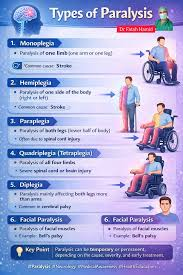
- Types: Hemiplegia (one side), Paraplegia (lower body), Quadriplegia/Tetraplegia (all limbs), and Monoplegia (one limb).
- Causes: Stroke, Spinal Cord Injury (SCI), Brain Injury, Multiple Sclerosis, Motor Neuron Disease, and Infections.
2. Assessment and Evaluation
- Neurological Assessment: Reflexes, sensation, muscle tone (spasticity/flaccidity), and motor control.
- Functional Assessment: Activities of Daily Living (ADLs) using scales like the Functional Independence Measure (FIM).
- Muscle Strength: Manual Muscle Testing (MMT) and range of motion (ROM) assessment.
- Balance & Coordination: Testing, such as Berg Balance Scale.
3. Rehabilitation Techniques (Therapeutic Exercises)
- Neuroplasticity-focused therapy: Task-oriented training to rewire neural pathways.
- Range of Motion (ROM) Exercises: Passive, active-assisted, and active exercises to prevent joint stiffness and contractures.
- Strengthening Exercises: Resistance training, isometric exercises, and weight-bearing exercises to improve muscle power and bone density.
- Mobility Training: Gait re-education, transfers (bed to chair), and balance training.
- Respiratory Management: Breathing exercises, chest physiotherapy, and coughing techniques to prevent respiratory complications.
- Neuromuscular Re-education: Techniques to retrain nerve-muscle connection.
- Specialized Approaches: Bobath (Neuro-Developmental Treatment – NDT), Proprioceptive Neuromuscular Facilitation (PNF), and Brunnstrom approach.
4. Therapeutic Modalities (Electrotherapy)
- Electrical Stimulation (FES/NMES): Functional Electrical Stimulation (FES) to stimulate muscles for movement.
- Biofeedback: To encourage voluntary muscle contraction.
- Therapeutic Modalities: Ultrasound or TENS for pain management.
5. Complication Prevention
- Pressure Injuries (Bedsores): Positioning, pressure relief techniques, and skin care education.
- Contractures: Stretching and splinting to maintain flexibility.
- Cardiovascular Issues: Preventing deep vein thrombosis (DVT) and managing orthostatic hypotension.
- Bladder/Bowel Dysfunction: Management techniques.
6. Assistive Devices and Adaptations
- Mobility Aids: Training in the use of wheelchairs, walkers, canes, and orthoses (braces/splints).
- Environmental Adaptation: Modifying home/work environments to maximize independence.
7. Psychological Support & Education
- Mental Health: Addressing anxiety, depression, and motivation.
- Caregiver Training: Educating family members on handling, transferring, and supporting the patient.
8. Specific Condition Protocols
Physiotherapy for paralysis involves a comprehensive, multidisciplinary approach to rehabilitation, focusing on restoring mobility, maximizing independence, and preventing secondary complications. The subject is generally covered under Neurological Rehabilitation and Therapeutic Exercise modules within a Bachelor of Physiotherapy (BPT) curriculum. Hilaris Publishing SRL +3
Here are the main topics and key areas of focus:
1. Types and Causes of Paralysis
- Types: Hemiplegia (one side), Paraplegia (lower body), Quadriplegia/Tetraplegia (all limbs), and Monoplegia (one limb).
- Causes: Stroke, Spinal Cord Injury (SCI), Brain Injury, Multiple Sclerosis, Motor Neuron Disease, and Infections.
2. Assessment and Evaluation
- Neurological Assessment: Reflexes, sensation, muscle tone (spasticity/flaccidity), and motor control.
- Functional Assessment: Activities of Daily Living (ADLs) using scales like the Functional Independence Measure (FIM).
- Muscle Strength: Manual Muscle Testing (MMT) and range of motion (ROM) assessment.
- Balance & Coordination: Testing, such as Berg Balance Scale.
3. Rehabilitation Techniques (Therapeutic Exercises)
- Neuroplasticity-focused therapy: Task-oriented training to rewire neural pathways.
- Range of Motion (ROM) Exercises: Passive, active-assisted, and active exercises to prevent joint stiffness and contractures.
- Strengthening Exercises: Resistance training, isometric exercises, and weight-bearing exercises to improve muscle power and bone density.
- Mobility Training: Gait re-education, transfers (bed to chair), and balance training.
- Respiratory Management: Breathing exercises, chest physiotherapy, and coughing techniques to prevent respiratory complications.
- Neuromuscular Re-education: Techniques to retrain nerve-muscle connection.
- Specialized Approaches: Bobath (Neuro-Developmental Treatment – NDT), Proprioceptive Neuromuscular Facilitation (PNF), and Brunnstrom approach.
4. Therapeutic Modalities (Electrotherapy)
- Electrical Stimulation (FES/NMES): Functional Electrical Stimulation (FES) to stimulate muscles for movement.
- Biofeedback: To encourage voluntary muscle contraction.
- Therapeutic Modalities: Ultrasound or TENS for pain management.
5. Complication Prevention
- Pressure Injuries (Bedsores): Positioning, pressure relief techniques, and skin care education.
- Contractures: Stretching and splinting to maintain flexibility.
- Cardiovascular Issues: Preventing deep vein thrombosis (DVT) and managing orthostatic hypotension.
- Bladder/Bowel Dysfunction: Management techniques.
6. Assistive Devices and Adaptations
- Mobility Aids: Training in the use of wheelchairs, walkers, canes, and orthoses (braces/splints).
- Environmental Adaptation: Modifying home/work environments to maximize independence.
7. Psychological Support & Education
- Mental Health: Addressing anxiety, depression, and motivation.
- Caregiver Training: Educating family members on handling, transferring, and supporting the patient.
8. Specific Condition Protocols
- Spinal Cord Injury (SCI) rehab: Acute (stabilization) vs. chronic phases.
- Stroke rehab: Focus on neuroplasticity and functional recovery.
- Facial Nerve Paralysis (Bell’s Palsy): Facial exercises and mimic therapy.
মানুষের জীবনে ফিজিওথেরাপির ভুমিকা ?
মানুষের জীবনে ফিজিওথেরাপির ভূমিকা অপরিহার্য। এটি ওষুধবিহীন চিকিৎসাপদ্ধতি হিসেবে শারীরিক ব্যথা হ্রাস, জয়েন্টের সচলতা পুনরুদ্ধার, পেশির শক্তি বৃদ্ধি এবং দৈনন্দিন কার্যক্ষমতা উন্নত করতে সাহায্য করে । আঘাত বা অপারেশনের পর পুনর্বাসন, দীর্ঘস্থায়ী রোগ (যেমন- বাত, কোমর ব্যথা) ব্যবস্থাপনা এবং পক্ষাঘাতগ্রস্ত রোগীদের স্বাভাবিক জীবনে ফেরাতে এটি গুরুত্বপূর্ণ ভূমিকা পালন করে ।
মানুষের জীবনে ফিজিওথেরাপির প্রধান ভূমিকাগুলো নিচে আলোচনা করা হলো:
- ব্যথা উপশম ও নিয়ন্ত্রণ: ওষুধের ওপর নির্ভরশীলতা কমিয়ে ঘাড়, কোমর, কাঁধ ও হাঁটুর দীর্ঘমেয়াদী ব্যথা কমাতে ব্যায়াম ও থেরাপির মাধ্যমে কাজ করে ।
- শারীরিক কার্যক্ষমতা ও সচলতা বৃদ্ধি: আঘাত বা স্ট্রোকের পর পেশি ও হাড়ের নড়াচড়া বা জয়েন্টের সচলতা পুনরুদ্ধার করতে সাহায্য করে, যা রোগীকে কর্মক্ষম করে তোলে ।
- অপারেশন পরবর্তী পুনর্বাসন: বড় কোনো অস্ত্রোপচারের পর দ্রুত স্বাভাবিক জীবনে ফিরে আসার জন্য ফিজিওথেরাপি অপরিহার্য ।
- আঘাত প্রতিরোধ (Injury Prevention): ক্রীড়াবিদ বা সাধারণ মানুষের পেশি ও হাড়ের শক্তি বাড়িয়ে ভবিষ্যতে আঘাত পাওয়ার ঝুঁকি কমিয়ে দেয় ।
- দীর্ঘস্থায়ী রোগ ব্যবস্থাপনা: ডায়াবেটিস, হাড় ক্ষয় বা বাতের মতো সমস্যায় শরীরের সক্ষমতা ধরে রাখতে সাহায্য করে ।
- ব্যালেন্স ও কার্যকারিতা উন্নয়ন: বয়স্ক বা স্নায়বিক সমস্যায় ভারসাম্য উন্নত করতে এবং হাঁটাচলার ক্ষমতা বাড়াতে কার্যকরী ভূমিকা রাখে ।
মূলত, ফিজিওথেরাপি কেবল রোগ নিরাময় নয়, বরং জীবনযাত্রার মান উন্নয়ন (Quality of Life) এবং দীর্ঘমেয়াদী সুস্থতা নিশ্চিত করে ।



Do you have online pharmacy technician course?I stay in aboard.I can’t attend your class physically.If you arrange online classes then I will attend your class.
Yes, We provide both service online and offline. Please, contact with us Mobile No. 01987-073965, 01797-522136.
Yes, We provide both service online and offline. Please, contact with us and call. 01987-073965, 01797-522136.
Hello! I could have sworn I’ve been to your blog before
but after going through a few of the articles I realized it’s new to me.
Regardless, I’m certainly pleased I discovered it and I’ll
be book-marking it and checking back frequently!
Thanks a lot. We provide both service online and offline. Please, contact with us Mobile No. 01987-073965, 01797-522136.