
Best Pharmacy Course in Bangladesh: A Step-by-Step Guide to Practical Training
 Super Admin
17 views
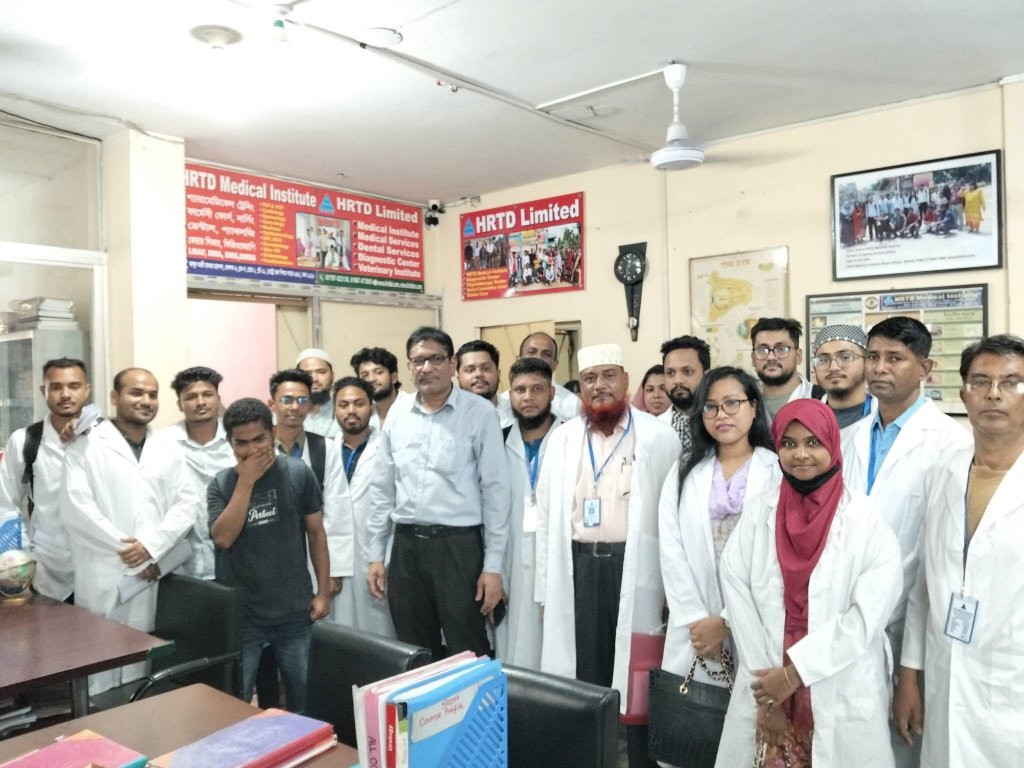
Introduction
Finding the best pharmacy course in Bangladesh is not just about theory—it is about acquiring hands-on skills that save lives. In a country where healthcare demands are rapidly evolving, practical training is the backbone of professional development. This guide walks you through the essential steps to identify and excel in a pharmacy course that prioritizes real-world competence.
Step 1: Understand the Core of Pharmacy Training
Pharmacy education goes beyond textbooks. The true essence lies in practical work that directly impacts patient care. Training is essential for development, and in pharmacy, it forms the bridge between knowledge and application. Before enrolling, ensure the course covers these critical practical skills:
- Pushing injection
- Pushing saline infusion
- Blood glucose measurement with glucometer
- Blood pressure measurement
- Heart rate measurement
- Pulse measurement
- Heart sound and pulmonary auscultation
- Clearing (airway management)
- Dressing and bandaging
- Inhalation and rotahaler techniques
- Nebulization
- Stitching (suturing)
These practical works depend on a solid educational background and are essential for the development of treatment. A top-tier pharmacy course integrates these skills into its curriculum from day one.
Step 2: Evaluate the Curriculum for Practical Depth
When comparing pharmacy courses, look beyond the list of subjects. Ask: How many hours are dedicated to hands-on practice? Are there simulation labs? Do instructors demonstrate techniques like injection administration or blood pressure measurement? The best courses allocate at least 40% of learning time to practical sessions, ensuring students gain confidence before entering clinical settings.
Step 3: Check Facilities and Equipment
A pharmacy course is only as good as its infrastructure. Visit the campus or request a virtual tour. Ensure the institution has:
- Glucometers and blood pressure monitors for each student
- Injection and infusion practice mannequins
- Auscultation simulators for heart and lung sounds
- Nebulizers and inhaler training devices
- Sterile dressing and suturing kits
Without these tools, practical training becomes theoretical—and that is a disservice to future patients.
Step 4: Learn from Experienced Instructors
The quality of trainers determines the quality of training. Seek courses taught by registered pharmacists and clinicians who have real-world experience in hospital or community settings. Instructors should demonstrate techniques such as pulse measurement, heart sound auscultation, and stitching, then supervise students until proficiency is achieved.
Step 5: Verify Accreditation and Recognition
In Bangladesh, pharmacy courses should be approved by the Pharmacy Council of Bangladesh and affiliated with a recognized university. Accreditation ensures the curriculum meets national standards and that your qualification will be accepted for licensure and employment.
Step 6: Consider Location and Accessibility
Practical training requires regular attendance and access to facilities. Choose an institution that is easily reachable. For residents of Dhaka, a centrally located campus can make a significant difference. For example, a well-equipped training center is situated at Section 6, Block-Kha, Road-1, Plot-11, Metro-rail-Pillar: 249, Mirpur 10 Roundabout, Dhaka 1216. Its proximity to public transport makes daily practice sessions feasible.
Step 7: Engage in Supervised Clinical Practice
Once enrolled, actively participate in supervised sessions. Start with basic skills like blood glucose measurement and blood pressure measurement, then progress to more complex procedures such as pushing injection, saline infusion, and stitching. Always practice under supervision until you are certified competent.
Step 8: Seek Internship and Real-World Exposure
The best pharmacy courses include internships in hospitals or community pharmacies. This exposure allows you to apply skills like dressing, bandaging, nebulization, and inhalation techniques in real scenarios, reinforcing your training and building professional confidence.
Step 9: Stay Updated with Continuous Learning
Pharmacy is dynamic. After completing your course, pursue workshops and refresher training on new techniques and technologies. Practical competence requires ongoing practice—skills like auscultation and injection administration demand regular use to maintain proficiency.
Step 10: Contact Institutions for Guidance
Don't hesitate to reach out to prospective institutions. Ask about their practical training schedule, instructor qualifications, and student support services. For personalized guidance, you can call 01987073965, 01797522136, or 01784572173. A proactive approach ensures you choose the best pharmacy course in Bangladesh for your career.
Conclusion
The best pharmacy course in Bangladesh is one that balances rigorous education with extensive practical training. By following these steps, you can identify a program that equips you with essential skills—from injection administration to auscultation—and prepares you for a rewarding career in healthcare. Remember, training is not just a requirement; it is the foundation of safe and effective treatment.
Related Posts

Best Pharmacy Course in Dhaka: A Step-by-Step Guide to Practical Training
Discover the best pharmacy course in Dhaka with our step-by-step guide. Learn ab...
C Grade Best Pharmacy Course in Dhaka
C Grade Best Pharmacy Course in Dhaka HRTD Medical Institute offers C G...

Pharmacy Best Course In Dhaka
Pharmacy Best Course in Dhaka Details Pharmacy Best Course in Dhaka. Mo...
