 HRTD Medical Institute

Pathology Best Course in Dhaka Details
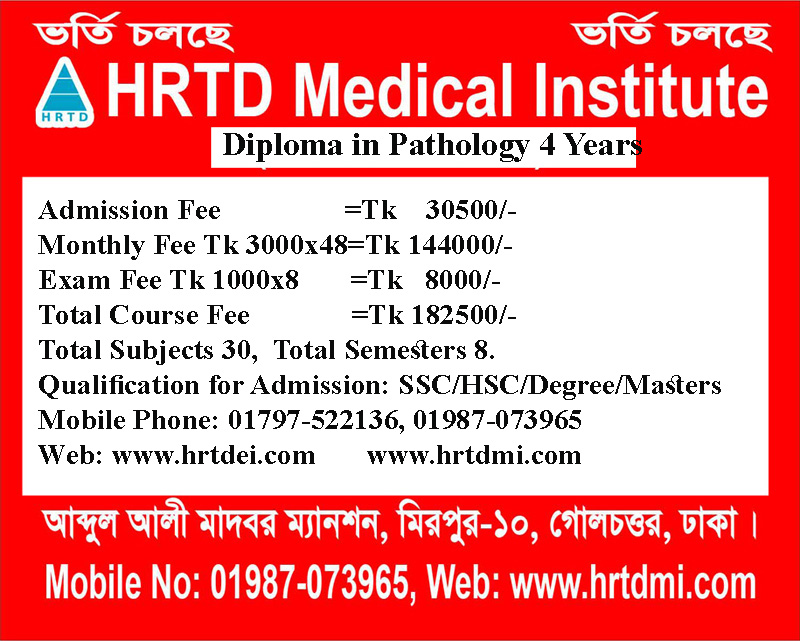
Pathology Best Course in Dhaka. Mobile No. 01987-073965, 01783-768658. Diploma in Pathology 4 Years. Total Course Fee Tk 198500/-, Total Subjects 30, Total Exam Marks 3000, Total Semester 8. Class Start 1 Week of January and 1st Week of July.
Pathology Best Course Payment System Details
Pathology Best Course Payment System: Admission Fee Tk 30500/-, Monthly Fee Tk 3500/-, Exam Fee Tk 1000×8=Tk 8000/-, Yearly Books Tk 2500/-.
Subjects for Pathology Best Course
- Human Anatomy
- Human Physiology
- Pharmacology
- First Aid
- Study of OTC Drugs
- Histology and Cytology
- General Pathology-1
- General Pathology-2
- Systemic Pathology-1
- Systemic Pathology-2
- Clinical Pathology-1
- Hematology
- General Chemistry
- Medical Chemistry
- Medical Biochemistry
- Clinical Pathology-2
- Community Medicine
- Microbiology
- Microbiological Tests
- Body Fluids
- Hematological Tests
- Biochemical Tests
- Stool and Urinary Tests
- Clinical Pathology-3
- Clinical Pathology-4
- Hormones and Hormonal Tests
- Computerized Report Preparation
- Total Subject 30
Human Anatomy
View all
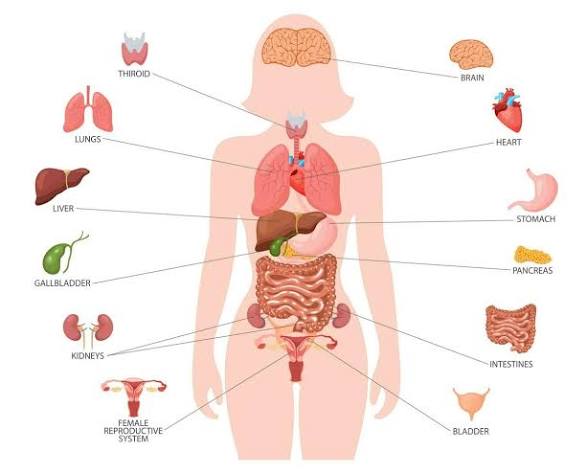
Human anatomy is the scientific study of the human body’s structures, which can be divided into gross anatomy (macroscopic) and microscopic anatomy (histology and cellular study). It is a foundational science for medicine, using traditional methods like dissection as well as modern imaging techniques like X-rays, CT scans, and MRIs. The study can be organized regionally, by body system (like the skeletal or circulatory system), or by application in a clinical setting.
Key branches of human anatomy
- Gross (Macroscopic) Anatomy: The study of body structures visible to the naked eye. This includes superficial anatomy and is often studied through dissection and observation.
- Microscopic Anatomy: The study of structures too small to be seen without magnification, including cells and tissues.
- Histology: The study of tissues.
- Cytology: The study of cells.
- Systemic Anatomy: The study of the body by organ systems (e.g., the digestive, nervous, or skeletal systems).
- Regional Anatomy: The study of the body by its major parts or regions, such as the head, neck, and torso.
- Clinical Anatomy: Focuses on the practical application of anatomical knowledge for medical purposes.
Methods of study
- Dissection: Traditionally, cutting up and examining a body or cadaver has been fundamental to anatomical research.
- Medical Imaging: Modern technology allows for detailed visualizations of internal structures without invasive procedures.
- X-ray: Uses electromagnetic radiation to create images of bones and internal organs.
- CT (Computed Tomography) Scan: Uses multiple X-ray images to create cross-sectional views.
- MRI (Magnetic Resonance Imaging): Uses magnetic fields and radio waves to create detailed images of organs and tissues.
- Cross-section Anatomy: Involves visualizing the body in 2D planes to see the internal structures.
Human Physiology
Human physiology is the scientific study of how the human body’s cells, tissues, organs, and systems function to maintain life. It focuses on the mechanical, physical, and biochemical processes that keep the body alive and the mechanisms that maintain a stable internal environment, a state known as homeostasis. Understanding physiology is crucial for medicine, as it forms the basis for diagnosing and treating diseases by identifying how deviations from normal function occur.
- Focus on function: It explores the “how” and “why” of body functions, from the chemical processes within a single cell to the coordinated actions of multiple organ systems working together.
- Key concept: homeostasis: A central principle is homeostasis, the body’s ability to maintain a stable internal environment, such as regulating body temperature and blood pressure, despite external changes.
- Scope: Physiology examines functions at all levels of organization:
- Molecules and cells
- Tissues and organs
- Organ systems, such as the nervous, cardiovascular, respiratory, and endocrine systems
- Connection to medicine: It is a foundational science for medicine, providing the knowledge of normal function that is needed to understand and treat disease (pathology).
- Interdisciplinary nature: It connects concepts from other fields like anatomy (structure), biochemistry, and molecular biology to provide a complete picture of how the body works.
Pharmacology
Pharmacology is the scientific study of drugs and their effects on the body, including their origin, composition, uses, and how they are absorbed, distributed, metabolized, and excreted. It is a biomedical discipline that involves research into new drug development and the safe and effective use of existing medications to treat diseases. The field is a multidisciplinary science that integrates knowledge from fields like chemistry, physiology, and biology to understand how drugs interact with biological systems.
Key aspects of pharmacology
- Pharmacodynamics: The study of the biochemical and physiological effects of drugs and their mechanisms of action.
- Pharmacokinetics: The study of what the body does to a drug, including absorption, distribution, metabolism (metabolization), and excretion (elimination).
- Drug discovery and development: This involves researching, testing for safety and effectiveness, and bringing new drugs to market.
- Toxicology: The study of the harmful effects of substances on living organisms.
- Therapeutics: The application of drugs to treat and prevent disease.
Applications and career paths
Pharmacology is a critical component of many healthcare professions, such as medicine, nursing, and pharmacy, as well as other life science and biomedical fields. Pharmacologists work in research institutions, the pharmaceutical industry, government regulatory agencies, and academia.
First Aid
First aid is the immediate, initial medical assistance given to someone who is injured or suddenly ill until professional help arrives. It can range from simple actions like cleaning a cut to more complex life-saving techniques like CPR, depending on the situation and the first aider’s training. The primary goal is to preserve life, prevent the condition from worsening, and promote recovery.
Steps for providing first aid
- Ensure safety: Make sure the area is safe for both you and the injured person before approaching.
- Call for help: Immediately call emergency services (like 911 or 999) for serious situations. The operator can guide you through procedures until help arrives.
- Assess the situation: Check if the person is responsive, breathing, and if there are any life-threatening injuries. Ask for consent to help if they are conscious.
- Provide immediate care: Perform basic first aid as needed, such as applying bandages, performing CPR if necessary, or managing a burn.
- Provide comfort and reassurance: Stay with the person and offer reassurance while waiting for professionals to take over.
Examples of first aid
- Cleaning and bandaging minor cuts
- Treating minor burns
- Using an automated external defibrillator (AED) or performing CPR
- Providing comfort and reassurance to someone in shock or distress
- Placing an unconscious person in the recovery position
Important considerations
- Wash your hands: Always wash your hands or use hand sanitizer before and after providing first aid to prevent the spread of germs.
- Use personal protective equipment (PPE): Wear gloves and other protective gear to avoid contact with blood and other bodily fluids.
- Do not give food or drink: Never give food or drink to someone with a serious injury or who is unconscious.
- Get trained: Consider getting formal first aid training to be prepared for emergencies.
Study of OTC Drugs
Studies on over-the-counter (OTC) drugs examine factors influencing their use, such as consumer attitudes, knowledge, socioeconomic status, and past experiences. Research also focuses on the risks associated with OTC drugs, including side effects, drug interactions, misuse, and the potential for delayed diagnosis due to self-medication. These studies aim to inform strategies to reduce unnecessary use and promote safer medication practices.
Key areas of study
- Factors influencing OTC drug use:
- Past experiences with drugs and brand familiarity.
- Perceived low side effects and quick accessibility.
- Socioeconomic and demographic characteristics.
- Lack of access to affordable healthcare, leading people to use pharmacies as a first point of contact.
- Positive attitudes towards OTC drugs, sometimes influenced by beliefs that they are approved for self-care.
- Risks and challenges of OTC drug use:
- Side effects and interactions: Can have serious implications, especially for children, the elderly, pregnant or lactating women.
- Misuse and abuse: Using drugs for non-medical purposes, such as weight loss or psychoactive effects.
- Incorrect use: Insufficient understanding of dosage or administration can lead to adverse effects.
- Delayed diagnosis: Self-medication can delay seeking professional medical attention for a condition that requires proper diagnosis and treatment.
- Knowledge and practice:
- Many studies highlight a lack of understanding regarding the risks and proper use of OTC drugs among both consumers and future healthcare professionals.
- Studies of medical students show they are not immune to self-medication and sometimes have an overly optimistic attitude toward OTC drugs.
- Potential benefits:
- Increased accountability for one’s own health.
- Greater confidence in self-management.
- Quick and convenient access to treatment for minor ailments.
Implications of the studies
- To reduce potential harm, it is important to educate consumers and healthcare professionals about the risks of OTC medications.
- Stricter regulations and better implementation of guidelines may be necessary to mitigate irresponsible self-medication.
- The findings help in formulating strategies to promote more responsible OTC drug use.
Histology and Cytology
Histology is the study of tissue, while cytology is the study of individual cells. Both are microscopic sciences crucial for understanding biology and medicine, but histology examines a larger structure that is made up of many cells, whereas cytology focuses on individual cells or small clusters of cells to assess their properties and interactions.
Histology
- Definition: The study of the microscopic structure of tissues.
- Focus: Examining a whole section of tissue, which contains many different types of cells working together.
- Application: Used to identify diseases through the analysis of a biopsy sample, such as a piece of an organ.
Cytology
- Definition: The study of individual cells.
- Focus: Examining single cells or small groups of cells for signs of disease or other abnormalities.
- Application: Can involve both invasive and non-invasive methods, such as a Pap smear (non-invasive scraping) or a fine-needle aspiration of a tumor (invasive).
Key differences
| Feature | Histology | Cytology |
|---|---|---|
| Level of study | Tissue (a collection of cells) | Individual cells or small clusters |
| Sample type | Tissue biopsy (a piece of an organ) | Cells from a scraping, fluid, or needle aspiration |
| Example | Examining a section of liver to see how the cells and structures are organized. | Examining individual cells from a Pap smear to check for abnormalities |
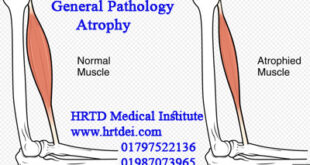
General Pathology
General pathology is the study of the causes, mechanisms, and effects of disease, focusing on the structural, biochemical, and functional changes in cells, tissues, and organs. It involves diagnosing and managing diseases through laboratory investigations that examine how the body responds to injury, including processes like inflammation, repair, and adaptation. Key areas of study include cell injury, neoplasia, and infectious diseases, with the ultimate goal of understanding what is wrong in the body and why it is happening.
Core principles and topics
- Cell injury: Understanding how cells respond to stress, which can be reversible or irreversible, ultimately leading to cell death.
- Cellular adaptation: Studying how cells adapt to stress through mechanisms like hyperplasia (increase in cell number) and metaplasia (change in cell type).
- Inflammation and repair: Investigating the body’s response to injury, including the process of wound healing.
- Neoplasia: Examining the development of tumors.
- Infectious diseases: Studying diseases caused by pathogens.
- Environmental and nutritional factors: Analyzing diseases linked to environmental exposure and nutritional deficiencies.
Diagnostic and investigative methods
- Laboratory medicine: Utilizing laboratory techniques for diagnosis.
- Microscopy: Using tools like microscopes and electron microscopes to examine tissues and cells.
- Biopsy: Analyzing tissue samples for abnormalities.
- Blood analysis: Performing blood tests to assess various health markers.
- Advanced technologies: Employing techniques such as PCR and sequencing for detailed analysis.
Role of a pathologist
- Consultant: Acting as a consultant for other physicians to help in patient treatment.
- Diagnostician: Using laboratory medicine and diagnostic techniques to diagnose and manage disease.
- Educator: Teaching the fundamental principles of how disease processes work.
- Researcher: Conducting research to further understand disease.
Systemic Pathology
Systemic pathology is the study of diseases affecting specific organs and tissues throughout the body. It examines the cause (etiology), mechanism (pathogenesis), and how diseases manifest (morphology), leading to specific signs and symptoms. This field applies the basic principles of general pathology to understand how various diseases impact the body’s systems, such as the cardiovascular, respiratory, or renal systems.
Key aspects of systemic pathology
- Etiology: The study of the causes of a disease, including genetic, environmental, and infectious factors.
- Pathogenesis: The chain of events and mechanisms by which a disease develops and progresses.
- Morphology: The structural changes that occur in cells, tissues, and organs due to the disease, which can be macroscopic (visible to the naked eye) or microscopic.
- Clinical significance: The relationship between the pathological findings and the patient’s clinical signs, symptoms, and prognosis.
- Integration: Systemic pathology integrates knowledge from different fields, such as general pathology, anatomy, and pharmacology, to provide a comprehensive understanding of disease.
What pathology means?
Pathology is the scientific study of diseases and the causes, processes, and effects of diseases. It involves the study of organs, tissues, cells, and bodily fluids in order to diagnose, prevent, and treat diseases. Pathology is a branch of medicine that is focused on the diagnosis, treatment, and prevention of disease. It is animportant tool for understanding the progression of diseases and for developing treatments for them.
Pathologists use a variety of techniques and tools to accurately diagnose diseases. These include physical examination, blood tests, biopsies, imaging tests such as MRI, and laboratory tests. Through these tests, pathologists can identify the cause of the disease and determine the best course of treatment. Pathologists also play an important role in research, studying the effects of diseases on the body and developing treatments.
Pathology is a critical part of healthcare, as it helps to diagnose, treat, and prevent diseases. It is an essential tool for understanding the progression of diseases and for developing treatments for them. Pathologists are essential members of the healthcare team, as they are able to accurately diagnose and treat diseases.
What does a pathologist do?
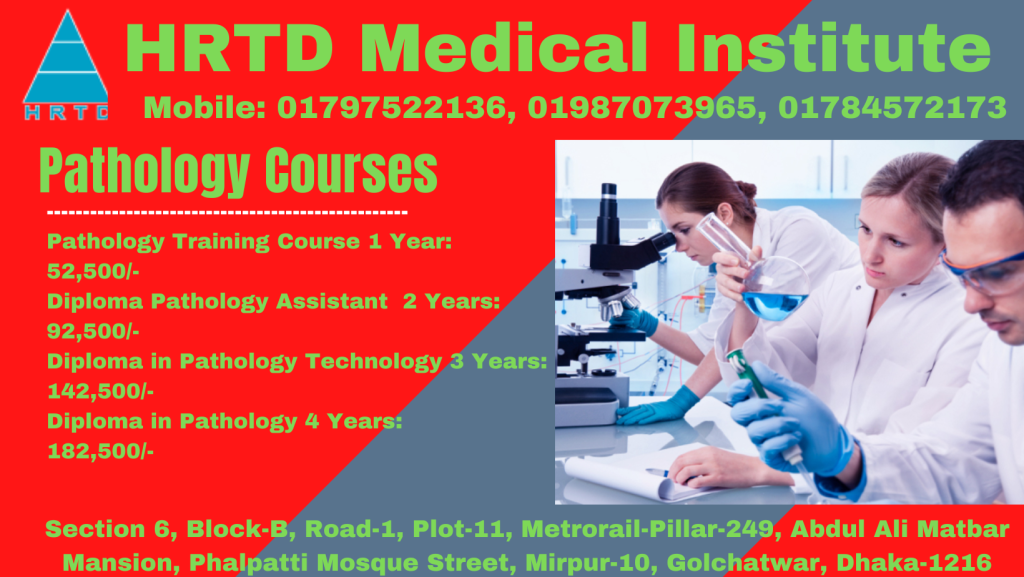
A pathologist is a medical doctor who specializes in the diagnosis of diseases by studying cells and tissues under a microscope. Pathologists play an important role in the medical field, as they are responsible for determining the cause of a patient’s illness or injury.
Pathologists typically work in a laboratory setting and study biological samples such as blood, tissue, and body fluids. By analyzing these samples, they are able to detect the presence of certain diseases, such as cancer, and determine the best course of treatment. Pathologists also examine the effects of certain medications and treatments on the body, helping to develop more effective treatments.
Pathologists use a variety of methods to diagnose diseases, including microscopy, immunohistochemistry, cytogenetic analysis, and molecular testing. They also use laboratory techniques to monitor the progress of a patient’s disease, as well as to help determine the best course of treatment.
Pathologists are also involved in the teaching and research aspects of medicine. They often teach medical students about diseases, their diagnosis, and the best treatment options. They also conduct research in order to develop new diagnostic techniques, treatments, and medicines. Pathologists play a vital role in the medical field and are instrumental in helping to diagnose and treat diseases.